

Bird
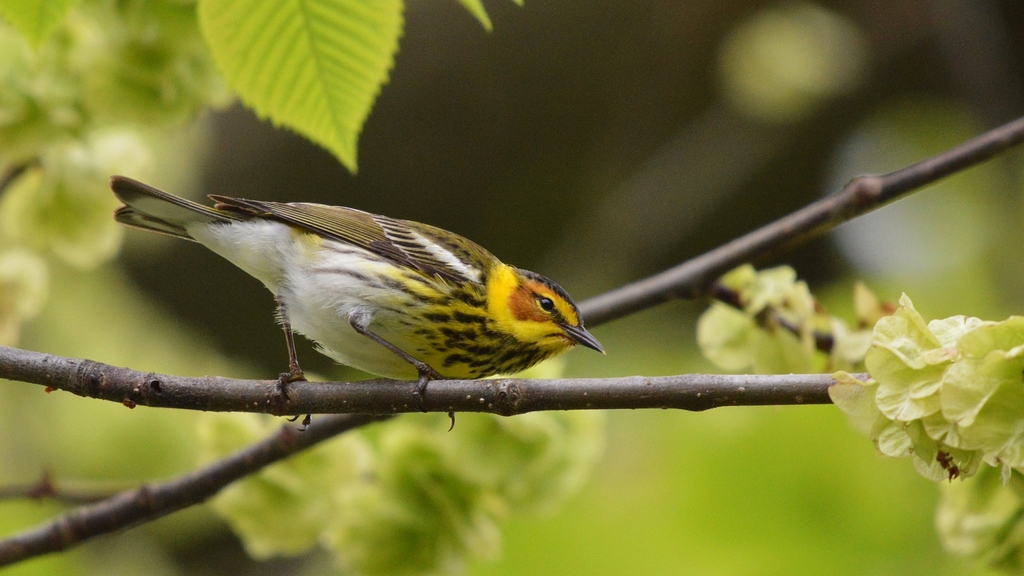
Cape May Warbler
Dendroica tigrina
A winter visitor to Florida, found in all 67 counties and 6 habitats.
- Here
- Winter and on migration
- Nesting
- Not known to nest here
- Range
- All 67 counties
- Habitats
- 6
At a glance
- Group
- Birds
- Here
- Winter and on migration
- Nesting
- Not known to nest here
- Range
- All 67 counties
- Habitats
- 6
- Habitat models
- Winter
Where it lives
The places its habitat model includes. It is not found everywhere a habitat occurs.
Habitats in Florida 6
Each habitat page lists the plants and wildlife also found there.
Open sand of beaches, dunes and the hollows between them.
Dense, evergreen groves of live oak, magnolia and other hardwoods in the southern Coastal Plain, from dry oak domes to wet hydric hammocks and south Florida's tropical hammocks; salt-shaped maritime hammocks are maritime forests.
Salt-pruned forests and shrub thickets behind coastal dunes.
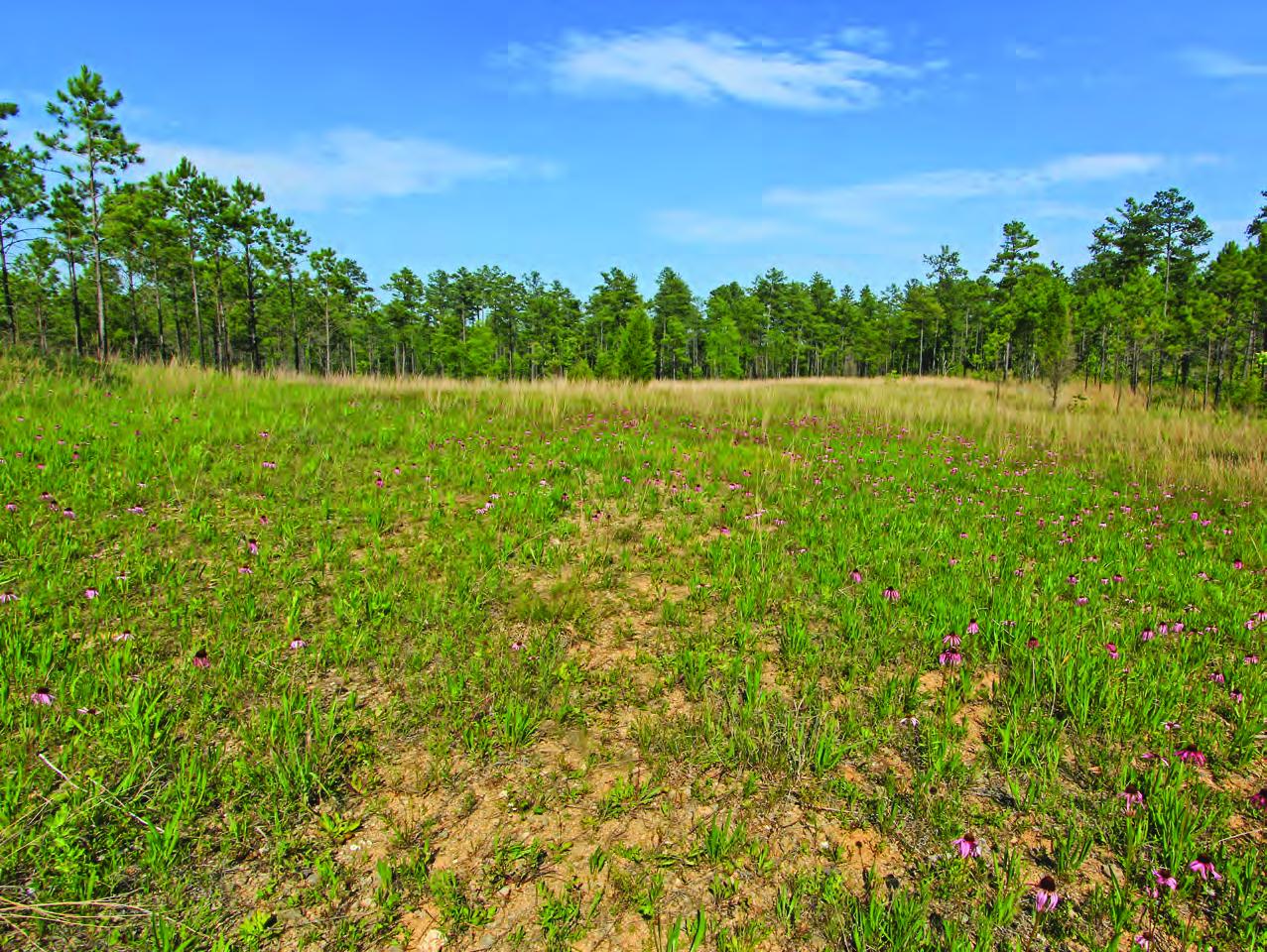
Flat, sandy Coastal Plain pine woodlands, wetter than sandhills and denser than savannas.
Roadsides, fields and disturbed ground
Ground opened by people: roadsides, old fields, pastures, fencerows and lots.
Other habitats in its models (12)
Land cover, or classes with no habitat page in Florida.
- Developed, Low Intensity Winter.
- Developed, Medium Intensity Winter.
- Laurentian-Acadian Northern Hardwoods Forest Winter.
- South Florida Pine Rockland Winter.
- Boreal Aspen-Birch Forest Winter.
- Laurentian-Acadian Northern Pine-(Oak) Forest Winter.
- Boreal White Spruce-Fir-Hardwood Forest Winter.
- Laurentian-Acadian Pine-Hemlock-Hardwood Forest Winter.
- Ozark-Ouachita Shortleaf Pine-Oak Forest and Woodland Winter.
- Acadian Low-Elevation Spruce-Fir-Hardwood Forest Winter.
- Ozark-Ouachita Shortleaf Pine-Bluestem Woodland Winter.
- Modified/Managed Southern Tall Grassland Winter.
Seasons in Florida
- Migratory: does not nest here, in all 67 counties.
- Winter: does not nest here, in 2 of 67 counties.
Also found in this habitat
Plants 166
Plants named in NatureServe descriptions of these habitats that grow in Florida. Shared habitat, not food.
- Cabbage PalmettoSabal palmetto
- Serenoa repensSerenoa repens
- SeagrapeCoccoloba uvifera
- Beach CreeperErnodea littoralis
- JoewoodJacquinia keyensis
- Acroporium smalliiAcroporium smallii
- False SisalAgave decipiens
- Splitbeard BluestemAndropogon ternarius
- Tall ThreeawnAristida patula
- Gumbo LimboBursera simaruba
- Long Key LocustberryByrsonima lucida
- Pineland CrotonCroton linearis
- White StopperEugenia axillaris
- Spanish StopperEugenia foetida
- InkwoodExothea paniculata
- Strangler FigFicus aurea
- Mangrove SpiderlilyHymenocallis latifolia
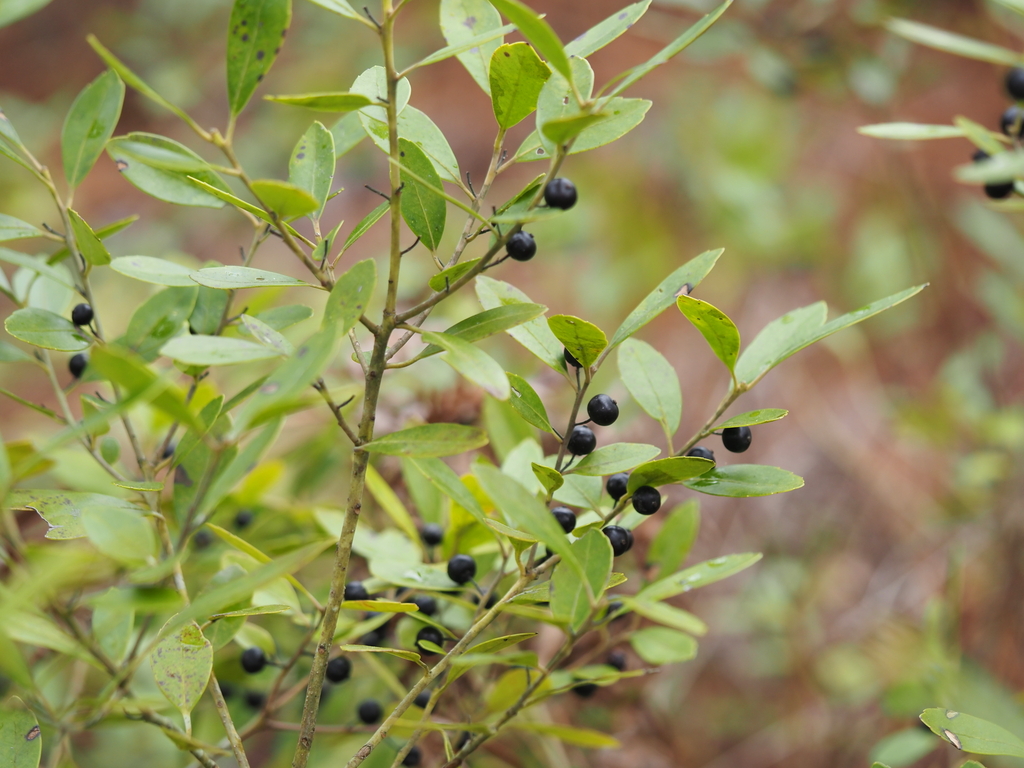
- InkberryIlex glabra
- ButtonsageLantana involucrata
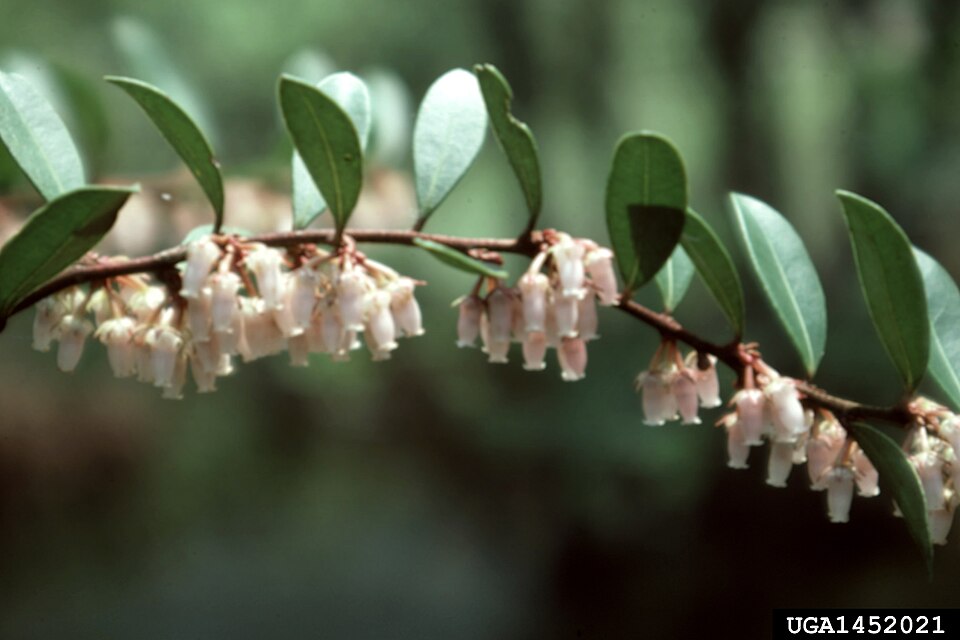
- Lyonia fruticosaLyonia fruticosa
- Shining FetterbushLyonia lucida
- Muhlenbergia capillaris var. filipesMuhlenbergia capillaris var. filipes
- Spiked MedusaOrthochilus ecristatus
- Longleaf PinePinus palustris
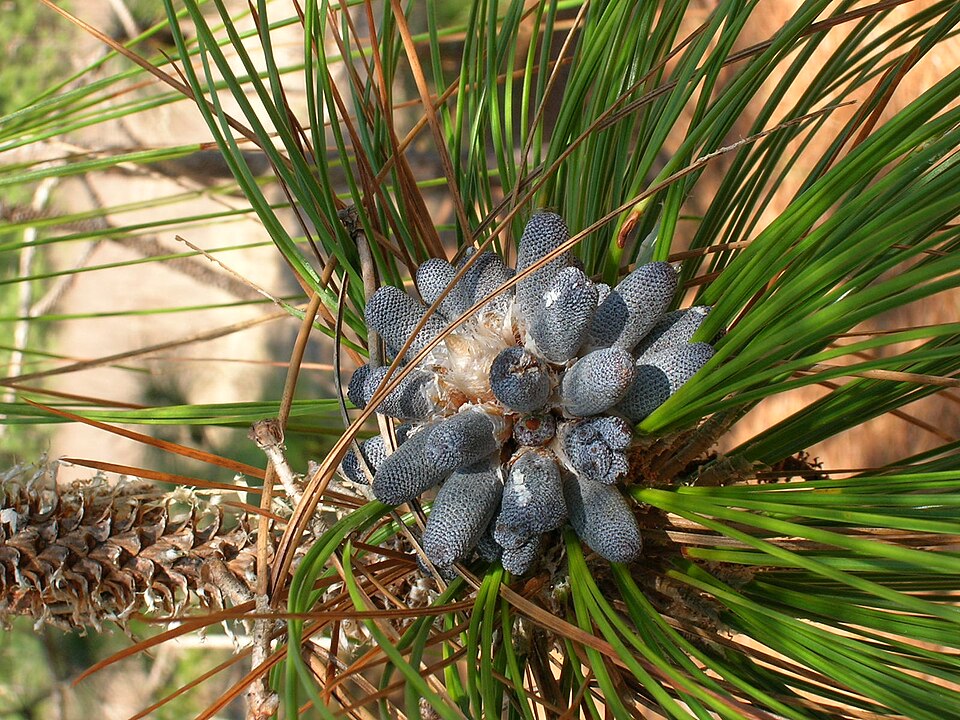
Wildlife 273
Other animals whose habitat models include the same habitats in Florida. Not sighting records.
- Pine SiskinCarduelis pinus
- Purple GallinulePorphyrio martinica
- Purple MartinProgne subis
- Red-bellied WoodpeckerMelanerpes carolinus
- Red-crowned ParrotAmazona viridigenalis
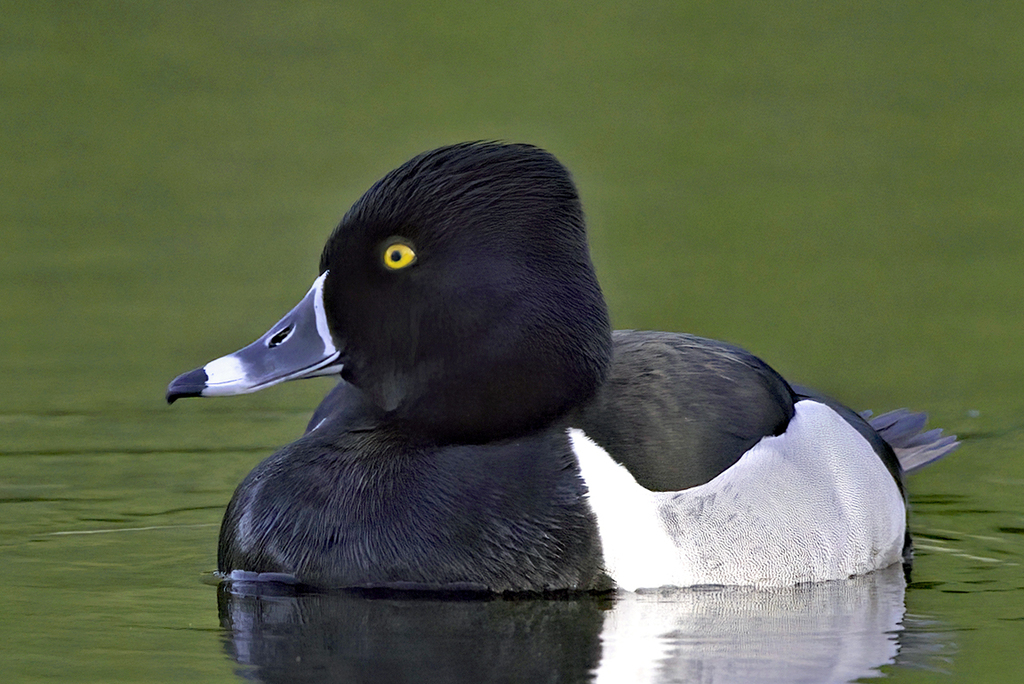
- Ring-necked DuckAythya collaris
- Ruby-throated HummingbirdArchilochus colubris
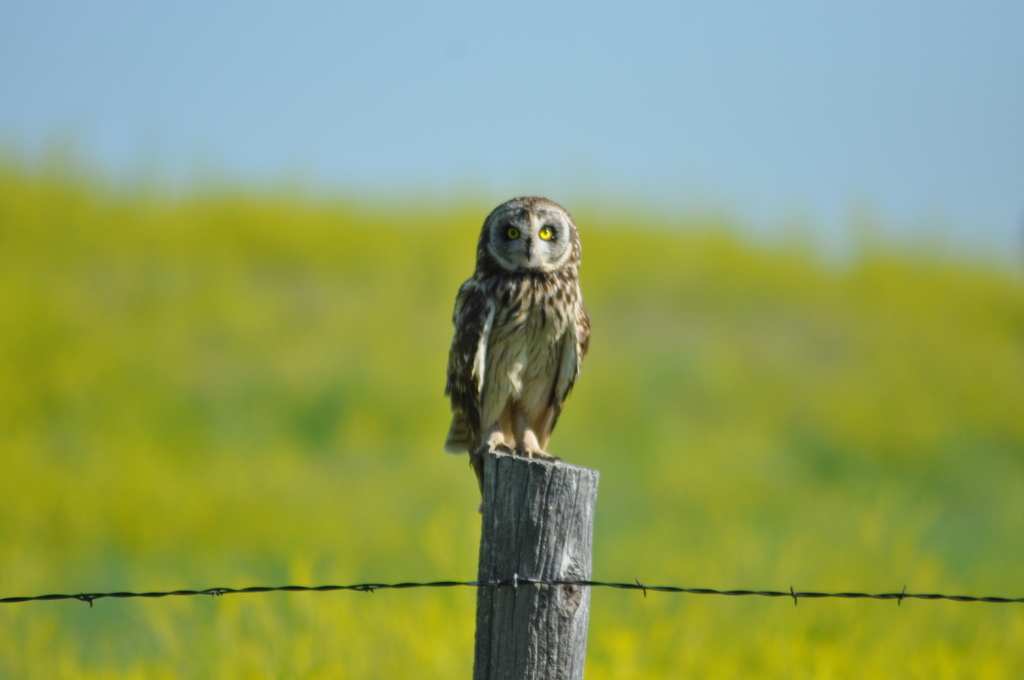
- Short-eared OwlAsio flammeus
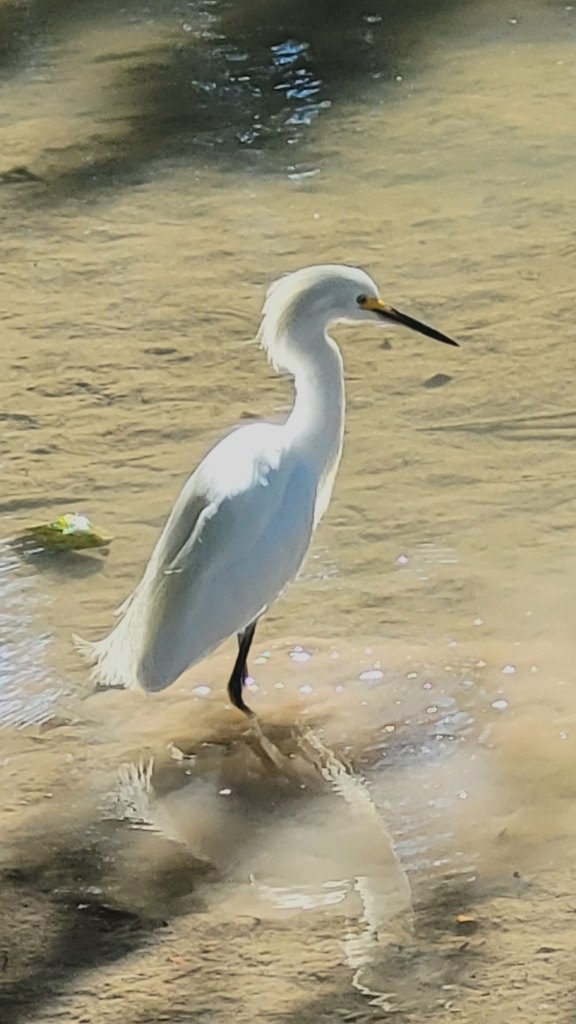
- Snowy EgretEgretta thula
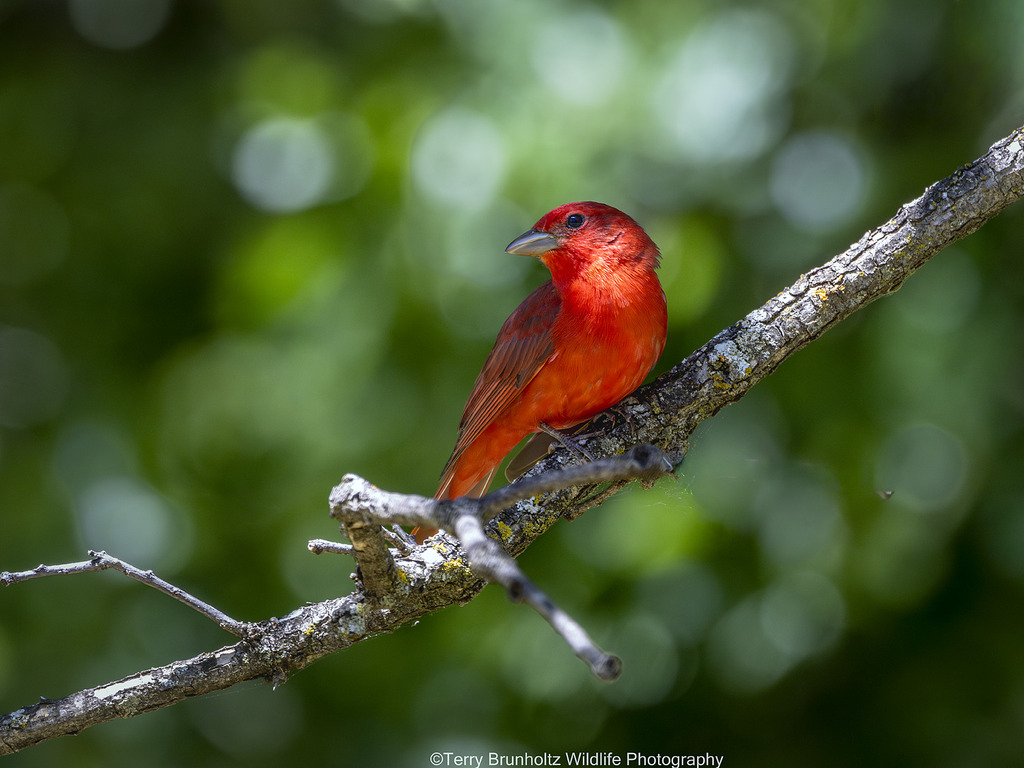
- Summer TanagerPiranga rubra
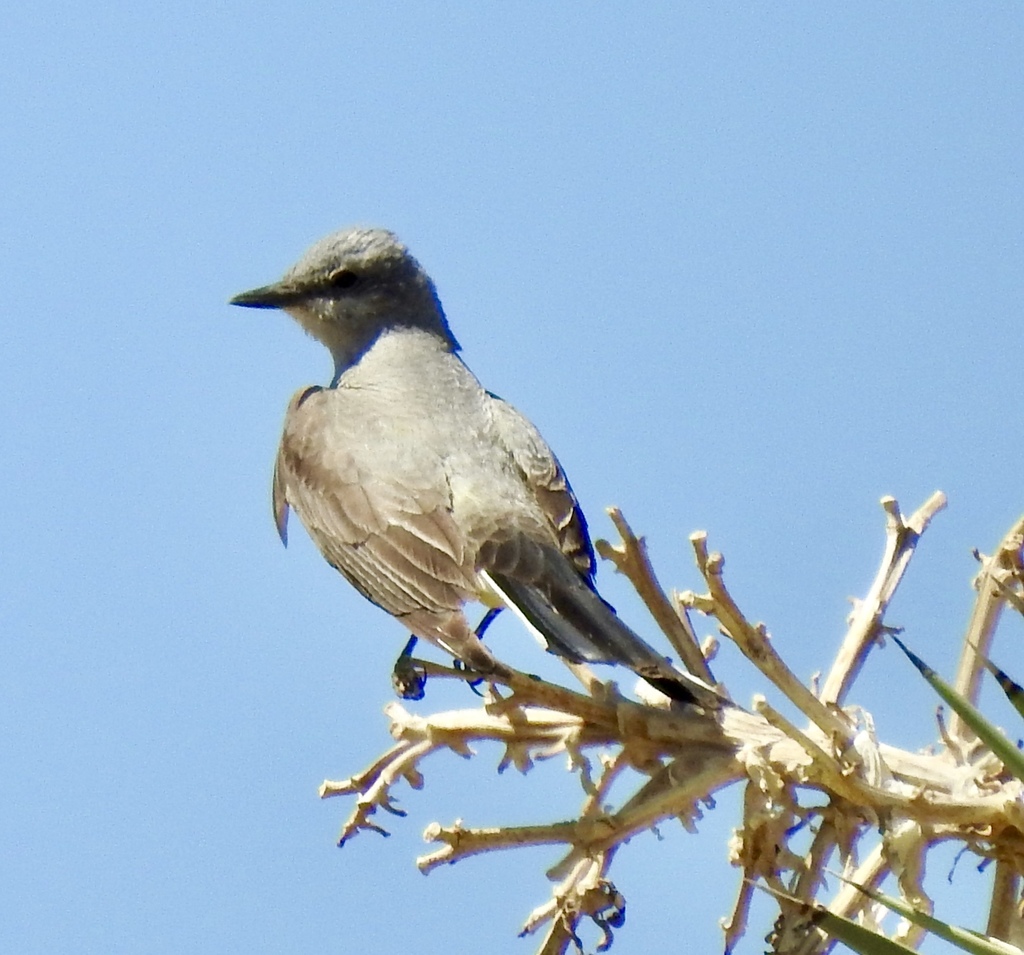
- Western KingbirdTyrannus verticalis
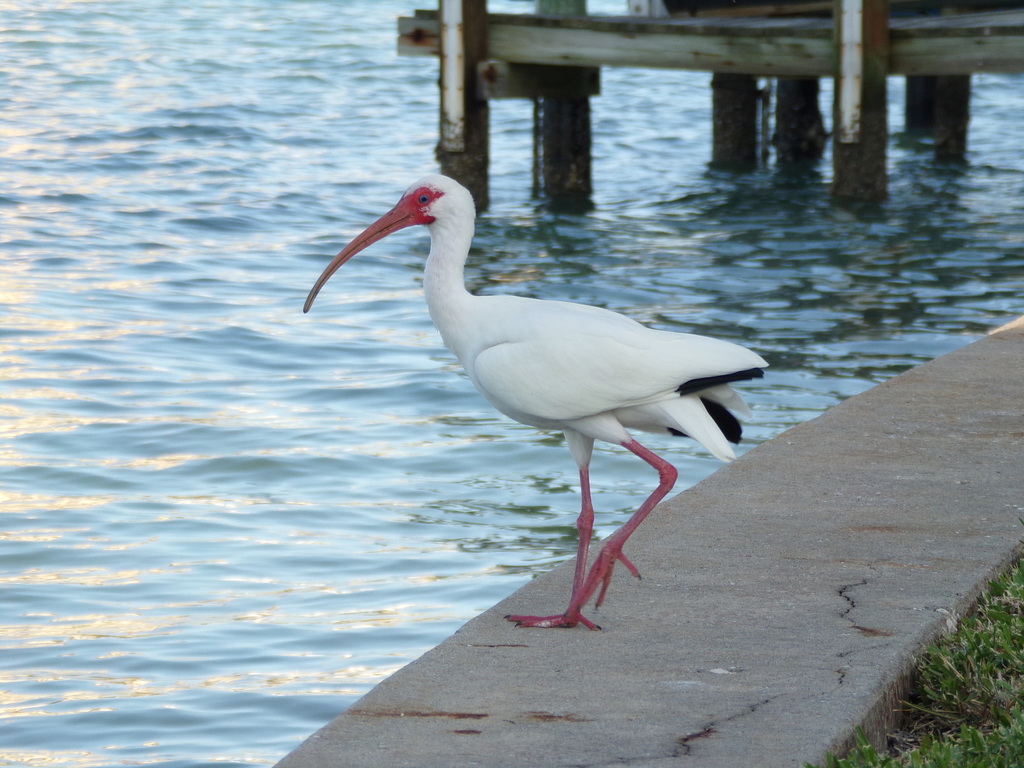
- White IbisEudocimus albus
- White-throated SparrowZonotrichia albicollis
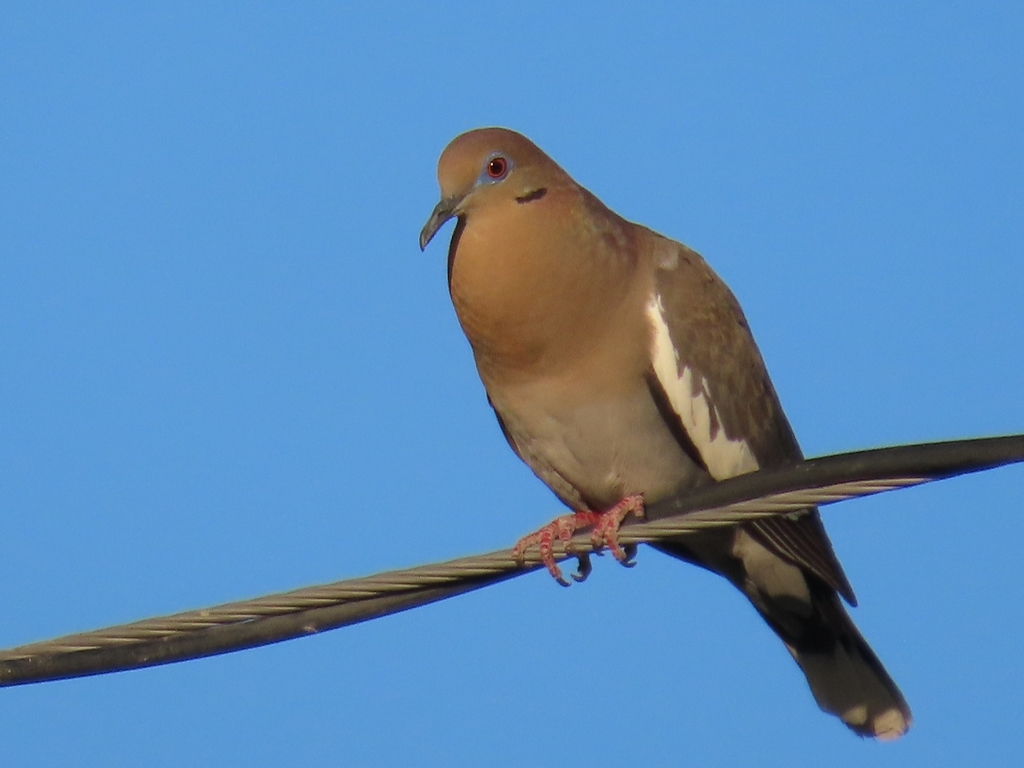
- White-winged DoveZenaida asiatica
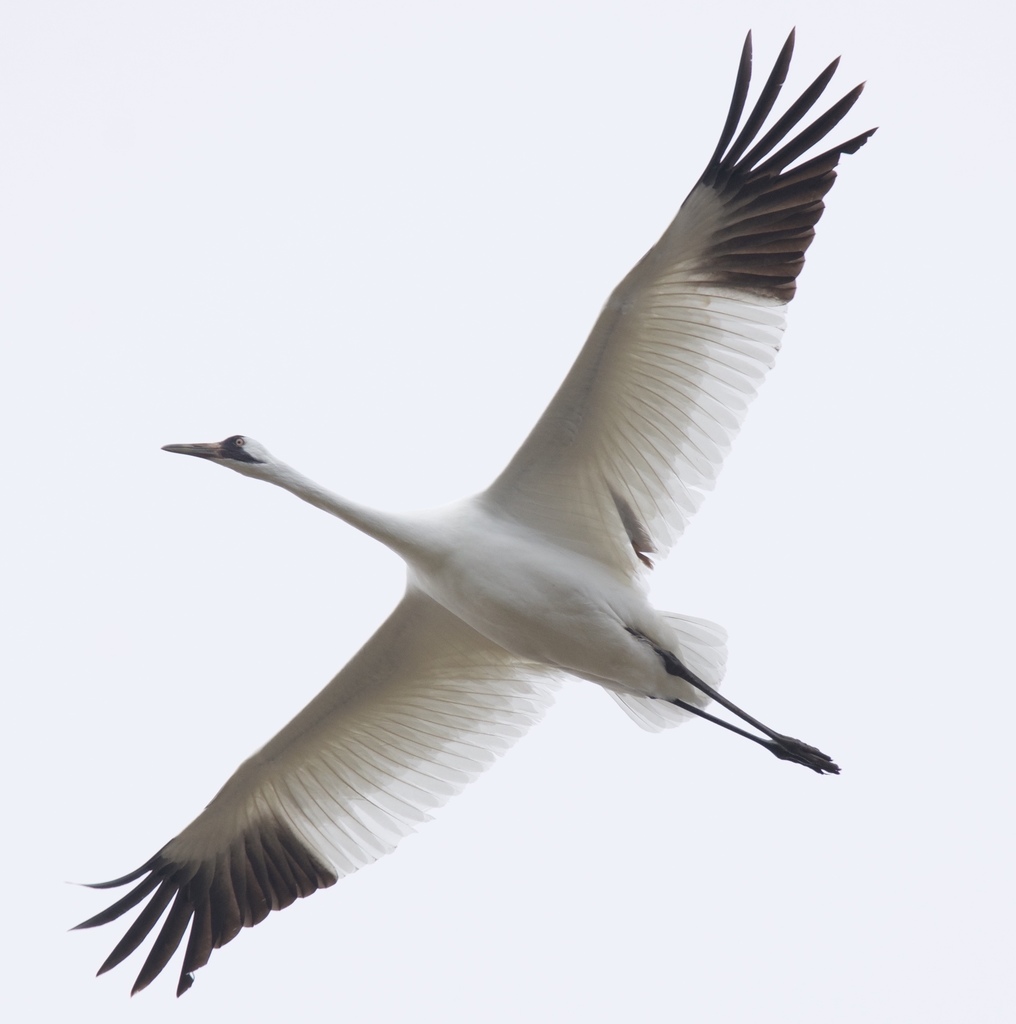
- Whooping CraneGrus americana
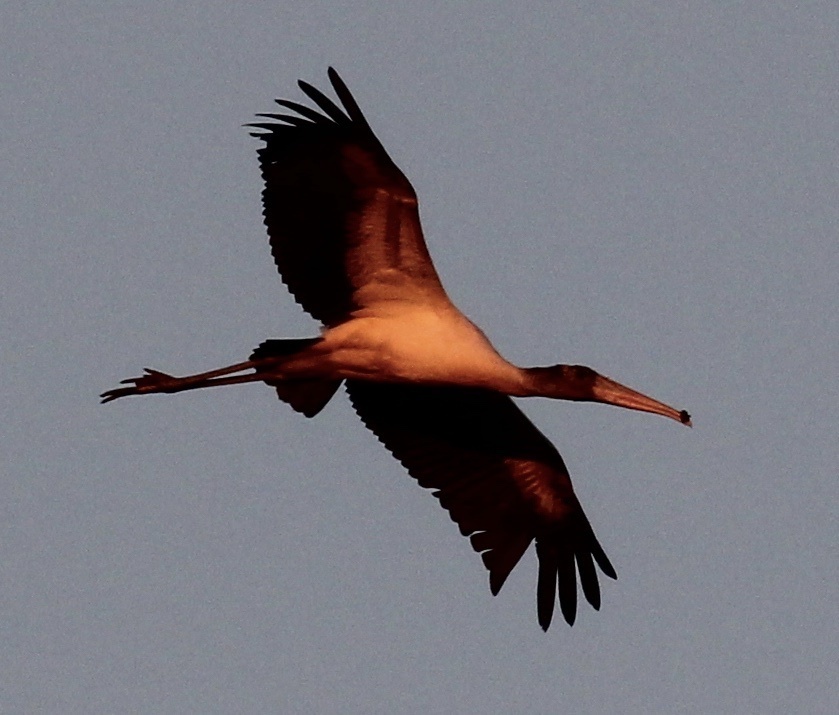
- Wood StorkMycteria americana
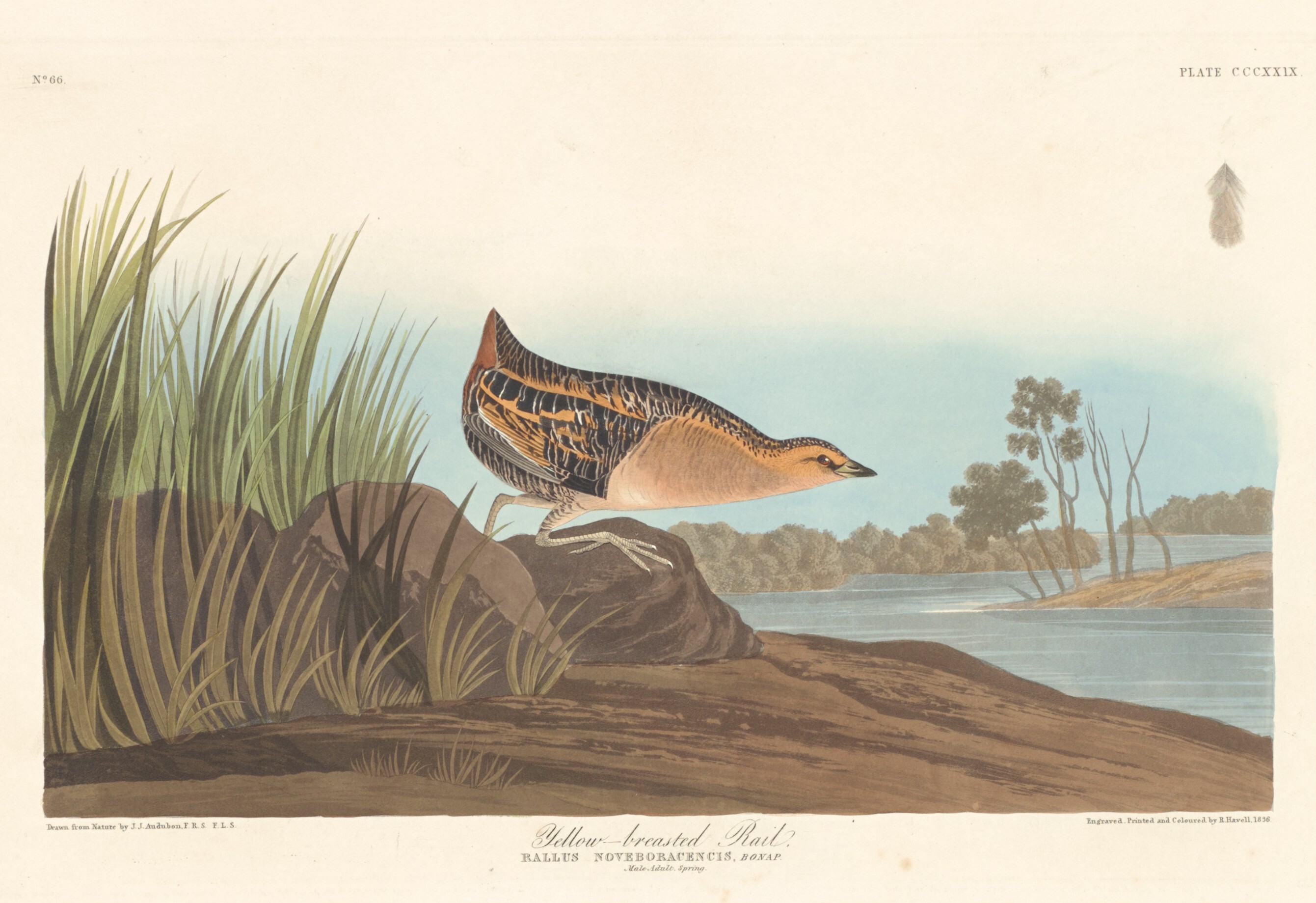
- Yellow RailCoturnicops noveboracensis
- Yellow-billed CuckooCoccyzus americanus
- Yellow-throated WarblerDendroica dominica
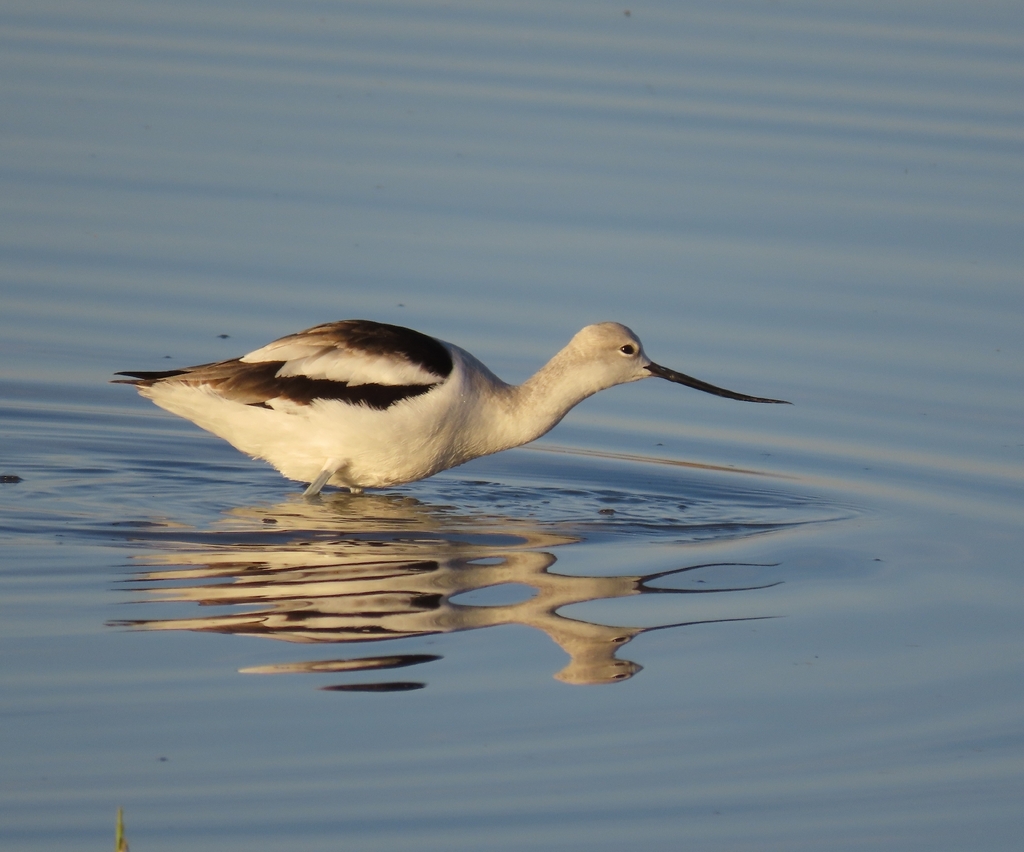
- American AvocetRecurvirostra americana
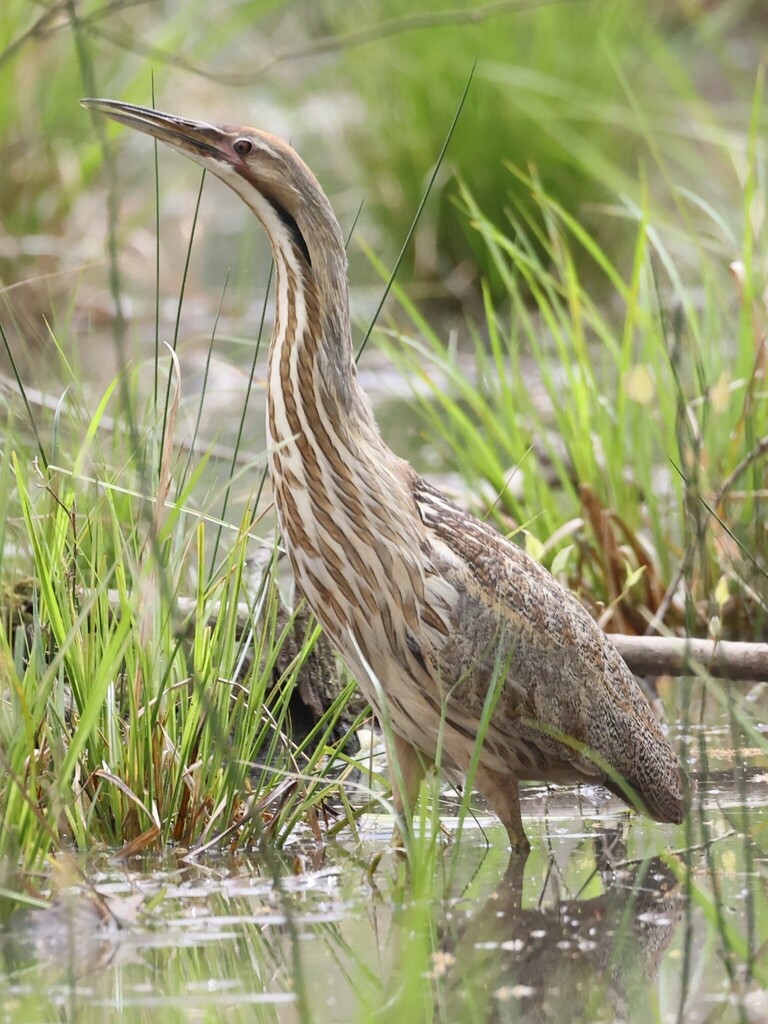
- American BitternBotaurus lentiginosus
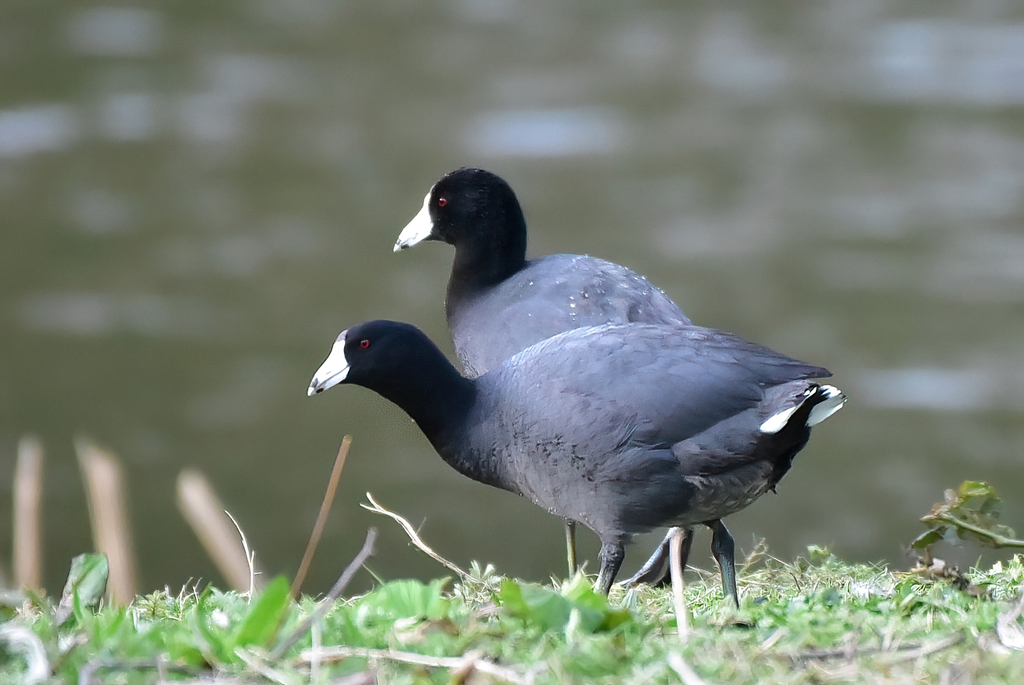
- American CootFulica americana
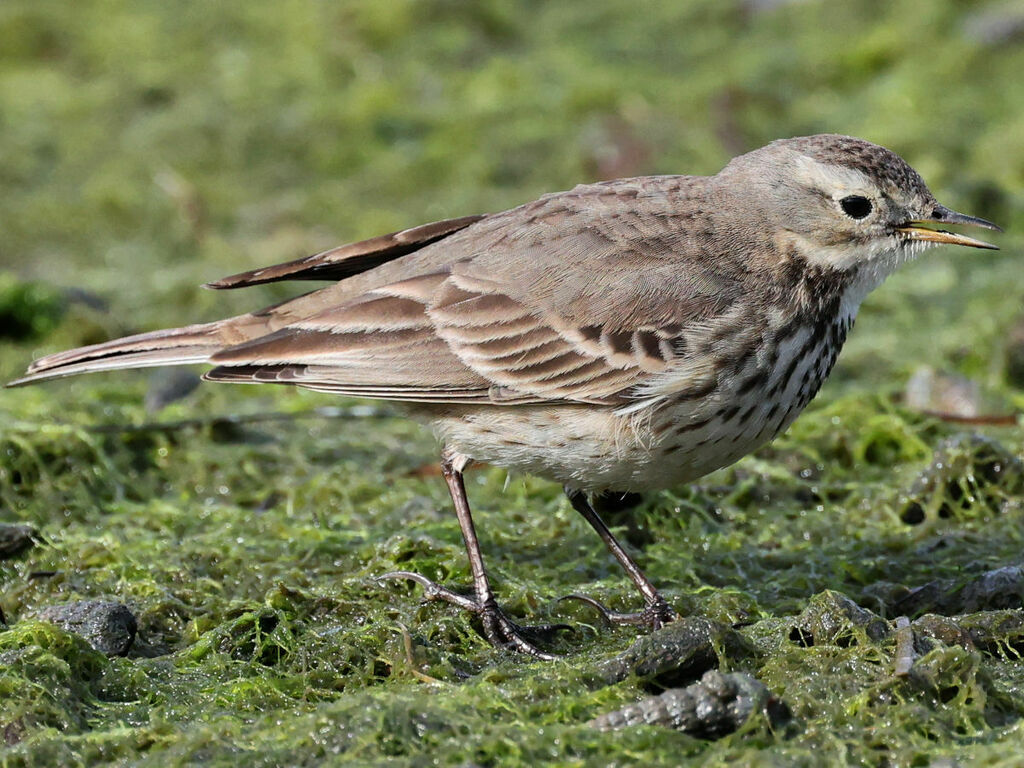
- American PipitAnthus rubescens
- American RedstartSetophaga ruticilla

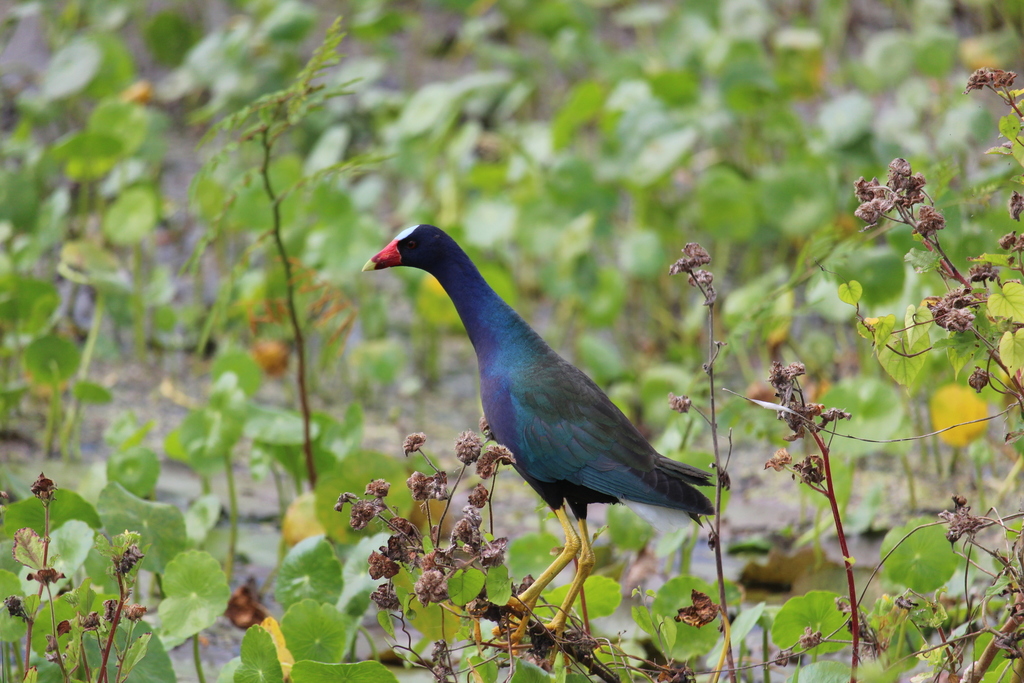
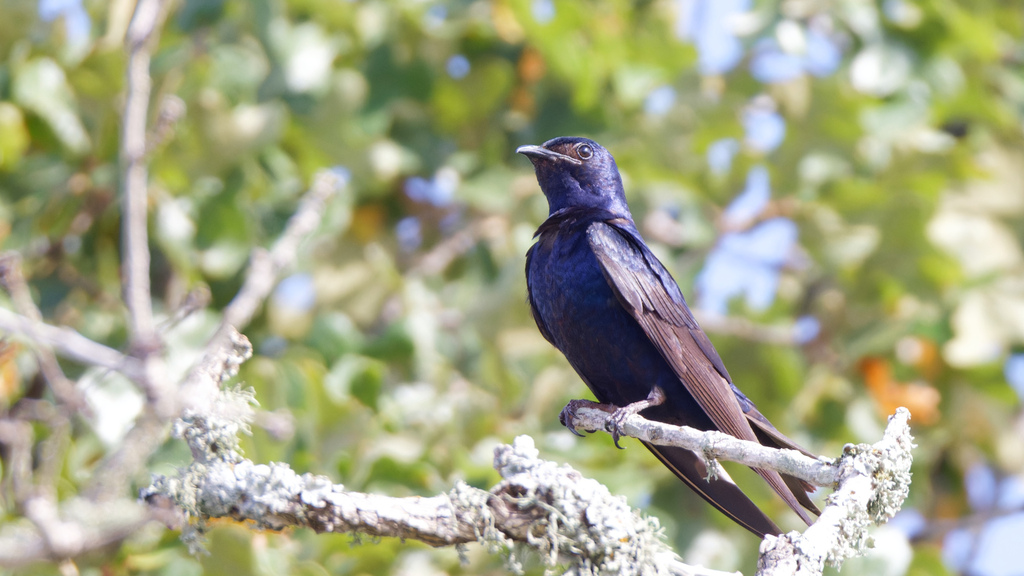

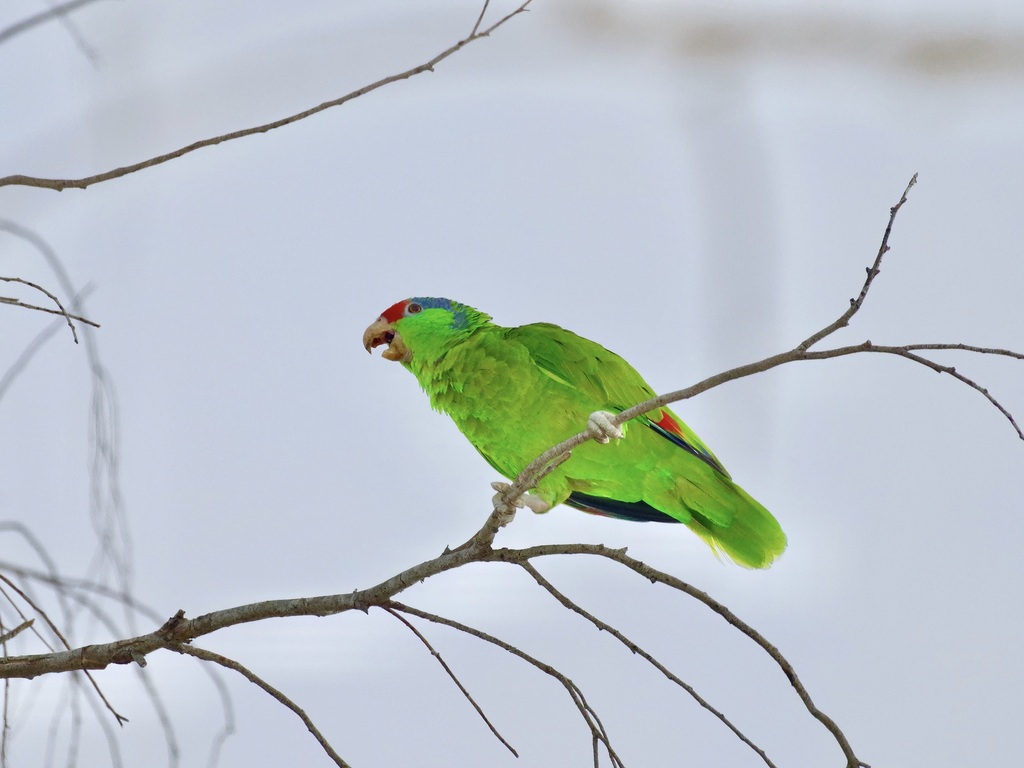





NatureServe Explorer, CC BY 4.0. USGS Gap Analysis Project habitat models.
Sources
- USGS Gap Analysis Project habitat models (2001)
- USGS GAP winter habitat model for Cape May Warbler
- USGS Gap Analysis Project range maps (2001), modeled by watershed; migratory gives no dates
- NatureServe Explorer (CC BY 4.0), habitat names
- US Census TIGER/Line counties
- Names follow the USGS Gap Analysis Project (2001)