

Bird
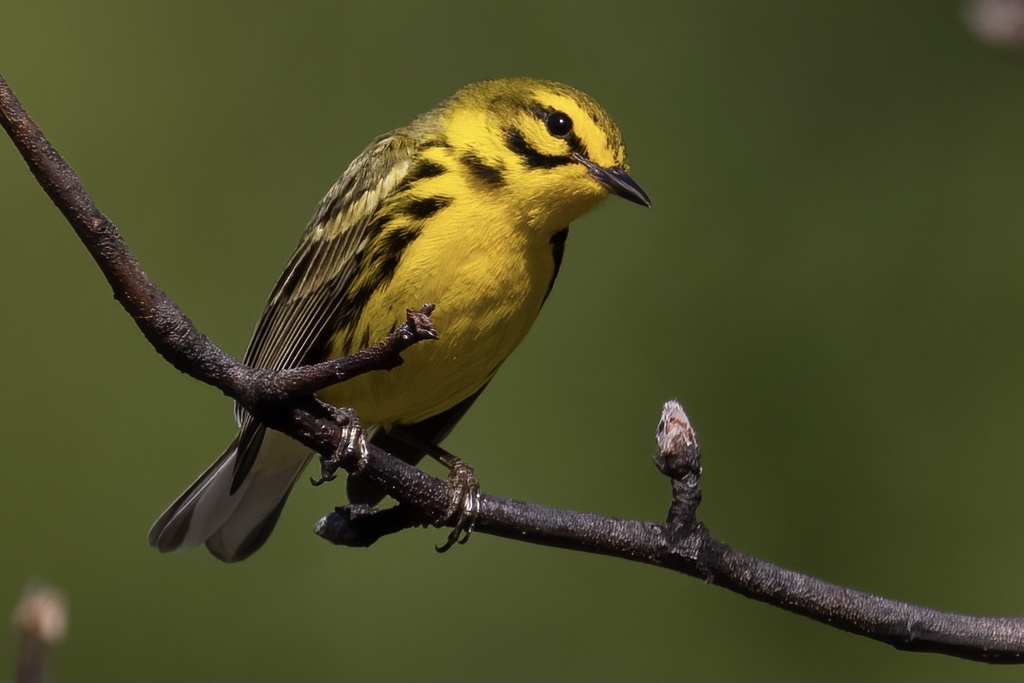
Cape May Warbler
Dendroica tigrina
A winter visitor to Florida, found in all 67 counties and 6 habitats.
- Here
- Winter and on migration
- Nesting
- Not known to nest here
- Range
- All 67 counties
- Habitats
- 6
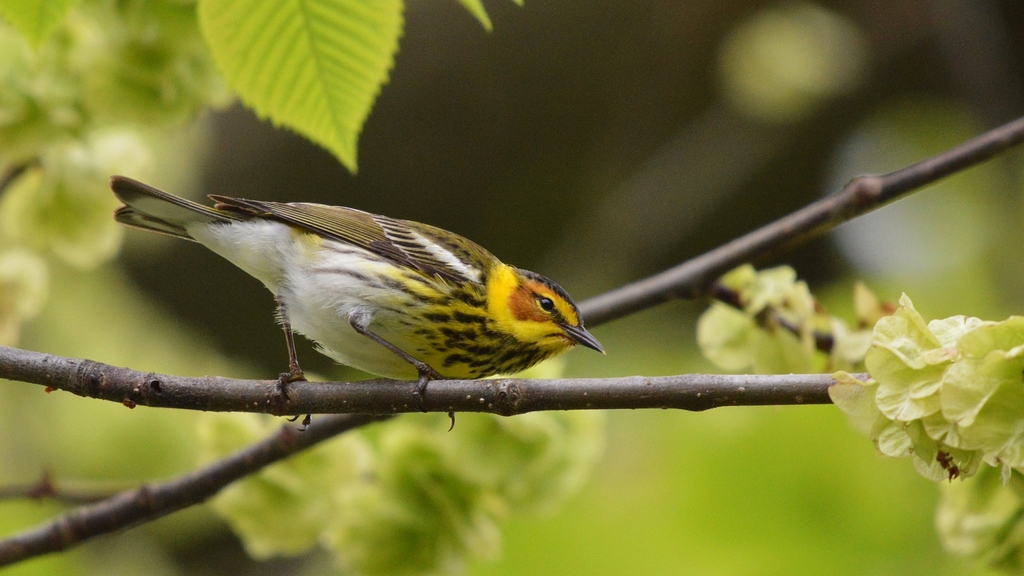
At a glance
- Group
- Birds
- Here
- Winter and on migration
- Nesting
- Not known to nest here
- Range
- All 67 counties
- Habitats
- 6
- Habitat models
- Winter
Where it lives
The places its habitat model includes. It is not found everywhere a habitat occurs.
Habitats in Florida 6
Each habitat page lists the plants and wildlife also found there.
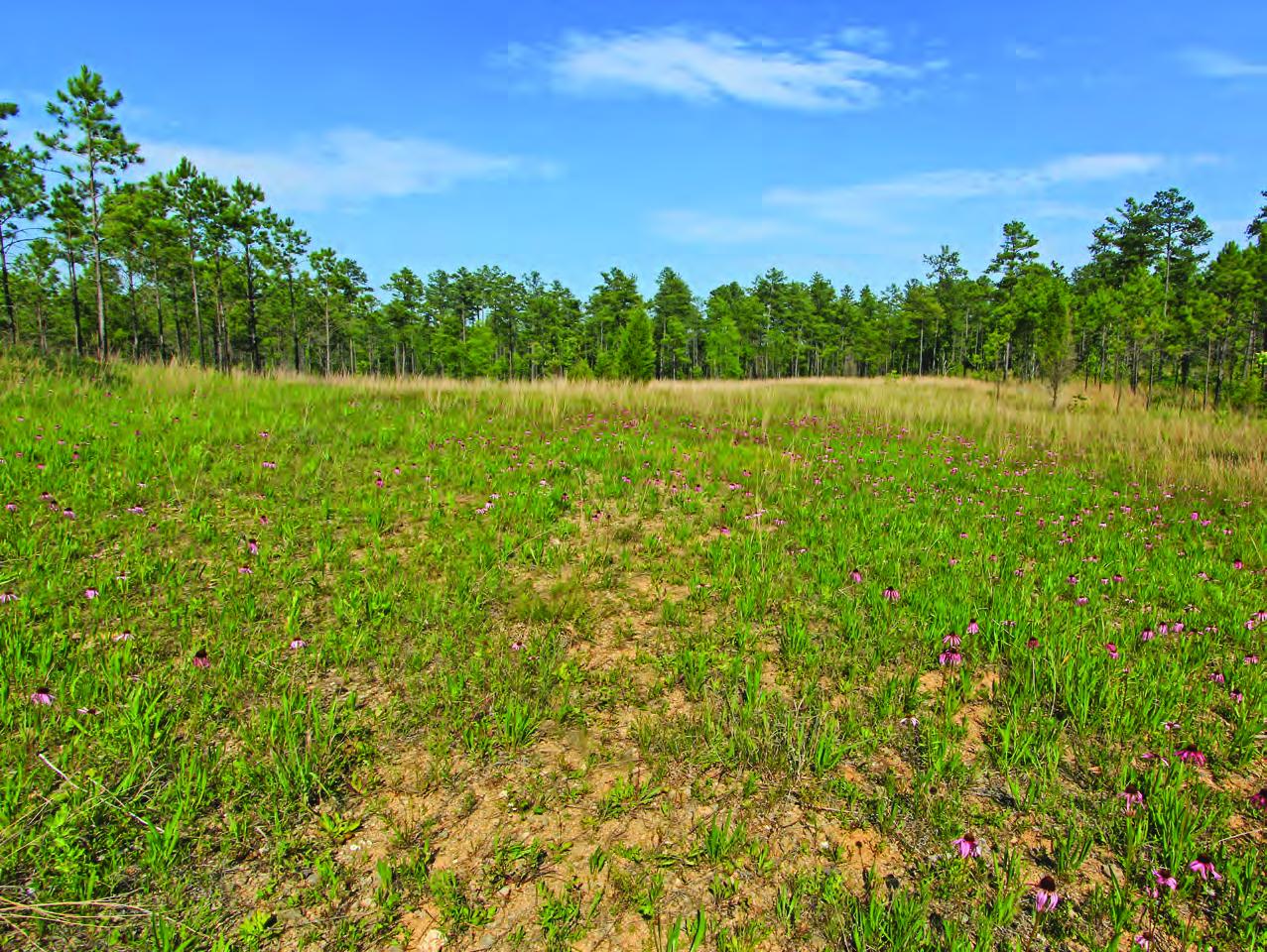
Open sand of beaches, dunes and the hollows between them.
Dense, evergreen groves of live oak, magnolia and other hardwoods in the southern Coastal Plain, from dry oak domes to wet hydric hammocks and south Florida's tropical hammocks; salt-shaped maritime hammocks are maritime forests.
Salt-pruned forests and shrub thickets behind coastal dunes.
Flat, sandy Coastal Plain pine woodlands, wetter than sandhills and denser than savannas.
Roadsides, fields and disturbed ground
Ground opened by people: roadsides, old fields, pastures, fencerows and lots.
Other habitats in its models (12)
Land cover, or classes with no habitat page in Florida.
- Developed, Low Intensity Winter.
- Developed, Medium Intensity Winter.
- Laurentian-Acadian Northern Hardwoods Forest Winter.
- South Florida Pine Rockland Winter.
- Boreal Aspen-Birch Forest Winter.
- Laurentian-Acadian Northern Pine-(Oak) Forest Winter.
- Boreal White Spruce-Fir-Hardwood Forest Winter.
- Laurentian-Acadian Pine-Hemlock-Hardwood Forest Winter.
- Ozark-Ouachita Shortleaf Pine-Oak Forest and Woodland Winter.
- Acadian Low-Elevation Spruce-Fir-Hardwood Forest Winter.
- Ozark-Ouachita Shortleaf Pine-Bluestem Woodland Winter.
- Modified/Managed Southern Tall Grassland Winter.
Seasons in Florida
- Migratory: does not nest here, in all 67 counties.
- Winter: does not nest here, in 2 of 67 counties.
Also found in this habitat
Plants 166
Plants named in NatureServe descriptions of these habitats that grow in Florida. Shared habitat, not food.
- False TamarindLysiloma latisiliquum
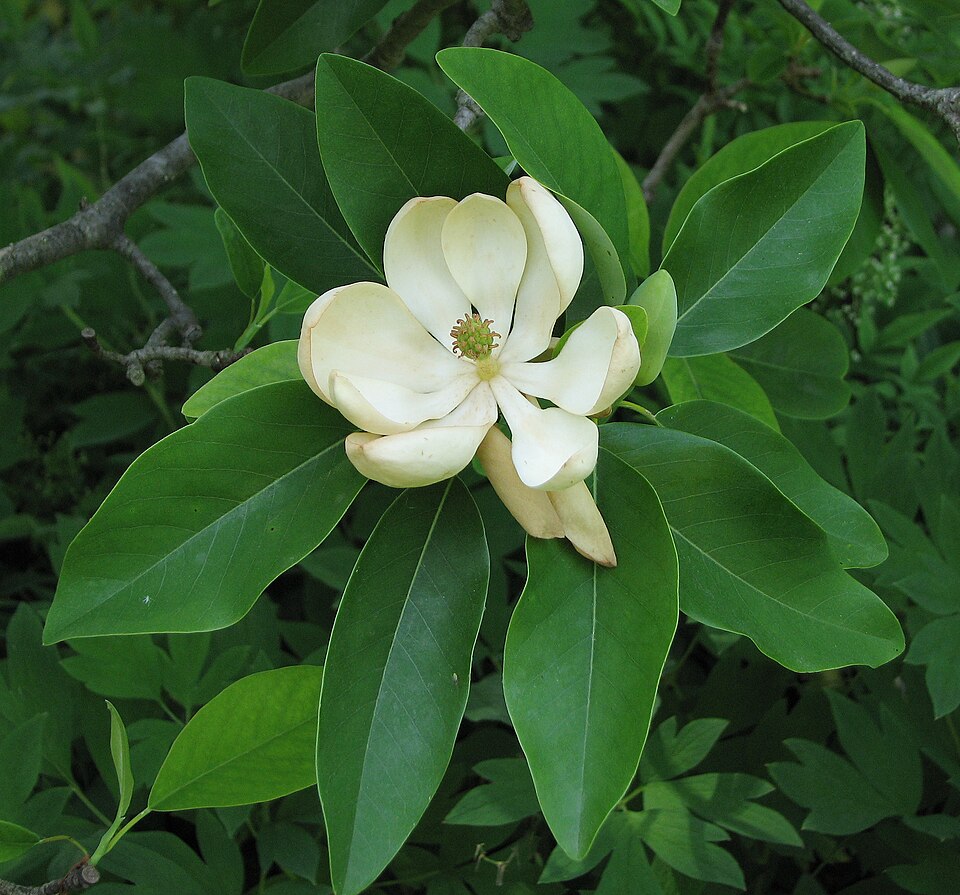
- Sweetbay MagnoliaMagnolia virginiana
- Small-leaf SquarestemMelanthera parvifolia
- Florida PoisontreeMetopium toxiferum
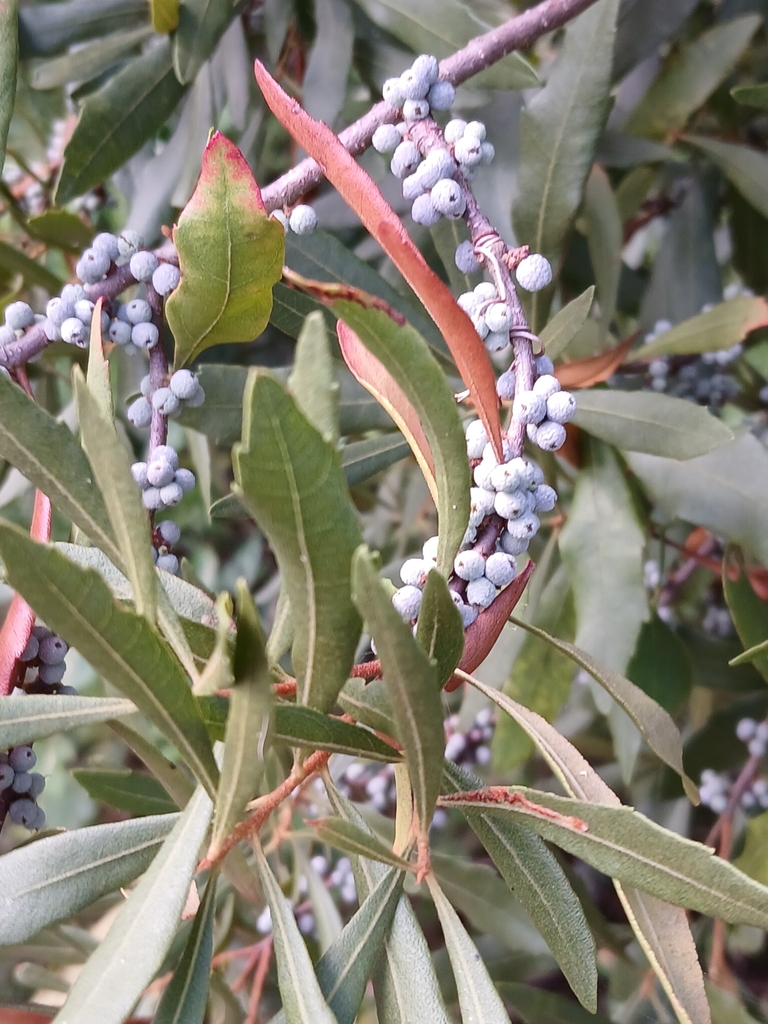
- Common WaxmyrtleMorella cerifera
- Celestial LilyNemastylis floridana
- Florida BeargrassNolina atopocarpa
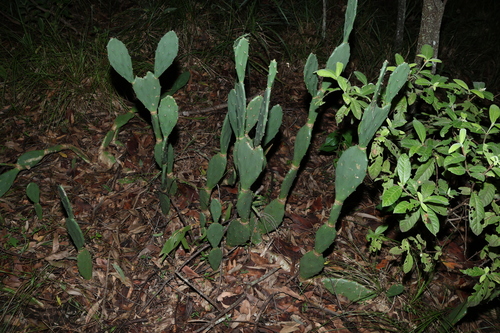
- Opuntia strictaOpuntia stricta
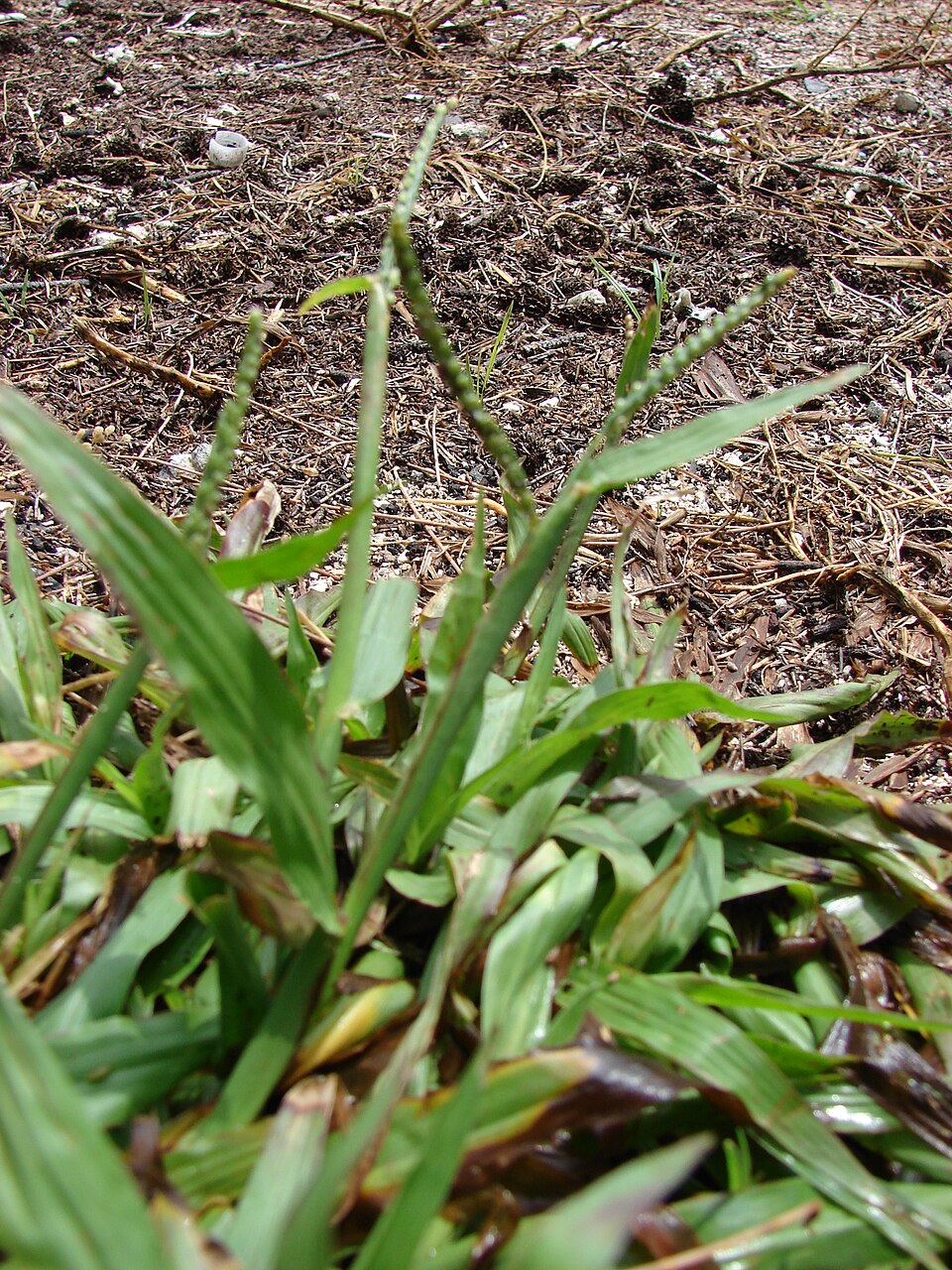
- Thin CrowngrassPaspalum setaceum
- Mahogany MistletoePhoradendron rubrum
- Florida Keys BlackbeadPithecellobium keyense
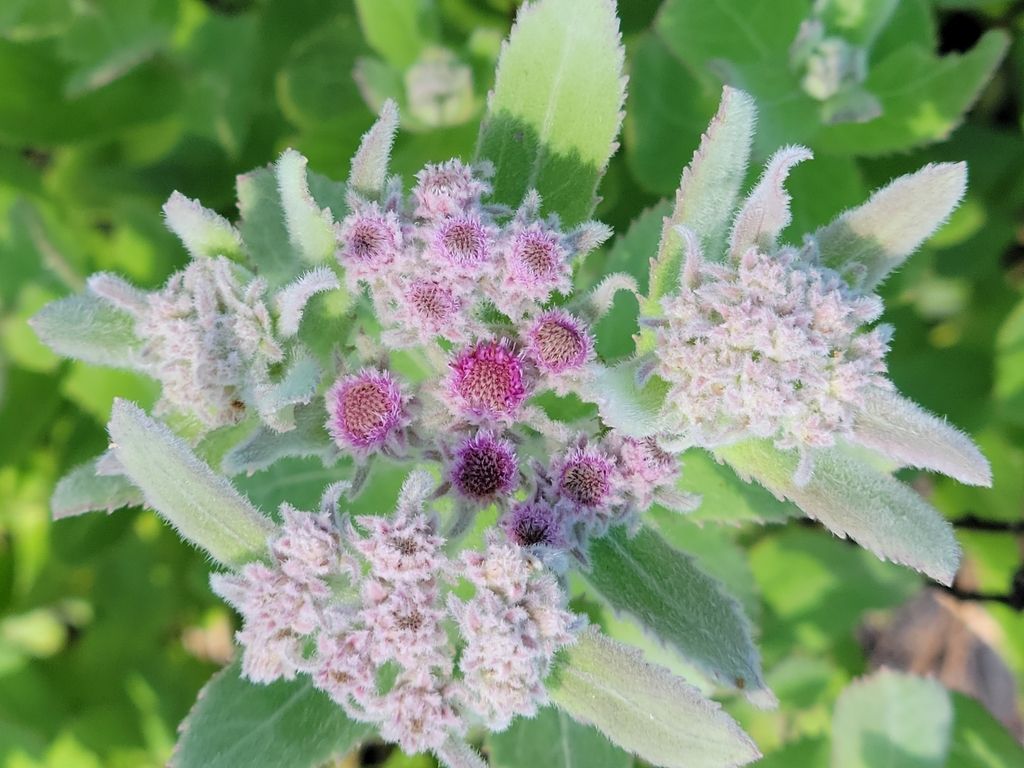
- Rosy CamphorweedPluchea baccharis
- Britton's Shadow WitchPonthieva brittoniae
- Wild CoffeePsychotria nervosa
- Bahama Ladder BrakePteris bahamensis
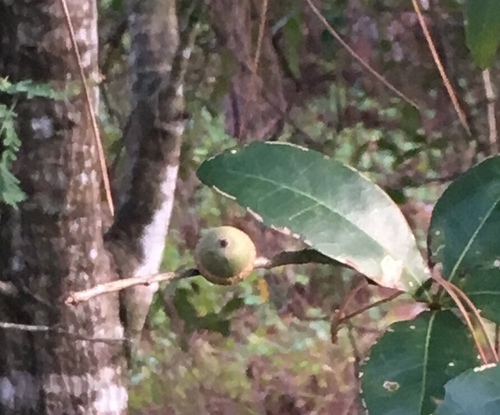
- Laurel OakQuercus laurifolia
- White IndigoberryRandia aculeata
- Spreading BeaksedgeRhynchospora divergens
- Bahama SachsiaSachsia polycephala
- Wire BluestemSchizachyrium gracile
- South Florida Little BluestemSchizachyrium rhizomatum
- Schoenolirion albiflorumSchoenolirion albiflorum
- GraytwigSchoepfia schreberi
- Saffron PlumSideroxylon celastrinum
Wildlife 273
Other animals whose habitat models include the same habitats in Florida. Not sighting records.
- American CrowCorvus brachyrhynchos
- American KestrelFalco sparverius
- Chipping SparrowSpizella passerina
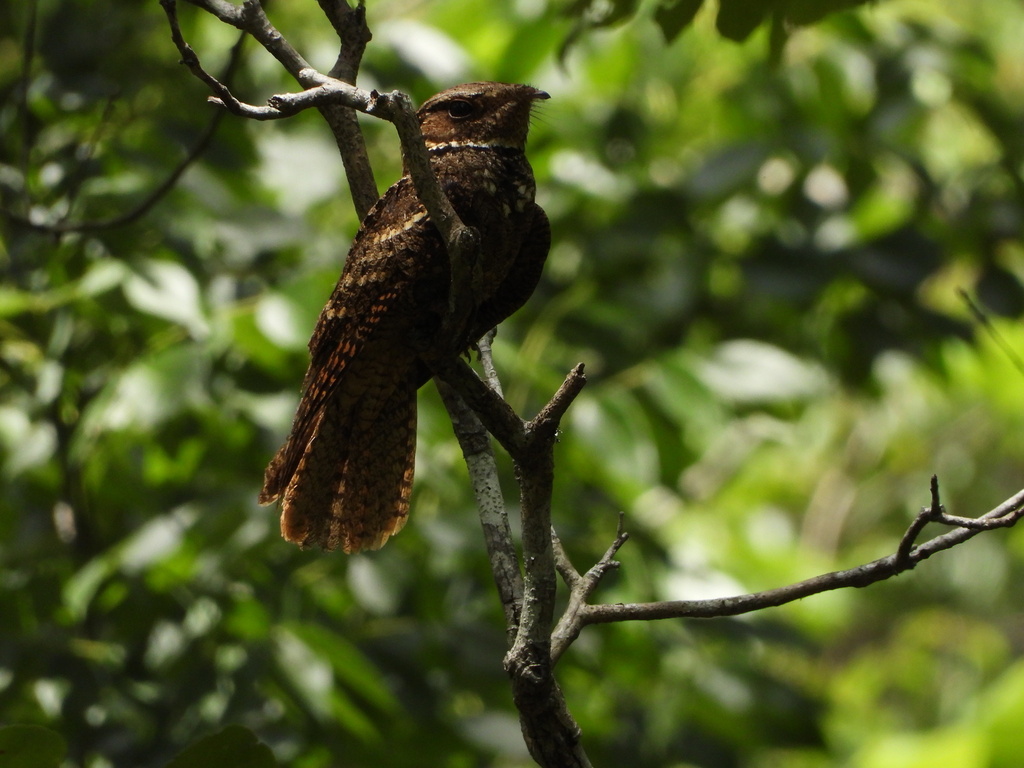
- Chuck-will's-widowCaprimulgus carolinensis
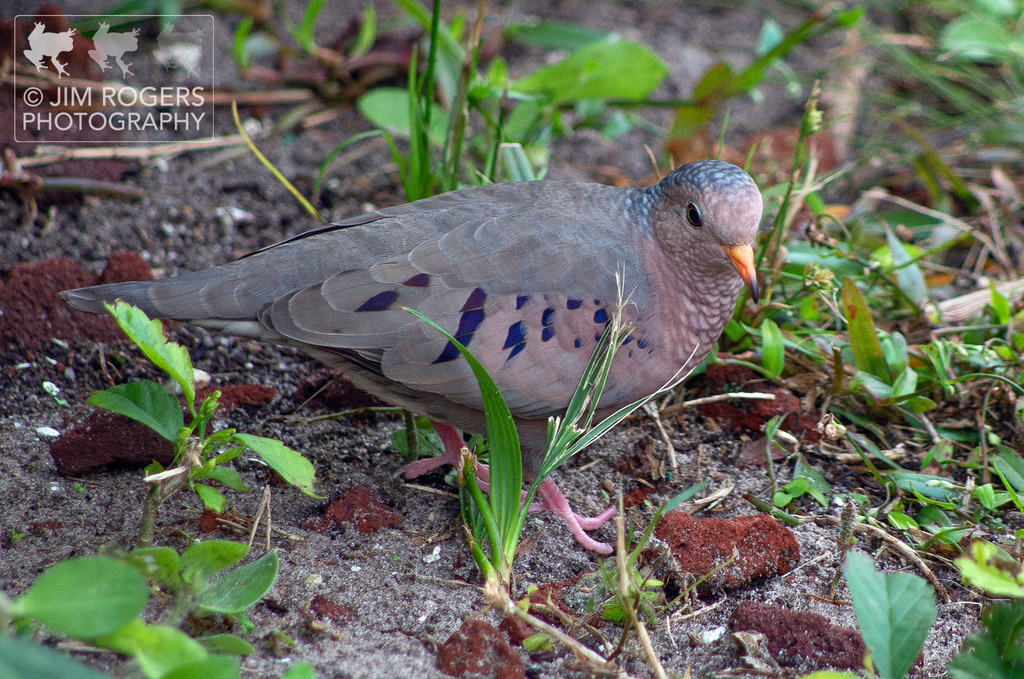
- Common Ground-doveColumbina passerina
- Cooper's HawkAccipiter cooperii
- Eastern KingbirdTyrannus tyrannus
- Eastern Screech-owlMegascops asio
- Eurasian Collared-doveStreptopelia decaocto
- European StarlingSturnus vulgaris
- Great Horned OwlBubo virginianus
- Indigo BuntingPasserina cyanea
- Mourning DoveZenaida macroura
- Northern BobwhiteColinus virginianus
- Northern CardinalCardinalis cardinalis
- Northern FlickerColaptes auratus
- Northern MockingbirdMimus polyglottos
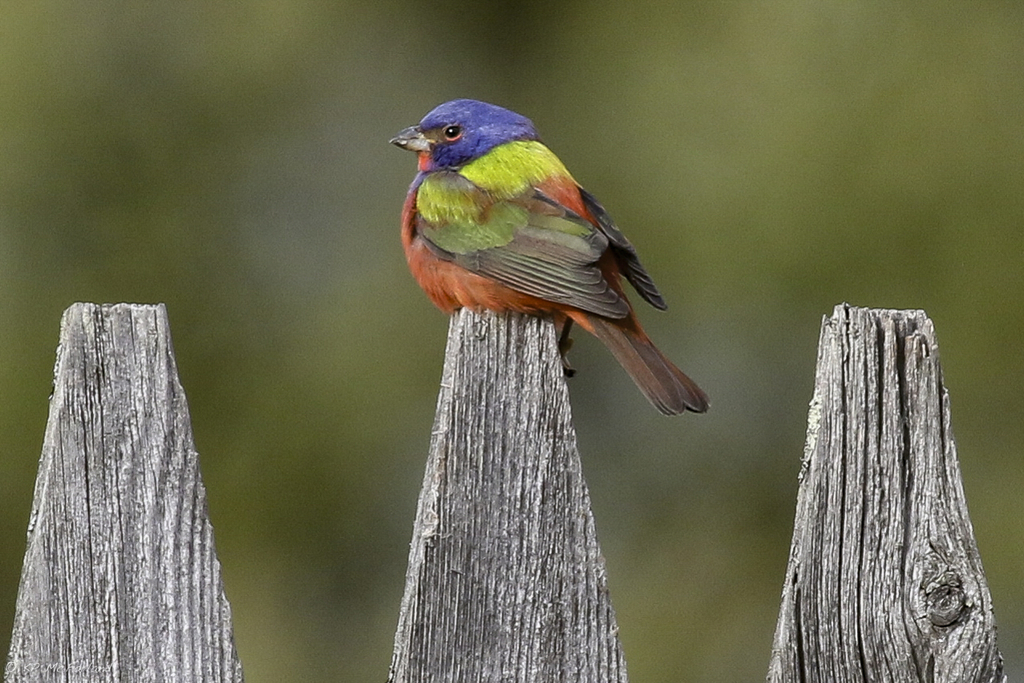
- Painted BuntingPasserina ciris
- Prairie WarblerDendroica discolor
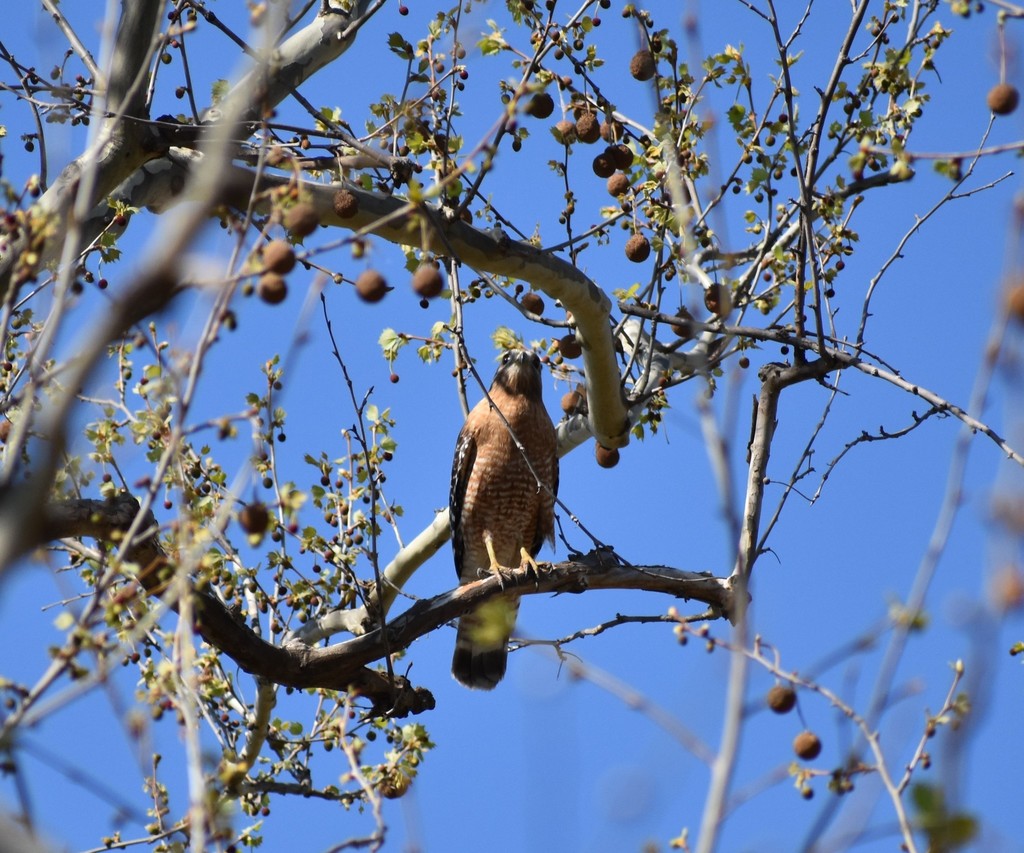
- Red-shouldered HawkButeo lineatus
- Red-tailed HawkButeo jamaicensis
- Red-winged BlackbirdAgelaius phoeniceus
- Sharp-shinned HawkAccipiter striatus
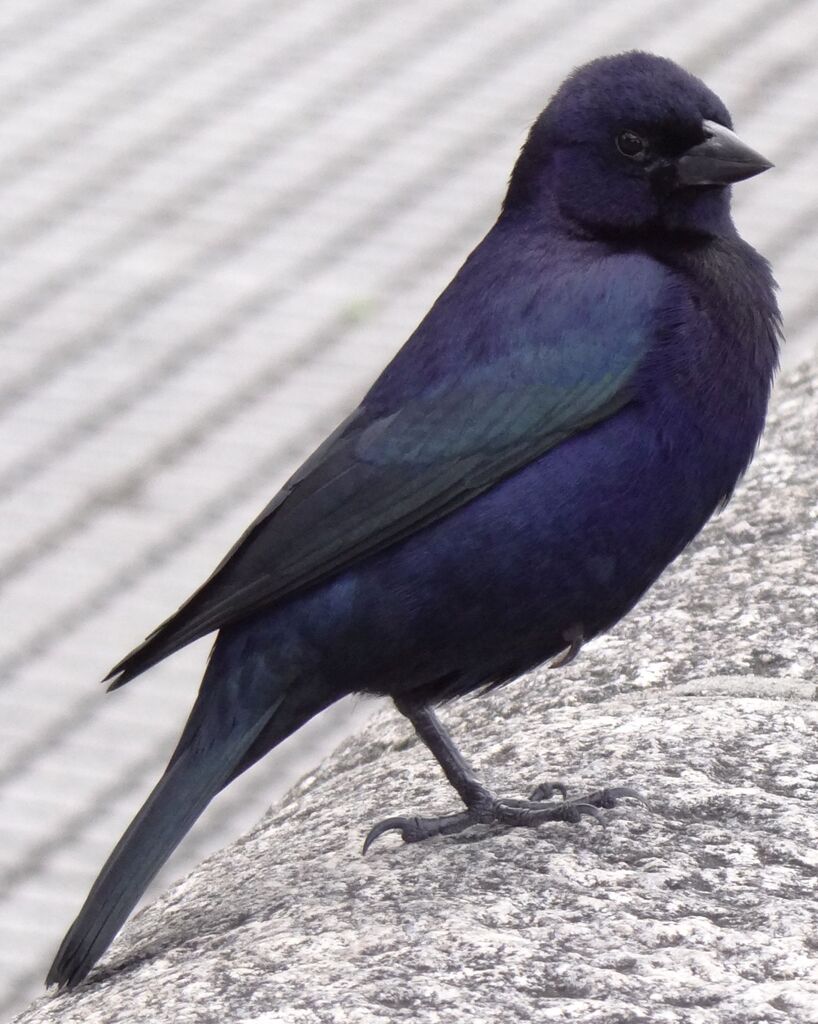
- Shiny CowbirdMolothrus bonariensis


















NatureServe Explorer, CC BY 4.0. USGS Gap Analysis Project habitat models.
Sources
- USGS Gap Analysis Project habitat models (2001)
- USGS GAP winter habitat model for Cape May Warbler
- USGS Gap Analysis Project range maps (2001), modeled by watershed; migratory gives no dates
- NatureServe Explorer (CC BY 4.0), habitat names
- US Census TIGER/Line counties
- Names follow the USGS Gap Analysis Project (2001)