

Bird
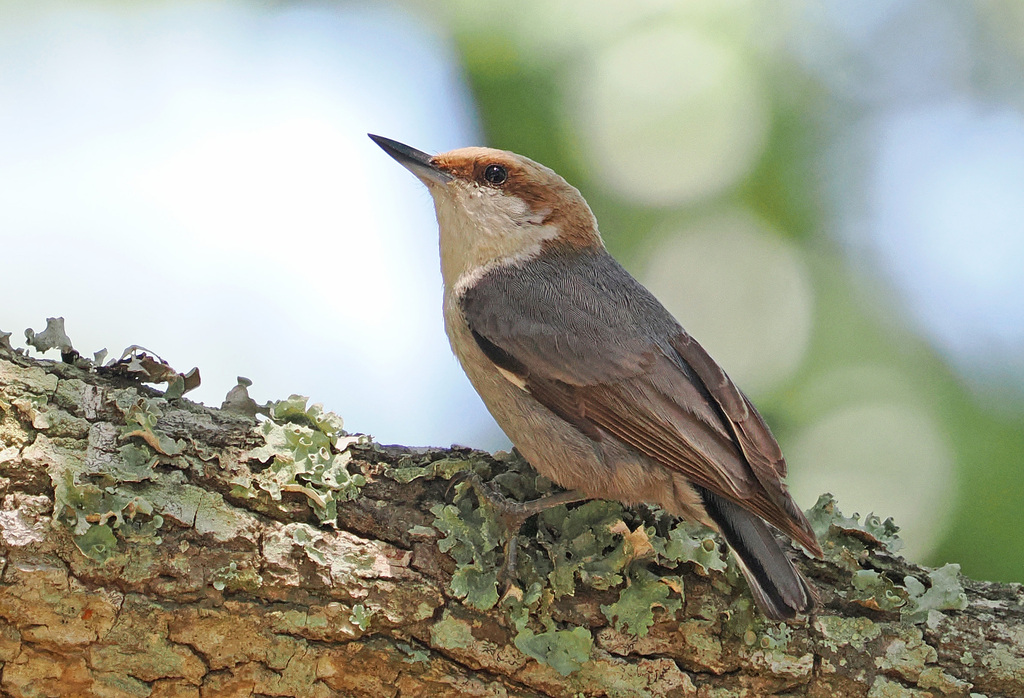
Brown-headed Nuthatch
Sitta pusilla
Lives in Florida all year and nests here. Found in all 67 counties, across 5 habitats.
- Here
- All year
- Nesting
- Nests here
- Range
- All 67 counties
- Habitats
- 5
At a glance
- Group
- Birds
- Here
- All year
- Nesting
- Nests here
- Range
- All 67 counties
- Habitats
- 5
- Habitat models
- Year-round
Where it lives
The places its habitat model includes. It is not found everywhere a habitat occurs.
Habitats in Florida 5
Each habitat page lists the plants and wildlife also found there.
Salt-pruned forests and shrub thickets behind coastal dunes.
Flat, sandy Coastal Plain pine woodlands, wetter than sandhills and denser than savannas.
Open, fire-kept longleaf pine stands over grasses and wildflowers on wet to moist sandy soil.
Dry, deep-sand ridges with longleaf pine and turkey oak, kept open by fire.
Roadsides, fields and disturbed ground
Ground opened by people: roadsides, old fields, pastures, fencerows and lots.
Other habitats in its models (30)
Land cover, or classes with no habitat page in Florida.
- Developed, Low Intensity Year-round, beside its main habitat.
- East Gulf Coastal Plain Black Belt Calcareous Prairie and Woodland - Herbaceous Modifier Year-round.
- Northeastern Interior Dry Oak Forest - Virginia/Pitch Pine Modifier Year-round.
- Southern Piedmont Dry Oak-(Pine) Forest - Loblolly Pine Modifier Year-round.
- East Gulf Coastal Plain Northern Dry Upland Hardwood Forest - Offsite Pine Modifier Year-round.
- Allegheny-Cumberland Dry Oak Forest and Woodland - Pine Modifier Year-round.
- Southern Ridge and Valley Dry Calcareous Forest - Pine modifier Year-round.
- East Gulf Coastal Plain Interior Shortleaf Pine-Oak Forest - Mixed Modifier Year-round.
- Southern Piedmont Dry Oak-(Pine) Forest - Mixed Modifier Year-round.
- Southern Piedmont Dry Oak-Heath Forest - Mixed Modifier Year-round.
- West Gulf Coastal Plain Upland Longleaf Pine Forest and Woodland Year-round.
- Southeastern Interior Longleaf Pine Woodland Year-round.
- Southern Piedmont Dry Oak-(Pine) Forest Year-round.
- Central Appalachian Oak and Pine Forest Year-round.
- West Gulf Coastal Plain Pine-Hardwood Forest Year-round.
- West Gulf Coastal Plain Sandhill Oak and Shortleaf Pine Forest and Woodland Year-round.
- Florida Longleaf Pine Sandhill - Scrub/Shrub Understory Modifier Year-round.
- Atlantic Coastal Plain Fall-Line Sandhills Longleaf Pine Woodland - Loblolly Modifier Year-round.
- Atlantic Coastal Plain Fall-line Sandhills Longleaf Pine Woodland - Open Understory Modifier Year-round.
- Atlantic Coastal Plain Fall-line Sandhills Longleaf Pine Woodland - Scrub/Shrub Understory Modifier Year-round.
- East Gulf Coastal Plain Interior Upland Longleaf Pine Woodland - Loblolly Modifier Year-round.
- East Gulf Coastal Plain Interior Upland Longleaf Pine Woodland - Open Understory Modifier Year-round.
- East Gulf Coastal Plain Interior Upland Longleaf Pine Woodland - Scrub/Shrub Modifier Year-round.
- Atlantic Coastal Plain Upland Longleaf Pine Woodland Year-round.
- Southern Appalachian Low Mountain Pine Forest Year-round.
- East Gulf Coastal Plain Jackson Plain Dry Flatwoods - Open Understory Modifier Year-round.
- Central Atlantic Coastal Plain Wet Longleaf Pine Savanna and Flatwoods Year-round.
- West Gulf Coastal Plain Wet Longleaf Pine Savanna and Flatwoods Year-round.
- East Gulf Coastal Plain Southern Loblolly-Hardwood Flatwoods Year-round.
- West Gulf Coastal Plain Pine-Hardwood Flatwoods Year-round.
- The model distinguishes open pine habitat from nearby denser pine.
Seasons in Florida
- Year-round: nests here, in all 67 counties.
Also found in this habitat
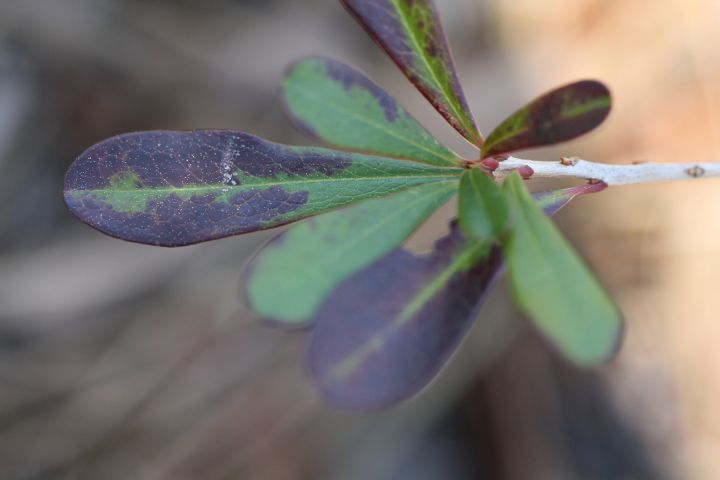
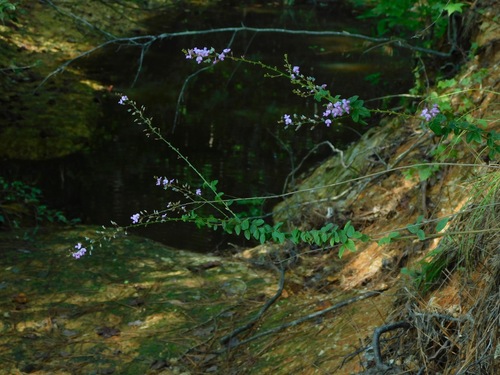
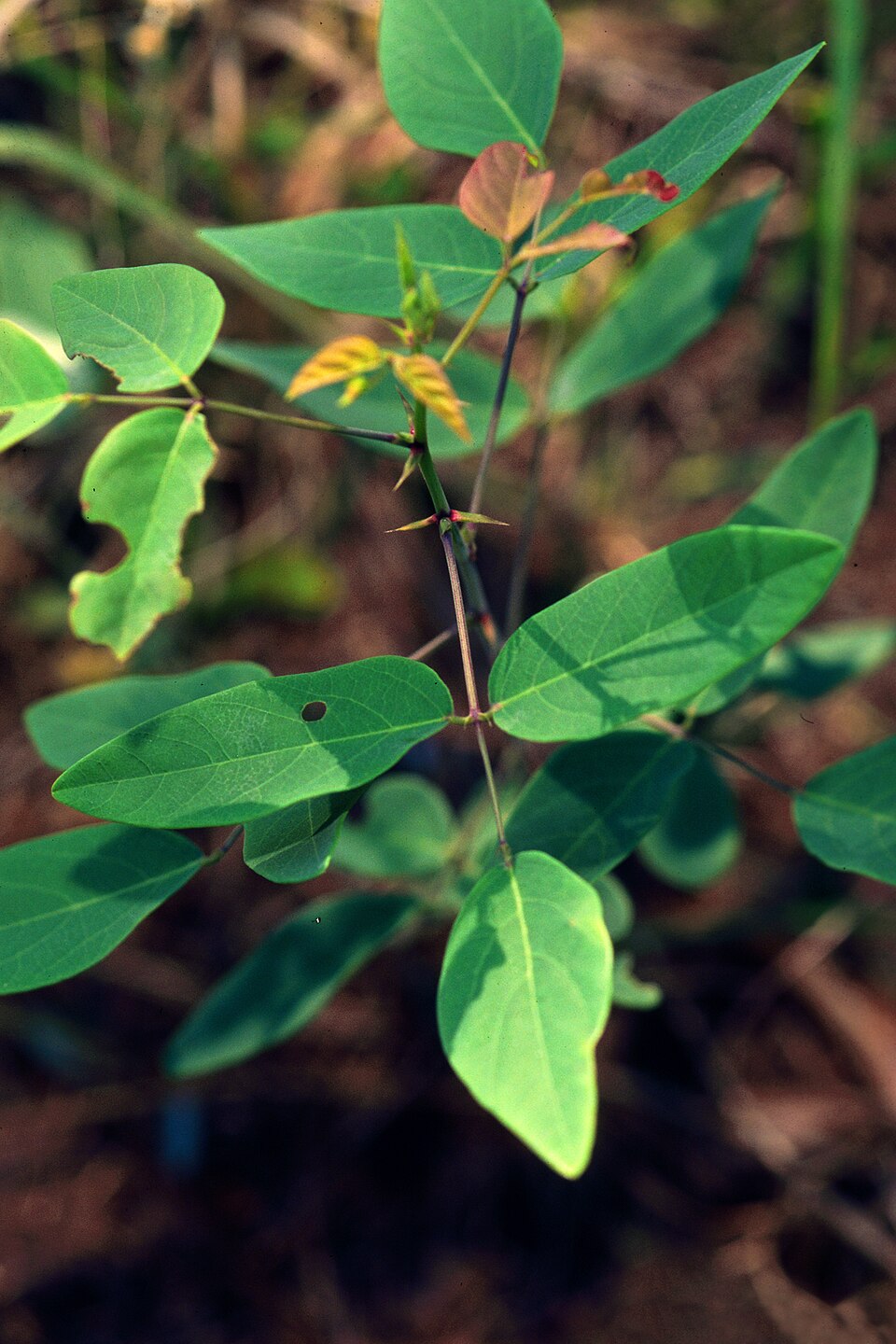
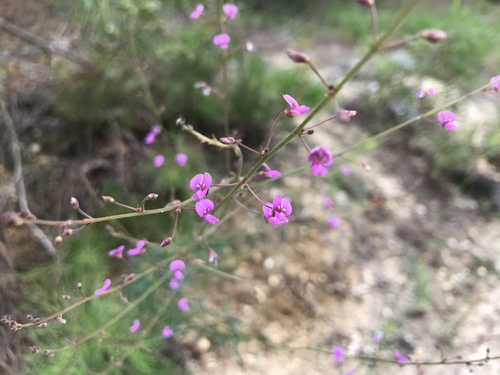
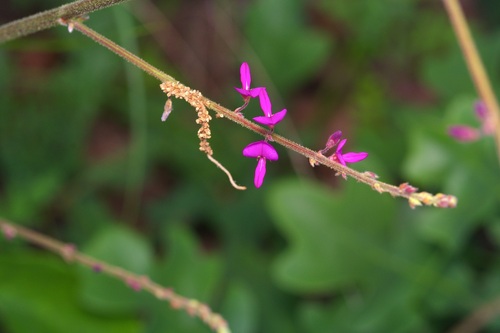
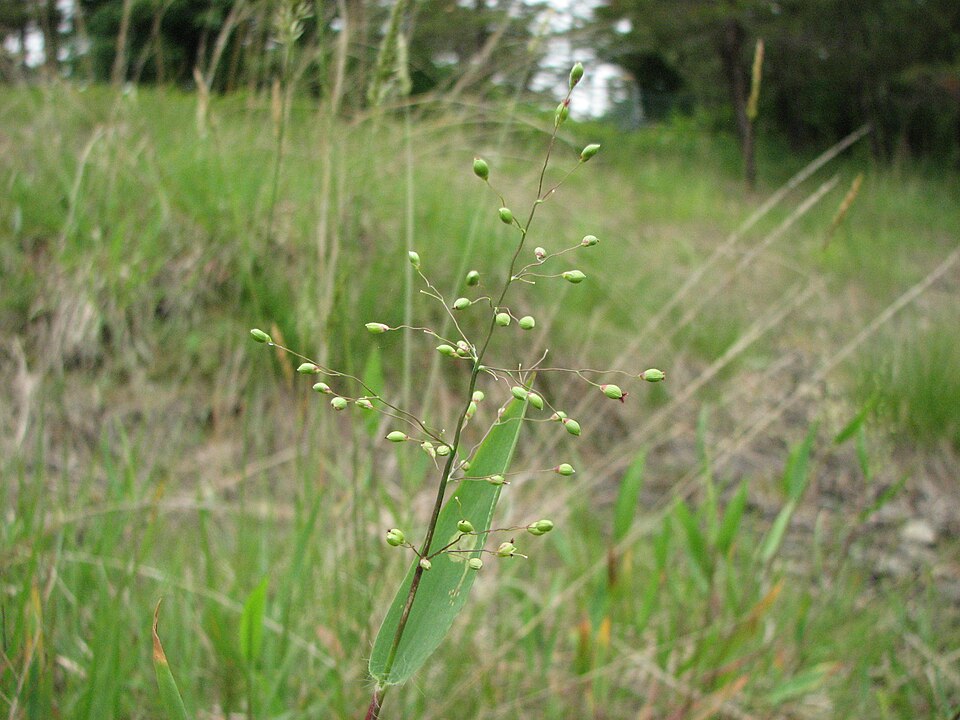
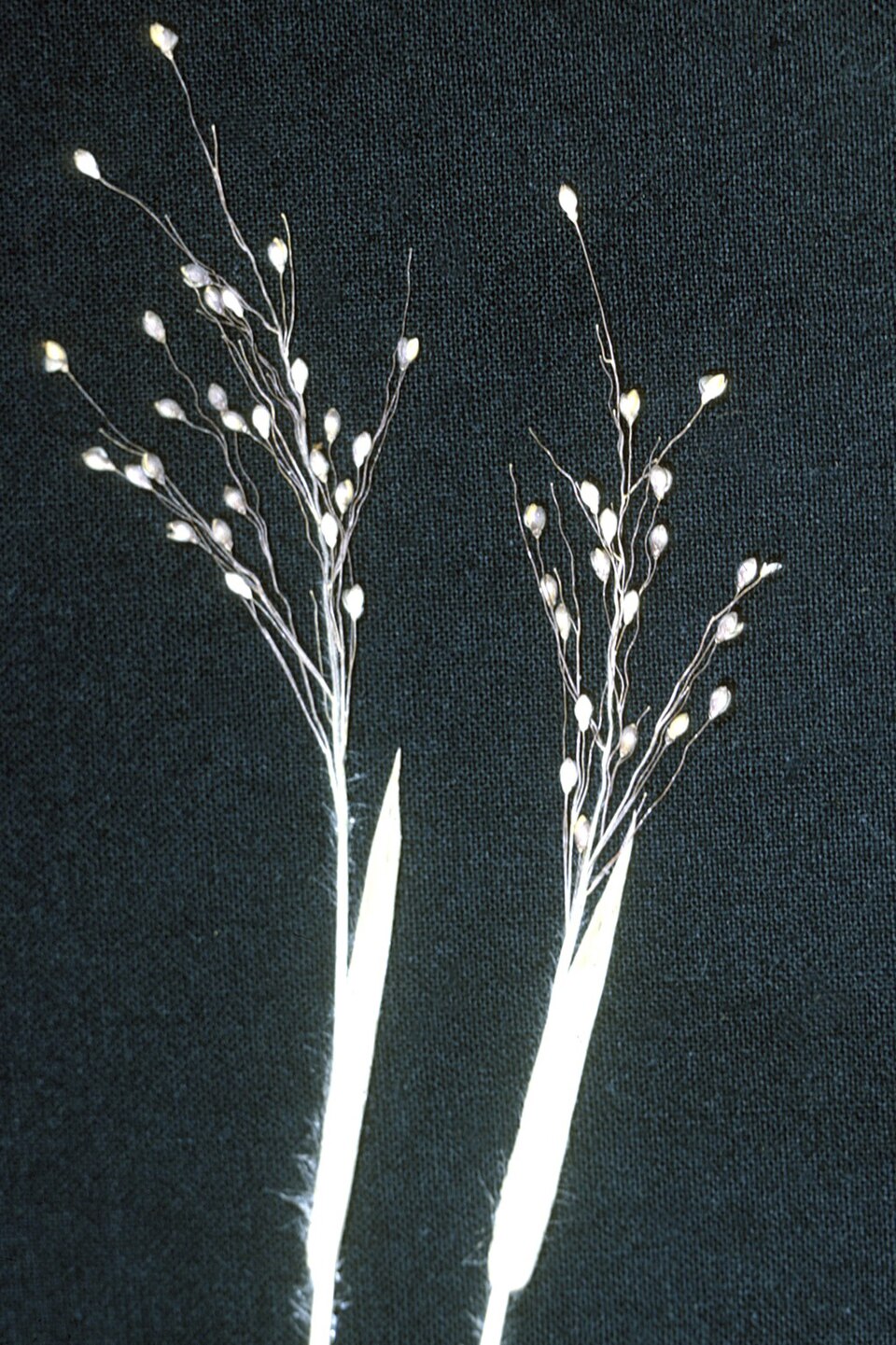
Plants 470
Plants named in NatureServe descriptions of these habitats that grow in Florida. Shared habitat, not food.
- TitiCyrilla racemiflora
- Summer FarewellDalea adenopoda
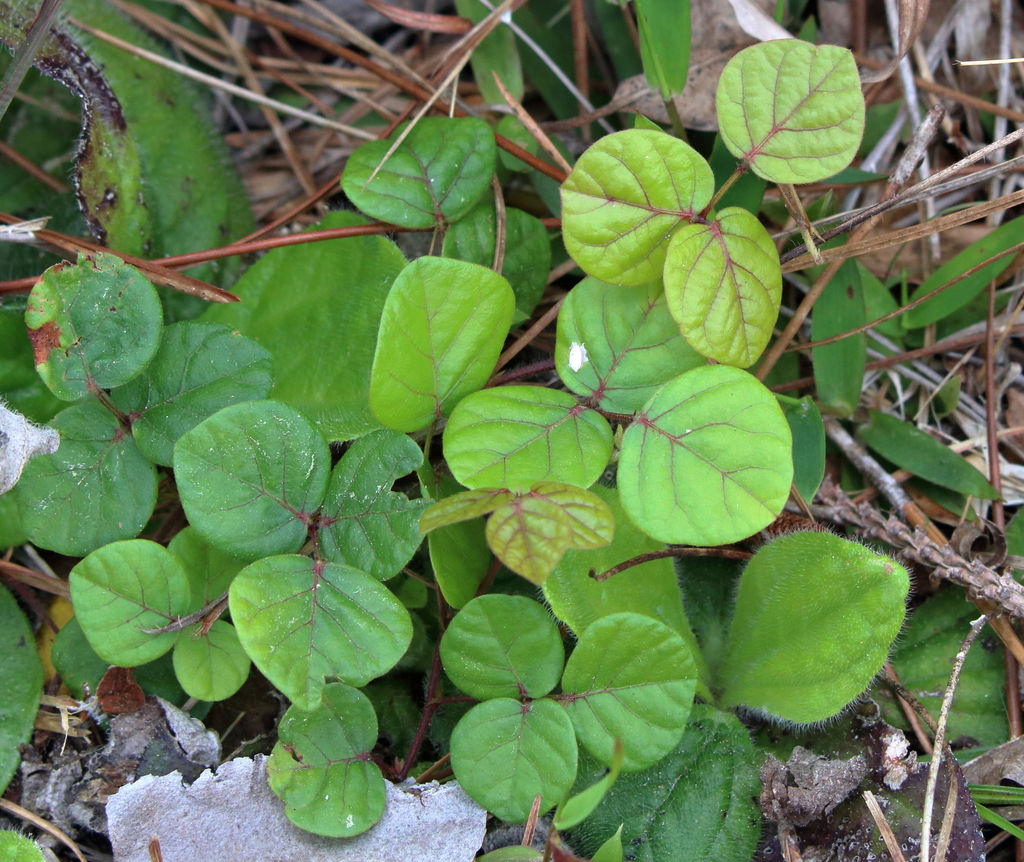
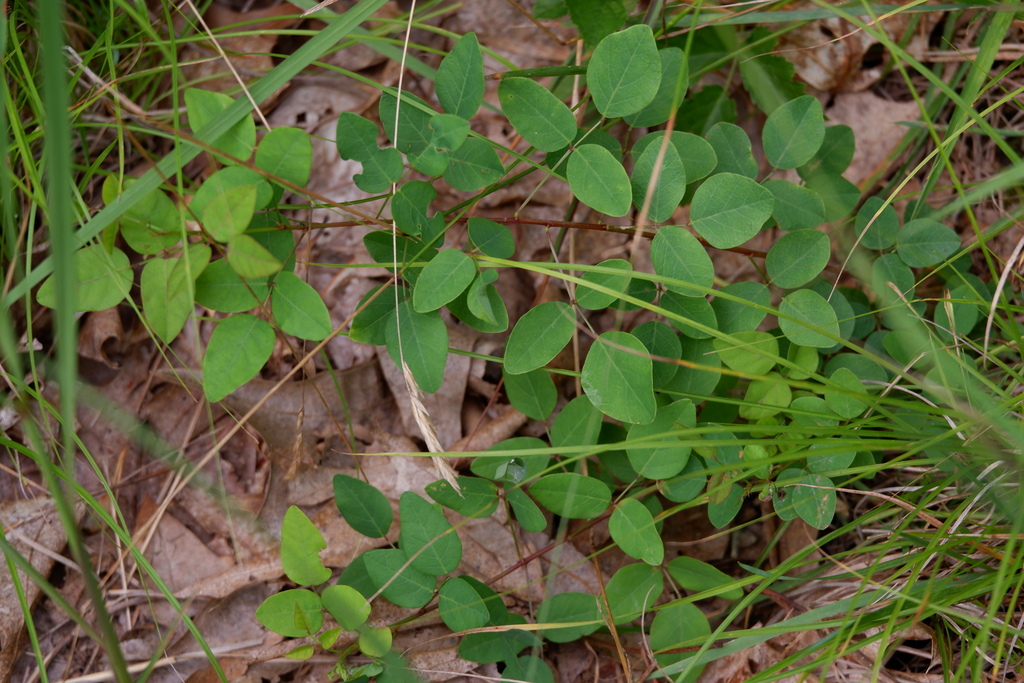
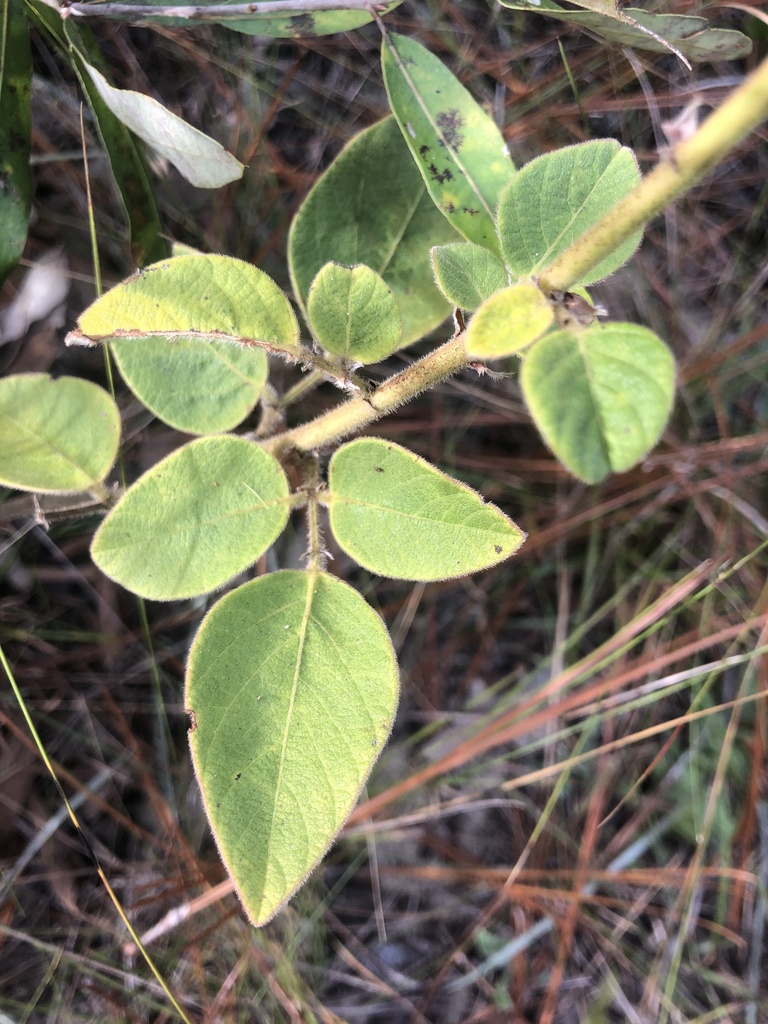
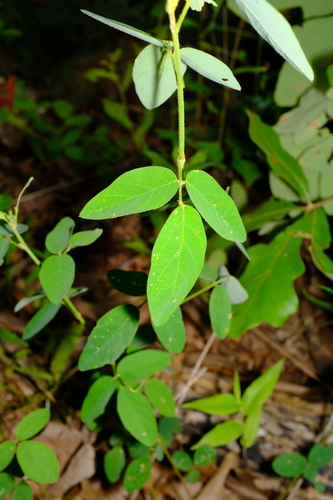
- Hairy Small-leaf Tick-trefoilDesmodium ciliare
- Smooth Tick-trefoilDesmodium laevigatum
- Sand Tick-trefoilDesmodium lineatum
- Smooth Small-leaf Tick-trefoilDesmodium marilandicum
- Nuttall's Tick-trefoilDesmodium nuttallii
- Stiff Tick-trefoilDesmodium obtusum
- Perplexed Tick-trefoilDesmodium perplexum
- Pine-barren Tick-trefoilDesmodium strictum
- Velvety Tick-trefoilDesmodium viridiflorum
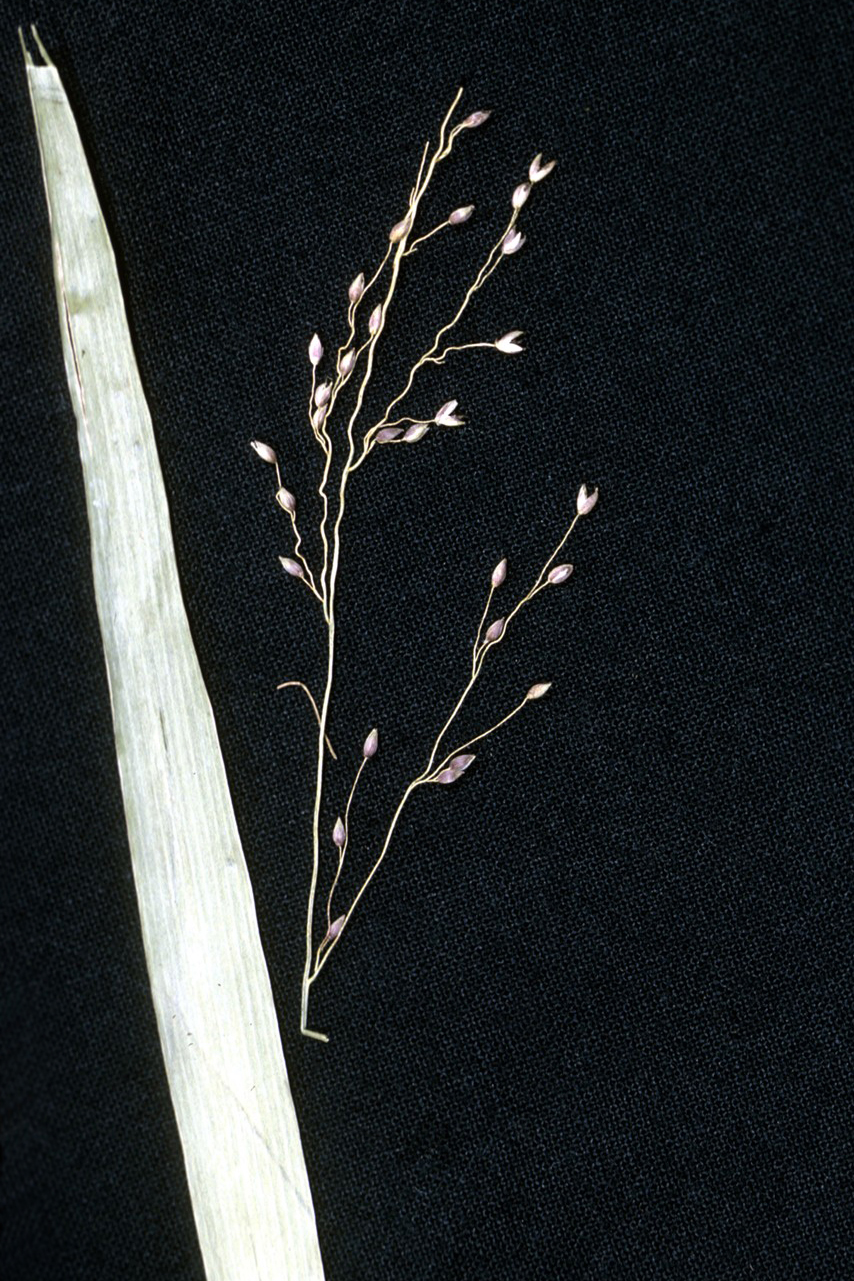
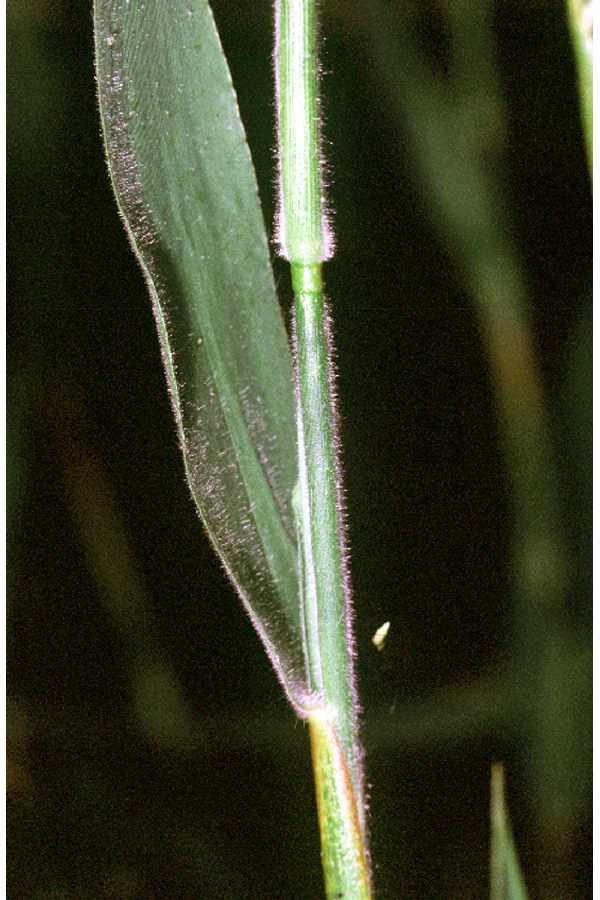
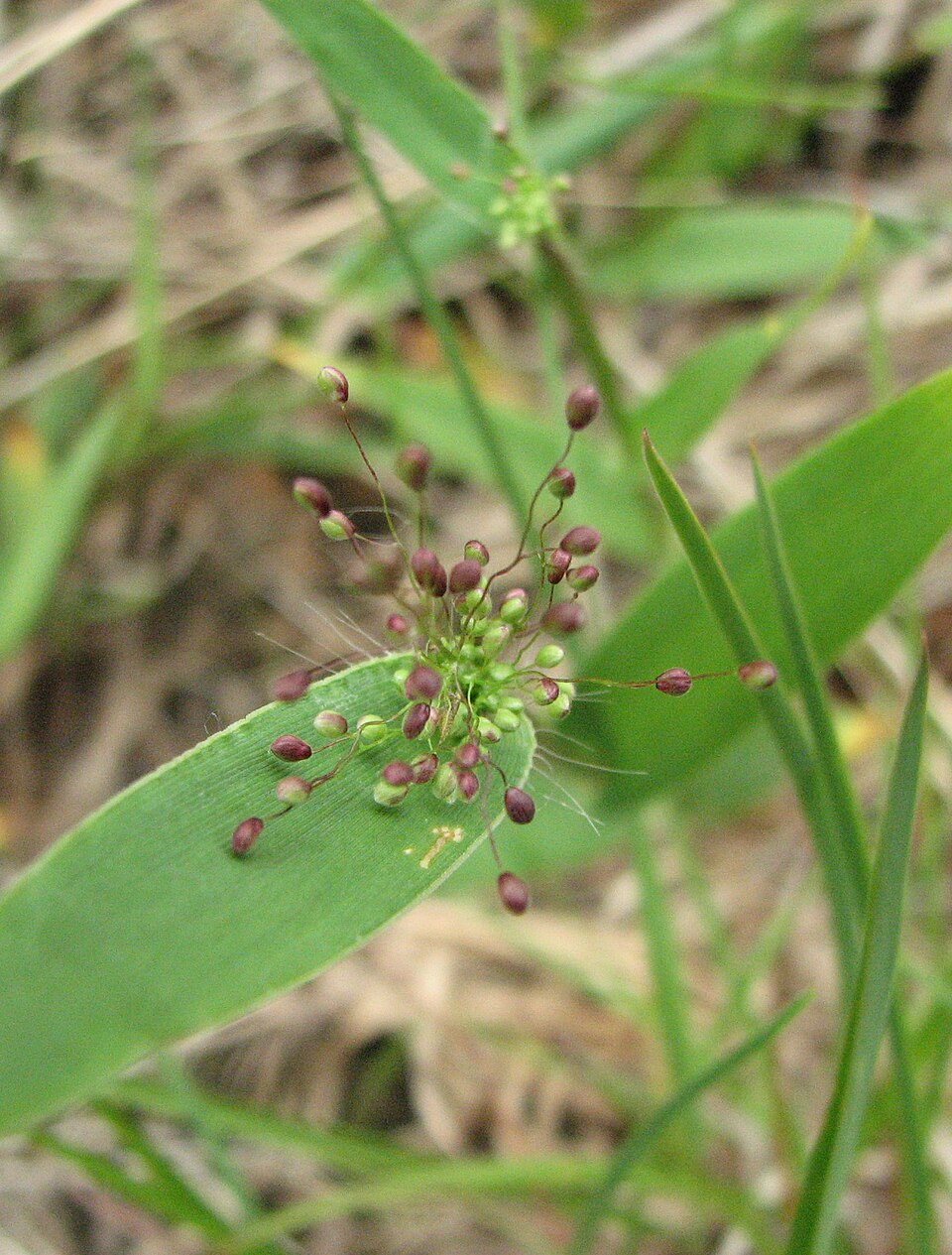
- Needleleaf WitchgrassDichanthelium aciculare
- Variable WitchgrassDichanthelium commutatum
- Cypress WitchgrassDichanthelium dichotomum
- Heller's WitchgrassDichanthelium oligosanthes
- Eggleaf WitchgrassDichanthelium ovale
- Ravenel's WitchgrassDichanthelium ravenelii
- Woolly WitchgrassDichanthelium scabriusculum
- Velvet WitchgrassDichanthelium scoparium
- Roundseed WitchgrassDichanthelium sphaerocarpon
- Fall WitchgrassDigitaria cognata
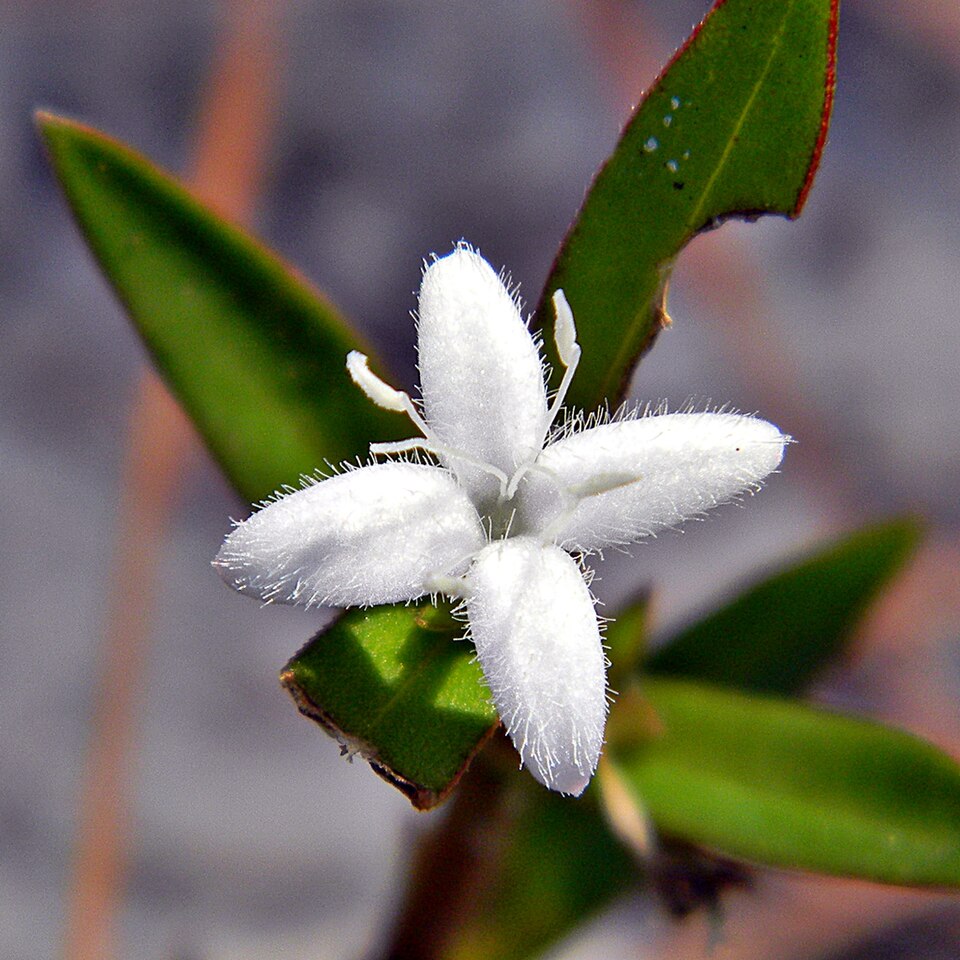
- Virginia ButtonweedDiodia virginiana
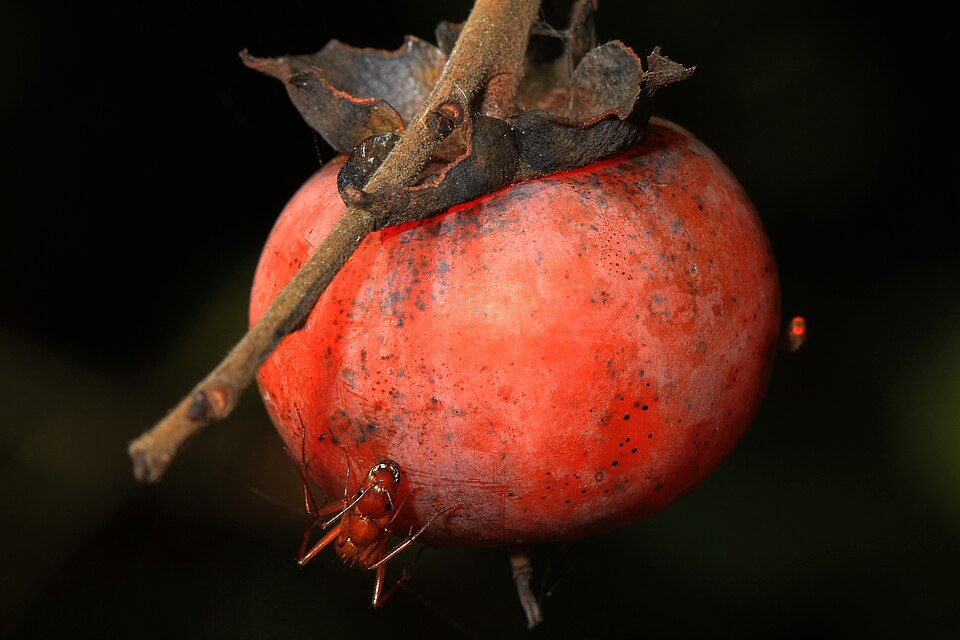
- American PersimmonDiospyros virginiana
- Drosera tracyiDrosera tracyi
Wildlife 222
Other animals whose habitat models include the same habitats in Florida. Not sighting records.
- American CrowCorvus brachyrhynchos
- American GoldfinchCarduelis tristis
- American KestrelFalco sparverius
- American RobinTurdus migratorius
- Blue GrosbeakPasserina caerulea
- Brown ThrasherToxostoma rufum
- Carolina ChickadeePoecile carolinensis
- Carolina WrenThryothorus ludovicianus
- Cedar WaxwingBombycilla cedrorum
- Chipping SparrowSpizella passerina
- Common GrackleQuiscalus quiscula
- Common NighthawkChordeiles minor
- Cooper's HawkAccipiter cooperii
- Eastern KingbirdTyrannus tyrannus
- Eastern Screech-owlMegascops asio
- Eastern TowheePipilo erythrophthalmus
- Eurasian Collared-doveStreptopelia decaocto
- European StarlingSturnus vulgaris
- Great Horned OwlBubo virginianus
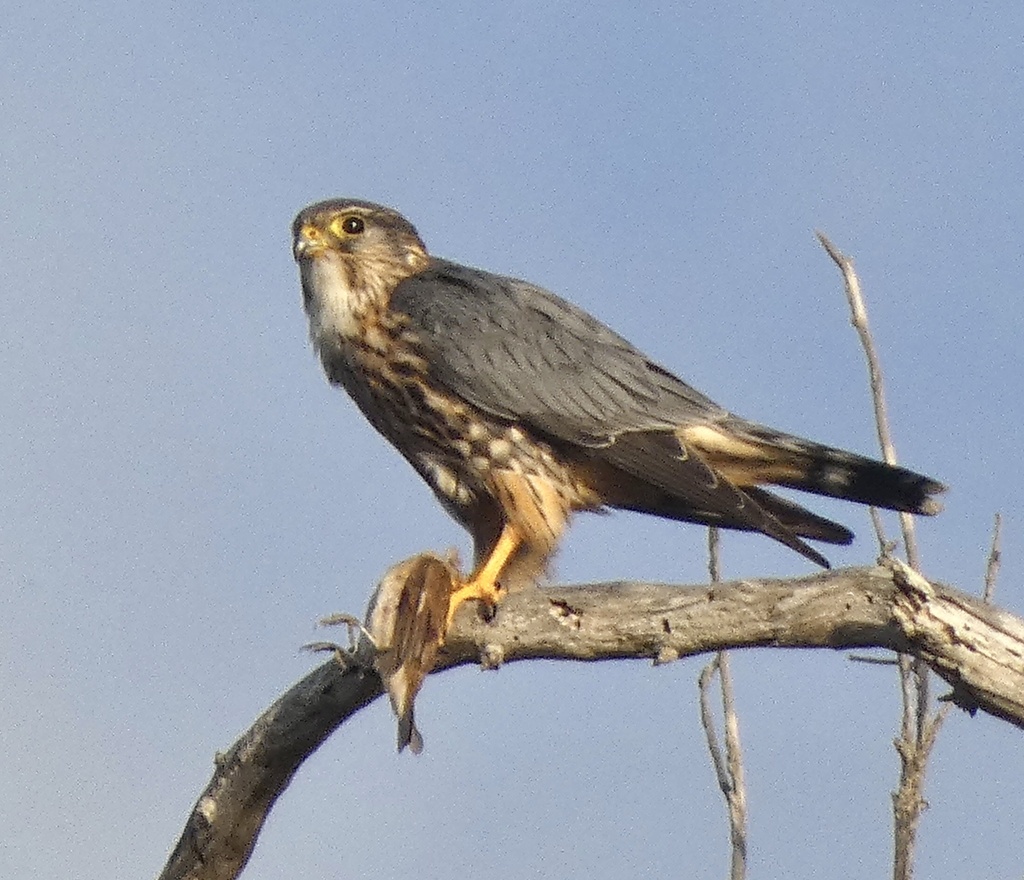
- MerlinFalco columbarius
- Mourning DoveZenaida macroura
- Northern BobwhiteColinus virginianus
- Northern FlickerColaptes auratus
- Northern MockingbirdMimus polyglottos























NatureServe Explorer, CC BY 4.0. USGS Gap Analysis Project habitat models.
Sources
- USGS Gap Analysis Project habitat models (2001)
- USGS GAP year-round habitat model for Brown-headed Nuthatch Elevation 0 to 762 m
- USGS Gap Analysis Project range maps (2001), modeled by watershed; migratory gives no dates
- NatureServe Explorer (CC BY 4.0), habitat names
- US Census TIGER/Line counties
- Names follow the USGS Gap Analysis Project (2001)