

Bird
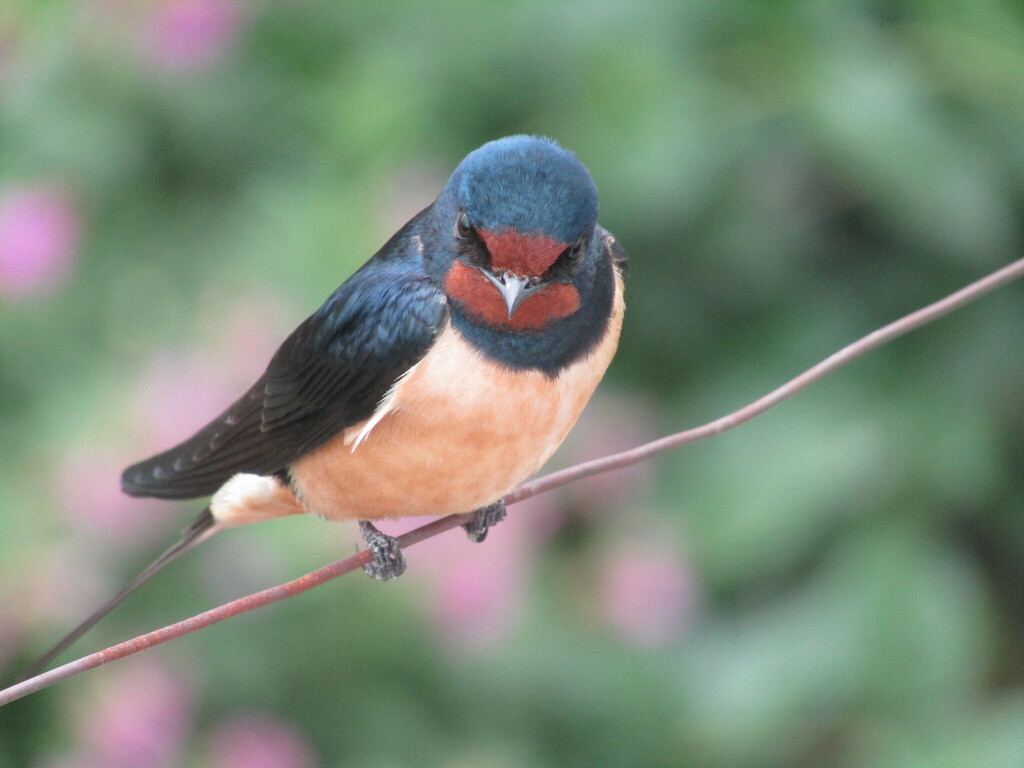
Barn Swallow
Hirundo rustica
A summer resident that nests in Florida. Found in all 67 counties, across 8 habitats.
- Here
- Summer
- Nesting
- Nests here
- Range
- All 67 counties
- Habitats
- 8
At a glance
- Group
- Birds
- Here
- Summer
- Nesting
- Nests here
- Range
- All 67 counties
- Habitats
- 8
- Habitat models
- Summer
Where it lives
The places its habitat model includes. It is not found everywhere a habitat occurs.
Habitats in Florida 8
Each habitat page lists the plants and wildlife also found there.

Open sand of beaches, dunes and the hollows between them.
Disturbed and introduced wetlands
Wet ground taken over by weedy or introduced plants after disturbance, such as common reed, Chinese tallow or tamarisk stands; the upland counterpart is roadsides, fields and disturbed ground.
Coastal marshes flooded by salty or brackish tides.
Salt and brackish open water of sounds, bays and estuaries, with the mud and sand flats and seagrass beds that tides cover and uncover; the vegetated marsh is salt and brackish marshes.
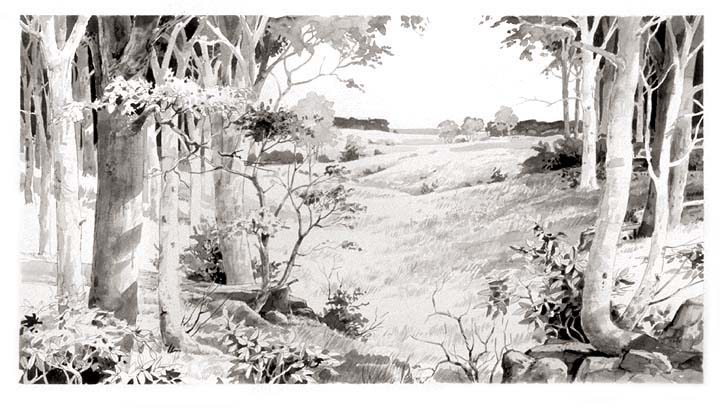
Roadsides, fields and disturbed ground
Ground opened by people: roadsides, old fields, pastures, fencerows and lots.
Other habitats in its models (20)
Land cover, or classes with no habitat page in Florida.
- Developed, Low Intensity Summer, only within 500 m of water.
- Developed, Medium Intensity Summer, only within 500 m of water.
- Developed, High Intensity Summer, only within 500 m of water.
- Quarries, Mines, Gravel Pits and Oil Wells Summer, only within 500 m of water.
- Open Water (Aquaculture) Summer.
- Barren Land Summer, only within 500 m of water.
- Unconsolidated Shore (Lake/River/Pond) Summer.
- Unconsolidated Shore Summer.
- Recently Logged Areas Summer, only within 500 m of water.
- Harvested Forest - Grass/Forb Regeneration Summer, only within 500 m of water.
- Recently Burned Summer, only within 500 m of water.
- Recently Burned Forest Summer, only within 500 m of water.
- Recently Burned Grassland Summer, only within 500 m of water.
- Recently Burned Shrubland Summer, only within 500 m of water.
- Introduced Upland Vegetation - Forbland Summer, only within 500 m of water.
- Introduced Upland Vegetation - Annual Grassland Summer, only within 500 m of water.
- Introduced Upland Vegetation - Perennial Grassland Summer, only within 500 m of water.
- Introduced Upland Vegetation - Perennial Grassland and Forbland Summer, only within 500 m of water.
- Atlantic Coastal Plain Embayed Region Tidal Salt and Brackish Marsh Summer.
- Atlantic Coastal Plain Northern Tidal Salt Marsh Summer.
Seasons in Florida
- Summer: nests here, in all 67 counties.
Also found in this habitat
Plants 121
Plants named in NatureServe descriptions of these habitats that grow in Florida. Shared habitat, not food.
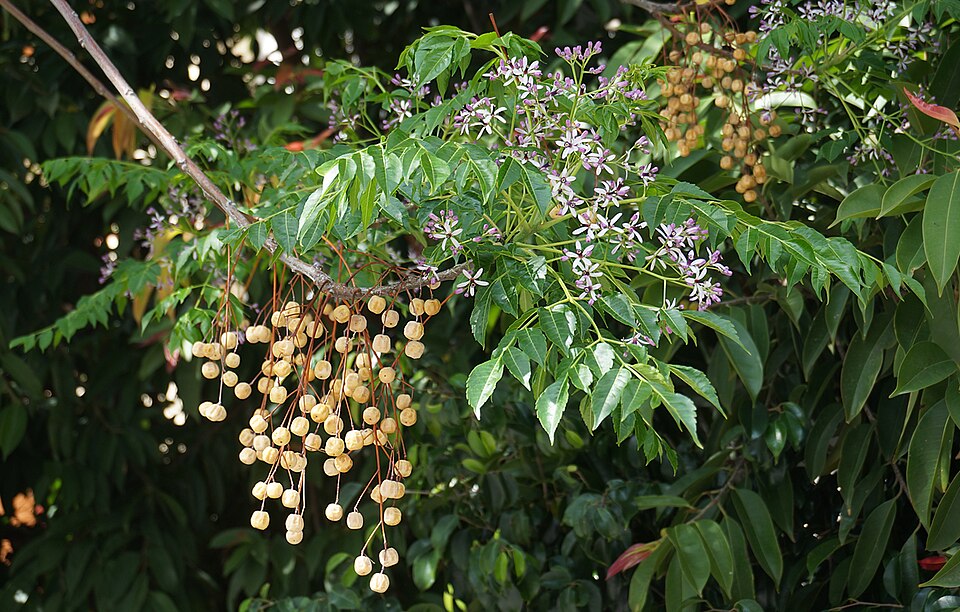
- ChinaberryMelia azedarach
Wildlife 282
Other animals whose habitat models include the same habitats in Florida. Not sighting records.
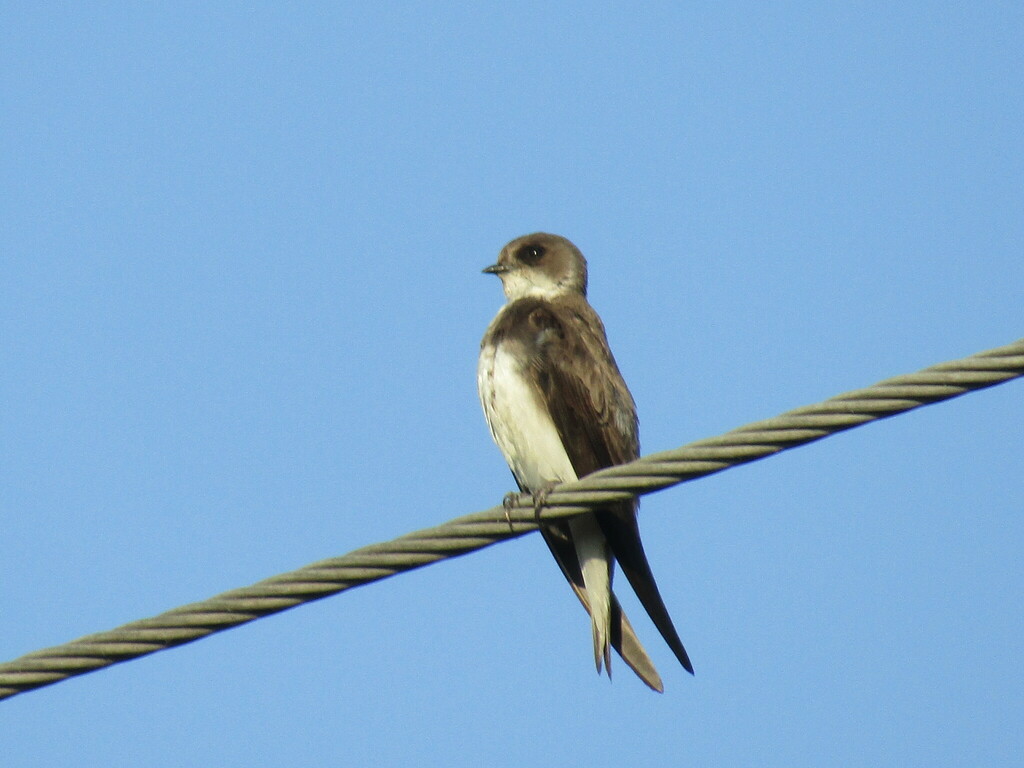
- Bank SwallowRiparia riparia
- Black-crowned Night-heronNycticorax nycticorax
- Common NighthawkChordeiles minor
- Great Horned OwlBubo virginianus
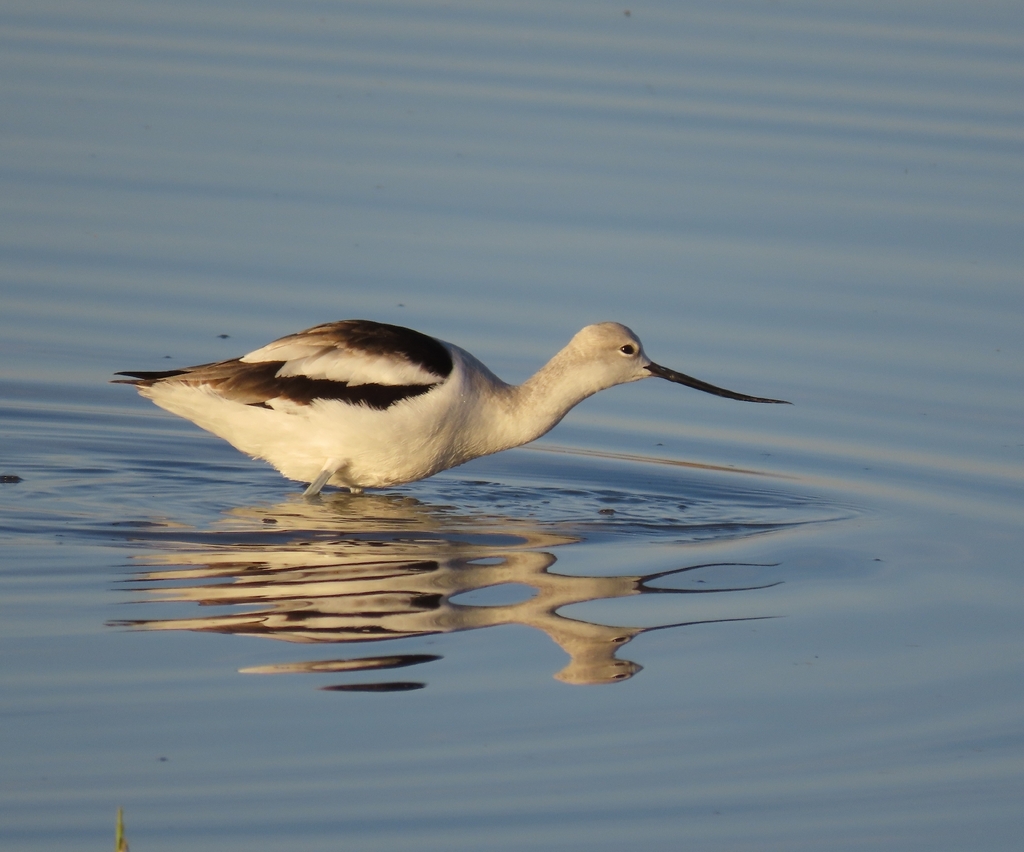
- American AvocetRecurvirostra americana
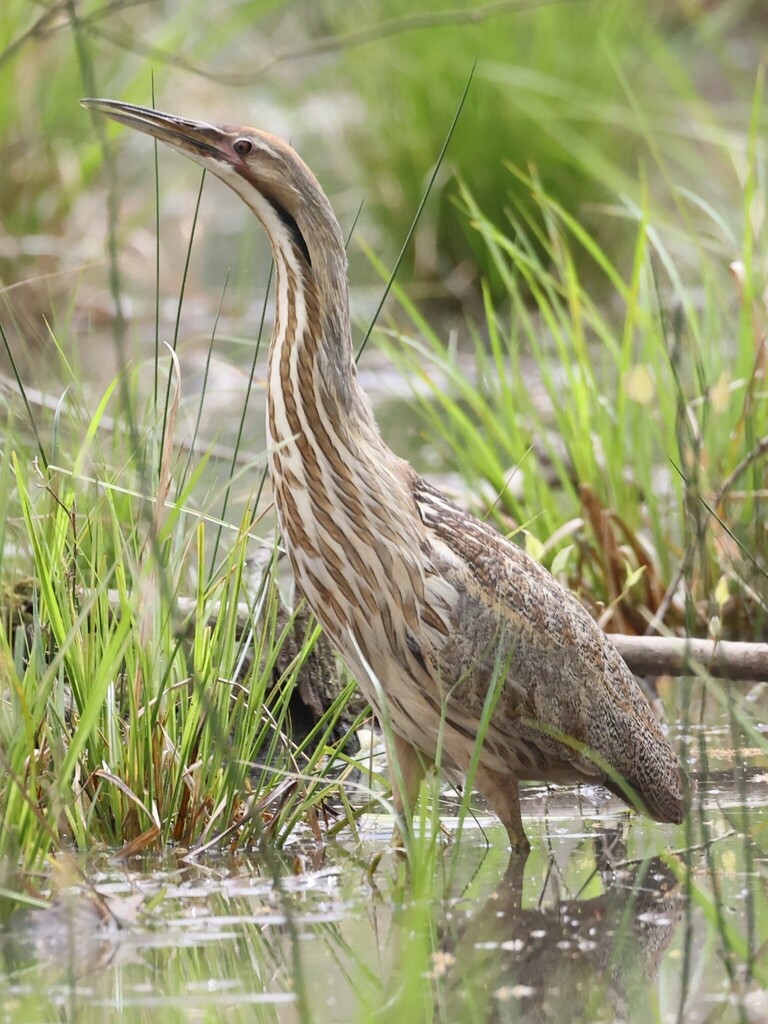
- American BitternBotaurus lentiginosus
- American Black DuckAnas rubripes
- American CrowCorvus brachyrhynchos
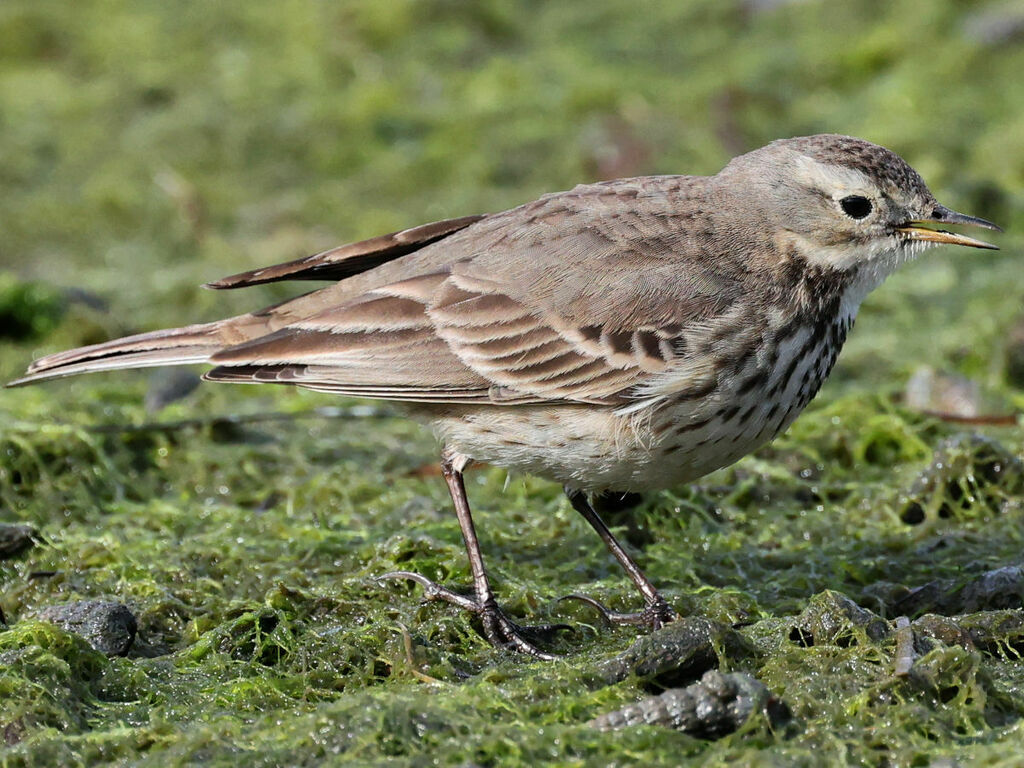
- American PipitAnthus rubescens
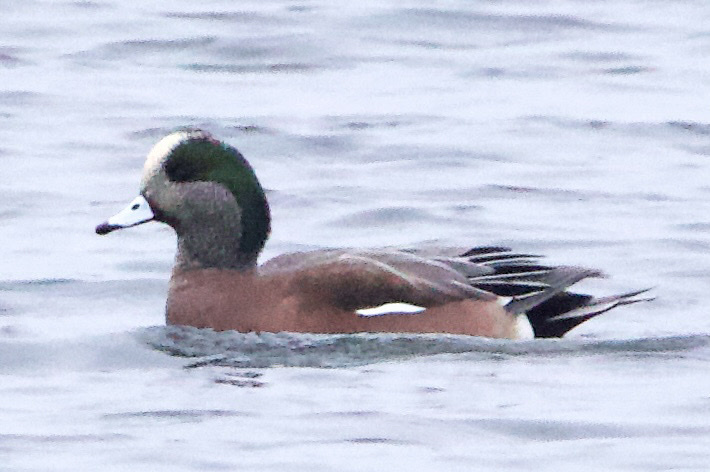
- American WigeonAnas americana
- Belted KingfisherMegaceryle alcyon
- Boat-tailed GrackleQuiscalus major
- Canada GooseBranta canadensis
- Chimney SwiftChaetura pelagica
- Common YellowthroatGeothlypis trichas
- Cooper's HawkAccipiter cooperii
- Eastern KingbirdTyrannus tyrannus
- European StarlingSturnus vulgaris
- Fish CrowCorvus ossifragus
- Fulvous Whistling-duckDendrocygna bicolor
- Great Blue HeronArdea herodias
- Greater YellowlegsTringa melanoleuca
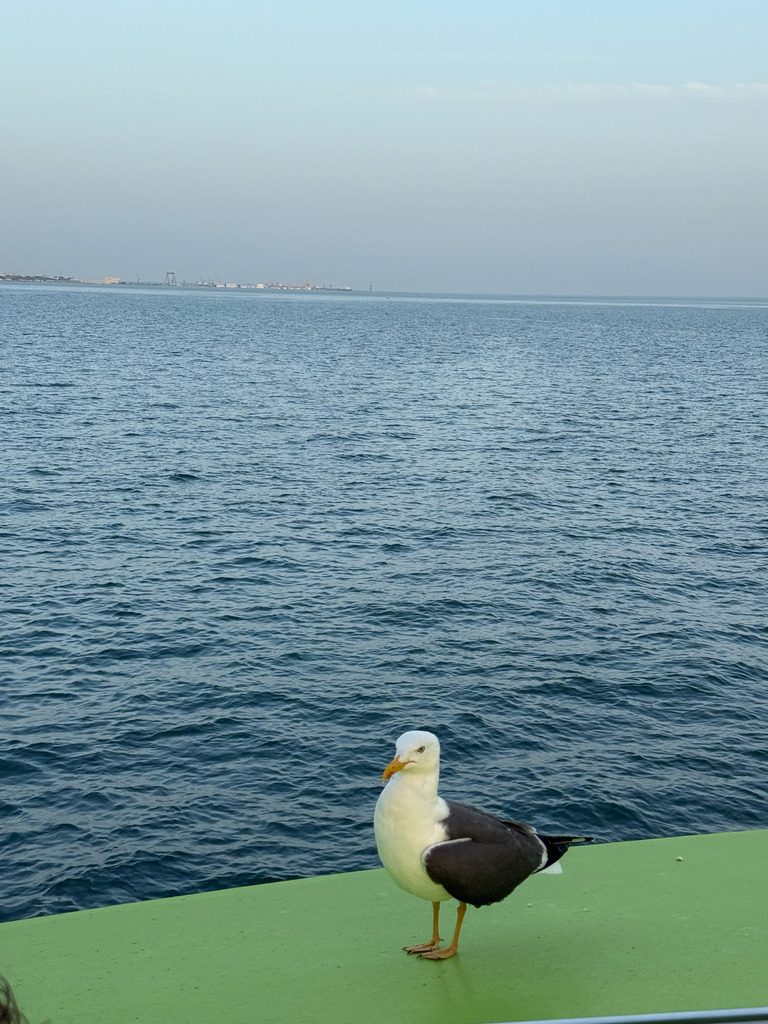
- Lesser Black-backed GullLarus fuscus
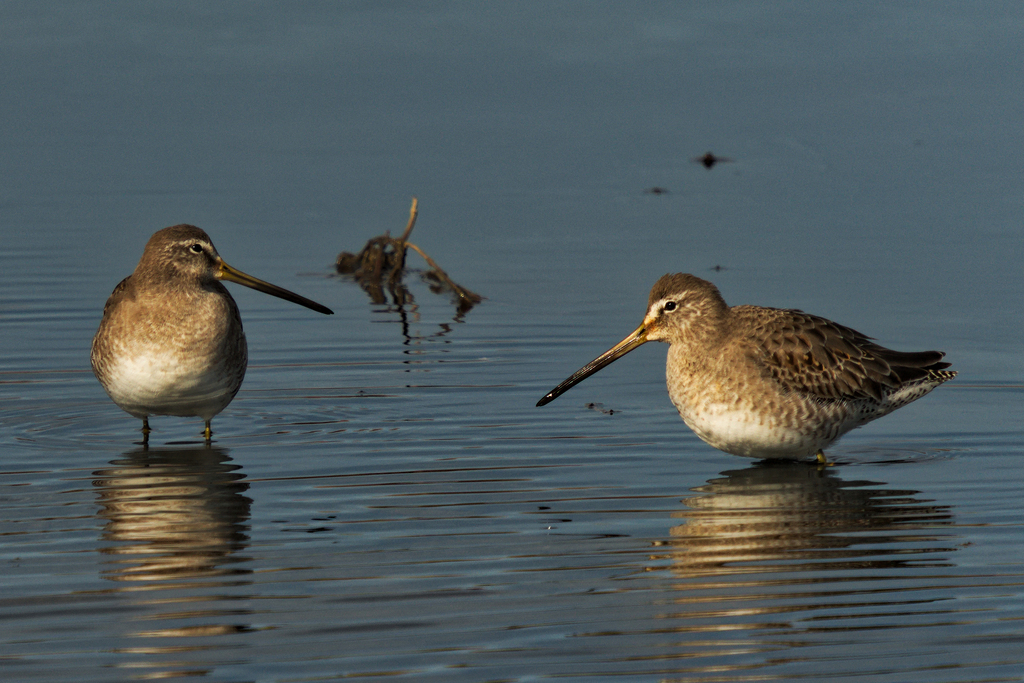
- Long-billed DowitcherLimnodromus scolopaceus






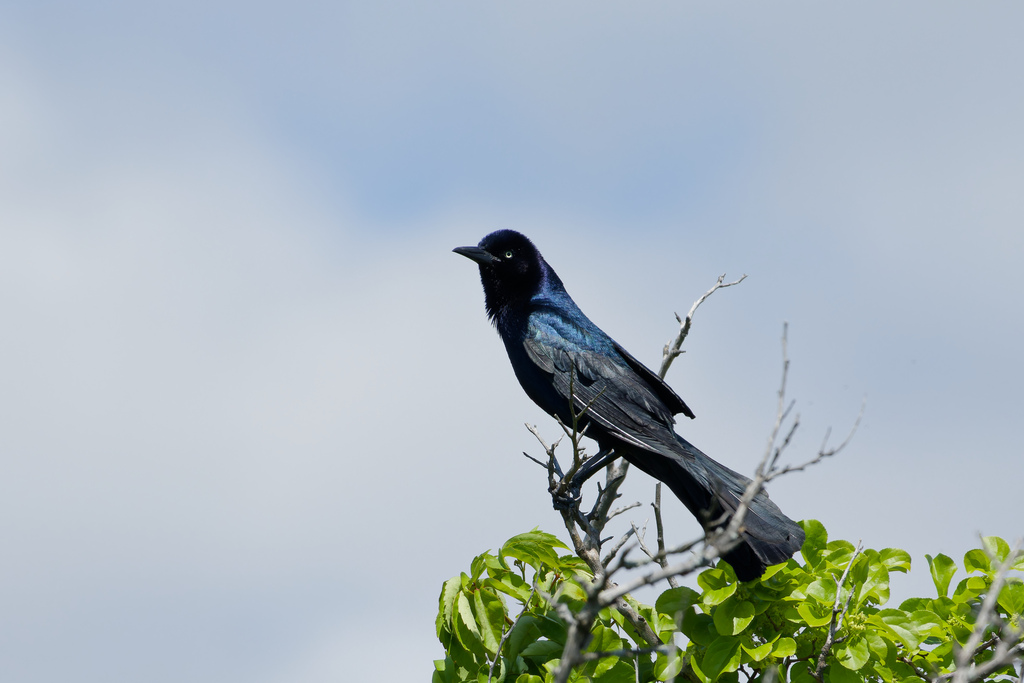







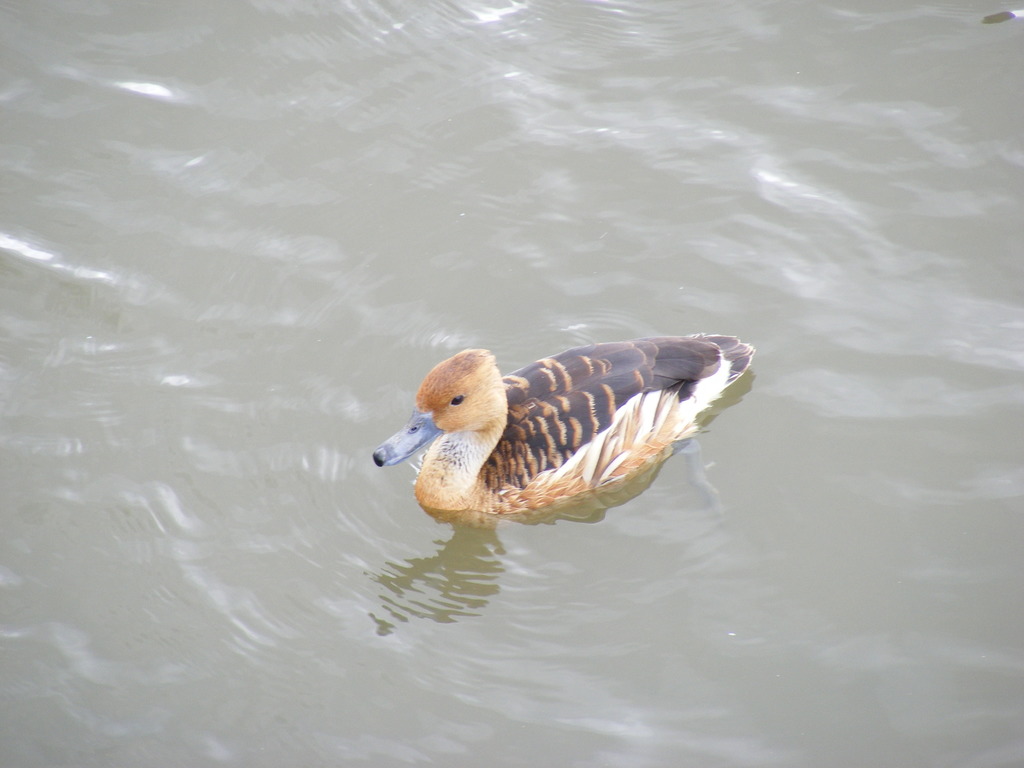
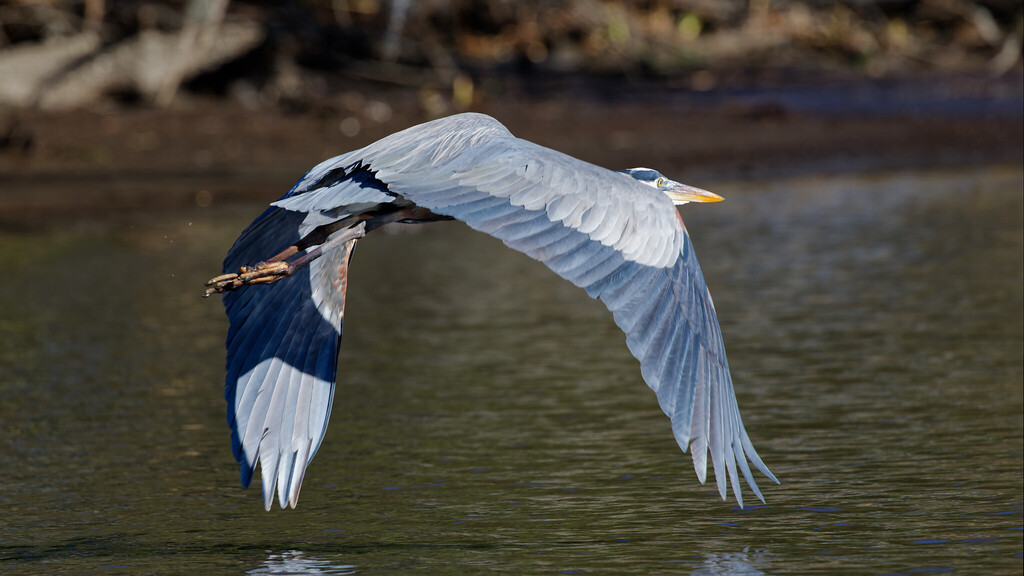
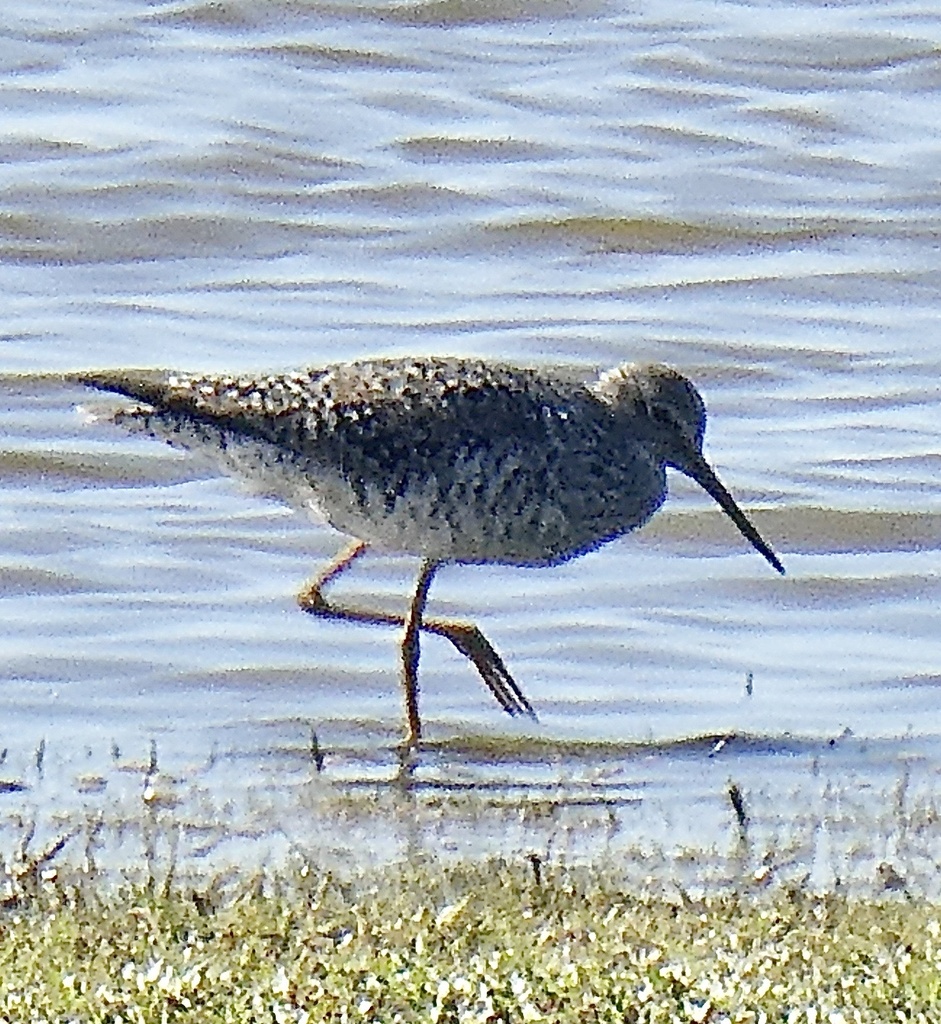
NatureServe Explorer, CC BY 4.0. USGS Gap Analysis Project habitat models.
Sources
- USGS Gap Analysis Project habitat models (2001)
- USGS GAP summer habitat model for Barn Swallow
- USGS Gap Analysis Project range maps (2001), modeled by watershed; migratory gives no dates
- NatureServe Explorer (CC BY 4.0), habitat names
- US Census TIGER/Line counties
- Names follow the USGS Gap Analysis Project (2001)