

Bird
American Coot
Fulica americana
Lives in Florida all year and nests here. Found in all 67 counties, across 14 habitats.
- Here
- All year
- Nesting
- Nests here
- Range
- All 67 counties
- Habitats
- 14
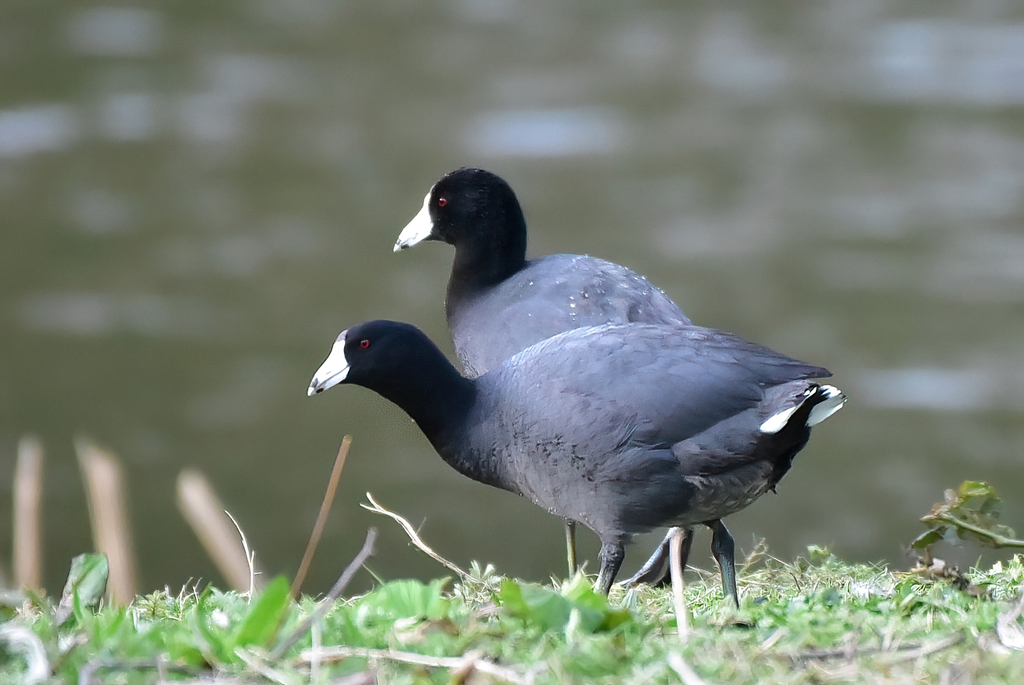
At a glance
- Group
- Birds
- Here
- All year
- Nesting
- Nests here
- Range
- All 67 counties
- Habitats
- 14
- Habitat models
- Summer, Winter
Where it lives
The places its habitat model includes. It is not found everywhere a habitat occurs.
Habitats in Florida 14
Each habitat page lists the plants and wildlife also found there.
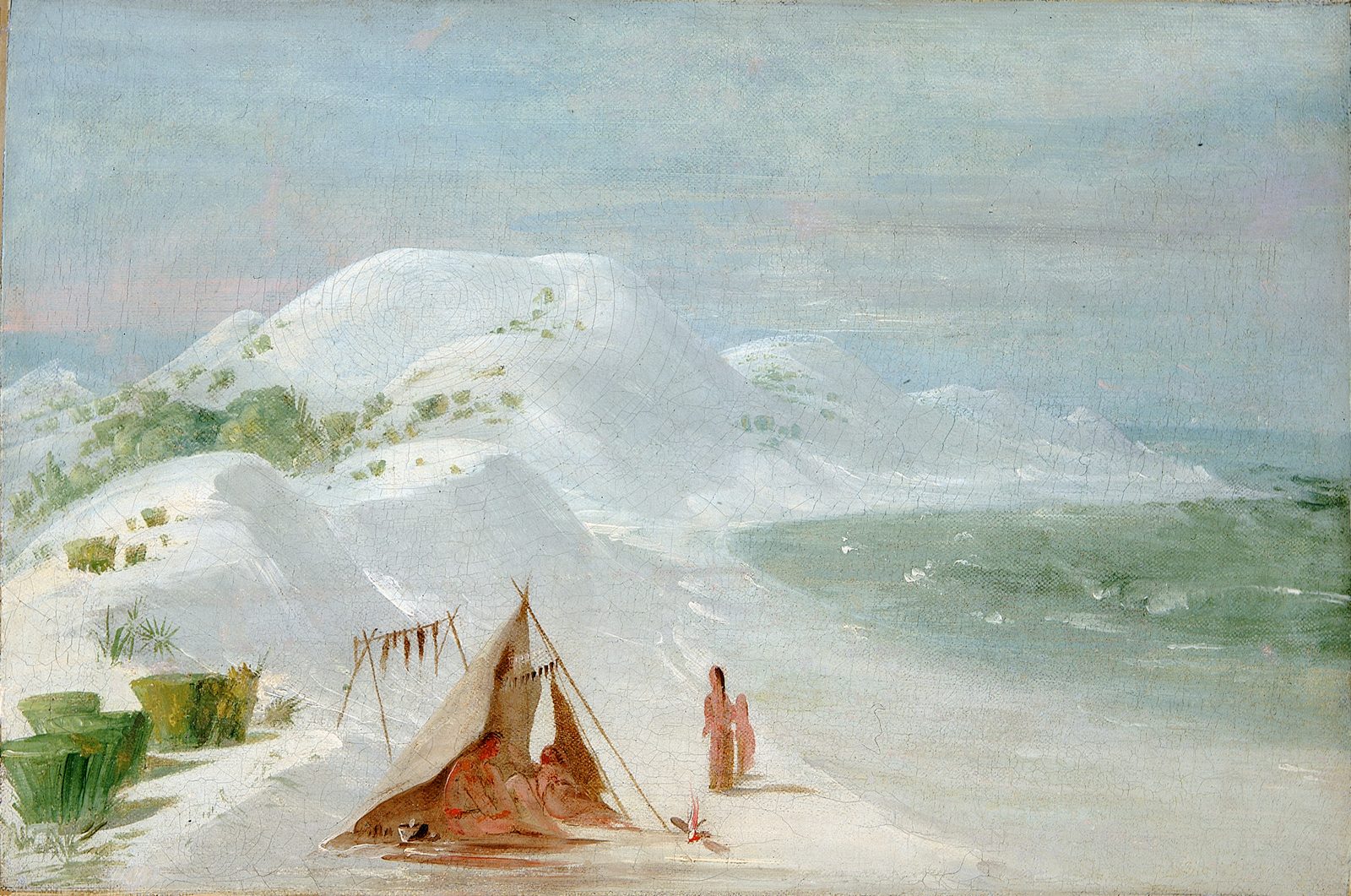
Coastal tidal marshes (salinity not stated)
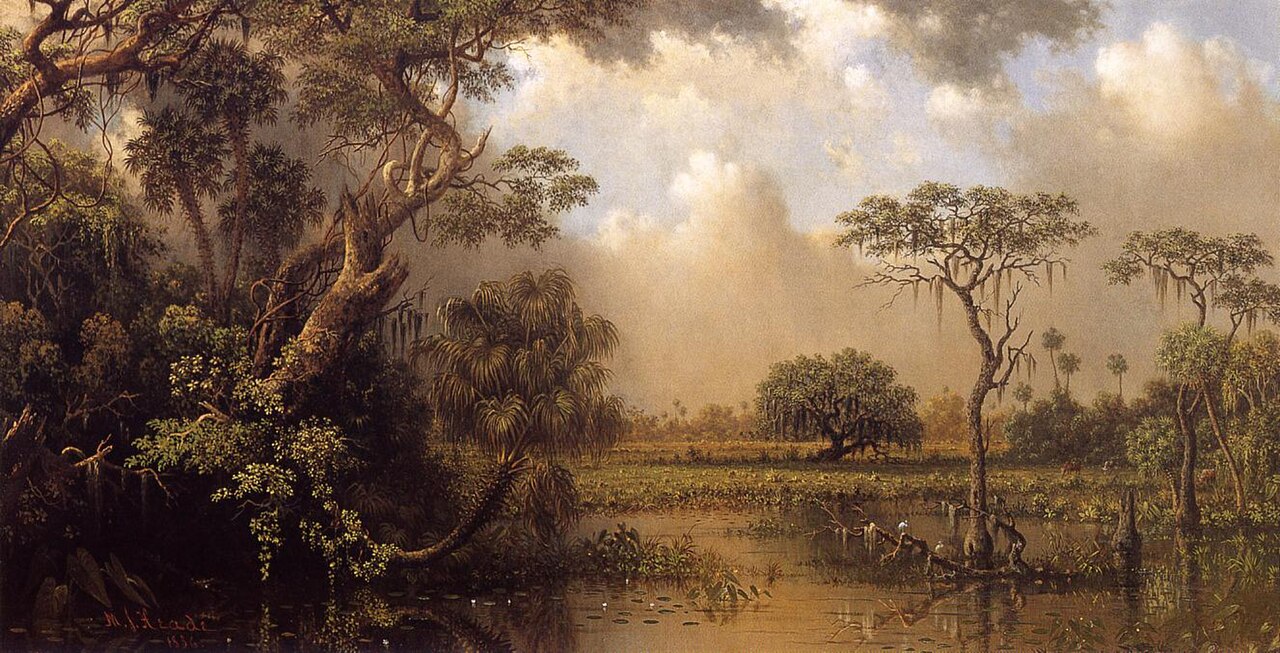
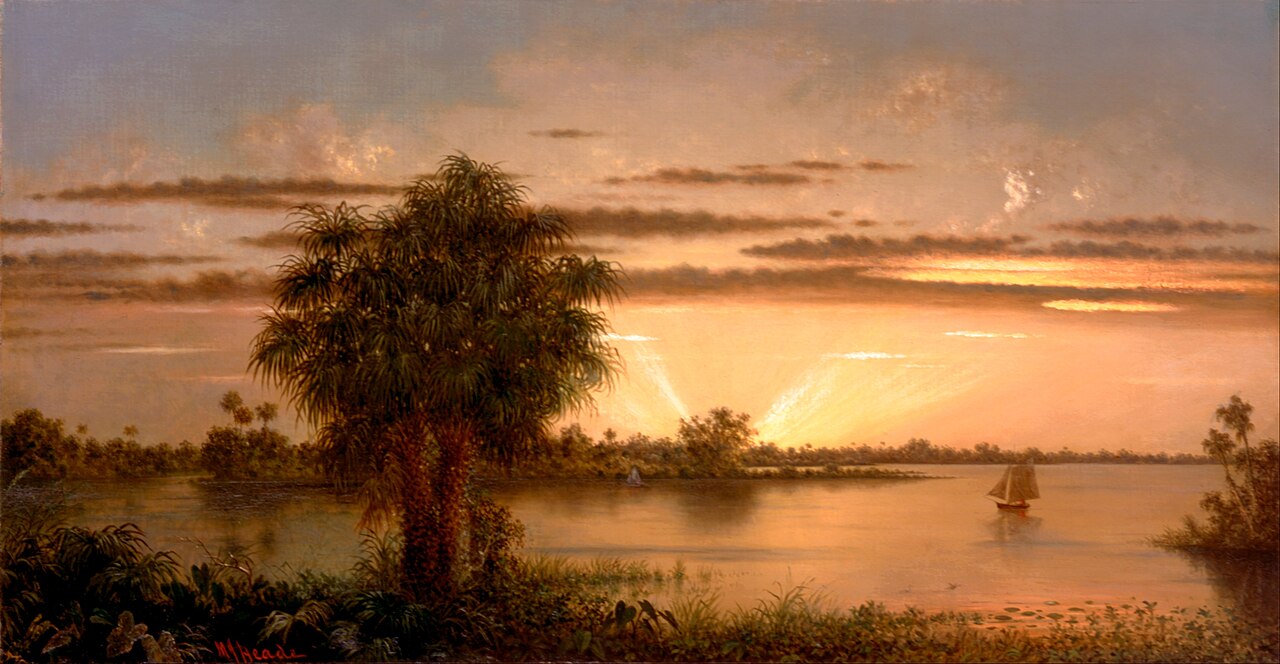
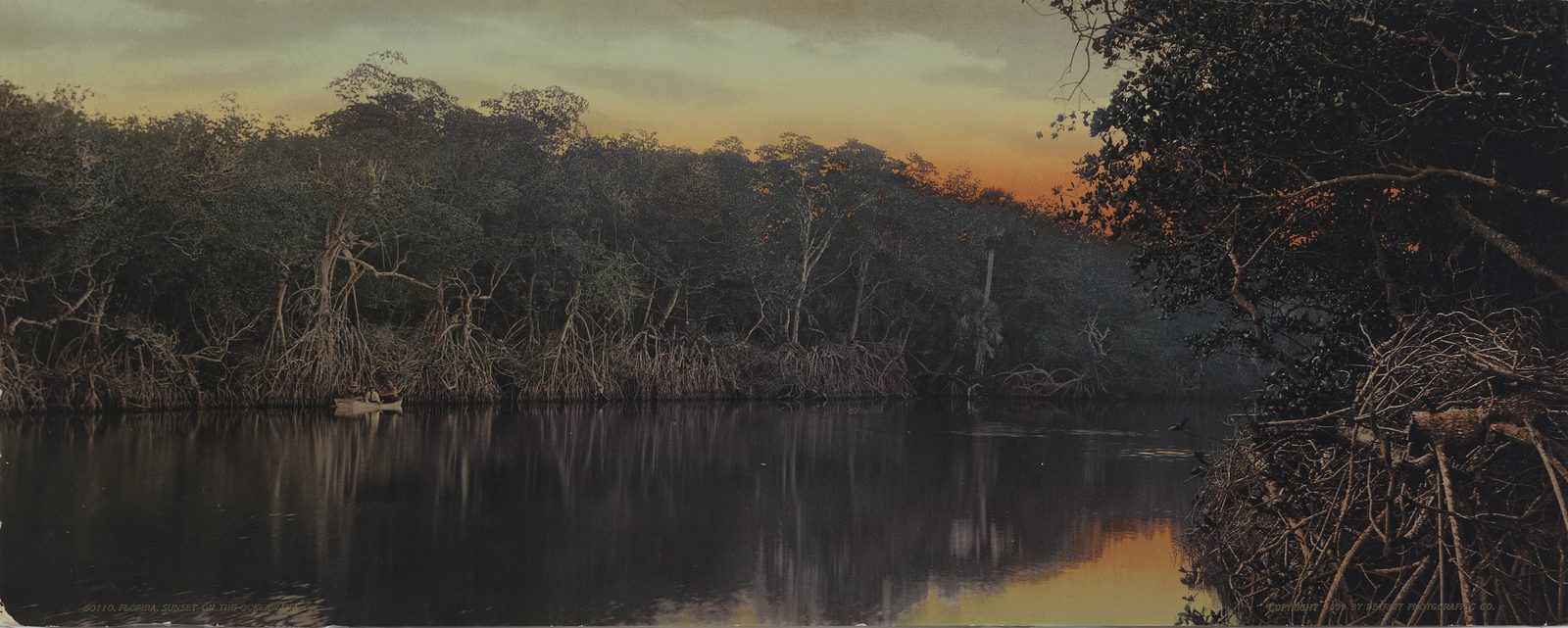
Open, wet, seepage-fed bogs of the Coastal Plain and Sandhills, often with pitcher plants.
Depression ponds and limesinks
Shallow ponds in Coastal Plain depressions, such as limesinks and the ponds in some Carolina bays, that rise and fall with the seasons.
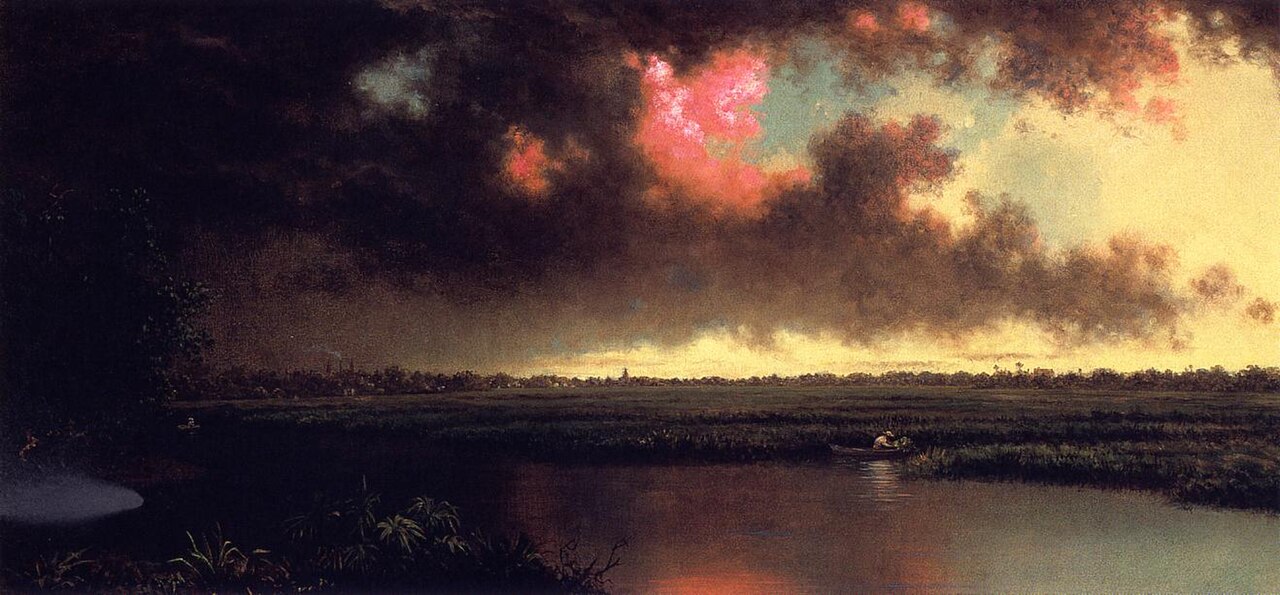
Marshes along tidal rivers where the water is fresh but rises and falls with the tide.
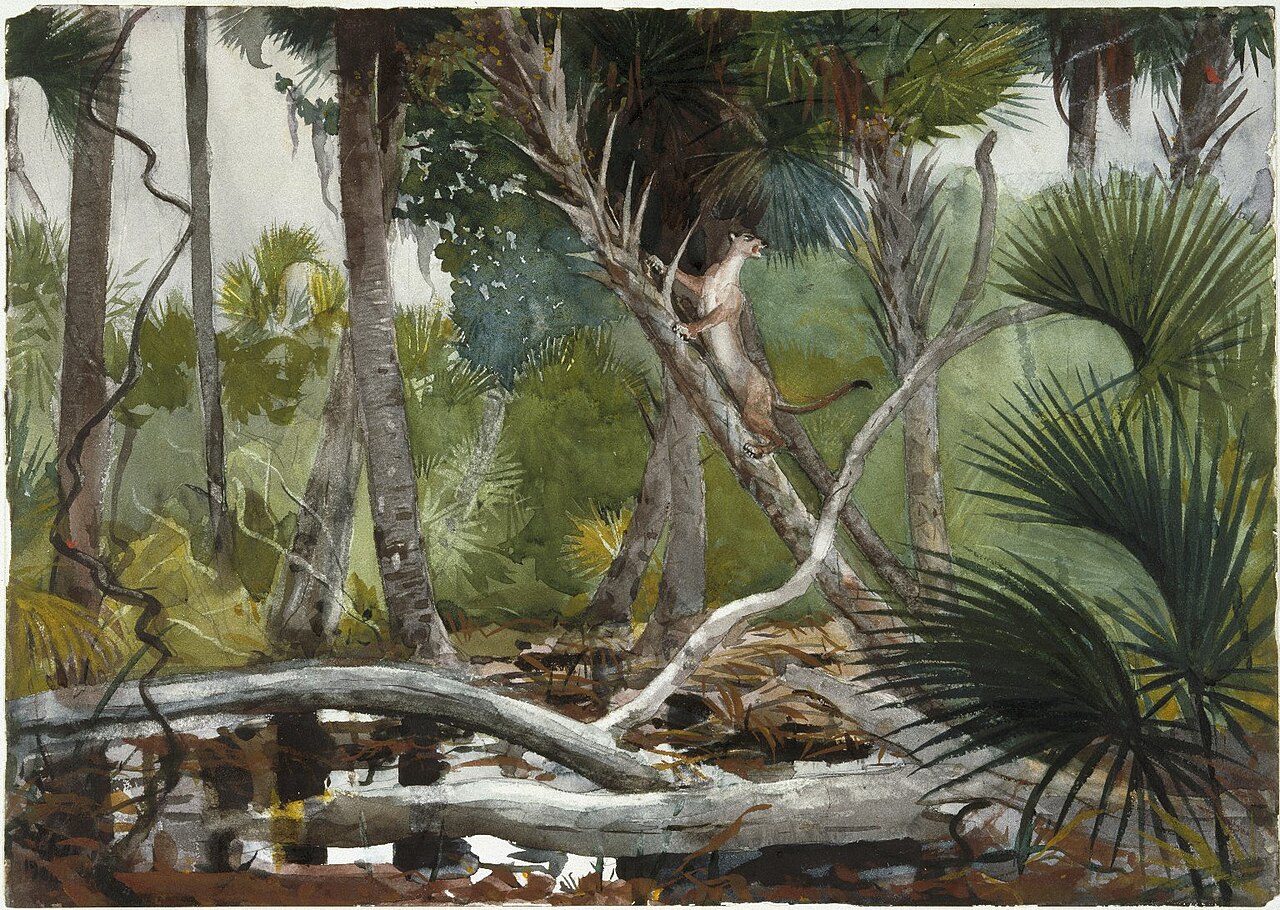
Tidal forests and thickets of red, black and white mangrove along sheltered tropical and subtropical shores.
Coastal marshes flooded by salty or brackish tides.
Disturbed and introduced wetlands
Wet ground taken over by weedy or introduced plants after disturbance, such as common reed, Chinese tallow or tamarisk stands; the upland counterpart is roadsides, fields and disturbed ground.
Floodplain and bottomland forests
Forests on low ground beside rivers and streams that flood from time to time.
Other habitats in its models (26)
Land cover, or classes with no habitat page in Florida. Those recorded in Florida first, the rest by region.
In Florida 4
- Central Florida Herbaceous Seep Summer and winter.
- South Florida Dwarf Cypress Savanna Summer and winter.
- South Florida Freshwater Slough and Gator Hole Summer and winter.
- South Florida Wet Marl Prairie Summer and winter.
Elsewhere in the South (9)
- Atlantic Coastal Plain Brownwater Stream Floodplain Forest Summer and winter, beside its main habitat.
- Atlantic Coastal Plain Embayed Region Tidal Freshwater Marsh Summer and winter.
- Atlantic Coastal Plain Embayed Region Tidal Salt and Brackish Marsh Winter.
- Atlantic Coastal Plain Peatland Pocosin Summer and winter.
- Atlantic Coastal Plain Small Brownwater River Floodplain Forest Summer and winter, beside its main habitat.
- Lower Mississippi River Flatwoods Summer and winter, only within 250 m of water.
- Mississippi River Bottomland Depression Summer and winter.
- Mississippi River Low Floodplain (Bottomland) Forest Summer and winter, beside its main habitat.
- South-Central Interior Small Stream and Riparian Summer and winter, beside its main habitat.
Land cover and other classes (13)
- Atlantic Coastal Plain Clay-Based Carolina Bay Herbaceous Wetland Summer and winter.
- Atlantic Coastal Plain Nonriverine Swamp and Wet Hardwood Forest - Oak Dominated Modifier Summer and winter, beside its main habitat.
- Central Appalachian Riparian - Forest Modifier Summer and winter, beside its main habitat.
- Central Interior and Appalachian Riparian Systems Summer and winter, beside its main habitat.
- Central Interior and Appalachian Swamp Systems Summer and winter.
- East Gulf Coastal Plain Large River Floodplain Forest - Herbaceous Modifier Winter, beside its main habitat.
- East Gulf Coastal Plain Southern Depression Pondshore Summer and winter.
- Mississippi River Floodplain and Riparian Forest Summer and winter.
- South-Central Interior Large Floodplain - Forest Modifier Summer and winter.
- Southern Coastal Plain Nonriverine Basin Swamp - Okefenokee Pine Modifier Summer and winter.
- Southern Piedmont/Ridge and Valley Upland Depression Swamp Summer and winter.
- Unconsolidated Shore Summer and winter.
- Unconsolidated Shore (Lake/River/Pond) Summer and winter.
Seasons in Florida
- Year-round: nests here, in all 67 counties.
- Winter: does not nest here, in 13 of 67 counties.
Also found in this habitat
Plants 515
Plants named in NatureServe descriptions of these habitats that grow in Florida. Shared habitat, not food.
- Illicium floridanumIllicium floridanum
- Illicium parviflorumIllicium parviflorum
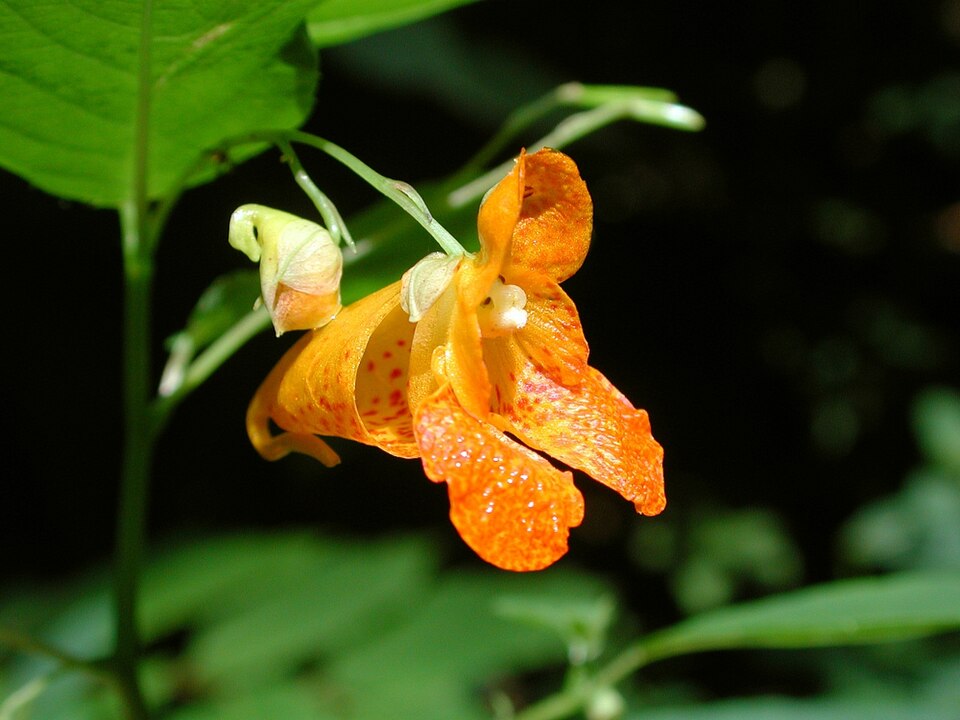
- Spotted JewelweedImpatiens capensis
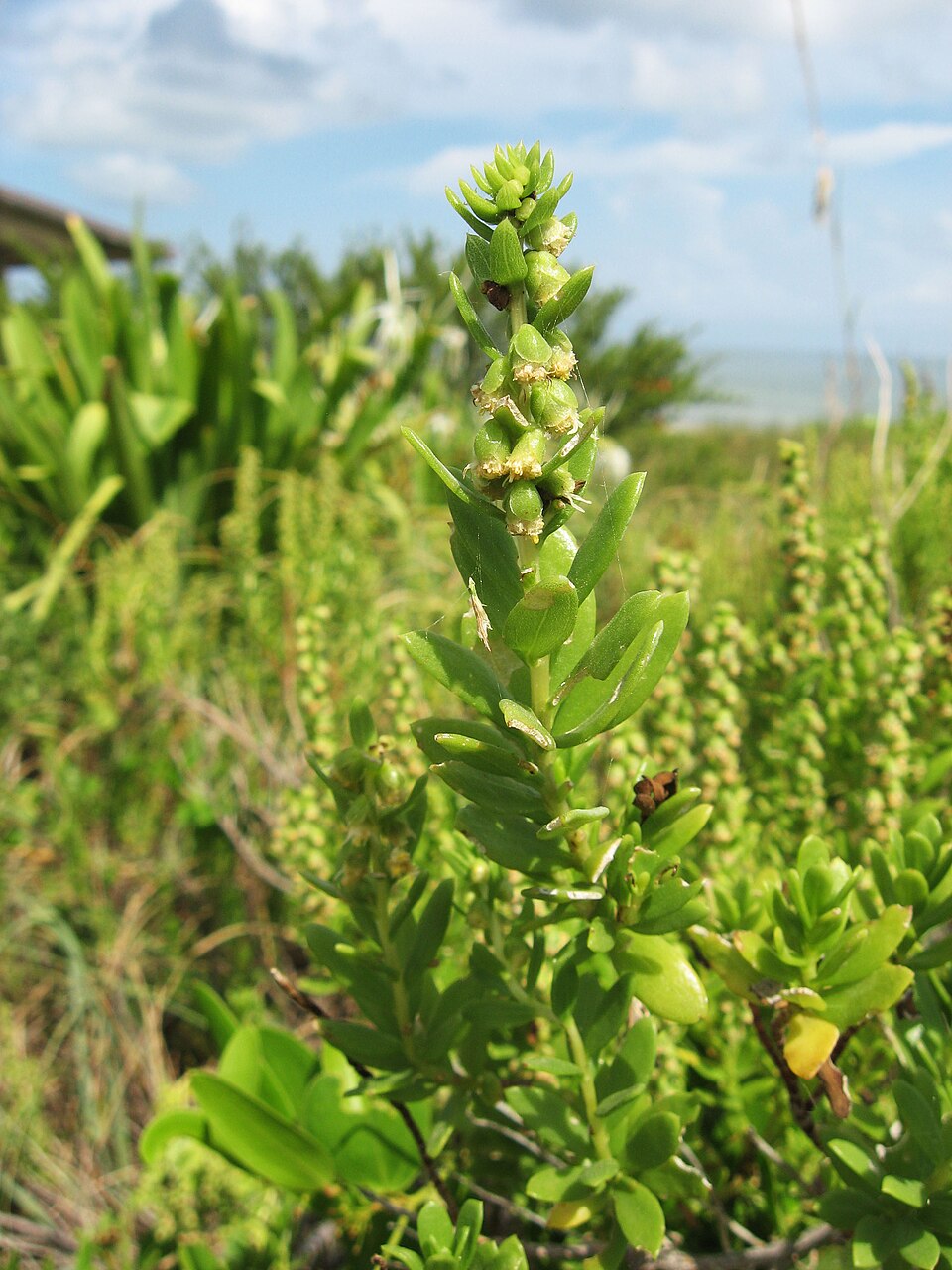
- Dune Marsh-elderIva imbricata
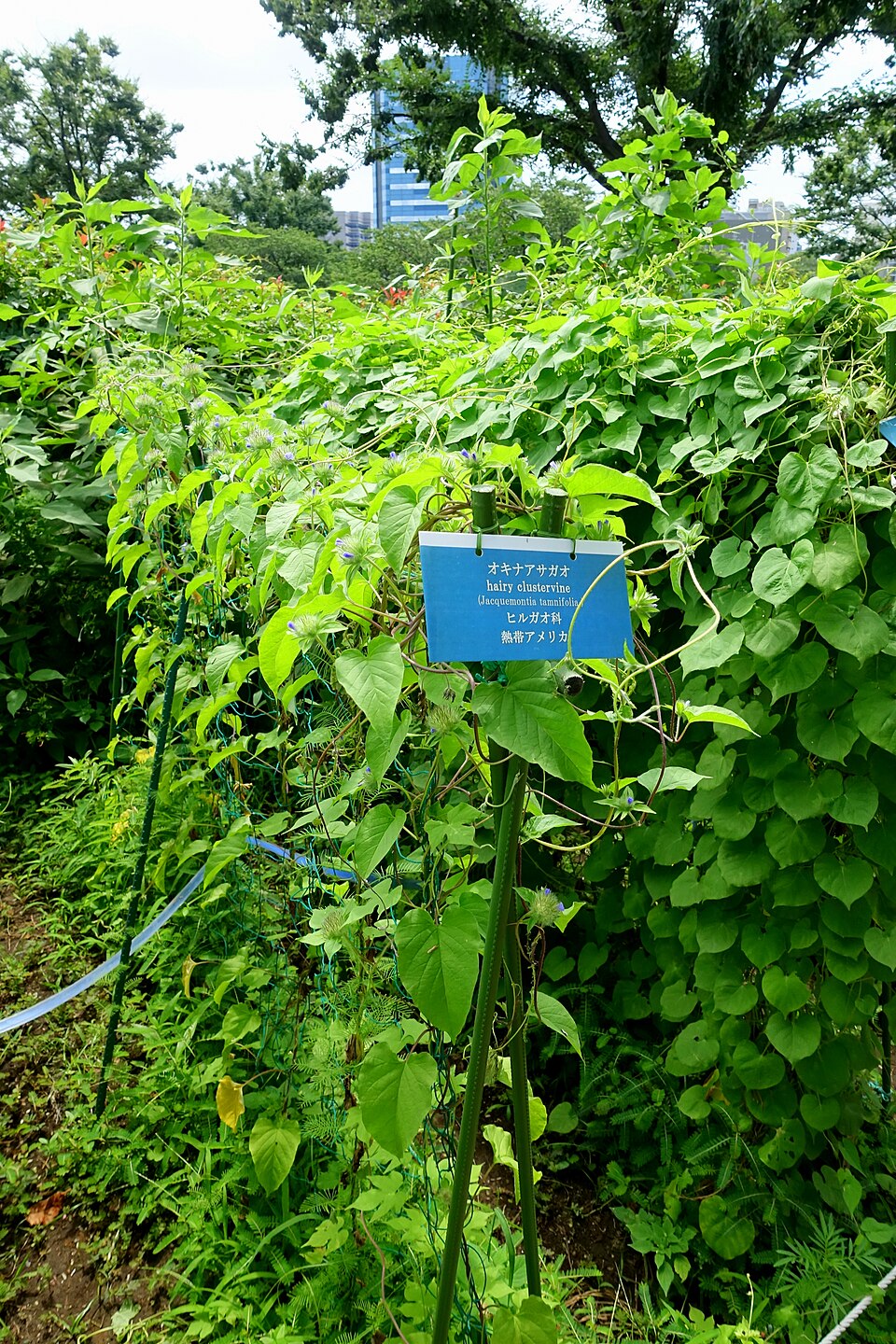
- Hairy Cluster-vineJacquemontia tamnifolia
- JoewoodJacquinia keyensis
- Creeping RushJuncus repens
- Justicia angustaJusticia angusta
- Southern BogbuttonLachnocaulon beyrichianum
- Pineland BogbuttonsLachnocaulon digynum
- Engler's BogbuttonsLachnocaulon engleri
- Small's BogbuttonLachnocaulon minus
- White MangroveLaguncularia racemosa
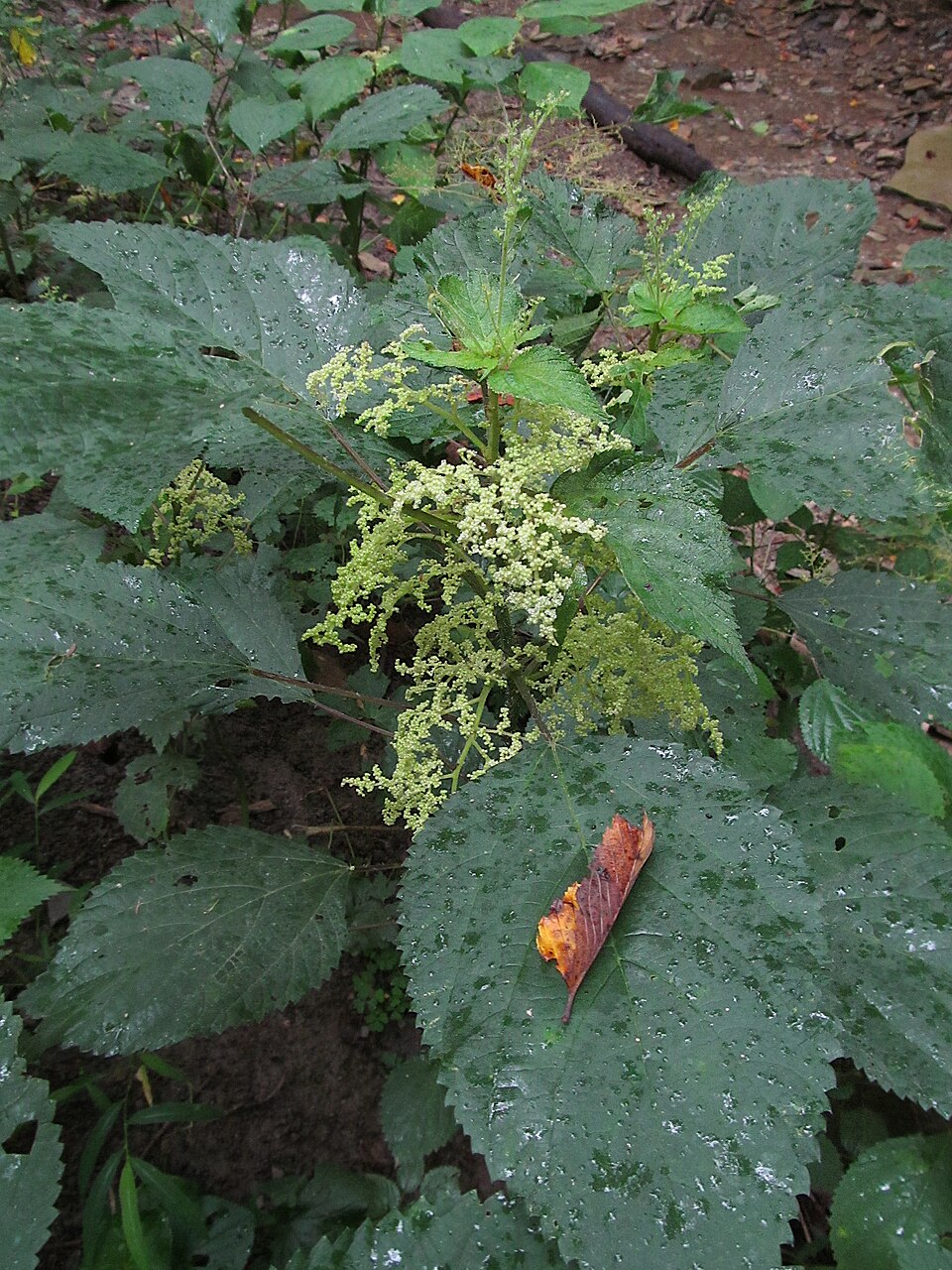
- Canada Wood-nettleLaportea canadensis
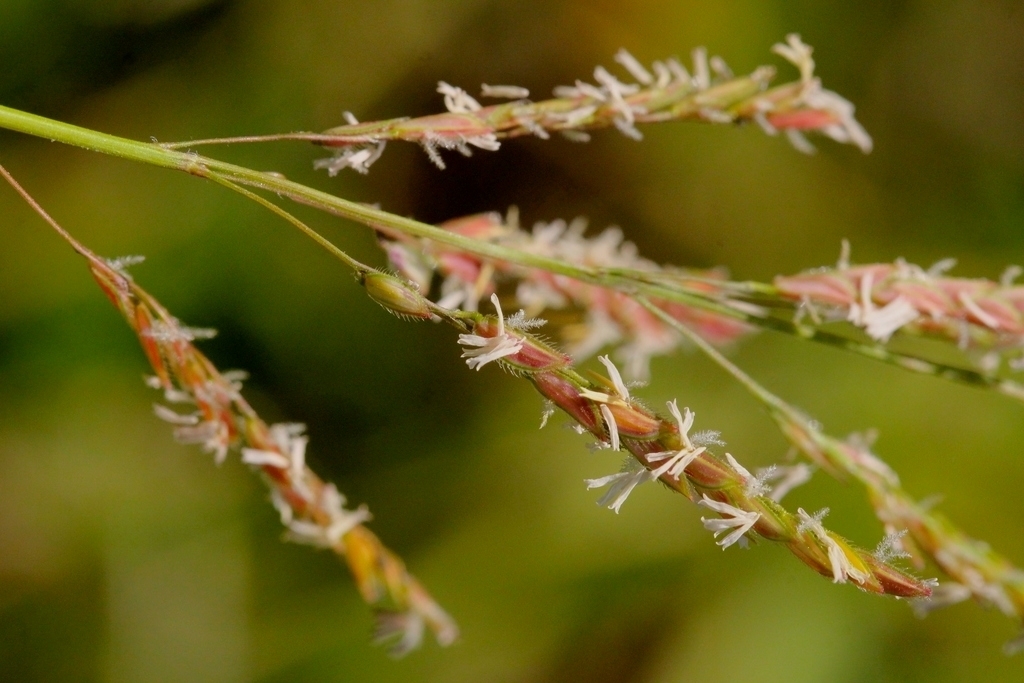
- Southern CutgrassLeersia hexandra
- Gholson's GayfeatherLiatris gholsonii
- Godfrey's GayfeatherLiatris provincialis
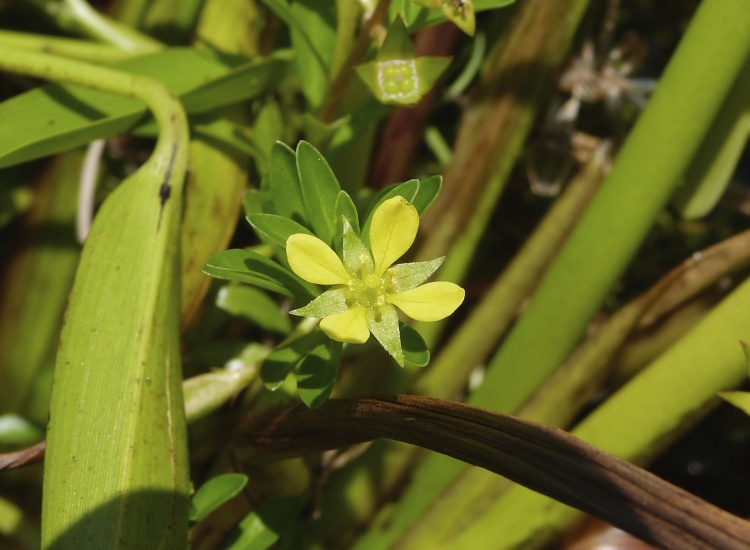
- Yellowseed False-pimpernelLindernia dubia
- Sand FlaxLinum arenicola
- Small's FlaxLinum smallii
- West's FlaxLinum westii
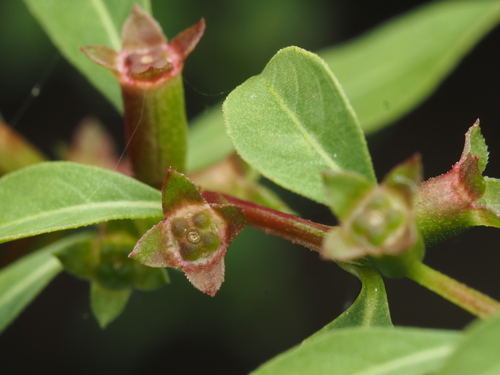
- Long Beach SeedboxLudwigia brevipes
- Cylindric-fruit SeedboxLudwigia glandulosa
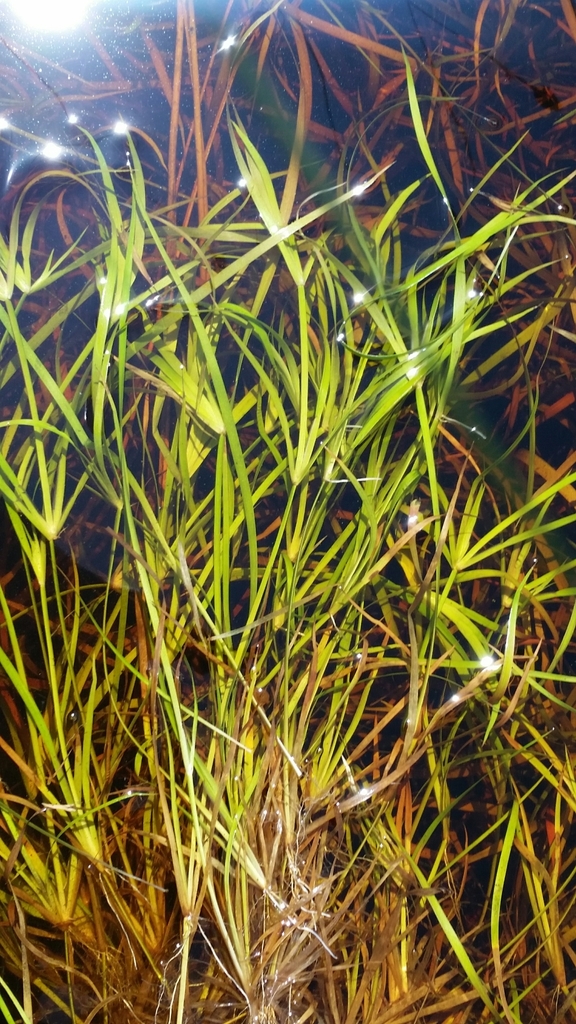
- Ludwigia spathulataLudwigia spathulata
Wildlife 277
Other animals whose habitat models include the same habitats in Florida. Not sighting records.
- American Black DuckAnas rubripes
- Black-crowned Night-heronNycticorax nycticorax
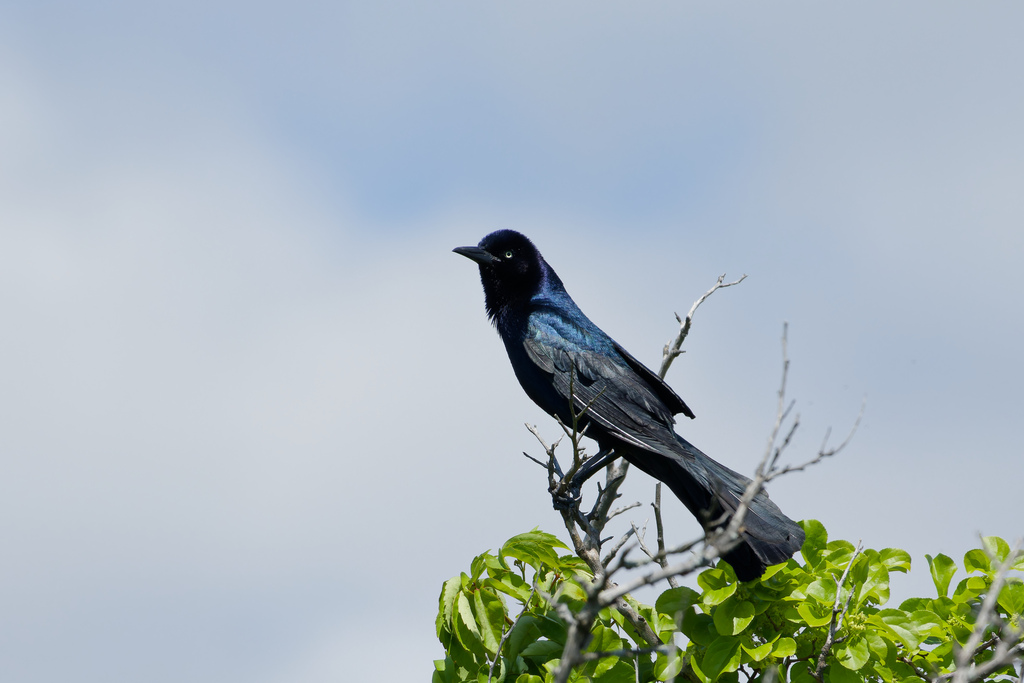
- Boat-tailed GrackleQuiscalus major
- Great EgretArdea alba
- Green HeronButorides virescens
- Snowy EgretEgretta thula
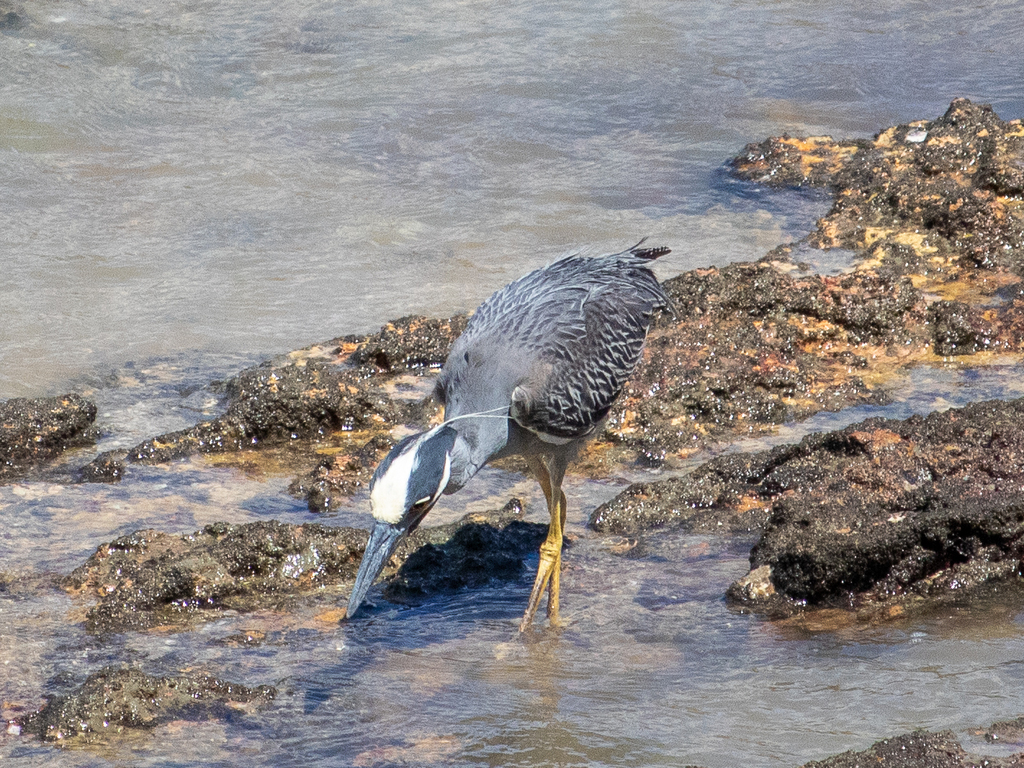
- Yellow-crowned Night-heronNyctanassa violacea
- Bald EagleHaliaeetus leucocephalus
- Belted KingfisherMegaceryle alcyon
- Chimney SwiftChaetura pelagica
- Common NighthawkChordeiles minor
- Common YellowthroatGeothlypis trichas
- Cooper's HawkAccipiter cooperii
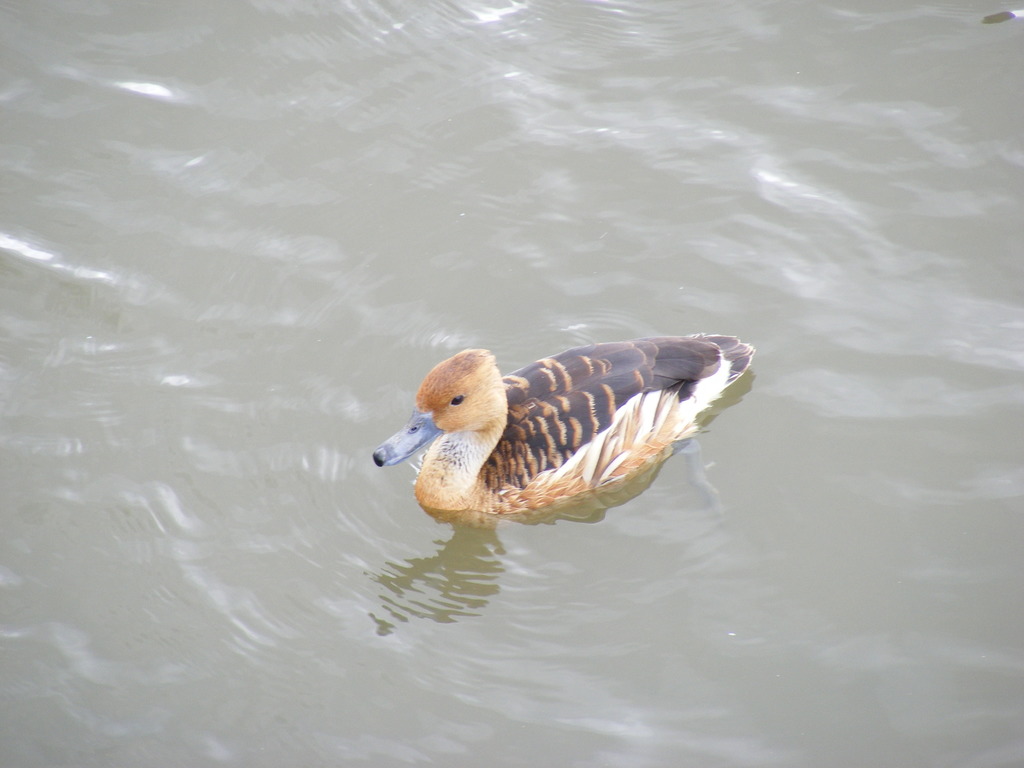
- Fulvous Whistling-duckDendrocygna bicolor
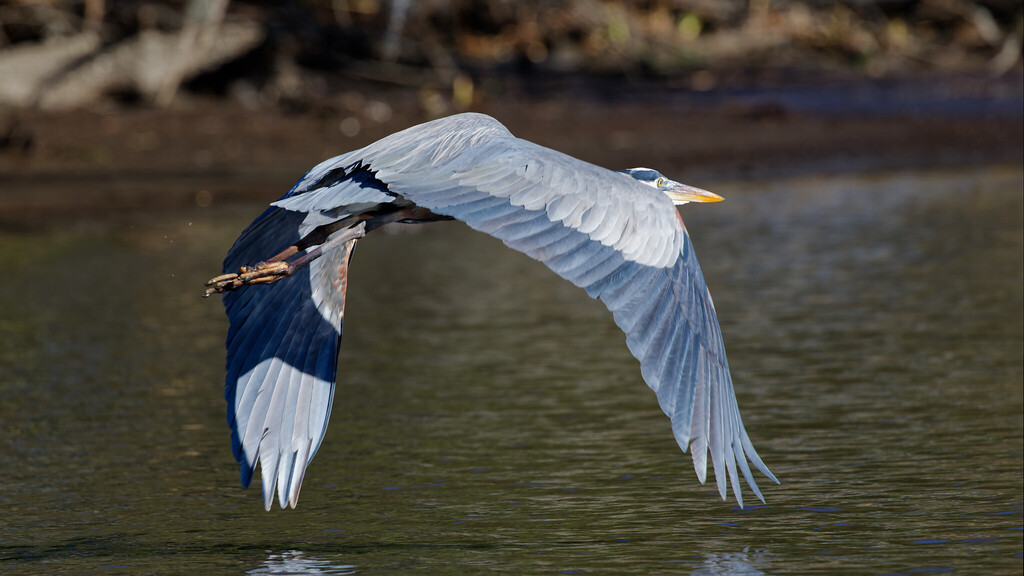
- Great Blue HeronArdea herodias
- Great Horned OwlBubo virginianus
- Northern CardinalCardinalis cardinalis
- Red-tailed HawkButeo jamaicensis
- Red-winged BlackbirdAgelaius phoeniceus
- Ring-necked DuckAythya collaris
- Sharp-shinned HawkAccipiter striatus
- Spotted SandpiperActitis macularius
- Turkey VultureCathartes aura
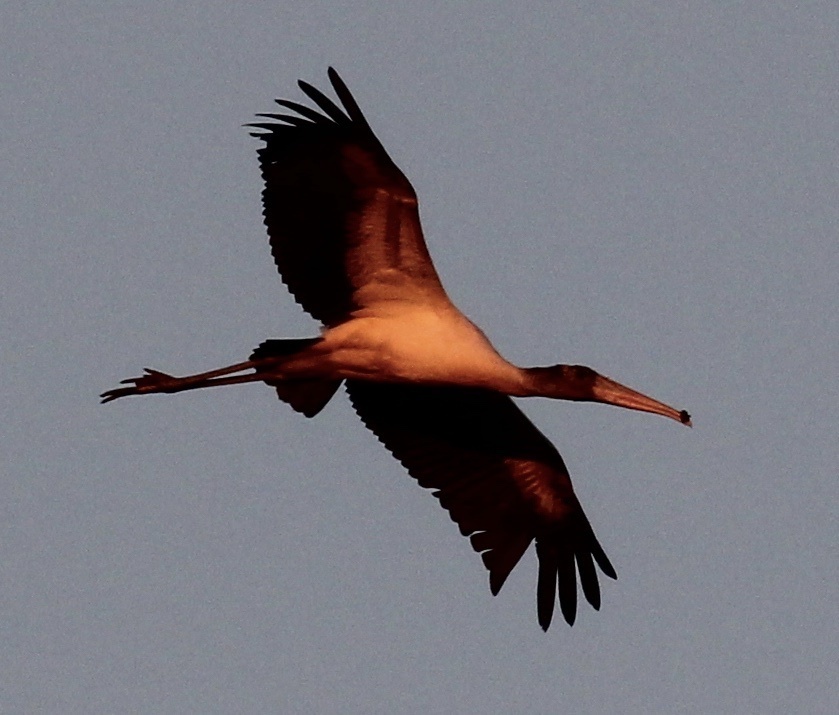
- Wood StorkMycteria americana





















NatureServe Explorer, CC BY 4.0. USGS Gap Analysis Project habitat models.
Sources
- USGS Gap Analysis Project habitat models (2001)
- USGS GAP winter habitat model for American Coot Slow streams only
- USGS Gap Analysis Project range maps (2001), modeled by watershed; migratory gives no dates
- NatureServe Explorer (CC BY 4.0), habitat names
- US Census TIGER/Line counties
- Names follow the USGS Gap Analysis Project (2001)