

Bird
American Black Duck
Anas rubripes
A winter visitor to Florida, found in 56 of 67 counties and 18 habitats.
- Here
- Winter
- Nesting
- Not known to nest here
- Range
- 56 of 67 counties
- Habitats
- 18

At a glance
- Group
- Birds
- Here
- Winter
- Nesting
- Not known to nest here
- Range
- 56 of 67 counties
- Habitats
- 18
- Habitat models
- Summer, Winter
Where it lives
The places its habitat model includes. It is not found everywhere a habitat occurs.
Habitats in Florida 18
Each habitat page lists the plants and wildlife also found there.

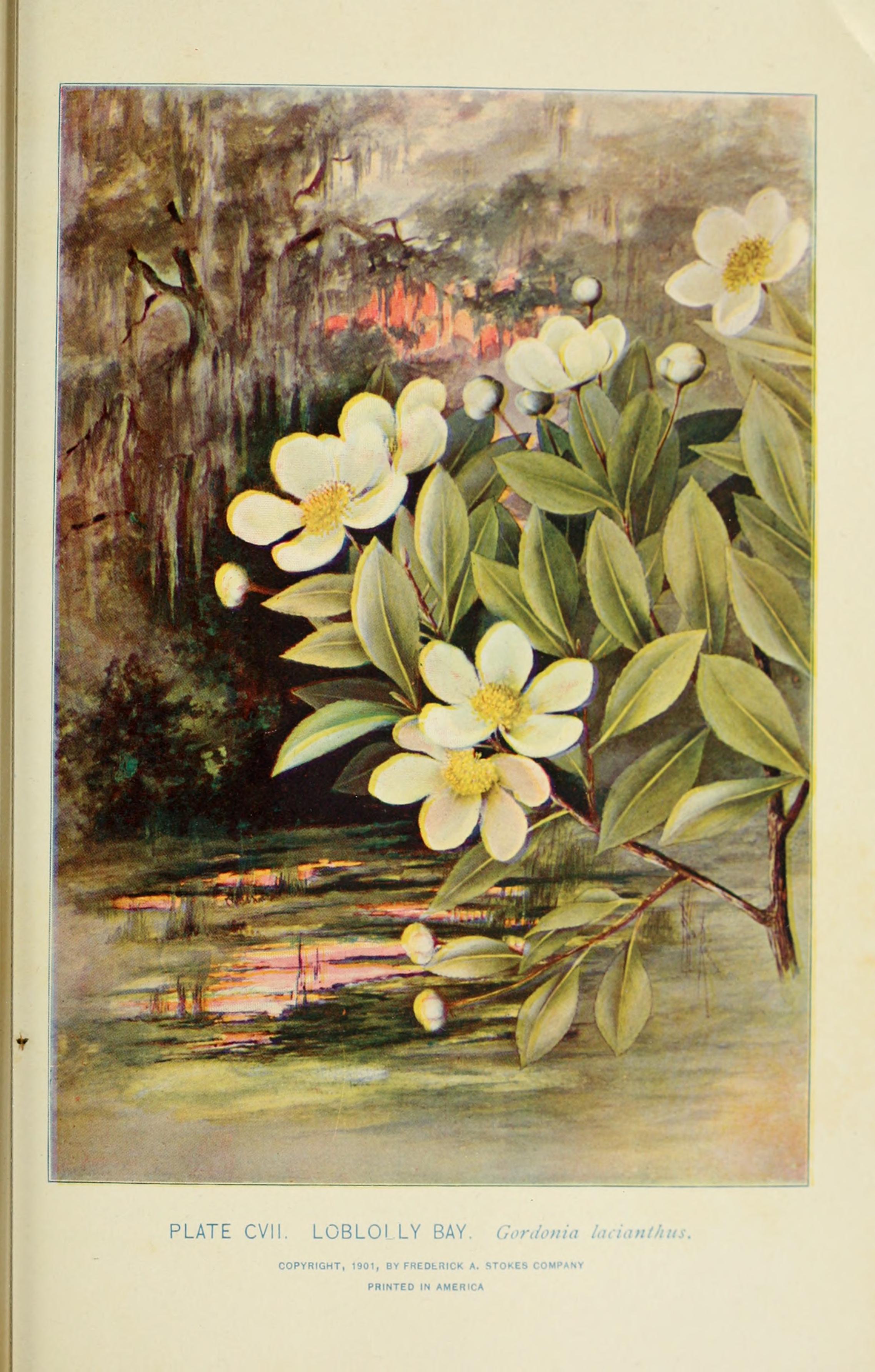
Open sand of beaches, dunes and the hollows between them.
Dense, evergreen groves of live oak, magnolia and other hardwoods in the southern Coastal Plain, from dry oak domes to wet hydric hammocks and south Florida's tropical hammocks; salt-shaped maritime hammocks are maritime forests.
Open, wet, seepage-fed bogs of the Coastal Plain and Sandhills, often with pitcher plants.
Coastal tidal marshes (salinity not stated)
Tidal marshes of the Atlantic and Gulf coasts where the source does not say whether the water is fresh, brackish or salt. A stated salinity files the marsh under freshwater tidal marshes or salt and brackish marshes instead.
Depression ponds and limesinks
Shallow ponds in Coastal Plain depressions, such as limesinks and the ponds in some Carolina bays, that rise and fall with the seasons.
Disturbed and introduced wetlands
Wet ground taken over by weedy or introduced plants after disturbance, such as common reed, Chinese tallow or tamarisk stands; the upland counterpart is roadsides, fields and disturbed ground.
Floodplain and bottomland forests
Forests on low ground beside rivers and streams that flood from time to time.
Marshes along tidal rivers where the water is fresh but rises and falls with the tide.
Tidal forests and thickets of red, black and white mangrove along sheltered tropical and subtropical shores.
Flat, sandy Coastal Plain pine woodlands, wetter than sandhills and denser than savannas.
Open, fire-kept longleaf pine stands over grasses and wildflowers on wet to moist sandy soil.
Dense evergreen shrub wetlands and bay forests on wet, acid peat of the Coastal Plain.
Coastal marshes flooded by salty or brackish tides.
Salt and brackish open water of sounds, bays and estuaries, with the mud and sand flats and seagrass beds that tides cover and uncover; the vegetated marsh is salt and brackish marshes.
Roadsides, fields and disturbed ground
Ground opened by people: roadsides, old fields, pastures, fencerows and lots.
Other habitats in its models (46)
Land cover, or classes with no habitat page in Florida.
- Open Water (Aquaculture) Summer.
- Unconsolidated Shore (Lake/River/Pond) Winter.
- Unconsolidated Shore Winter.
- Atlantic Coastal Plain Xeric River Dune Winter.
- Atlantic Coastal Plain Embayed Region Tidal Salt and Brackish Marsh Summer and winter.
- Atlantic Coastal Plain Northern Tidal Salt Marsh Summer and winter.
- Southern Coastal Plain Nonriverine Basin Swamp - Okefenokee Pine Modifier Summer and winter.
- Southern Coastal Plain Nonriverine Basin Swamp - Okefenokee Clethra Modifier Summer.
- Atlantic Coastal Plain Clay-Based Carolina Bay Herbaceous Wetland Summer and winter.
- Atlantic Coastal Plain Peatland Pocosin Summer and winter.
- West Gulf Coastal Plain Seepage Swamp and Baygall Summer.
- Central Interior and Appalachian Swamp Systems Summer.
- Central Interior and Appalachian Shrub-Herbaceous Wetland Systems Summer.
- Atlantic Coastal Plain Embayed Region Tidal Freshwater Marsh Summer and winter.
- Central Florida Herbaceous Seep Summer and winter.
- Atlantic Coastal Plain Northern Fresh and Oligohaline Tidal Marsh Summer and winter.
- Atlantic Coastal Plain Northern Tidal Wooded Swamp Winter.
- West Gulf Coastal Plain Near-Coast Large River Swamp Summer.
- Northern Atlantic Coastal Plain Basin Swamp and Wet Hardwood Forest Summer and winter.
- Atlantic Coastal Plain Nonriverine Swamp and Wet Hardwood Forest - Taxodium/Nyssa Modifier Summer.
- Atlantic Coastal Plain Nonriverine Swamp and Wet Hardwood Forest - Oak Dominated Modifier Summer.
- Atlantic Coastal Plain Clay-Based Carolina Bay Forested Wetland Summer and winter.
- South Florida Dwarf Cypress Savanna Summer.
- Lower Mississippi River Bottomland Depressions - Forest Modifier Summer and winter.
- East Gulf Coastal Plain Southern Depression Pondshore Summer and winter.
- Southern Piedmont/Ridge and Valley Upland Depression Swamp Summer and winter.
- Mississippi River Bottomland Depression Summer.
- South Florida Freshwater Slough and Gator Hole Summer and winter.
- South-Central Interior Large Floodplain - Forest Modifier Summer and winter.
- Southern Piedmont Large Floodplain Forest - Forest Modifier Summer and winter.
- East Gulf Coastal Plain Large River Floodplain Forest - Herbaceous Modifier Summer and winter.
- South-Central Interior Large Floodplain - Herbaceous Modifier Summer and winter.
- Eastern Great Plains Floodplain Systems Summer.
- Central Interior and Appalachian Floodplain Systems Summer.
- Central Interior and Appalachian Riparian Systems Summer.
- Mississippi River Riparian Forest Summer and winter.
- Mississippi River Low Floodplain (Bottomland) Forest Summer and winter.
- Southern Piedmont Small Floodplain and Riparian Forest Summer and winter.
- Atlantic Coastal Plain Small Brownwater River Floodplain Forest Summer and winter.
- Red River Large Floodplain Forest Summer.
- Atlantic Coastal Plain Brownwater Stream Floodplain Forest Summer and winter.
- South-Central Interior Small Stream and Riparian Summer.
- Mississippi River Floodplain and Riparian Forest Summer.
- South-Central Interior Large Floodplain Summer and winter.
- Ozark-Ouachita Riparian Summer.
- Lower Mississippi River Flatwoods Summer, only within 500 m of water.
Seasons in Florida
- Winter: does not nest here, in 56 of 67 counties.
Also found in this habitat
Plants 624
Plants named in NatureServe descriptions of these habitats that grow in Florida. Shared habitat, not food.
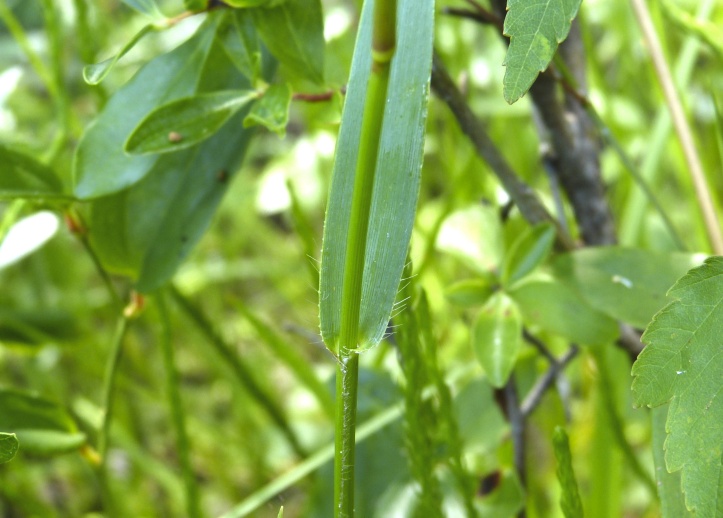
- Trumpet-creeperCampsis radicans
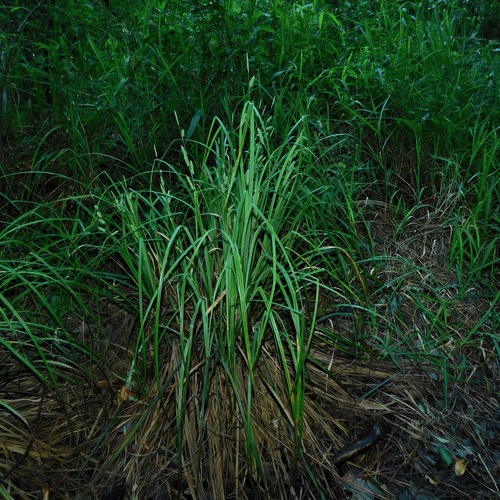
- Southern Waxy SedgeCarex glaucescens
- Shoreline SedgeCarex hyalinolepis
- Cypress-swamp SedgeCarex joorii
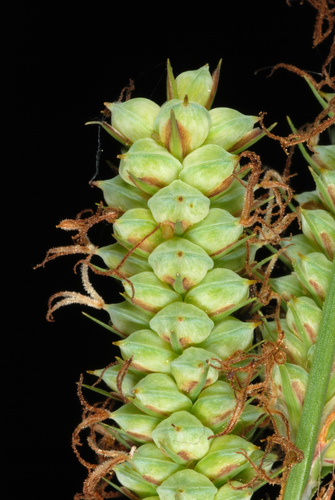
- Warty SedgeCarex verrucosa
- Coco PlumChrysobalanus icaco
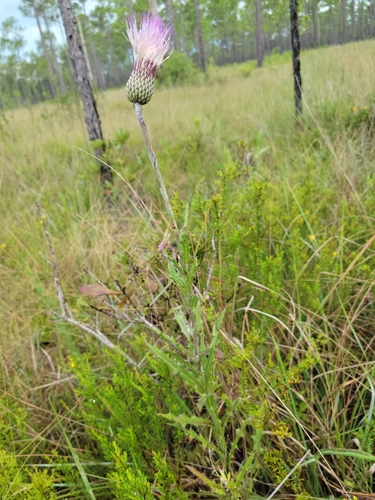
- LeConte's ThistleCirsium lecontei
- Coreopsis integrifoliaCoreopsis integrifolia
- Croton elliottiiCroton elliottii
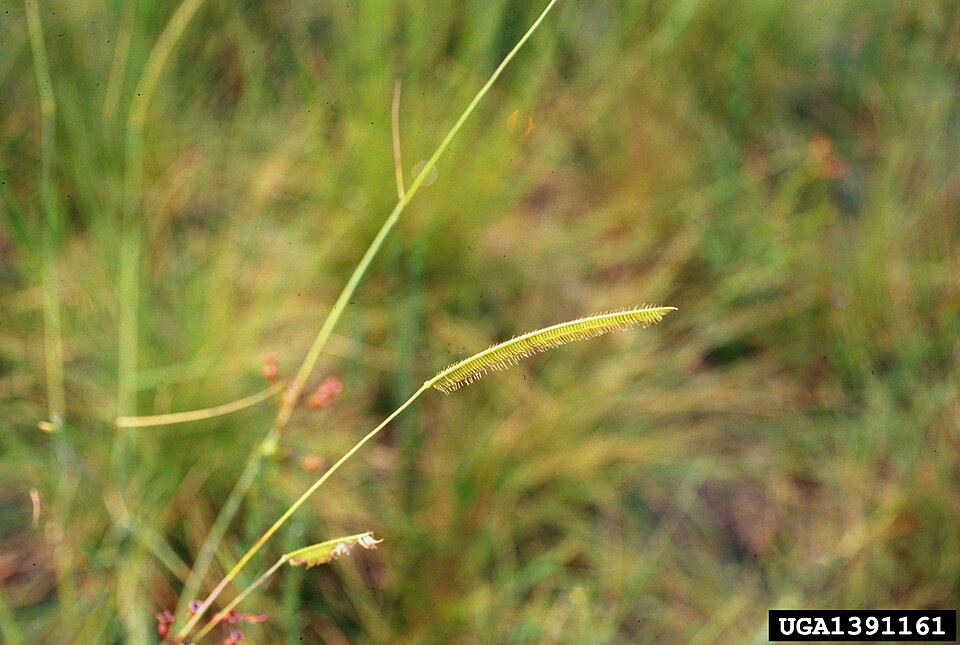
- Toothache GrassCtenium aromaticum
- Erectleaf WitchgrassDichanthelium erectifolium
- Drosera tracyiDrosera tracyi
- Telephus SpurgeEuphorbia telephioides
- Eurybia eryngiifoliaEurybia eryngiifolia
- Apalachicola AsterEurybia spinulosa
- Forestiera godfreyiForestiera godfreyi
- Fuirena scirpoideaFuirena scirpoidea
- Water-spider OrchidHabenaria repens
- AlligatorlilyHymenocallis palmeri
- Hypericum brachyphyllumHypericum brachyphyllum
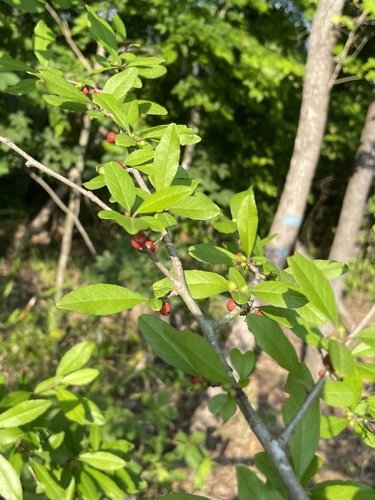
- Possumhaw HollyIlex decidua
- Seashore MallowKosteletzkya pentacarpos
- Small's BogbuttonLachnocaulon minus
- Lejeunea floridanaLejeunea floridana
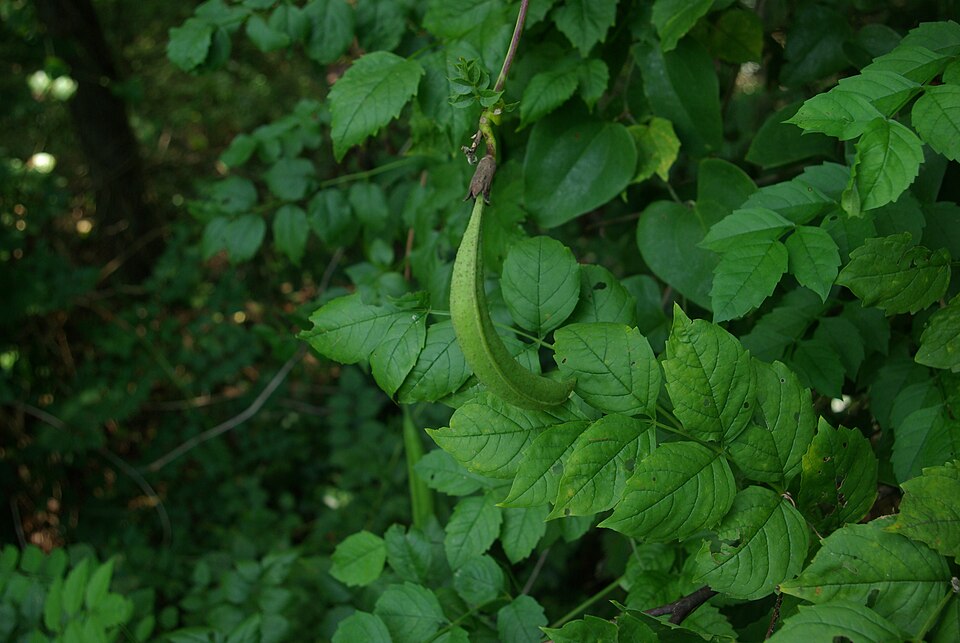
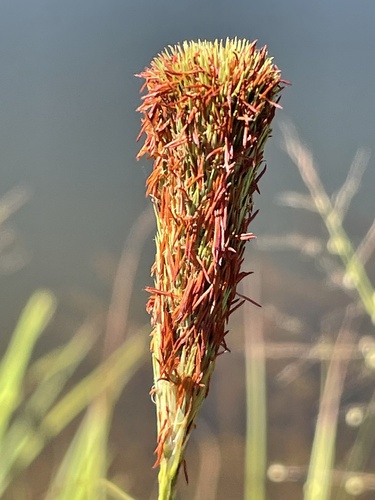
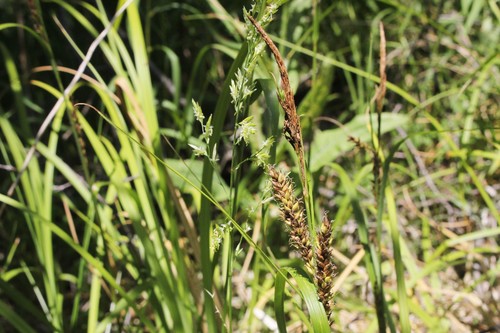
Wildlife 288
Other animals whose habitat models include the same habitats in Florida. Not sighting records.
- Black-crowned Night-heronNycticorax nycticorax
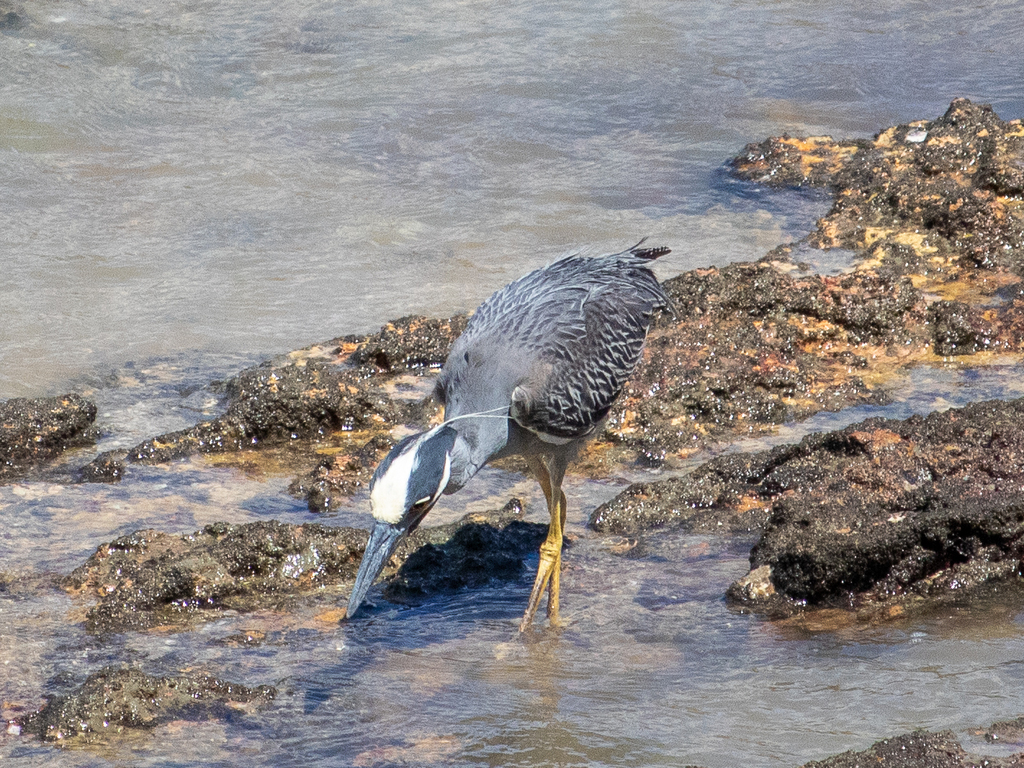
- Yellow-crowned Night-heronNyctanassa violacea
- Common NighthawkChordeiles minor
- Common YellowthroatGeothlypis trichas
- Cooper's HawkAccipiter cooperii
- Great Blue HeronArdea herodias
- Great EgretArdea alba
- Great Horned OwlBubo virginianus
- Green HeronButorides virescens
- Northern CardinalCardinalis cardinalis
- Red-tailed HawkButeo jamaicensis
- Red-winged BlackbirdAgelaius phoeniceus
- Sharp-shinned HawkAccipiter striatus
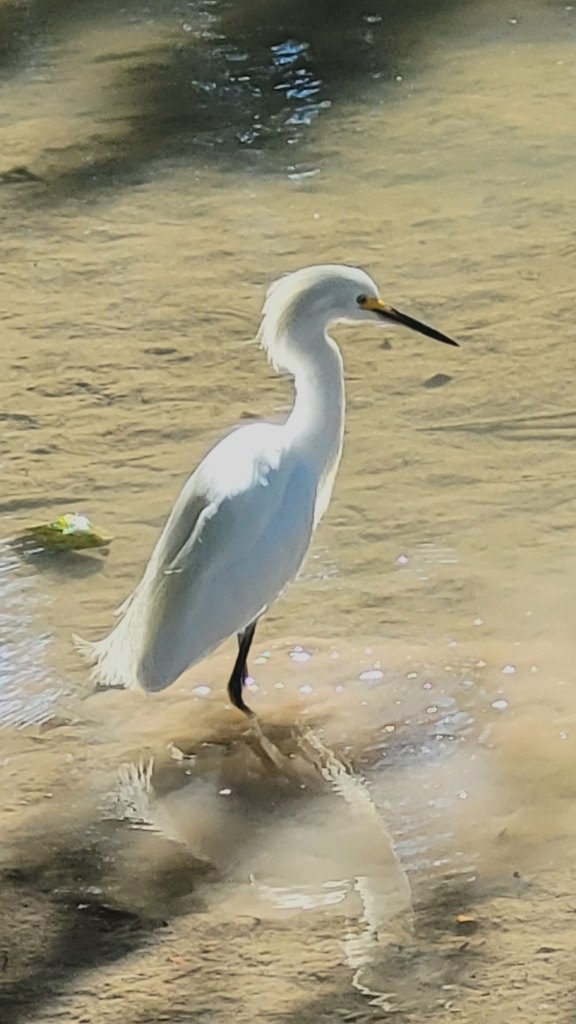
- Snowy EgretEgretta thula
- Turkey VultureCathartes aura
- American CrowCorvus brachyrhynchos
- Boat-tailed GrackleQuiscalus major
- Chimney SwiftChaetura pelagica
- Fish CrowCorvus ossifragus
- Northern ShovelerAnas clypeata
- Painted BuntingPasserina ciris
- Spotted SandpiperActitis macularius
- Tree SwallowTachycineta bicolor
- Yellow-breasted ChatIcteria virens














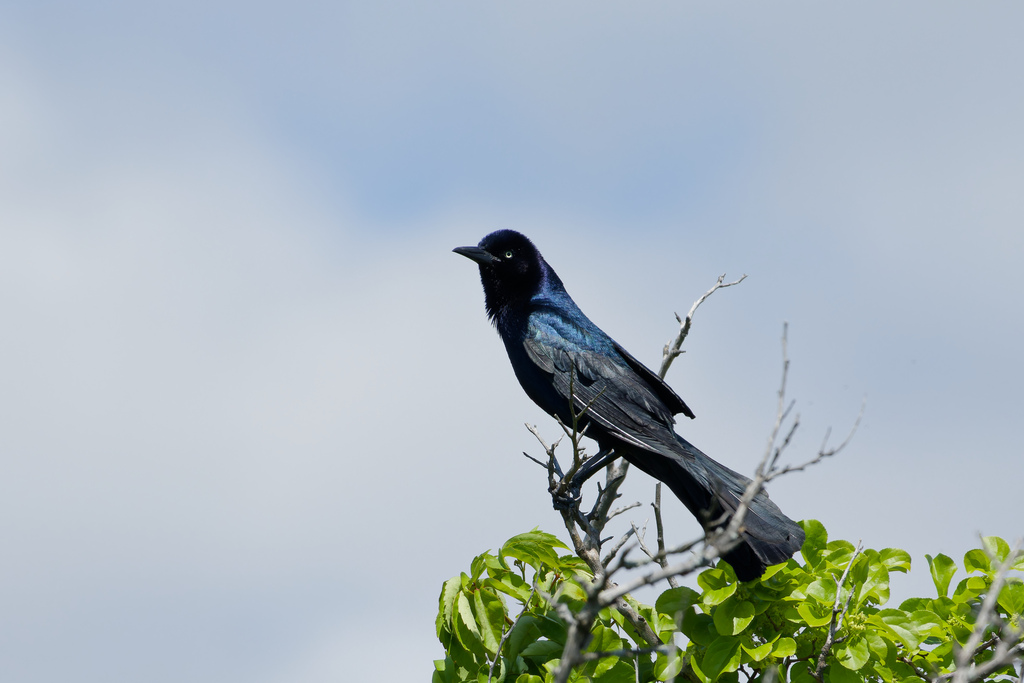


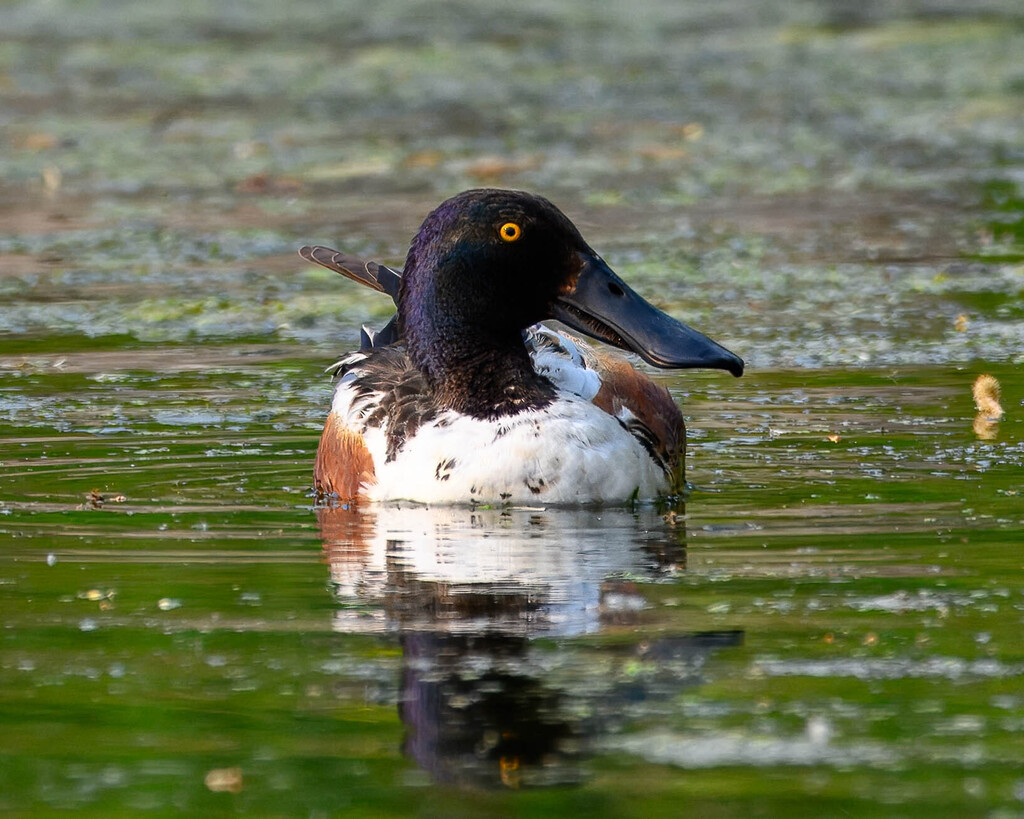
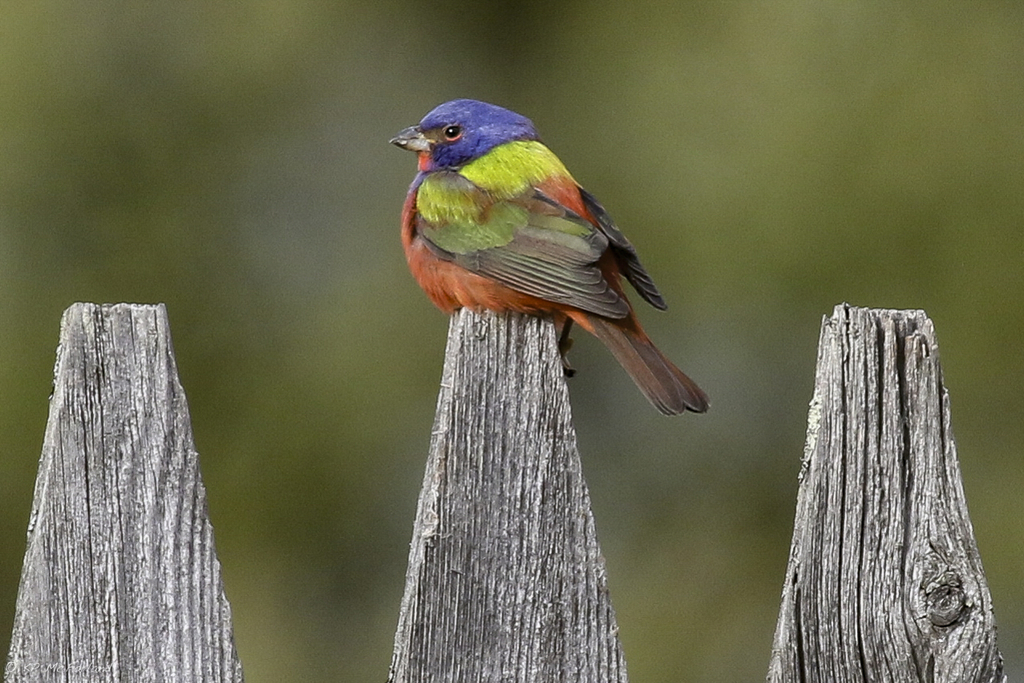



NatureServe Explorer, CC BY 4.0. USGS Gap Analysis Project habitat models.
Sources
- USGS Gap Analysis Project habitat models (2001)
- USGS GAP winter habitat model for American Black Duck
- USGS Gap Analysis Project range maps (2001), modeled by watershed; migratory gives no dates
- NatureServe Explorer (CC BY 4.0), habitat names
- US Census TIGER/Line counties
- Names follow the USGS Gap Analysis Project (2001)