

Bird
Acadian Flycatcher
Empidonax virescens
A summer resident that nests in Florida. Found in all 67 counties, across 7 habitats.
- Here
- Summer and on migration
- Nesting
- Nests here
- Range
- All 67 counties
- Habitats
- 7

At a glance
- Group
- Birds
- Here
- Summer and on migration
- Nesting
- Nests here
- Range
- All 67 counties
- Habitats
- 7
- Habitat models
- Summer
Where it lives
The places its habitat model includes. It is not found everywhere a habitat occurs.
Habitats in Florida 7
Each habitat page lists the plants and wildlife also found there.
Dense, evergreen groves of live oak, magnolia and other hardwoods in the southern Coastal Plain, from dry oak domes to wet hydric hammocks and south Florida's tropical hammocks; salt-shaped maritime hammocks are maritime forests.
Disturbed and introduced wetlands
Wet ground taken over by weedy or introduced plants after disturbance, such as common reed, Chinese tallow or tamarisk stands; the upland counterpart is roadsides, fields and disturbed ground.
Floodplain and bottomland forests
Forests on low ground beside rivers and streams that flood from time to time.
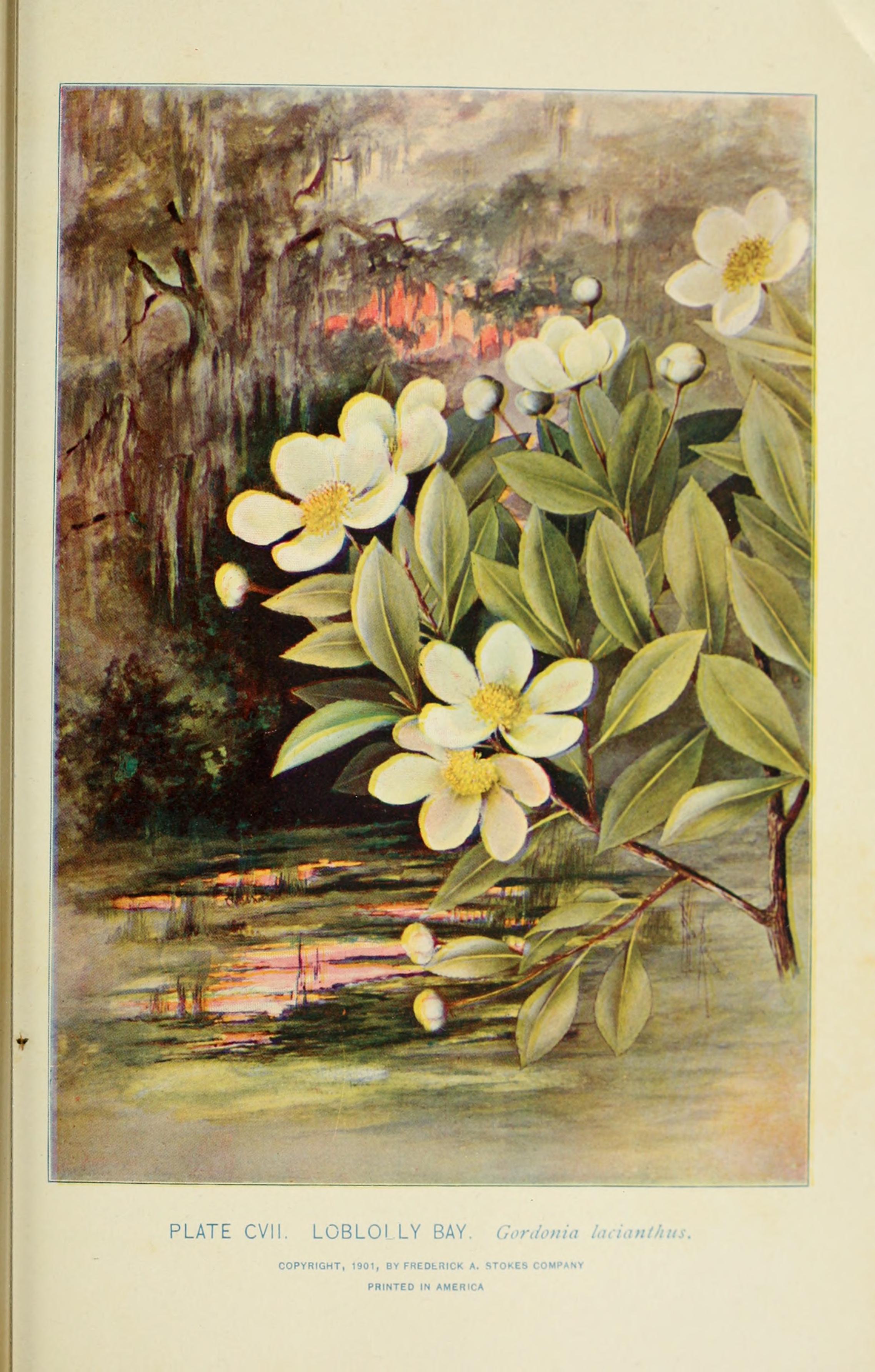
Dense evergreen shrub wetlands and bay forests on wet, acid peat of the Coastal Plain.
Forests on moist but not wet ground, such as rich slopes and ravines.
Tree plantations and managed pine
Planted or intensively managed stands of pine or hardwoods grown for timber; a land use rather than a natural community.
Other habitats in its models (54)
Land cover, or classes with no habitat page in Florida.
- East Gulf Coastal Plain Limestone Forest Summer, only within 500 m of water.
- East Gulf Coastal Plain Northern Loess Plain Oak-Hickory Upland - Hardwood Modifier Summer, only within 500 m of water.
- Ozark-Ouachita Dry-Mesic Oak Forest Summer, only within 500 m of water.
- Southern Interior Low Plateau Dry-Mesic Oak Forest Summer, only within 500 m of water.
- Ouachita Montane Oak Forest Summer, only within 500 m of water.
- Southern and Central Appalachian Oak Forest Summer, only within 500 m of water.
- Allegheny-Cumberland Dry Oak Forest and Woodland - Hardwood Summer, only within 500 m of water.
- East Gulf Coastal Plain Northern Loess Bluff Forest Summer, only within 500 m of water.
- East Gulf Coastal Plain Southern Loess Bluff Forest Summer, only within 500 m of water.
- Atlantic Coastal Plain Dry and Dry-Mesic Oak Forest Summer, only within 500 m of water.
- East-Central Texas Plains Riparian Forest Summer.
- Southern Piedmont Mesic Forest Summer, only within 500 m of water.
- West Gulf Coastal Plain Mesic Hardwood Forest Summer, only within 500 m of water.
- East Gulf Coastal Plain Northern Mesic Hardwood Forest Summer, only within 500 m of water.
- Ozark-Ouachita Mesic Hardwood Forest Summer, only within 500 m of water.
- East Gulf Coastal Plain Interior Shortleaf Pine-Oak Forest - Hardwood Modifier Summer, only within 500 m of water.
- Southern Piedmont Dry Oak-(Pine) Forest - Hardwood Modifier Summer, only within 500 m of water.
- East Gulf Coastal Plain Interior Shortleaf Pine-Oak Forest - Mixed Modifier Summer, only within 500 m of water.
- Ozark-Ouachita Shortleaf Pine-Oak Forest and Woodland Summer, only within 500 m of water.
- Central Appalachian Oak and Pine Forest Summer, only within 500 m of water.
- Appalachian Hemlock-Hardwood Forest Summer, only within 500 m of water.
- Southern Ridge and Valley Dry Calcareous Forest Summer, only within 500 m of water.
- Southern and Central Appalachian Cove Forest Summer, only within 500 m of water.
- South-Central Interior Mesophytic Forest Summer, only within 500 m of water.
- Atlantic Coastal Plain Mesic Hardwood and Mixed Forest Summer, only within 500 m of water.
- East Gulf Coastal Plain Interior Upland Longleaf Pine Woodland - Offsite Hardwood Modifier Summer, only within 500 m of water.
- Atlantic Coastal Plain Fall-line Sandhills Longleaf Pine Woodland - Offsite Hardwood Modifier Summer, only within 500 m of water.
- Atlantic Coastal Plain Clay-Based Carolina Bay Herbaceous Wetland Summer.
- Central Interior and Appalachian Swamp Systems Summer.
- Northern Atlantic Coastal Plain Basin Swamp and Wet Hardwood Forest Summer.
- Atlantic Coastal Plain Nonriverine Swamp and Wet Hardwood Forest - Taxodium/Nyssa Modifier Summer.
- Atlantic Coastal Plain Nonriverine Swamp and Wet Hardwood Forest - Oak Dominated Modifier Summer.
- Atlantic Coastal Plain Clay-Based Carolina Bay Forested Wetland Summer.
- Lower Mississippi River Bottomland Depressions - Forest Modifier Summer.
- Southern Piedmont/Ridge and Valley Upland Depression Swamp Summer.
- Central Appalachian Riparian - Forest Modifier Summer.
- South-Central Interior Large Floodplain - Forest Modifier Summer.
- Southern Piedmont Large Floodplain Forest - Forest Modifier Summer.
- Eastern Great Plains Floodplain Systems Summer.
- Central Interior and Appalachian Floodplain Systems Summer.
- Central Interior and Appalachian Riparian Systems Summer.
- Mississippi River Riparian Forest Summer.
- Mississippi River Low Floodplain (Bottomland) Forest Summer.
- West Gulf Coastal Plain Small Stream and River Forest Summer.
- West Gulf Coastal Plain Large River Floodplain Forest Summer.
- Southern Piedmont Small Floodplain and Riparian Forest Summer.
- Atlantic Coastal Plain Small Brownwater River Floodplain Forest Summer.
- Red River Large Floodplain Forest Summer.
- Atlantic Coastal Plain Brownwater Stream Floodplain Forest Summer.
- South-Central Interior Small Stream and Riparian Summer.
- South-Central Interior Large Floodplain Summer.
- Ozark-Ouachita Riparian Summer.
- East Gulf Coastal Plain Near-Coast Pine Flatwoods - Offsite Hardwood Modifier Summer, only within 500 m of water.
- South-Central Interior / Upper Coastal Plain Wet Flatwoods Summer.
Seasons in Florida
- Migratory: does not nest here, in 29 of 67 counties.
- Summer: nests here, in 46 of 67 counties.
Also found in this habitat
Plants 513
Plants named in NatureServe descriptions of these habitats that grow in Florida. Shared habitat, not food.
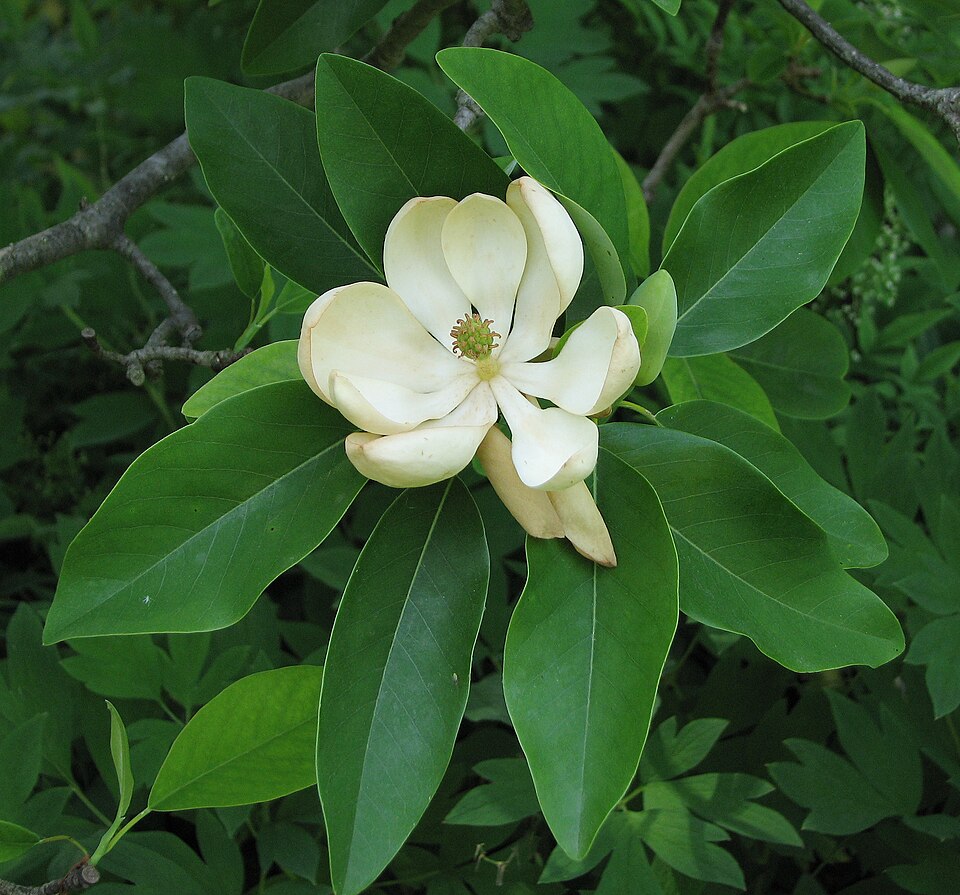
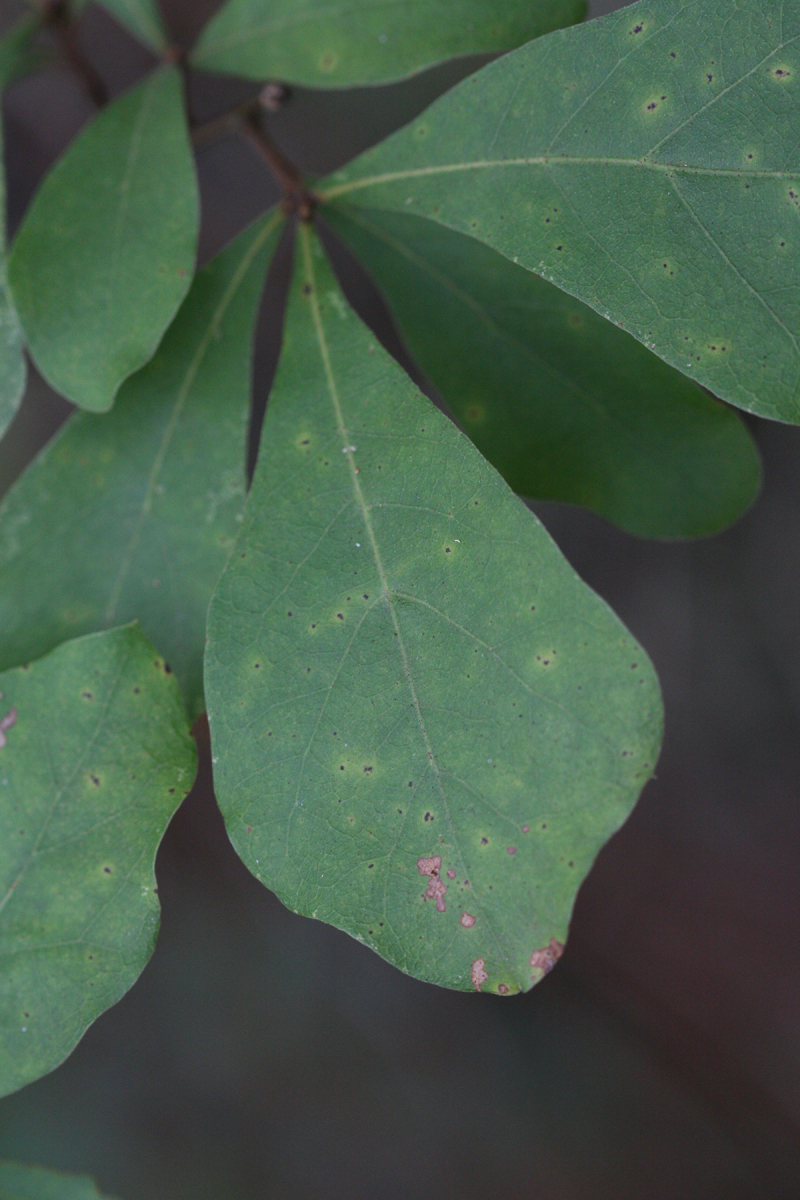
- Sweetbay MagnoliaMagnolia virginiana
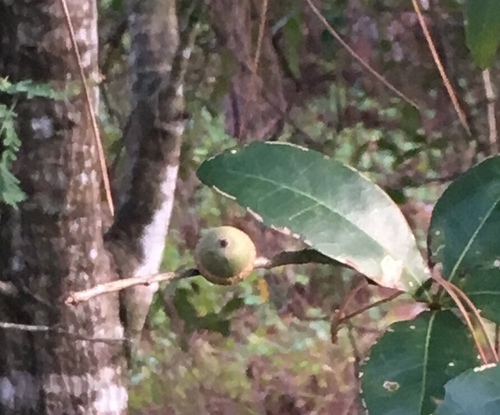
- Laurel OakQuercus laurifolia
- Serenoa repensSerenoa repens
- Swamp TupeloNyssa biflora
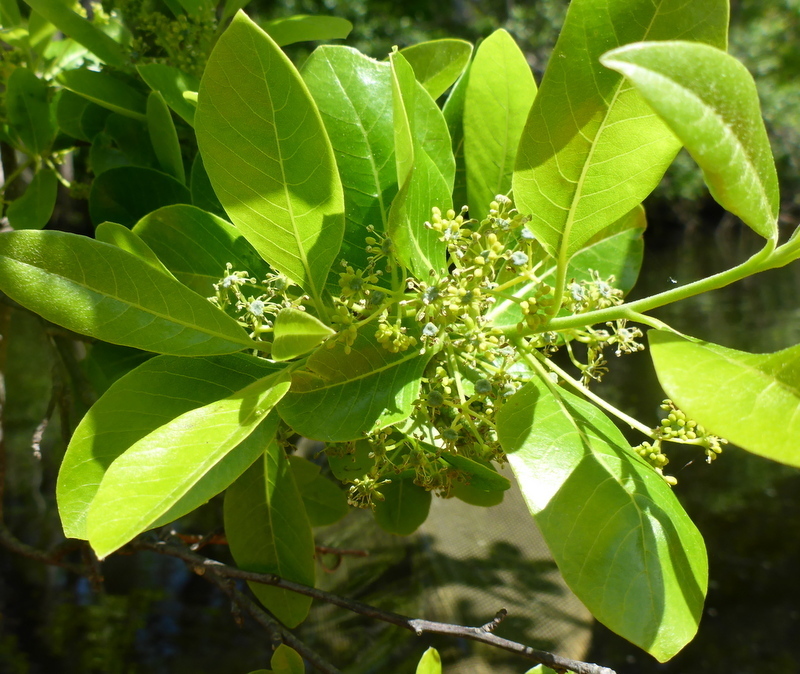
- Swamp RedbayPersea palustris
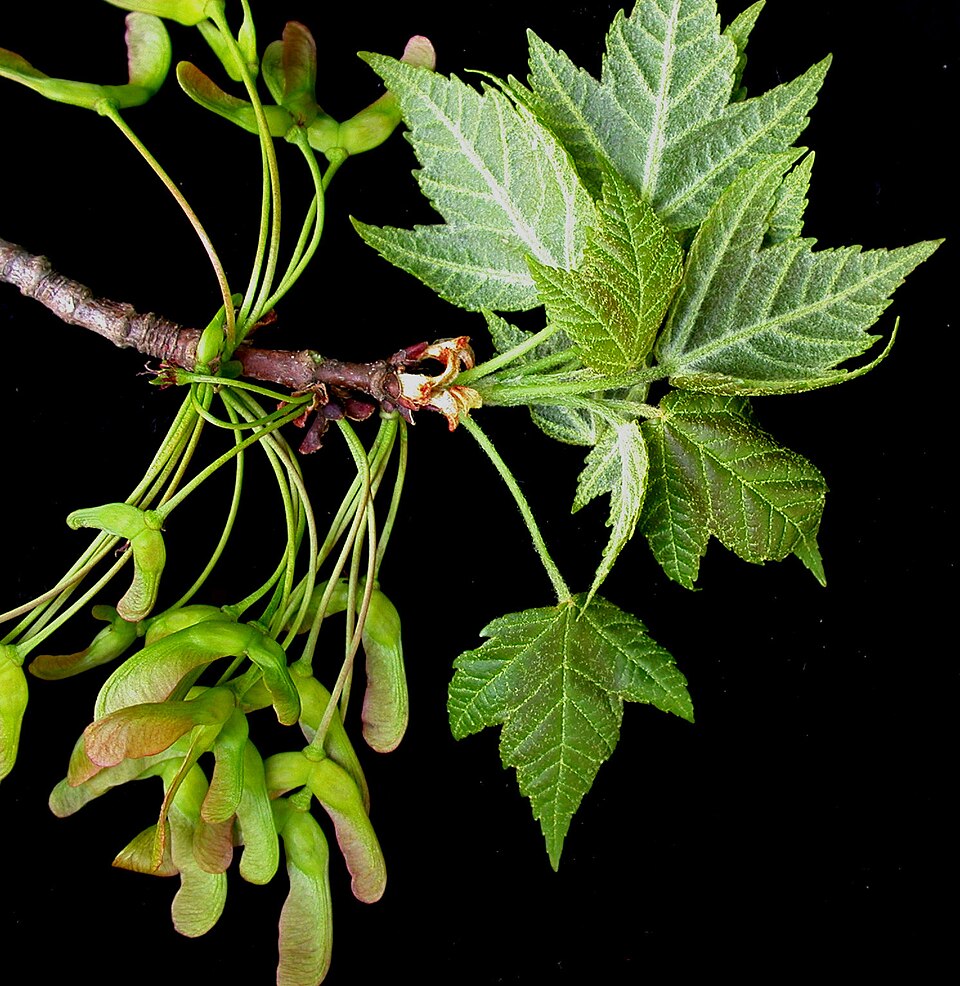
- Red MapleAcer rubrum
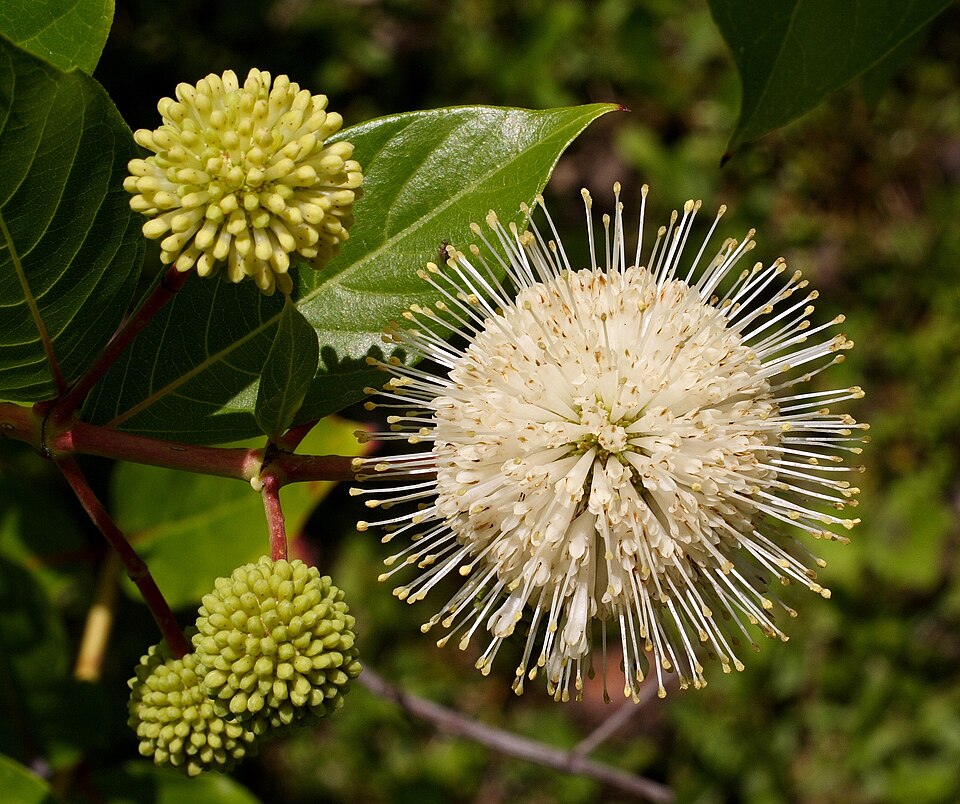
- ButtonbushCephalanthus occidentalis
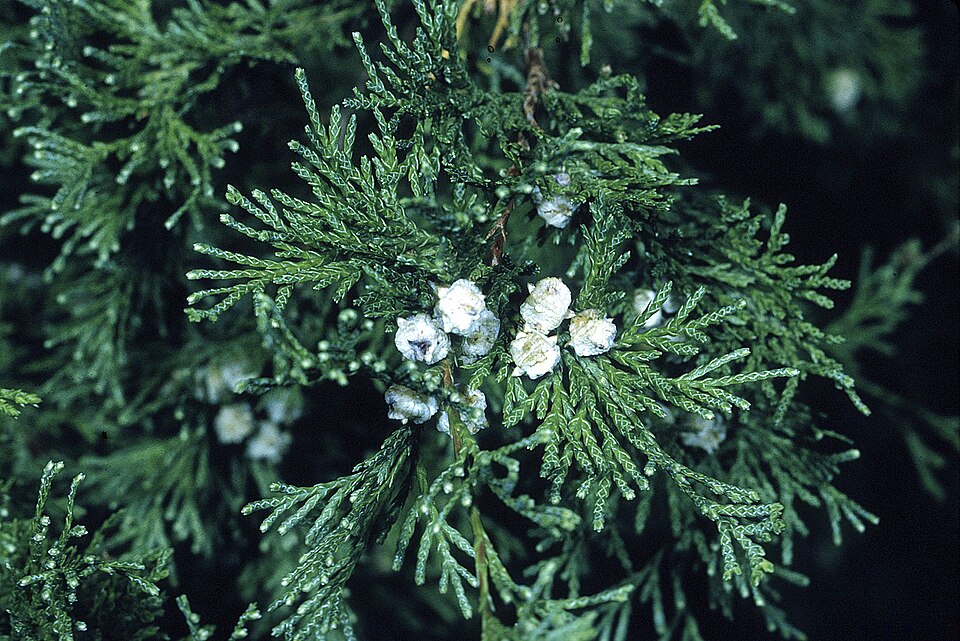
- Atlantic White CedarChamaecyparis thyoides
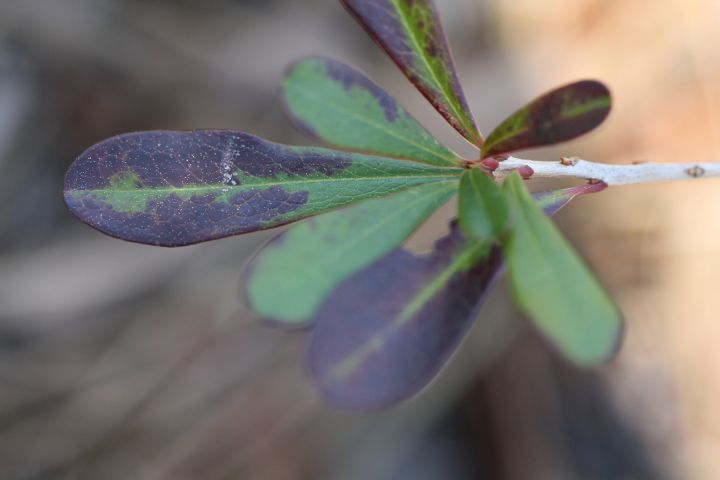
- Virginia SweetspireItea virginica
- SweetgumLiquidambar styraciflua
- Common WaxmyrtleMorella cerifera
- Cabbage PalmettoSabal palmetto
- Lizard's-tailSaururus cernuus
- Pond CypressTaxodium ascendens
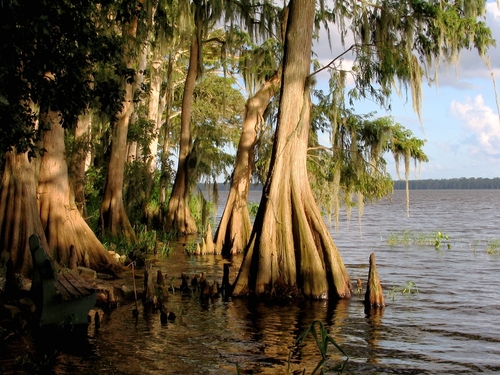
- Bald CypressTaxodium distichum
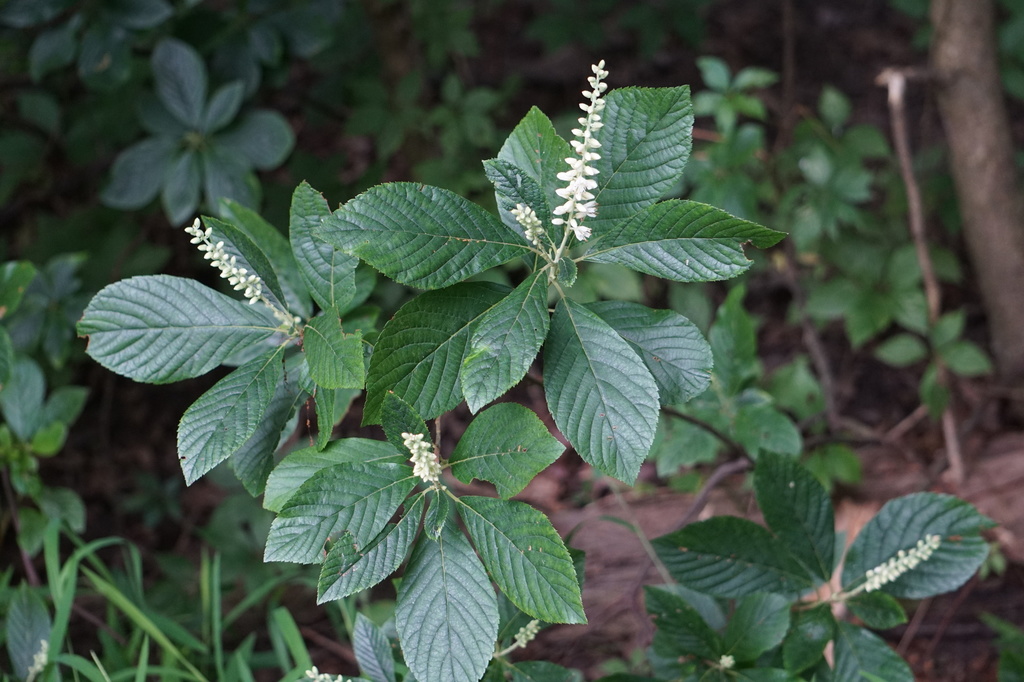
- Coastal Sweet-pepperbushClethra alnifolia
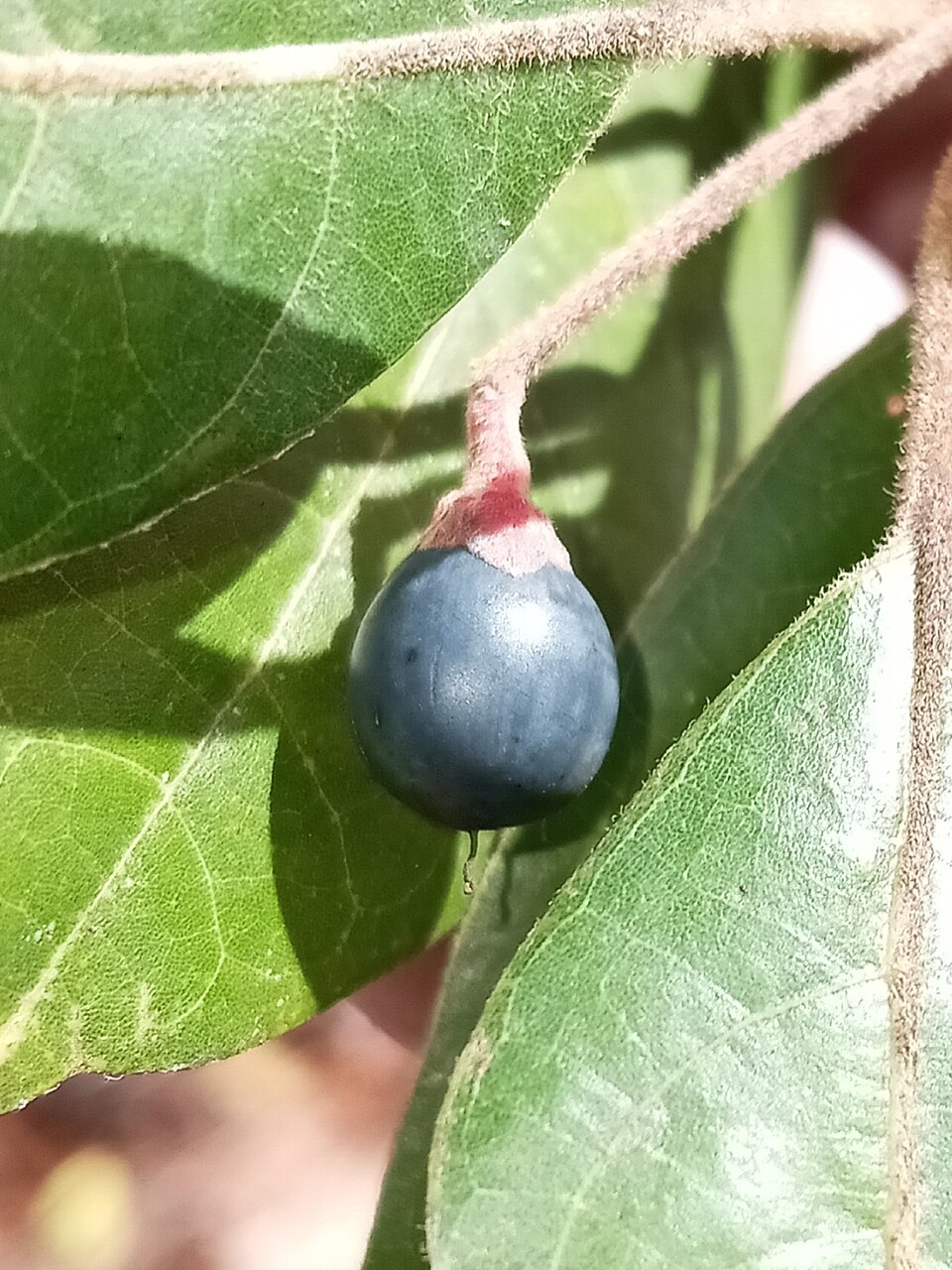
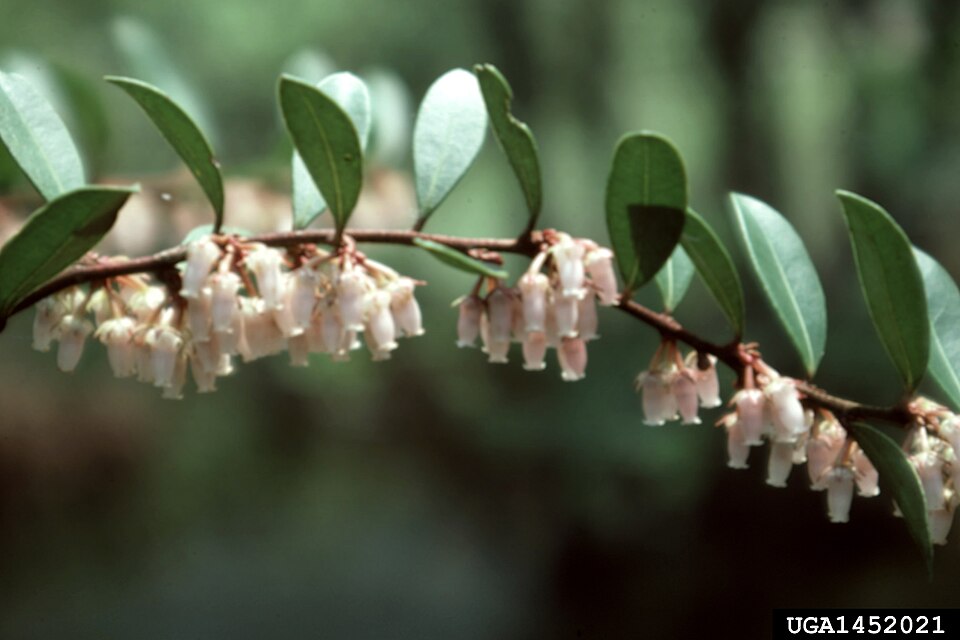
- TitiCyrilla racemiflora
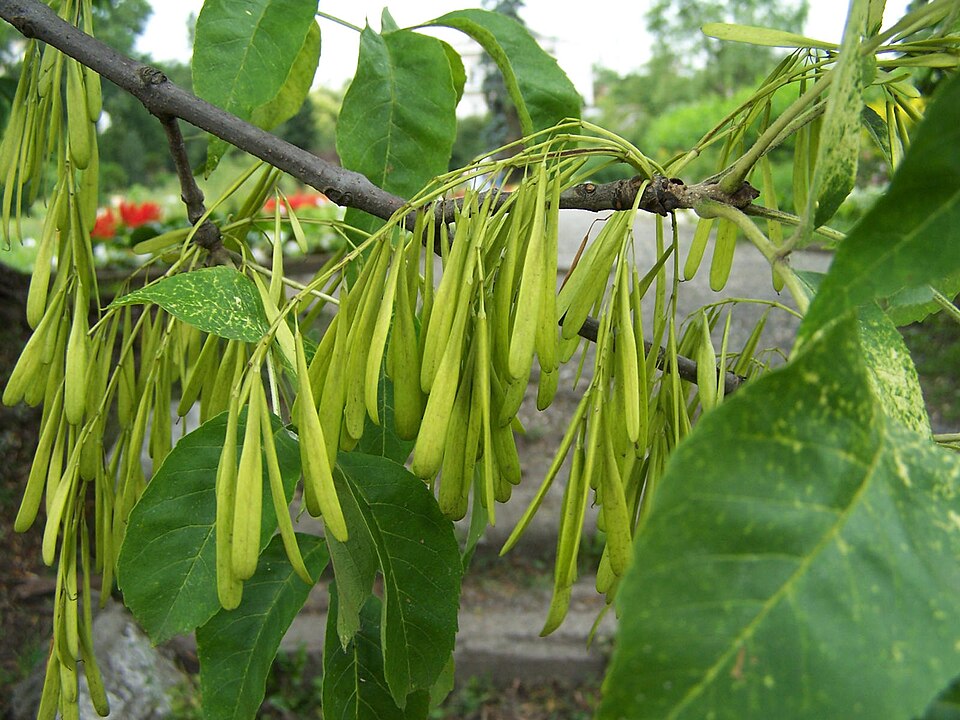
- Green AshFraxinus pennsylvanica
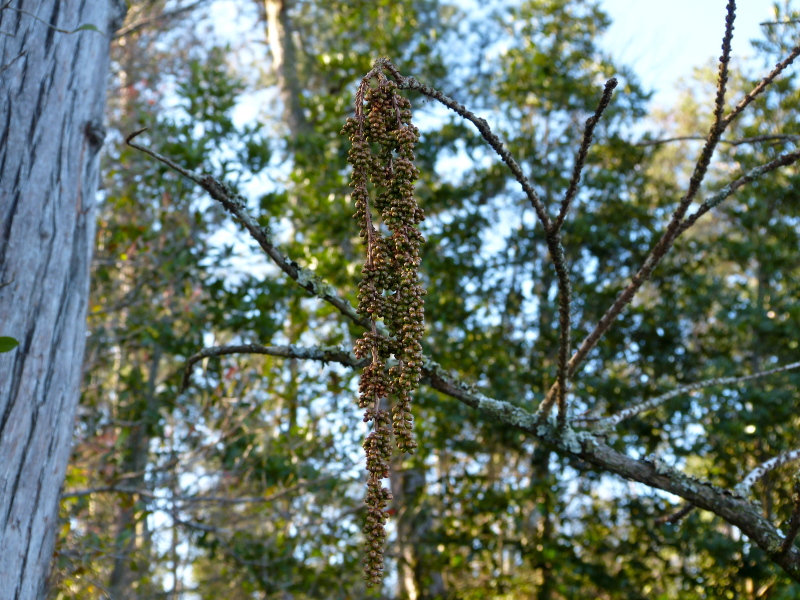
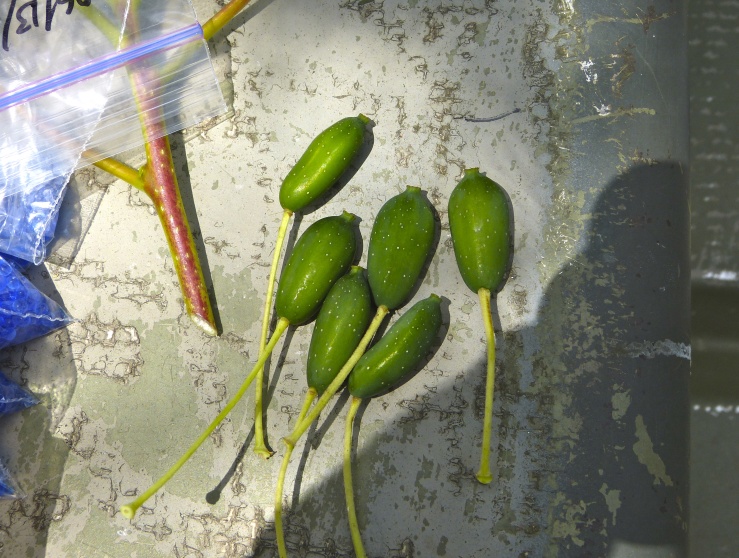
- Leitneria floridanaLeitneria floridana
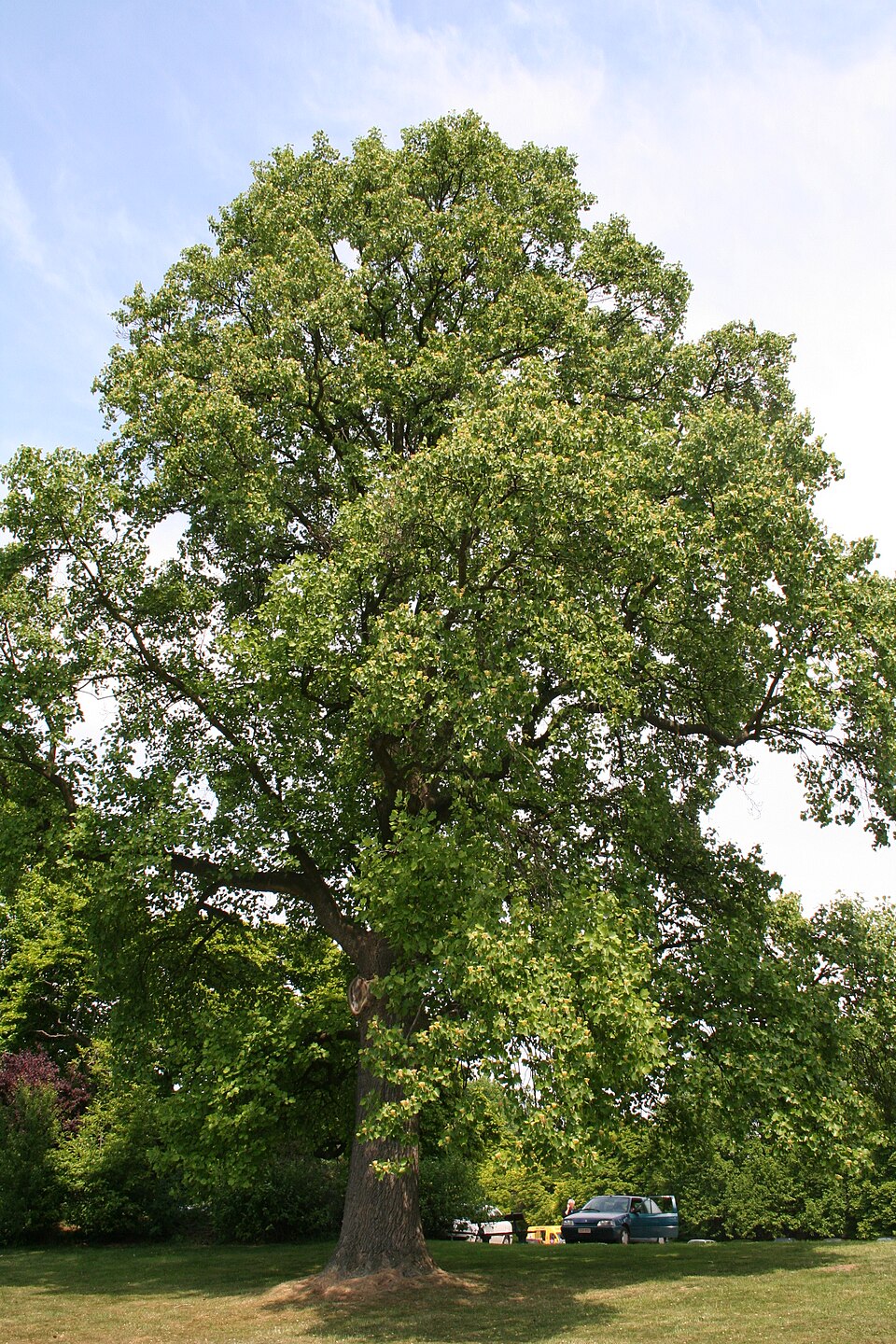
- TuliptreeLiriodendron tulipifera
- Shining FetterbushLyonia lucida
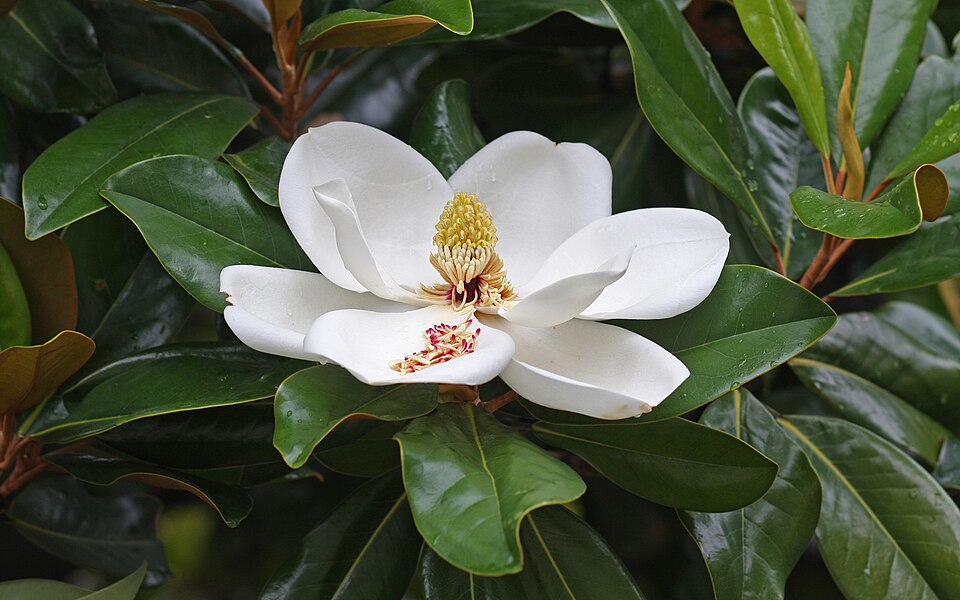
- Southern MagnoliaMagnolia grandiflora
- Water TupeloNyssa aquatica
- Water OakQuercus nigra
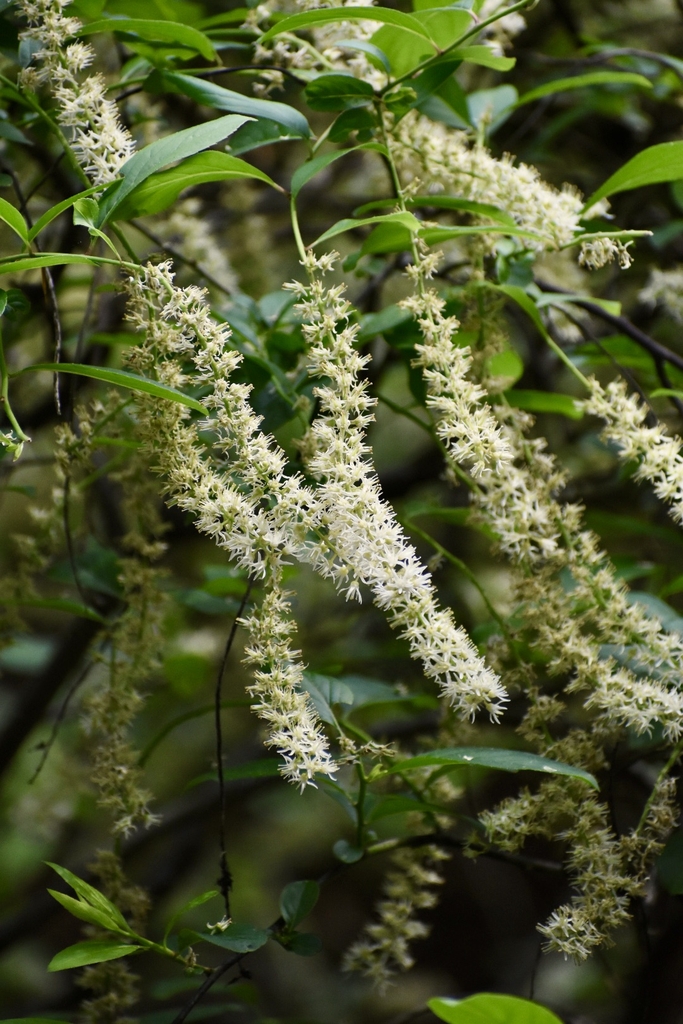
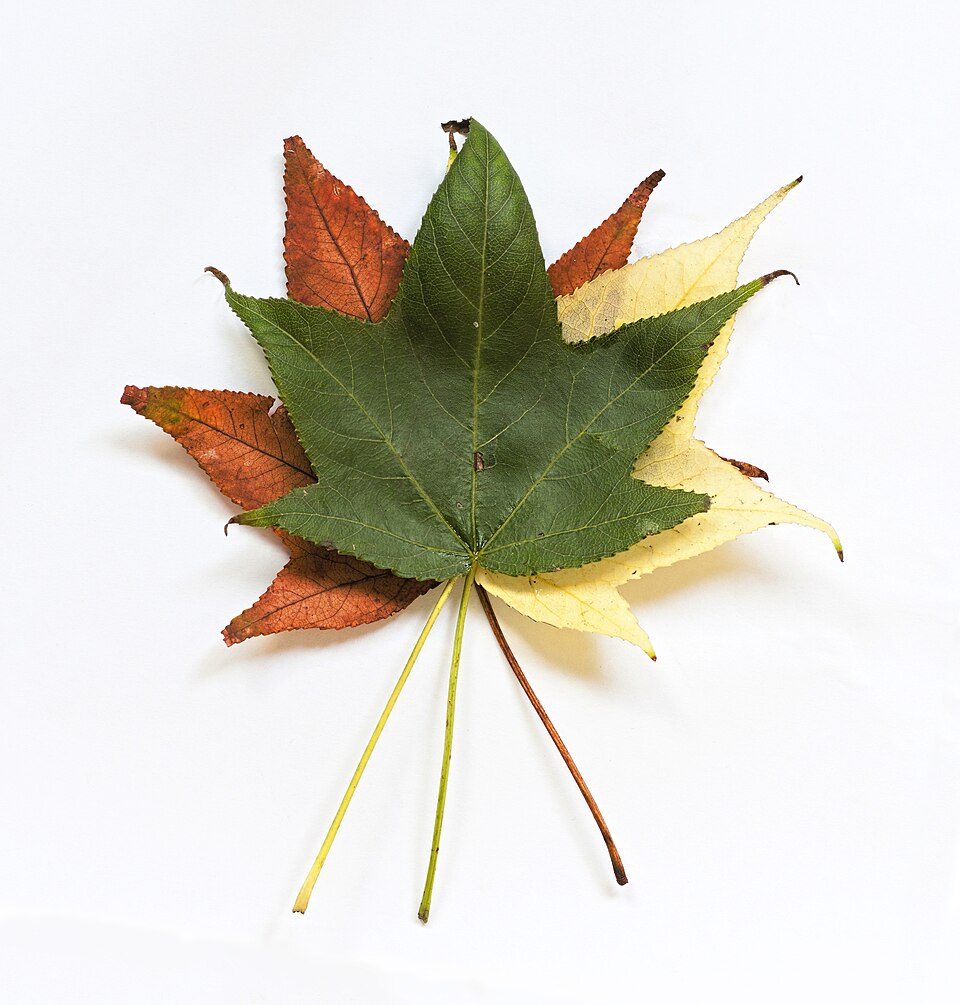
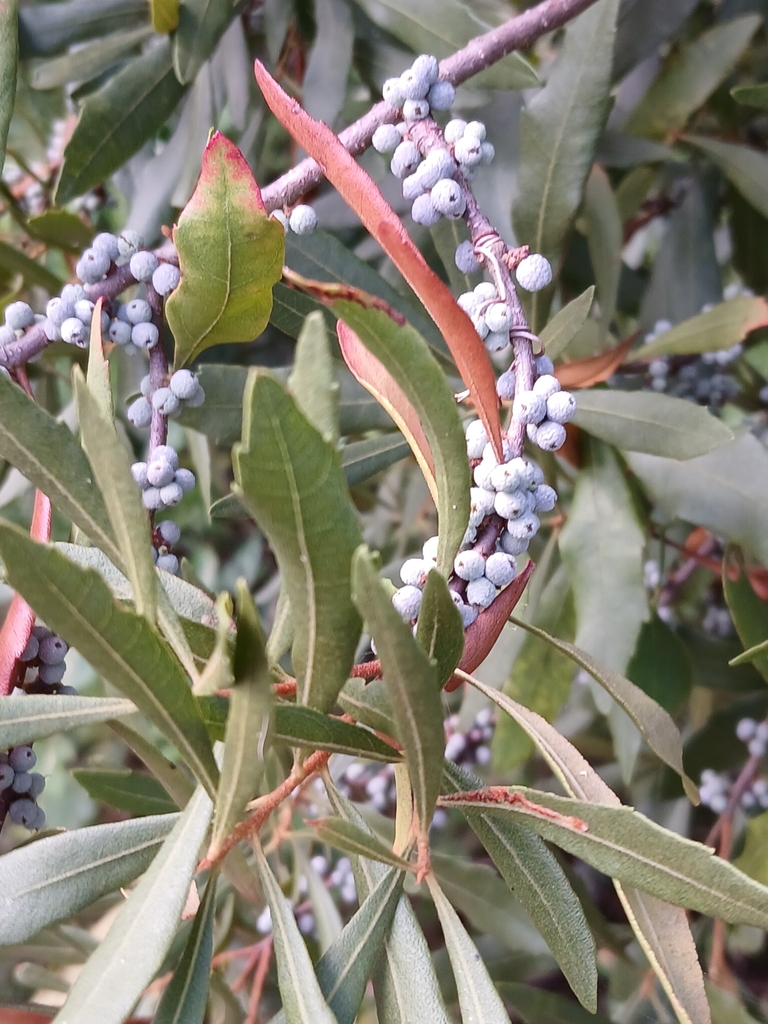
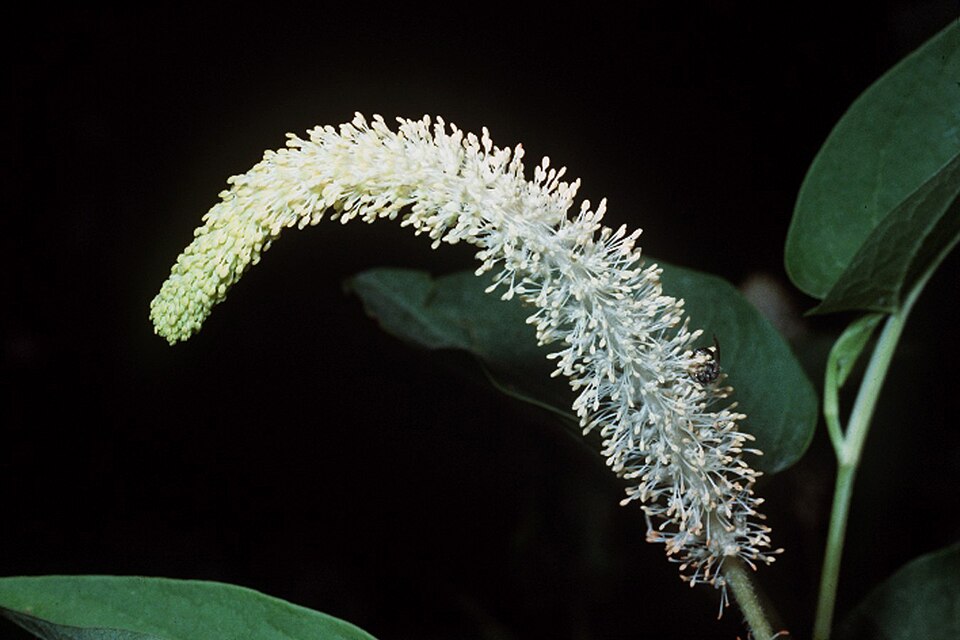
Wildlife 249
Other animals whose habitat models include the same habitats in Florida. Not sighting records.
- Brown-headed CowbirdMolothrus ater
- Chipping SparrowSpizella passerina
- Eurasian Collared-doveStreptopelia decaocto
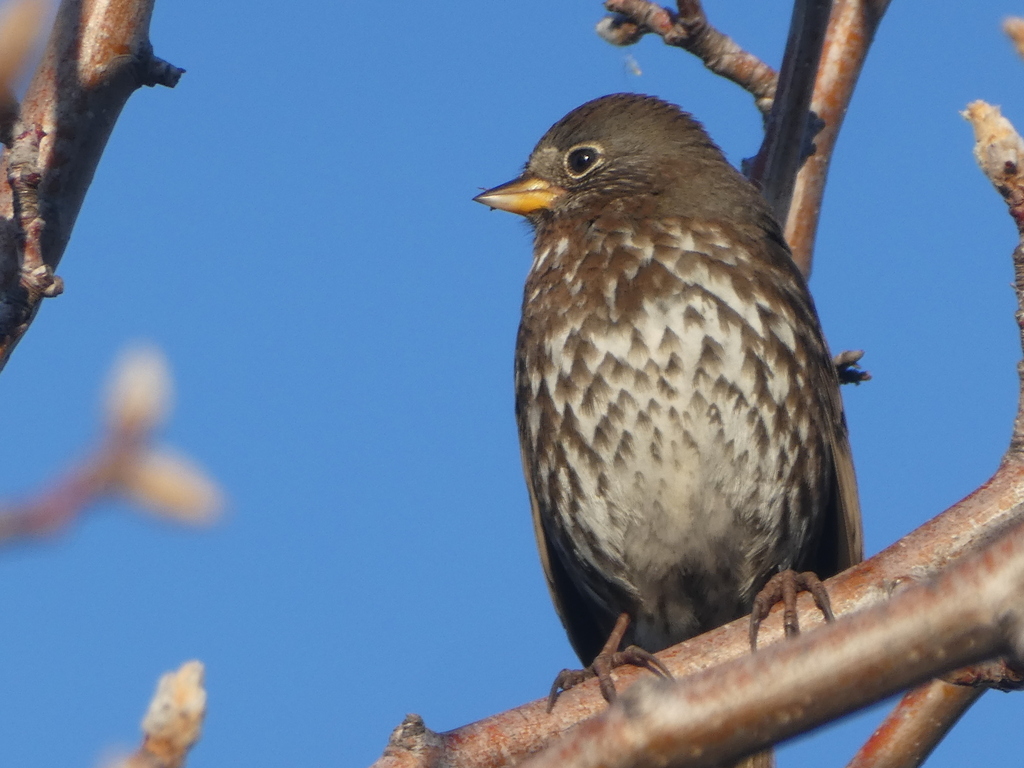
- Fox SparrowPasserella iliaca
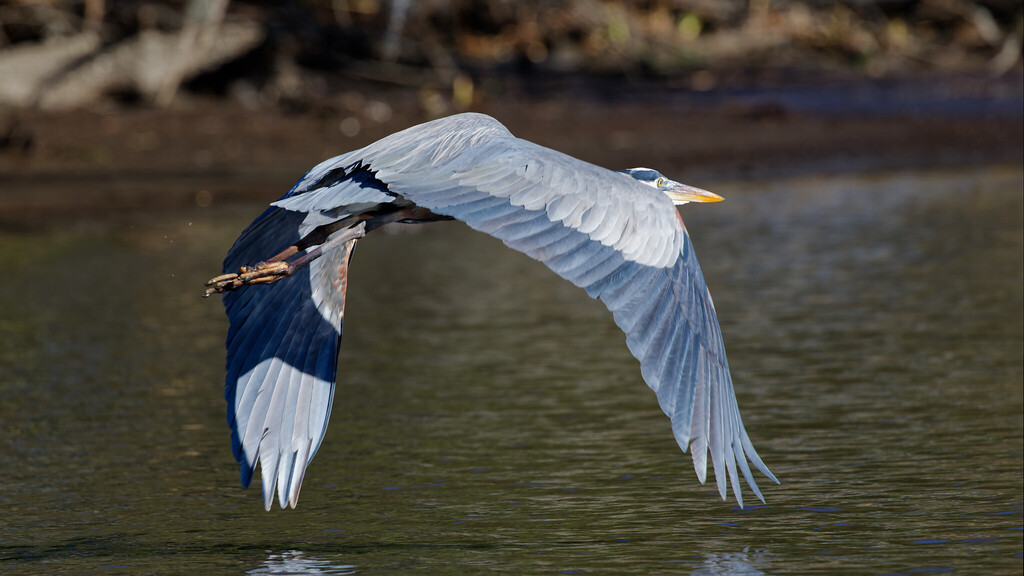
- Great Blue HeronArdea herodias
- Hooded WarblerWilsonia citrina
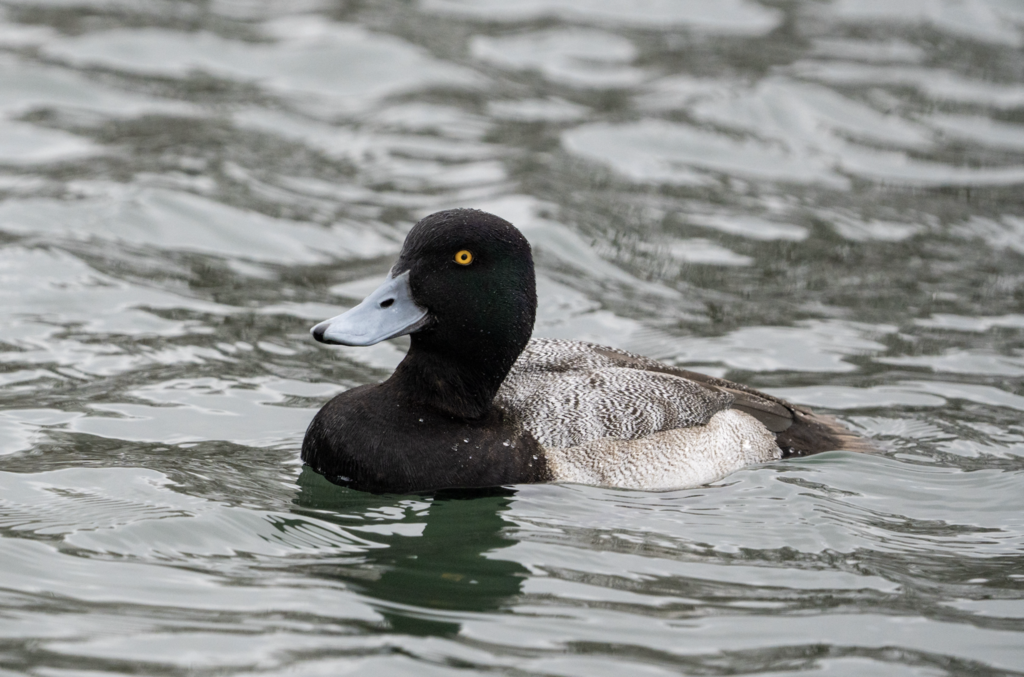
- Lesser ScaupAythya affinis
- Lincoln's SparrowMelospiza lincolnii
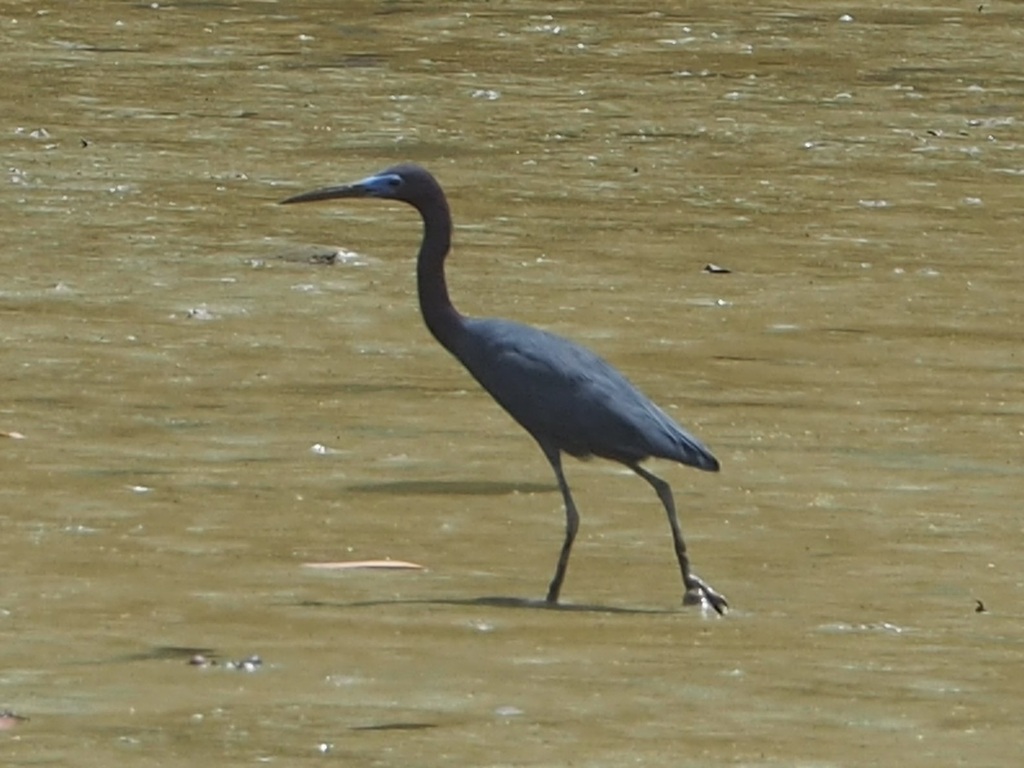
- Little Blue HeronEgretta caerulea
- Louisiana WaterthrushSeiurus motacilla
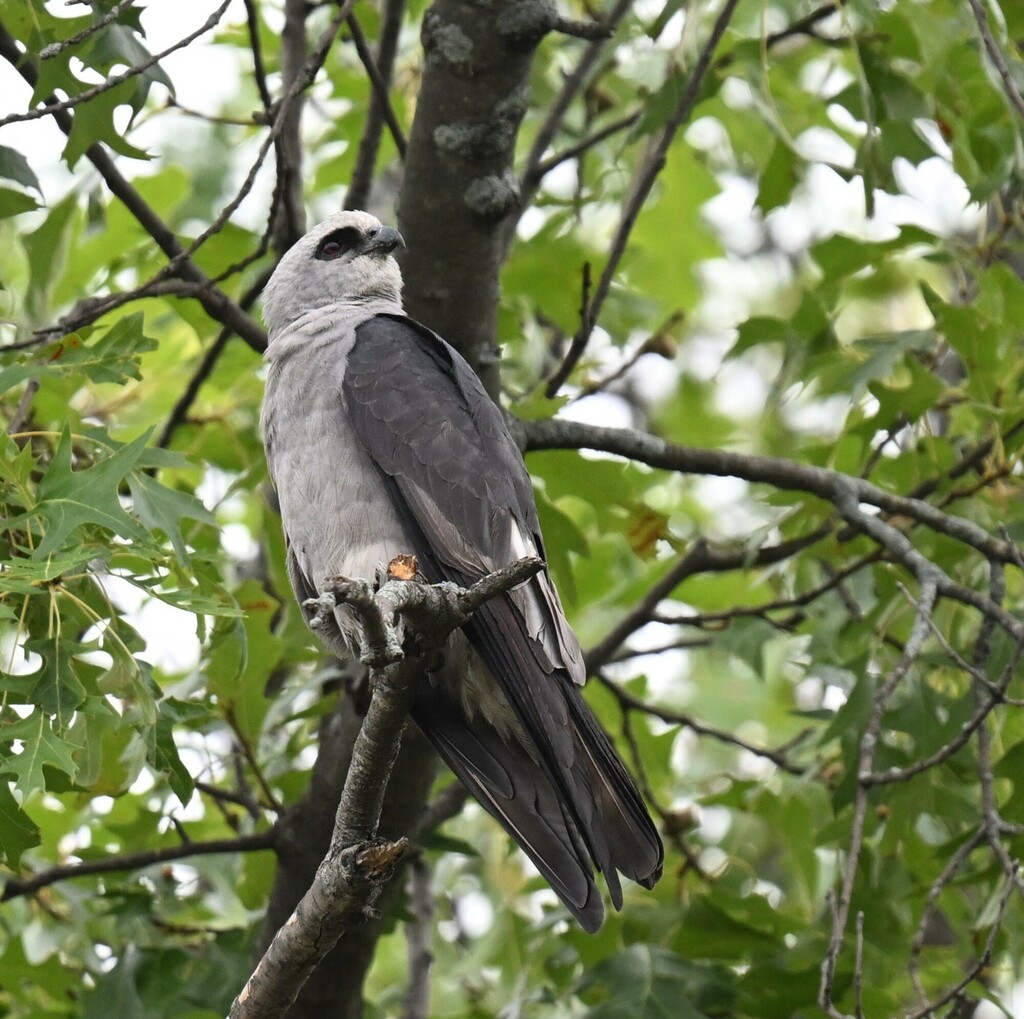
- Mississippi KiteIctinia mississippiensis
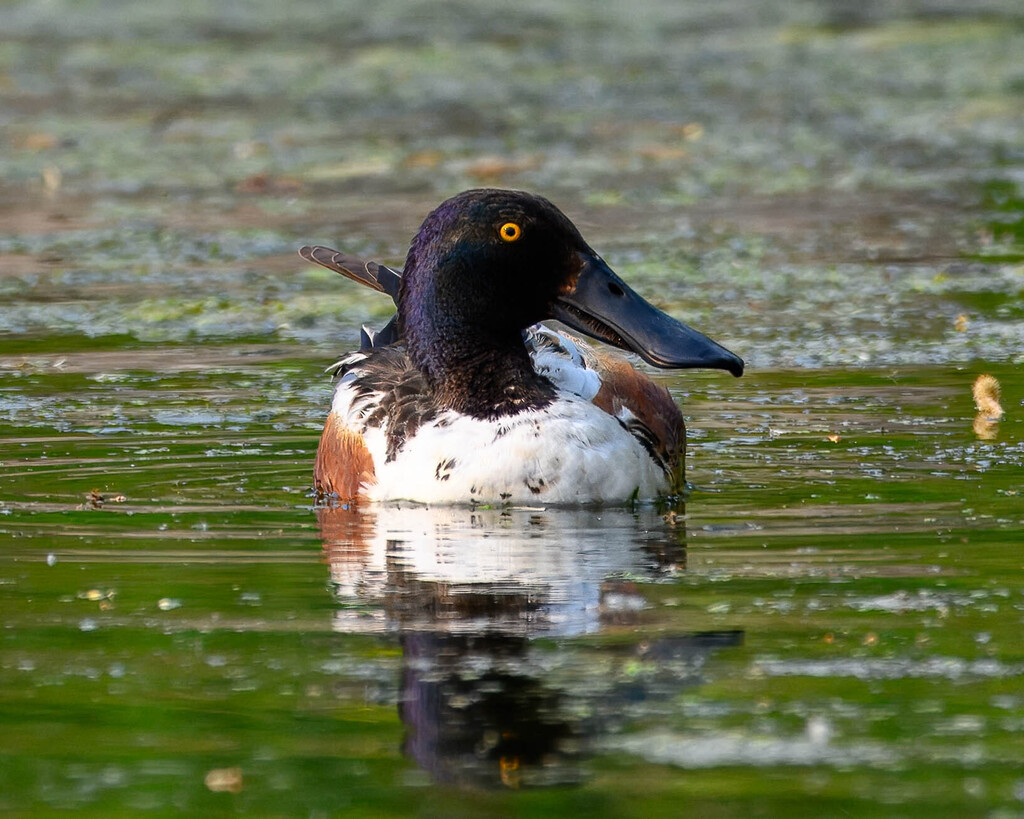
- Northern ShovelerAnas clypeata
- Painted BuntingPasserina ciris
- Red-headed WoodpeckerMelanerpes erythrocephalus
- Ring-necked DuckAythya collaris
- Sandhill CraneGrus canadensis
- Scarlet TanagerPiranga olivacea
- Swainson's WarblerLimnothlypis swainsonii
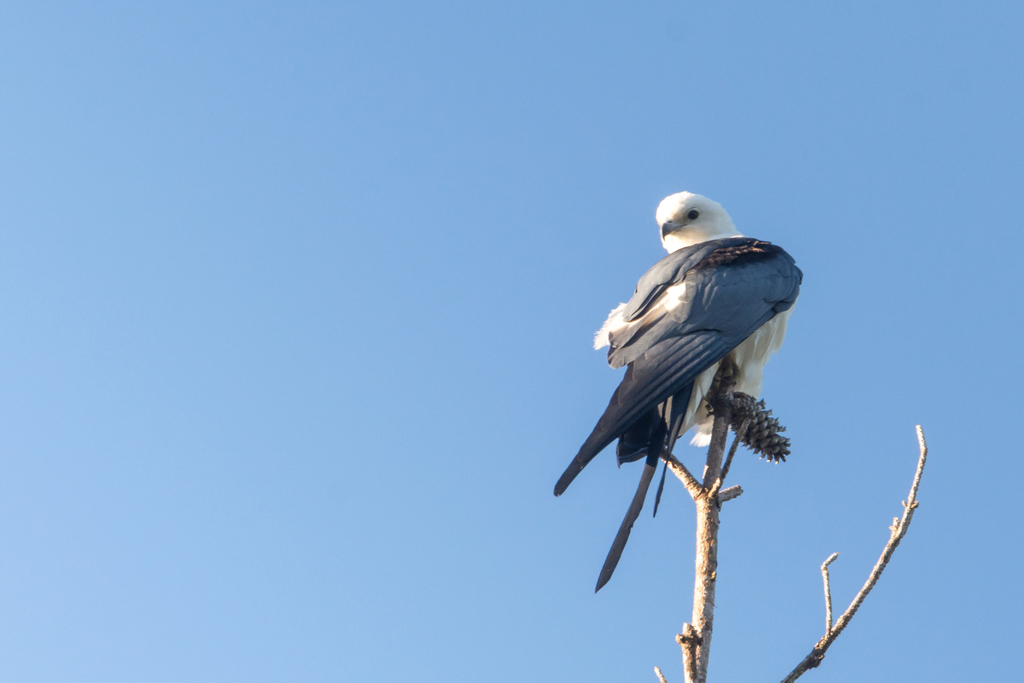
- Swallow-tailed KiteElanoides forficatus
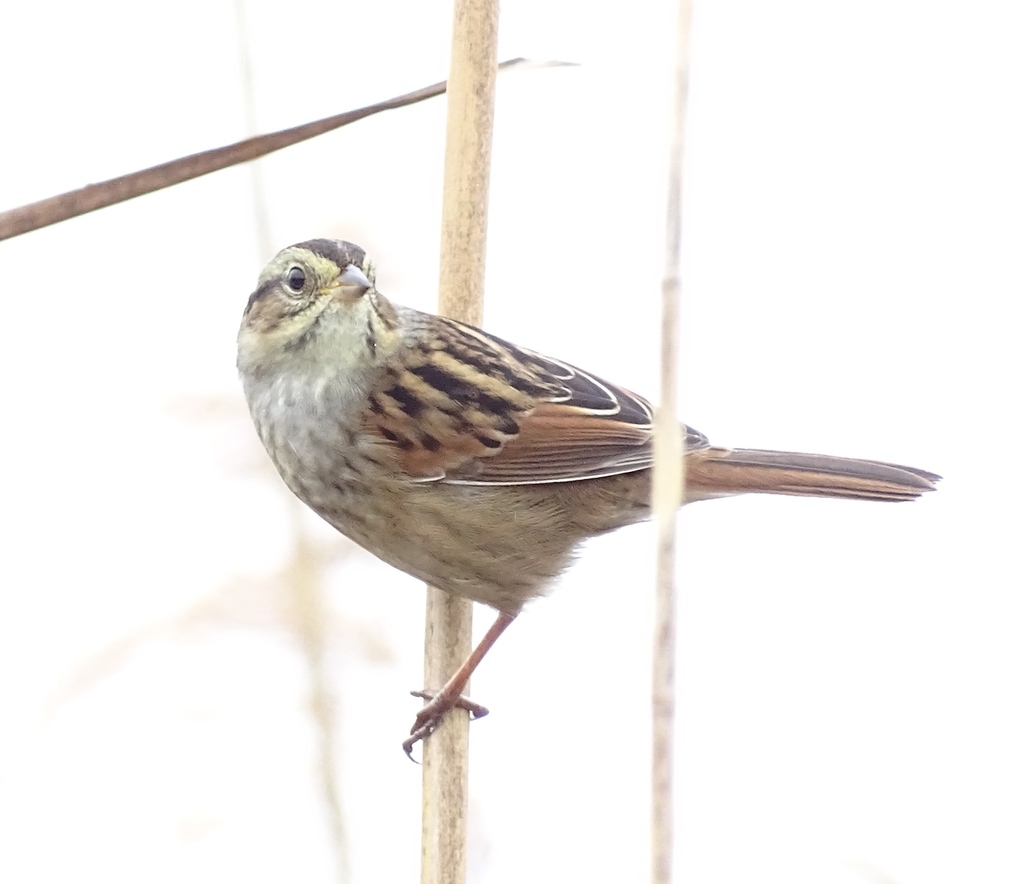
- Swamp SparrowMelospiza georgiana
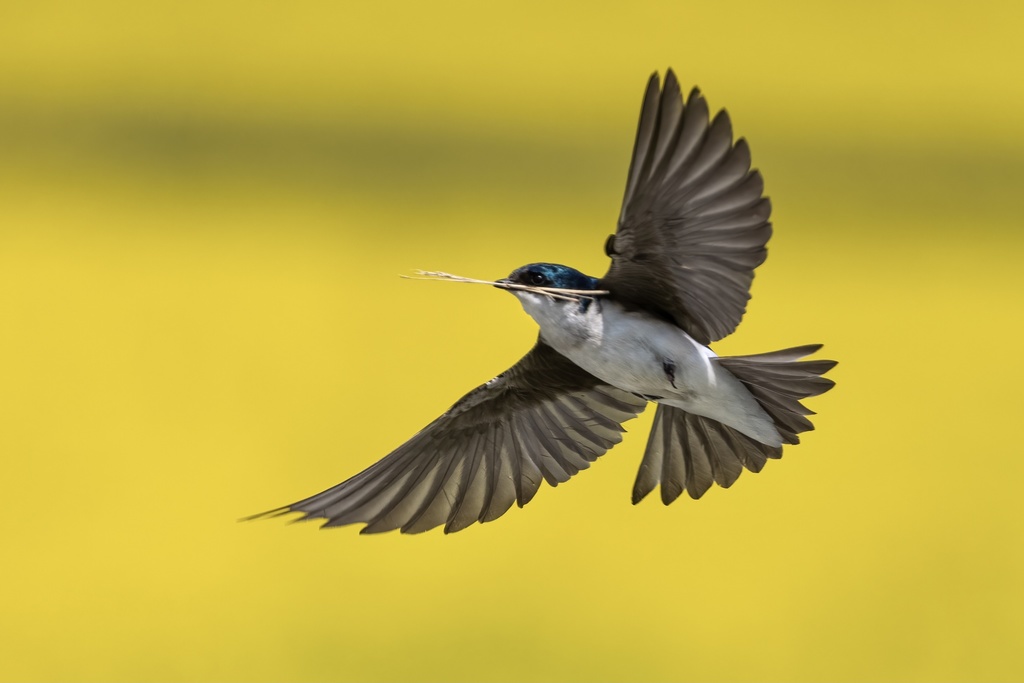
- Tree SwallowTachycineta bicolor
- White-breasted NuthatchSitta carolinensis
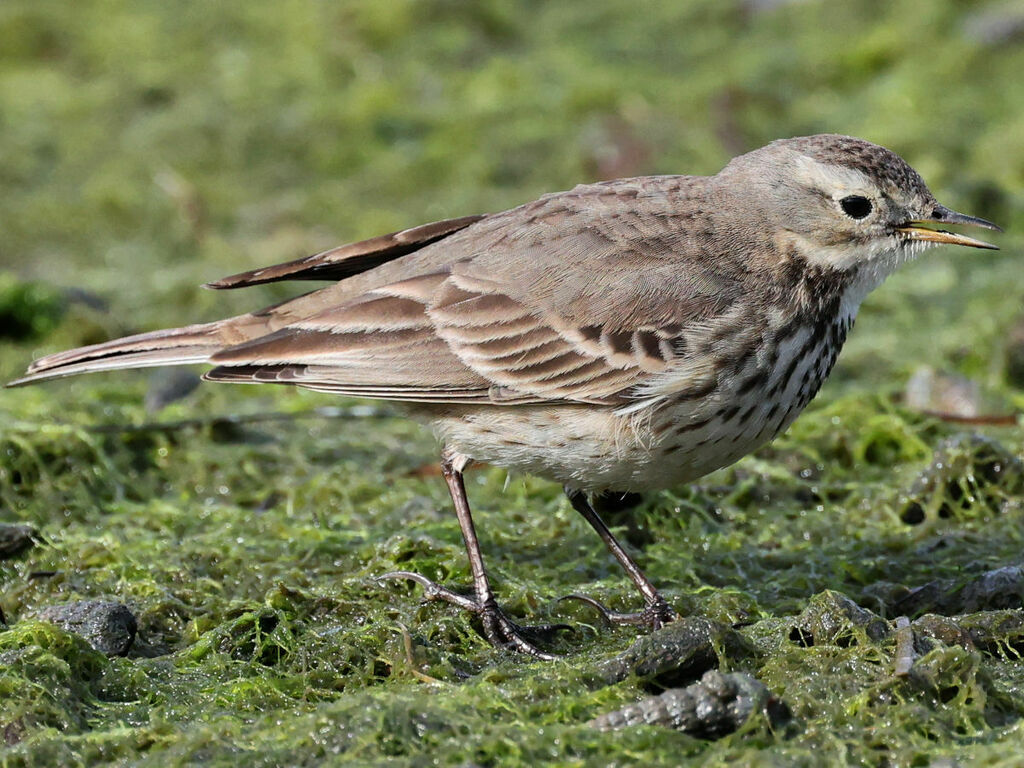
- American PipitAnthus rubescens
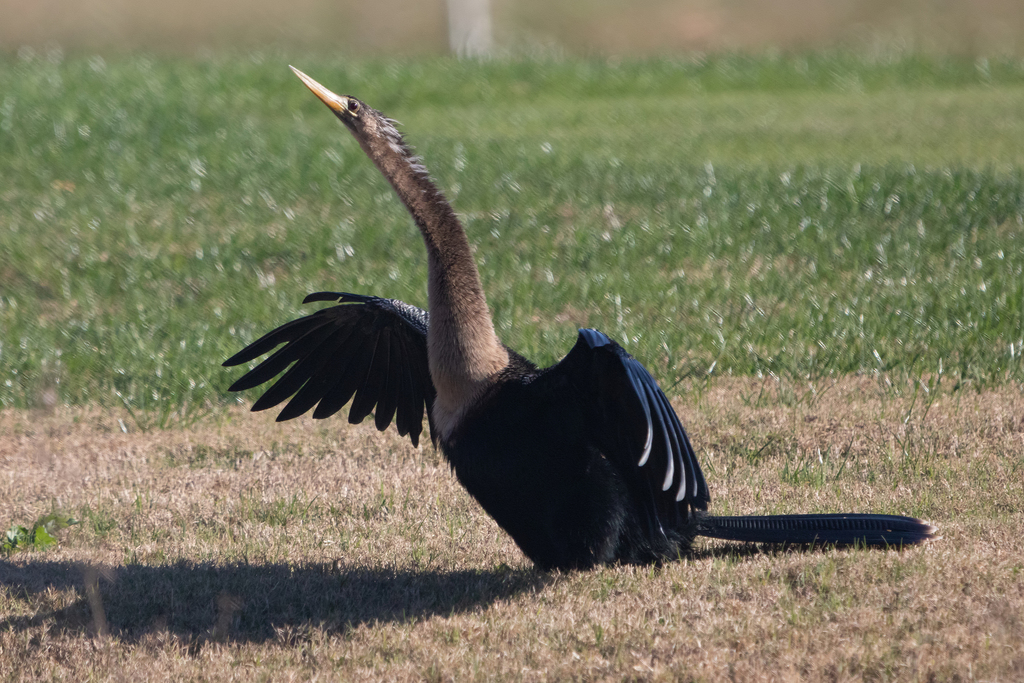
- AnhingaAnhinga anhinga






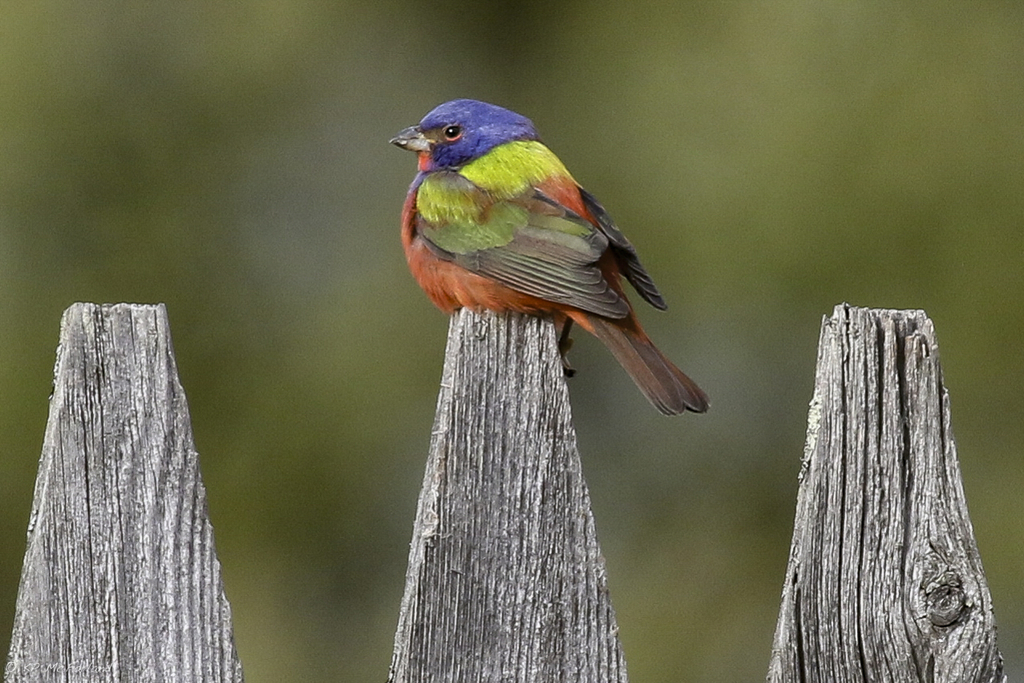

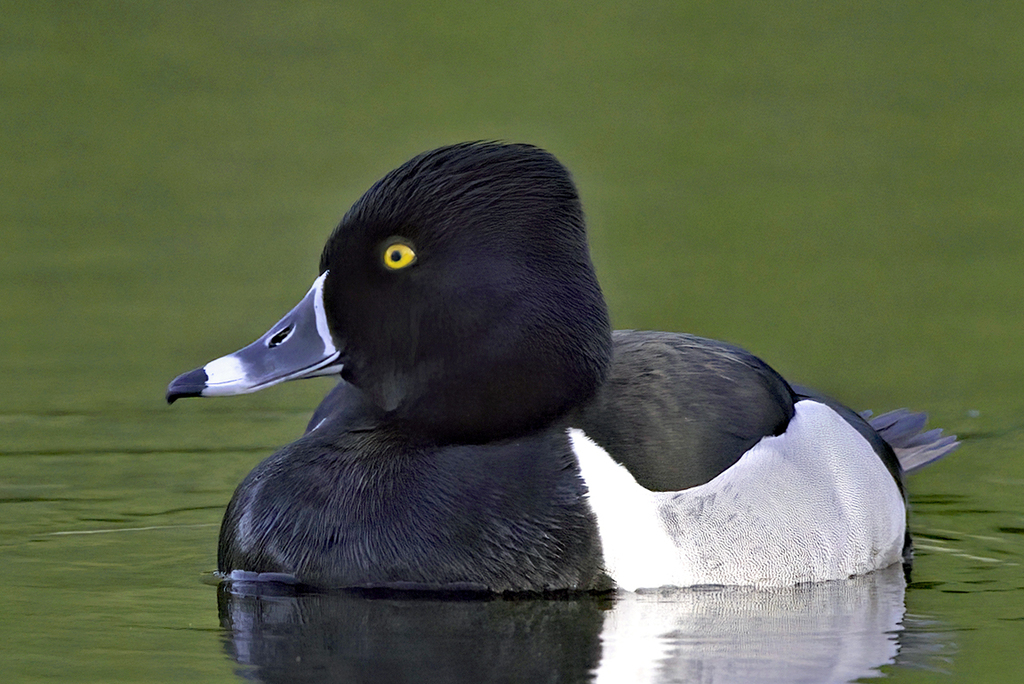
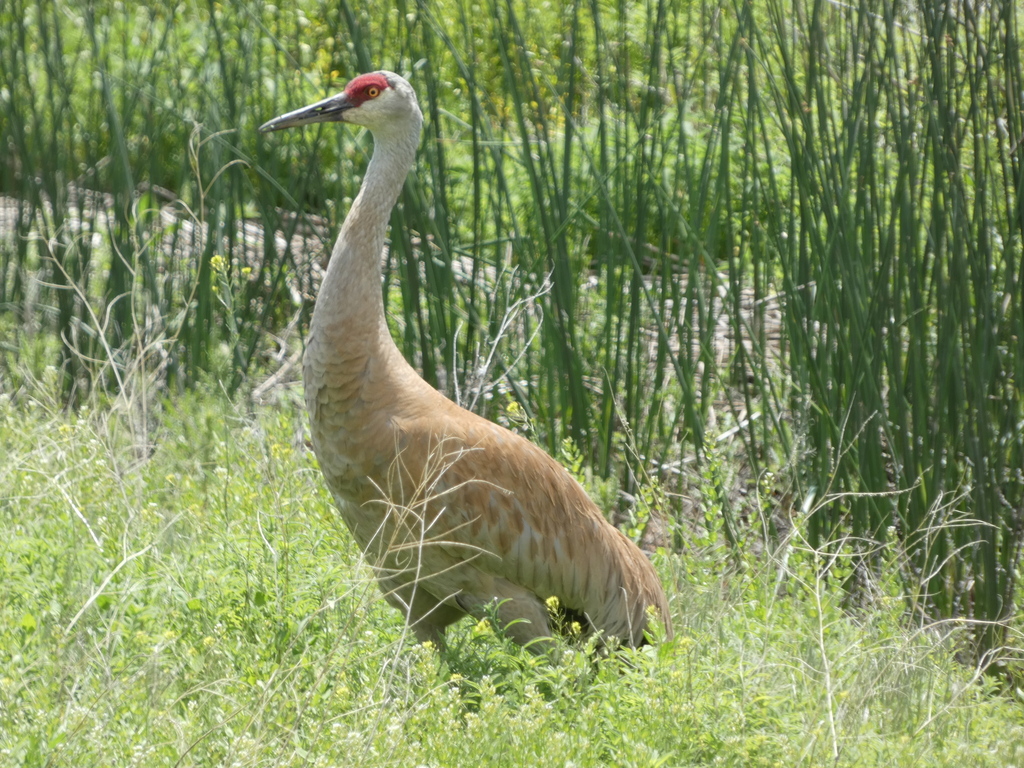
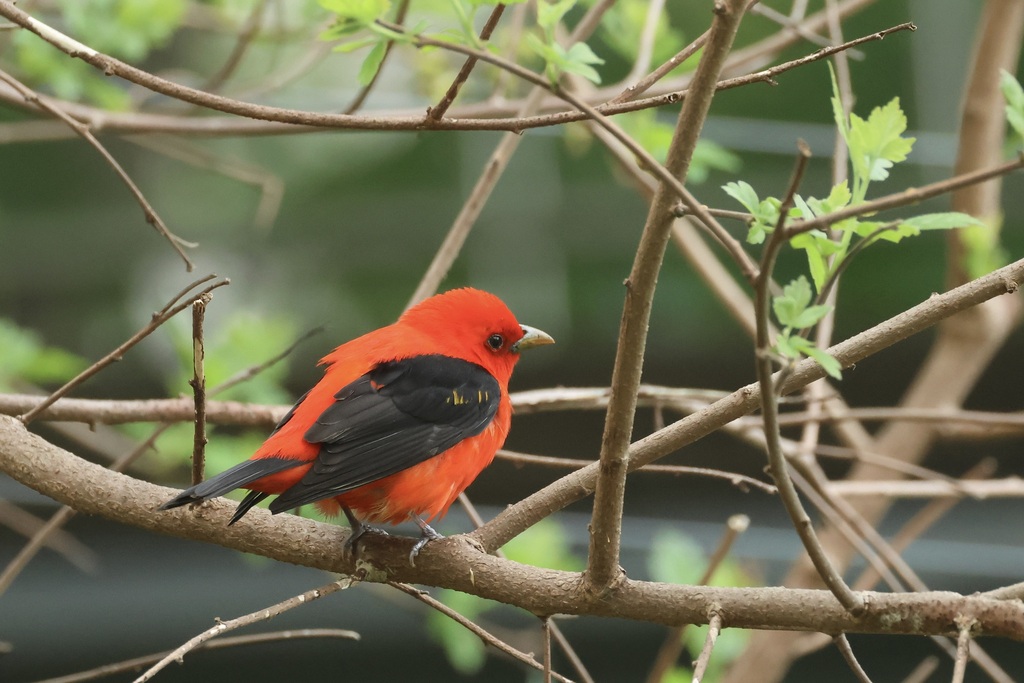


NatureServe Explorer, CC BY 4.0. USGS Gap Analysis Project habitat models.
Sources
- USGS Gap Analysis Project habitat models (2001)
- USGS GAP summer habitat model for Acadian Flycatcher Elevation up to 1,219 m
- USGS Gap Analysis Project range maps (2001), modeled by watershed; migratory gives no dates
- NatureServe Explorer (CC BY 4.0), habitat names
- US Census TIGER/Line counties
- Names follow the USGS Gap Analysis Project (2001)