

Red Clover
Trifolium pratense
Found in fields, roadsides, disturbed areas. FloraQuest, phone app (app page) What its natural habitat tells you
Not native to Florida. How scores work Is it native here?
Profile 76%
- Height
- 6 inches–2 feet
- Spread
- 8–20 inches
- Light
- Full sun
- Soil moisture
- Dry to average
No photograph yet. Looking for an old drawing…
Plant this instead
Choose your county to list local plants first.
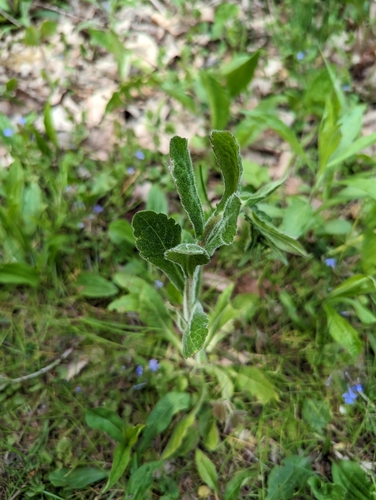
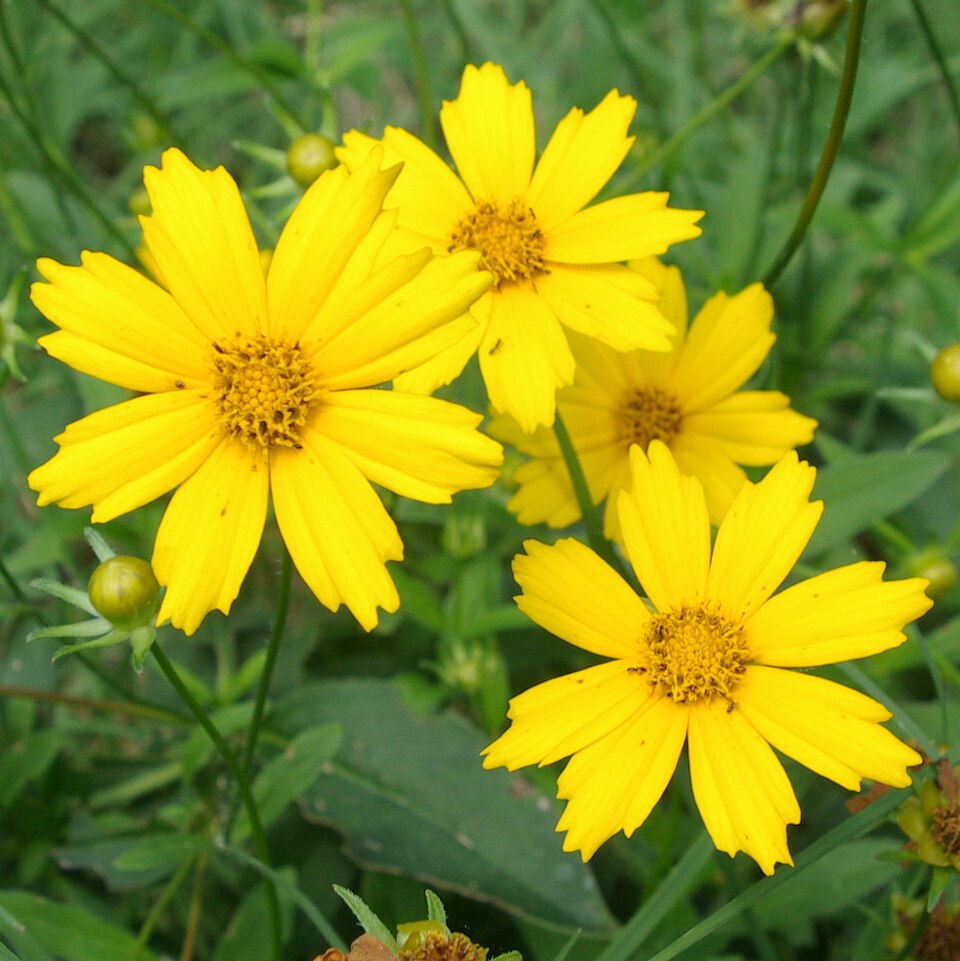
No recorded swaps for this county. Try the garden finder.
At a glance
- Life cycle
- Biennial or perennial
- Bloom
- April to November
- Fruiting season
- Spring to summer
Not yet recorded · Leaves
Recorded in 11 Florida counties.
Natural habitats
Places it grows wild. Not a planting requirement. Each habitat page lists the plants and wildlife also found there.
Roadsides, fields and disturbed ground
Ground opened by people: roadsides, old fields, pastures, fencerows and lots.
Who uses this plant?
 95CaterpillarsGenus host records with ranges including FL
Genus host records with ranges including FL · Trifolium
- Abaeis nicippeSleepy Orange, Sleepy Yellow, Erratic Orange
- Achyra rantalisGarden Webworm Moth
- Acrolophus arcanellaGrass Tubeworm Moth
- Acrolophus moraDark Grass-Tubeworm
- Acrolophus plumifrontellaEastern Grass Tubeworm
- Acrolophus popeanellaClemen's Grass Tubeworm
- Acronicta oblinitaSmeared Dagger
- Agrotis gladiariaSwordsman Dart, Clay-Backed Cut-Worm
- Agrotis ipsilonIpsilon Dart, Black Cutworm, Greasy Cutworm
- Agrotis malefidaRascal Dart, Pale-Sided Cut-Worm, Shagreened Cut-Worm
Show all 95
- Agrotis venerabilisVenerable Dart, Dusky Cut-Worm
- Anagrapha falciferaCelery Looper Moth
- Anavitrinella pampinariaCommon Gray, Cranberry Spanworm
- Anicla infectaGreen Cutworm Moth
- Anticarsia gemmatalisVelvetbean Caterpillar Moth
- Apantesis naisNais Tiger Moth
- Apantesis phalerataHarnessed Moth
- Apantesis phylliraPhyllira Tiger Moth
- Aristotelia roseosuffusellaPink-Washed Aristotelia
- Automeris ioIo Moth
- Bleptina caradrinalisBent-Winged Owlet, Variable Snout
- Caenurgina crassiusculaForage Looper Moth, Clover Looper, Range Grass Moth
- Caenurgina erechteaClover Looper Moth, Common Grass Moth, Forage Looper
- Cecropterus bathyllusSouthern Cloudywing
- Cecropterus pyladesNorthern Cloudywing
- Choephora fungorumBent-Line Dart
- Choristoneura rosaceanaOblique-Banded Leafroller Moth, Rosaceous Leaf Roller
- Coelostathma discopunctanaThe Batman Moth
- Colias eurythemeOrange Sulphur, Alfalfa Butterfly
- Colias philodiceClouded Sulphur, Clover Butterfly
- Cupido comyntasEastern Tailed-Blue
- Dargida diffusaWheat Head Armywotm Moth
- Ectropis crepusculariaThe Small Engrailed, Saddleback Looper
- Elaphria grataGrateful Midget
- Erastria colorariaBroad-Lined Erastria
- Estigmene acreaSalt Marsh Moth, Acrea Moth
- Euclidia cuspideaToothed Somberwing
- Eurema dairaBarred Yellow, Barred Sulphur
- Eusarca confusariaConfused Eusarca
- Euxoa auxiliarisArmy Cut-Worm, Army Cutworm
- Feltia jaculiferaDingy Cutworm
- Feltia manifestaAdobe Dart, Obvious
- Feltia subterraneaSubterranean Dart, Granulate Cutworm
- Haematopis gratariaChickweed Geometer
- Helicoverpa zeaCorn Earworm Moth
- Hemeroplanis scopulepesVariable Tropic
- Herpetogramma pertextalisBold-Feathered Grass Moth
- Hypena scabraGreen Cloverworm Bomolocha, Black Snout
- Hyphantria cuneaFall Webworm
- Idaea furciferataNotch-Winged Wave
- Idaea obfusariaRippled Wave
- Idaea tacturataDot-Lined Wave
- Iridopsis humariaSmall Purplish Gray
- Lacinipolia explicataExplicit Groundcat, Explicit Arches
- Lacinipolia meditataThe Thinker
- Lacinipolia renigeraBristly Ground Cat, Bristly Cutworm Moth, Kidney Spotted "Mamestra"
- Lobocleta ossulariaDrab Brown Wave
- Macrochilo litophoraAngulate Fan-Foot, Brown-Lined Owlet
- Megalographa bilobaBilobed Looper Moth
- Mythimna unipunctaArmyworm Moth, White Speck
- Nomophila nearcticaLucerne Moth, American Celery Webworm
- Orgyia leucostigmaWhite-Marked Tussock Moth
- Pandemis limitataThree-Lined Leafroller Moth
- Phalaenostola larentioidesBlack-Banded Owlet, Black-Banded Phalaenostola
- Phoebis sennaeCloudless Sulphur
- Platynota flavedanaBlack-Shaded Platynota
- Platynota idaeusalisTufted Apple-Bud Moth
- Platynota stultanaOmnivorous Leafroller
- Protolampra brunneicollisBrown-Collared Dart
- Pyrisitia lisaLittle Yellow, Little Sulphur, Lisa Yellow
- Pyrrharctia isabellaIsabella Tiger Moth, Banded Woolybear
- Rachiplusia ouGray Looper
- Renia factiosalisSociable Renia, Undulate Renia, Dark-Banded Renia
- Schinia jaguarinaJaguar Flower Moth
- Scopula aemulataRival Wave
- Scopula inductataSoft-Lined Wave
- Scopula limboundataLarge Lace-Border
- Sparganothis sulfureanaSparganothis Fruitworm Moth, Sulfur Leafroller, False Yellow-Head
- Spilosoma virginicaVirginian Tiger Moth, Yellow Woolybear Moth, Yellow Bear
- Spodoptera dolichosSweetpotato Armyworm, Dolichos Armyworm, Large Cotton Armyworm
- Spodoptera eridaniaSouthern Armyworm Moth
- Spodoptera frugiperdaFall Armyworm Moth
- Strymon melinusGray Hairstreak
- Thyridopteryx ephemeraeformisEvergreen Bagworm Moth
- Trichoplusia niNi Moth, Cabbage Looper Moth
- Trichopolia oviducaRuddy Quaker
- Trichordestra legitimaStriped Garden Caterpillar Moth
- Udea rubigalisCelery Leaftier
- Vanessa carduiPainted Lady, Cosmopolite
- Xestia dolosaGreater Black-Letter Dart, Greater Spotted Cutworm
- Zeiraphera claypoleanaBuckeye Petiole Borer
- Zerene cesoniaSouthern Dogface
- Dichomeris acuminatus
- Omiodes simialis
- Xenotemna pallorana
 —BeesSoutheastern regional records
 2Specialist beesPollen specialists
Pollen specialists · Trifolium
- Calliopsis micheneri
- Megachile melanophaea
 24BirdsRecorded genus food-resource interactions; not a state feeding claim
Recorded genus food-resource interactions; not a state feeding claim · Trifolium
- Ammospiza leconteiiLeConte's Sparrow
- Anser caerulescensSnow Goose
- Anthus rubescensAmerican Pipit
- Bonasa umbellusRuffed Grouse
- Branta canadensisCanada Goose
- Calcarius pictusSmith's Longspur
- Callipepla californicaCalifornia Quail
- Centrocercus urophasianusGreater Sage-Grouse
- Dendragapus obscurusDusky Grouse
- Falcipennis canadensisSpruce Grouse
Show all 24
- Junco hyemalisDark-eyed Junco
- Lagopus lagopusWillow Ptarmigan
- Lagopus leucuraWhite-tailed Ptarmigan
- Mareca americanaAmerican Wigeon
- Meleagris gallopavoWild Turkey
- Melozone crissalisCalifornia Towhee
- Oreortyx pictusMountain Quail
- Ortalis vetulaPlain Chachalaca
- Perdix perdixGray Partridge
- Pipilo maculatusSpotted Towhee
- Plectrophenax nivalisSnow Bunting
- Tympanuchus phasianellusSharp-tailed Grouse
- Zonotrichia atricapillaGolden-crowned Sparrow
- Zonotrichia leucophrysWhite-crowned Sparrow
Direct food only: birds recorded eating this genus across North America. Caterpillars on host plants also feed nesting birds. NC Native Plant Society: butterfly gardening
Plant details
- Family
- Fabaceae
- Hardiness
- Zones 3a–9b
- Soil pH
- Acidic to neutral
- Flower color
- Pink
- Growth rate
- Rapid
- Growth habit
- Single crown
- Foliage color
- Green
- Fruit begins
- Spring
- Fruit ends
- Summer
Safety has not been reviewed for this plant; check toxicity and thorns before planting.
Growing sources and scope
- Bloom · “April to November” · FloraQuest: Carolinas, Georgia (Southeastern Flora Team), phone app (app page) (ranked first; USDA PLANTS differs) · Carolinas and Georgia
- Flower color · “Pink” · NC Extension Plant Toolbox (ranked first; USDA PLANTS differs)
- Foliage color · “Green” · USDA PLANTS · Nationwide species characteristics; local growing conditions may vary
- Fruit begins · “Spring” · USDA PLANTS · Nationwide species characteristics; local growing conditions may vary
- Fruit ends · “Summer” · USDA PLANTS · Nationwide species characteristics; local growing conditions may vary
- Growth habit · “Single crown” · USDA PLANTS · Nationwide species characteristics; local growing conditions may vary
- Growth rate · “Rapid” · USDA PLANTS · Nationwide species characteristics; local growing conditions may vary
- Hardiness · “Zones 3a–9b” · NC Extension Plant Toolbox
- Height · “6 inches–2 feet” · NC Extension Plant Toolbox (ranked first; USDA PLANTS, Minnesota Wildflowers differ)
- Life cycle · “Biennial or perennial” · NC Extension Plant Toolbox (ranked first; Minnesota Wildflowers differs)
- Light · “Full sun (6 or more hours of direct sunlight a day)” · NC Extension Plant Toolbox
- Soil · “Occasionally dry” · NC Extension Plant Toolbox
- Soil pH · “Acidic to neutral” · NC Extension Plant Toolbox
- Spread · “8–20 inches” · NC Extension Plant Toolbox
Conservation status
| Florida rank | SNA |
|---|---|
| Global rank | GNR |
| FL status | Not verified |
| Federal status | Not verified |
Sources
- Atlas of Florida Plants
- USDA PLANTS
- FloraQuest: Carolinas, Georgia (Weakley), phone app (app page)
- FloraQuest: Florida (Weakley), phone app (app page)
- NatureServe Explorer
- Shropshire & Tallamy 2025, Lepidoptera of North America north of Mexico, ZooKeys 1261 (ODbL)
- Noori, Seltmann & Orr 2026, A curated and integrated dataset for exploring global bee-plant interactions (GloBI), Zenodo, CC BY 4.0
- Smith, Bachelder, Russell, Morales, Mosher & Seltmann 2024, Bee-Specialization-Modeling v0.6.1 (specialist host table compiled from J. Fowler's pollen specialist bee lists), Zenodo, CC BY 4.0
- Hurlbert, Olsen, Sawyer & Winner 2021, Avian Diet Database, Scientific Data 8: 260 (CC0)
- Narango, Tallamy & Shropshire 2020, Few keystone plant genera support the majority of Lepidoptera species, Nature Communications