

Tough Bumelia
Sideroxylon tenax
Found in maritime scrub, maritime forests, rarely somewhat inland in hammocks and FL scrub. Weakley, Flora of the Southeastern United States (2025), Florida edition What its natural habitat tells you
Native to Florida. How scores work Is it native here?
Profile 100%
- Height
- 12–30 feet
- Spread
- 10–20 feet
- Light
- Full sun, Partial shade
- Soil moisture
- Dry to moist
Space about 15 ft apart from its recorded spread. Enter your bed size for a count
Will it fit your yard?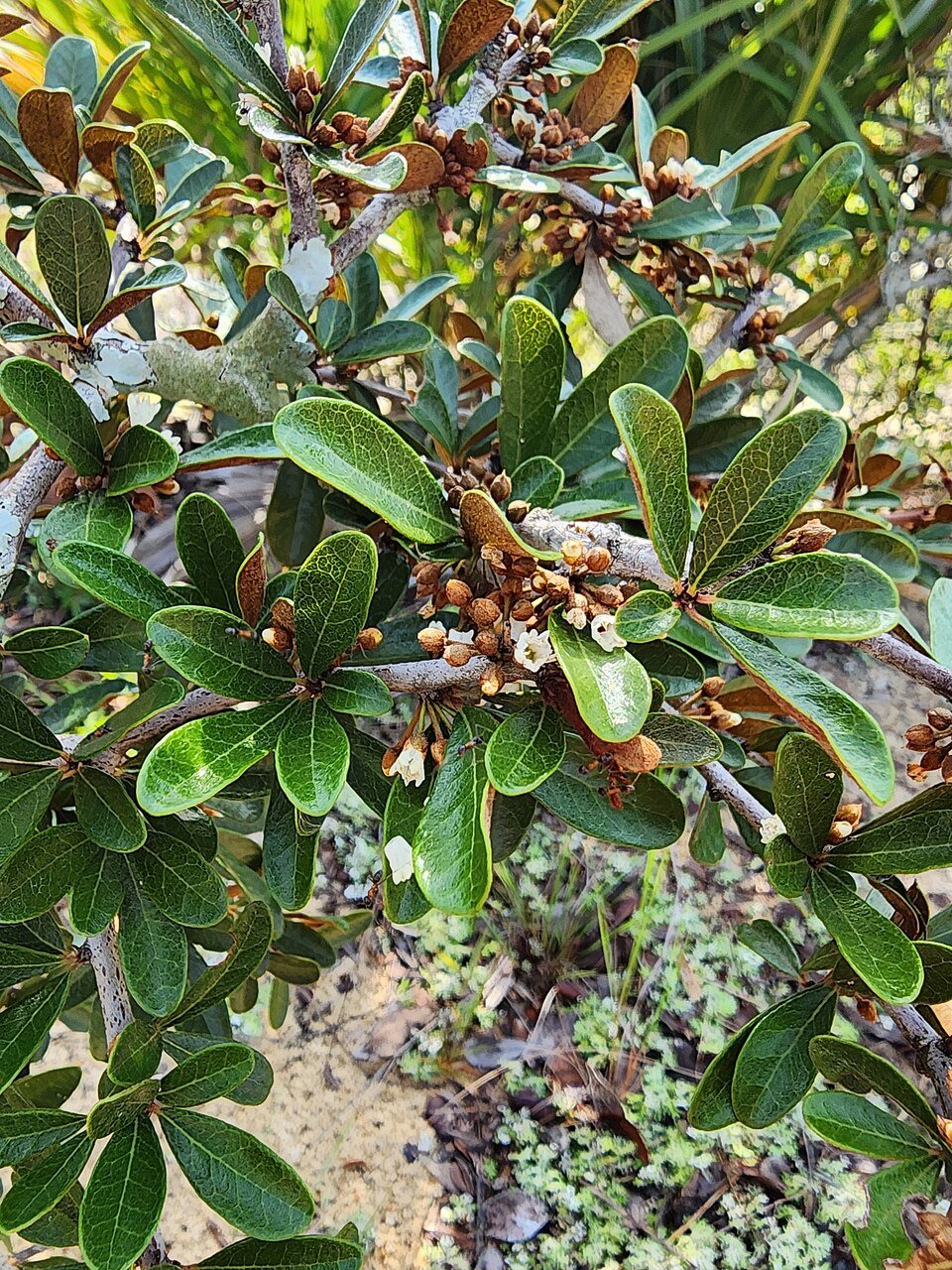
At a glance
- Life cycle
- Woody perennial
- Leaves
- Evergreen
- Bloom
- May to July
- Fruiting season
- September to October
Recorded in 30 Florida counties.
Natural habitats
Places it grows wild. Not a planting requirement. Each habitat page lists the plants and wildlife also found there.
Salt-pruned forests and shrub thickets behind coastal dunes.
Dense, evergreen groves of live oak, magnolia and other hardwoods in the southern Coastal Plain, from dry oak domes to wet hydric hammocks and south Florida's tropical hammocks; salt-shaped maritime hammocks are maritime forests.
Also found with this plant
Wildlife whose habitat models include habitats this plant grows in, in Florida. Shared habitat, not food. 235 animals.
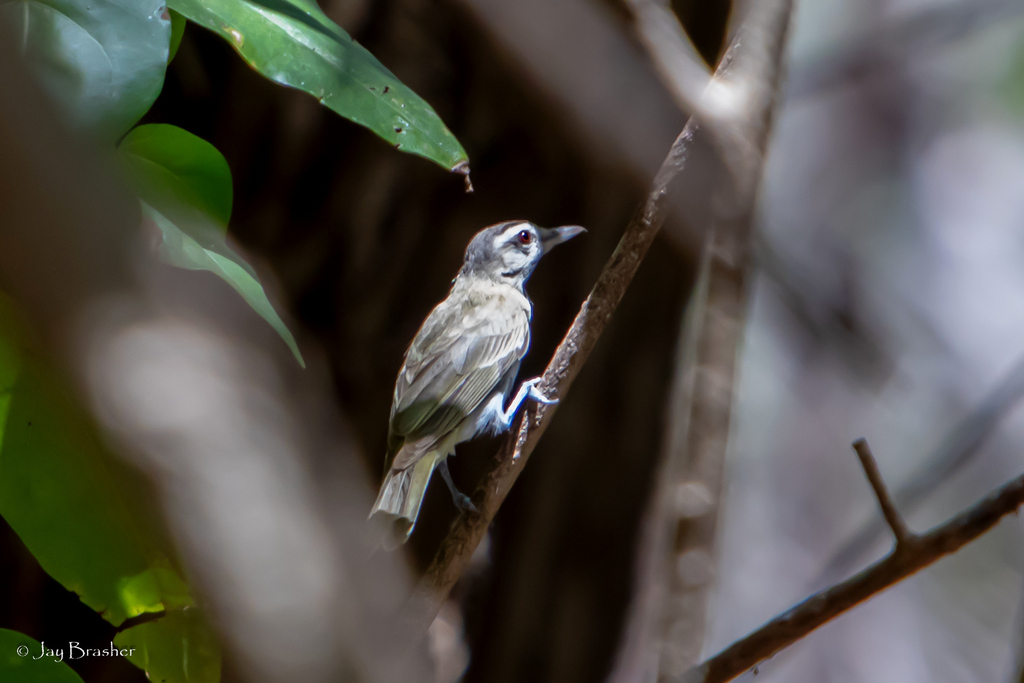
- Black-whiskered VireoVireo altiloquus
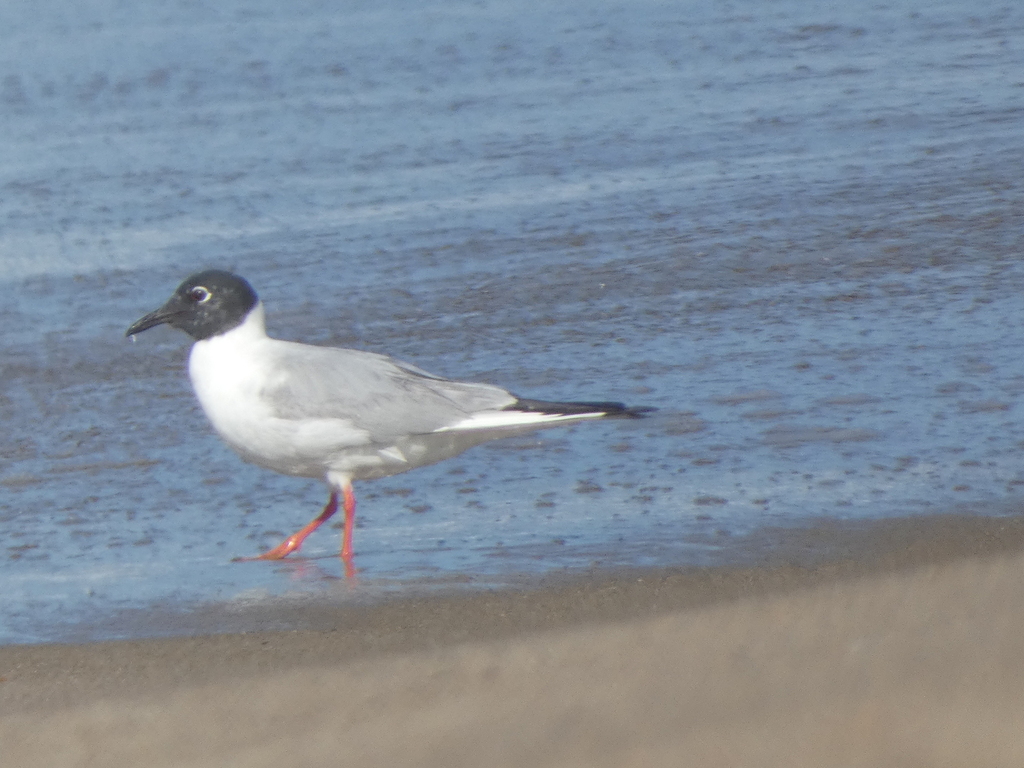
- Bonaparte's GullChroicocephalus philadelphia
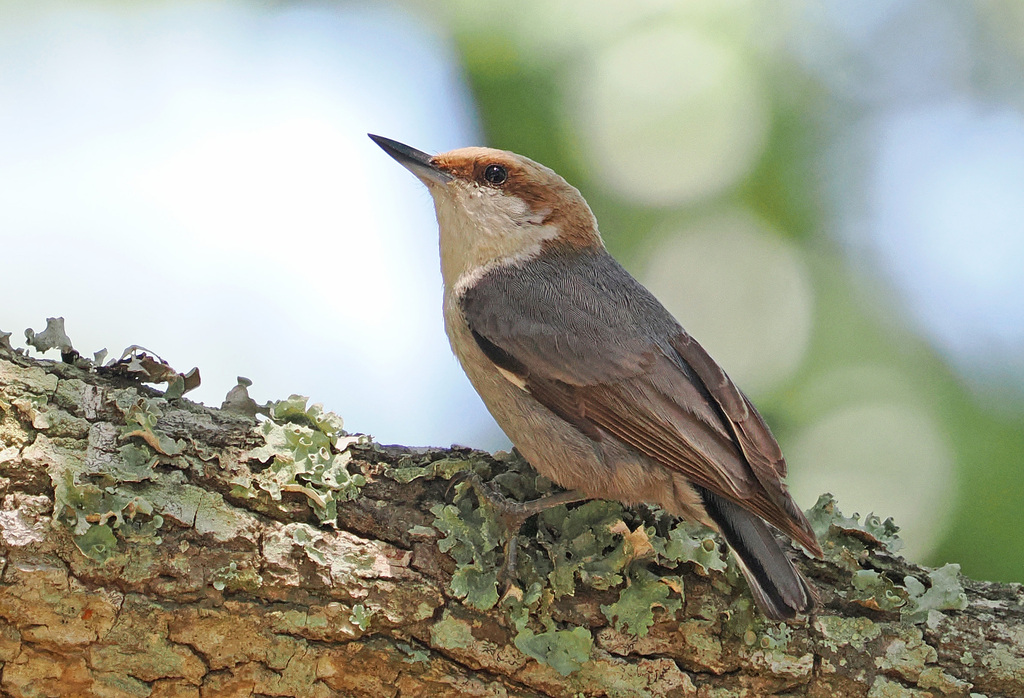
- Brown-headed NuthatchSitta pusilla
- Canada GooseBranta canadensis
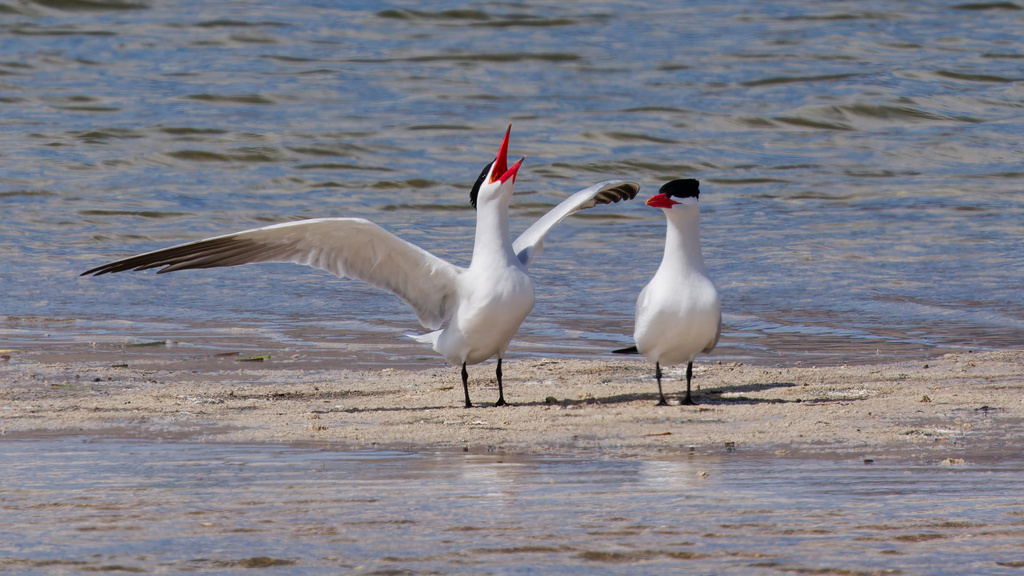
- Caspian TernHydroprogne caspia
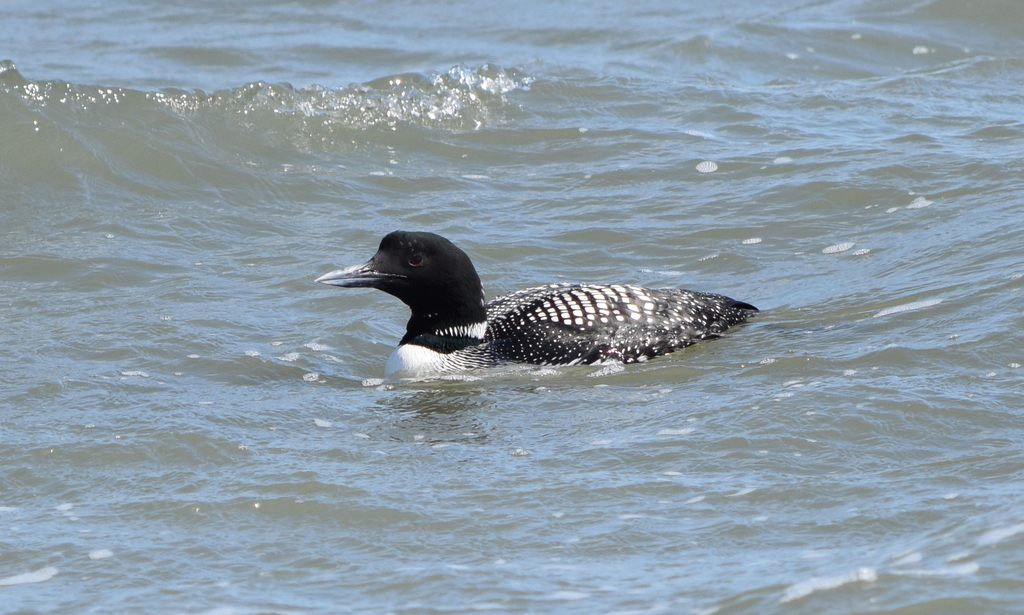
- Common LoonGavia immer
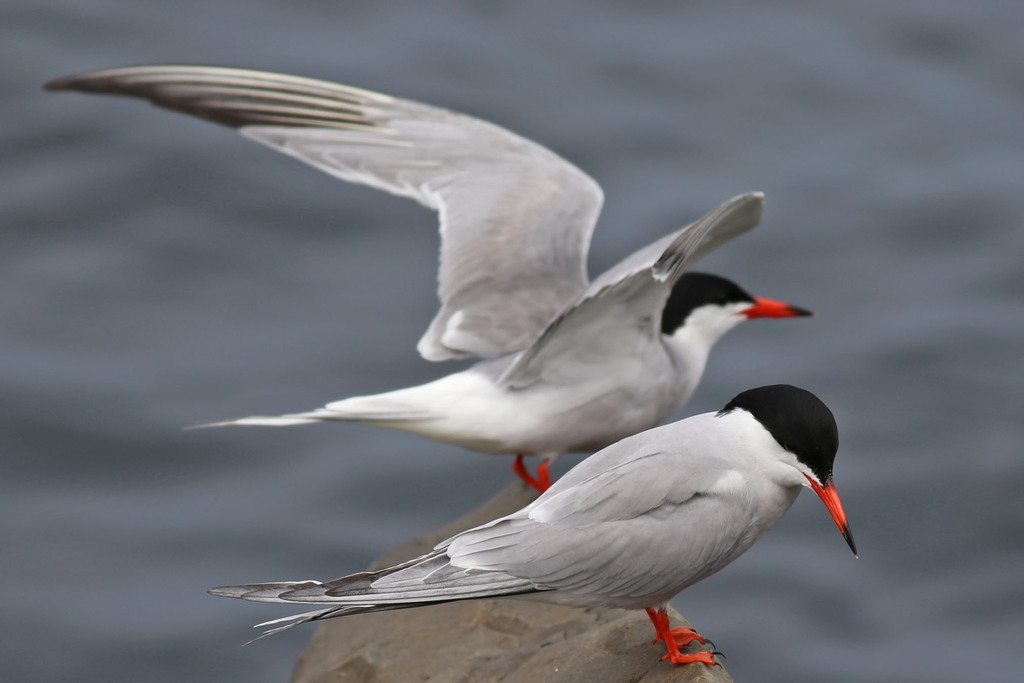
- Common TernSterna hirundo
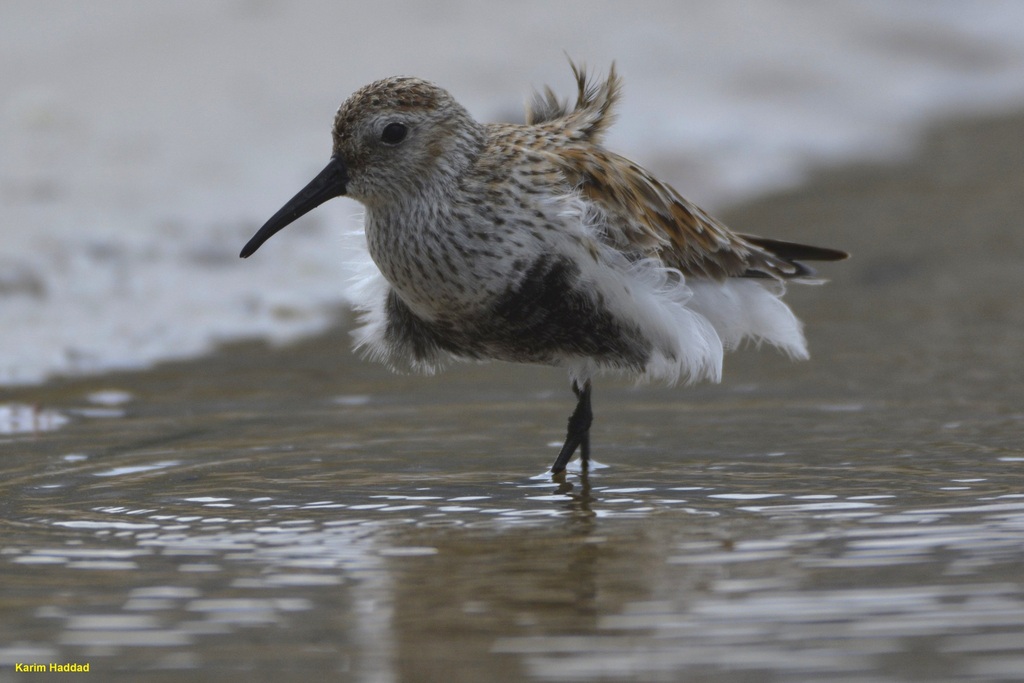
- DunlinCalidris alpina
- Eastern Wood-peweeContopus virens
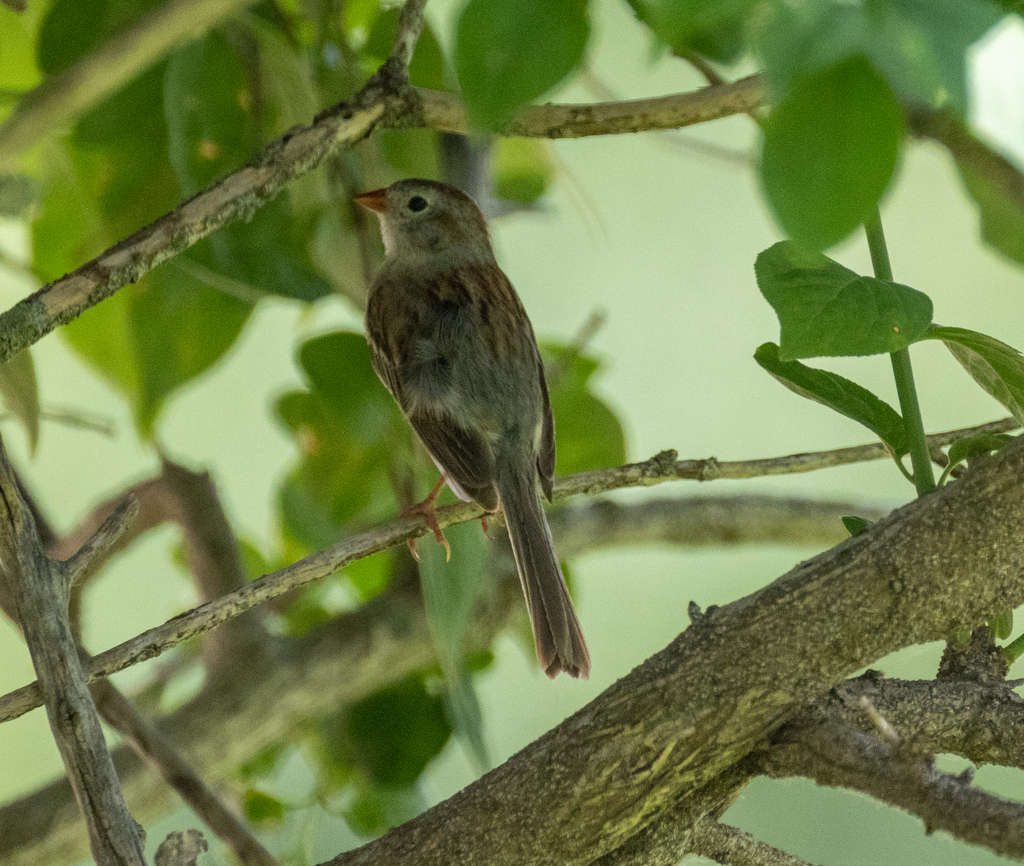
- Field SparrowSpizella pusilla
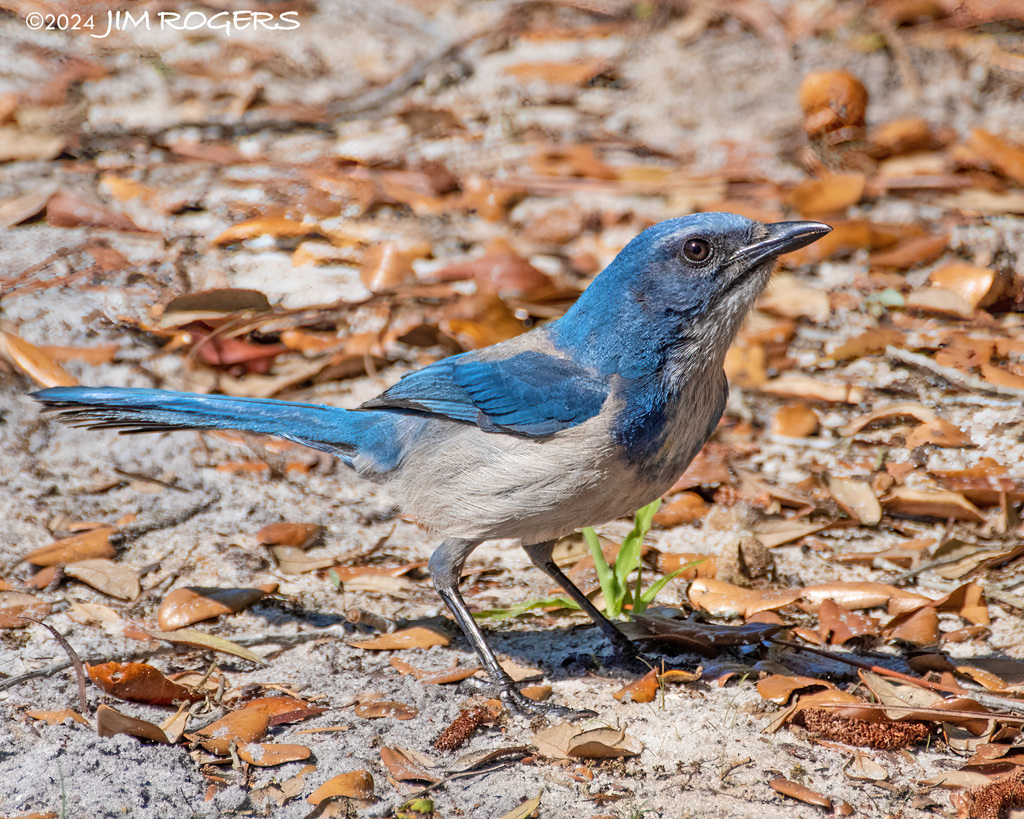
- Florida Scrub-jayAphelocoma coerulescens
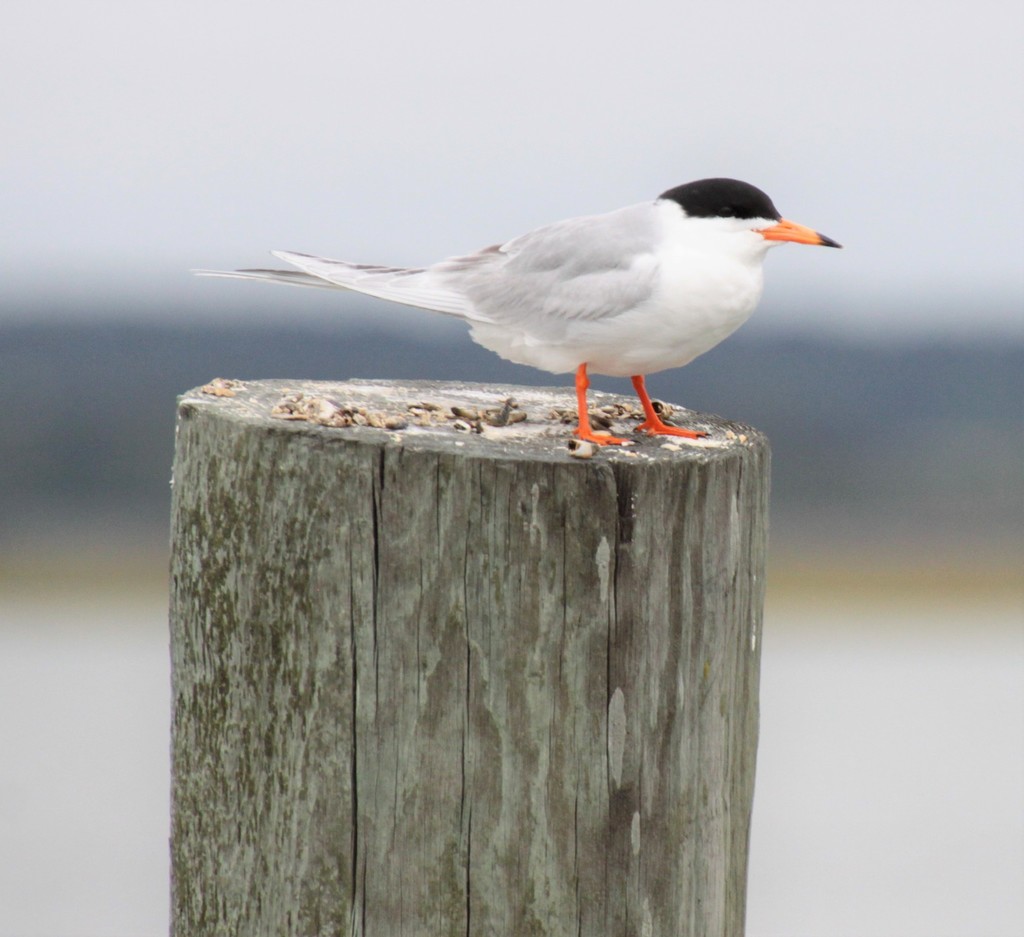
- Forster's TernSterna forsteri
- Great Crested FlycatcherMyiarchus crinitus
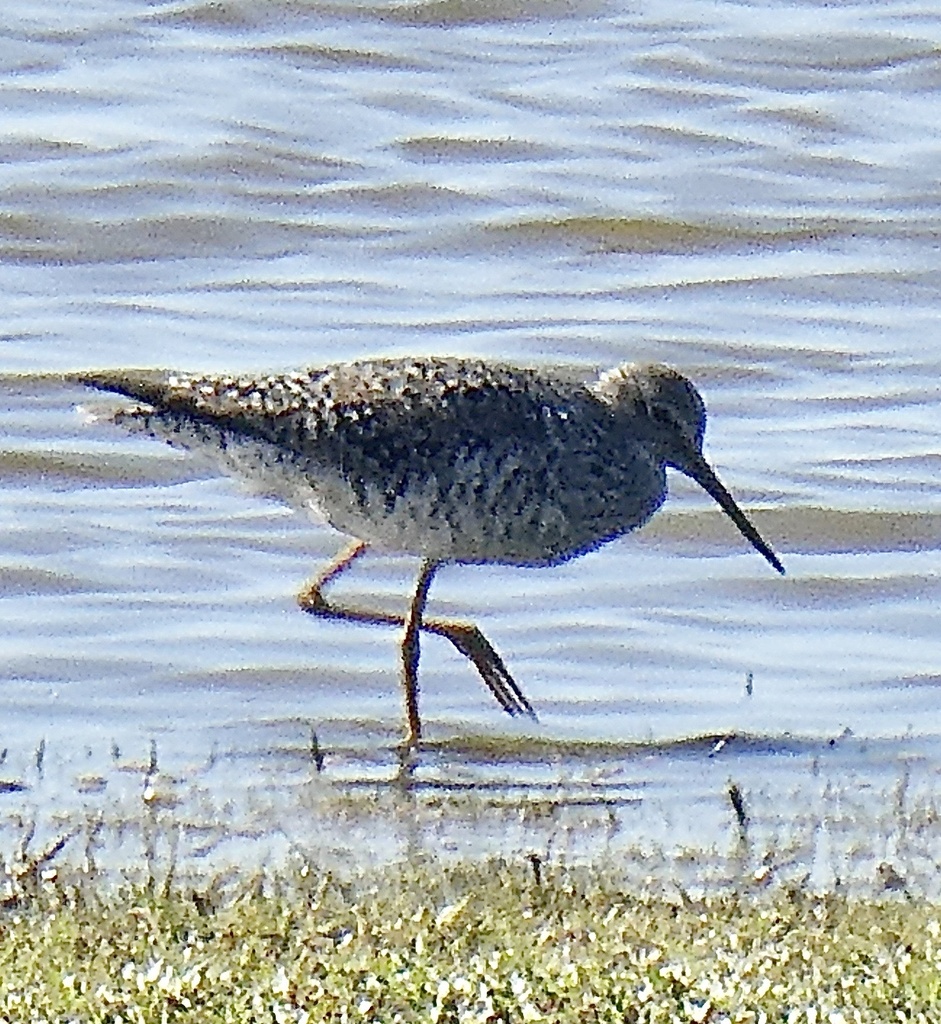
- Greater YellowlegsTringa melanoleuca
- Green HeronButorides virescens
- Hooded WarblerWilsonia citrina
- Indigo BuntingPasserina cyanea
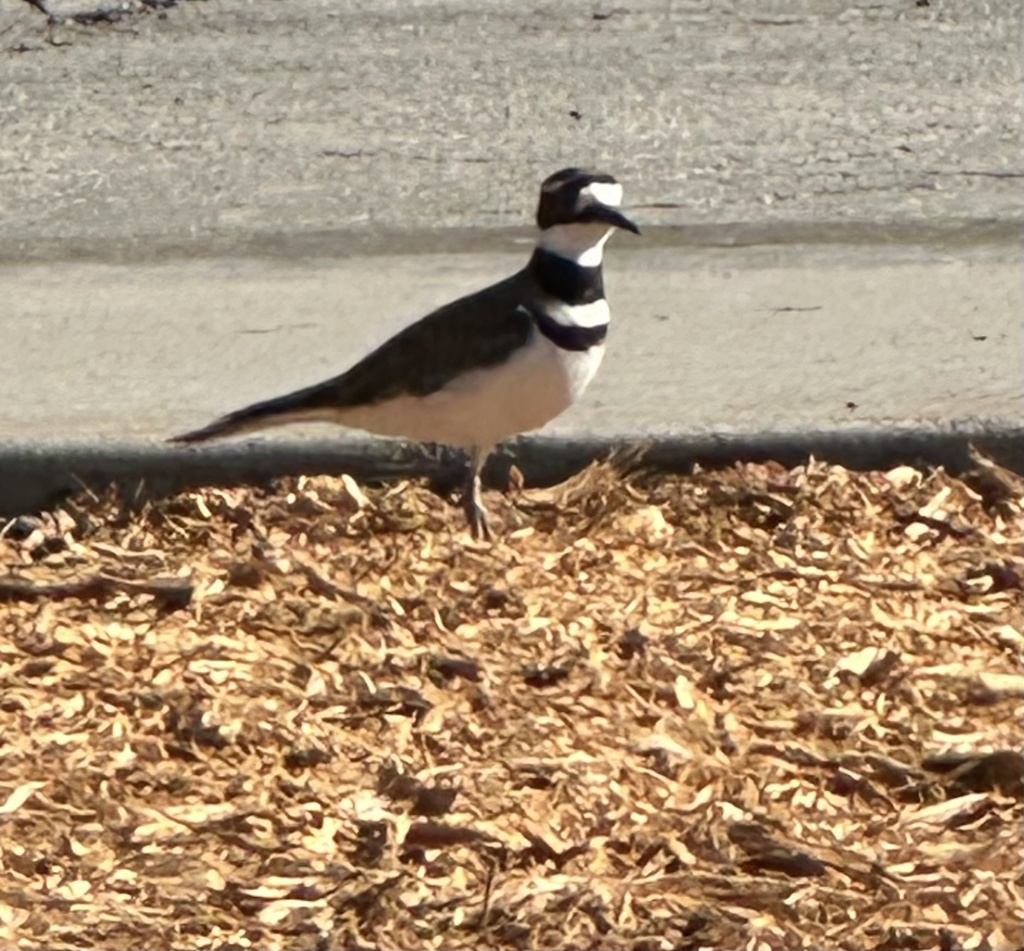
- KilldeerCharadrius vociferus
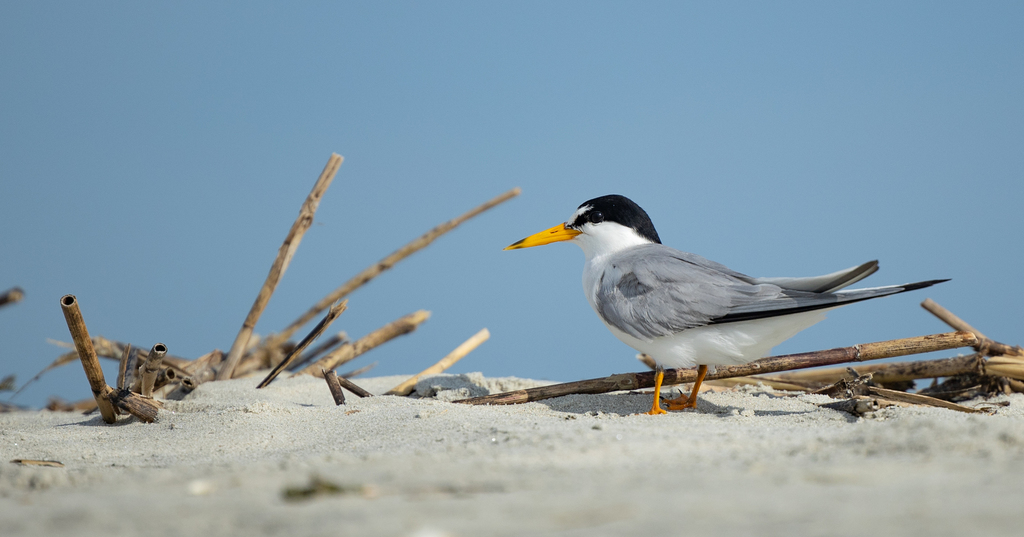
- Least TernSternula antillarum
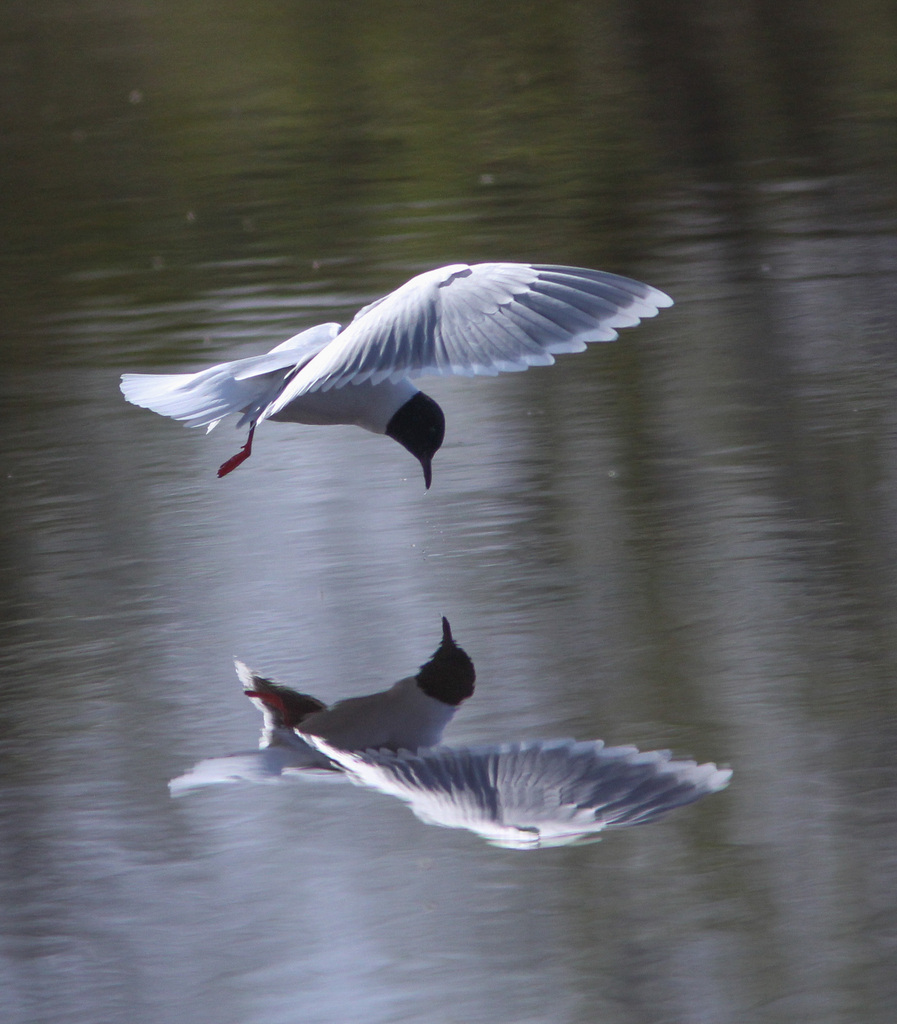
- Little GullHydrocoloeus minutus
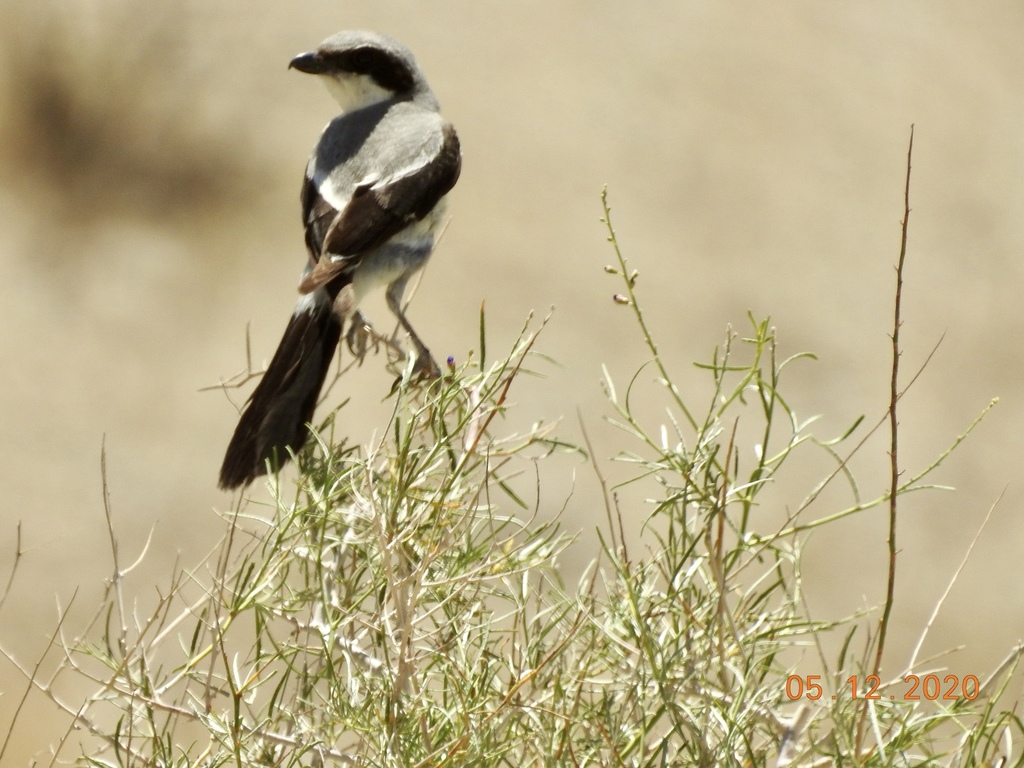
- Loggerhead ShrikeLanius ludovicianus
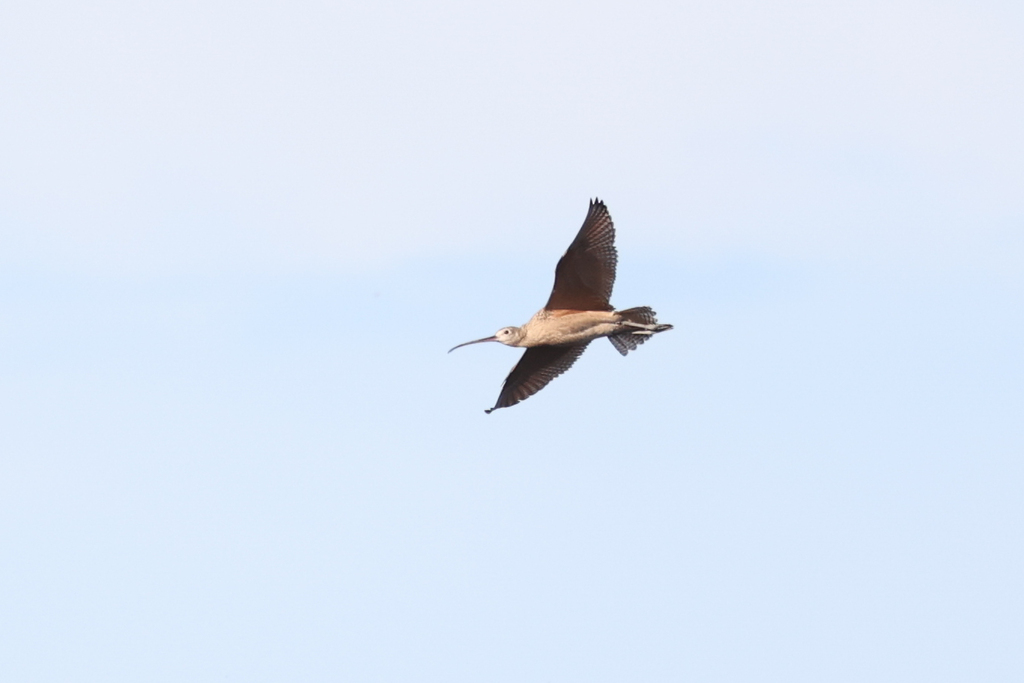
- Long-billed CurlewNumenius americanus
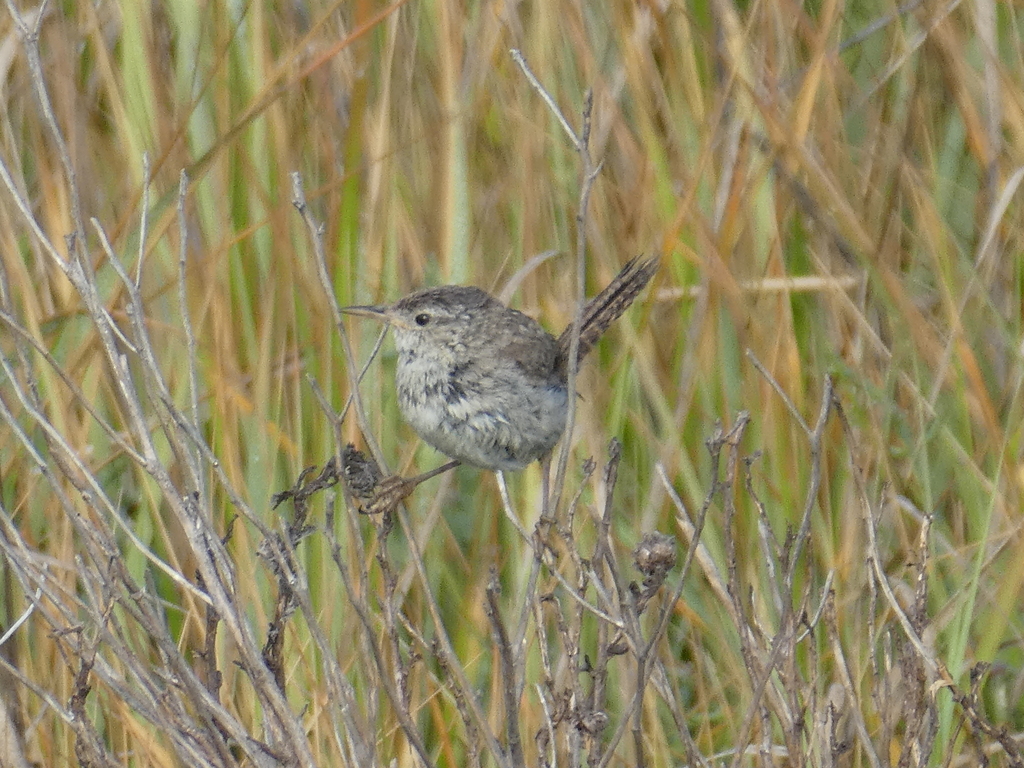
- Marsh WrenCistothorus palustris
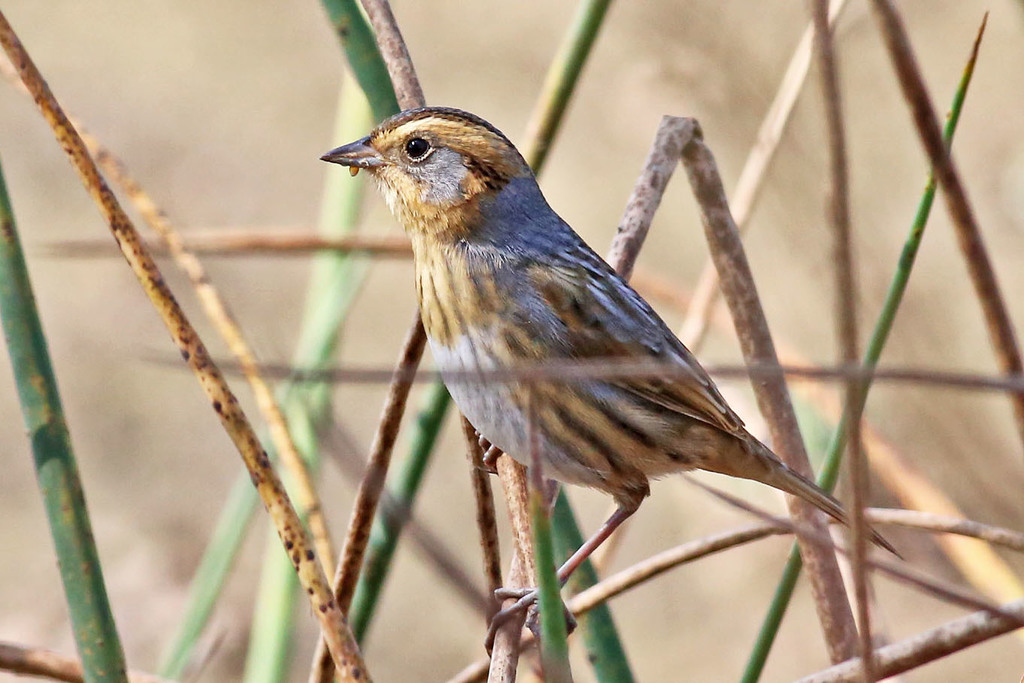
- Nelson's Sharp-tailed SparrowAmmodramus nelsoni







Who uses this plant?
 15CaterpillarsGenus host records with ranges including FL
Genus host records with ranges including FL · Sideroxylon
- Acharia stimuleaSaddleback Caterpillar Moth
- Cecrita cubanaCuban Heterocampa
- Enaemia pupulaBumelia Leafworm Moth, Streaked Lactura
- Enaemia subfervensSpeckled Lactura
- Erinnyis elloEllo Sphinx
- Euerythra phasmaRed-Tailed Specter Moth
- Eustixia pupulaSpotted Peppergrass Moth
- Litodonta hydromeliOrange-Banded Prominent
- Urodus parvulaBumelia Webworm
- Zomaria interruptolineanaBroken-Lined Zomaria
Show all 15
- Eucosmophora manilkarae
- Eucosmophora sideroxylonella
- Phyllocnistis intermediella
- Zamagiria arctella
- Zamagiria australella
 8BeesSoutheastern regional records
Southeastern regional records · Sideroxylon
Individual names are not available yet.
Noori, Seltmann & Orr 2026, A curated and integrated dataset for exploring global bee-plant interactions (GloBI), Zenodo, CC BY 4.0 2Specialist beesPollen specialists
Pollen specialists · Sideroxylon
- Colletes bumeliae
- Colletes inuncantipedis
 3BirdsRecorded genus food-resource interactions; not a state feeding claim
Recorded genus food-resource interactions; not a state feeding claim · Sideroxylon
- Ortalis vetulaPlain Chachalaca
- Patagioenas leucocephalaWhite-crowned Pigeon
- Zenaida asiaticaWhite-winged Dove
Direct food only: birds recorded eating this genus across North America. Caterpillars on host plants also feed nesting birds. NC Native Plant Society: butterfly gardening
No records yet · Ants · Beetles · Flies · Adult butterflies / moths · Other wasps · Other insects
Plant details
- Family
- Sapotaceae
- Hardiness
- Zones 8a–11b
- Soil pH
- Acidic to alkaline
- Flower color
- White
- Fruit begins
- September
- Fruit ends
- October
Safety has not been reviewed for this plant; check toxicity and thorns before planting.
Growing sources and scope
- Bloom · “May to July” · Weakley, Flora of the Southeastern United States (2025), Carolinas & Georgia edition · Carolinas and Georgia
- Flower color · “White” · NC Extension Plant Toolbox
- Fruit begins · “September” · Weakley, Flora of the Southeastern United States (2025), Carolinas & Georgia edition · Carolinas and Georgia
- Fruit ends · “October” · Weakley, Flora of the Southeastern United States (2025), Carolinas & Georgia edition · Carolinas and Georgia
- Hardiness · “Zones 8a–11b” · NC Extension Plant Toolbox
- Height · “12–30 feet” · NC Extension Plant Toolbox
- Leaves · “Evergreen” · NC Extension Plant Toolbox
- Life cycle · “Woody perennial” · NC Extension Plant Toolbox
- Light · “Full sun (6 or more hours of direct sunlight a day); Partial shade (direct sunlight only part of the day, 2-6 hours)” · NC Extension Plant Toolbox
- primary_flower_color · “white” · NC Extension Plant Toolbox
- Soil · “Moist; Occasionally dry; Very dry” · NC Extension Plant Toolbox
- Soil pH · “Acidic to alkaline” · NC Extension Plant Toolbox
- Spread · “10–20 feet” · NC Extension Plant Toolbox
Also known as
Bumelia tenax
Conservation status
| Florida rank | SNR |
|---|---|
| Global rank | G3? |
| FL status | Not verified |
| Federal status | Not verified |
Will it fit your yard?
Check this plant against your county, sun and soil moisture. Conditions are checked in your browser.
Sources
- Atlas of Florida Plants
- USDA PLANTS
- Vascular Plants of North Carolina (NC Natural Heritage Program)
- Weakley, Flora of the Southeastern United States (2025), Carolinas & Georgia edition
- Shropshire & Tallamy 2025, Lepidoptera of North America north of Mexico, ZooKeys 1261 (ODbL)
- Noori, Seltmann & Orr 2026, A curated and integrated dataset for exploring global bee-plant interactions (GloBI), Zenodo, CC BY 4.0
- Smith, Bachelder, Russell, Morales, Mosher & Seltmann 2024, Bee-Specialization-Modeling v0.6.1 (specialist host table compiled from J. Fowler's pollen specialist bee lists), Zenodo, CC BY 4.0
- Hurlbert, Olsen, Sawyer & Winner 2021, Avian Diet Database, Scientific Data 8: 260 (CC0)
- Narango, Tallamy & Shropshire 2020, Few keystone plant genera support the majority of Lepidoptera species, Nature Communications