

Piedmont Black-senna
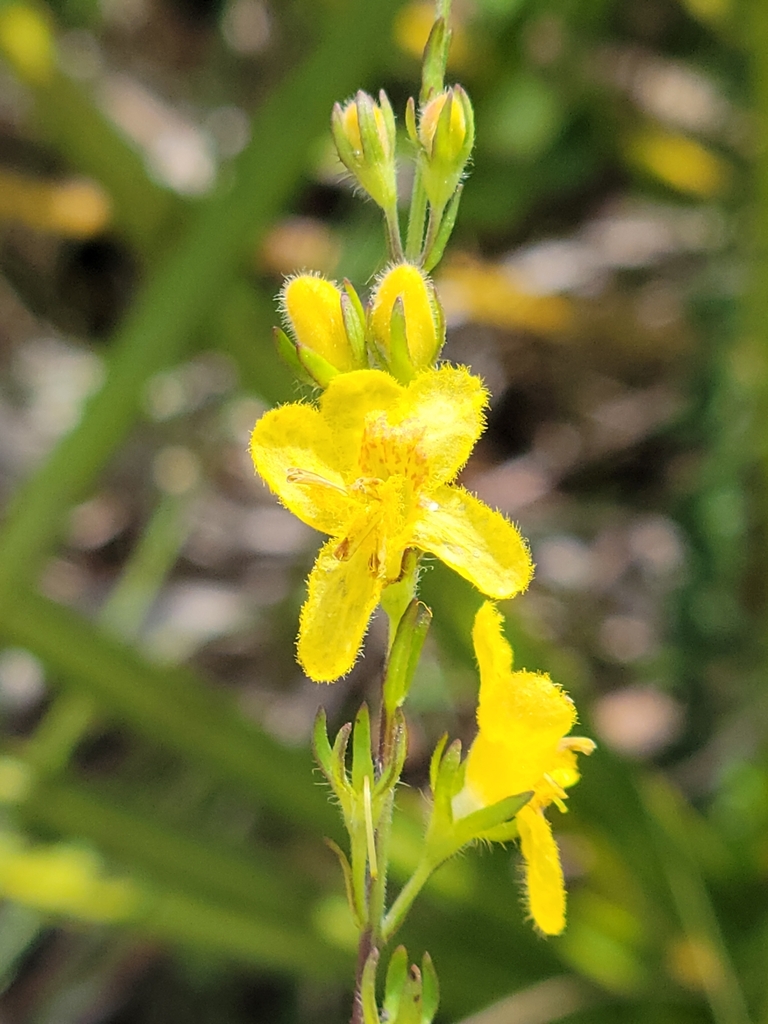
Seymeria pectinata
Native to Florida. How scores work Is it native here?
Profile 59%
- Height
- Up to about 2 feet
At a glance
- Life cycle
- Annual
Not yet recorded · Spread · Light · Soil · Leaves · Bloom
Bloom: NC species account not read yet.
Spread, light, soil and leaves: no source found yet.
This plant is missing most of its facts, so Quercus is looking them up in old botany books.
Recorded in 54 Florida counties.
Also found with this plant
Wildlife whose habitat models include habitats this plant grows in, in Florida. Shared habitat, not food. 79 animals.
- American CrowCorvus brachyrhynchos
- American GoldfinchCarduelis tristis
- American KestrelFalco sparverius
- American RobinTurdus migratorius
- American WoodcockScolopax minor
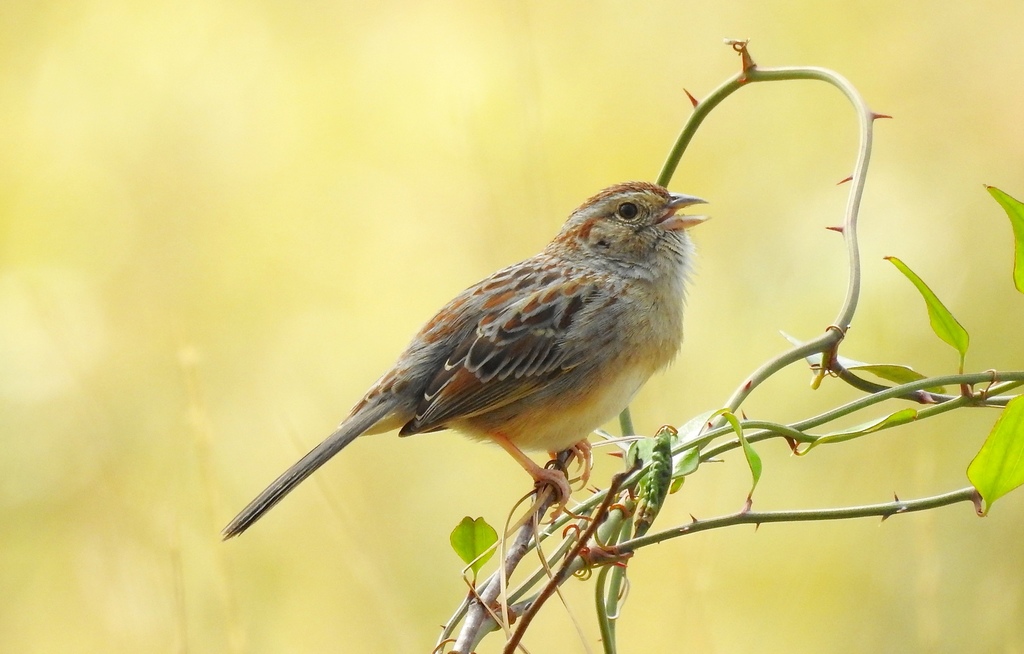
- Bachman's SparrowAimophila aestivalis
- Bald EagleHaliaeetus leucocephalus
- Barred OwlStrix varia
- Belted KingfisherMegaceryle alcyon
- Black VultureCoragyps atratus
- Blue GrosbeakPasserina caerulea
- Blue JayCyanocitta cristata
- Blue-gray GnatcatcherPolioptila caerulea
- Brown CreeperCerthia americana
- Brown ThrasherToxostoma rufum
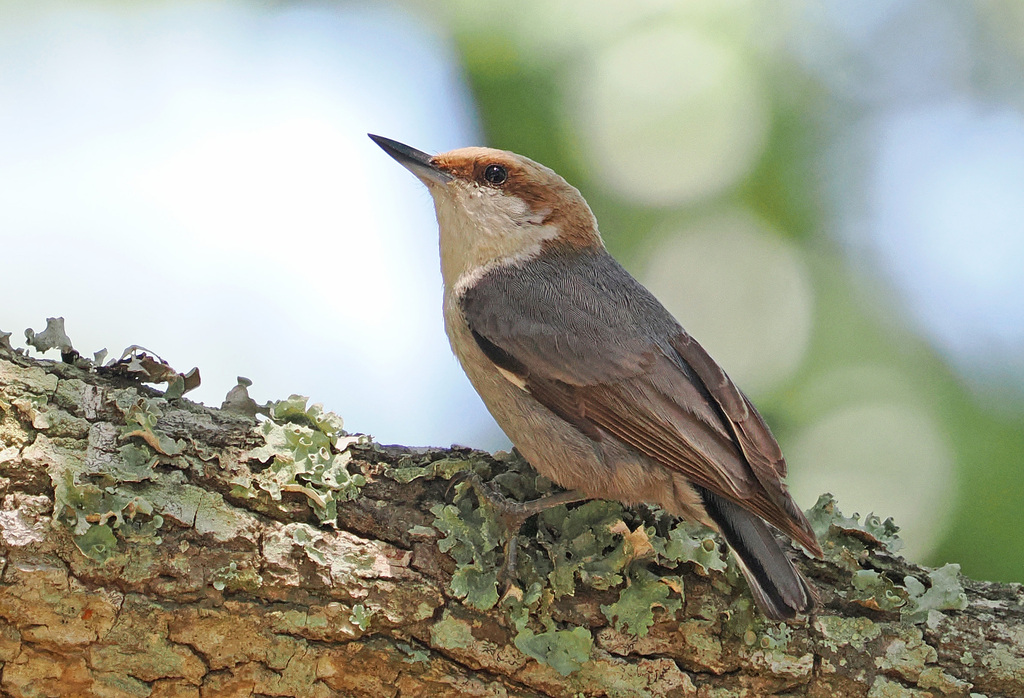
- Brown-headed NuthatchSitta pusilla
- Carolina ChickadeePoecile carolinensis
- Carolina WrenThryothorus ludovicianus
- Cedar WaxwingBombycilla cedrorum
- Chimney SwiftChaetura pelagica
- Chipping SparrowSpizella passerina
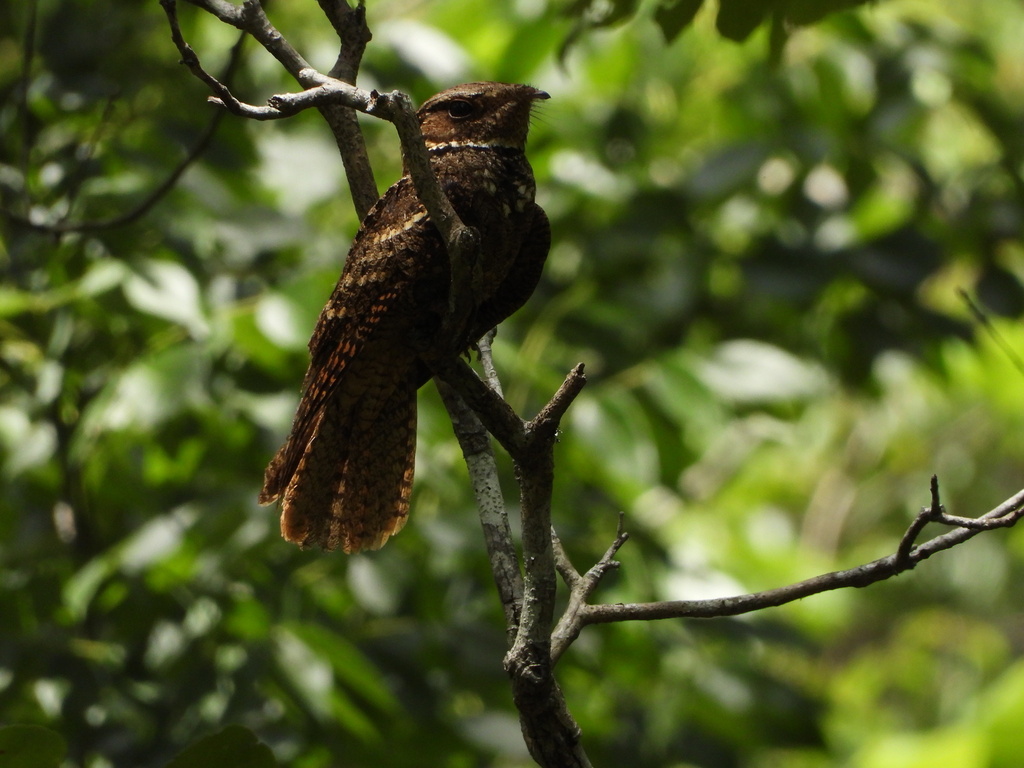
- Chuck-will's-widowCaprimulgus carolinensis
- Common GrackleQuiscalus quiscula
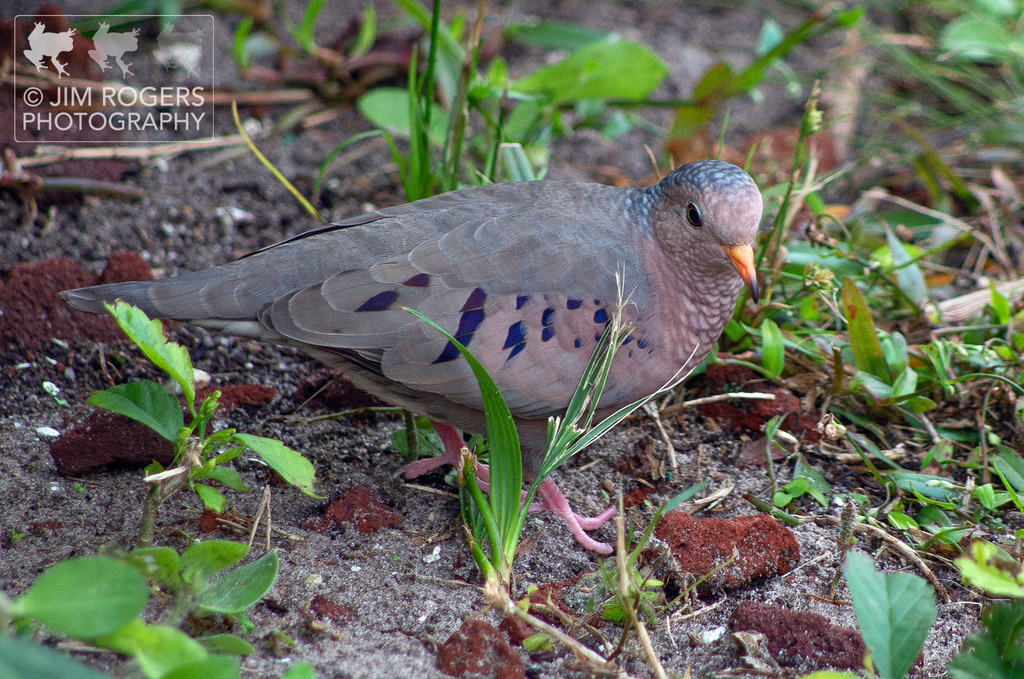
- Common Ground-doveColumbina passerina




















Who uses this plant?
 2CaterpillarsGenus host records with ranges including FL
Genus host records with ranges including FL · Seymeria
- Junonia coeniaCommon Buckeye
- Pyrrhia aurantiagoOrange Sallow, False Foxglove Sun Moth
 10BeesSoutheastern regional records
Southeastern regional records · Seymeria
Individual names are not available yet.
Noori, Seltmann & Orr 2026, A curated and integrated dataset for exploring global bee-plant interactions (GloBI), Zenodo, CC BY 4.0 0Specialist beesPollen specialists
 —BirdsRecorded genus food-resource interactions; not a state feeding claim
No records yet · Ants · Beetles · Flies · Adult butterflies / moths · Other wasps · Other insects
Plant details
- Family
- Orobanchaceae
- Flower color
- Yellow
What its natural habitat tells you
Safety has not been reviewed for this plant; check toxicity and thorns before planting.
Growing sources and scope
- Flower color · “Yellow” · Lady Bird Johnson Wildflower Center
- Height · “Up to about 2 feet” · Lady Bird Johnson Wildflower Center
- Life cycle · “Annual” · Lady Bird Johnson Wildflower Center
- primary_flower_color · “yellow” · Lady Bird Johnson Wildflower Center
Also known as
Piedmont Black senna
Conservation status
| Florida rank | SNR |
|---|---|
| Global rank | G4G5 |
| FL status | Not verified |
| Federal status | Not verified |
Will it fit your yard?
Check this plant against your county, sun and soil moisture. Conditions are checked in your browser.
Sources
- Atlas of Florida Plants
- USDA PLANTS
- Vascular Plants of North Carolina (NC Natural Heritage Program)
- Shropshire & Tallamy 2025, Lepidoptera of North America north of Mexico, ZooKeys 1261 (ODbL)
- Noori, Seltmann & Orr 2026, A curated and integrated dataset for exploring global bee-plant interactions (GloBI), Zenodo, CC BY 4.0
- Smith, Bachelder, Russell, Morales, Mosher & Seltmann 2024, Bee-Specialization-Modeling v0.6.1 (specialist host table compiled from J. Fowler's pollen specialist bee lists), Zenodo, CC BY 4.0
- Hurlbert, Olsen, Sawyer & Winner 2021, Avian Diet Database, Scientific Data 8: 260 (CC0)
- Narango, Tallamy & Shropshire 2020, Few keystone plant genera support the majority of Lepidoptera species, Nature Communications