

Bagpod
Sesbania vesicaria
Found in ditches, marshes, disturbed wet areas. Weakley, Flora of the Southeastern United States (2025), Florida edition What its natural habitat tells you
Native to Florida. How scores work Is it native here?
Profile 88%
- Height
- Up to about 10 feet
- Light
- Full sun
- Soil moisture
- Dry to wet
No photograph yet. Looking for an old drawing…
At a glance
- Life cycle
- Annual
- Bloom
- July to September
- Fruiting season
- August to November
Not yet recorded · Spread · Leaves
Recorded in 62 Florida counties.
Natural habitats
Places it grows wild. Not a planting requirement. Each habitat page lists the plants and wildlife also found there.

Roadsides, fields and disturbed ground
Ground opened by people: roadsides, old fields, pastures, fencerows and lots.
Disturbed and introduced wetlands
Wet ground taken over by weedy or introduced plants after disturbance, such as common reed, Chinese tallow or tamarisk stands; the upland counterpart is roadsides, fields and disturbed ground.
Also found with this plant
Wildlife whose habitat models include habitats this plant grows in, in Florida. Shared habitat, not food. 185 animals.
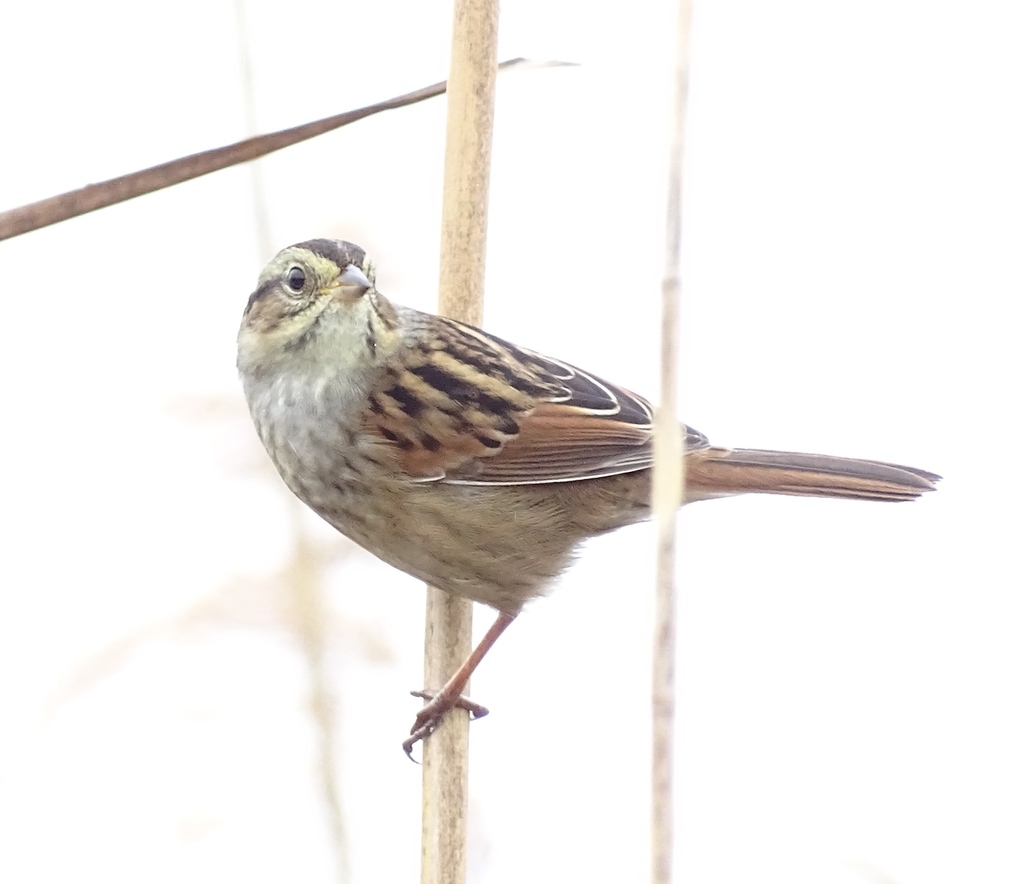
- Swamp SparrowMelospiza georgiana
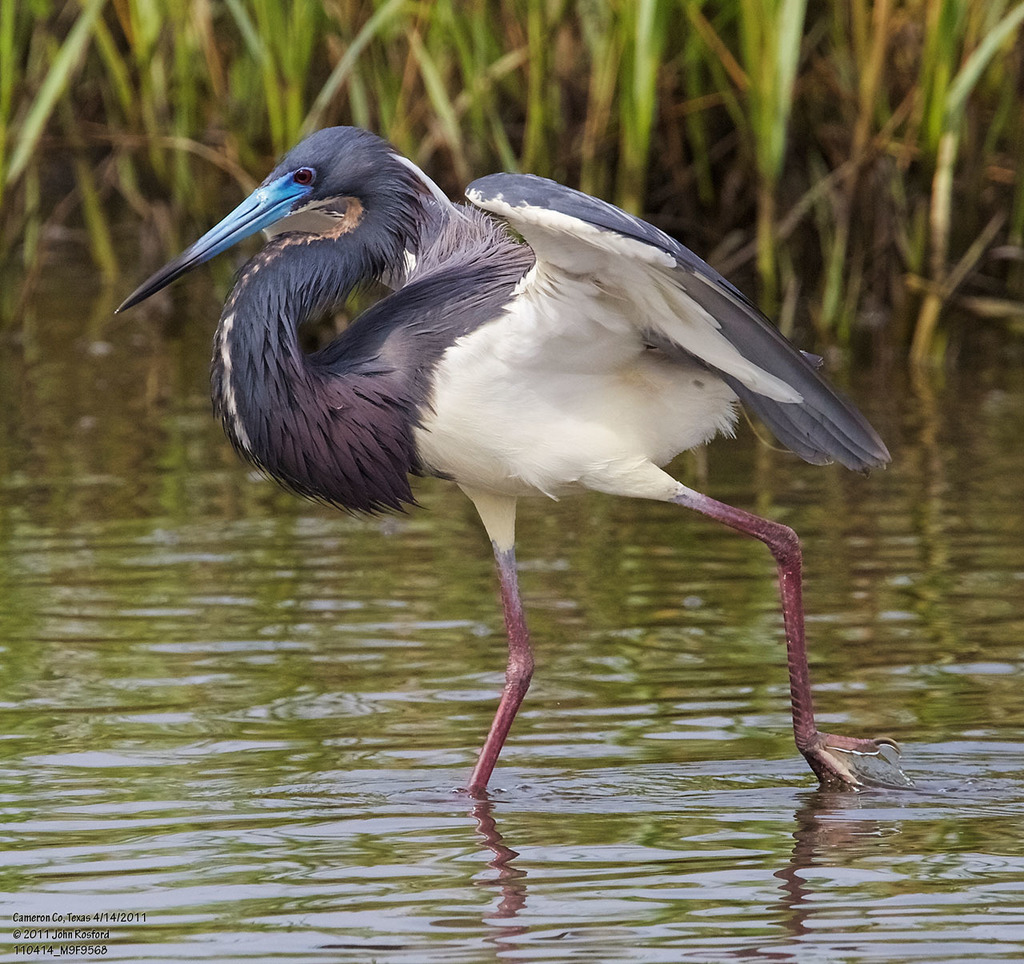
- Tricolored HeronEgretta tricolor
- Tufted TitmouseBaeolophus bicolor
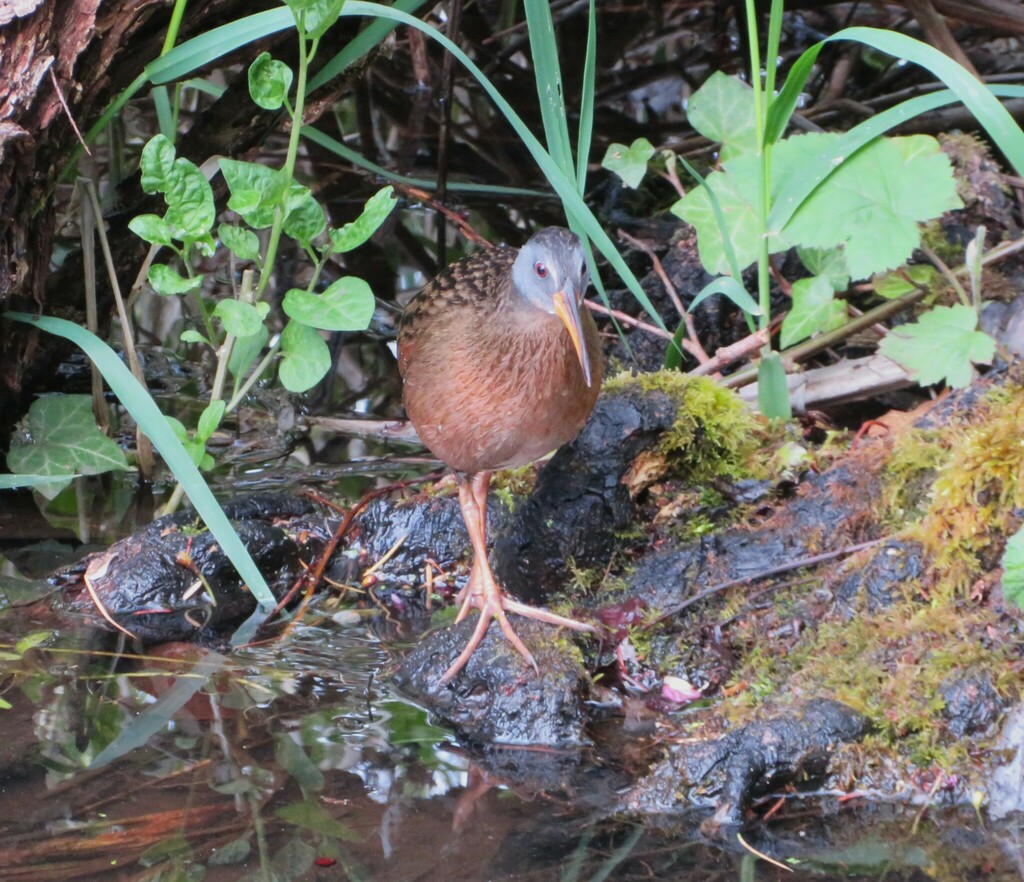
- Virginia RailRallus limicola
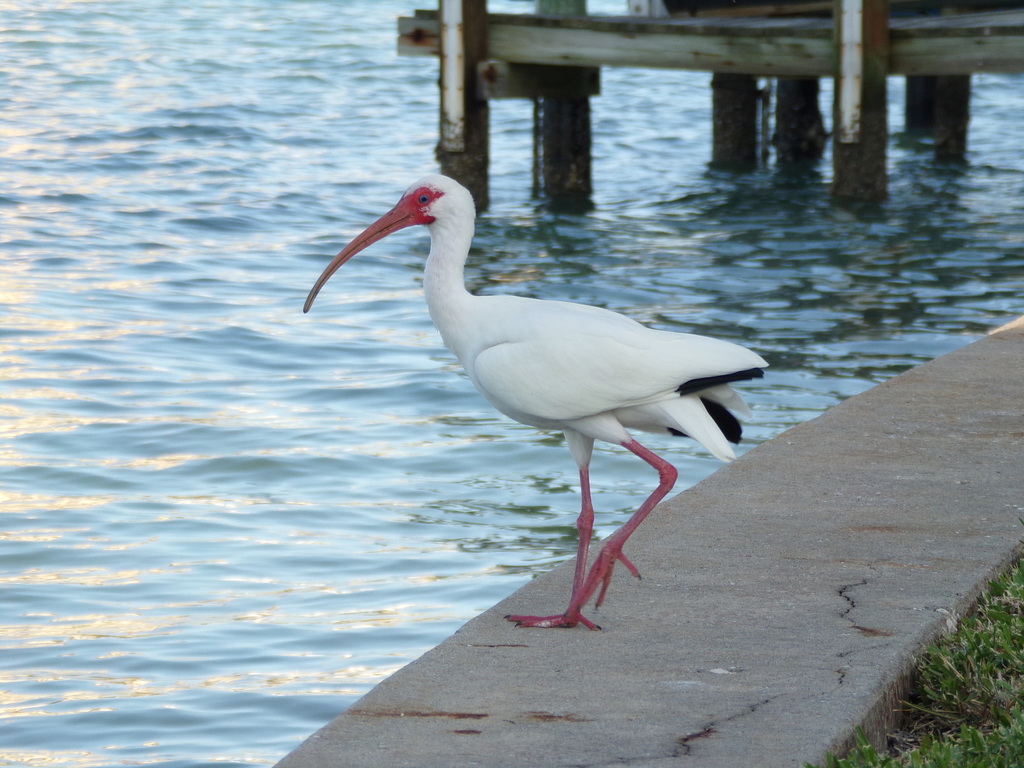
- White IbisEudocimus albus
- White-breasted NuthatchSitta carolinensis
- White-eyed VireoVireo griseus
- White-throated SparrowZonotrichia albicollis
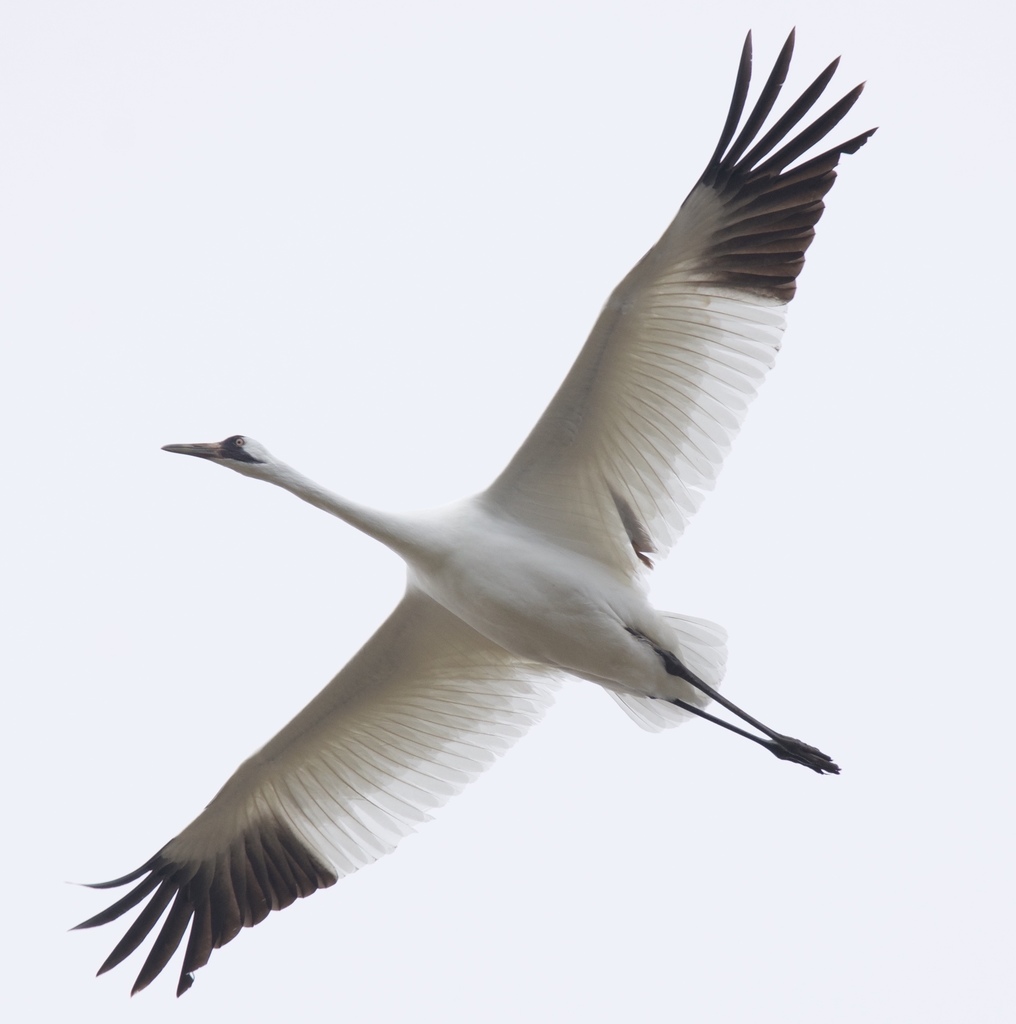
- Whooping CraneGrus americana
- Wild TurkeyMeleagris gallopavo
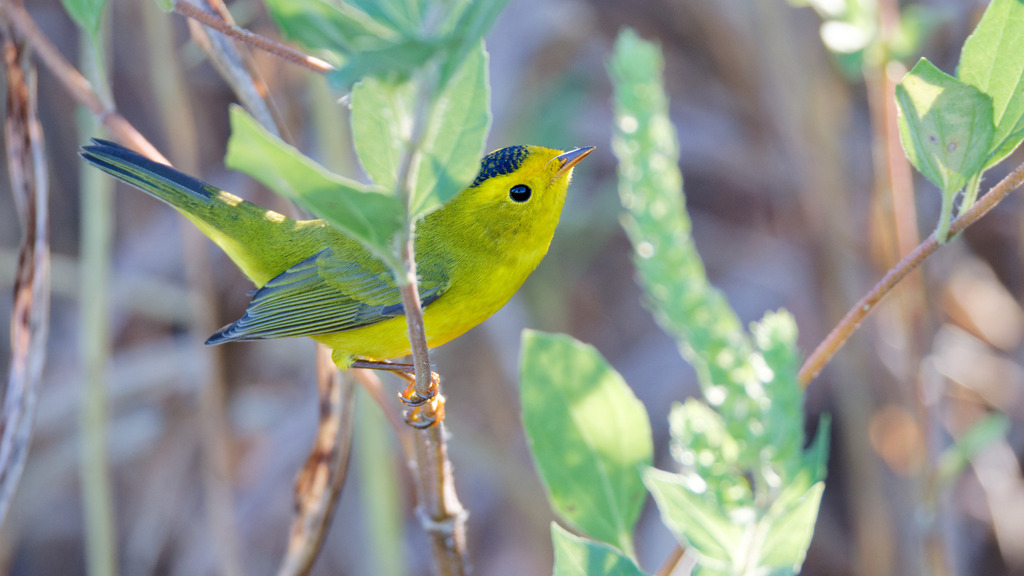
- Wilson's WarblerWilsonia pusilla
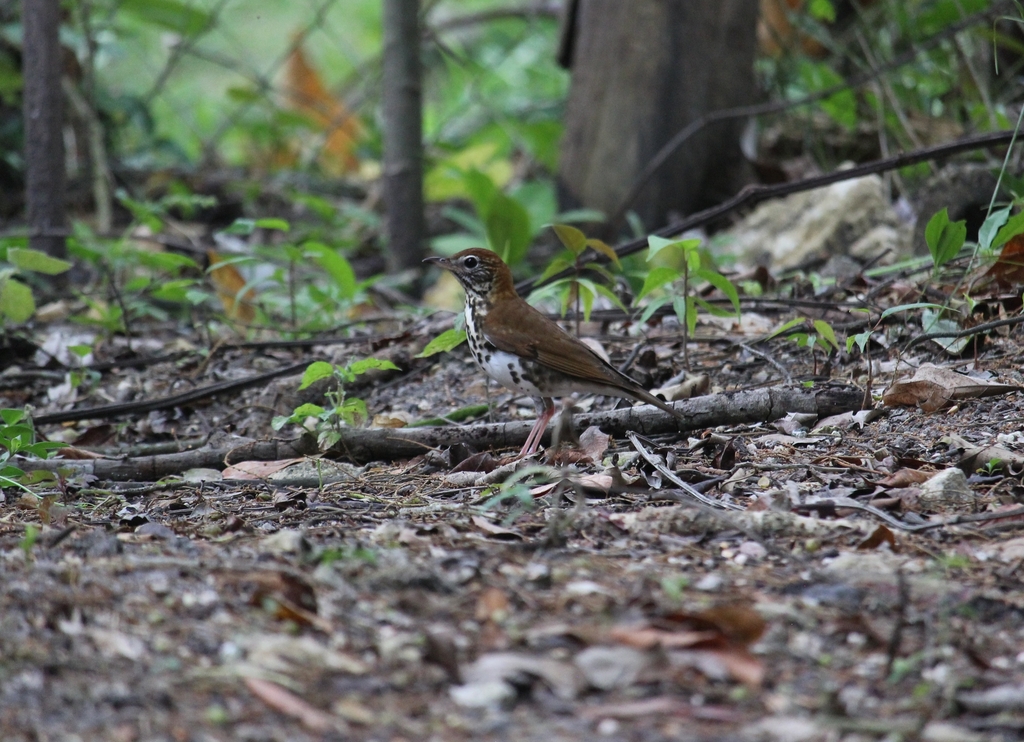
- Wood ThrushHylocichla mustelina
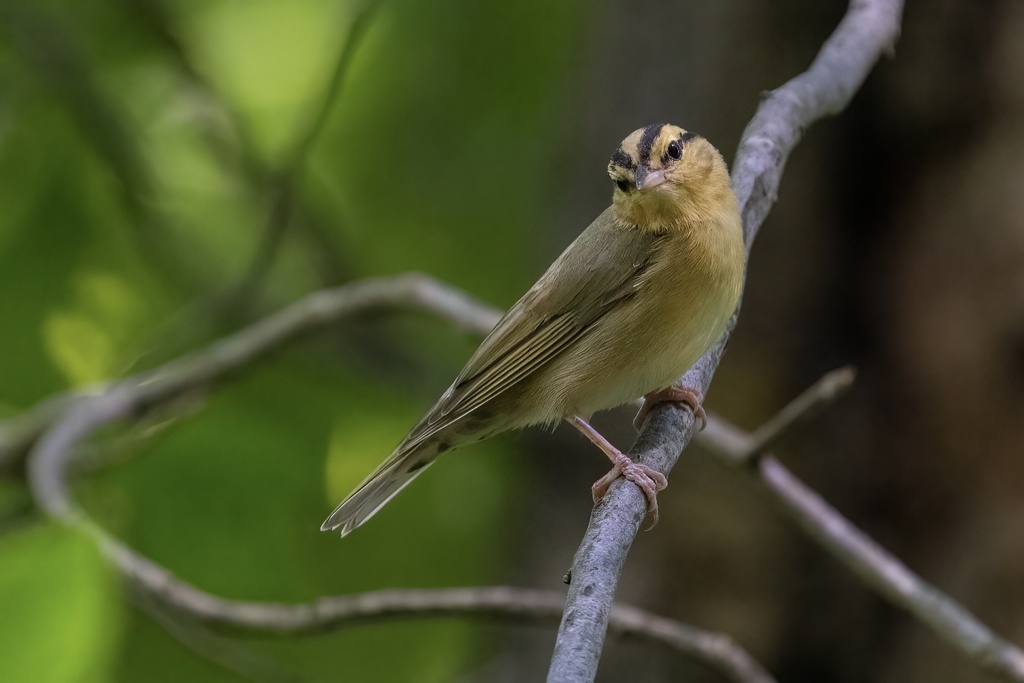
- Worm-eating WarblerHelmitheros vermivorum
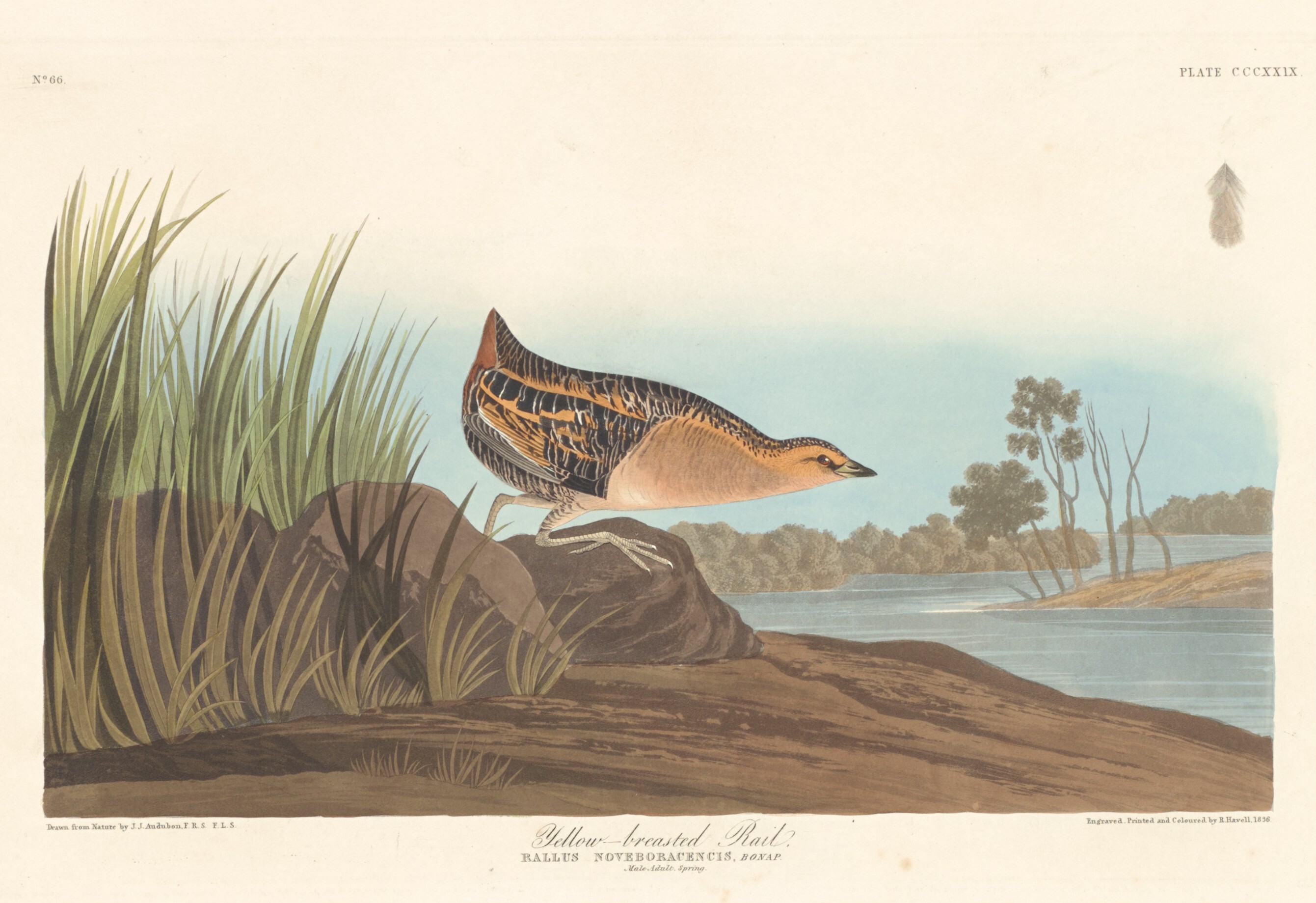
- Yellow RailCoturnicops noveboracensis
- Yellow-bellied SapsuckerSphyrapicus varius
- Yellow-billed CuckooCoccyzus americanus
- Yellow-throated WarblerDendroica dominica








Who uses this plant?
 21CaterpillarsGenus host records with ranges including FL
Genus host records with ranges including FL · Sesbania
- Anavitrinella pampinariaCommon Gray, Cranberry Spanworm
- Anticarsia gemmatalisVelvetbean Caterpillar Moth
- Colias eurythemeOrange Sulphur, Alfalfa Butterfly
- Elasmopalpus lignosellaLesser Cornstalk Borer
- Gesta baptisiaeWild Indigo Duskywing, Baptisia Duskywing
- Gesta zaruccoZarucco Duskywing
- Helicoverpa zeaCorn Earworm Moth
- Hemiargus ceraunusCeraunus Blue, Antillean Blue
- Iridopsis defectariaBrown-Shaded Gray, Willow Looper
- Iridopsis humariaSmall Purplish Gray
Show all 21
- Leptotes cassiusCassius Blue, Tropical Striped Blue
- Platynota flavedanaBlack-Shaded Platynota
- Platynota rostranaOmnivorous Platynota
- Psamatodes abydataDot-Lined Angle
- Selenisa sueroidesTailpipes, Pale-Edged Selenisa Moth
- Spodoptera eridaniaSouthern Armyworm Moth
- Strymon melinusGray Hairstreak
- Urbanus proteusLong-Tailed Skipper, Bean Leaf Roller
- Dichomeris acuminatus
- Ephyrodes cacata
- Glympis concors
 5BeesSoutheastern regional records
Southeastern regional records · Sesbania
Individual names are not available yet.
Noori, Seltmann & Orr 2026, A curated and integrated dataset for exploring global bee-plant interactions (GloBI), Zenodo, CC BY 4.0 0Specialist beesPollen specialists
 4BirdsRecorded genus food-resource interactions; not a state feeding claim
Recorded genus food-resource interactions; not a state feeding claim · Sesbania
- Colinus virginianusNorthern Bobwhite
- Francolinus francolinusBlack Francolin
- Zenaida asiaticaWhite-winged Dove
- Zenaida macrouraMourning Dove
Direct food only: birds recorded eating this genus across North America. Caterpillars on host plants also feed nesting birds. NC Native Plant Society: butterfly gardening
No records yet · Ants · Beetles · Flies · Adult butterflies / moths · Other wasps · Other insects
Plant details
- Family
- Fabaceae
- Flower color
- Red or orange
- Fruit begins
- August
- Fruit ends
- November
Safety has not been reviewed for this plant; check toxicity and thorns before planting.
Growing sources and scope
- Bloom · “July to September” · Weakley, Flora of the Southeastern United States (2025), Carolinas & Georgia edition · Carolinas and Georgia
- Flower color · “Red or orange” · Lady Bird Johnson Wildflower Center
- Fruit begins · “August” · Weakley, Flora of the Southeastern United States (2025), Carolinas & Georgia edition · Carolinas and Georgia
- Fruit ends · “November” · Weakley, Flora of the Southeastern United States (2025), Carolinas & Georgia edition · Carolinas and Georgia
- Height · “Up to about 10 feet” · Lady Bird Johnson Wildflower Center
- Life cycle · “Annual” · Lady Bird Johnson Wildflower Center
- Light · “Full sun (documented habitat)” · Weakley, Flora of the Southeastern United States (2025), Carolinas & Georgia edition · Carolinas and Georgia
- Soil · “Dry; Moist; Wet (documented habitat)” · Weakley, Flora of the Southeastern United States (2025), Carolinas & Georgia edition · Carolinas and Georgia
Also known as
Glottidium vesicarium
Conservation status
| Florida rank | SNR |
|---|---|
| Global rank | G5 |
| FL status | Not verified |
| Federal status | Not verified |
Will it fit your yard?
Check this plant against your county, sun and soil moisture. Conditions are checked in your browser.
Sources
- Atlas of Florida Plants
- USDA PLANTS
- Vascular Plants of North Carolina (NC Natural Heritage Program)
- Weakley, Flora of the Southeastern United States (2025)
- Shropshire & Tallamy 2025, Lepidoptera of North America north of Mexico, ZooKeys 1261 (ODbL)
- Noori, Seltmann & Orr 2026, A curated and integrated dataset for exploring global bee-plant interactions (GloBI), Zenodo, CC BY 4.0
- Smith, Bachelder, Russell, Morales, Mosher & Seltmann 2024, Bee-Specialization-Modeling v0.6.1 (specialist host table compiled from J. Fowler's pollen specialist bee lists), Zenodo, CC BY 4.0
- Hurlbert, Olsen, Sawyer & Winner 2021, Avian Diet Database, Scientific Data 8: 260 (CC0)
- Narango, Tallamy & Shropshire 2020, Few keystone plant genera support the majority of Lepidoptera species, Nature Communications