

Sassafras
Sassafras albidum
Found in a wide variety of forests, old fields, disturbed areas, fencerows. Weakley, Flora of the Southeastern United States (2025), Florida edition What its natural habitat tells you
Native to Florida. How scores work Is it native here?
Profile 100%
- Height
- 30–60 feet
- Spread
- 25–40 feet
- Light
- Full sun, Partial shade
- Soil moisture
- Somewhat dry to moist
Space about 30 ft apart from its recorded spread. Enter your bed size for a count
Will it fit your yard?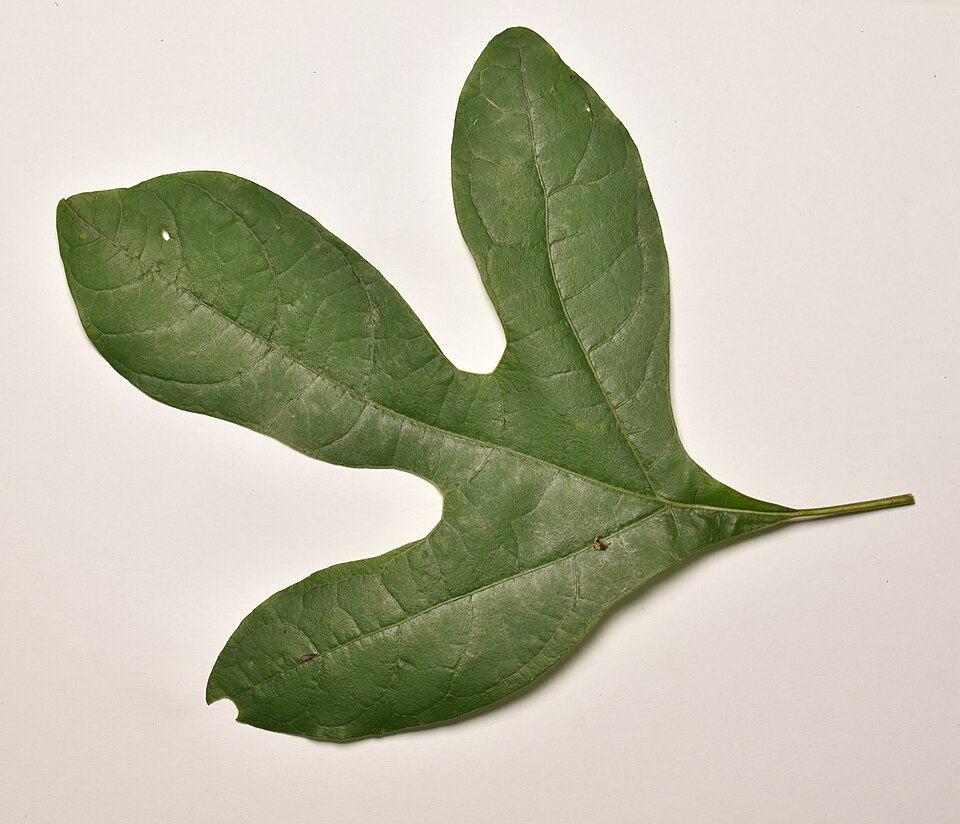
At a glance
- Life cycle
- Woody perennial
- Leaves
- Deciduous
- Bloom
- March to April
- Fruiting season
- June to July
Recorded in 38 Florida counties.
Natural habitats
Places it grows wild. Not a planting requirement. Each habitat page lists the plants and wildlife also found there.

Roadsides, fields and disturbed ground
Ground opened by people: roadsides, old fields, pastures, fencerows and lots.
Also found with this plant
Wildlife whose habitat models include habitats this plant grows in, in Florida. Shared habitat, not food. 105 animals.
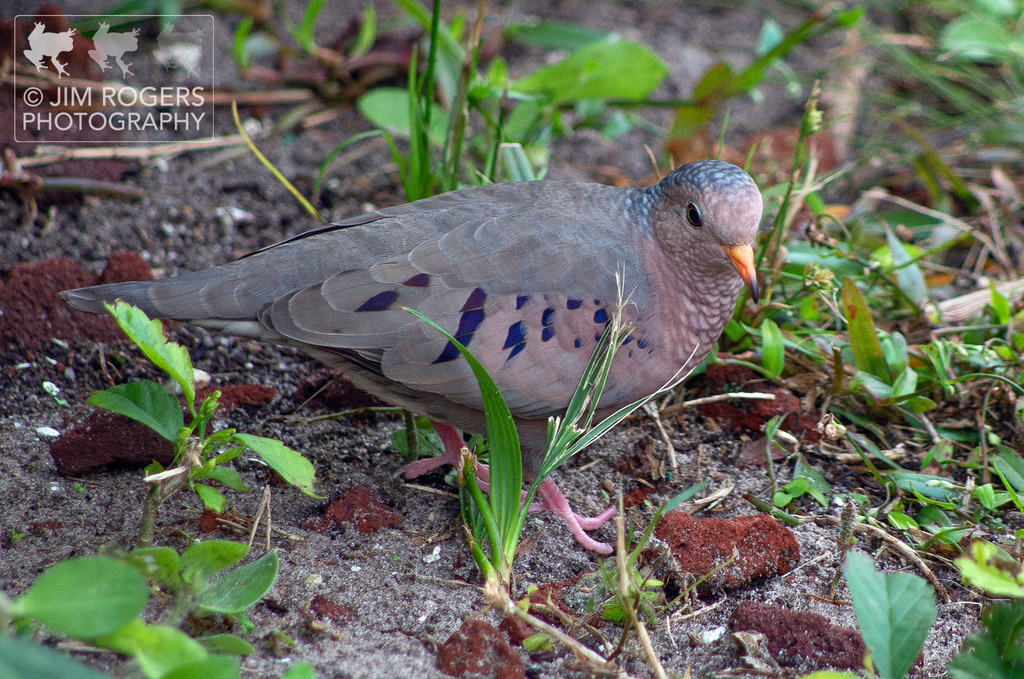
- Common Ground-doveColumbina passerina
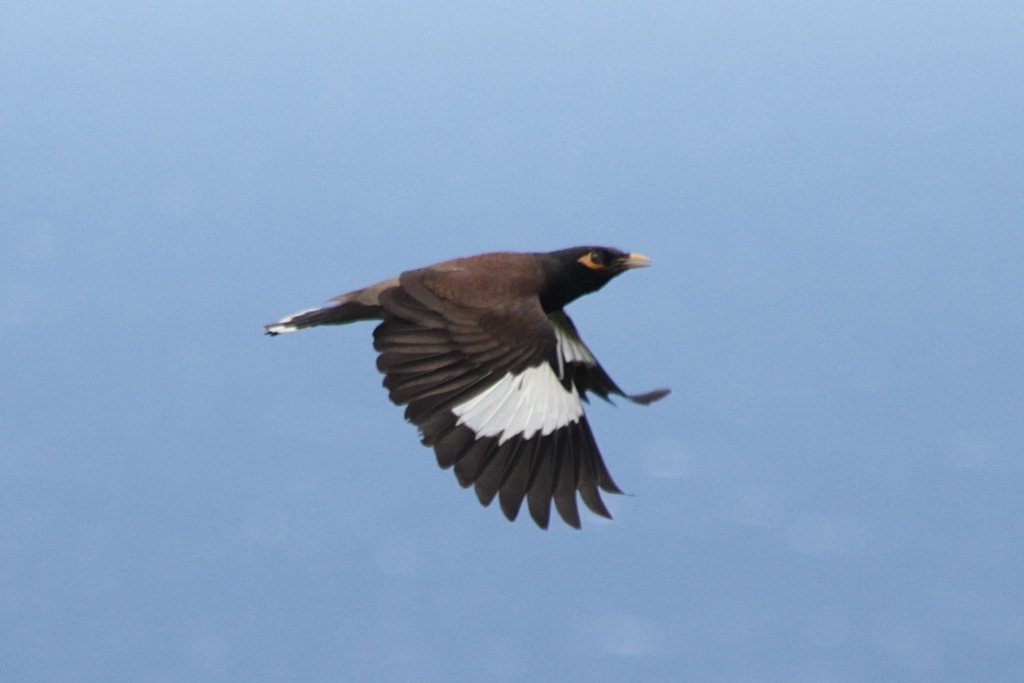
- Common MynaAcridotheres tristis
- Common YellowthroatGeothlypis trichas
- Dark-eyed JuncoJunco hyemalis
- Eastern PhoebeSayornis phoebe
- Gray CatbirdDumetella carolinensis
- Hooded WarblerWilsonia citrina
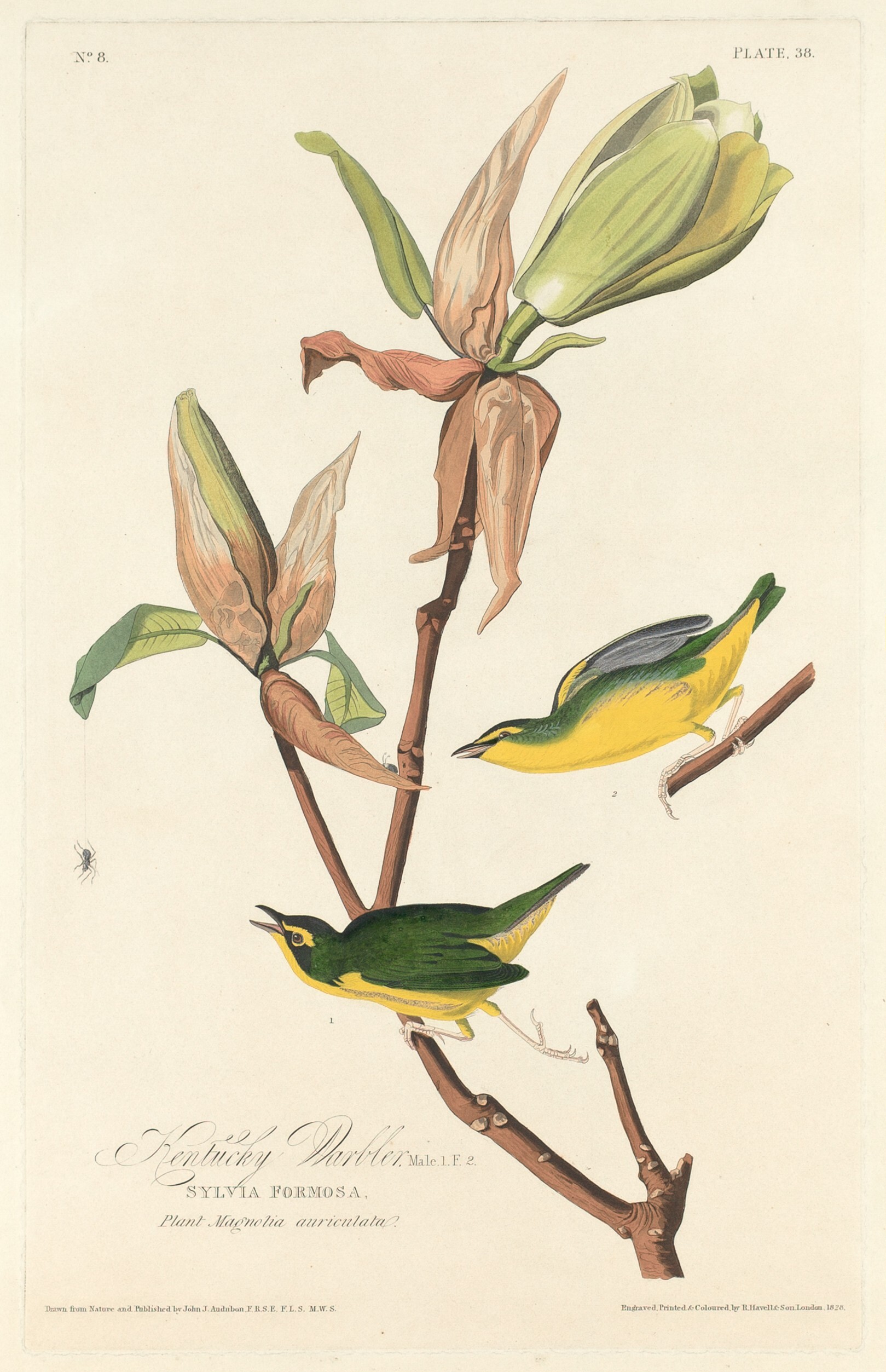
- Kentucky WarblerOporornis formosus
- Lincoln's SparrowMelospiza lincolnii
- Louisiana WaterthrushSeiurus motacilla
- Northern BobwhiteColinus virginianus
- Northern ParulaParula americana
- Orchard OrioleIcterus spurius
- OvenbirdSeiurus aurocapilla
- Pine WarblerDendroica pinus
- Prairie WarblerDendroica discolor
- Red-breasted NuthatchSitta canadensis
- Red-cockaded WoodpeckerPicoides borealis
- Red-shouldered HawkButeo lineatus
- Rusty BlackbirdEuphagus carolinus
- Scarlet TanagerPiranga olivacea
- Short-tailed HawkButeo brachyurus
- Spotted SandpiperActitis macularius
- Summer TanagerPiranga rubra











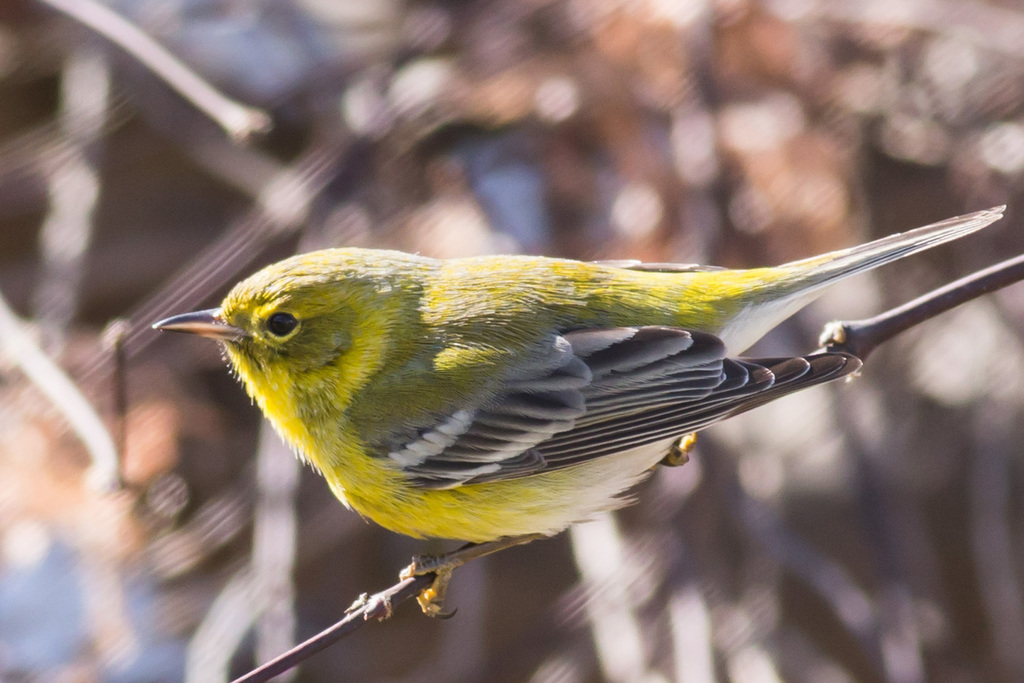


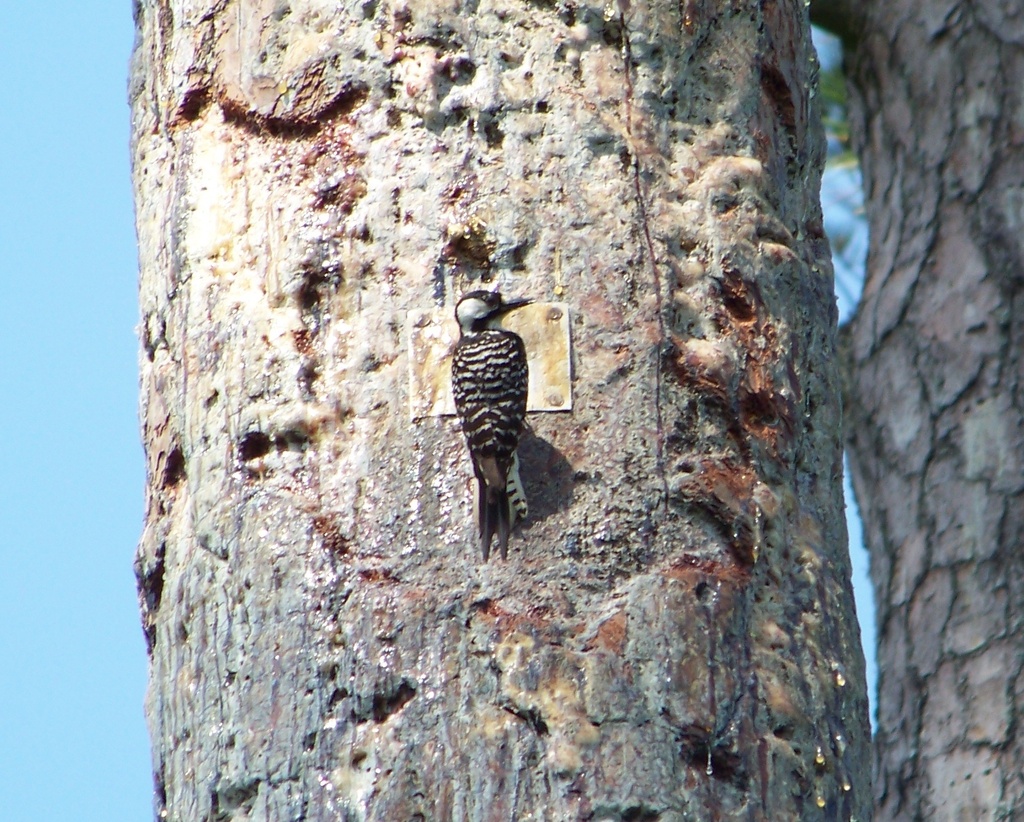



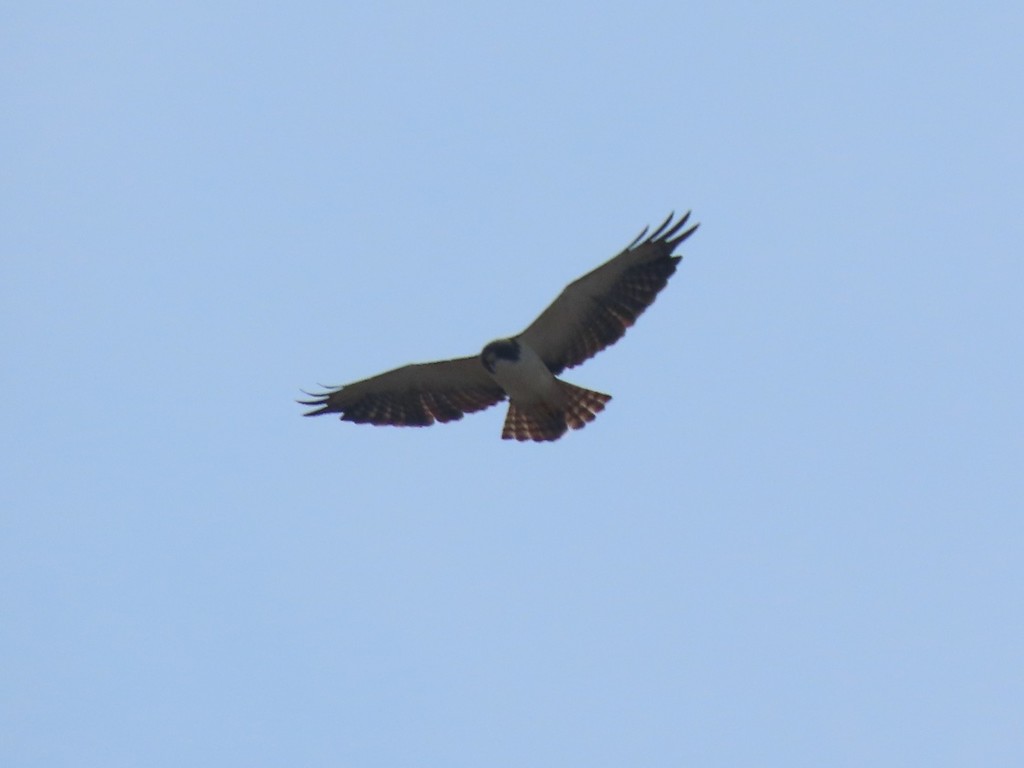

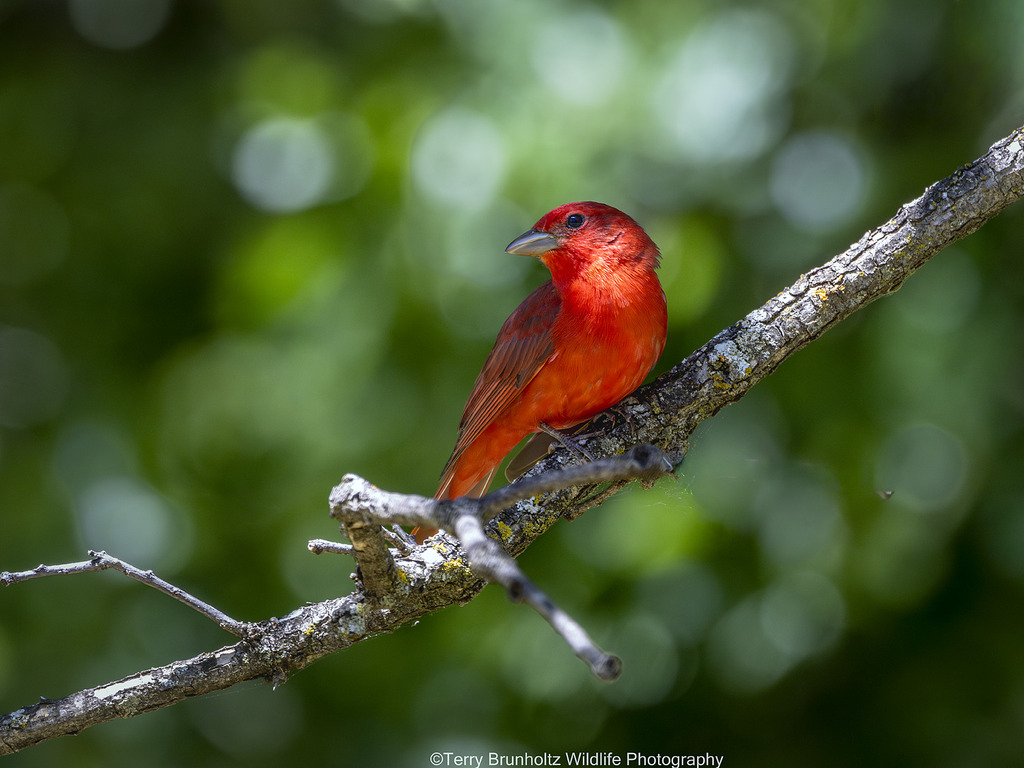

Who uses this plant?
 33CaterpillarsGenus host records with ranges including FL
Genus host records with ranges including FL · Sassafras
- Callosamia prometheaPromethea Moth
- Eacles imperialisImperial Moth
- Papilio troilusSpicebush Swallowtail
- Acharia stimuleaSaddleback Caterpillar Moth
- Acronicta impletaYellow-Haired Dagger
- Amorbia humerosanaWhite-Lined Leafroller Moth
- Antheraea polyphemusPolyphemus Moth
- Apatelodes torrefactaSpotted Apatelodes
- Archips georgianaFireworm, Georgia Leafroller
- Archips purpuranaOmnivorous Leafroller Moth
Show all 33
- Automeris ioIo Moth
- Callosamia anguliferaTulip-Tree Silkmoth
- Caloptilia sassafrasellaSassafras Leafminer, Sassafras Caloptilia
- Citheronia regalisRoyal Walnut Moth, Hickory Horned Devil
- Epimecis hortariaTulip-Tree Beauty
- Eutrapela clematariaCurved-Tooth Geometer, Purplish Brown Looper
- Helicoverpa zeaCorn Earworm Moth
- Herpetogramma thestealisZigzag Herpetogramma, Subtle-Feathered Grass Moth
- Hyalophora cecropiaCecropia Silkmoth, Cecropia Moth
- Hypagyrtis unipunctataOne-Spotted Variant
- Hyphantria cuneaFall Webworm
- Hypsoropha hormosSmall Necklace Moth
- Megalopyge crispataBlack-Waved Flannel Moth, Crinkled Flannel Moth
- Melanolophia canadariaCanadian Melanolphia, Variable Redmarked Looper
- Melanolophia signatariaSignate Melanolphia
- Orgyia leucostigmaWhite-Marked Tussock Moth
- Papilio glaucusEastern Tiger Swallowtail
- Papilio palamedesPalamedes Swallowtail
- Phaecasiophora niveiguttanaLabyrinth Moth
- Platynota flavedanaBlack-Shaded Platynota
- Tetracis cachexiataWhite Slant-Line
- Thyridopteryx ephemeraeformisEvergreen Bagworm Moth
- Cenopis saracana
 2BeesSoutheastern regional records
Southeastern regional records · Sassafras
Individual names are not available yet.
Noori, Seltmann & Orr 2026, A curated and integrated dataset for exploring global bee-plant interactions (GloBI), Zenodo, CC BY 4.0 0Specialist beesPollen specialists
 7BirdsRecorded genus food-resource interactions; not a state feeding claim
Recorded genus food-resource interactions; not a state feeding claim · Sassafras
- Aix sponsaWood Duck
- Catharus guttatusHermit Thrush
- Colinus virginianusNorthern Bobwhite
- Turdus migratoriusAmerican Robin
- Tyrannus tyrannusEastern Kingbird
- Vireo flavifronsYellow-throated Vireo
- Vireo olivaceusRed-eyed Vireo
Direct food only: birds recorded eating this genus across North America. Caterpillars on host plants also feed nesting birds. NC Native Plant Society: butterfly gardening
No records yet · Ants · Beetles · Flies · Adult butterflies / moths · Other wasps · Other insects
Plant details
- Family
- Lauraceae
- Hardiness
- Zones 4a–9b
- Soil pH
- Acidic to neutral
- Flower color
- Yellow or green
- Growth rate
- Moderate
- Growth habit
- Single stem
- Foliage color
- Green
- Fruit begins
- June
- Fruit ends
- July
Safety has not been reviewed for this plant; check toxicity and thorns before planting.
Growing sources and scope
- Bloom · “March to April” · Weakley, Flora of the Southeastern United States (2025), Carolinas & Georgia edition (ranked first; USDA PLANTS differs) · Carolinas and Georgia
- Flower color · “Yellow or green” · NC Extension Plant Toolbox (ranked first; USDA PLANTS differs)
- Foliage color · “Green” · USDA PLANTS · Nationwide species characteristics; local growing conditions may vary
- Fruit begins · “June” · Weakley, Flora of the Southeastern United States (2025), Carolinas & Georgia edition (ranked first; USDA PLANTS differs) · Carolinas and Georgia
- Fruit ends · “July” · Weakley, Flora of the Southeastern United States (2025), Carolinas & Georgia edition (ranked first; USDA PLANTS differs) · Carolinas and Georgia
- Growth habit · “Single stem” · USDA PLANTS · Nationwide species characteristics; local growing conditions may vary
- Growth rate · “Moderate” · USDA PLANTS · Nationwide species characteristics; local growing conditions may vary
- Hardiness · “Zones 4a–9b” · NC Extension Plant Toolbox
- Height · “30–60 feet” · NC Extension Plant Toolbox (ranked first; USDA PLANTS differs)
- Leaves · “Deciduous” · NC Extension Plant Toolbox
- Life cycle · “Woody perennial” · NC Extension Plant Toolbox
- Light · “Full sun (6 or more hours of direct sunlight a day); Partial shade (direct sunlight only part of the day, 2-6 hours)” · NC Extension Plant Toolbox (ranked first; Tennessee Smart Yards, Virginia DCR Piedmont, Virginia DCR Coastal Plain differ)
- Soil · “Moist; Occasionally dry” · NC Extension Plant Toolbox (ranked first; Tennessee Smart Yards, Virginia DCR Piedmont, Virginia DCR Coastal Plain differ)
- Soil pH · “Acidic to neutral” · NC Extension Plant Toolbox
- Spread · “25–40 feet” · NC Extension Plant Toolbox
Conservation status
| Florida rank | S4 |
|---|---|
| Global rank | G5 |
| FL status | Not verified |
| Federal status | Not verified |
Will it fit your yard?
Check this plant against your county, sun and soil moisture. Conditions are checked in your browser.
Sources
- Atlas of Florida Plants
- USDA PLANTS
- Vascular Plants of North Carolina (NC Natural Heritage Program)
- Weakley, Flora of the Southeastern United States (2025), South Central edition
- NatureServe Explorer
- Shropshire & Tallamy 2025, Lepidoptera of North America north of Mexico, ZooKeys 1261 (ODbL)
- Noori, Seltmann & Orr 2026, A curated and integrated dataset for exploring global bee-plant interactions (GloBI), Zenodo, CC BY 4.0
- Smith, Bachelder, Russell, Morales, Mosher & Seltmann 2024, Bee-Specialization-Modeling v0.6.1 (specialist host table compiled from J. Fowler's pollen specialist bee lists), Zenodo, CC BY 4.0
- Hurlbert, Olsen, Sawyer & Winner 2021, Avian Diet Database, Scientific Data 8: 260 (CC0)
- Narango, Tallamy & Shropshire 2020, Few keystone plant genera support the majority of Lepidoptera species, Nature Communications