

Cabbage Palmetto
Sabal palmetto
Found in maritime forests, marsh edges, and other near-coastal communities. Also a co-dominant in moist to wet hammocks further inland in peninsular FL. Weakley, Flora of the Southeastern United States (2025), Florida edition What its natural habitat tells you
Native to Florida. How scores work Is it native here?
Profile 94%
- Height
- 12–35 feet
- Spread
- 10–15 feet
- Light
- Full sun
- Soil moisture
- Usually moist
Space about 12.5 ft apart from its recorded spread. Enter your bed size for a count
Will it fit your yard?No photograph yet. Looking for an old drawing…
At a glance
- Leaves
- Evergreen
- Bloom
- July
- Fruiting season
- October to November
Not yet recorded · Life cycle
Recorded in 65 Florida counties.
Natural habitats
Places it grows wild. Not a planting requirement. Each habitat page lists the plants and wildlife also found there.
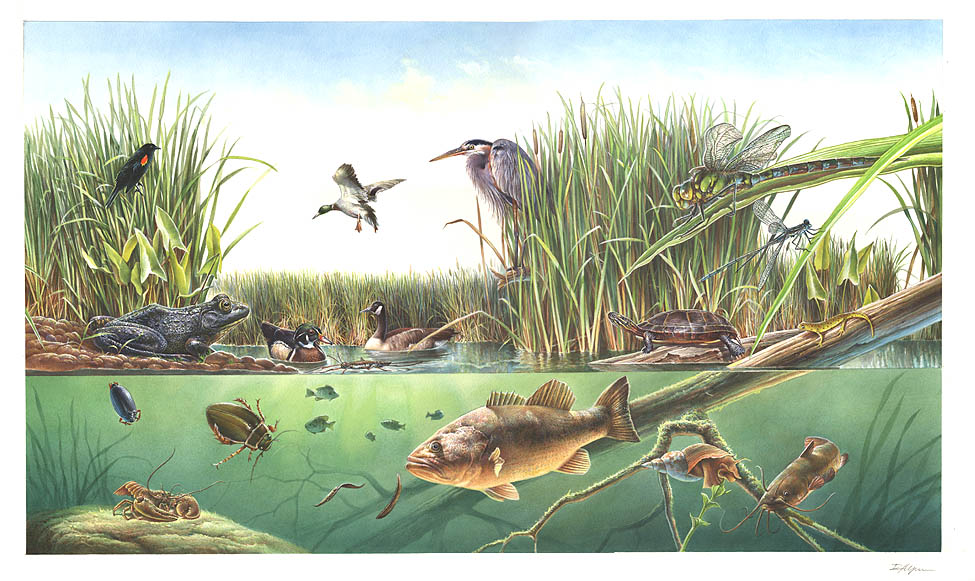
Salt-pruned forests and shrub thickets behind coastal dunes.
Dense, evergreen groves of live oak, magnolia and other hardwoods in the southern Coastal Plain, from dry oak domes to wet hydric hammocks and south Florida's tropical hammocks; salt-shaped maritime hammocks are maritime forests.
Also found with this plant
Wildlife whose habitat models include habitats this plant grows in, in Florida. Shared habitat, not food. 252 animals.
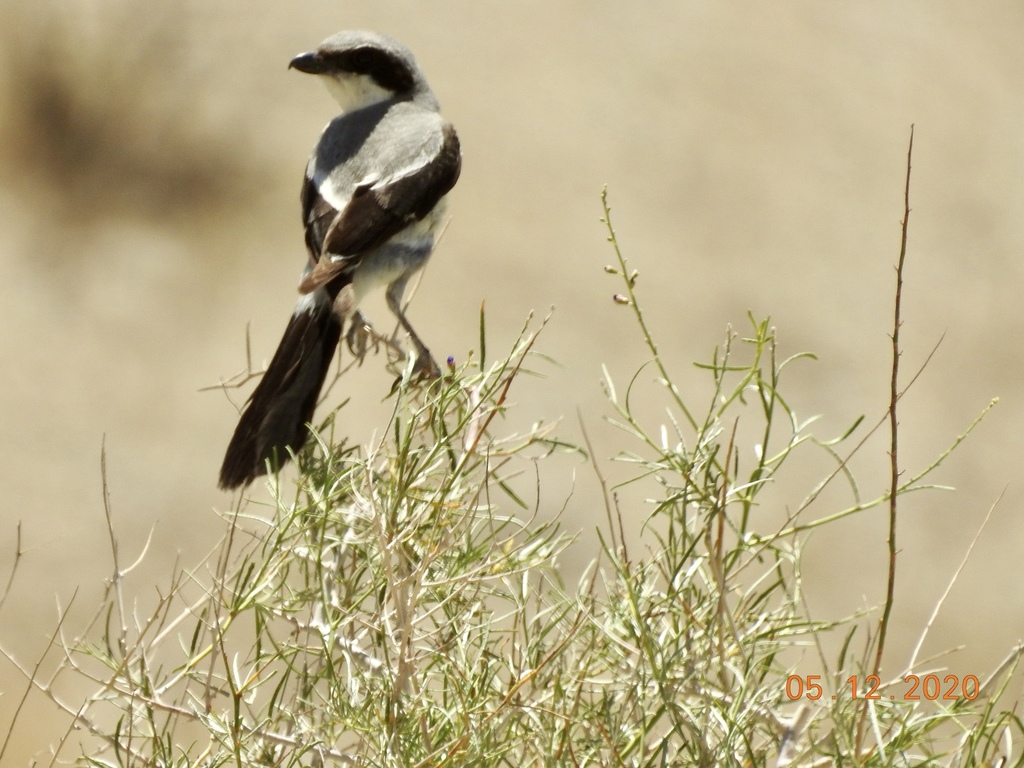
- Loggerhead ShrikeLanius ludovicianus
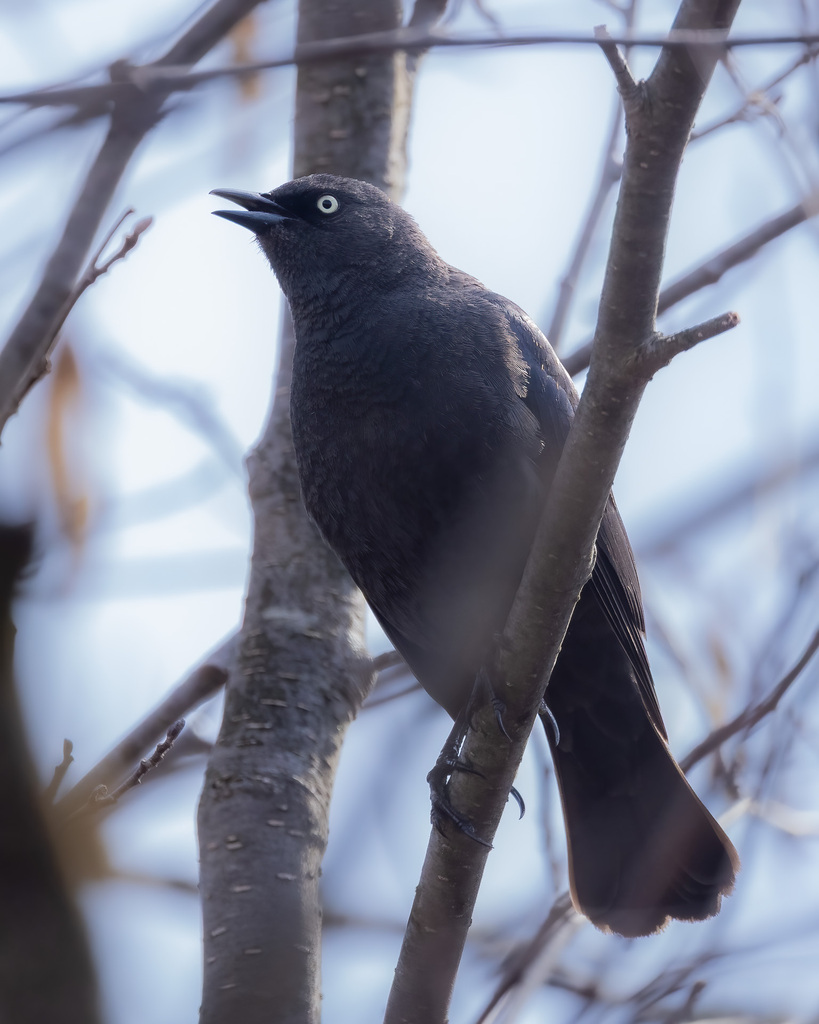
- Rusty BlackbirdEuphagus carolinus
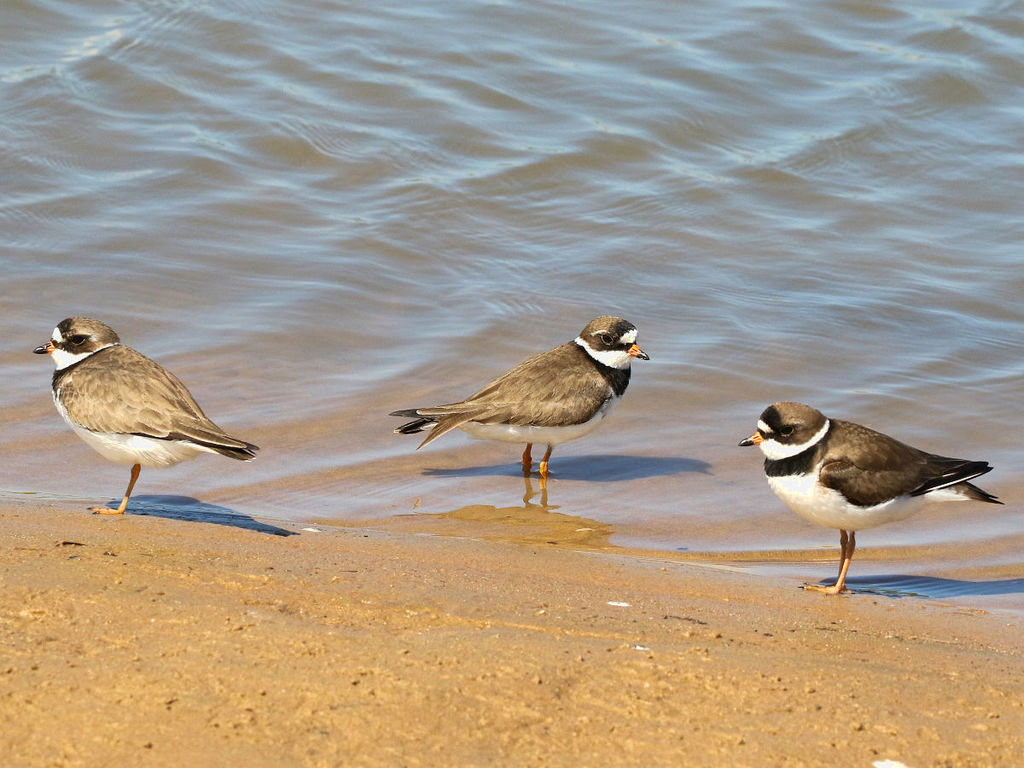
- Semipalmated PloverCharadrius semipalmatus
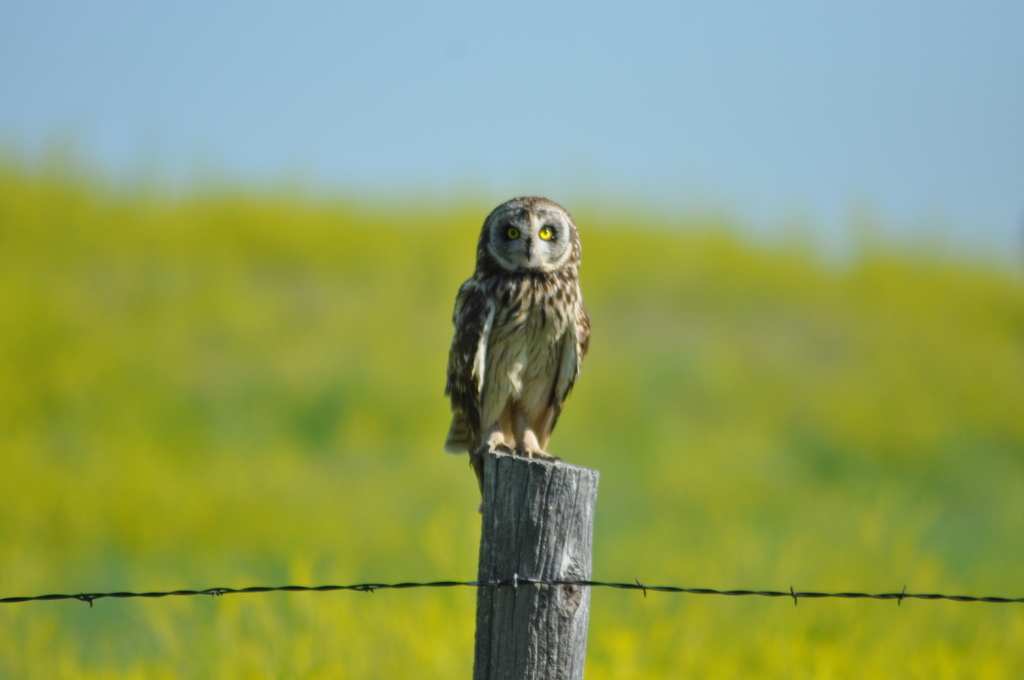
- Short-eared OwlAsio flammeus
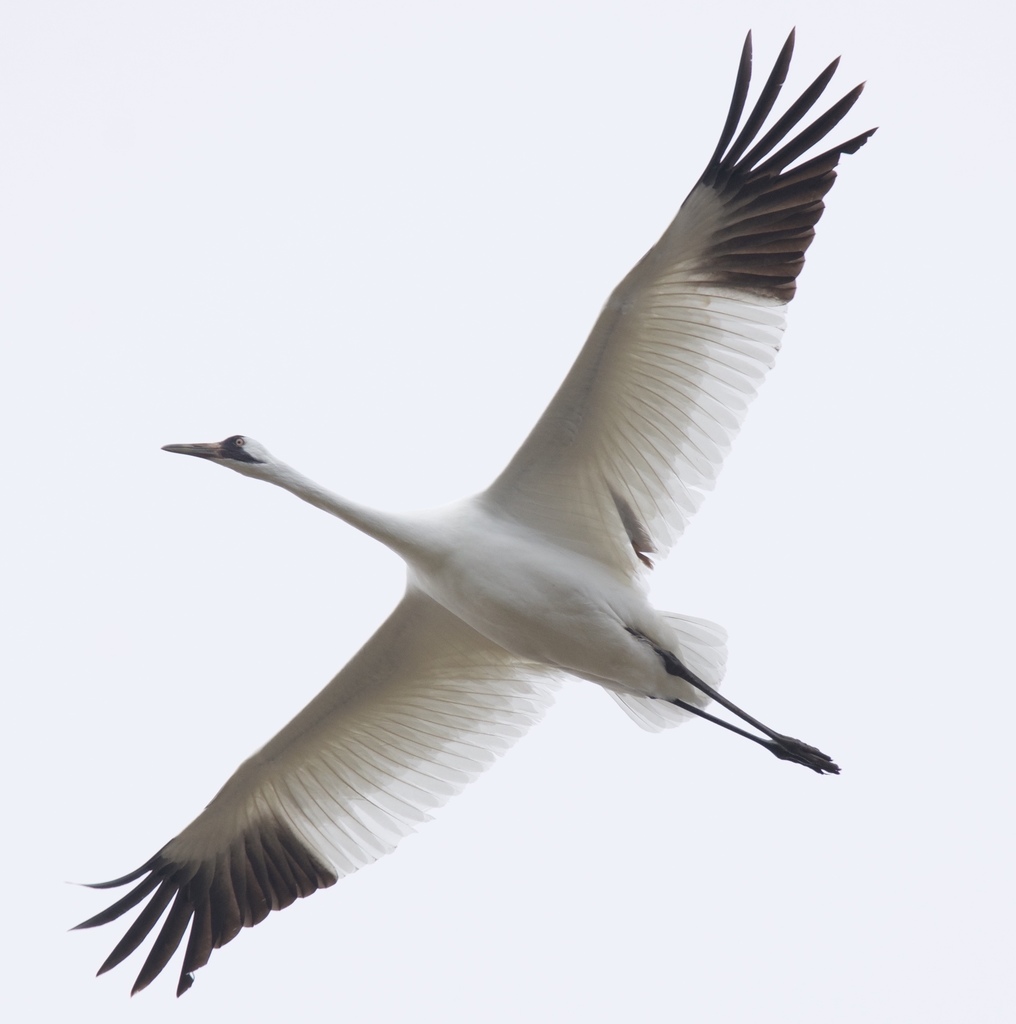
- Whooping CraneGrus americana
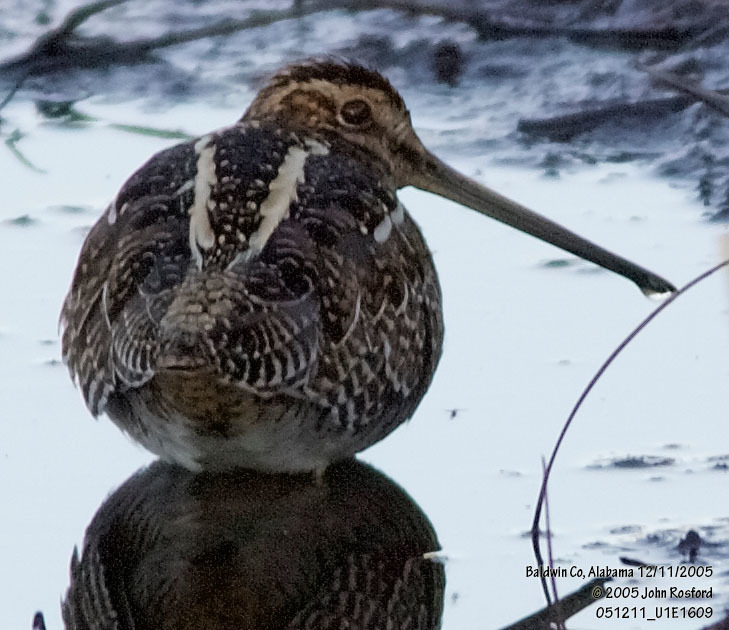
- Wilson's SnipeGallinago delicata
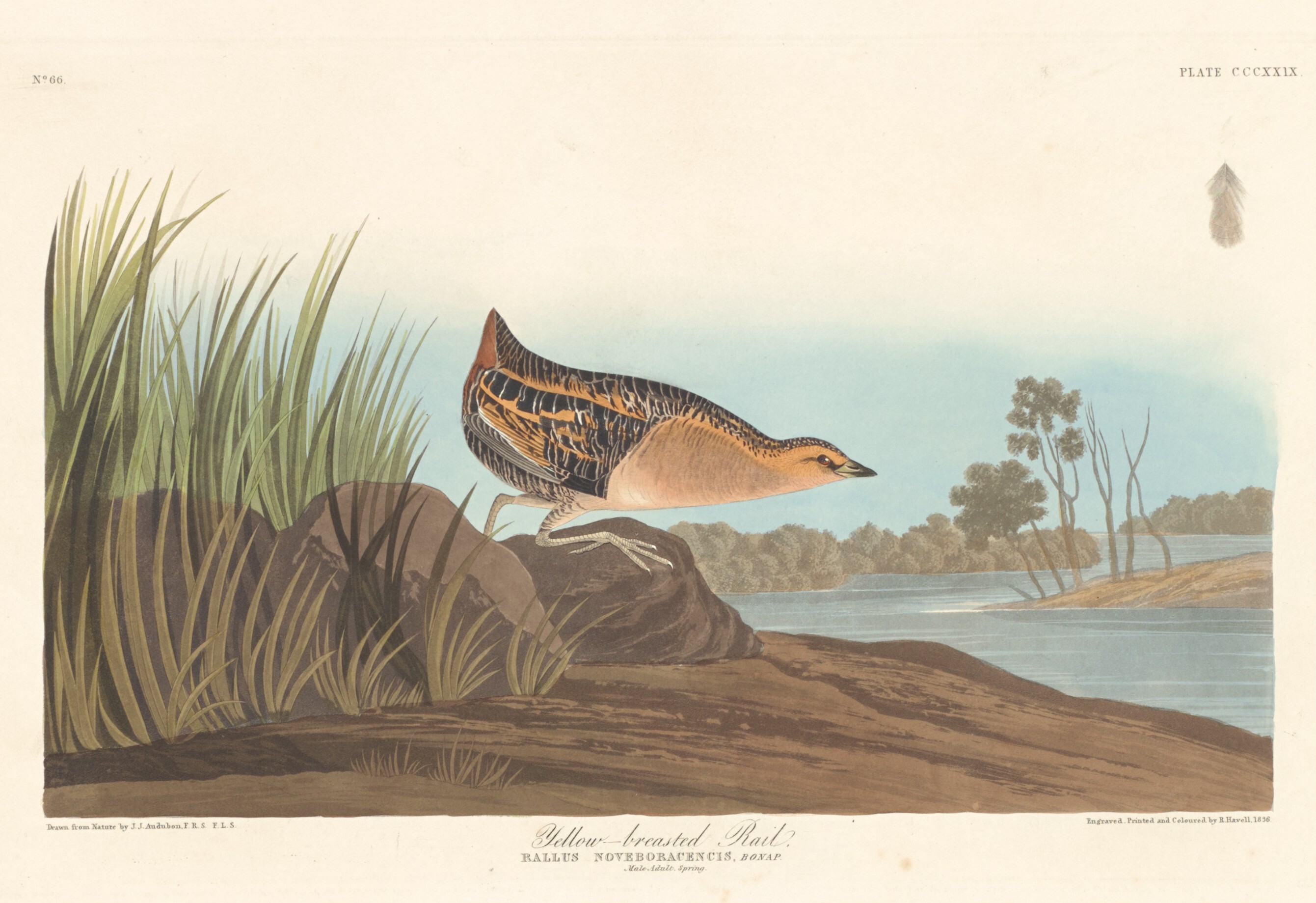
- Yellow RailCoturnicops noveboracensis
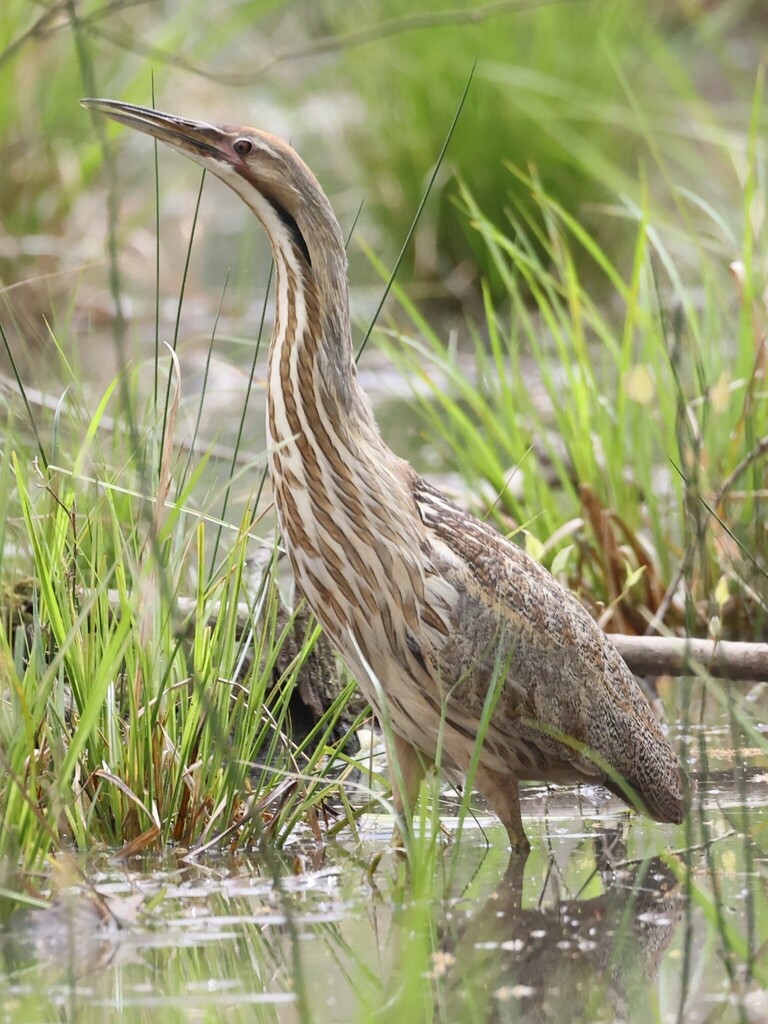
- American BitternBotaurus lentiginosus
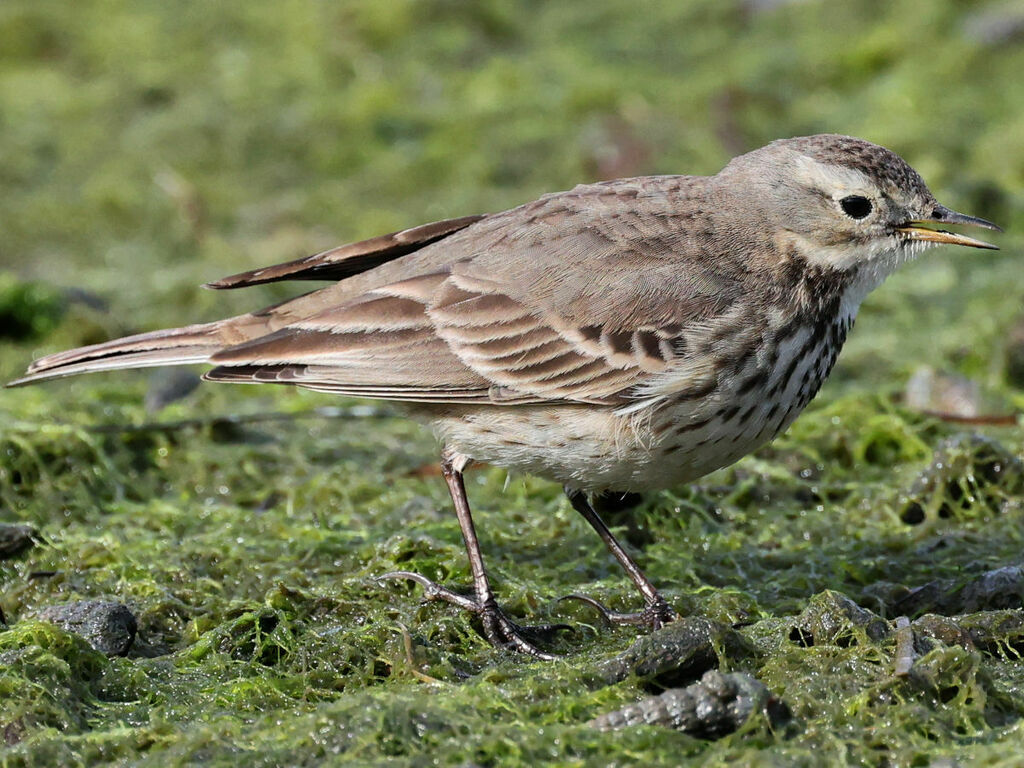
- American PipitAnthus rubescens
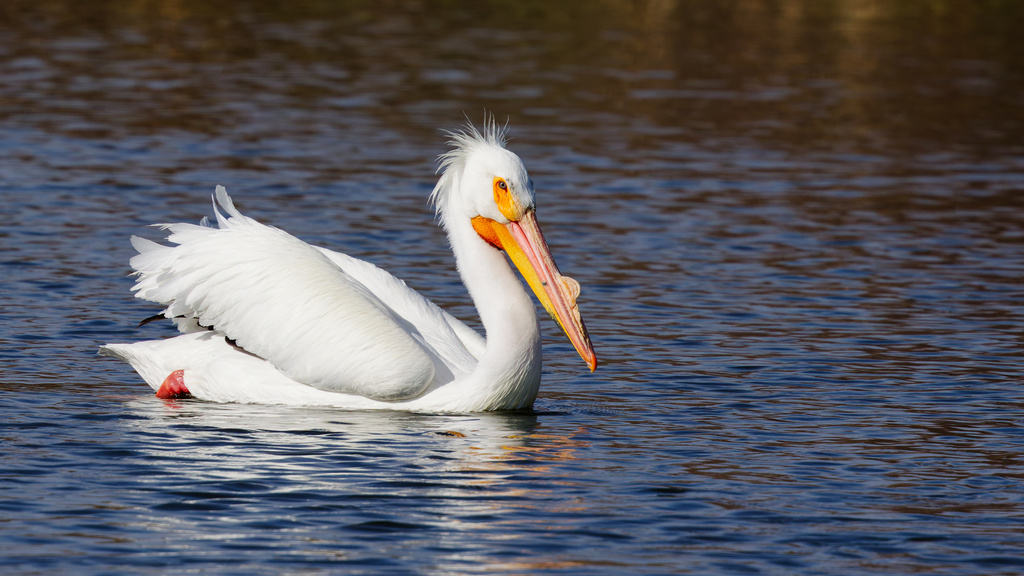
- American White PelicanPelecanus erythrorhynchos
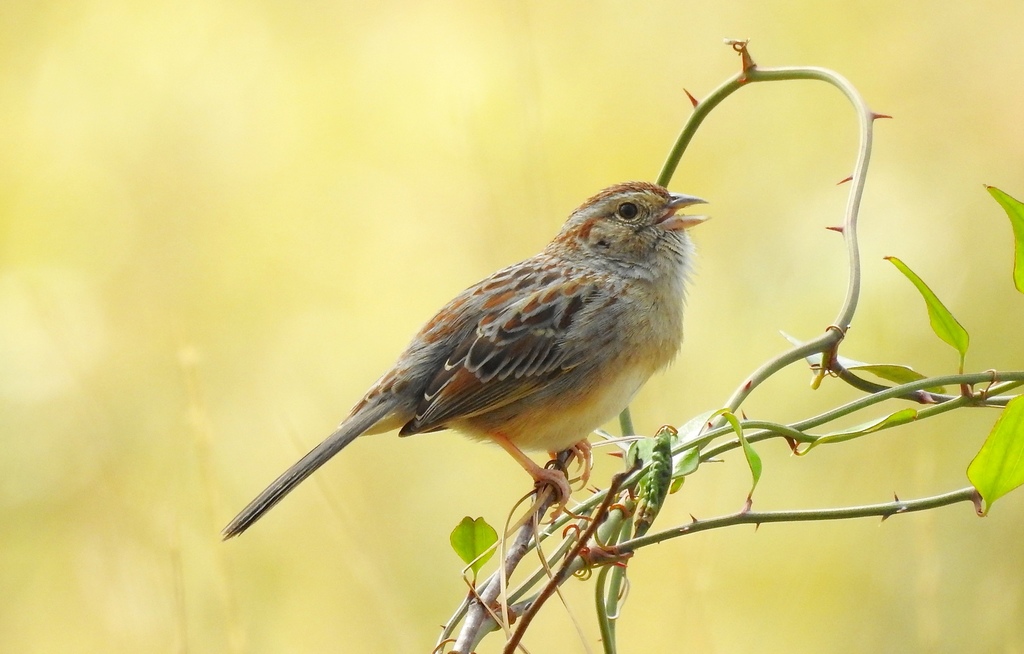
- Bachman's SparrowAimophila aestivalis
- Black-throated Blue WarblerDendroica caerulescens
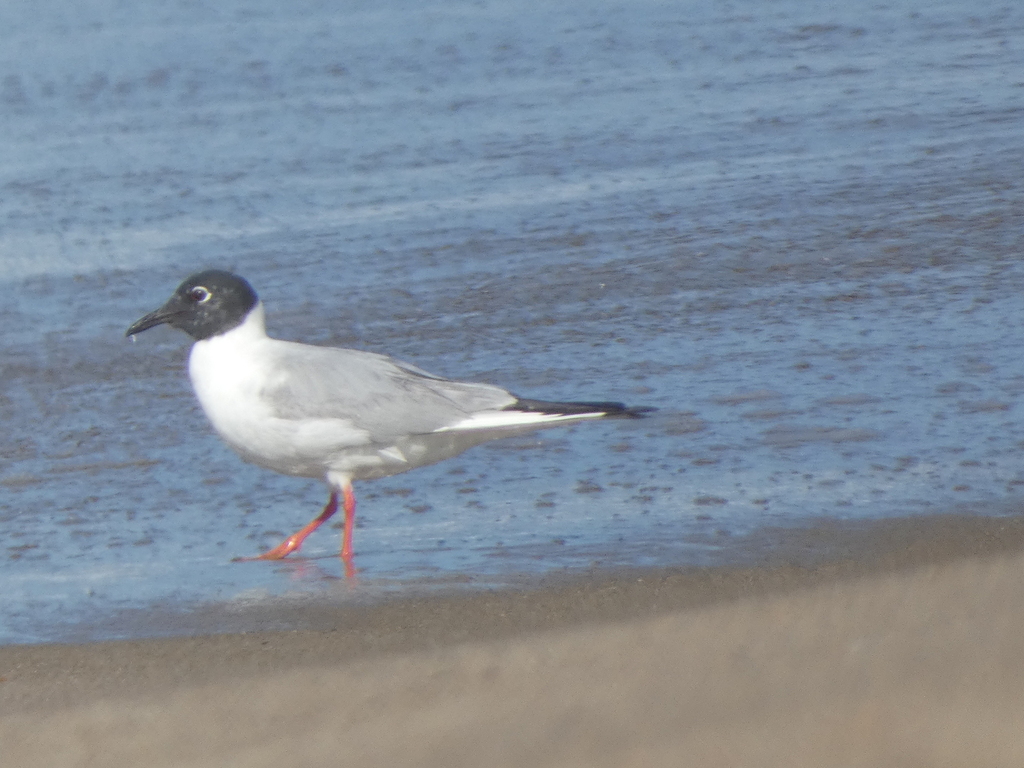
- Bonaparte's GullChroicocephalus philadelphia
- Broad-winged HawkButeo platypterus
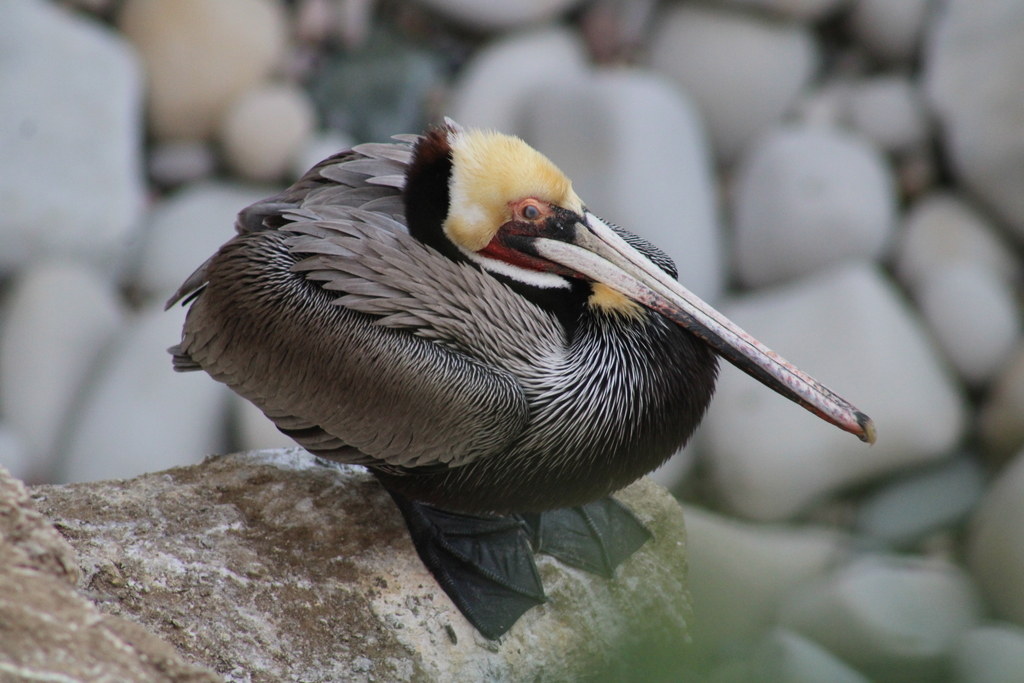
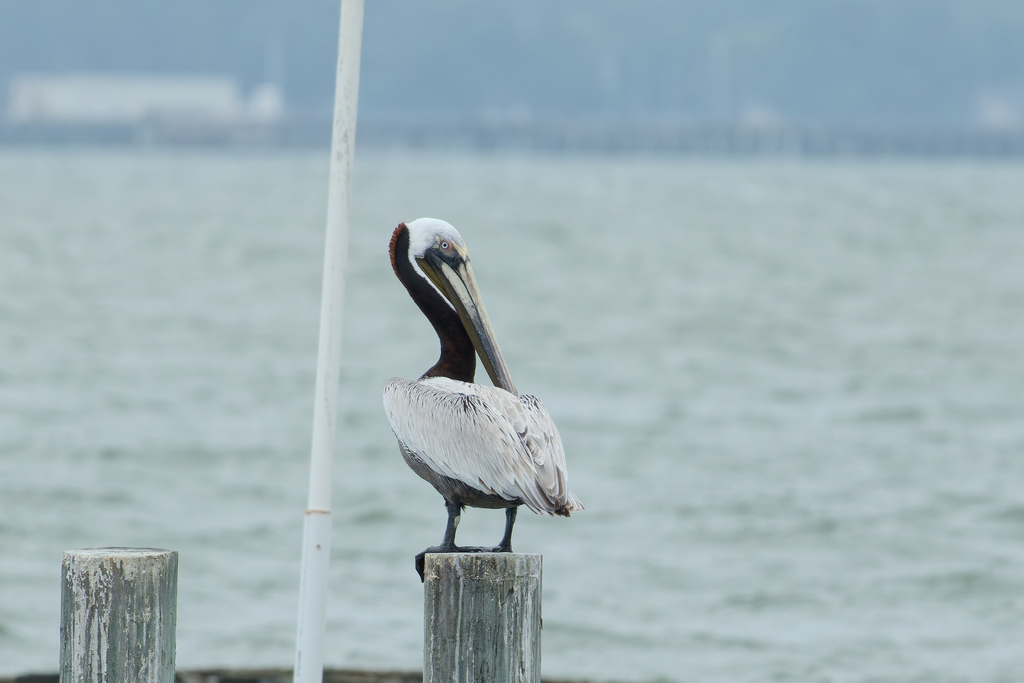
- Brown PelicanPelecanus occidentalis
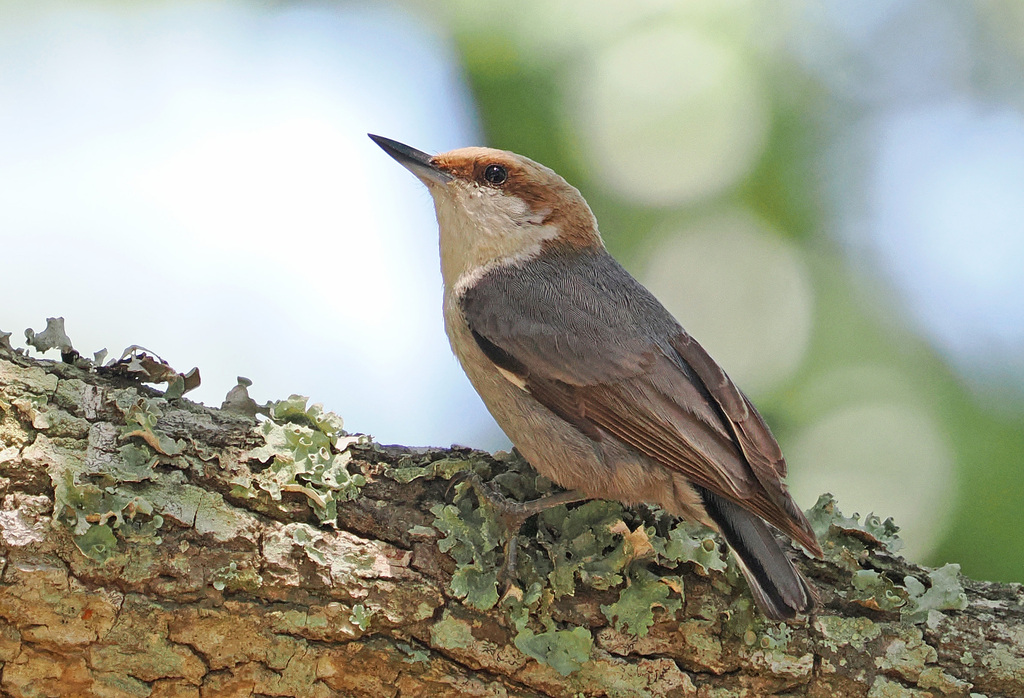
- Brown-headed NuthatchSitta pusilla
- CanvasbackAythya valisineria
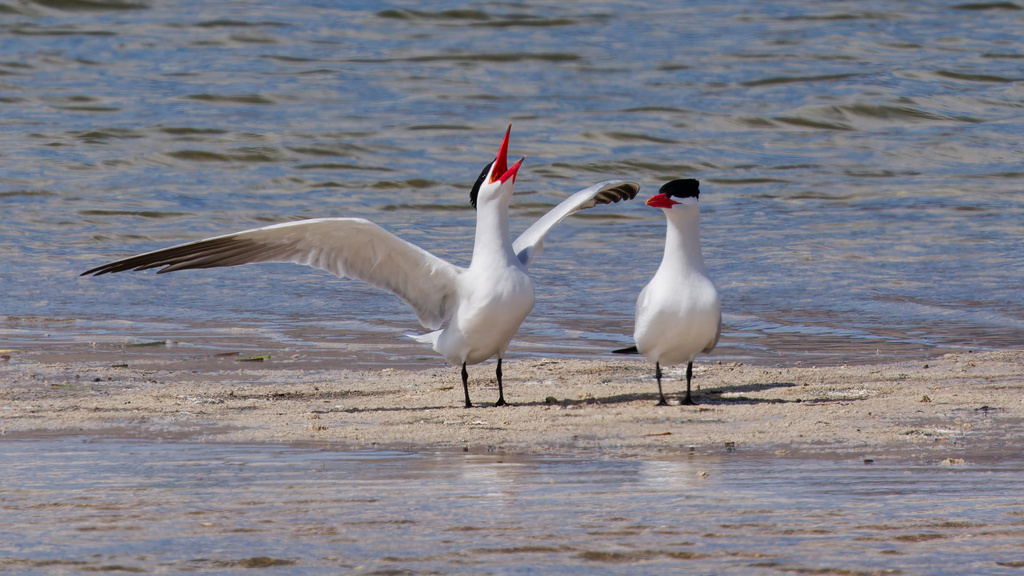
- Caspian TernHydroprogne caspia
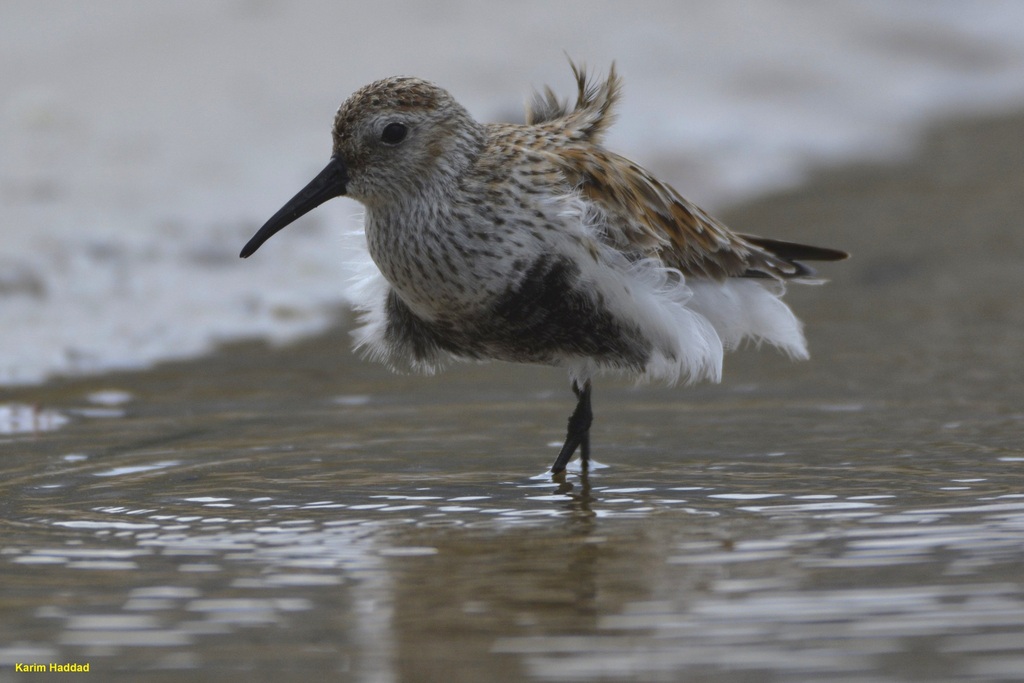
- DunlinCalidris alpina
- Eastern BluebirdSialia sialis
- Eastern Brown PelicanPelecanus occidentalis carolinensis
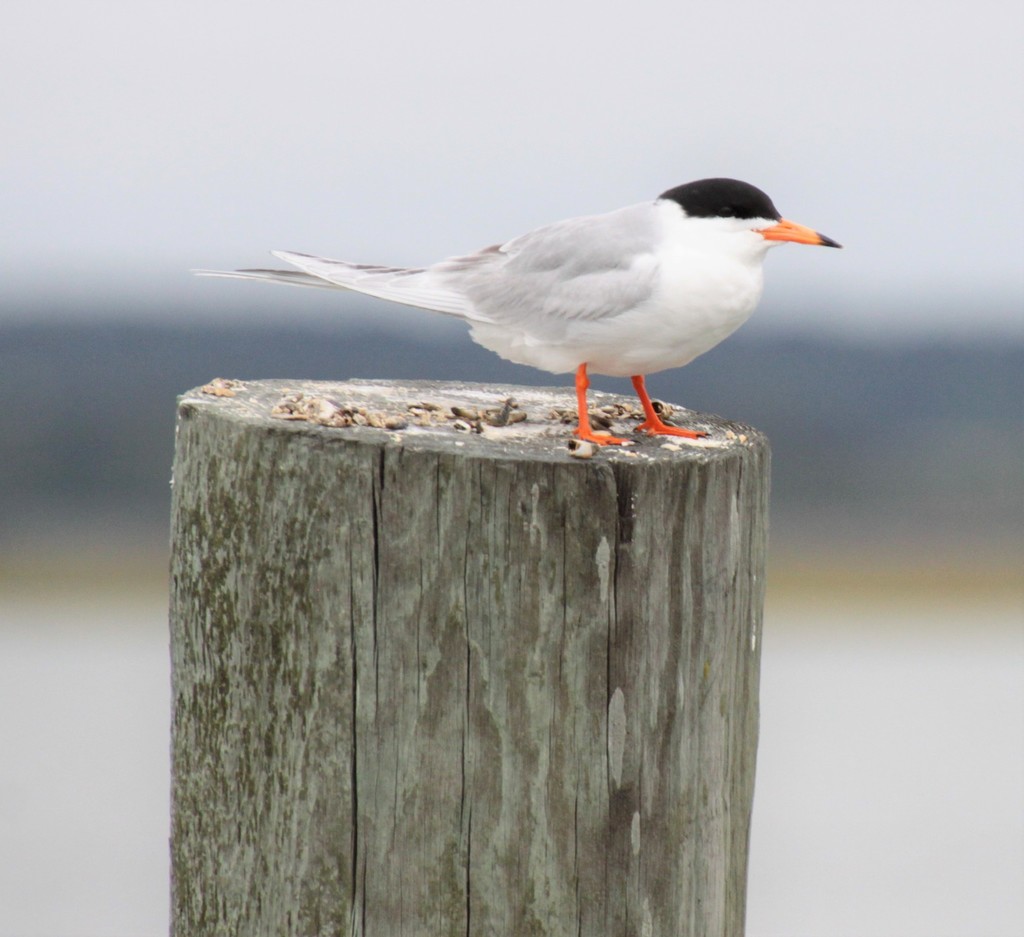
- Forster's TernSterna forsteri
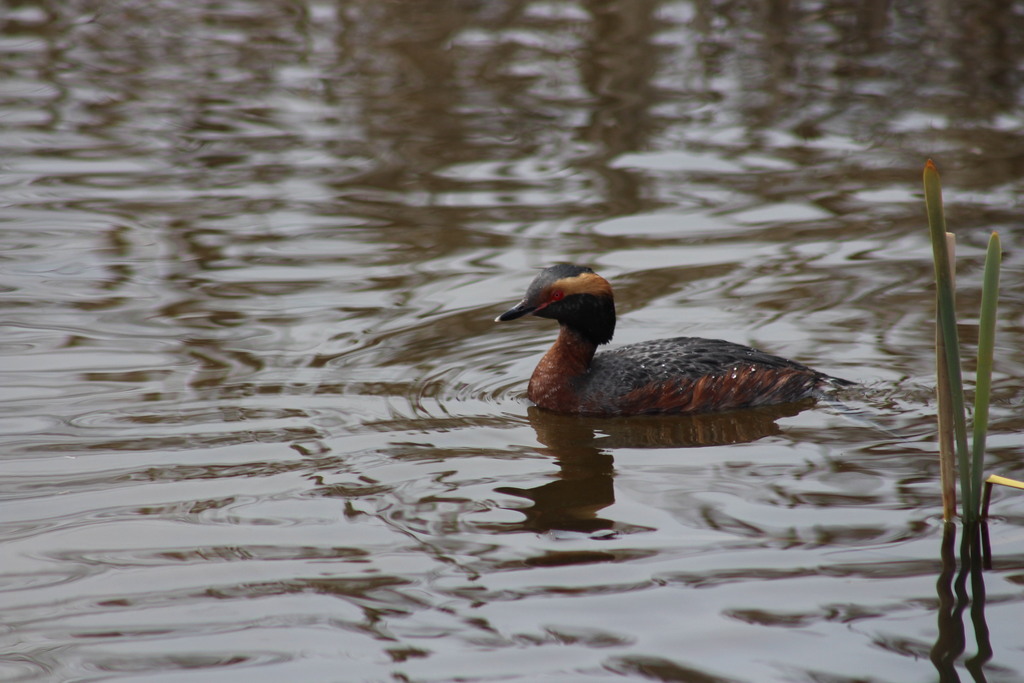
- Horned GrebePodiceps auritus
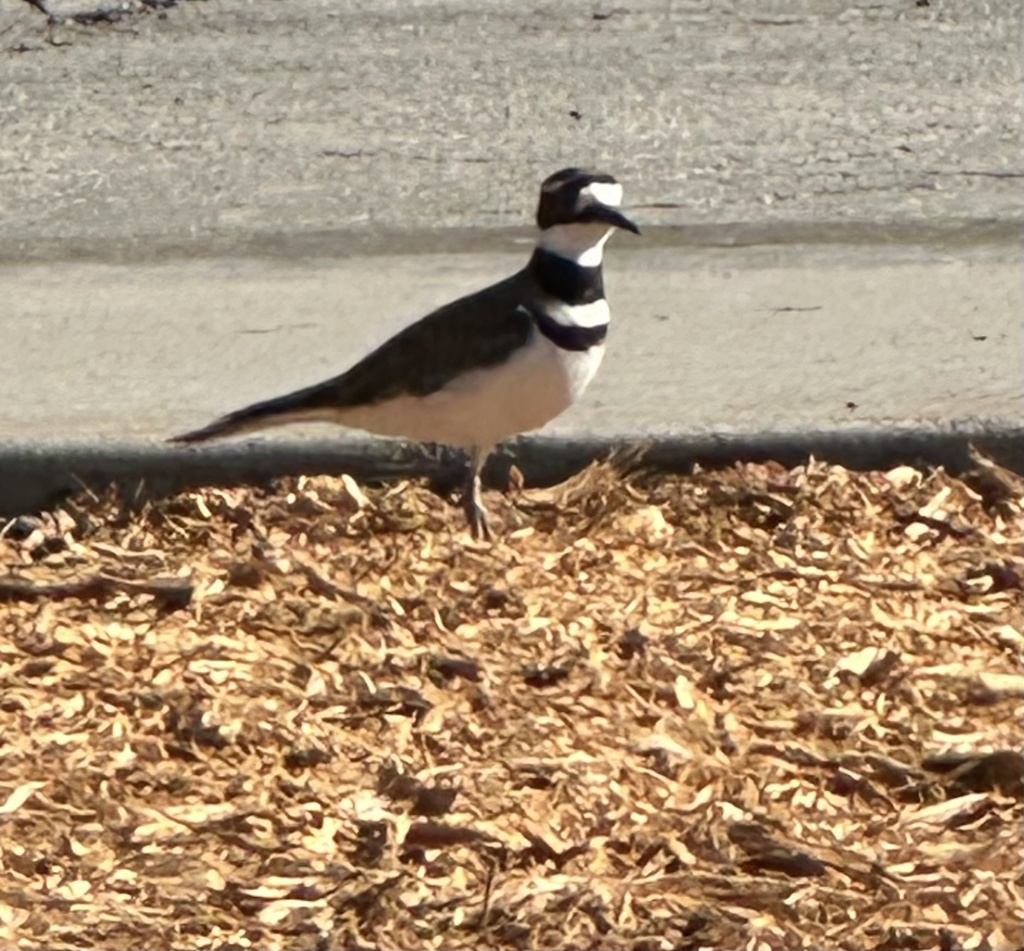
- KilldeerCharadrius vociferus




Who uses this plant?
 12CaterpillarsGenus host records with ranges including FL
Genus host records with ranges including FL · Sabal
- Atheloca subrufellaPalm Bud Moth
- Automeris ioIo Moth
- Erechthias minusculaCaribbean Scavenger Moth
- Euphyes arpaPalmetto Skipper
- Homaledra heptathalamaExclamation Moth
- Homaledra sabalellaPalm Leaf Skeletonizer
- Litoprosopus futilisCabbage Palm Caterpillar, Palmetto Borer
- Seirarctia echoEcho Moth
- Strymon melinusGray Hairstreak
- Homaledra howardi
Show all 12
- Homaledra knudsoni
- Phormoestes palmettovora
 30BeesSoutheastern regional records
Southeastern regional records · Sabal
Individual names are not available yet.
Noori, Seltmann & Orr 2026, A curated and integrated dataset for exploring global bee-plant interactions (GloBI), Zenodo, CC BY 4.0 0Specialist beesPollen specialists
 1BirdsRecorded genus food-resource interactions; not a state feeding claim
Recorded genus food-resource interactions; not a state feeding claim · Sabal
- Meleagris gallopavoWild Turkey
Direct food only: birds recorded eating this genus across North America. Caterpillars on host plants also feed nesting birds. NC Native Plant Society: butterfly gardening
No records yet · Ants · Beetles · Flies · Adult butterflies / moths · Other wasps · Other insects
Plant details
- Family
- Arecaceae
- Hardiness
- Zones 7b–11b
- Soil pH
- Acidic to alkaline
- Flower color
- Cream or white
- Growth rate
- Slow
- Growth habit
- Single stem
- Foliage color
- Gray-green
- Fruit begins
- October
- Fruit ends
- November
Safety has not been reviewed for this plant; check toxicity and thorns before planting.
Growing sources and scope
- Bloom · “July” · Weakley, Flora of the Southeastern United States (2025), Carolinas & Georgia edition (ranked first; USDA PLANTS differs) · Carolinas and Georgia
- Flower color · “Cream or white” · NC Extension Plant Toolbox (ranked first; USDA PLANTS differs)
- Foliage color · “Gray-green” · USDA PLANTS · Nationwide species characteristics; local growing conditions may vary
- Fruit begins · “October” · Weakley, Flora of the Southeastern United States (2025), Carolinas & Georgia edition (ranked first; USDA PLANTS differs) · Carolinas and Georgia
- Fruit ends · “November” · Weakley, Flora of the Southeastern United States (2025), Carolinas & Georgia edition (ranked first; USDA PLANTS differs) · Carolinas and Georgia
- Growth habit · “Single stem” · USDA PLANTS · Nationwide species characteristics; local growing conditions may vary
- Growth rate · “Slow” · USDA PLANTS · Nationwide species characteristics; local growing conditions may vary
- Hardiness · “Zones 7b–11b” · NC Extension Plant Toolbox
- Height · “12–35 feet” · NC Extension Plant Toolbox (ranked first; USDA PLANTS differs)
- Leaves · “Evergreen” · NC Extension Plant Toolbox
- Light · “Full sun (6 or more hours of direct sunlight a day)” · NC Extension Plant Toolbox
- primary_flower_color · “white” · USDA PLANTS
- Soil · “Moist; Occasionally wet” · NC Extension Plant Toolbox
- Soil pH · “Acidic to alkaline” · NC Extension Plant Toolbox
- Spread · “10–15 feet” · NC Extension Plant Toolbox
Conservation status
| Florida rank | S5 |
|---|---|
| Global rank | G5 |
| FL status | Not verified |
| Federal status | Not verified |
Will it fit your yard?
Check this plant against your county, sun and soil moisture. Conditions are checked in your browser.
Sources
- Atlas of Florida Plants
- USDA PLANTS
- Vascular Plants of North Carolina (NC Natural Heritage Program)
- Weakley, Flora of the Southeastern United States (2025)
- NatureServe Explorer
- Shropshire & Tallamy 2025, Lepidoptera of North America north of Mexico, ZooKeys 1261 (ODbL)
- Noori, Seltmann & Orr 2026, A curated and integrated dataset for exploring global bee-plant interactions (GloBI), Zenodo, CC BY 4.0
- Smith, Bachelder, Russell, Morales, Mosher & Seltmann 2024, Bee-Specialization-Modeling v0.6.1 (specialist host table compiled from J. Fowler's pollen specialist bee lists), Zenodo, CC BY 4.0
- Hurlbert, Olsen, Sawyer & Winner 2021, Avian Diet Database, Scientific Data 8: 260 (CC0)
- Narango, Tallamy & Shropshire 2020, Few keystone plant genera support the majority of Lepidoptera species, Nature Communications