

Swamp Dock
Rumex verticillatus
Found in tidal freshwater marshes and swamps, but also inland in disturbed areas. Weakley, Flora of the Southeastern United States (2025), Florida edition What its natural habitat tells you
Native to Florida. How scores work Is it native here?
Profile 94%
- Height
- 1 foot 4 inches–3 feet 4 inches
- Light
- Partial shade, Full sun
- Soil moisture
- Moist to standing water
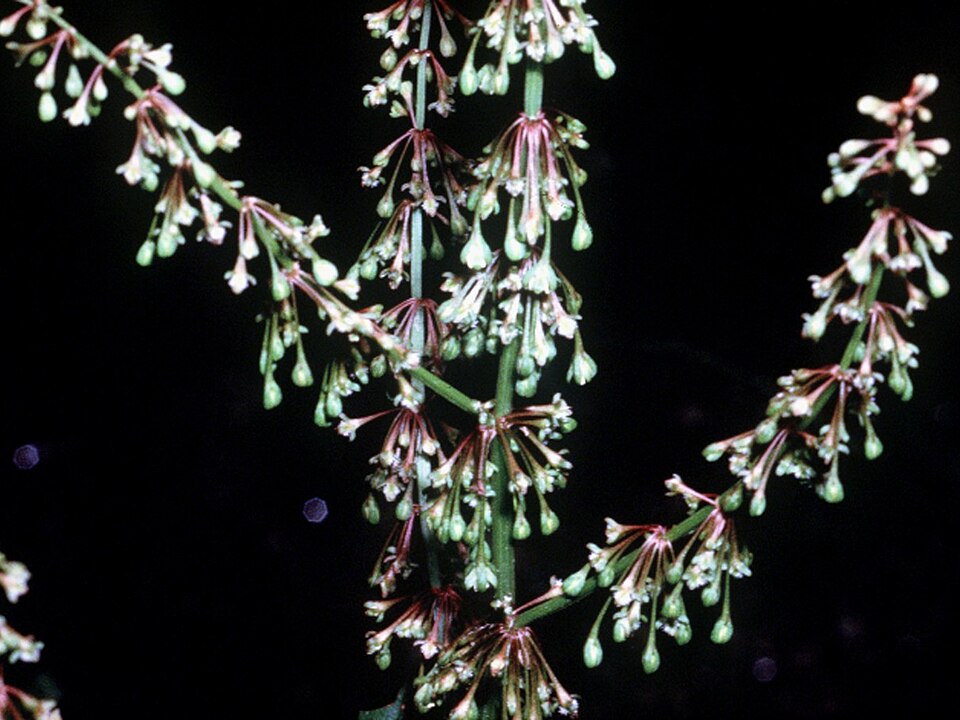
At a glance
- Life cycle
- Perennial
- Bloom
- April to June
- Fruiting season
- May to July
Not yet recorded · Spread · Leaves
Recorded in 51 Florida counties.
Natural habitats
Places it grows wild. Not a planting requirement. Each habitat page lists the plants and wildlife also found there.

Marshes along tidal rivers where the water is fresh but rises and falls with the tide.
Roadsides, fields and disturbed ground
Ground opened by people: roadsides, old fields, pastures, fencerows and lots.
Also found with this plant
Wildlife whose habitat models include habitats this plant grows in, in Florida. Shared habitat, not food. 100 animals.
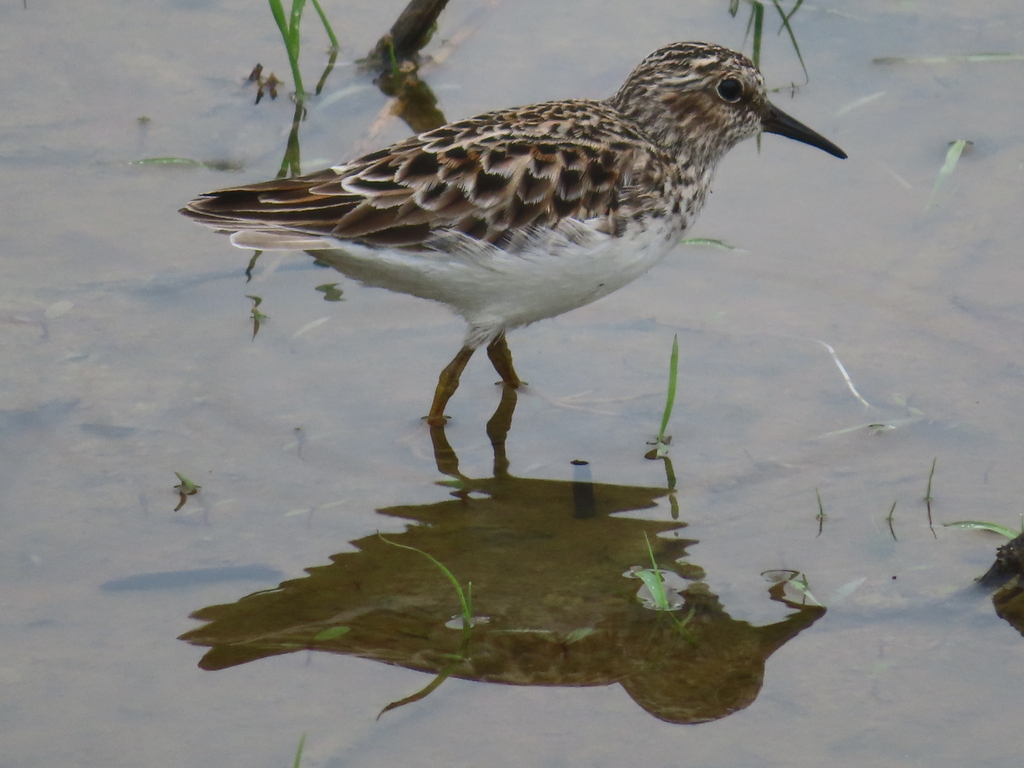
- Least SandpiperCalidris minutilla
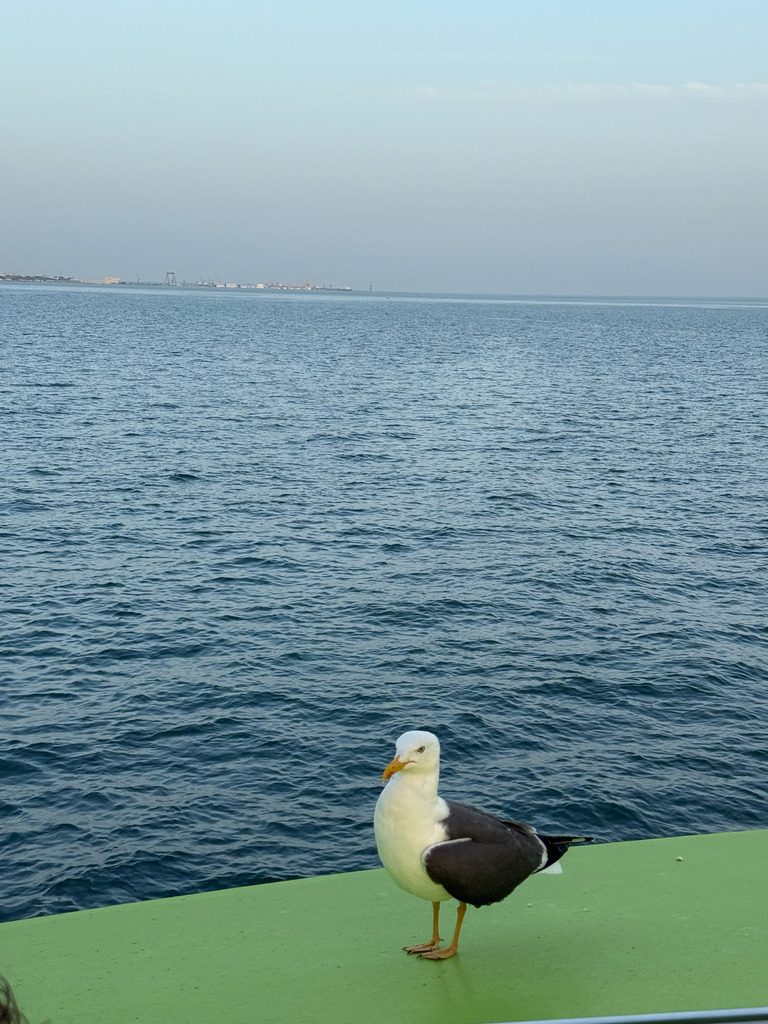
- Lesser Black-backed GullLarus fuscus
- Lesser ScaupAythya affinis
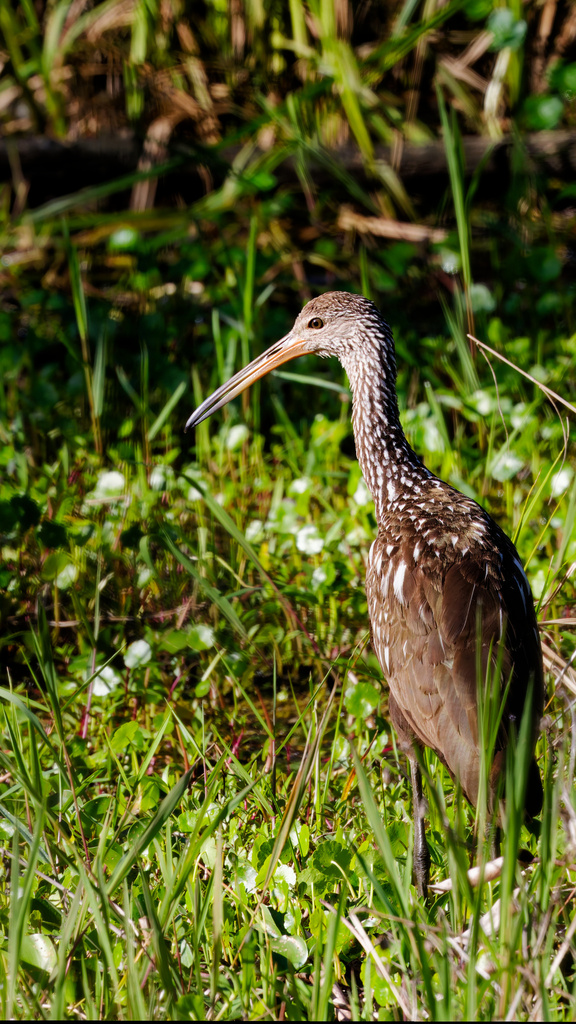
- LimpkinAramus guarauna
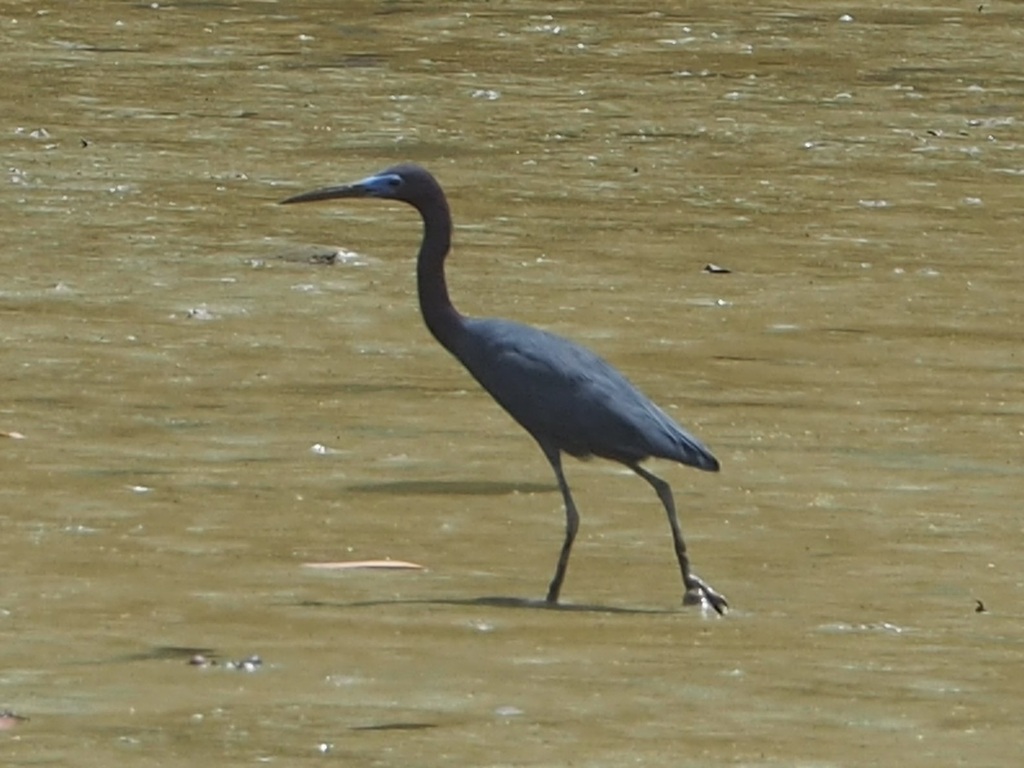
- Little Blue HeronEgretta caerulea
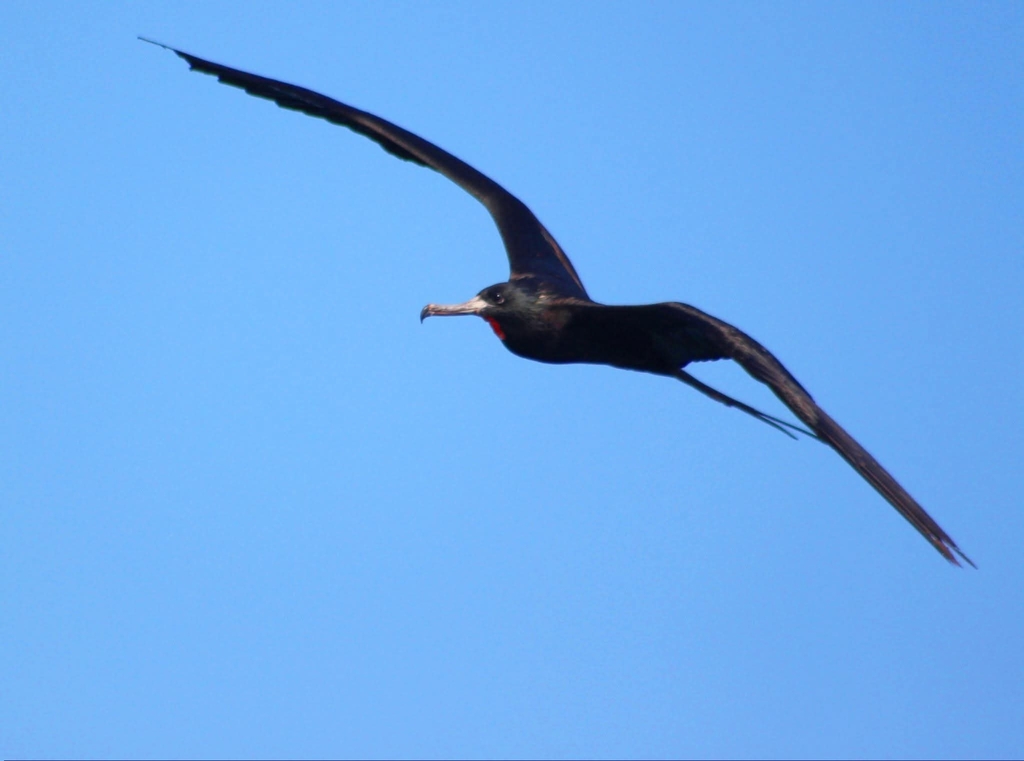
- Magnificent FrigatebirdFregata magnificens
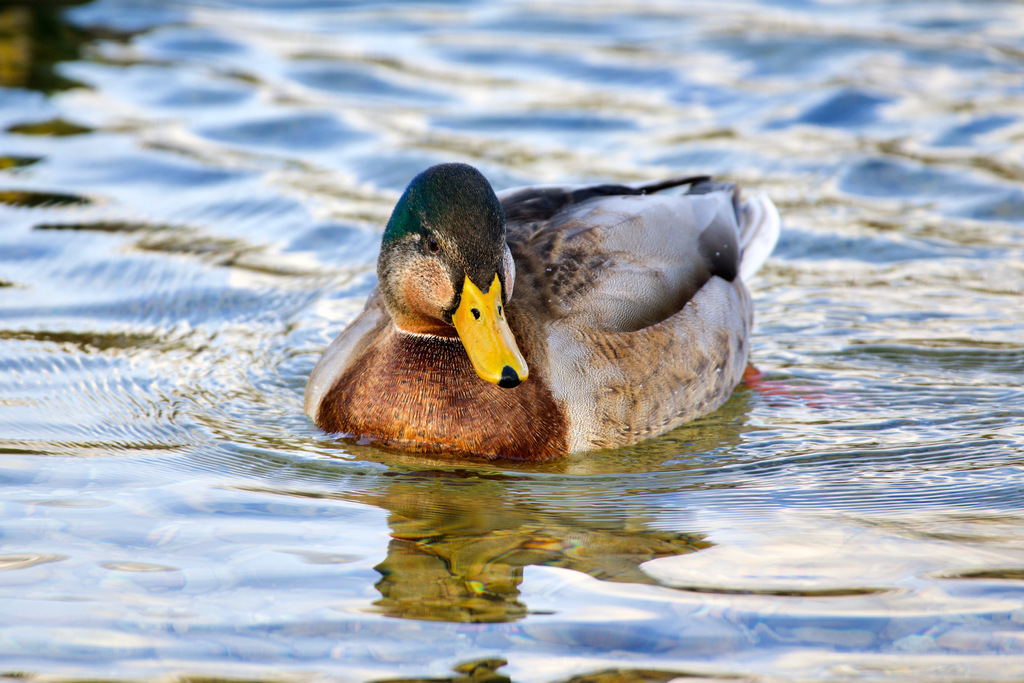
- MallardAnas platyrhynchos
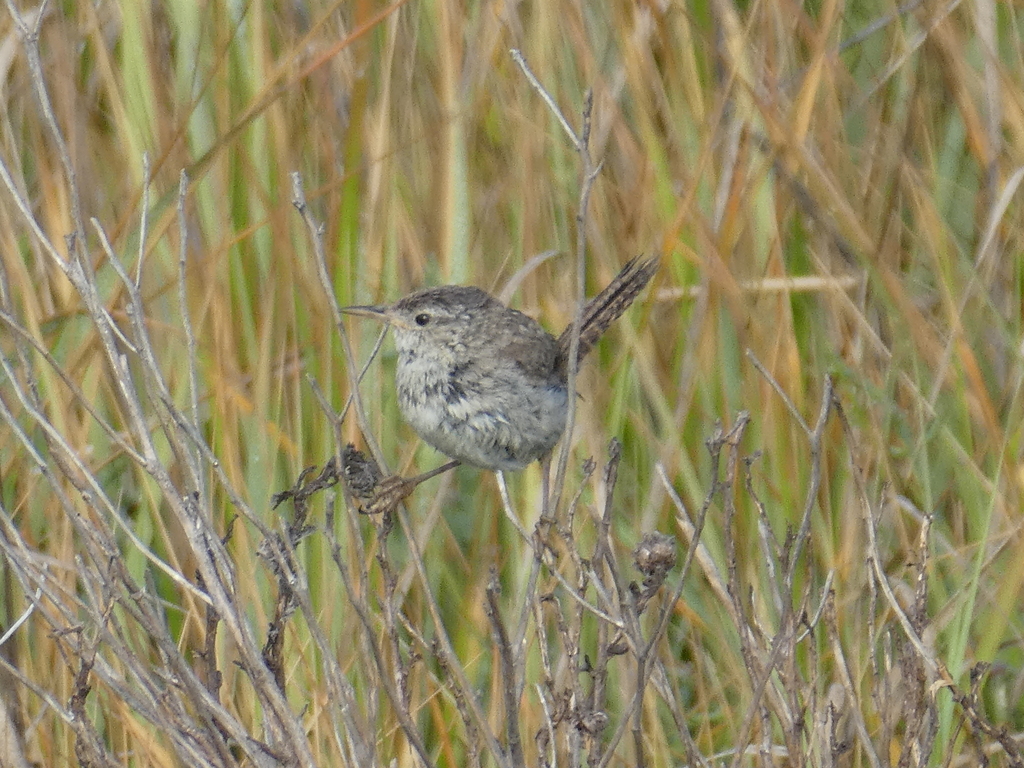
- Marsh WrenCistothorus palustris
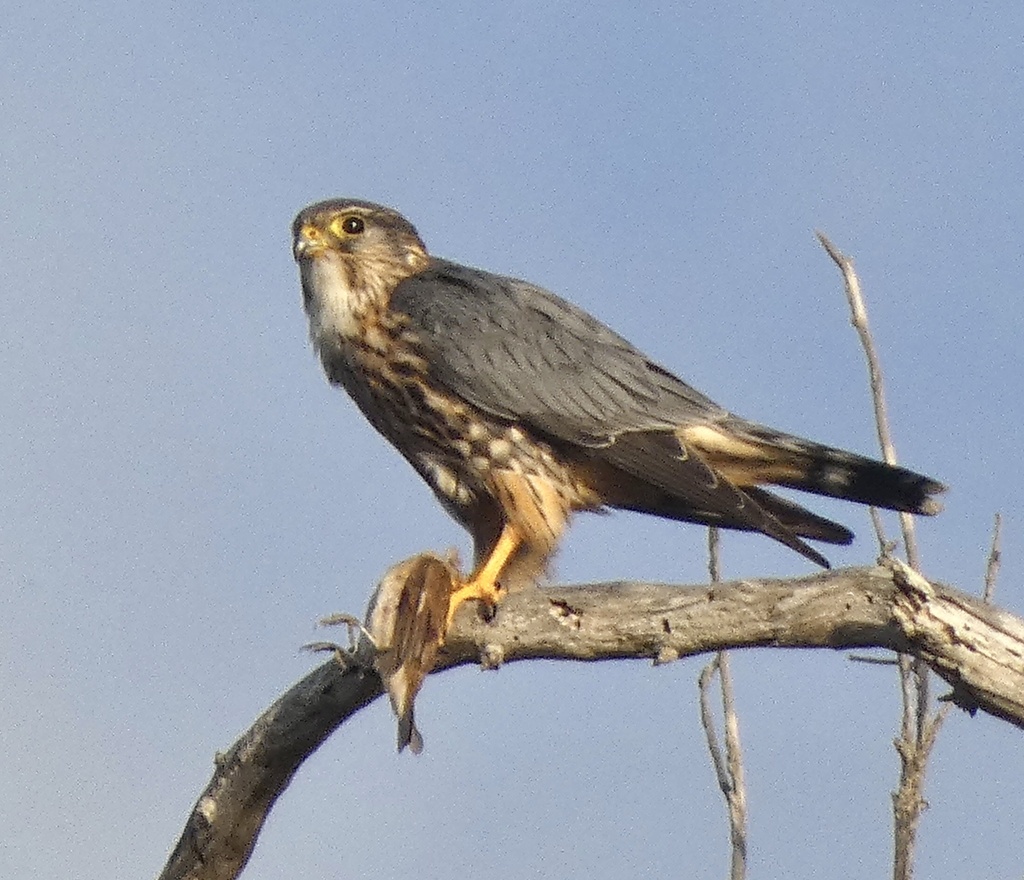
- MerlinFalco columbarius
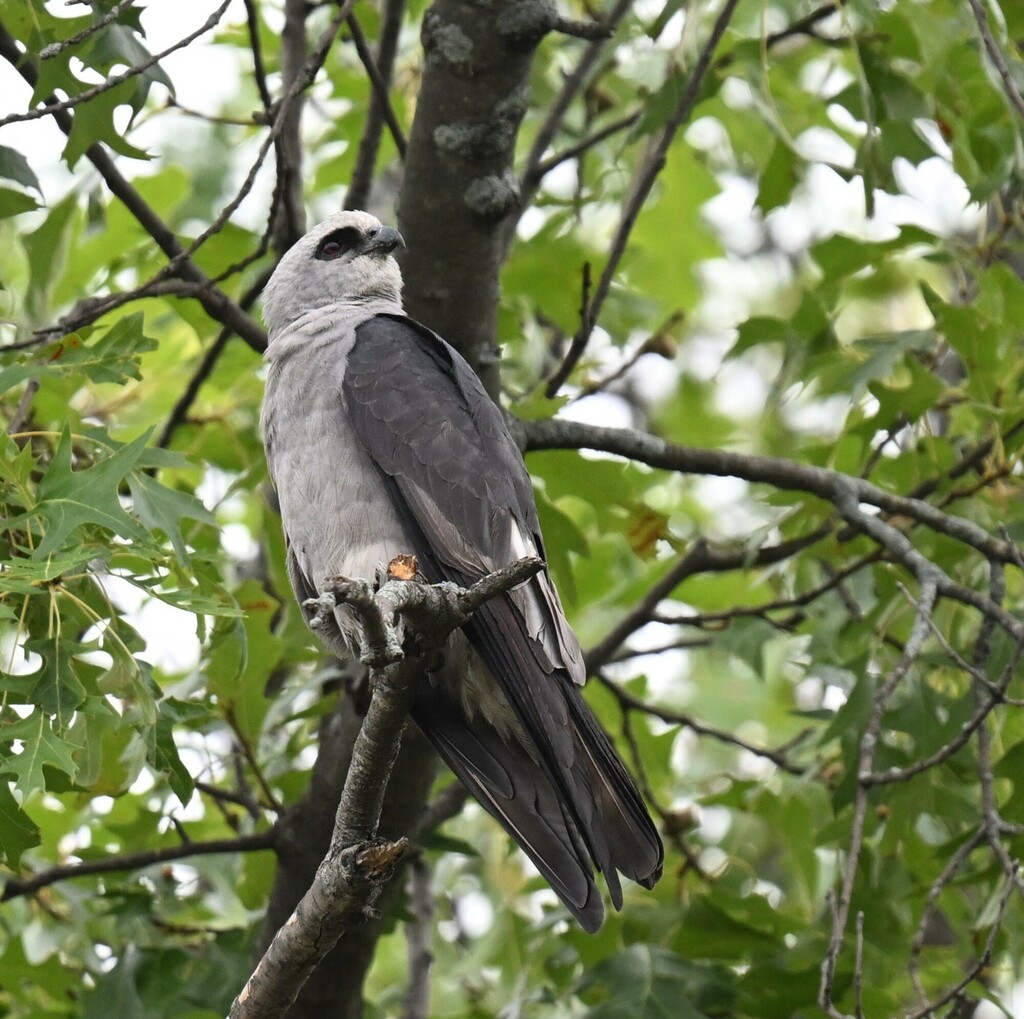
- Mississippi KiteIctinia mississippiensis
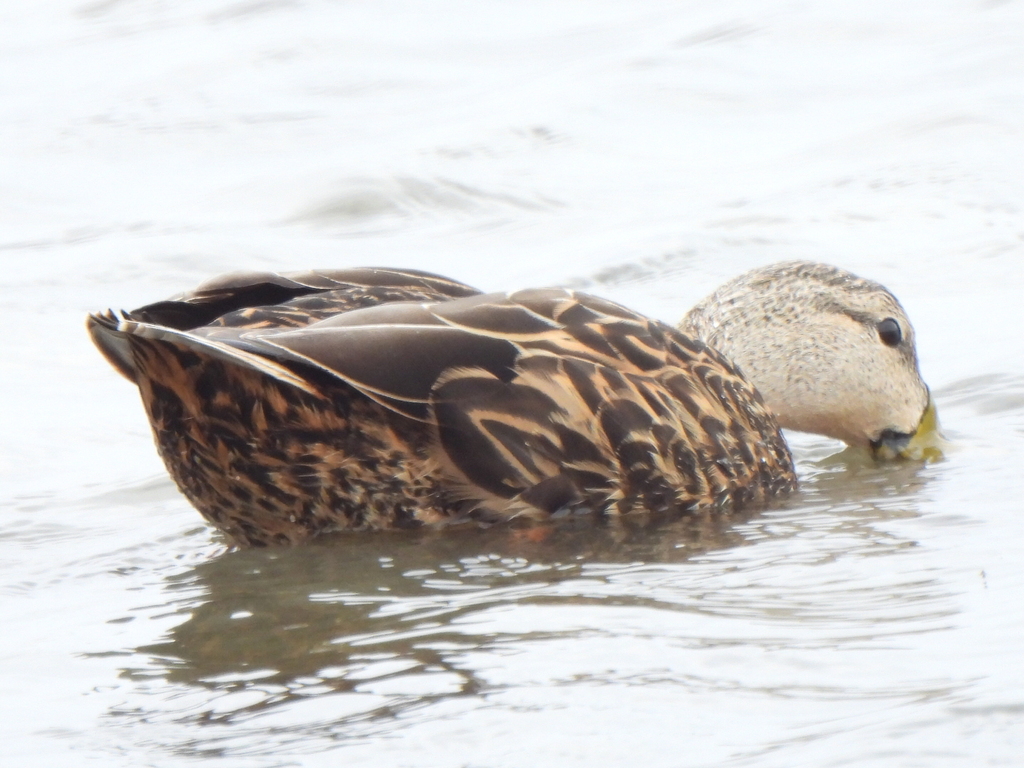
- Mottled DuckAnas fulvigula
- Mourning DoveZenaida macroura
- Northern CardinalCardinalis cardinalis
- Northern FlickerColaptes auratus
- Northern MockingbirdMimus polyglottos
- Northern ParulaParula americana
- Northern Saw-whet OwlAegolius acadicus
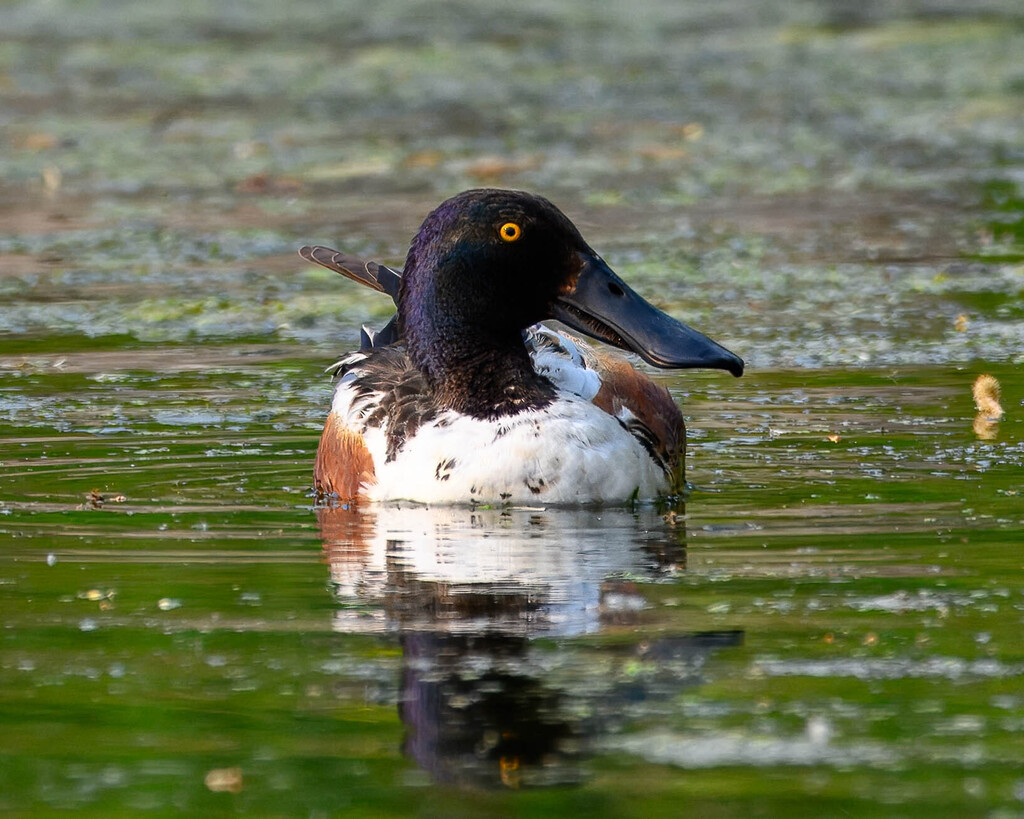
- Northern ShovelerAnas clypeata
- OspreyPandion haliaetus
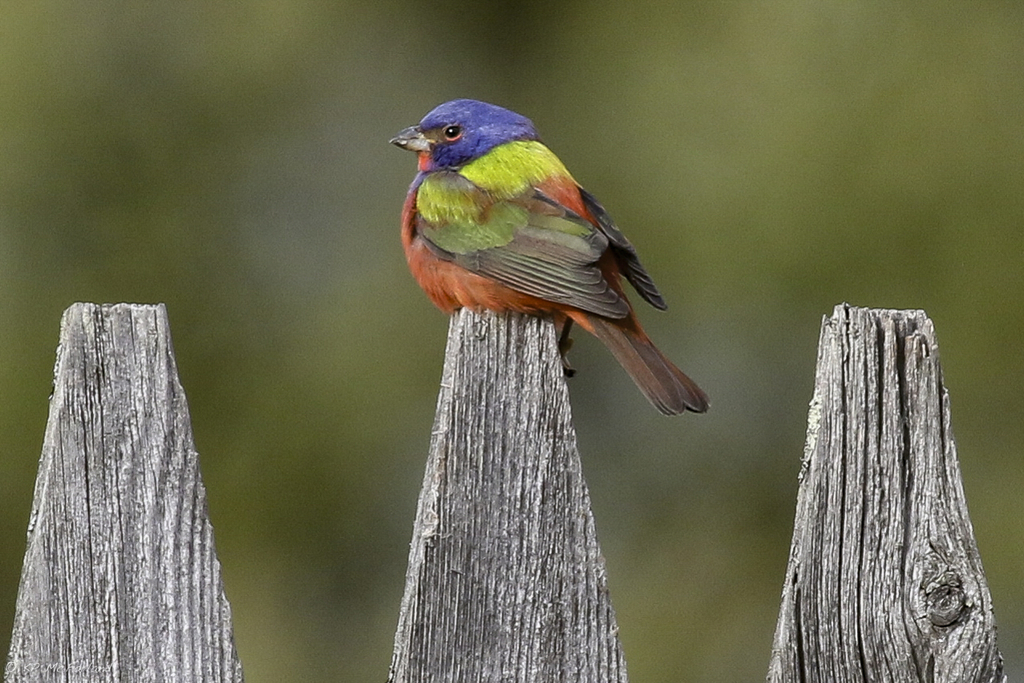
- Painted BuntingPasserina ciris
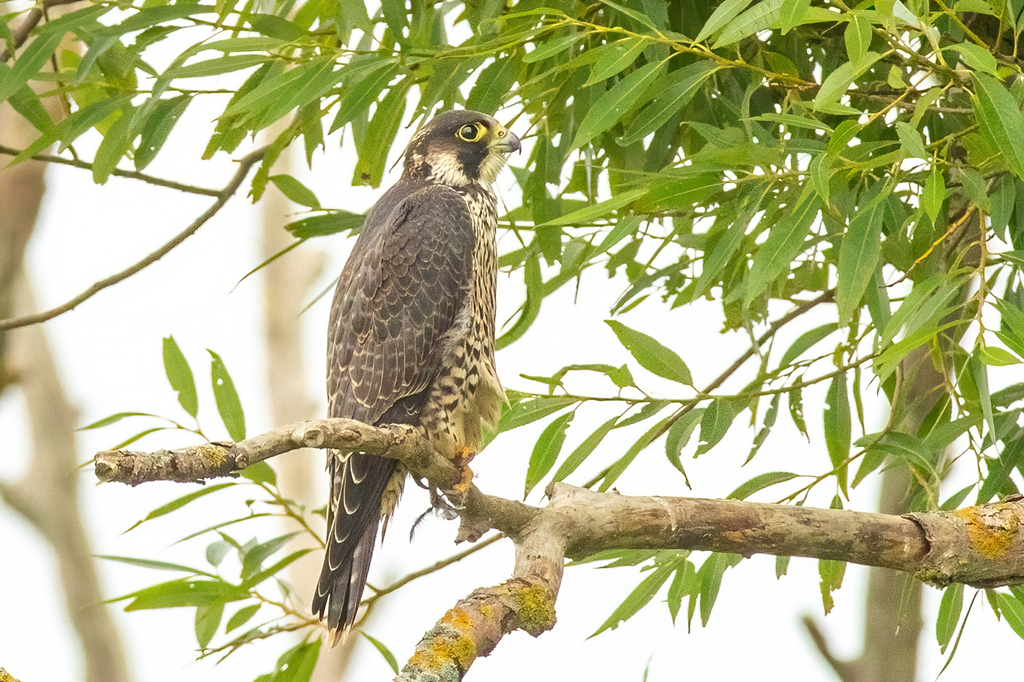
- Peregrine FalconFalco peregrinus
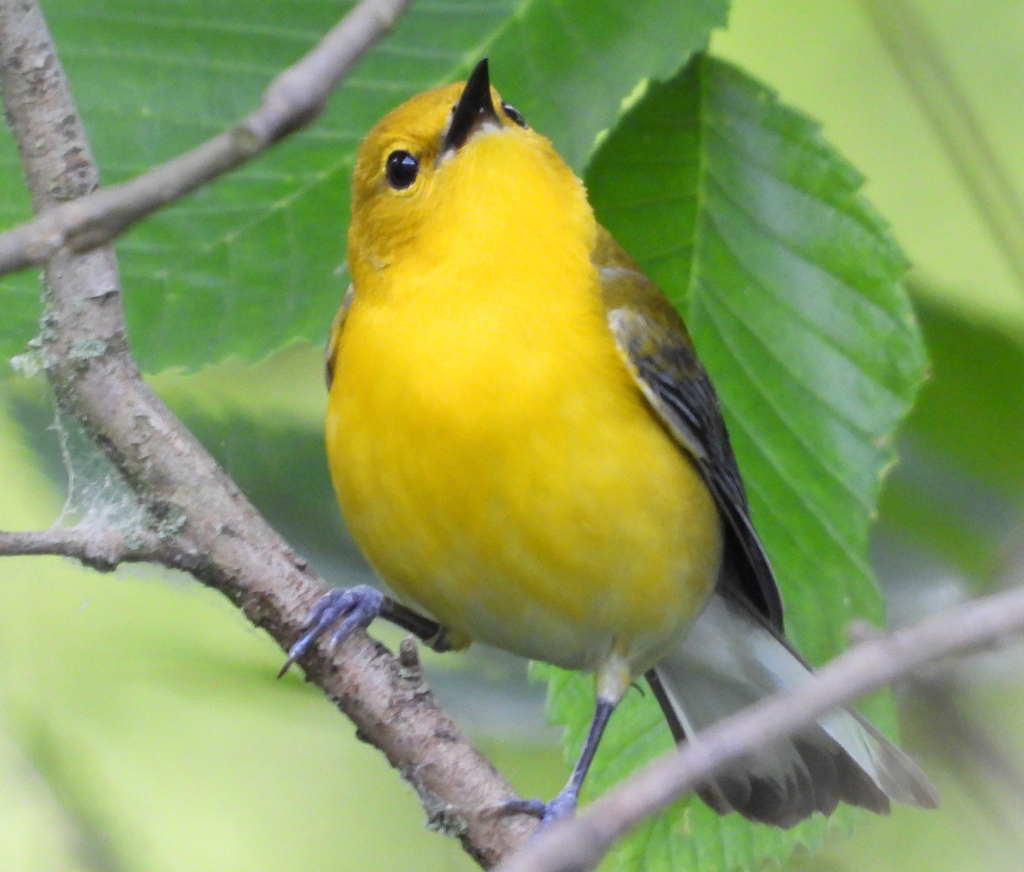
- Prothonotary WarblerProtonotaria citrea
- Purple FinchCarpodacus purpureus
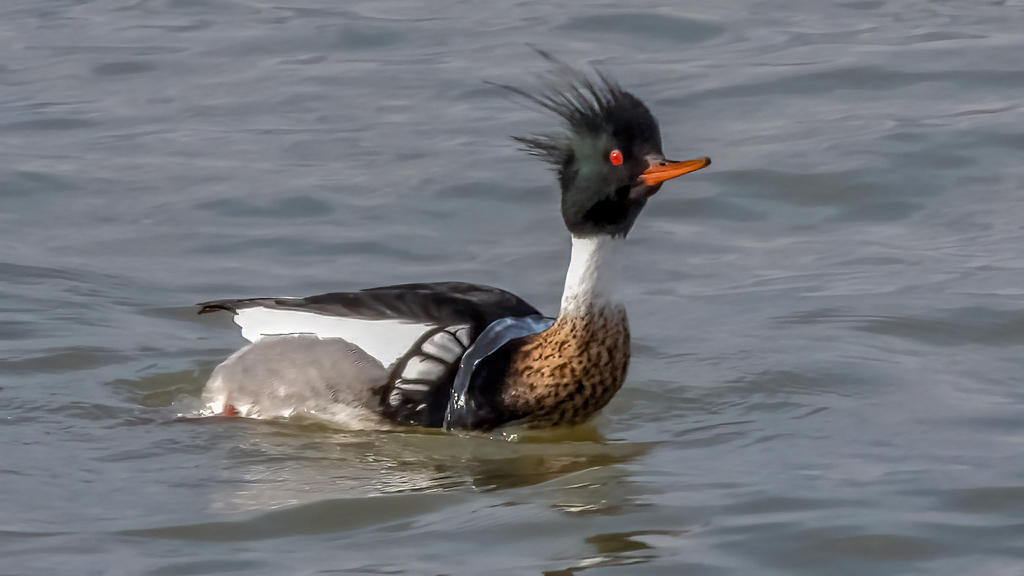
- Red-breasted MerganserMergus serrator










Who uses this plant?
 36CaterpillarsGenus host records with ranges including FL
Genus host records with ranges including FL · Rumex
- Achyra rantalisGarden Webworm Moth
- Agrotis gladiariaSwordsman Dart, Clay-Backed Cut-Worm
- Anavitrinella pampinariaCommon Gray, Cranberry Spanworm
- Apantesis argeArge Tiger Moth
- Apantesis naisNais Tiger Moth
- Argyrogramma verrucaGolden Looper
- Calothysanis amaturariaCross-Lined Wave
- Chionodes discoocellellaEyeringed Chionodes
- Chloridea virescensTobacco Budworm Moth
- Chlorochlamys chloroleucariaBlackberry Looper Moth
Show all 36
- Dypterygia rozmaniAmerican Bird's-Wing
- Estigmene acreaSalt Marsh Moth, Acrea Moth
- Eupithecia miserulataCommon Eupithacia, Common Pug
- Feltia jaculiferaDingy Cutworm
- Hahncappsia mancalisCommon Hahncappsia
- Hyles lineataWhite-Lined Sphinx
- Lacinipolia renigeraBristly Ground Cat, Bristly Cutworm Moth, Kidney Spotted "Mamestra"
- Mythimna unipunctaArmyworm Moth, White Speck
- Nymphalis antiopaMourning Cloak
- Olethreutes fasciatanaBanded Olethreutes
- Orthodes majusculaRustic Quaker, Rustic Groundcat
- Orthonama obstipataThe Gem
- Papaipema baptisiaeWild Indigo Borer, Indigo Stem Borer
- Platynota stultanaOmnivorous Leafroller
- Pseudeustrotia carneolaPink-Barred Lithacodia, Pink-Barred Pseudeustrotia
- Sparganothis sulfureanaSparganothis Fruitworm Moth, Sulfur Leafroller, False Yellow-Head
- Spilosoma virginicaVirginian Tiger Moth, Yellow Woolybear Moth, Yellow Bear
- Spodoptera eridaniaSouthern Armyworm Moth
- Spodoptera frugiperdaFall Armyworm Moth
- Spodoptera ornithogalliYellow-Striped Armyworm Moth, Cotton Cutworm
- Strymon melinusGray Hairstreak
- Sunira bicoloragoBicolored Sallow
- Thyridopteryx ephemeraeformisEvergreen Bagworm Moth
- Trichoplusia niNi Moth, Cabbage Looper Moth
- Xestia dolosaGreater Black-Letter Dart, Greater Spotted Cutworm
- Ancylostomia stercorea
 0BeesSoutheastern regional records
 0Specialist beesPollen specialists
 26BirdsRecorded genus food-resource interactions; not a state feeding claim
Recorded genus food-resource interactions; not a state feeding claim · Rumex
- Alectoris chukarChukar
- Anthus rubescensAmerican Pipit
- Aythya affinisLesser Scaup
- Bonasa umbellusRuffed Grouse
- Callipepla californicaCalifornia Quail
- Columbina passerinaCommon Ground Dove
- Dendragapus obscurusDusky Grouse
- Haemorhous mexicanusHouse Finch
- Junco hyemalisDark-eyed Junco
- Lagopus leucuraWhite-tailed Ptarmigan
Show all 26
- Meleagris gallopavoWild Turkey
- Melospiza melodiaSong Sparrow
- Melozone crissalisCalifornia Towhee
- Oreortyx pictusMountain Quail
- Pheucticus melanocephalusBlack-headed Grosbeak
- Pinicola enucleatorPine Grosbeak
- Pipilo maculatusSpotted Towhee
- Plectrophenax nivalisSnow Bunting
- Sialia mexicanaWestern Bluebird
- Sialia sialisEastern Bluebird
- Spinus psaltriaLesser Goldfinch
- Spizella passerinaChipping Sparrow
- Spizella pusillaField Sparrow
- Turdus migratoriusAmerican Robin
- Zonotrichia atricapillaGolden-crowned Sparrow
- Zonotrichia leucophrysWhite-crowned Sparrow
Direct food only: birds recorded eating this genus across North America. Caterpillars on host plants also feed nesting birds. NC Native Plant Society: butterfly gardening
No records yet · Ants · Beetles · Flies · Adult butterflies / moths · Other wasps · Other insects
Plant details
- Family
- Polygonaceae
- Flower color
- White, yellow or green
- Fruit begins
- May
- Fruit ends
- July
Safety has not been reviewed for this plant; check toxicity and thorns before planting.
Growing sources and scope
- Bloom · “April to June” · Weakley, Flora of the Southeastern United States (2025), Carolinas & Georgia edition · Carolinas and Georgia
- Flower color · “White, yellow or green” · Lady Bird Johnson Wildflower Center
- Fruit begins · “May” · Weakley, Flora of the Southeastern United States (2025), Carolinas & Georgia edition · Carolinas and Georgia
- Fruit ends · “July” · Weakley, Flora of the Southeastern United States (2025), Carolinas & Georgia edition · Carolinas and Georgia
- Height · “1 foot 4 inches–3 feet 4 inches” · Minnesota Wildflowers
- Life cycle · “Perennial” · Minnesota Wildflowers
- Light · “Partial shade; Full sun (documented habitat)” · Weakley, Flora of the Southeastern United States (2025), Carolinas & Georgia edition · Carolinas and Georgia
- Soil · “Moist; Water; Wet (documented habitat)” · Weakley, Flora of the Southeastern United States (2025), Carolinas & Georgia edition · Carolinas and Georgia
Conservation status
| Florida rank | SNR |
|---|---|
| Global rank | G5 |
| FL status | Not verified |
| Federal status | Not verified |
Will it fit your yard?
Check this plant against your county, sun and soil moisture. Conditions are checked in your browser.
Sources
- Atlas of Florida Plants
- USDA PLANTS
- Vascular Plants of North Carolina (NC Natural Heritage Program)
- Weakley, Flora of the Southeastern United States (2025), Florida edition
- Shropshire & Tallamy 2025, Lepidoptera of North America north of Mexico, ZooKeys 1261 (ODbL)
- Noori, Seltmann & Orr 2026, A curated and integrated dataset for exploring global bee-plant interactions (GloBI), Zenodo, CC BY 4.0
- Smith, Bachelder, Russell, Morales, Mosher & Seltmann 2024, Bee-Specialization-Modeling v0.6.1 (specialist host table compiled from J. Fowler's pollen specialist bee lists), Zenodo, CC BY 4.0
- Hurlbert, Olsen, Sawyer & Winner 2021, Avian Diet Database, Scientific Data 8: 260 (CC0)
- Narango, Tallamy & Shropshire 2020, Few keystone plant genera support the majority of Lepidoptera species, Nature Communications