

Curly Dock
Rumex crispus
—
Not native
Not native to Florida. How scores work Is it native here?
Profile 65%
- Height
- 1–5 feet
- Light
- Full sun, Partial shade
- Soil moisture
- Somewhat dry to moist
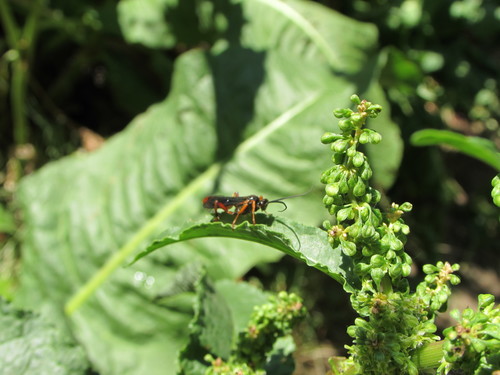
Plant this instead
Choose your county to list local plants first.
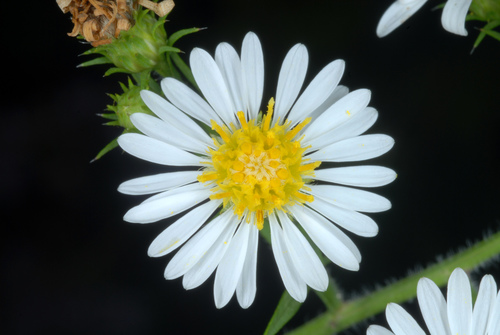
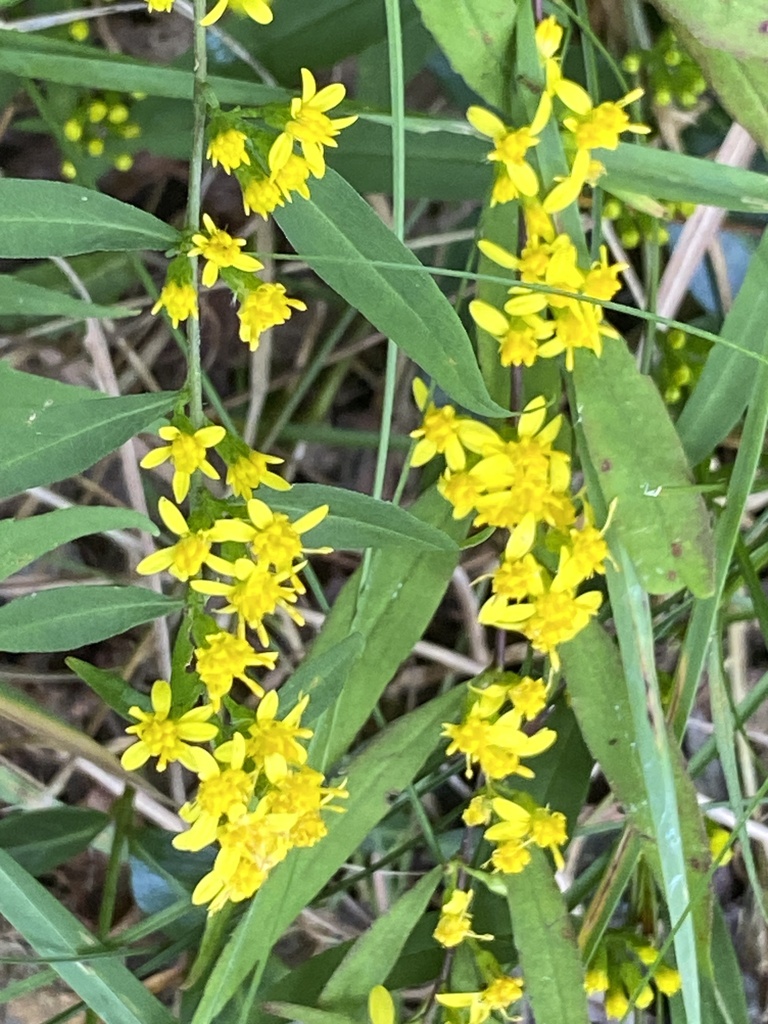
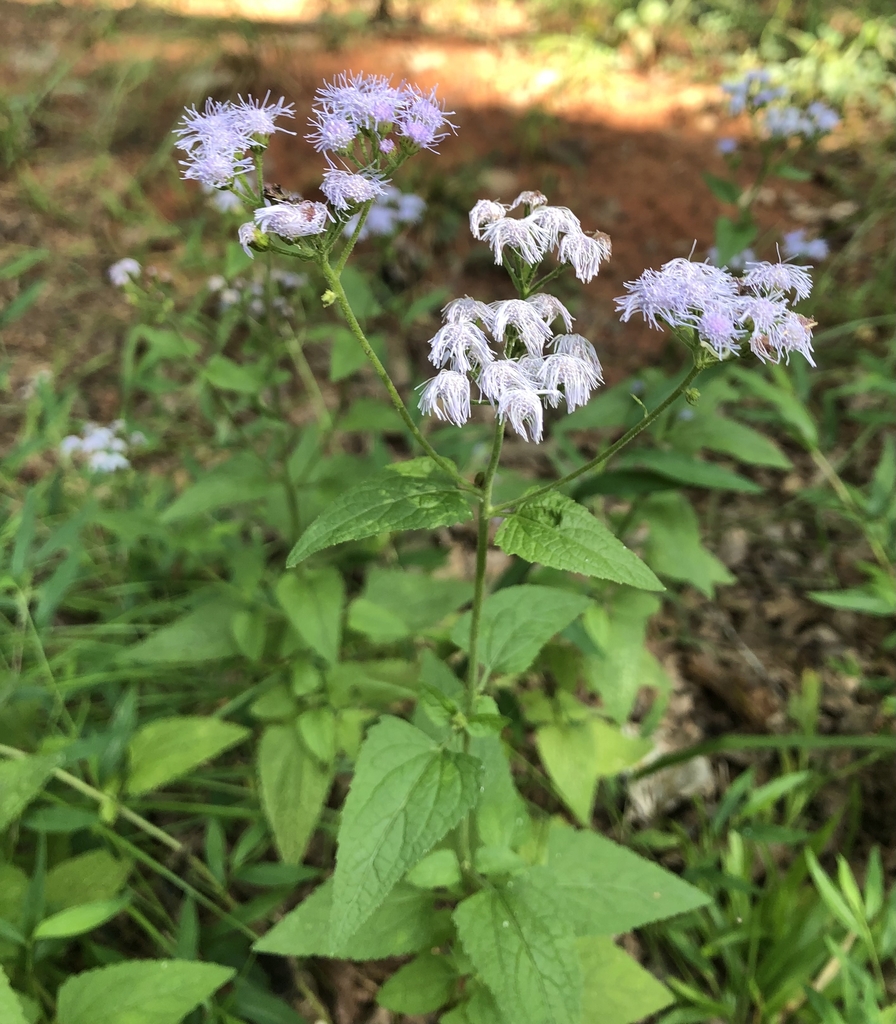
No recorded swaps for this county. Try the garden finder.
At a glance
- Life cycle
- Perennial
- Leaves
- Deciduous
Not yet recorded · Spread · Bloom
Recorded in 35 Florida counties.
Ecological relationships
Who uses this plant?
 36CaterpillarsGenus host records with ranges including FL
Genus host records with ranges including FL · Rumex
- Achyra rantalisGarden Webworm Moth
- Agrotis gladiariaSwordsman Dart, Clay-Backed Cut-Worm
- Anavitrinella pampinariaCommon Gray, Cranberry Spanworm
- Apantesis argeArge Tiger Moth
- Apantesis naisNais Tiger Moth
- Argyrogramma verrucaGolden Looper
- Calothysanis amaturariaCross-Lined Wave
- Chionodes discoocellellaEyeringed Chionodes
- Chloridea virescensTobacco Budworm Moth
- Chlorochlamys chloroleucariaBlackberry Looper Moth
Show all 36
- Dypterygia rozmaniAmerican Bird's-Wing
- Estigmene acreaSalt Marsh Moth, Acrea Moth
- Eupithecia miserulataCommon Eupithacia, Common Pug
- Feltia jaculiferaDingy Cutworm
- Hahncappsia mancalisCommon Hahncappsia
- Hyles lineataWhite-Lined Sphinx
- Lacinipolia renigeraBristly Ground Cat, Bristly Cutworm Moth, Kidney Spotted "Mamestra"
- Mythimna unipunctaArmyworm Moth, White Speck
- Nymphalis antiopaMourning Cloak
- Olethreutes fasciatanaBanded Olethreutes
- Orthodes majusculaRustic Quaker, Rustic Groundcat
- Orthonama obstipataThe Gem
- Papaipema baptisiaeWild Indigo Borer, Indigo Stem Borer
- Platynota stultanaOmnivorous Leafroller
- Pseudeustrotia carneolaPink-Barred Lithacodia, Pink-Barred Pseudeustrotia
- Sparganothis sulfureanaSparganothis Fruitworm Moth, Sulfur Leafroller, False Yellow-Head
- Spilosoma virginicaVirginian Tiger Moth, Yellow Woolybear Moth, Yellow Bear
- Spodoptera eridaniaSouthern Armyworm Moth
- Spodoptera frugiperdaFall Armyworm Moth
- Spodoptera ornithogalliYellow-Striped Armyworm Moth, Cotton Cutworm
- Strymon melinusGray Hairstreak
- Sunira bicoloragoBicolored Sallow
- Thyridopteryx ephemeraeformisEvergreen Bagworm Moth
- Trichoplusia niNi Moth, Cabbage Looper Moth
- Xestia dolosaGreater Black-Letter Dart, Greater Spotted Cutworm
- Ancylostomia stercorea
 —BeesSoutheastern regional records
 —Specialist beesPollen specialists
 26BirdsRecorded genus food-resource interactions; not a state feeding claim
Recorded genus food-resource interactions; not a state feeding claim · Rumex
- Alectoris chukarChukar
- Anthus rubescensAmerican Pipit
- Aythya affinisLesser Scaup
- Bonasa umbellusRuffed Grouse
- Callipepla californicaCalifornia Quail
- Columbina passerinaCommon Ground Dove
- Dendragapus obscurusDusky Grouse
- Haemorhous mexicanusHouse Finch
- Junco hyemalisDark-eyed Junco
- Lagopus leucuraWhite-tailed Ptarmigan
Show all 26
- Meleagris gallopavoWild Turkey
- Melospiza melodiaSong Sparrow
- Melozone crissalisCalifornia Towhee
- Oreortyx pictusMountain Quail
- Pheucticus melanocephalusBlack-headed Grosbeak
- Pinicola enucleatorPine Grosbeak
- Pipilo maculatusSpotted Towhee
- Plectrophenax nivalisSnow Bunting
- Sialia mexicanaWestern Bluebird
- Sialia sialisEastern Bluebird
- Spinus psaltriaLesser Goldfinch
- Spizella passerinaChipping Sparrow
- Spizella pusillaField Sparrow
- Turdus migratoriusAmerican Robin
- Zonotrichia atricapillaGolden-crowned Sparrow
- Zonotrichia leucophrysWhite-crowned Sparrow
Direct food only: birds recorded eating this genus across North America. Caterpillars on host plants also feed nesting birds. NC Native Plant Society: butterfly gardening
Growing and identification
Plant details
- Family
- Polygonaceae
- Hardiness
- Zones 4a–8b
- Flower color
- Brown/copper, yellow or green
What its natural habitat tells you
Safety has not been reviewed for this plant; check toxicity and thorns before planting.
Growing sources and scope
- Flower color · “Brown/copper, yellow or green” · NC Extension Plant Toolbox
- Hardiness · “Zones 4a–8b” · NC Extension Plant Toolbox
- Height · “1–5 feet” · Minnesota Wildflowers
- Leaves · “Deciduous” · NC Extension Plant Toolbox
- Life cycle · “Perennial” · NC Extension Plant Toolbox
- Light · “Full sun (6 or more hours of direct sunlight a day); Partial shade (direct sunlight only part of the day, 2-6 hours)” · NC Extension Plant Toolbox
- Soil · “Moist; Occasionally dry” · NC Extension Plant Toolbox
Also known as
Yellow Dock
Conservation status
| Florida rank | SNA |
|---|---|
| Global rank | GNR |
| FL status | Not verified |
| Federal status | Not verified |
Sources
- Atlas of Florida Plants
- USDA PLANTS
- NatureServe Explorer
- Shropshire & Tallamy 2025, Lepidoptera of North America north of Mexico, ZooKeys 1261 (ODbL)
- Noori, Seltmann & Orr 2026, A curated and integrated dataset for exploring global bee-plant interactions (GloBI), Zenodo, CC BY 4.0
- Smith, Bachelder, Russell, Morales, Mosher & Seltmann 2024, Bee-Specialization-Modeling v0.6.1 (specialist host table compiled from J. Fowler's pollen specialist bee lists), Zenodo, CC BY 4.0
- Hurlbert, Olsen, Sawyer & Winner 2021, Avian Diet Database, Scientific Data 8: 260 (CC0)
- Narango, Tallamy & Shropshire 2020, Few keystone plant genera support the majority of Lepidoptera species, Nature Communications