

Black-eyed Susan
Rudbeckia hirta
Golden flowers, a dark central dome, and rough, hairy foliage. A self-seeding biennial or short-lived perennial.
Native to Florida. How scores work Is it native here?
Profile 100%
- Height
- 2–4 feet
- Spread
- 1–2 feet
- Light
- Full sun, Partial shade
- Soil moisture
- Somewhat dry to moist
Space about 1.5 ft apart from its recorded spread, about 44 per 100 sq ft. Enter your bed size for a count
Will it fit your yard?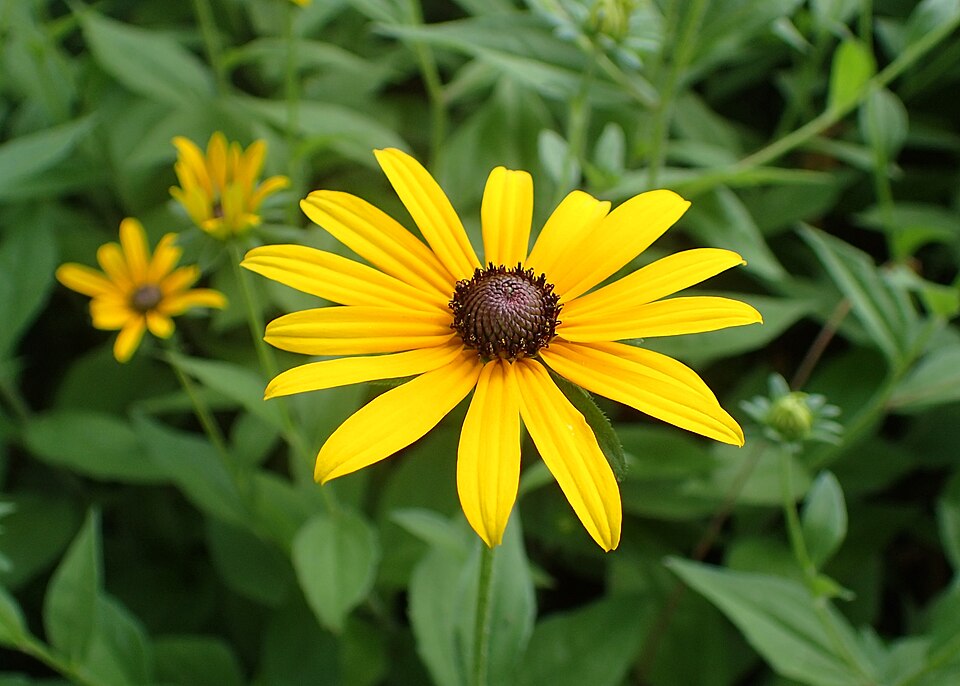
At a glance
- Life cycle
- Biennial / short-lived perennial
- Leaves
- Deciduous
- Bloom
- May to July
- Fruiting season
- Summer to fall
Striped: May continue with deadheading.
Recorded in 63 Florida counties.
Also found with this plant
Wildlife whose habitat models include habitats this plant grows in, in Florida. Shared habitat, not food. 79 animals.
- American CrowCorvus brachyrhynchos
- American GoldfinchCarduelis tristis
- American KestrelFalco sparverius
- American RobinTurdus migratorius
- American WoodcockScolopax minor
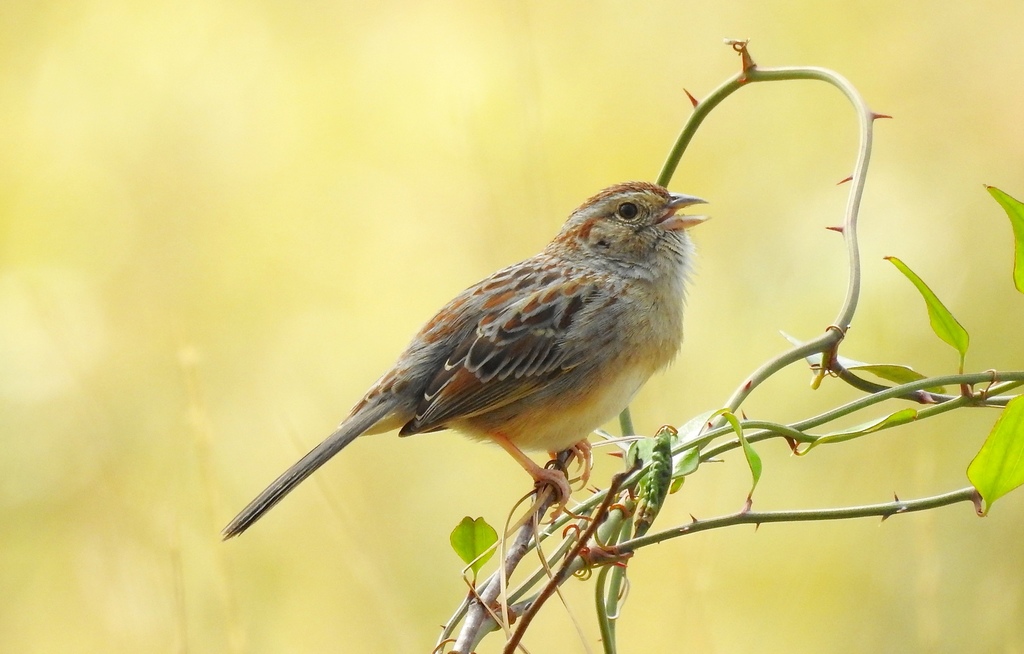
- Bachman's SparrowAimophila aestivalis
- Bald EagleHaliaeetus leucocephalus
- Barred OwlStrix varia
- Belted KingfisherMegaceryle alcyon
- Black VultureCoragyps atratus
- Blue GrosbeakPasserina caerulea
- Blue JayCyanocitta cristata
- Blue-gray GnatcatcherPolioptila caerulea
- Brown CreeperCerthia americana
- Brown ThrasherToxostoma rufum
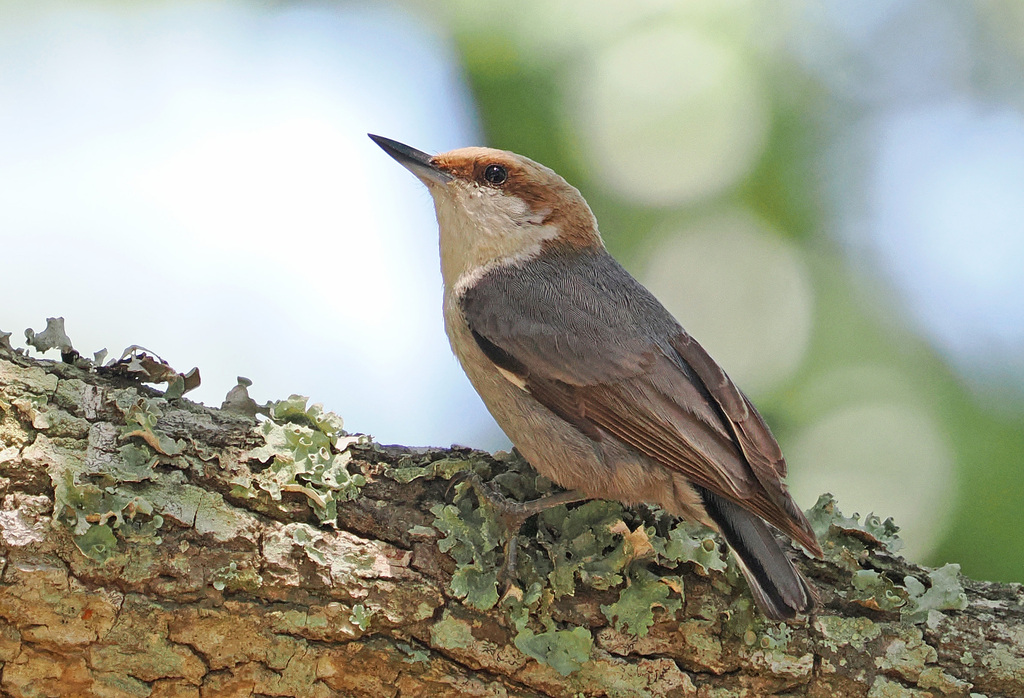
- Brown-headed NuthatchSitta pusilla
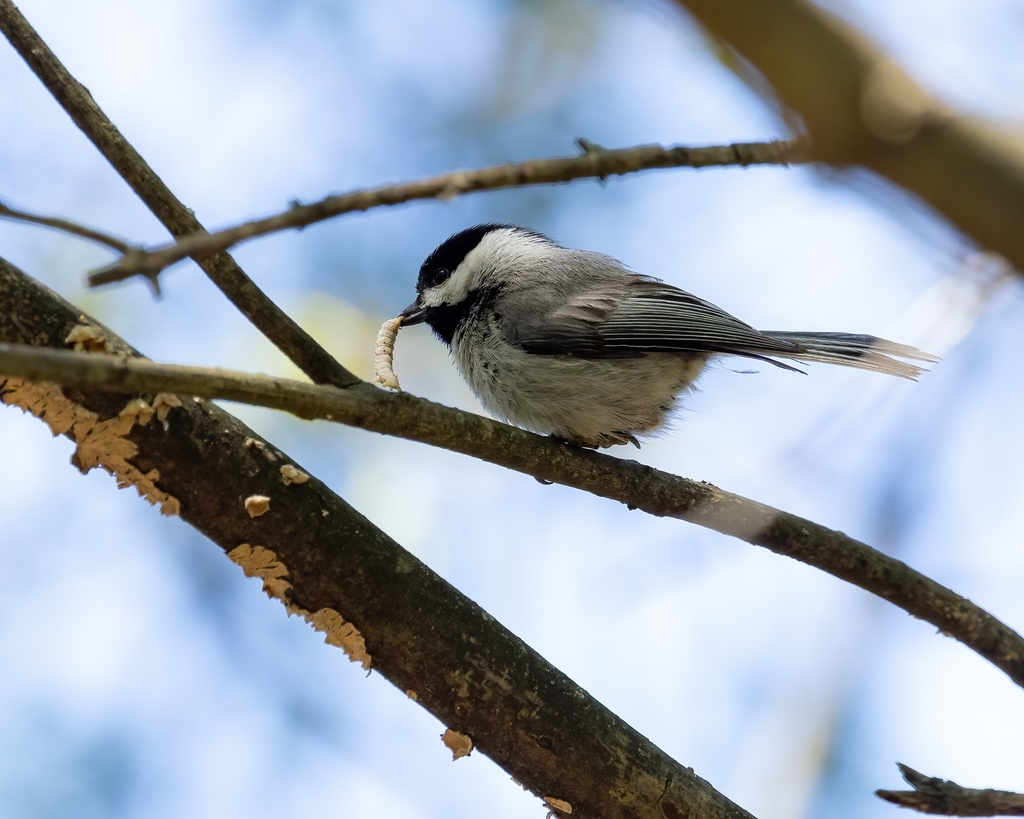
- Carolina ChickadeePoecile carolinensis
- Carolina WrenThryothorus ludovicianus
- Cedar WaxwingBombycilla cedrorum
- Chimney SwiftChaetura pelagica
- Chipping SparrowSpizella passerina
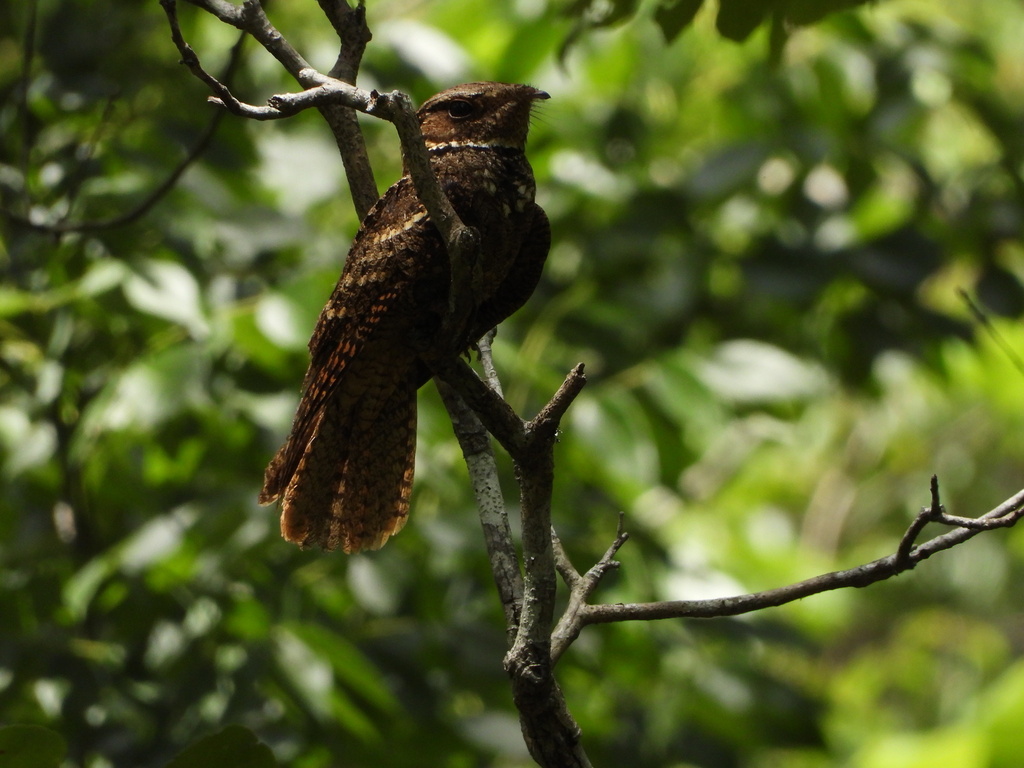
- Chuck-will's-widowCaprimulgus carolinensis
- Common GrackleQuiscalus quiscula
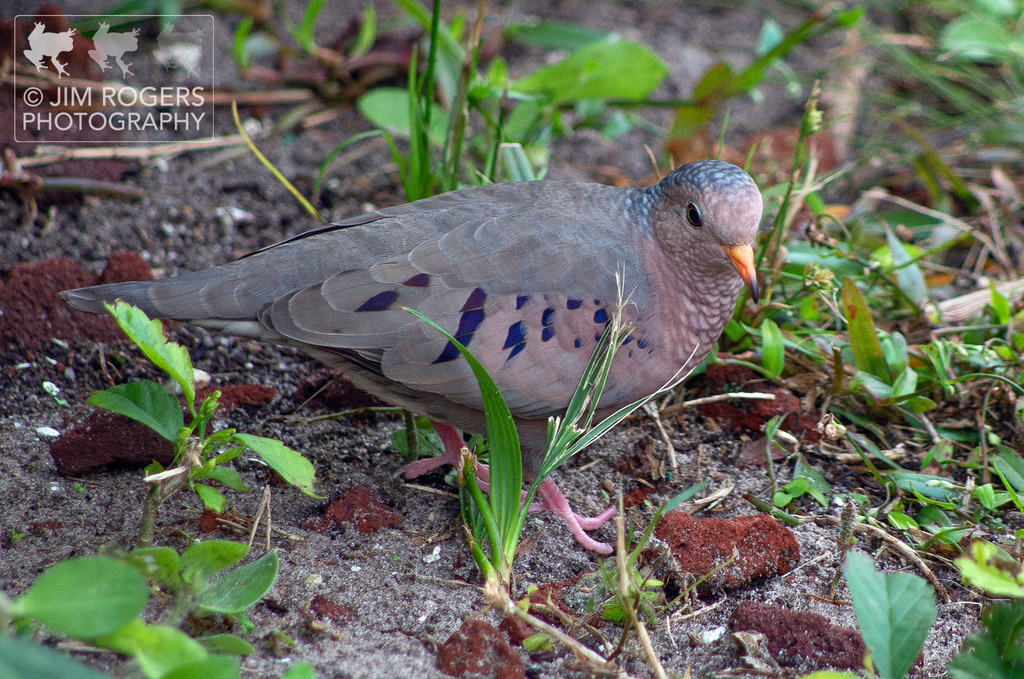
- Common Ground-doveColumbina passerina




















Care
- Optional bloom tip: Removing spent flowers can extend blooming into fall.
Who uses this plant?
 13CaterpillarsGenus host records with ranges including FL
Genus host records with ranges including FL · Rudbeckia
- Chlosyne nycteisSilvery Checkerspot
- Acharia stimuleaSaddleback Caterpillar Moth
- Adaina ambrosiaeAmbrosia Plume Moth, Ragweed Plume Moth
- Archips griseaGray Archips
- Chlorochlamys chloroleucariaBlackberry Looper Moth
- Epiblema tripartitanaThree-Parted Epiblema
- Eupithecia miserulataCommon Eupithacia, Common Pug
- Homoeosoma electellaSunflower Moth
- Orthotaenia undulanaDusky Leafroller
- Papaipema cataphractaBurdock Border, Potato-Stalk Borer
Show all 13
- Phtheochroa birdanaBird's Cochylid
- Synchlora frondariaSouthern Emerald
- Vanessa carduiPainted Lady, Cosmopolite
 56BeesSoutheastern regional records
Southeastern regional records · Rudbeckia
Individual names are not available yet.
Noori, Seltmann & Orr 2026, A curated and integrated dataset for exploring global bee-plant interactions (GloBI), Zenodo, CC BY 4.0 25Specialist beesPollen specialists
Pollen specialists · Rudbeckia
- Andrena aliciae
- Andrena asteris
- Andrena rudbeckiae
- Diadasia enavata
- Dieunomia bolliana
- Dieunomia heteropoda
- Megachile inimica
- Megachile parallela
- Megachile pugnata
- Megachile xylocopoides
Show all 25
- Melissodes bidentis
- Melissodes boltoniae
- Melissodes coreopsis
- Melissodes denticulatus
- Melissodes dentiventris
- Melissodes desponsus
- Melissodes druriellus
- Melissodes illatus
- Melissodes subillatus
- Melissodes trinodis
- Melissodes wheeleri
- Paranthidium jugatorium
- Perdita octomaculata
- Protandrena albitarsis
- Protandrena andrenoides
 —BirdsRecorded genus food-resource interactions; not a state feeding claim
 1AntsRecorded seed interactions
- Solenopsis invicta
Solenopsis invicta: Seed predation.
Beetles 5
- Acmaeodera pulchella
- Centrinus scutellum album
- Diabrotica 12-punctata
- Mordella scutellaris
- Typocerus sinuatus
Flower visits · Carlinville, Illinois, USA
Flies 15
- Archytas analis
- Eristalis latifrons
- Exoprosopa decora
- Exoprosopa emarginata
- Exoprosopa fascipennis
- Helophilus latifrons
- Phthiria cincta
- Phthiria sulphurea
- Sapromyza vulgaris
- Scepsis fulvicollis
Show all 15
- Spallanzania hesperidarum
- Sphaerophoria cylindrica
- Trichophora ruficauda
- Volucella fasciata
- Zodion fulvifrons
Flower visits · Carlinville, Illinois, USA
Adult butterflies / moths 5
- Argynnis cybele
- Limochores taumas
- Phyciodes tharos
- Plusia simplex
- Thecla calanus
Flower visits · Carlinville, Illinois, USA
Other wasps 4
- Leionotus arvensis
- Priononyx thomae
- Sphex nigricans
- Stictiella pictifrons
Flower visits · Carlinville, Illinois, USA
Other insects 1
- Lygus pratensis
Flower visits · Carlinville, Illinois, USA
Plant details
- Family
- Asteraceae
- Hardiness
- Zones 3a–8b
- Soil pH
- Acidic to alkaline
- Flower color
- Yellow, orange or red
- Growth rate
- Rapid
- Growth habit
- Single stem
- Foliage color
- Green
- Fruit begins
- Summer
- Fruit ends
- Fall
What its natural habitat tells you
Safety has not been reviewed for this plant; check toxicity and thorns before planting.
Clay, loam, or sand. Avoid excess fertilizer; deadheading can extend flowering. Watch for powdery mildew, slugs, and snails. NC State Extension
Growing sources and scope
- Bloom · “Summer” · USDA PLANTS (ranked first; Prairie Moon 2026 Cultural Guide differs) · Nationwide species characteristics; local growing conditions may vary
- Flower color · “Yellow, orange or red” · NC Extension Plant Toolbox (ranked first; USDA PLANTS, Lady Bird Johnson Wildflower Center, Prairie Moon 2026 Cultural Guide differ)
- Foliage color · “Green” · USDA PLANTS · Nationwide species characteristics; local growing conditions may vary
- Fruit begins · “Summer” · NC Extension Plant Toolbox · Species profile fruit display season; not a local ripening date
- Fruit ends · “Fall” · NC Extension Plant Toolbox (ranked first; USDA PLANTS differs) · Species profile fruit display season; not a local ripening date
- Growth habit · “Single stem” · USDA PLANTS · Nationwide species characteristics; local growing conditions may vary
- Growth rate · “Rapid” · USDA PLANTS · Nationwide species characteristics; local growing conditions may vary
- Hardiness · “Zones 3a–8b” · NC Extension Plant Toolbox (ranked first; Missouri Botanical Garden Plant Finder differs)
- Height · “2–4 feet” · NC Extension Plant Toolbox (ranked first; Tennessee Smart Yards, USDA PLANTS, Lady Bird Johnson Wildflower Center, Missouri Botanical Garden Plant Finder, Minnesota Wildflowers, Prairie Moon 2026 Cultural Guide differ)
- Leaves · “Deciduous” · NC Extension Plant Toolbox
- Life cycle · “Biennial or perennial” · NC Extension Plant Toolbox (ranked first; Lady Bird Johnson Wildflower Center, Minnesota Wildflowers differ)
- Light · “Full sun (6 or more hours of direct sunlight a day); Partial shade (direct sunlight only part of the day, 2-6 hours)” · NC Extension Plant Toolbox (ranked first; Tennessee Smart Yards, Virginia DCR Piedmont, Virginia DCR Coastal Plain, Lady Bird Johnson Wildflower Center, Missouri Botanical Garden Plant Finder, Prairie Moon 2026 Cultural Guide differ)
- Soil · “Moist; Occasionally dry” · NC Extension Plant Toolbox (ranked first; Tennessee Smart Yards, Virginia DCR Piedmont, Virginia DCR Coastal Plain, Lady Bird Johnson Wildflower Center, Missouri Botanical Garden Plant Finder, Prairie Moon 2026 Cultural Guide differ)
- Soil pH · “Acidic to alkaline” · NC Extension Plant Toolbox (ranked first; Lady Bird Johnson Wildflower Center differs)
- Spread · “1–2 feet” · NC Extension Plant Toolbox
Recognizing it
Hairy stems; rough, simple leaves arranged alternately; yellow rays around a raised brown center. Lower leaves form a basal rosette. Identification source
Also known as
Black eyed Susan; Blackeyed Susan
Conservation status
| Florida rank | S5 |
|---|---|
| Global rank | G5 |
| FL status | Not verified |
| Federal status | Not verified |
Will it fit your yard?
Check this plant against your county, sun and soil moisture. Conditions are checked in your browser.
Growing cautions
- Self-seeds. Freely self-seeds. NC State Extension Plant Toolbox
For planning only; these do not change the score or Fit.
Sources
- Atlas of Florida Plants
- USDA PLANTS
- Vascular Plants of North Carolina (NC Natural Heritage Program)
- NatureServe Explorer
- Shropshire & Tallamy 2025, Lepidoptera of North America north of Mexico, ZooKeys 1261 (ODbL)
- Noori, Seltmann & Orr 2026, A curated and integrated dataset for exploring global bee-plant interactions (GloBI), Zenodo, CC BY 4.0
- Smith, Bachelder, Russell, Morales, Mosher & Seltmann 2024, Bee-Specialization-Modeling v0.6.1 (specialist host table compiled from J. Fowler's pollen specialist bee lists), Zenodo, CC BY 4.0
- Hurlbert, Olsen, Sawyer & Winner 2021, Avian Diet Database, Scientific Data 8: 260 (CC0)
- Narango, Tallamy & Shropshire 2020, Few keystone plant genera support the majority of Lepidoptera species, Nature Communications
- NC State Extension