

Pennsylvania Blackberry
Rubus pensilvanicus
Native to Florida. How scores work Is it native here?
Profile 88%
- Height
- 4–6 inches
- Spread
- 4–6 inches
- Light
- Full sun, Partial shade
- Soil moisture
- Somewhat dry to moist
Space about 1 ft apart from its recorded spread, about 100 per 100 sq ft. Enter your bed size for a count
Will it fit your yard?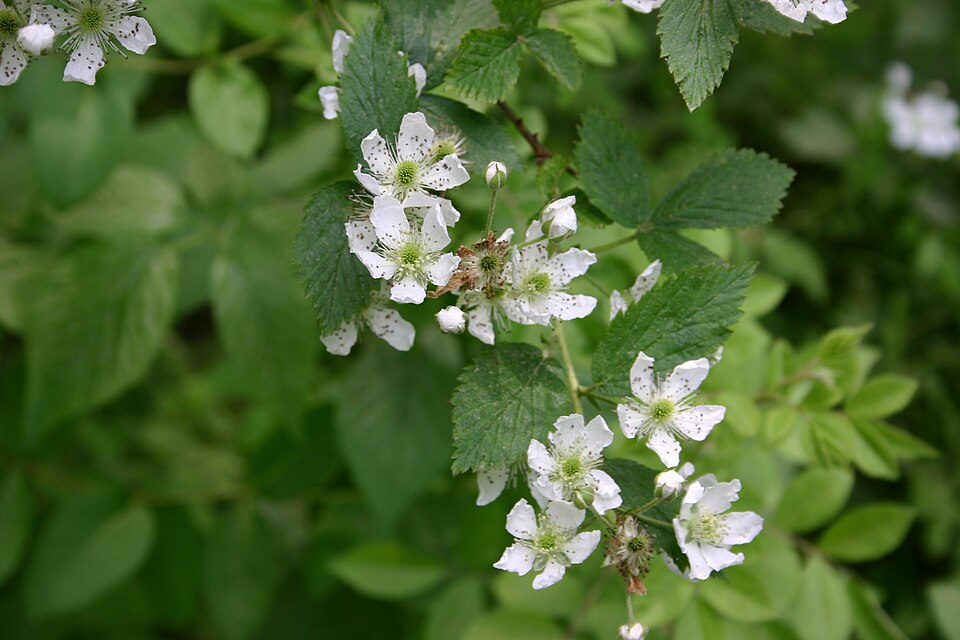

At a glance
- Life cycle
- Perennial
- Leaves
- Deciduous
Not yet recorded · Bloom
Recorded in 52 Florida counties.
Who uses this plant?
 100CaterpillarsGenus host records with ranges including FL
Genus host records with ranges including FL · Rubus
- Acharia stimuleaSaddleback Caterpillar Moth
- Achatia distinctaDistinct Quaker
- Acronicta americanaAmerican Dagger
- Acronicta funeralisFunerary Dagger, Paddle Caterpillar
- Acronicta lanceolariaNarrow-Winged Dagger, Lanceolate Dagger
- Acronicta longaLong-Winged Dagger, Darkish Dagger
- Acronicta oblinitaSmeared Dagger
- Agrotis gladiariaSwordsman Dart, Clay-Backed Cut-Worm
- Agrotis vetustaOld Man Dart
- Amorbia humerosanaWhite-Lined Leafroller Moth
Show all 100
- Amphipyra pyramidoidesMiranda Underwing, Copper Underwing, Copper Amphipyra
- Anavitrinella pampinariaCommon Gray, Cranberry Spanworm
- Ancylis floridanaStrawberry Leafroller
- Ancylis muricanaRed-Headed Ancylis
- Antepione thisoariaVariable Antepione
- Apatelodes torrefactaSpotted Apatelodes
- Archips argyrospilaFruit-Tree Leafroller Moth
- Archips purpuranaOmnivorous Leafroller Moth
- Argyrotaenia marianaGray-Banded Leafroller Moth
- Argyrotaenia quercifolianaYellow-Winged Oak Leafroller Moth, Lined Oak Leafroller
- Argyrotaenia velutinanaRed-Banded Leafroller Moth, Jack Pine Tube Moth
- Automeris ioIo Moth
- Cecrita guttivittaMaple Prominent, Saddled Prominent
- Cenopis directanaChokecherry Leafroller Moth
- Cenopis reticulatanaReticulated Fruitworm Moth
- Cepphis decolorariaDark Scallop Moth
- Cerastis tenebriferaReddish Speckled Dart
- Chloridea virescensTobacco Budworm Moth
- Chlorochlamys chloroleucariaBlackberry Looper Moth
- Choristoneura obsoletanaObsolete Leafroller
- Choristoneura rosaceanaOblique-Banded Leafroller Moth, Rosaceous Leaf Roller
- Coelodasys unicornisUnicorn Caterpillar Moth
- Coptotriche aeneaBlackberry Leafminer Moth
- Datana ministraYellow-Necked Caterpillar Moth
- Ectropis crepusculariaThe Small Engrailed, Saddleback Looper
- Erastria colorariaBroad-Lined Erastria
- Erastria cruentariaThin-Lined Erastria
- Euclea delphiniiSpiny Oak-Slug Moth
- Eupithecia miserulataCommon Eupithacia, Common Pug
- Euxoa auxiliarisArmy Cut-Worm, Army Cutworm
- Feltia jaculiferaDingy Cutworm
- Halysidota tessellarisBanded Tussock Moth, Pale Tiger Moth
- Haploa colonaColona Moth
- Haploa leconteiLeconte's Haploa
- Herpetogramma aeglealisSerpentine Webworm
- Herpetogramma bipunctalisSouthern Beet Webworm, Two-Spotted Herpetogramma
- Herpetogramma pertextalisBold-Feathered Grass Moth
- Herpetogramma thestealisZigzag Herpetogramma, Subtle-Feathered Grass Moth
- Hyalophora cecropiaCecropia Silkmoth, Cecropia Moth
- Hyles lineataWhite-Lined Sphinx
- Hypena scabraGreen Cloverworm Bomolocha, Black Snout
- Hyphantria cuneaFall Webworm
- Iridopsis defectariaBrown-Shaded Gray, Willow Looper
- Iridopsis humariaSmall Purplish Gray
- Kocakina fidelisIntractable Quaker, Green Fruitworm, Fourlined Green Fruitworm
- Lascoria ambigualisAmbiguous Moth, Ambiguous Litter Moth
- Lithophane antennataAshen Pinion
- Malacosoma disstriaForest Tent Caterpillar
- Megalopyge crispataBlack-Waved Flannel Moth, Crinkled Flannel Moth
- Melanolophia canadariaCanadian Melanolphia, Variable Redmarked Looper
- Mythimna unipunctaArmyworm Moth, White Speck
- Nematocampa resistariaFilament Bearer, Horned Spanworm Moth
- Nymphalis antiopaMourning Cloak
- Oedemasia concinnaRed-Humped Caterpillar, Red-Humped Appleworm
- Olethreutes furfuranumWoolly-Backed Moth
- Olethreutes permundanaRaspberry Leafroller
- Orgyia leucostigmaWhite-Marked Tussock Moth
- Orthodes majusculaRustic Quaker, Rustic Groundcat
- Orthotaenia undulanaDusky Leafroller
- Palthis angulalisDark-Spotted Palthis
- Paonias excaecataBlinded Sphinx, Blind Eyed Sphinx
- Papaipema cataphractaBurdock Border, Potato-Stalk Borer
- Pennisetia marginatumRaspberry Crown Borer Moth
- Phigalia strigatariaSmall Phigalia, Small Oak Looper
- Phigalia titeaThe Half-Wing Geometer, Spiney Looper, Eastern Oak Looper
- Phyllodesma americanaLappet Moth, American Lappet Moth, Southern Lappet Moth
- Platynota flavedanaBlack-Shaded Platynota
- Platynota idaeusalisTufted Apple-Bud Moth
- Platynota stultanaOmnivorous Leafroller
- Pyrrharctia isabellaIsabella Tiger Moth, Banded Woolybear
- Pyrrhia ciliscaAmerican Bordered Sallow, Noble Sun Moth
- Satyrium liparopsStriped Hairstreak
- Schizura ipomaeaeMorning-Glory Prominent, Checkered-Fringe Prominent
- Scopula limboundataLarge Lace-Border
- Spilosoma virginicaVirginian Tiger Moth, Yellow Woolybear Moth, Yellow Bear
- Spodoptera dolichosSweetpotato Armyworm, Dolichos Armyworm, Large Cotton Armyworm
- Spodoptera eridaniaSouthern Armyworm Moth
- Spodoptera ornithogalliYellow-Striped Armyworm Moth, Cotton Cutworm
- Strymon melinusGray Hairstreak
- Sutyna privataCheckered Sallow, Private Sallow
- Synchlora frondariaSouthern Emerald
- Syndemis afflictanaFall Dead-Leaf Roller, Gray Leafroller, Black-and-Grey Banded Leafroller
- Thyridopteryx ephemeraeformisEvergreen Bagworm Moth
- Trichordestra legitimaStriped Garden Caterpillar Moth
- Xanthorhoe lacustrataToothed Brown Carpet
- Xanthotype sospetaCrocus Geometer
- Zale lunataLunate Zale
- Zale minereaColorful Zale
- Menesta tortriciformella
- Scythris basilaris
 79BeesSoutheastern regional records
Southeastern regional records · Rubus
Individual names are not available yet.
Noori, Seltmann & Orr 2026, A curated and integrated dataset for exploring global bee-plant interactions (GloBI), Zenodo, CC BY 4.0 1Specialist beesPollen specialists
 48BirdsRecorded genus food-resource interactions; not a state feeding claim
Recorded genus food-resource interactions; not a state feeding claim · Rubus
- Bombycilla cedrorumCedar Waxwing
- Cardinalis cardinalisNorthern Cardinal
- Turdus migratoriusAmerican Robin
- Acanthis flammeaCommon Redpoll
- Aix sponsaWood Duck
- Aphelocoma californicaCalifornia Scrub-Jay
- Bonasa umbellusRuffed Grouse
- Callipepla californicaCalifornia Quail
- Catharus fuscescensVeery
- Catharus guttatusHermit Thrush
Show all 48
- Catharus minimus/bicknelliGray-cheeked/Bicknell's Thrush
- Catharus ustulatusSwainson's Thrush
- Coccothraustes vespertinusEvening Grosbeak
- Colinus virginianusNorthern Bobwhite
- Contopus virensEastern Wood-Pewee
- Corvus caurinusNorthwestern Crow
- Cyanocitta stelleriSteller's Jay
- Dryocopus pileatusPileated Woodpecker
- Empidonax alnorum/trailliiAlder/Willow Flycatcher (Traill's Flycatcher)
- Empidonax difficilisPacific-slope Flycatcher
- Euphagus cyanocephalusBrewer's Blackbird
- Falcipennis canadensisSpruce Grouse
- Hylocichla mustelinaWood Thrush
- Icterus bullockiiBullock's Oriole
- Ixoreus naeviusVaried Thrush
- Lagopus lagopusWillow Ptarmigan
- Melanerpes erythrocephalusRed-headed Woodpecker
- Meleagris gallopavoWild Turkey
- Melospiza melodiaSong Sparrow
- Melozone crissalisCalifornia Towhee
- Passerina cyaneaIndigo Bunting
- Patagioenas fasciataBand-tailed Pigeon
- Perdix perdixGray Partridge
- Pheucticus ludovicianusRose-breasted Grosbeak
- Pheucticus melanocephalusBlack-headed Grosbeak
- Pinicola enucleatorPine Grosbeak
- Pipilo maculatusSpotted Towhee
- Piranga ludovicianaWestern Tanager
- Plectrophenax nivalisSnow Bunting
- Sayornis nigricansBlack Phoebe
- Sialia mexicanaWestern Bluebird
- Sialia sialisEastern Bluebird
- Sturnus vulgarisEuropean Starling
- Toxostoma redivivumCalifornia Thrasher
- Tyrannus tyrannusEastern Kingbird
- Vireo griseusWhite-eyed Vireo
- Vireo olivaceusRed-eyed Vireo
- Zonotrichia leucophrysWhite-crowned Sparrow
Direct food only: birds recorded eating this genus across North America. Caterpillars on host plants also feed nesting birds. NC Native Plant Society: butterfly gardening
No records yet · Ants · Beetles · Flies · Adult butterflies / moths · Other wasps · Other insects
Plant details
- Family
- Rosaceae
- Hardiness
- Zones 4a–8b
- Soil pH
- Acidic to alkaline
- Flower color
- White
What its natural habitat tells you
Safety has not been reviewed for this plant; check toxicity and thorns before planting.
Growing sources and scope
- Flower color · “White” · NC Extension Plant Toolbox
- Hardiness · “Zones 4a–8b” · NC Extension Plant Toolbox
- Height · “4–6 inches” · NC Extension Plant Toolbox (ranked first; Lady Bird Johnson Wildflower Center differs)
- Leaves · “Deciduous” · NC Extension Plant Toolbox
- Life cycle · “Perennial” · NC Extension Plant Toolbox
- Light · “Full sun (6 or more hours of direct sunlight a day); Partial shade (direct sunlight only part of the day, 2-6 hours)” · NC Extension Plant Toolbox (ranked first; Lady Bird Johnson Wildflower Center differs)
- primary_flower_color · “white” · Lady Bird Johnson Wildflower Center
- Soil · “Moist; Occasionally dry” · NC Extension Plant Toolbox (ranked first; Lady Bird Johnson Wildflower Center differs)
- Soil pH · “Acidic to alkaline” · NC Extension Plant Toolbox
- Spread · “4–6 inches” · NC Extension Plant Toolbox
Conservation status
| Florida rank | SNR |
|---|---|
| Global rank | G5 |
| FL status | Not verified |
| Federal status | Not verified |
Will it fit your yard?
Check this plant against your county, sun and soil moisture. Conditions are checked in your browser.
Sources
- Atlas of Florida Plants
- USDA PLANTS
- Vascular Plants of North Carolina (NC Natural Heritage Program)
- NatureServe Explorer
- Shropshire & Tallamy 2025, Lepidoptera of North America north of Mexico, ZooKeys 1261 (ODbL)
- Noori, Seltmann & Orr 2026, A curated and integrated dataset for exploring global bee-plant interactions (GloBI), Zenodo, CC BY 4.0
- Smith, Bachelder, Russell, Morales, Mosher & Seltmann 2024, Bee-Specialization-Modeling v0.6.1 (specialist host table compiled from J. Fowler's pollen specialist bee lists), Zenodo, CC BY 4.0
- Hurlbert, Olsen, Sawyer & Winner 2021, Avian Diet Database, Scientific Data 8: 260 (CC0)
- Narango, Tallamy & Shropshire 2020, Few keystone plant genera support the majority of Lepidoptera species, Nature Communications