

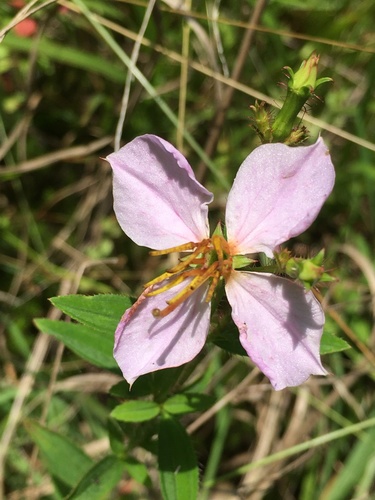
Maryland Meadow-beauty
Rhexia mariana
Native to Florida. How scores work Is it native here?
Profile 88%
- Height
- 2–3 feet
- Light
- Full sun, Partial shade
- Soil moisture
- Usually moist
At a glance
- Life cycle
- Perennial
Not yet recorded · Spread · Leaves · Bloom
This plant is missing most of its facts, so Quercus is looking them up in old botany books.
Recorded in 64 Florida counties.
Also found with this plant
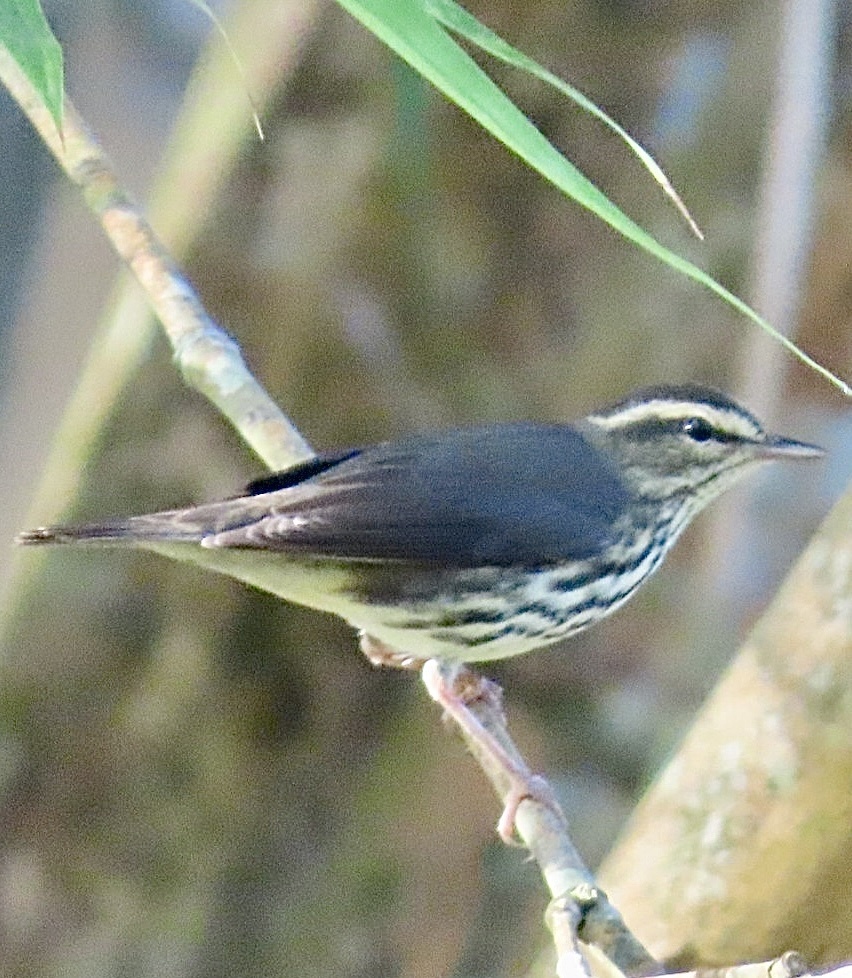
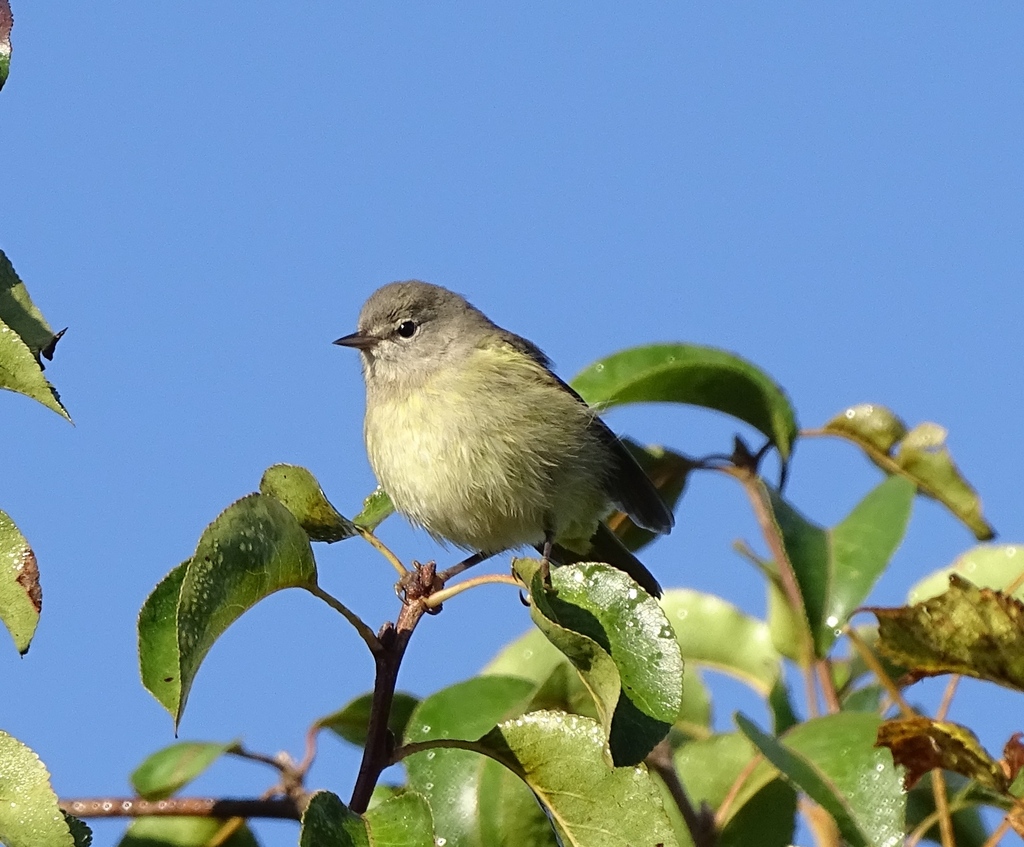
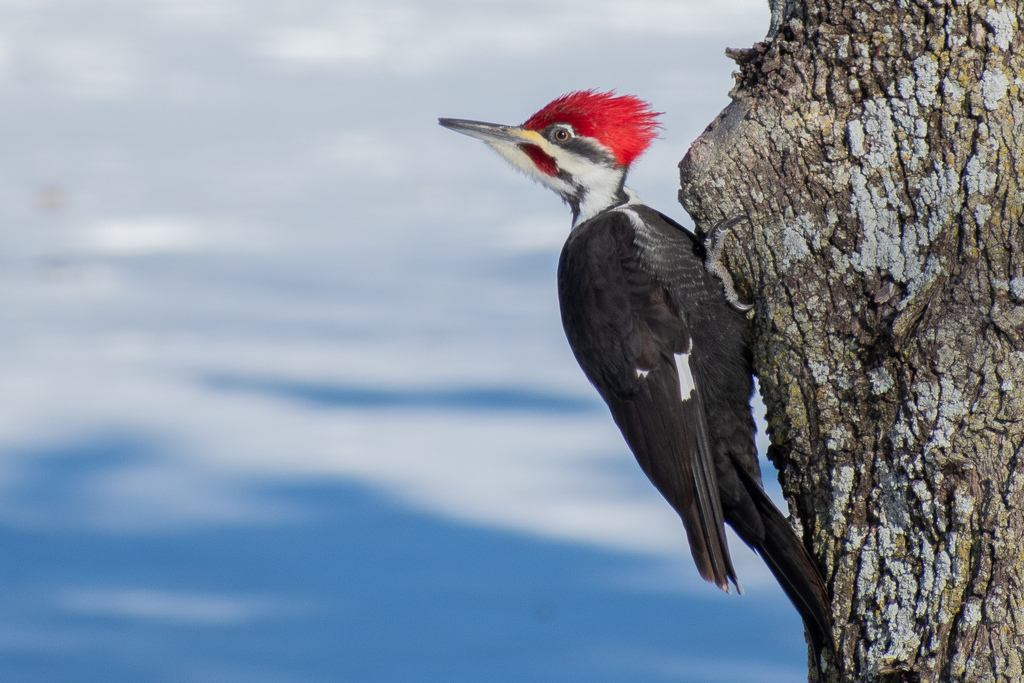
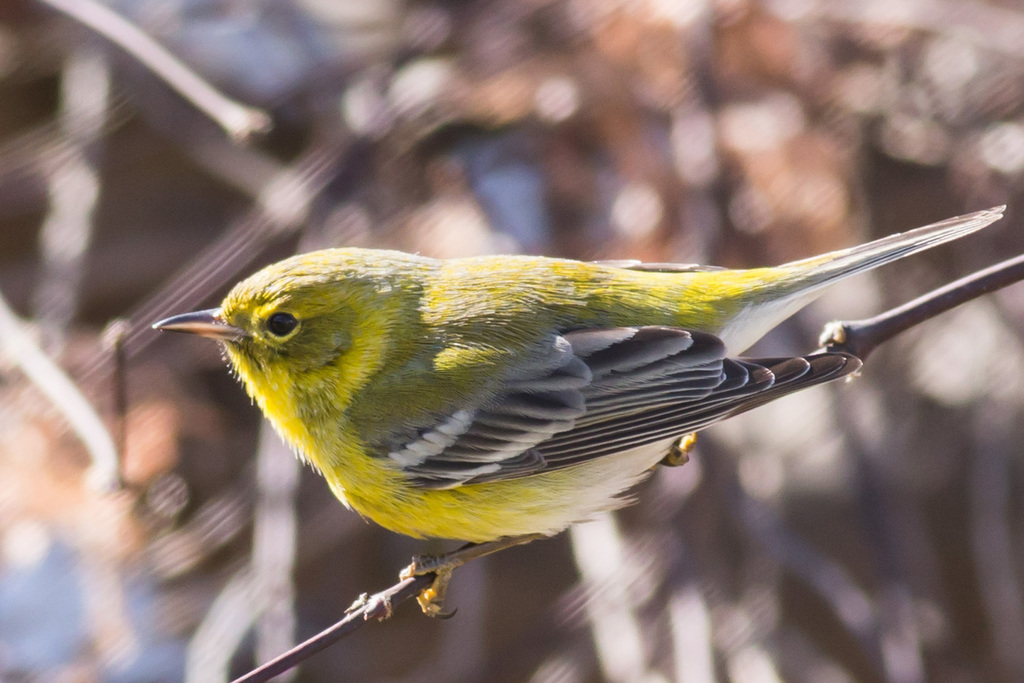
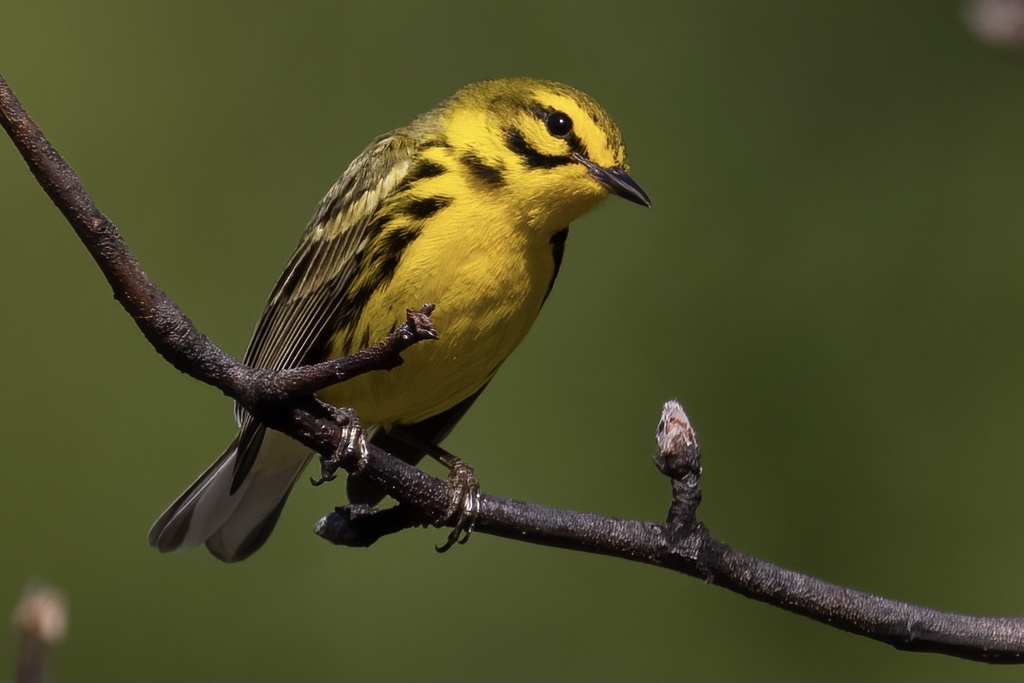
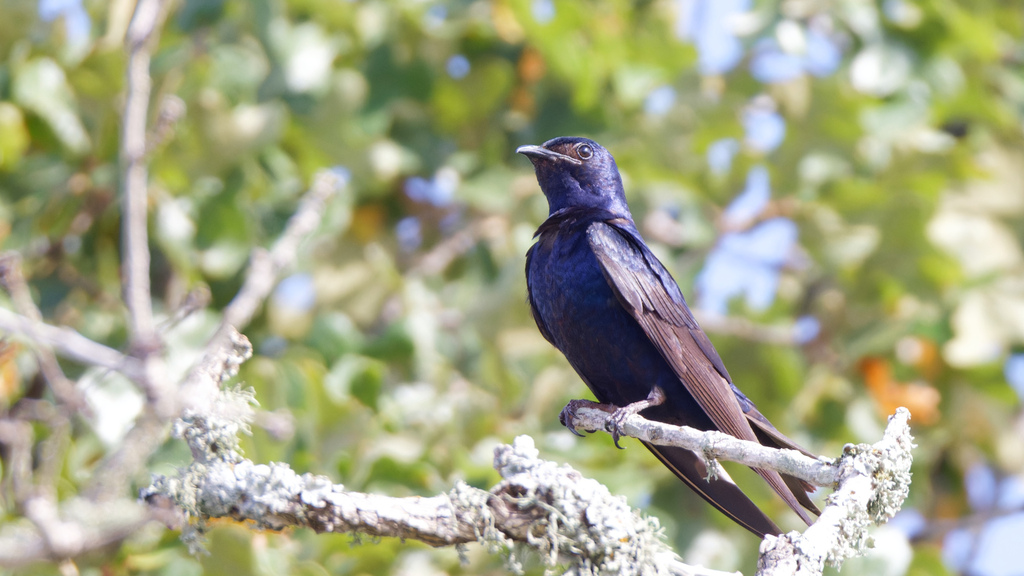
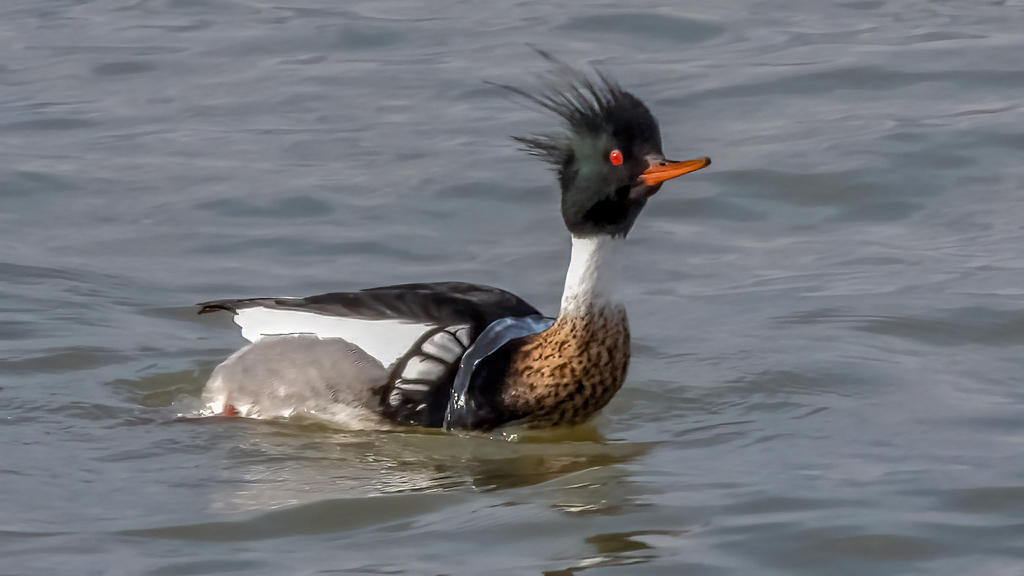
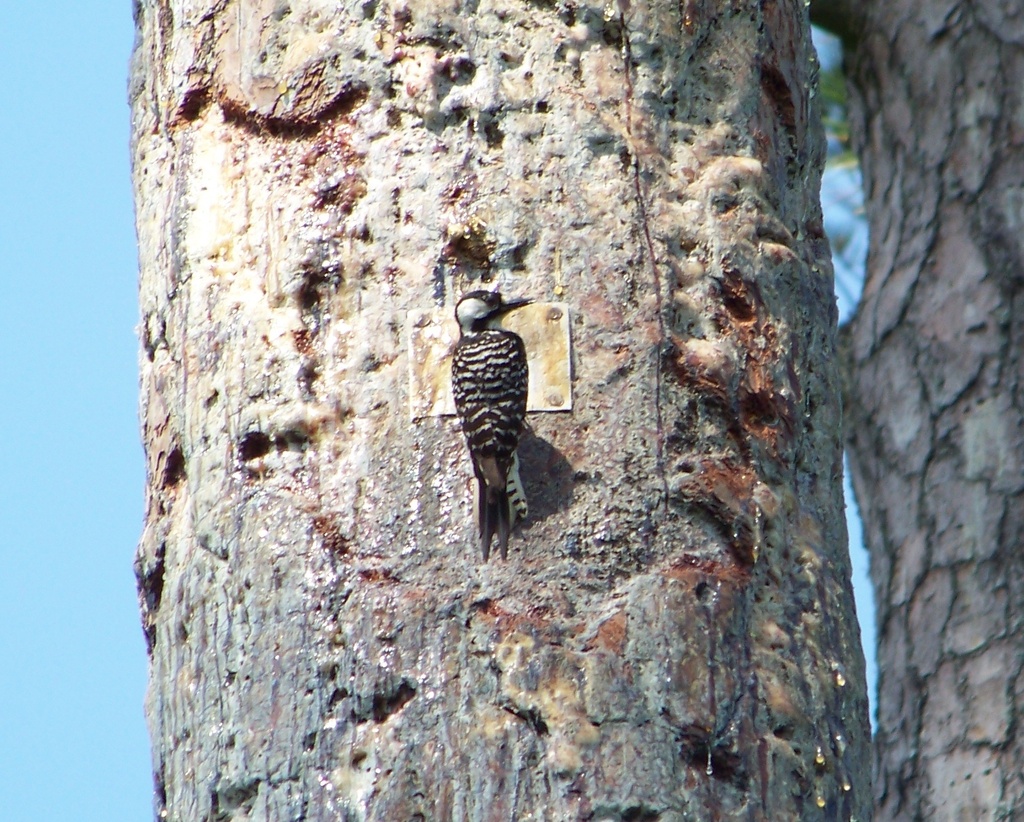
Wildlife whose habitat models include habitats this plant grows in, in Florida. Shared habitat, not food. 175 animals.
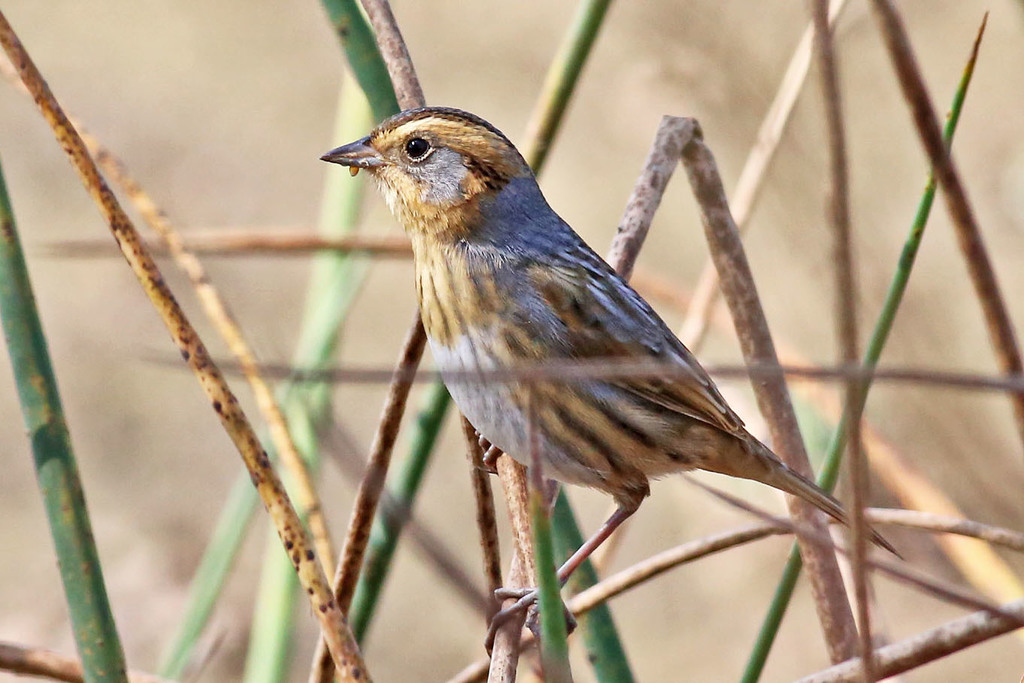
- Nelson's Sharp-tailed SparrowAmmodramus nelsoni
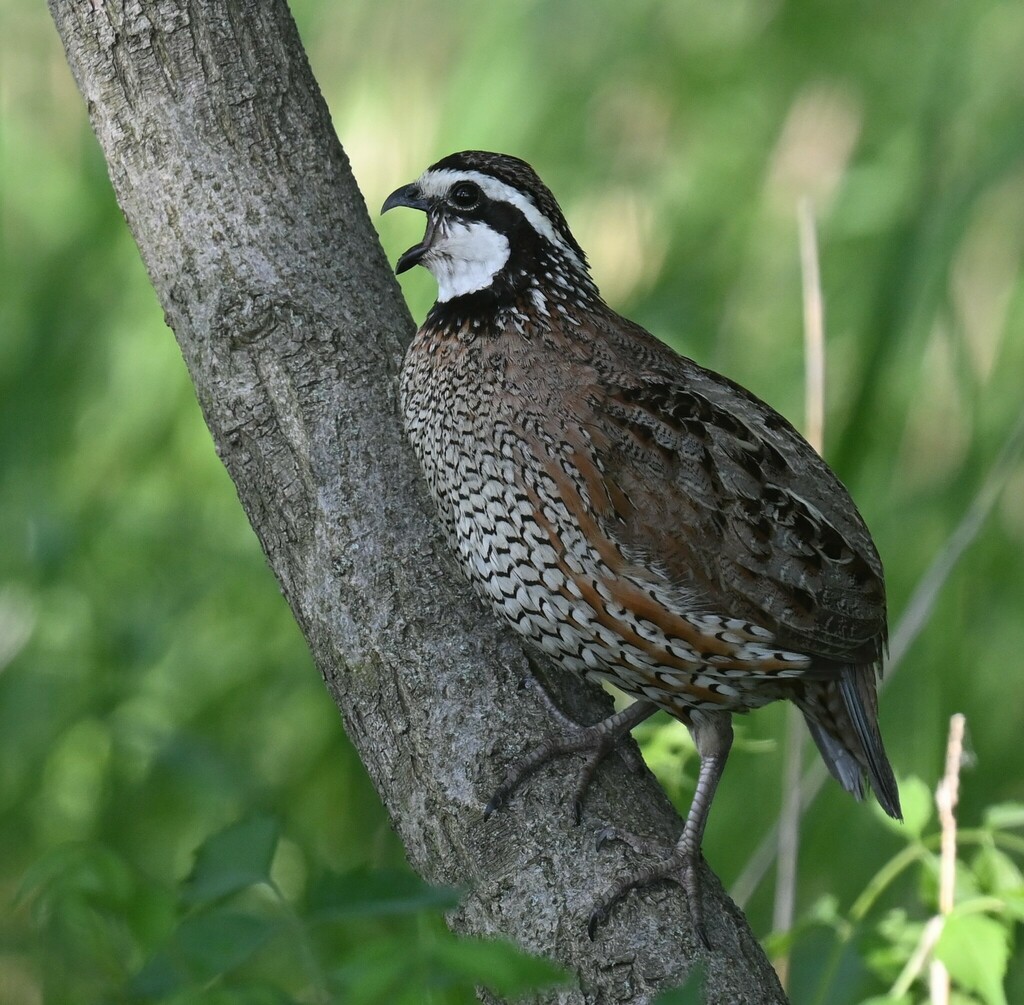
- Northern BobwhiteColinus virginianus
- Northern FlickerColaptes auratus
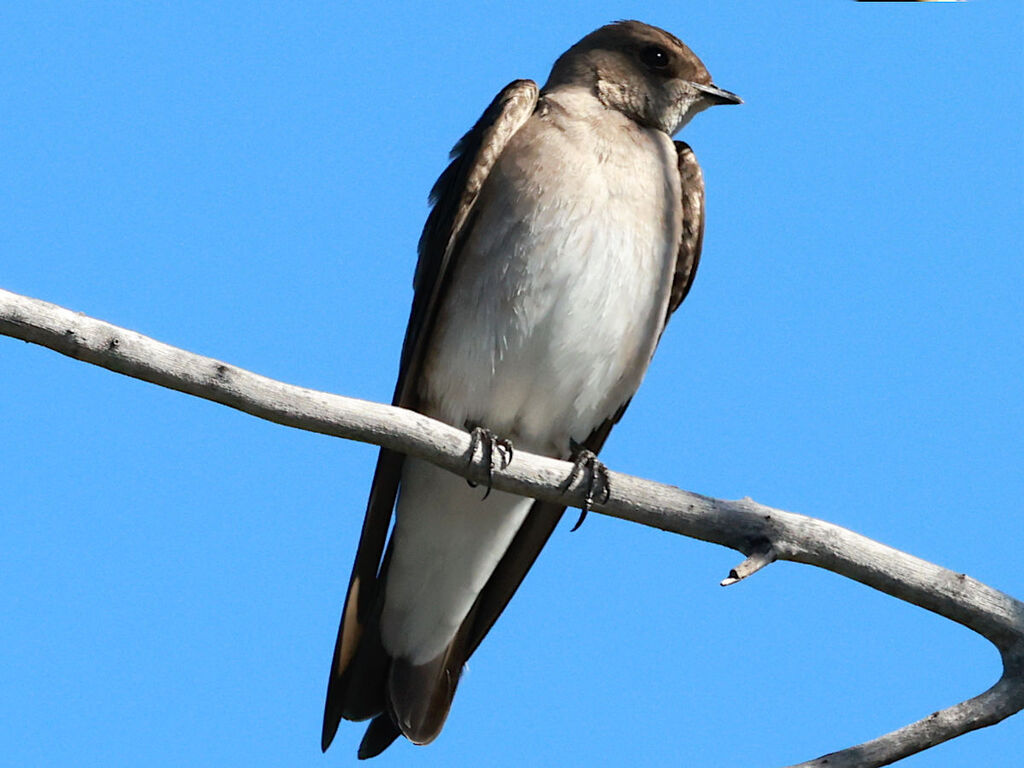
- Northern Rough-winged SwallowStelgidopteryx serripennis
- Northern WaterthrushSeiurus noveboracensis
- Orange-crowned WarblerVermivora celata
- Orchard OrioleIcterus spurius
- Pileated WoodpeckerDryocopus pileatus
- Pine SiskinCarduelis pinus
- Pine WarblerDendroica pinus
- Prairie WarblerDendroica discolor
- Prothonotary WarblerProtonotaria citrea
- Purple FinchCarpodacus purpureus
- Purple MartinProgne subis
- Red-bellied WoodpeckerMelanerpes carolinus
- Red-breasted MerganserMergus serrator
- Red-cockaded WoodpeckerPicoides borealis
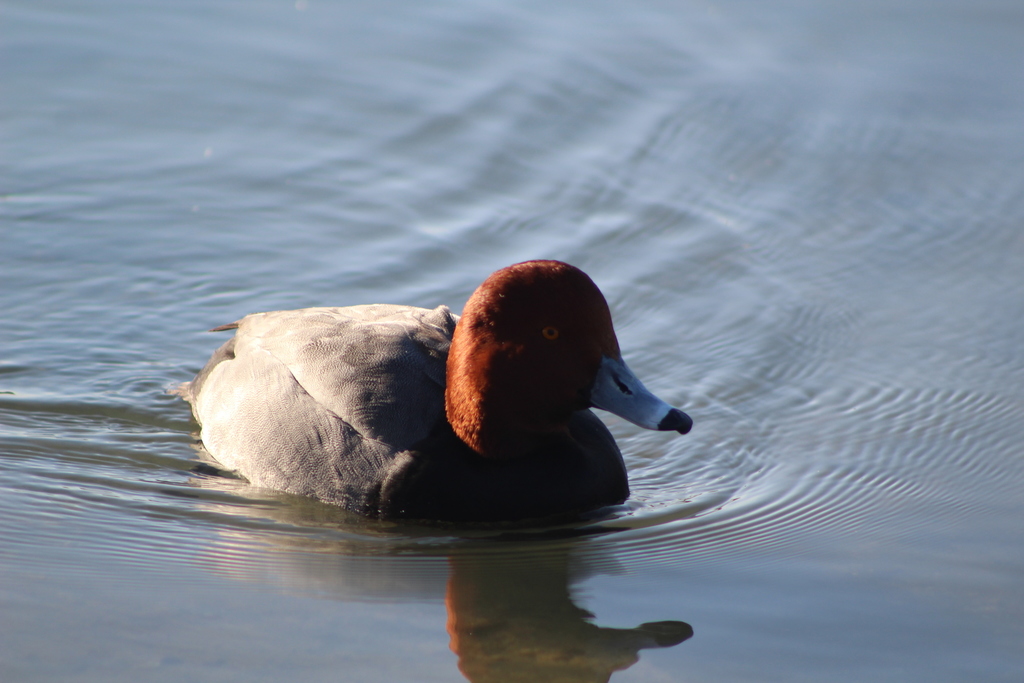
- RedheadAythya americana
- Ring-necked DuckAythya collaris
- Ruby-crowned KingletRegulus calendula
- Ruby-throated HummingbirdArchilochus colubris
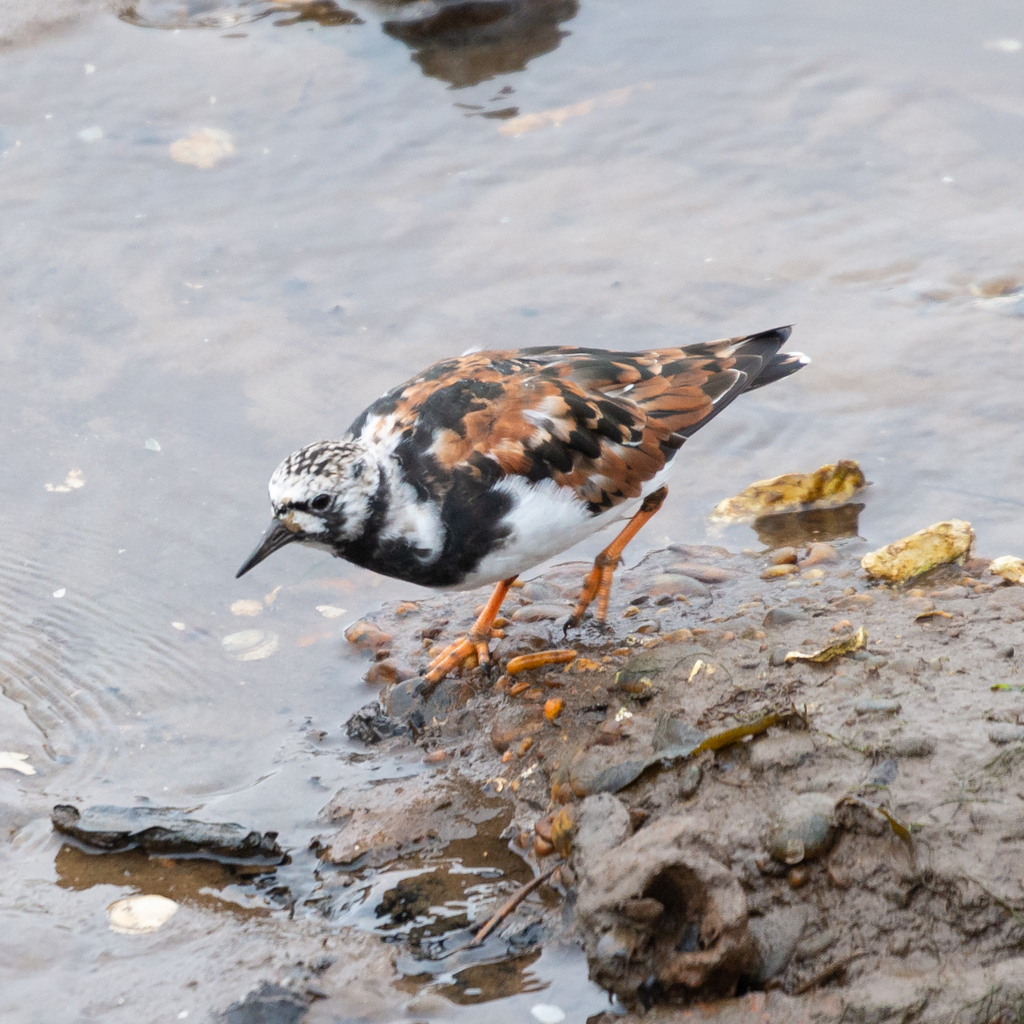
- Ruddy TurnstoneArenaria interpres
- Rusty BlackbirdEuphagus carolinus
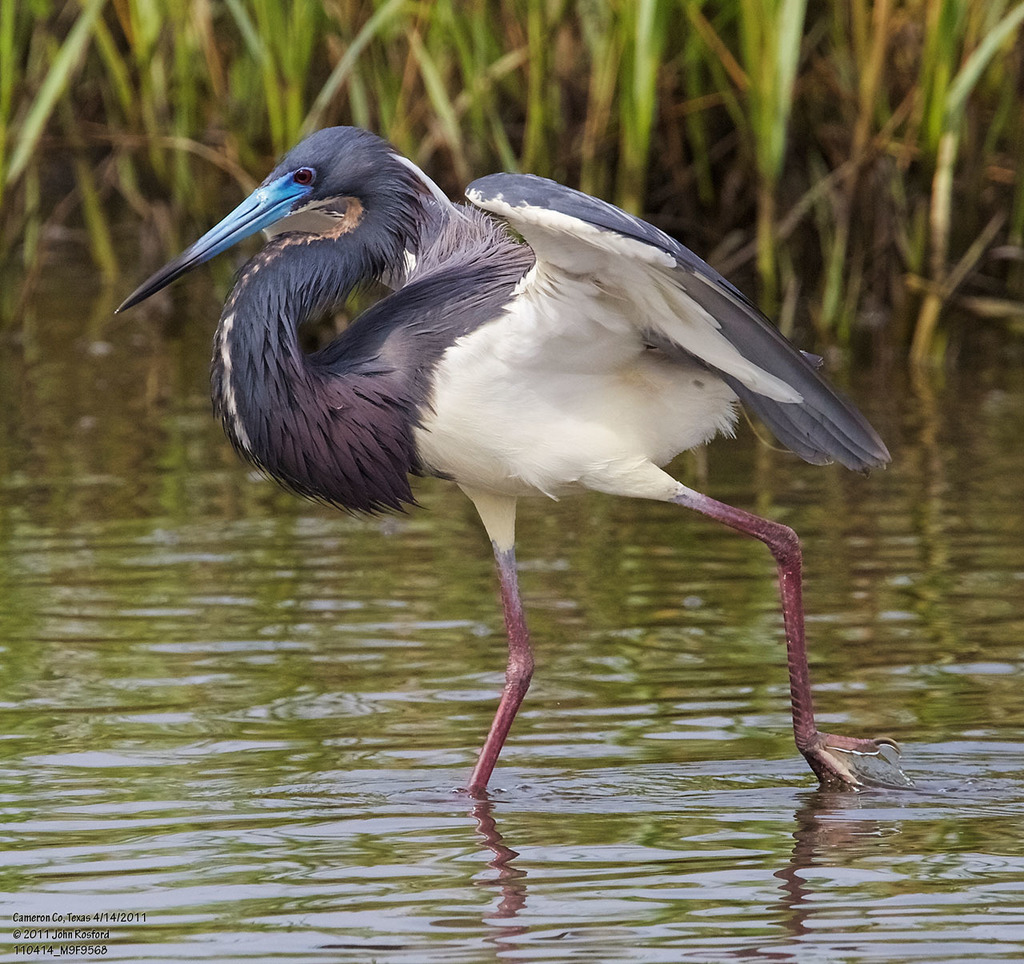
- Tricolored HeronEgretta tricolor










Who uses this plant?
 6CaterpillarsGenus host records with ranges including FL
Genus host records with ranges including FL · Rhexia
- Chloridea subflexaSubflexus Straw, Groundcherry Sun Moth
- Chloridea virescensTobacco Budworm Moth
- Cymatophora approximariaLarge Scalloped-Wing, Giant Grey
- Eupithecia miserulataCommon Eupithacia, Common Pug
- Scopula limboundataLarge Lace-Border
- Xanthotype rufariaRufous Geometer
 8BeesSoutheastern regional records
Southeastern regional records · Rhexia
Individual names are not available yet.
Noori, Seltmann & Orr 2026, A curated and integrated dataset for exploring global bee-plant interactions (GloBI), Zenodo, CC BY 4.0 0Specialist beesPollen specialists
 —BirdsRecorded genus food-resource interactions; not a state feeding claim
No records yet · Ants · Beetles · Flies · Adult butterflies / moths · Other wasps · Other insects
Plant details
- Family
- Melastomataceae
- Hardiness
- Zones 6a–9b
- Soil pH
- Acidic
- Flower color
- Pink, purple or white
What its natural habitat tells you
Safety has not been reviewed for this plant; check toxicity and thorns before planting.
Growing sources and scope
- Flower color · “Pink, purple or white” · NC Extension Plant Toolbox (ranked first; Lady Bird Johnson Wildflower Center differs)
- Hardiness · “Zones 6a–9b” · NC Extension Plant Toolbox
- Height · “2–3 feet” · Tennessee Smart Yards (ranked first; Lady Bird Johnson Wildflower Center differs) · Published Tennessee growing guidance; exact cached scientific heading
- Life cycle · “Perennial” · NC Extension Plant Toolbox
- Light · “Full sun (6 or more hours of direct sunlight a day); Partial shade (direct sunlight only part of the day, 2-6 hours)” · NC Extension Plant Toolbox (ranked first; Tennessee Smart Yards, Lady Bird Johnson Wildflower Center differ)
- Soil · “Moist; Occasionally wet” · NC Extension Plant Toolbox (ranked first; Tennessee Smart Yards, Lady Bird Johnson Wildflower Center differ)
- Soil pH · “Acidic” · NC Extension Plant Toolbox
Also known as
Maryland Meadow Beauty; Pale Meadow Beauty
Conservation status
| Florida rank | SNR |
|---|---|
| Global rank | G5 |
| FL status | Not verified |
| Federal status | Not verified |
Will it fit your yard?
Check this plant against your county, sun and soil moisture. Conditions are checked in your browser.
Growing cautions
- Spreads by rhizomes. Spreads by rhizomes. Tennessee Smart Yards
For planning only; these do not change the score or Fit.
Sources
- Atlas of Florida Plants
- USDA PLANTS
- Vascular Plants of North Carolina (NC Natural Heritage Program)
- Shropshire & Tallamy 2025, Lepidoptera of North America north of Mexico, ZooKeys 1261 (ODbL)
- Noori, Seltmann & Orr 2026, A curated and integrated dataset for exploring global bee-plant interactions (GloBI), Zenodo, CC BY 4.0
- Smith, Bachelder, Russell, Morales, Mosher & Seltmann 2024, Bee-Specialization-Modeling v0.6.1 (specialist host table compiled from J. Fowler's pollen specialist bee lists), Zenodo, CC BY 4.0
- Hurlbert, Olsen, Sawyer & Winner 2021, Avian Diet Database, Scientific Data 8: 260 (CC0)
- Narango, Tallamy & Shropshire 2020, Few keystone plant genera support the majority of Lepidoptera species, Nature Communications