

Loblolly Pine
Pinus taeda
Found in forests and woodlands; maritime forests and thickets; floodplain and bottomland forests; pine flatwoods; roadsides, fields and disturbed ground; tree plantations and managed pine. Weakley, Flora of the Southeastern United States (2025), Florida edition What its natural habitat tells you
Native to Florida. How scores work Is it native here?
Profile 100%
- Height
- 60–90 feet
- Spread
- 20–40 feet
- Light
- Full sun
- Soil moisture
- Somewhat dry to moist
Space about 30 ft apart from its recorded spread. Enter your bed size for a count
Will it fit your yard?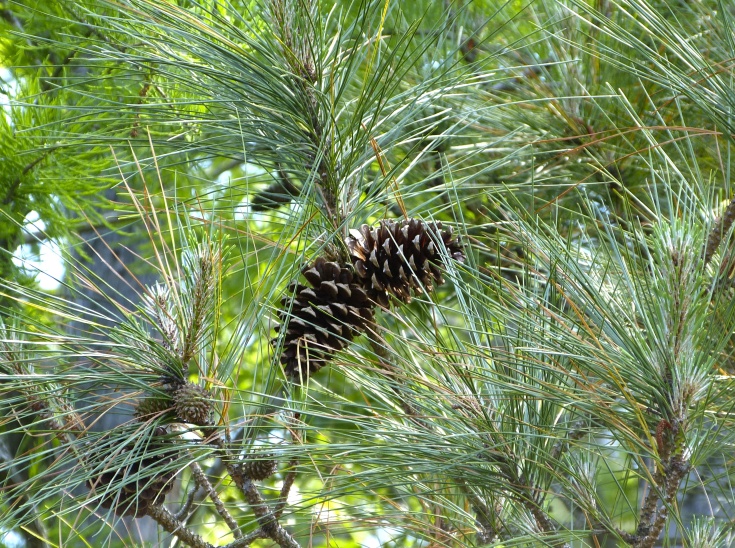
At a glance
- Life cycle
- Woody perennial
- Leaves
- Evergreen
- Bloom
- March to April
- Fruiting season
- October to November
Recorded in 46 Florida counties.
Natural habitats
Places it grows wild. Not a planting requirement. Each habitat page lists the plants and wildlife also found there.
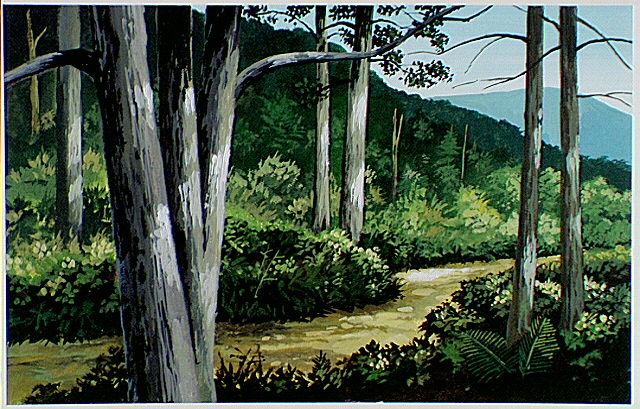
Salt-pruned forests and shrub thickets behind coastal dunes.
Floodplain and bottomland forests
Forests on low ground beside rivers and streams that flood from time to time.
Flat, sandy Coastal Plain pine woodlands, wetter than sandhills and denser than savannas.
Roadsides, fields and disturbed ground
Ground opened by people: roadsides, old fields, pastures, fencerows and lots.
Tree plantations and managed pine
Planted or intensively managed stands of pine or hardwoods grown for timber; a land use rather than a natural community.
Also found with this plant
Wildlife whose habitat models include habitats this plant grows in, in Florida. Shared habitat, not food. 173 animals.
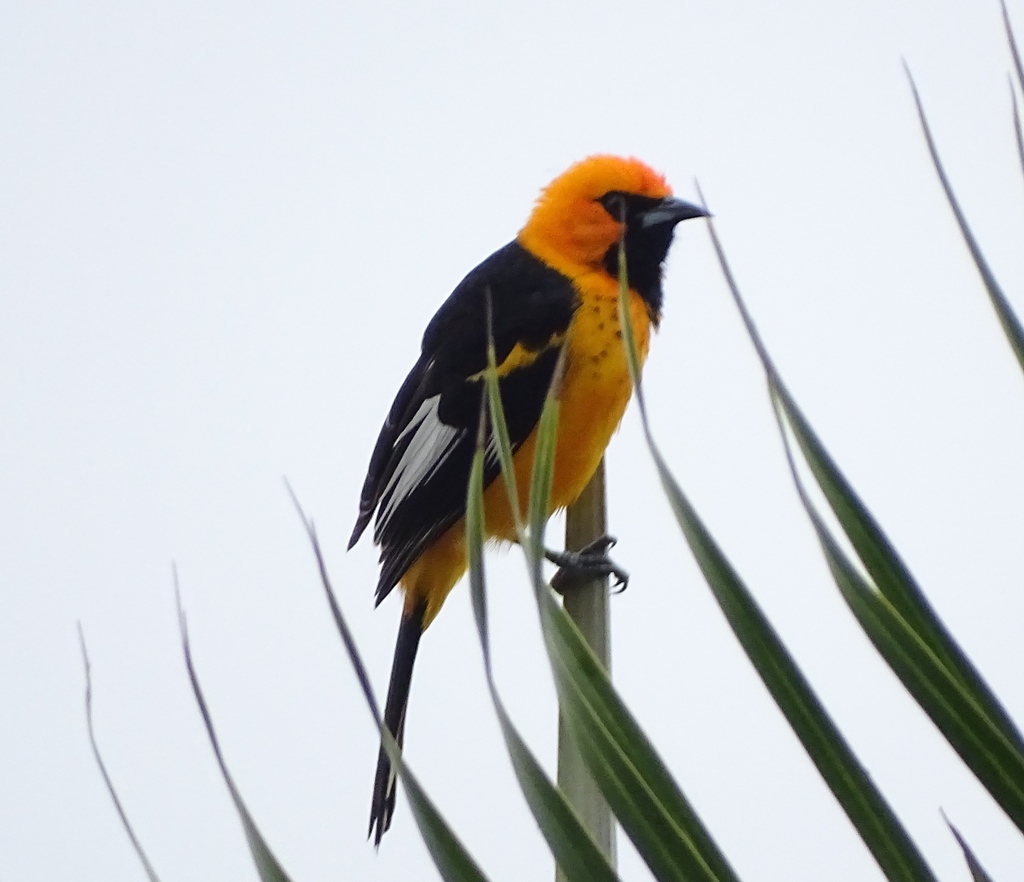
- Spot-breasted OrioleIcterus pectoralis
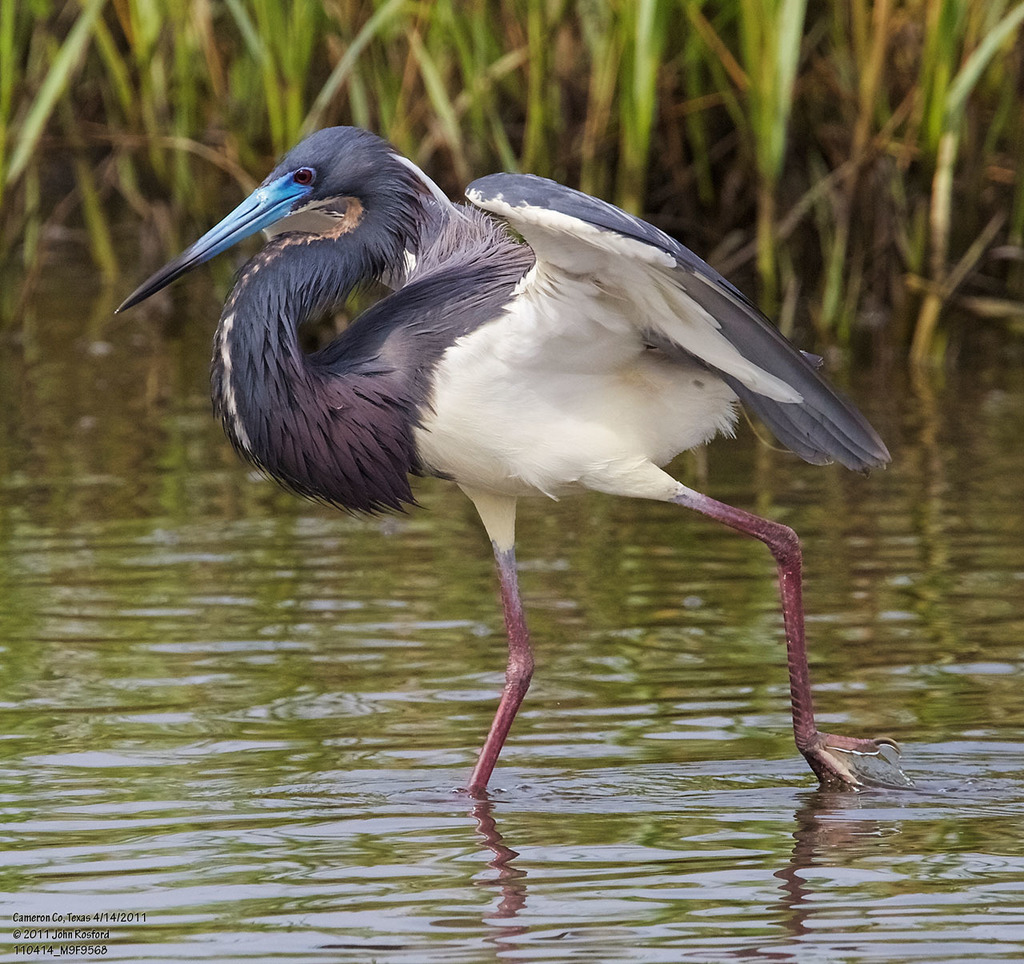
- Tricolored HeronEgretta tricolor
- Virginia RailRallus limicola
- White-crowned SparrowZonotrichia leucophrys
- Wilson's WarblerWilsonia pusilla
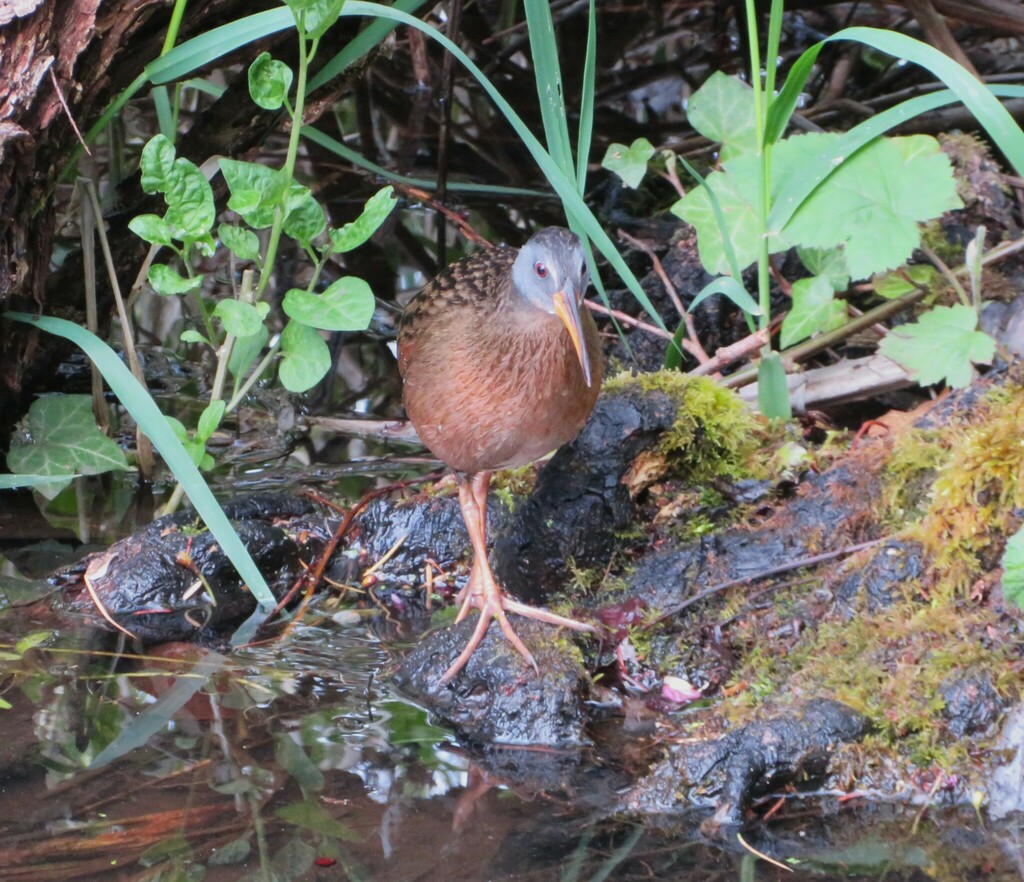
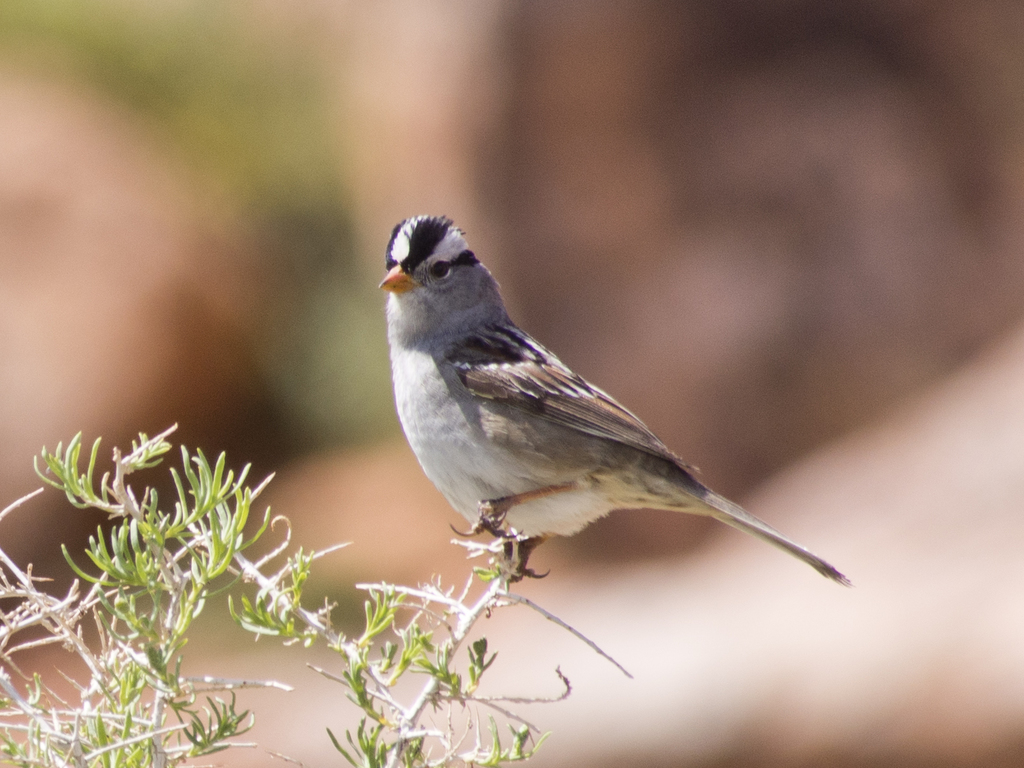
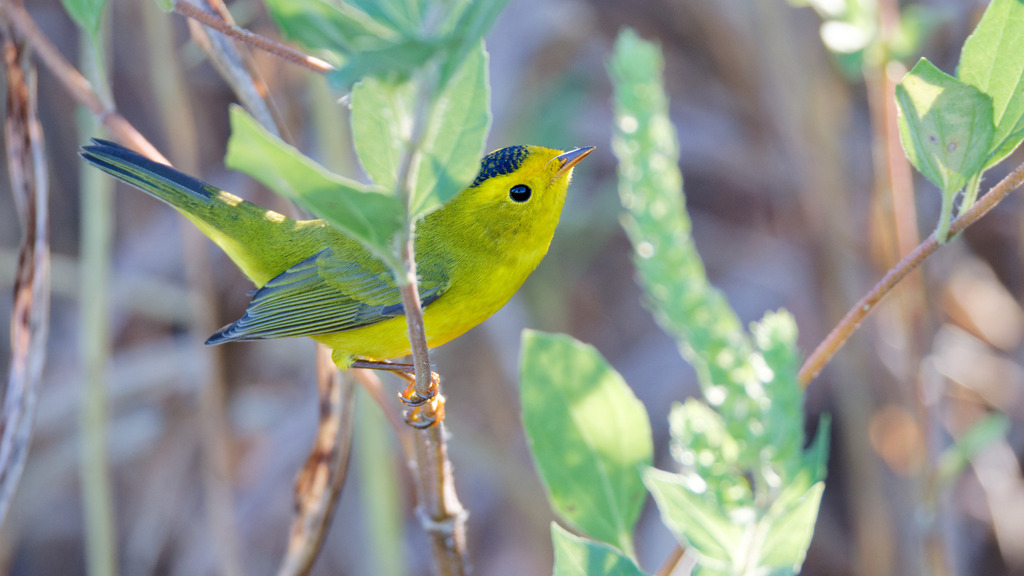
Who uses this plant?
 117CaterpillarsGenus host records with ranges including FL
Genus host records with ranges including FL · Pinus
- Eacles imperialisImperial Moth
- Acronicta lanceolariaNarrow-Winged Dagger, Lanceolate Dagger
- Acronicta oblinitaSmeared Dagger
- Amorbia humerosanaWhite-Lined Leafroller Moth
- Anatrachyntis badiaFlorida Pink Scavanger Caterpillar
- Anavitrinella pampinariaCommon Gray, Cranberry Spanworm
- Antheraea polyphemusPolyphemus Moth
- Argyrotaenia pinatubanaPine Tube Moth
- Argyrotaenia tabulanaLodgepole Needletier
- Argyrotaenia velutinanaRed-Banded Leafroller Moth, Jack Pine Tube Moth
Show all 117
- Battaristis vittellaOrange Striped-Back Moth
- Callophrys niphonPine Elfin
- Callosamia prometheaPromethea Silkmoth, Promethea Moth
- Calosima dianellaEastern Pine Catkin Borer Moth
- Caripeta aretariaSouthern Pine Looper Moth
- Choristoneura conflictanaLarge Aspen Tortrix
- Choristoneura fumiferanaSpruce Budworm Moth
- Choristoneura pinusJack Pine Budworm
- Choristoneura rosaceanaOblique-Banded Leafroller Moth, Rosaceous Leaf Roller
- Citheronia sepulcralisPine-Devil Moth
- Coleotechnites floraeColeotechnites Flower Moth, Red Pine Flower Moth
- Corticivora parvaBronze-Banded Corticivora
- Cydia anaranjadaSlash Pine Seedworm
- Cydia ingensLongleaf Pine Seedworm Moth
- Cydia toreutaEastern Pine Seedworm
- Dasychira mantoRusty Tussock Moth, Manto Tussock Moth
- Decantha boreasellaReticulated Decantha Moth
- Dichomeris setosellaHairy Dichomeris
- Dioryctria amatellaSouthern Pine Coneworm
- Dioryctria clarioralisBlister Coneworm
- Dioryctria disclusaWebbing Coneworm
- Dioryctria ebeliSouth Coastal Coneworm
- Dioryctria merkeliLoblolly Pineconeworm
- Dioryctria taedivorellaLesser Loblolly Pineconeworm Moth
- Ectropis crepusculariaThe Small Engrailed, Saddleback Looper
- Elaphria versicolorVariegated Midget
- Elasmopalpus lignosellaLesser Cornstalk Borer
- Euchlaena madusariaScrub Euchlaena
- Eucopina cocanaShortleaf Pine Cone Borer
- Eupithecia palpataSmall Pine Looper, Palpata Pug
- Eutrapela clematariaCurved-Tooth Geometer, Purplish Brown Looper
- Exoteleia pinifoliellaPine Needle Miner
- Feralia majorMajor Sallow, Pine Sallow
- Givira annaAnna Carpenterworm Moth
- Givira francescaFrancesca Carpenterworm Moth
- Hydriomena transfigurataTransfigured Hydriomena
- Hypagyrtis estherEsther Moth
- Hypagyrtis unipunctataOne-Spotted Variant
- Hyphantria cuneaFall Webworm
- Hypoprepia miniataScarlet-Winged Lichen Moth
- Hypsopygia intermedialisRed-Shawled Moth
- Iridopsis vellivolataLarge Purplish Gray
- Laetilia coccidivoraScale-Feeding Snout
- Lambdina fervidariaCurve-Lined Looper Moth
- Lambdina pellucidariaYellow-Headed Looper, Eastern Pine Looper
- Lapara coniferarumSouthern Pine Sphinx
- Lapara phaeobrachycerousBrou's Sphinx
- Macaria bicolorataBicolored Angle
- Macaria distribuariaSouthern Chocolate Angle
- Macaria transitariaBlurry Chocolate Angle
- Melanocinclis lineigeraLined Melanocinclis
- Melanolophia canadariaCanadian Melanolphia, Variable Redmarked Looper
- Metanema inatomariaPale Metanema
- Moodna ostrinellaDarker Moodna
- Moodna pallidostrinellaPaler Moodna
- Morrisonia confusaConfused Woodgrain
- Nematocampa resistariaFilament Bearer, Horned Spanworm Moth
- Nepytia semiclusariaPine Conelet Looper
- Oiketicus abbotiiAbbot's Bagworm Moth
- Orgyia leucostigmaWhite-Marked Tussock Moth
- Orthotaenia undulanaDusky Leafroller
- Palthis angulalisDark-Spotted Palthis
- Panthea furcillaEastern Panthea, Tufted Pine Panthea
- Patalene olyzonariaJuniper Geometer
- Platynota flavedanaBlack-Shaded Platynota
- Platynota idaeusalisTufted Apple-Bud Moth
- Platynota stultanaOmnivorous Leafroller
- Pococera melanogrammosBlack-Letter Pococera
- Pococera robustellaPine Webworm
- Prochoerodes lineolaLarge Maple Spanworm Moth
- Protoboarmia porcelariaPorcelain Gray, Dashedlined Looper
- Retinia gemistrigulanaGray Retinia
- Retinia houseriMinute Pitch-Blister Moth
- Retinia taedanaSouthern Pitch-Blister Moth
- Rhyacionia busckanaRed Pine Tip Moth, Red Pine Shoot Borer
- Rhyacionia frustranaNantucket Pine Tip Moth
- Rhyacionia grantiJack Pine Tip Moth, Jack Pine Shoot Borer
- Rhyacionia rigidanaPitch-Pine Tip Moth
- Rhyacionia subtropicaPine Tip Moth, Subtropical Pine Tip Moth
- Satronia tantillaSouthern Pine Catkinworm
- Sparganothis sulfureanaSparganothis Fruitworm Moth, Sulfur Leafroller, False Yellow-Head
- Spilosoma virginicaVirginian Tiger Moth, Yellow Woolybear Moth, Yellow Bear
- Spodoptera frugiperdaFall Armyworm Moth
- Strymon melinusGray Hairstreak
- Synanthedon scitulaDogwood Borer, Pecan Borer
- Syndemis afflictanaFall Dead-Leaf Roller, Gray Leafroller, Black-and-Grey Banded Leafroller
- Tetracis cachexiataWhite Slant-Line
- Thyridopteryx ephemeraeformisEvergreen Bagworm Moth
- Tolype notialisSmall Tolype
- Virbia aurantiacaOrange Virbia, Orange Holomelina
- Xestia elimataSouthern Variable Dart, Southern Pine Dart
- Zale buchholziBuchholz's Zale
- Zale confusaConfused Zale
- Zale curemaBlack-Eyed Zale, Northeastern Pine Zale
- Zale helataBrown-Spotted Zale
- Zale metataFawn Virginia Pine Zale
- Zale obliquaOblique Zale
- Zanclognatha marthaPine Barrens Zanclognatha, Pine Barrens Fan-Foot
- Zanclognatha protumnusalisConifer Zanclognatha, Complex Fan-Foot
- Basicladus celibata
- Caripeta latiorata
- Coleotechnites condignella
- Coleotechnites starki
- Laetilia myersella
- Rhyacionia aktita
- Rhyacionia fumosana
- Xenotemna pallorana
 1BeesSoutheastern regional records
Southeastern regional records · Pinus
Individual names are not available yet.
Noori, Seltmann & Orr 2026, A curated and integrated dataset for exploring global bee-plant interactions (GloBI), Zenodo, CC BY 4.0 0Specialist beesPollen specialists
 15BirdsRecorded genus food-resource interactions; not a state feeding claim
Recorded genus food-resource interactions; not a state feeding claim · Pinus
- Alectoris chukarChukar
- Anthus rubescensAmerican Pipit
- Aythya collarisRing-necked Duck
- Coccothraustes vespertinusEvening Grosbeak
- Conuropsis carolinensisCarolina Parakeet
- Dendragapus obscurusDusky Grouse
- Falcipennis canadensisSpruce Grouse
- Gymnorhinus cyanocephalusPinyon Jay
- Loxia curvirostraRed Crossbill
- Meleagris gallopavoWild Turkey
Show all 15
- Nucifraga columbianaClark's Nutcracker
- Patagioenas fasciataBand-tailed Pigeon
- Pinicola enucleatorPine Grosbeak
- Rhynchopsitta pachyrhynchaThick-billed Parrot
- Setophaga pinusPine Warbler
Direct food only: birds recorded eating this genus across North America. Caterpillars on host plants also feed nesting birds. NC Native Plant Society: butterfly gardening
 1AntsRecorded seed interactions
- Pogonomyrmex badius
Pogonomyrmex badius: Seed predation.
No records yet · Beetles · Flies · Adult butterflies / moths · Other wasps · Other insects
Plant details
- Family
- Pinaceae
- Hardiness
- Zones 6a–9b
- Soil pH
- Acidic
- Flower color
- Yellow, purple or red
- Growth rate
- Rapid
- Growth habit
- Single stem
- Foliage color
- Green
- Fruit begins
- October
- Fruit ends
- November
Safety has not been reviewed for this plant; check toxicity and thorns before planting.
Growing sources and scope
- Bloom · “March to April” · Weakley, Flora of the Southeastern United States (2025), Carolinas & Georgia edition (ranked first; USDA PLANTS differs) · Carolinas and Georgia
- Flower color · “Yellow, purple or red” · NC Extension Plant Toolbox
- Foliage color · “Green” · USDA PLANTS · Nationwide species characteristics; local growing conditions may vary
- Fruit begins · “October” · Weakley, Flora of the Southeastern United States (2025), Carolinas & Georgia edition (ranked first; USDA PLANTS differs) · Carolinas and Georgia
- Fruit ends · “November” · Weakley, Flora of the Southeastern United States (2025), Carolinas & Georgia edition (ranked first; USDA PLANTS differs) · Carolinas and Georgia
- Growth habit · “Single stem” · USDA PLANTS · Nationwide species characteristics; local growing conditions may vary
- Growth rate · “Rapid” · USDA PLANTS · Nationwide species characteristics; local growing conditions may vary
- Hardiness · “Zones 6a–9b” · NC Extension Plant Toolbox
- Height · “60–90 feet” · NC Extension Plant Toolbox (ranked first; USDA PLANTS differs)
- Leaves · “Evergreen” · NC Extension Plant Toolbox
- Life cycle · “Woody perennial” · NC Extension Plant Toolbox
- Light · “Full sun (6 or more hours of direct sunlight a day)” · NC Extension Plant Toolbox (ranked first; Tennessee Smart Yards, Virginia DCR Piedmont, Virginia DCR Coastal Plain differ)
- Soil · “Moist; Occasionally dry; Occasionally wet” · NC Extension Plant Toolbox (ranked first; Tennessee Smart Yards, Virginia DCR Piedmont, Virginia DCR Coastal Plain differ)
- Soil pH · “Acidic” · NC Extension Plant Toolbox
- Spread · “20–40 feet” · NC Extension Plant Toolbox
Conservation status
| Florida rank | S5 |
|---|---|
| Global rank | G5 |
| FL status | Not verified |
| Federal status | Not verified |
Will it fit your yard?
Check this plant against your county, sun and soil moisture. Conditions are checked in your browser.
Sources
- Atlas of Florida Plants
- USDA PLANTS
- Vascular Plants of North Carolina (NC Natural Heritage Program)
- Weakley, Flora of the Southeastern United States (2025), South Central edition
- NatureServe Explorer
- Shropshire & Tallamy 2025, Lepidoptera of North America north of Mexico, ZooKeys 1261 (ODbL)
- Noori, Seltmann & Orr 2026, A curated and integrated dataset for exploring global bee-plant interactions (GloBI), Zenodo, CC BY 4.0
- Smith, Bachelder, Russell, Morales, Mosher & Seltmann 2024, Bee-Specialization-Modeling v0.6.1 (specialist host table compiled from J. Fowler's pollen specialist bee lists), Zenodo, CC BY 4.0
- Hurlbert, Olsen, Sawyer & Winner 2021, Avian Diet Database, Scientific Data 8: 260 (CC0)
- Narango, Tallamy & Shropshire 2020, Few keystone plant genera support the majority of Lepidoptera species, Nature Communications