

Paronychia rugelii
Paronychia rugelii
Found in longleaf pine sandhills, pine flatwoods. Weakley, Flora of the Southeastern United States (2025), Florida edition What its natural habitat tells you
Native to Florida. How scores work Is it native here?
Profile 6%
Will it fit your yard?No photograph yet. Looking for an old drawing…
At a glance
Not yet recorded · Height · Spread · Light · Soil · Life cycle · Leaves · Bloom
This plant is missing most of its facts, so Quercus is looking them up in old botany books.
Recorded in 24 Florida counties.
Natural habitats
Places it grows wild. Not a planting requirement. Each habitat page lists the plants and wildlife also found there.
Dry, deep-sand ridges with longleaf pine and turkey oak, kept open by fire.
Flat, sandy Coastal Plain pine woodlands, wetter than sandhills and denser than savannas.
Also found with this plant
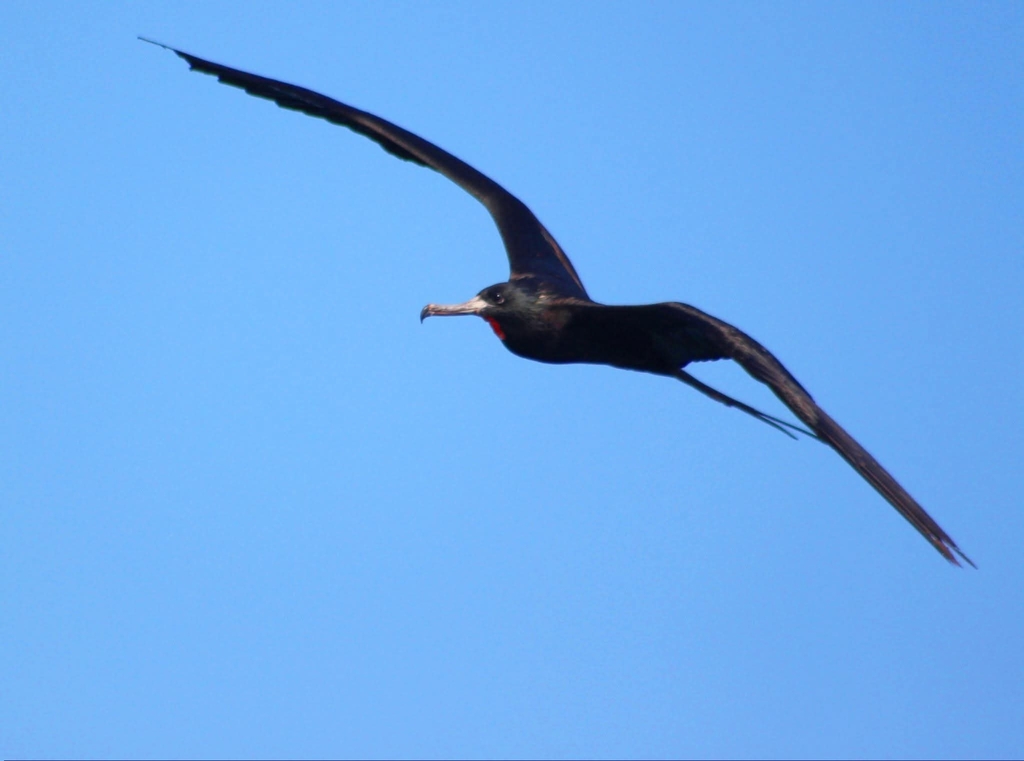
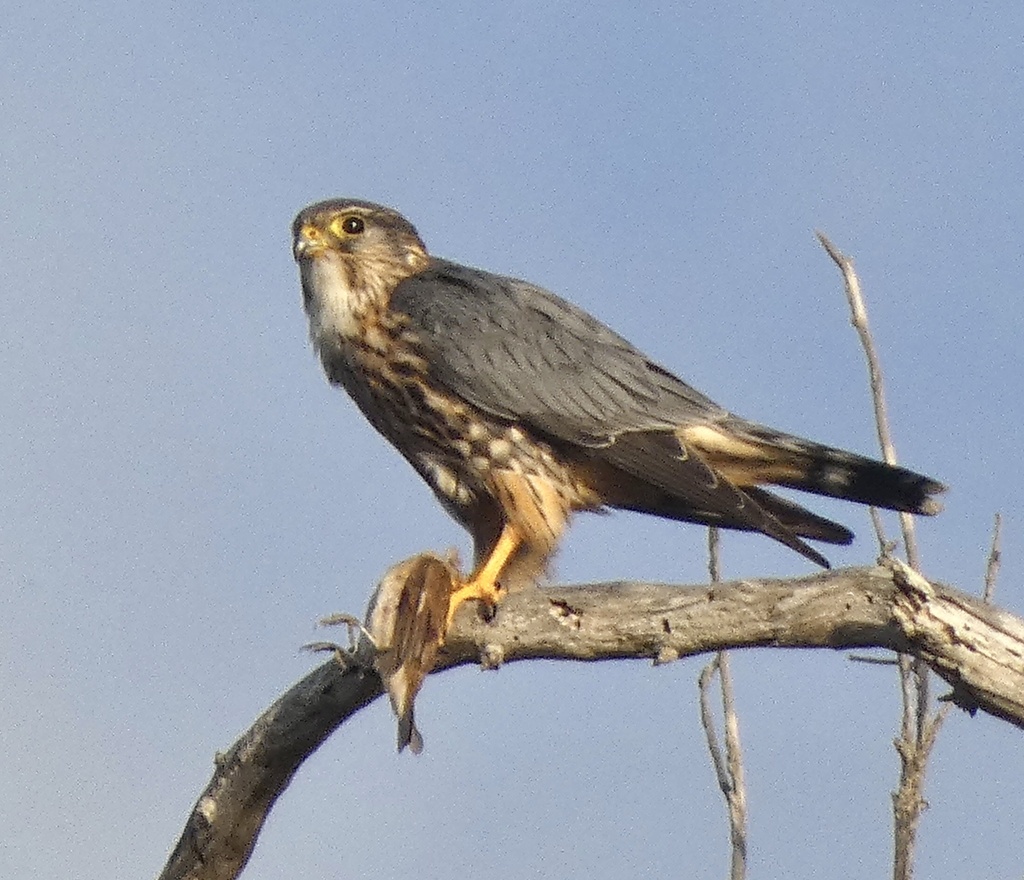
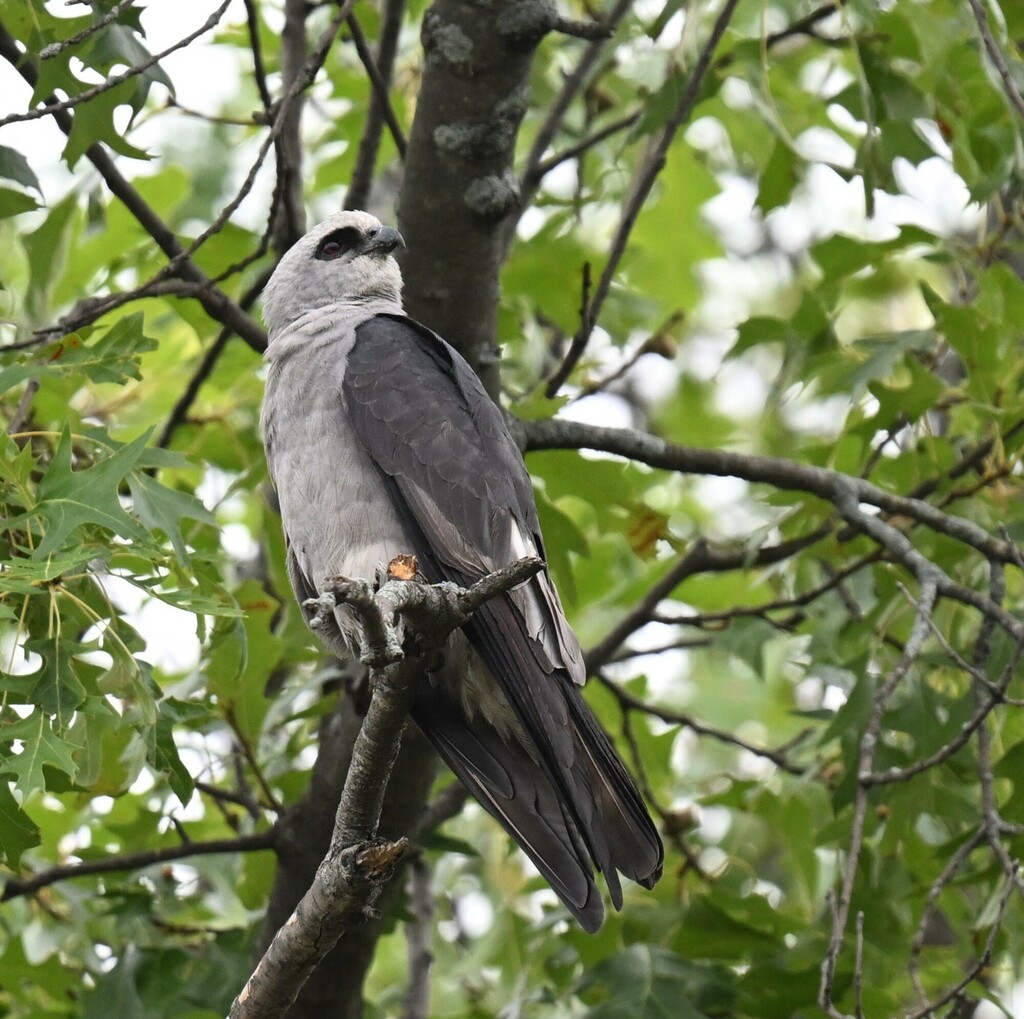
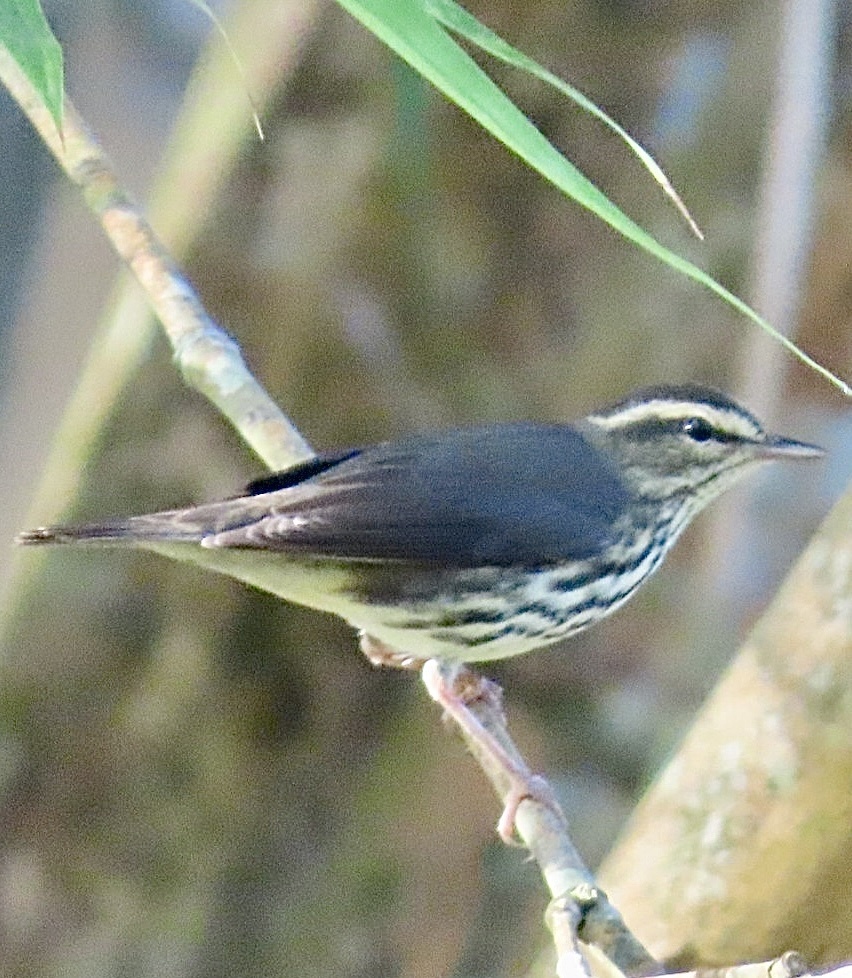
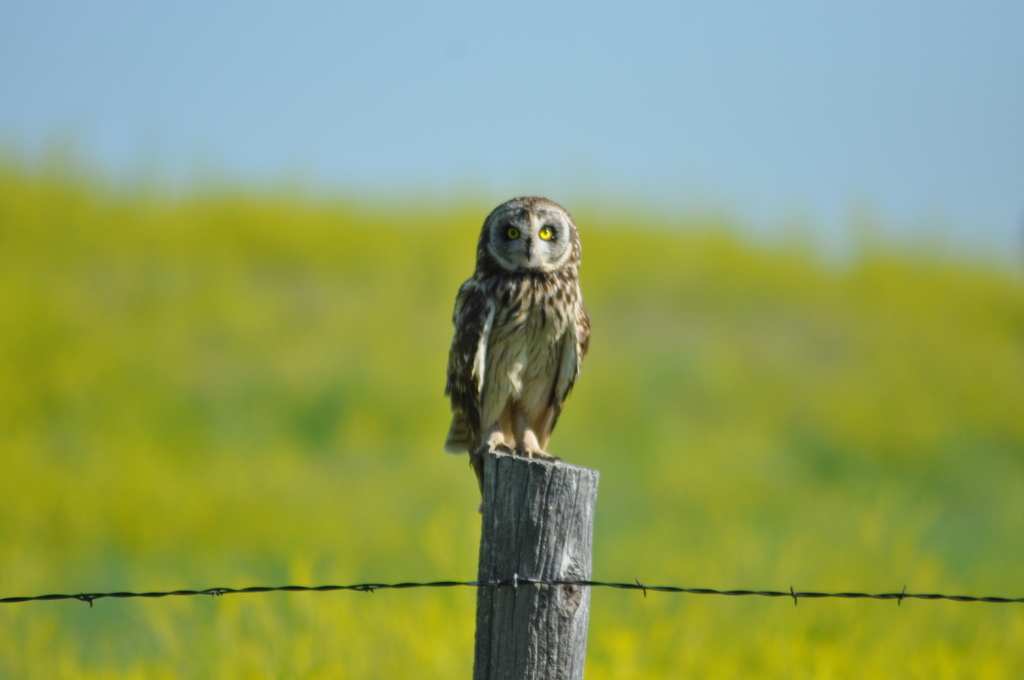
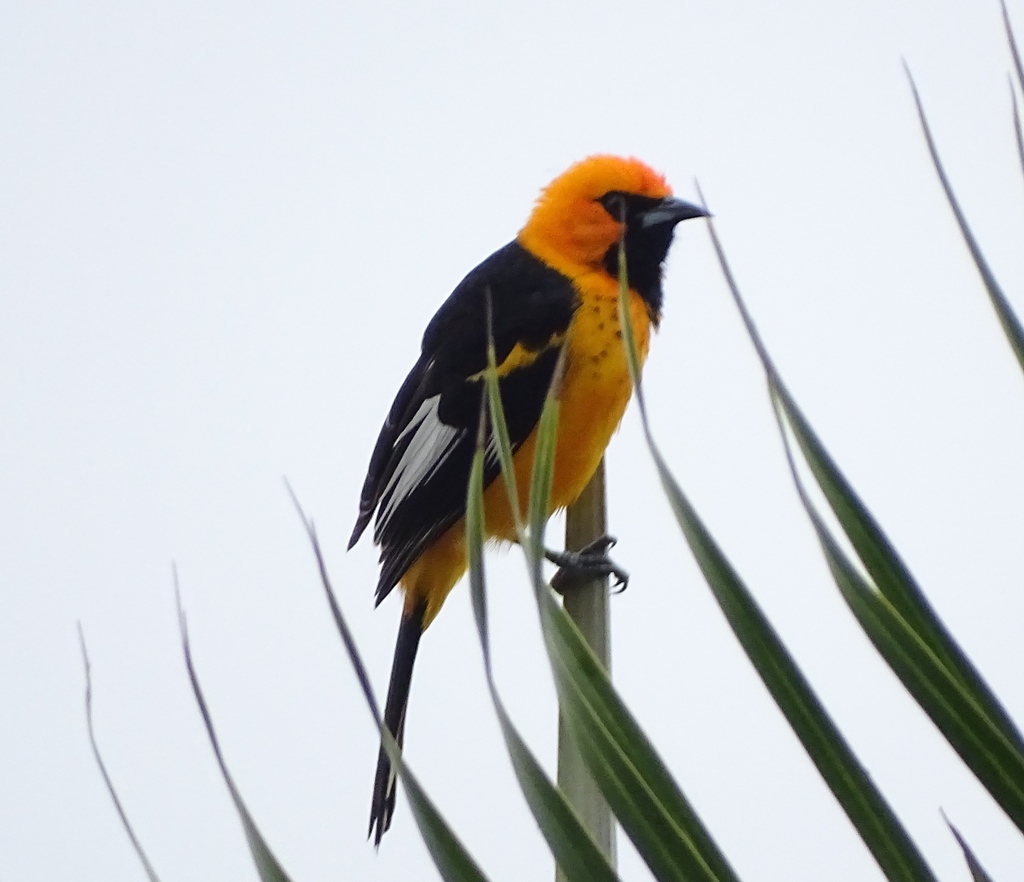
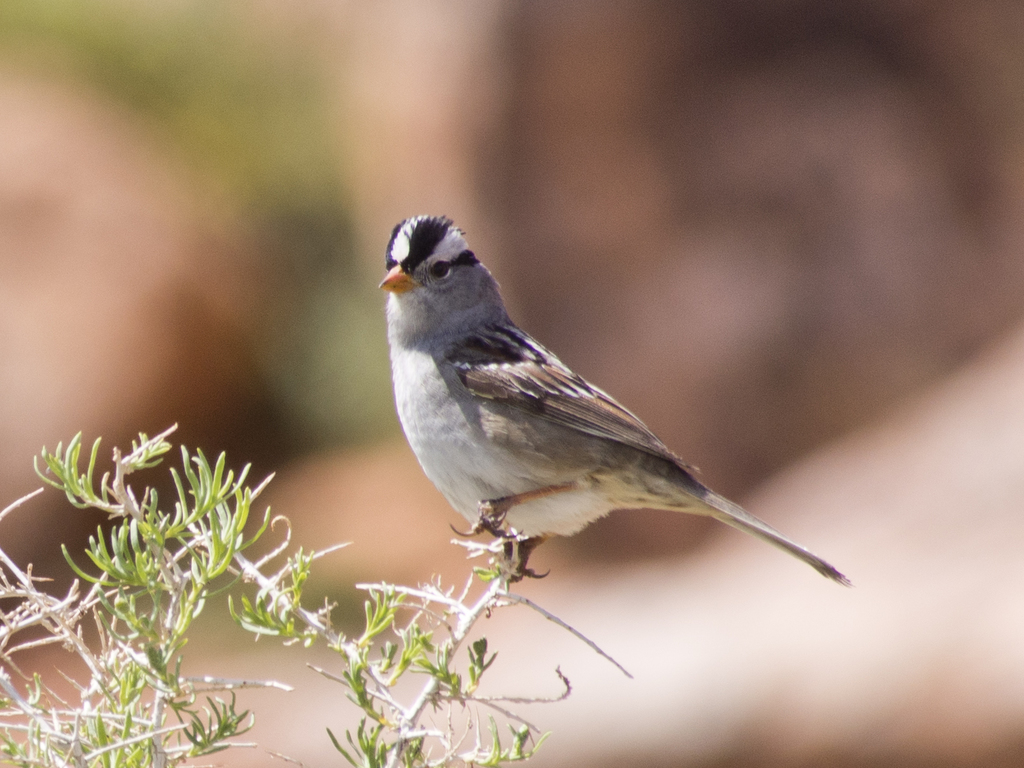
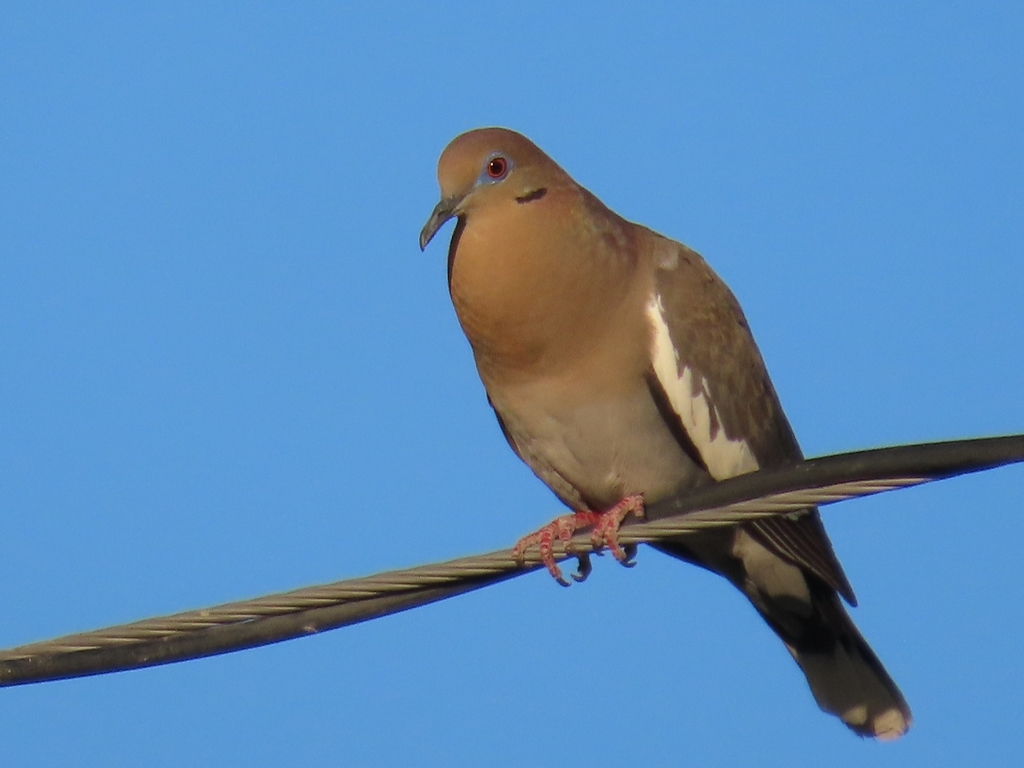
Wildlife whose habitat models include habitats this plant grows in, in Florida. Shared habitat, not food. 100 animals.
- Magnificent FrigatebirdFregata magnificens
- MerlinFalco columbarius
- Mississippi KiteIctinia mississippiensis
- Northern BobwhiteColinus virginianus
- Northern FlickerColaptes auratus
- Northern WaterthrushSeiurus noveboracensis
- Orchard OrioleIcterus spurius
- OspreyPandion haliaetus
- OvenbirdSeiurus aurocapilla
- Painted BuntingPasserina ciris
- Palm WarblerDendroica palmarum
- Purple FinchCarpodacus purpureus
- Red-shouldered HawkButeo lineatus
- Rusty BlackbirdEuphagus carolinus
- Savannah SparrowPasserculus sandwichensis
- Sharp-shinned HawkAccipiter striatus
- Short-eared OwlAsio flammeus
- Snowy EgretEgretta thula
- Spot-breasted OrioleIcterus pectoralis
- Tufted TitmouseBaeolophus bicolor
- White-crowned SparrowZonotrichia leucophrys
- White-eyed VireoVireo griseus
- White-winged DoveZenaida asiatica
- Wild TurkeyMeleagris gallopavo


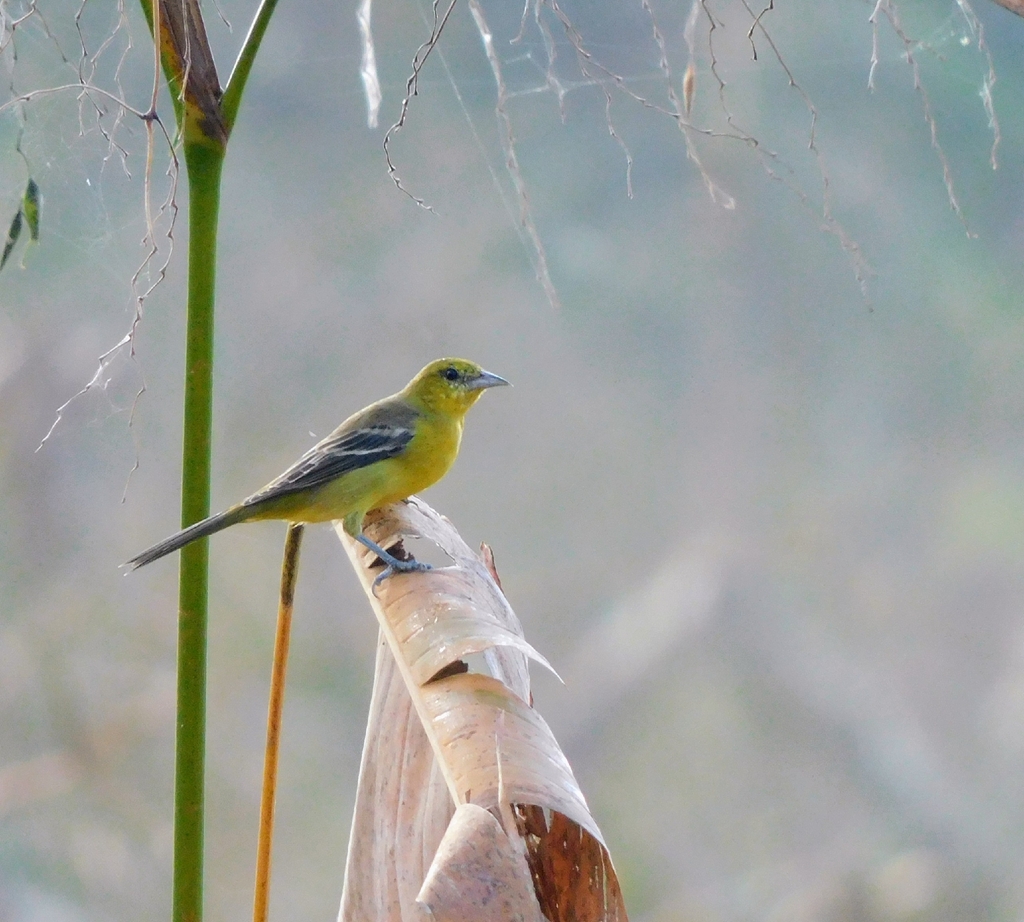


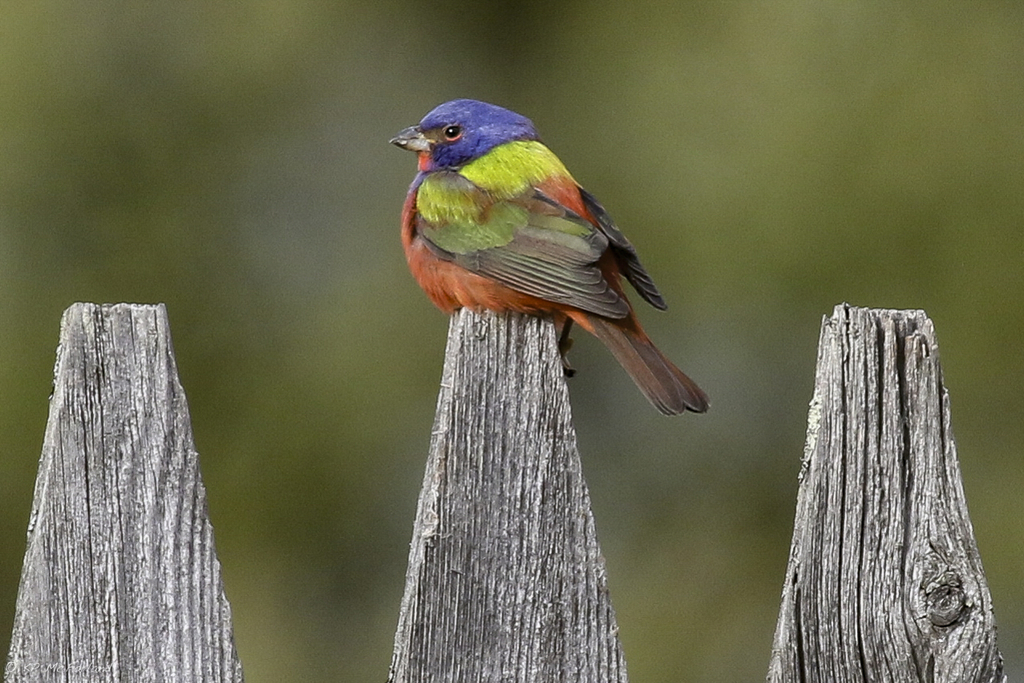
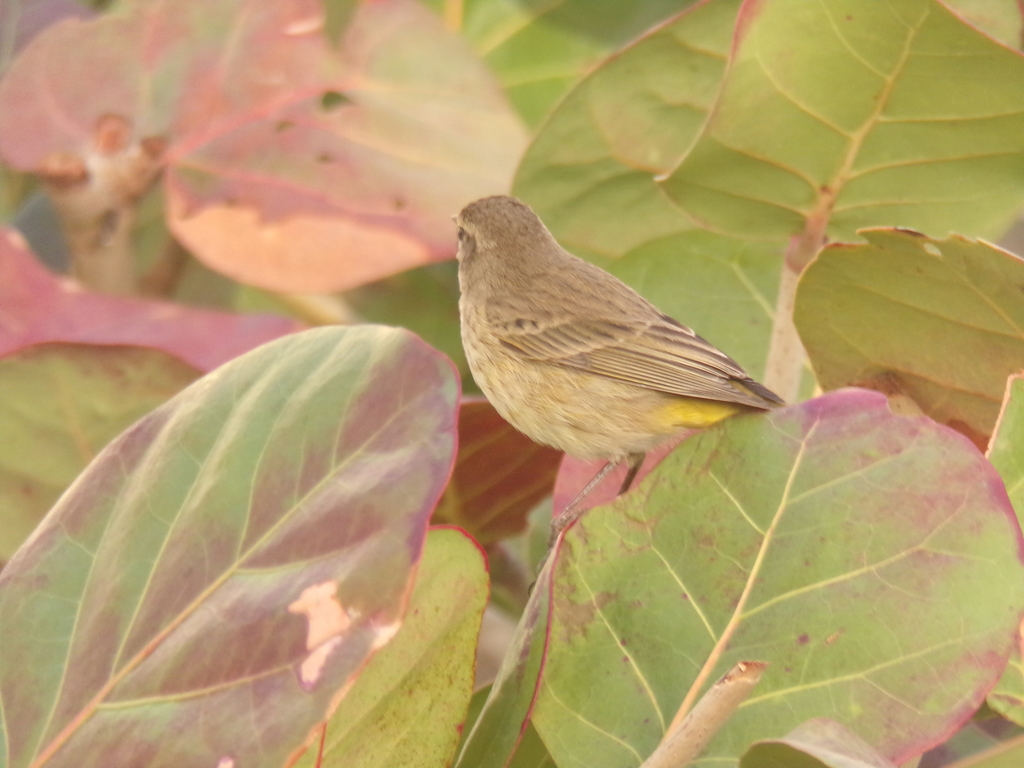



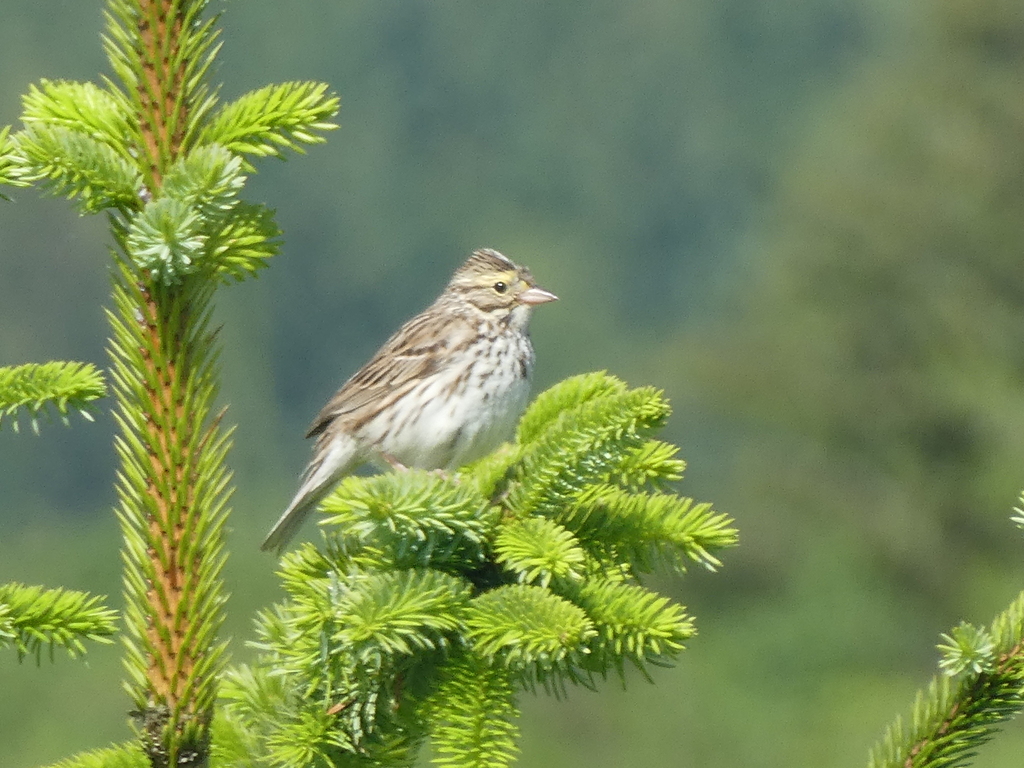





Who uses this plant?
 0CaterpillarsGenus host records with ranges including FL
 0BeesSoutheastern regional records
 0Specialist beesPollen specialists
 —BirdsRecorded genus food-resource interactions; not a state feeding claim
No records yet · Ants · Beetles · Flies · Adult butterflies / moths · Other wasps · Other insects
Plant details
- Family
- CARYOPHYLLACEAE
Safety has not been reviewed for this plant; check toxicity and thorns before planting.
Conservation status
| Florida rank | SNR |
|---|---|
| Global rank | Not available |
| FL status | Not verified |
| Federal status | Not verified |
Will it fit your yard?
Check this plant against your county, sun and soil moisture. Conditions are checked in your browser.
Sources
- Atlas of Florida Plants
- Weakley, Flora of the Southeastern United States (2025), South Central edition
- Shropshire & Tallamy 2025, Lepidoptera of North America north of Mexico, ZooKeys 1261 (ODbL)
- Noori, Seltmann & Orr 2026, A curated and integrated dataset for exploring global bee-plant interactions (GloBI), Zenodo, CC BY 4.0
- Smith, Bachelder, Russell, Morales, Mosher & Seltmann 2024, Bee-Specialization-Modeling v0.6.1 (specialist host table compiled from J. Fowler's pollen specialist bee lists), Zenodo, CC BY 4.0
- Hurlbert, Olsen, Sawyer & Winner 2021, Avian Diet Database, Scientific Data 8: 260 (CC0)
- Narango, Tallamy & Shropshire 2020, Few keystone plant genera support the majority of Lepidoptera species, Nature Communications