

Sourwood
Oxydendrum arboreum
Found in moist to dry deciduous forests, especially moderately dry to dry oak-hickory and oak-pine forests, and also often in sandhill/pocosin ecotones. Weakley, Flora of the Southeastern United States (2025), Florida edition What its natural habitat tells you
Native to Florida. How scores work Is it native here?
Profile 100%
- Height
- 20–30 feet
- Spread
- 10–15 feet
- Light
- Dappled sunlight, Deep shade, Full sun, Partial shade
- Soil moisture
- Somewhat dry to moist
Space about 12.5 ft apart from its recorded spread. Enter your bed size for a count
Will it fit your yard?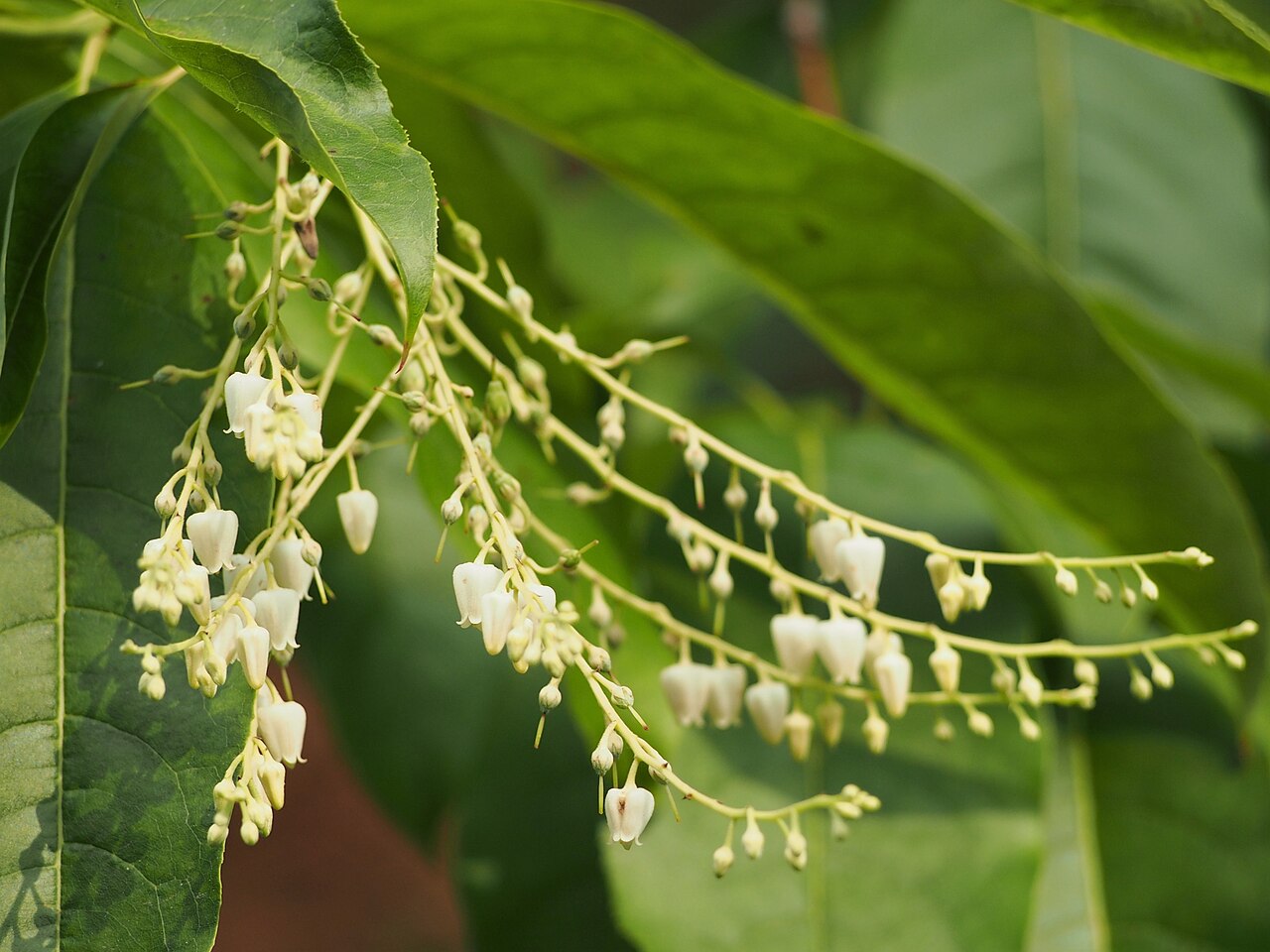
At a glance
- Life cycle
- Woody perennial
- Leaves
- Deciduous
- Bloom
- Summer
- Fruiting season
- September to October
Recorded in 18 Florida counties.
Natural habitats
Places it grows wild. Not a planting requirement. Each habitat page lists the plants and wildlife also found there.
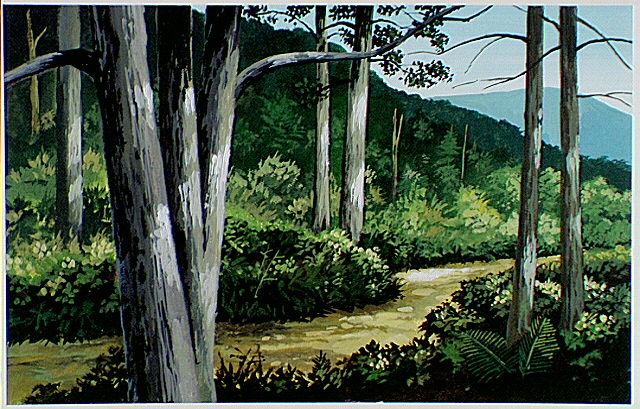
Dry, deep-sand ridges with longleaf pine and turkey oak, kept open by fire.
Dense evergreen shrub wetlands and bay forests on wet, acid peat of the Coastal Plain.
Also found with this plant
Wildlife whose habitat models include habitats this plant grows in, in Florida. Shared habitat, not food. 108 animals.
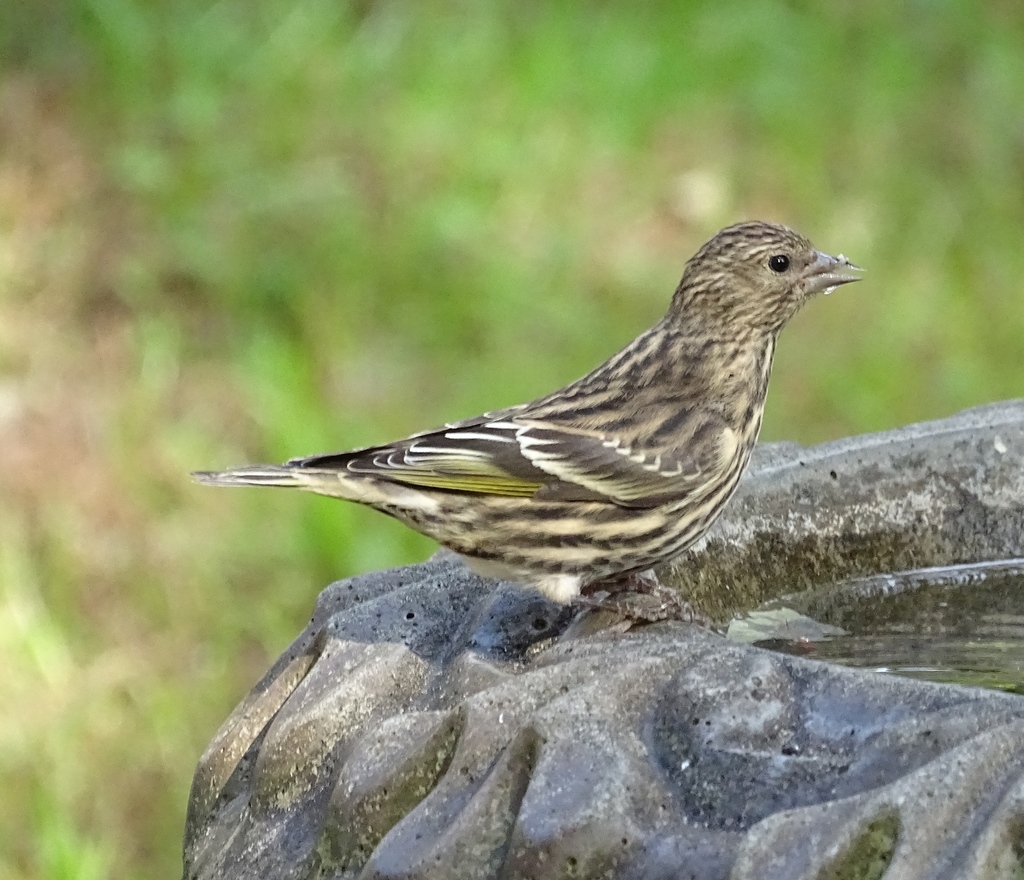
- Pine SiskinCarduelis pinus
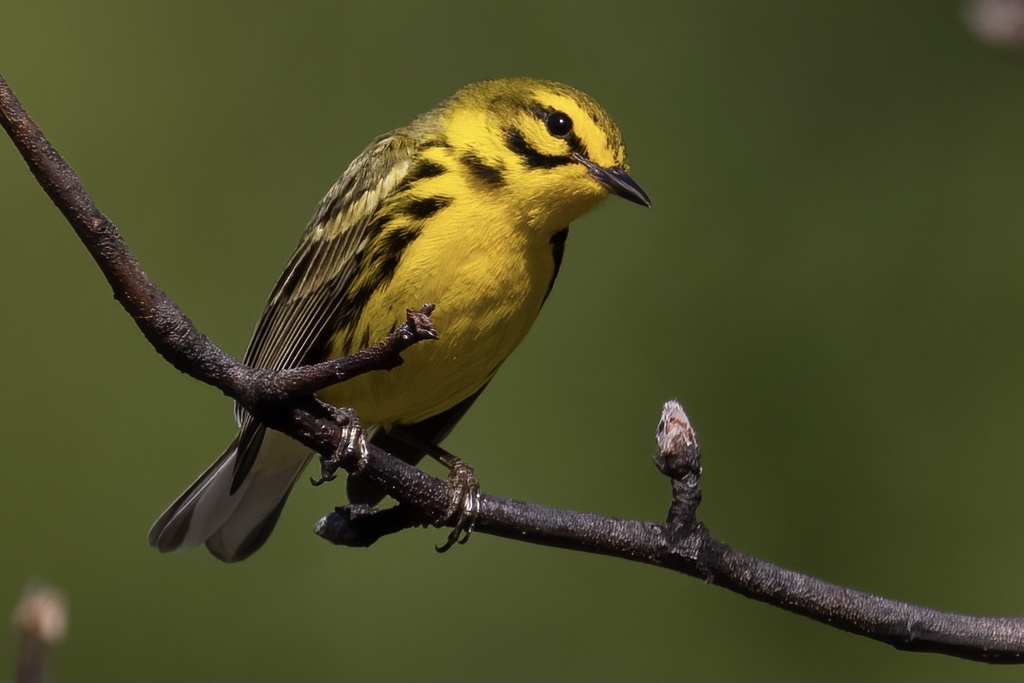
- Prairie WarblerDendroica discolor
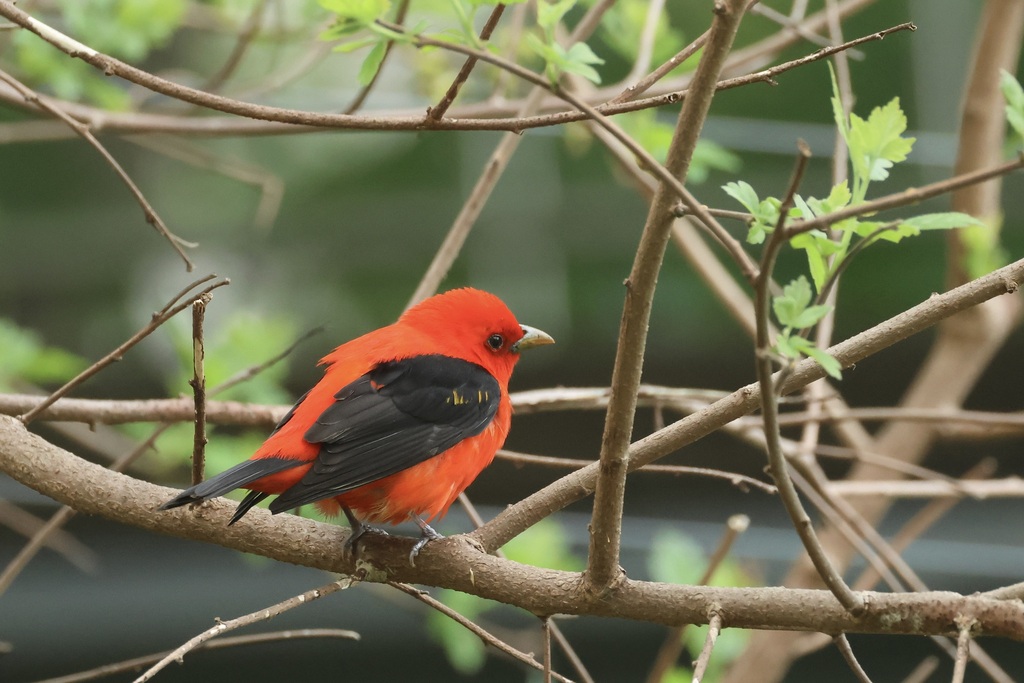
- Scarlet TanagerPiranga olivacea
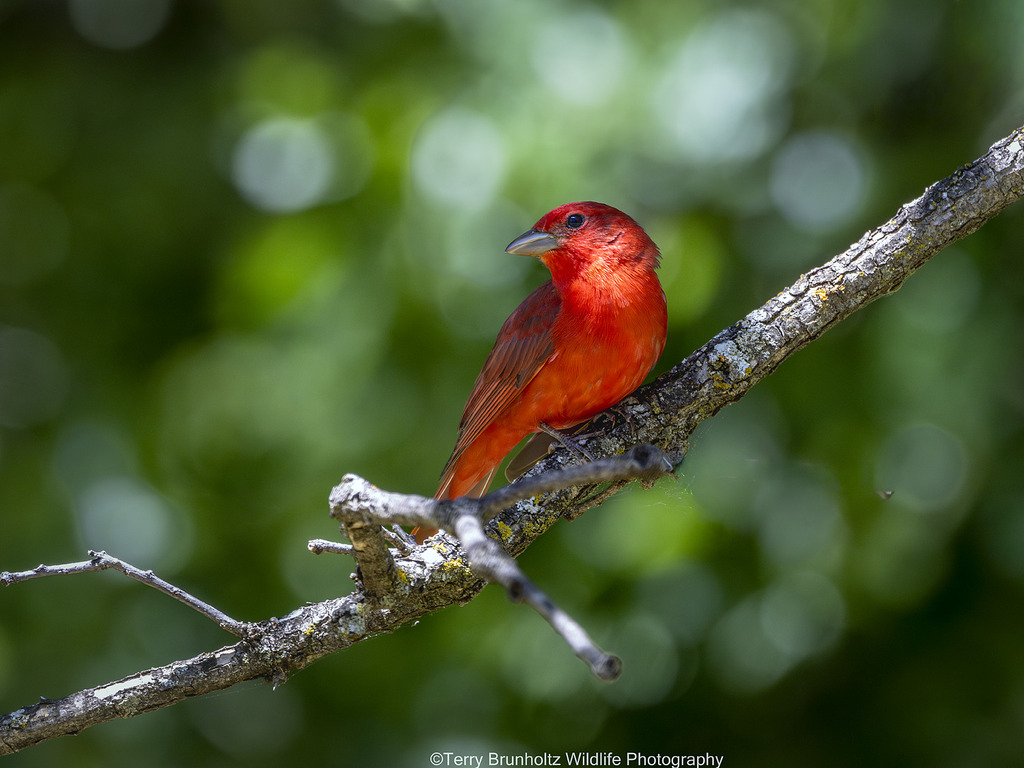
- Summer TanagerPiranga rubra
- White-breasted NuthatchSitta carolinensis
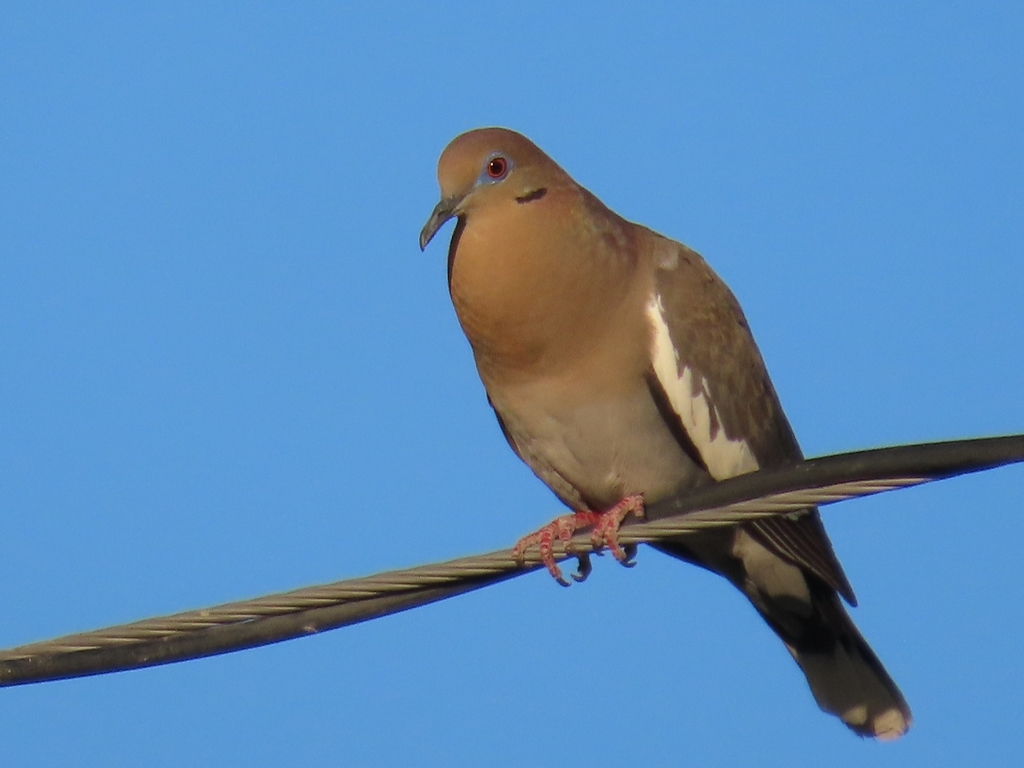
- White-winged DoveZenaida asiatica
- Wood ThrushHylocichla mustelina
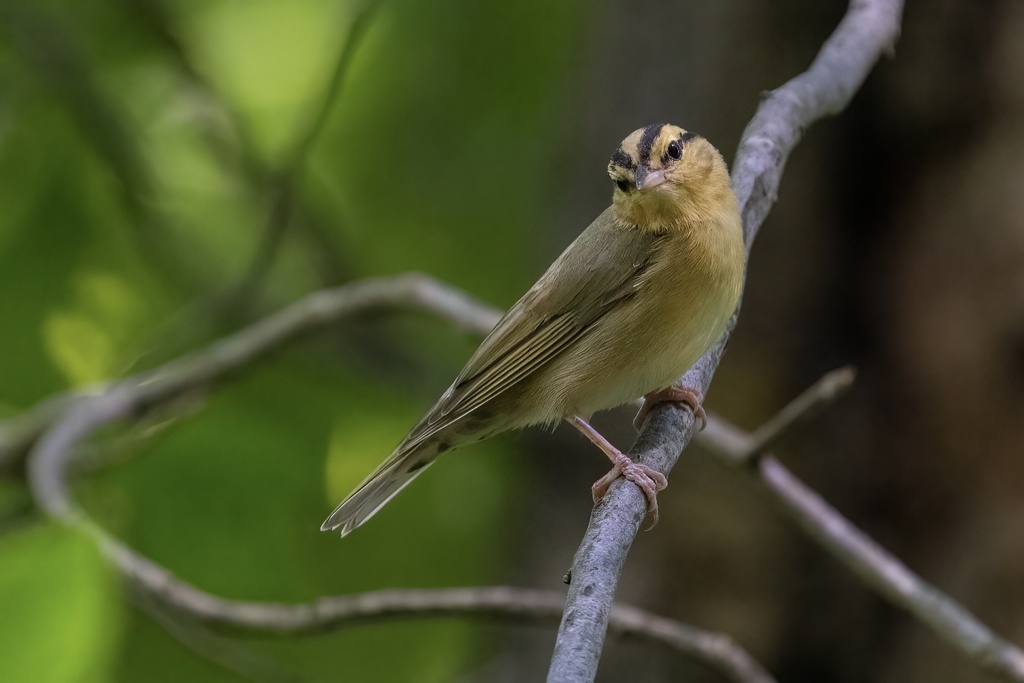
- Worm-eating WarblerHelmitheros vermivorum
- Yellow-billed CuckooCoccyzus americanus
- Acadian FlycatcherEmpidonax virescens
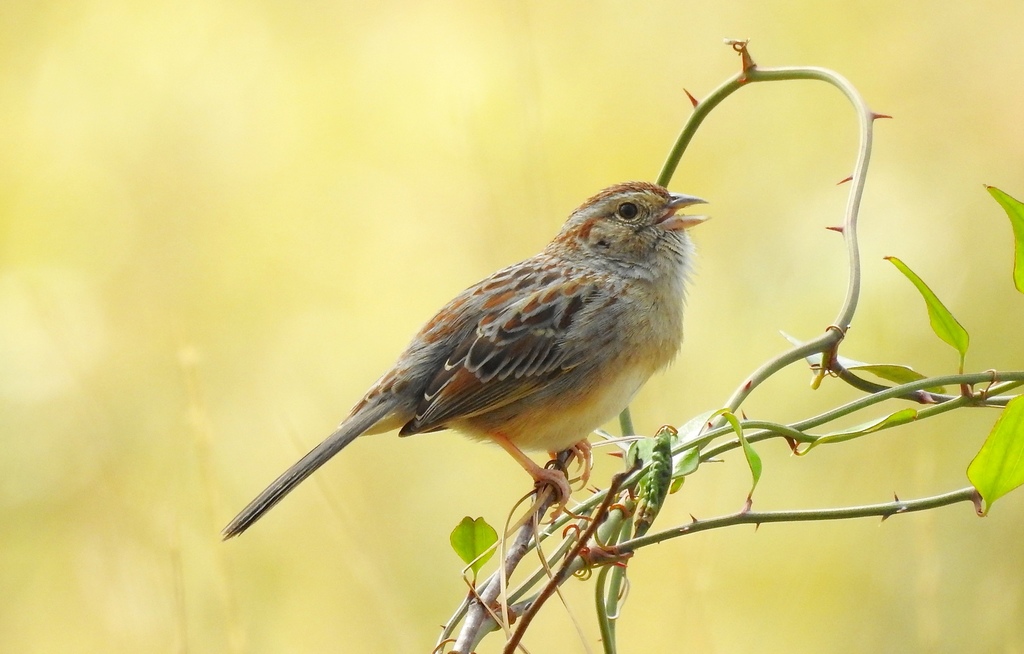
- Bachman's SparrowAimophila aestivalis
- Brown-headed CowbirdMolothrus ater
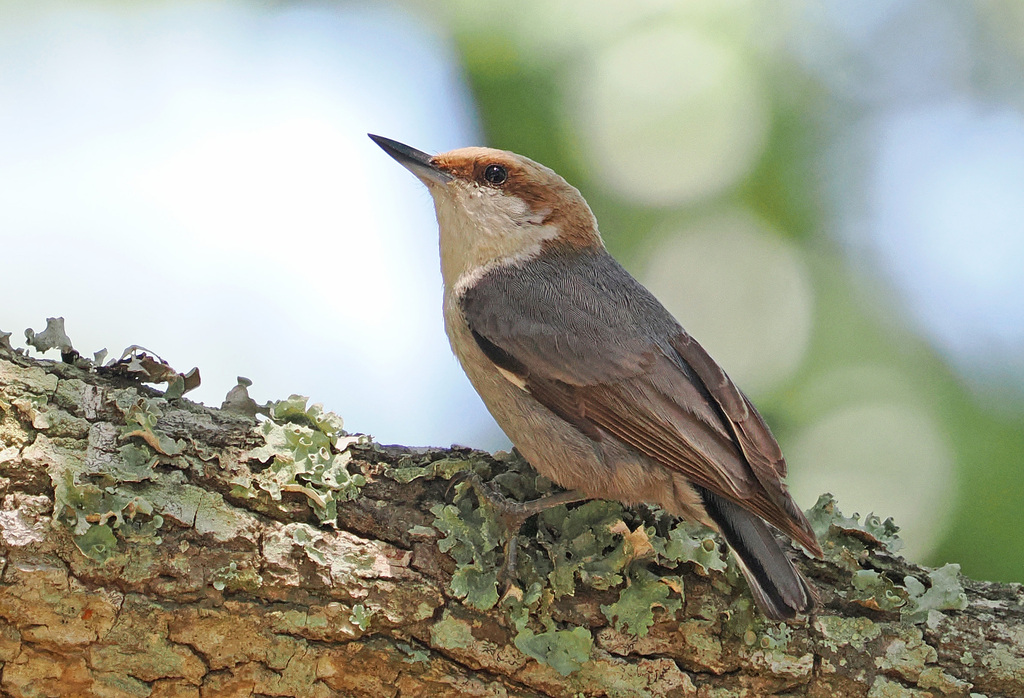
- Brown-headed NuthatchSitta pusilla
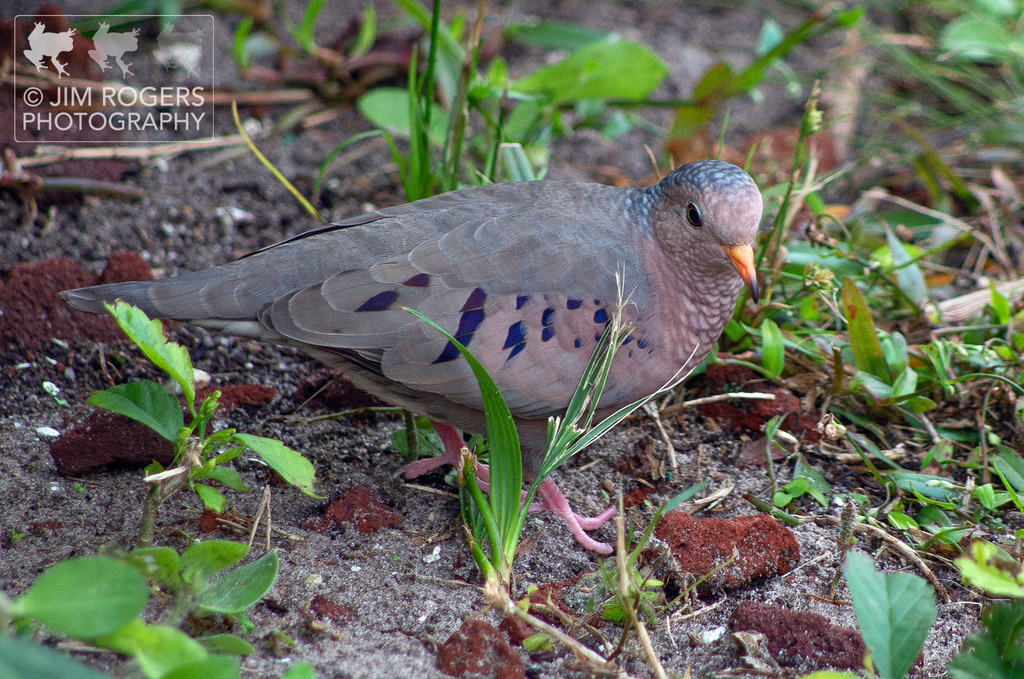
- Common Ground-doveColumbina passerina
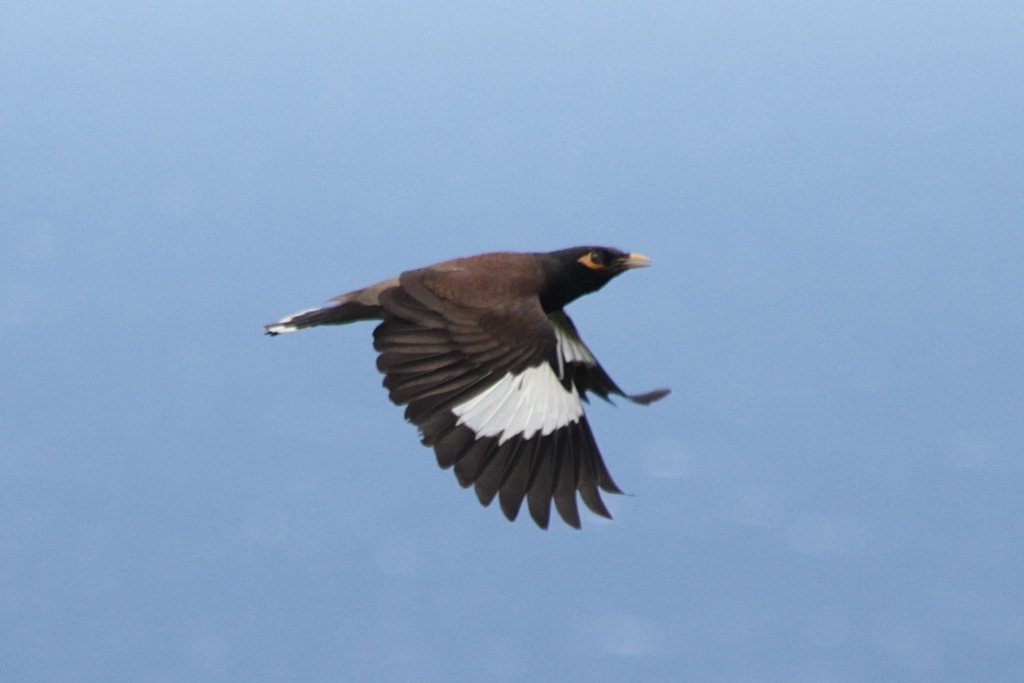
- Common MynaAcridotheres tristis
- Dark-eyed JuncoJunco hyemalis
- Eastern PhoebeSayornis phoebe
- Indigo BuntingPasserina cyanea
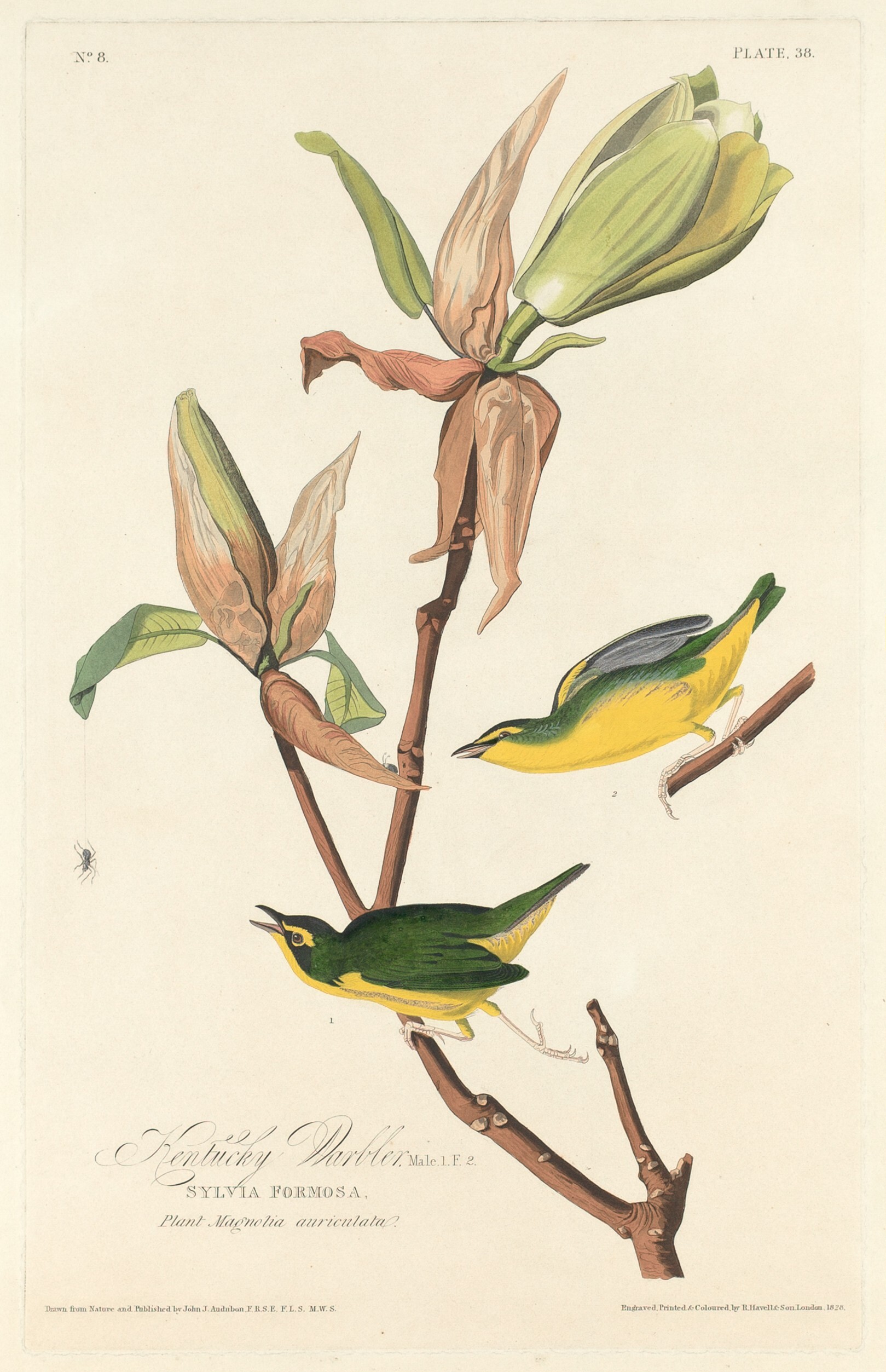
- Kentucky WarblerOporornis formosus
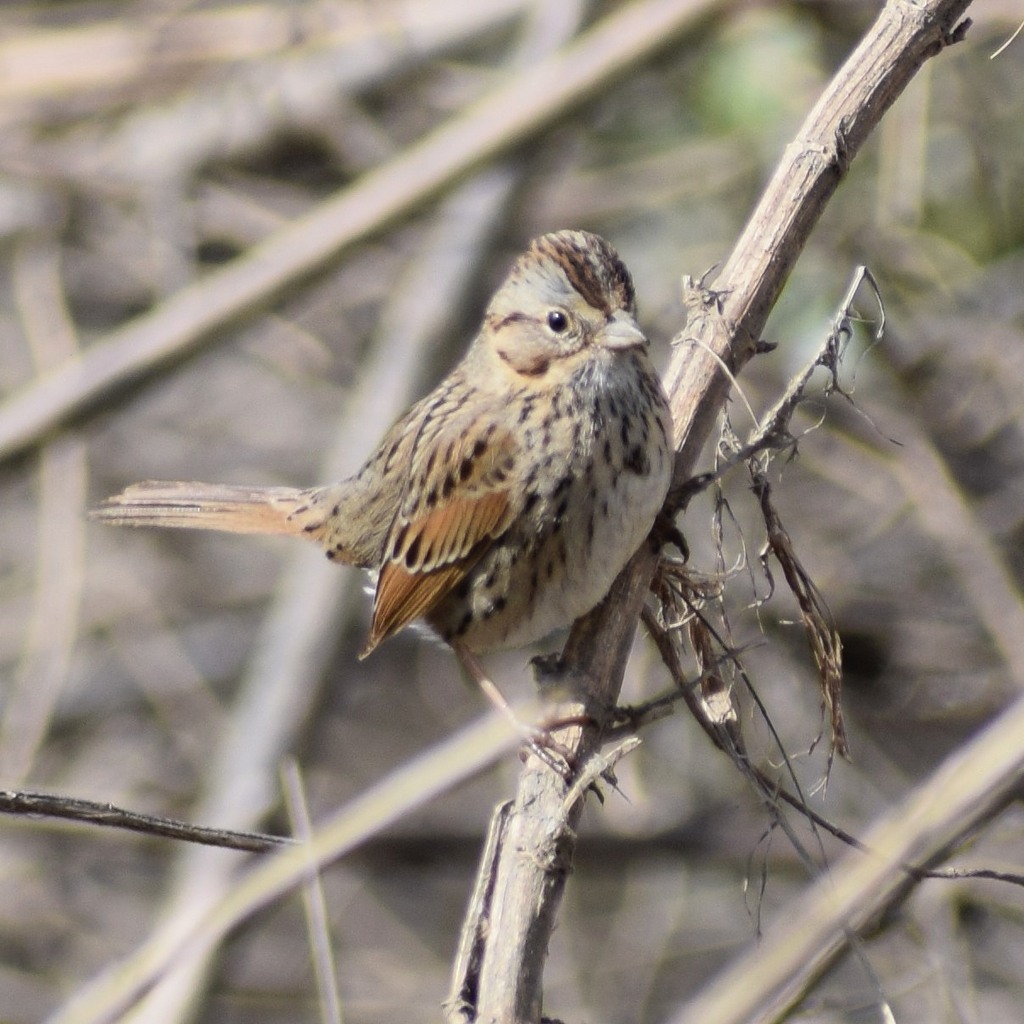
- Lincoln's SparrowMelospiza lincolnii
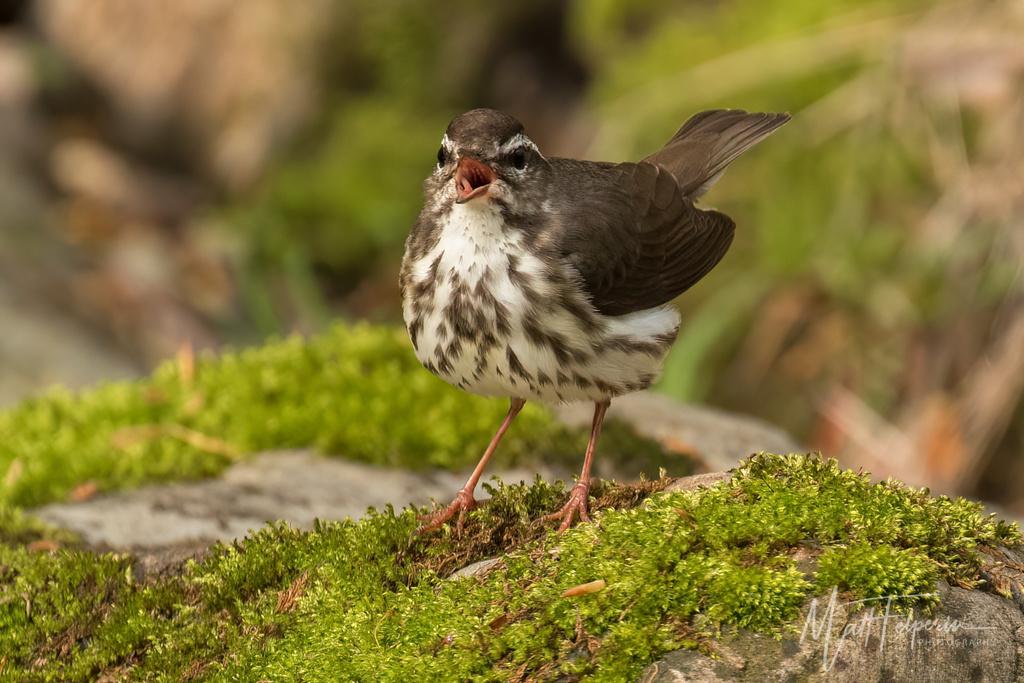
- Louisiana WaterthrushSeiurus motacilla
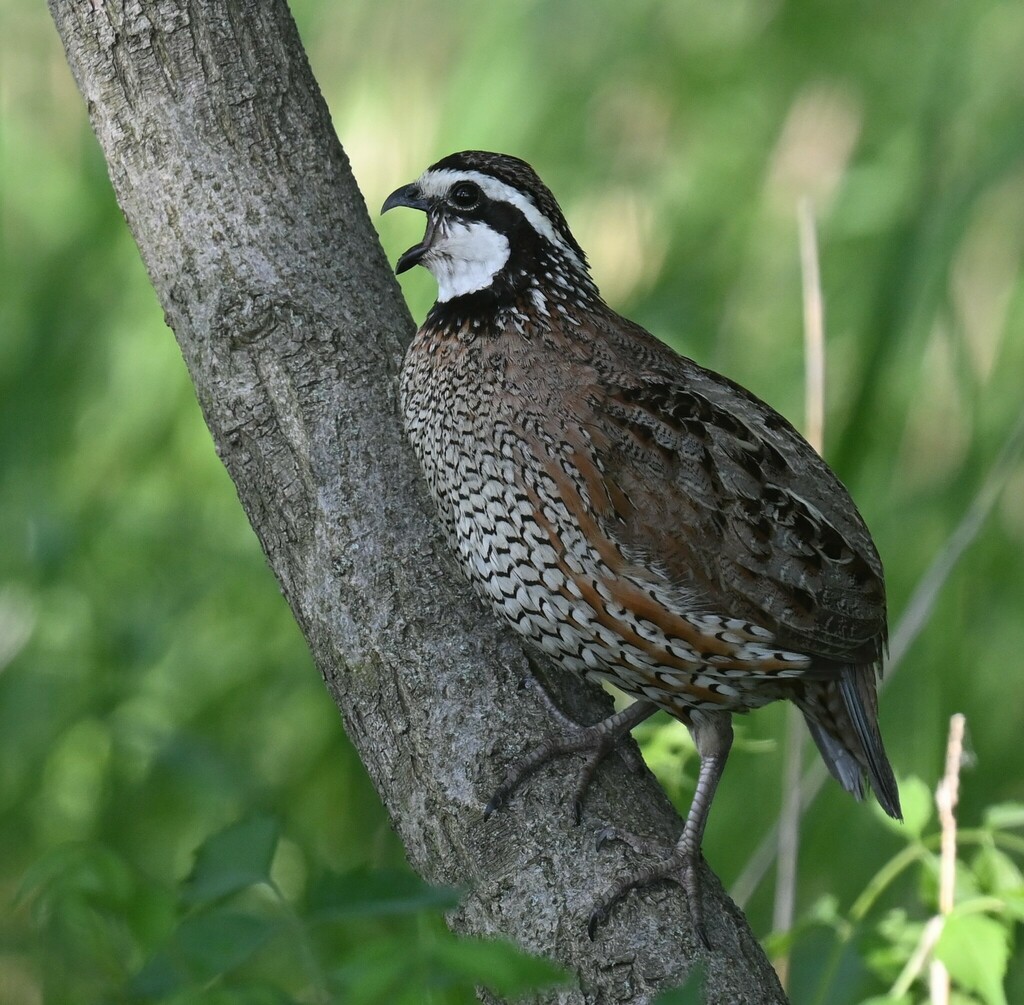
- Northern BobwhiteColinus virginianus
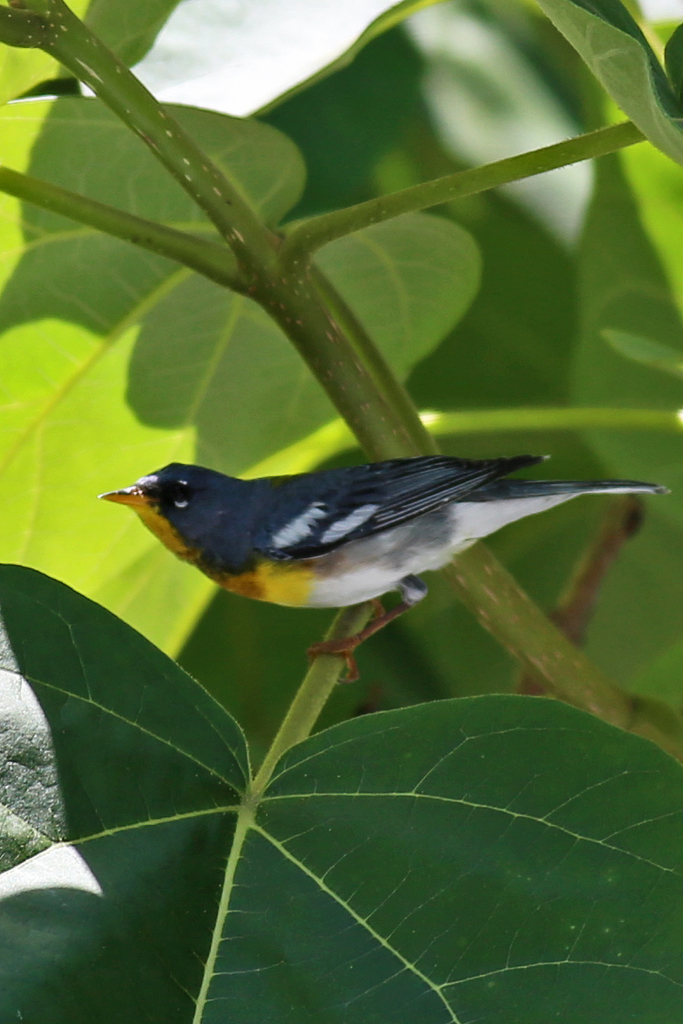
- Northern ParulaParula americana
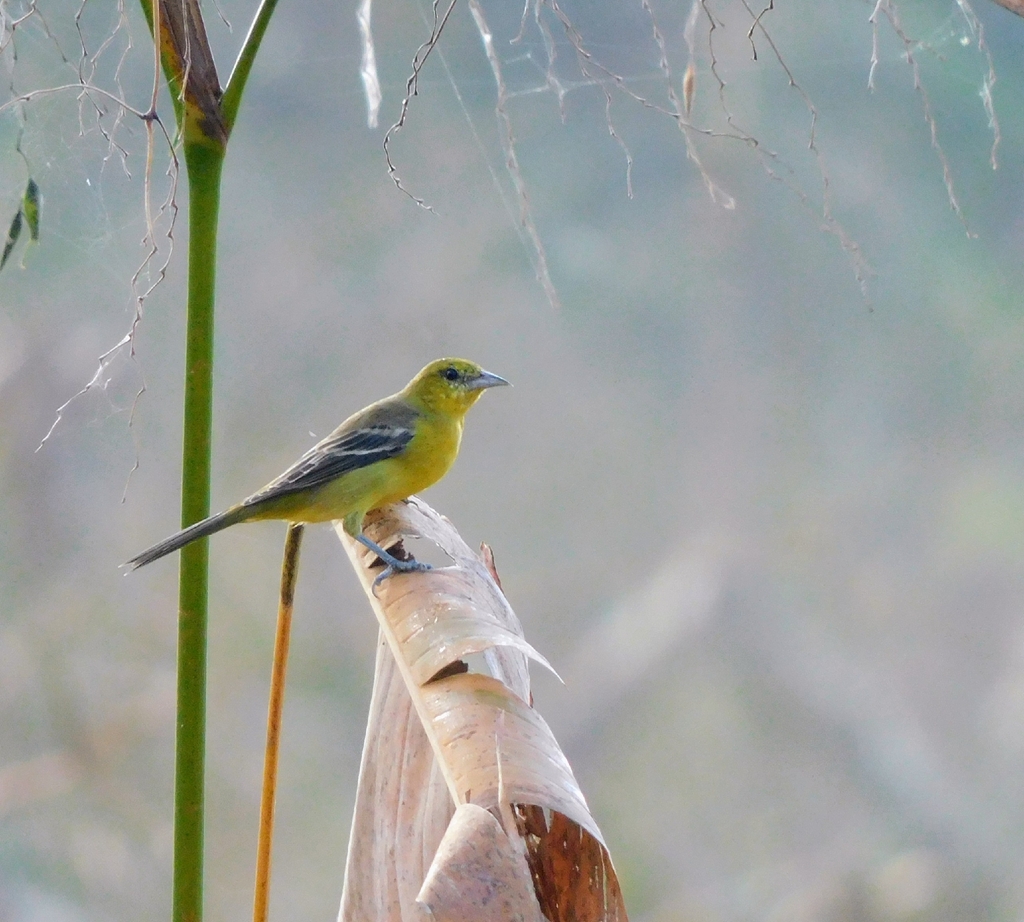
- Orchard OrioleIcterus spurius









Care
- Move plants only while young.
Who uses this plant?
 13CaterpillarsGenus host records with ranges including FL
Genus host records with ranges including FL · Oxydendrum
- Acronicta impletaYellow-Haired Dagger
- Amorbia humerosanaWhite-Lined Leafroller Moth
- Cecrita biundataWavy-Lined Heterocampa
- Celastrina neglectaSummer Azure
- Citheronia regalisRoyal Walnut Moth, Hickory Horned Devil
- Datana ministraYellow-Necked Caterpillar Moth
- Deidamia inscriptumLettered Sphinx
- Dichomeris ligulellaPalmerworm
- Egira alternansAlternate Woodling
- Hyphantria cuneaFall Webworm
Show all 13
- Orgyia leucostigmaWhite-Marked Tussock Moth
- Pangrapta decoralisDecorated Owlet
- Xystopeplus rufagoRed-Winged Sallow
 7BeesSoutheastern regional records
Southeastern regional records · Oxydendrum
Individual names are not available yet.
Noori, Seltmann & Orr 2026, A curated and integrated dataset for exploring global bee-plant interactions (GloBI), Zenodo, CC BY 4.0 0Specialist beesPollen specialists
 —BirdsRecorded genus food-resource interactions; not a state feeding claim
No records yet · Ants · Beetles · Flies · Adult butterflies / moths · Other wasps · Other insects
Plant details
- Family
- Ericaceae
- Hardiness
- Zones 5a–9b
- Soil pH
- Acidic
- Flower color
- Cream or white
- Growth rate
- Slow
- Growth habit
- Single stem
- Foliage color
- Green
- Fruit begins
- September
- Fruit ends
- October
Safety has not been reviewed for this plant; check toxicity and thorns before planting.
Growing sources and scope
- Bloom · “Summer” · NC Extension Plant Toolbox (ranked first; Weakley, Flora of the Southeastern United States (2025), Carolinas & Georgia edition, USDA PLANTS differ)
- Flower color · “Cream or white” · NC Extension Plant Toolbox (ranked first; USDA PLANTS differs)
- Foliage color · “Green” · USDA PLANTS · Nationwide species characteristics; local growing conditions may vary
- Fruit begins · “September” · Weakley, Flora of the Southeastern United States (2025), Carolinas & Georgia edition (ranked first; NC Extension Plant Toolbox, USDA PLANTS differ) · Carolinas and Georgia
- Fruit ends · “October” · Weakley, Flora of the Southeastern United States (2025), Carolinas & Georgia edition (ranked first; NC Extension Plant Toolbox, USDA PLANTS differ) · Carolinas and Georgia
- Growth habit · “Single stem” · USDA PLANTS · Nationwide species characteristics; local growing conditions may vary
- Growth rate · “Slow” · USDA PLANTS · Nationwide species characteristics; local growing conditions may vary
- Hardiness · “Zones 5a–9b” · NC Extension Plant Toolbox
- Height · “20–30 feet” · NC Extension Plant Toolbox (ranked first; USDA PLANTS differs)
- Leaves · “Deciduous” · NC Extension Plant Toolbox
- Life cycle · “Woody perennial” · NC Extension Plant Toolbox
- Light · “Dappled sunlight (shade through upper canopy all day); Deep shade (less than 2 hours to no direct sunlight); Full sun (6 or more hours of direct sunlight a day); Partial shade (direct sunlight only part of the day, 2-6 hours)” · NC Extension Plant Toolbox (ranked first; Tennessee Smart Yards, Virginia DCR Piedmont, Virginia DCR Coastal Plain differ)
- primary_flower_color · “white” · USDA PLANTS
- Soil · “Good drainage; Moist; Occasionally dry” · NC Extension Plant Toolbox (ranked first; Tennessee Smart Yards, Virginia DCR Piedmont, Virginia DCR Coastal Plain differ)
- Soil pH · “Acidic” · NC Extension Plant Toolbox
- Spread · “10–15 feet” · NC Extension Plant Toolbox
Conservation status
| Florida rank | S3S4 |
|---|---|
| Global rank | G5 |
| FL status | Not verified |
| Federal status | Not verified |
Will it fit your yard?
Check this plant against your county, sun and soil moisture. Conditions are checked in your browser.
Sources
- Atlas of Florida Plants
- USDA PLANTS
- Vascular Plants of North Carolina (NC Natural Heritage Program)
- Weakley, Flora of the Southeastern United States (2025), Florida edition
- NatureServe Explorer
- Shropshire & Tallamy 2025, Lepidoptera of North America north of Mexico, ZooKeys 1261 (ODbL)
- Noori, Seltmann & Orr 2026, A curated and integrated dataset for exploring global bee-plant interactions (GloBI), Zenodo, CC BY 4.0
- Smith, Bachelder, Russell, Morales, Mosher & Seltmann 2024, Bee-Specialization-Modeling v0.6.1 (specialist host table compiled from J. Fowler's pollen specialist bee lists), Zenodo, CC BY 4.0
- Hurlbert, Olsen, Sawyer & Winner 2021, Avian Diet Database, Scientific Data 8: 260 (CC0)
- Narango, Tallamy & Shropshire 2020, Few keystone plant genera support the majority of Lepidoptera species, Nature Communications