

American Hop-hornbeam
Ostrya virginiana
Found in moist to dry forests, often rocky, especially over basic rocks, reaching high elevations. FloraQuest, phone app (app page) What its natural habitat tells you
Native to Florida. How scores work Is it native here?
Profile 100%
- Height
- 20–40 feet
- Spread
- 15 feet–30 feet 8 inches
- Light
- Deep shade, Full sun, Partial shade
- Soil moisture
- Somewhat dry to moist
Space about 23 ft apart from its recorded spread. Enter your bed size for a count
Will it fit your yard?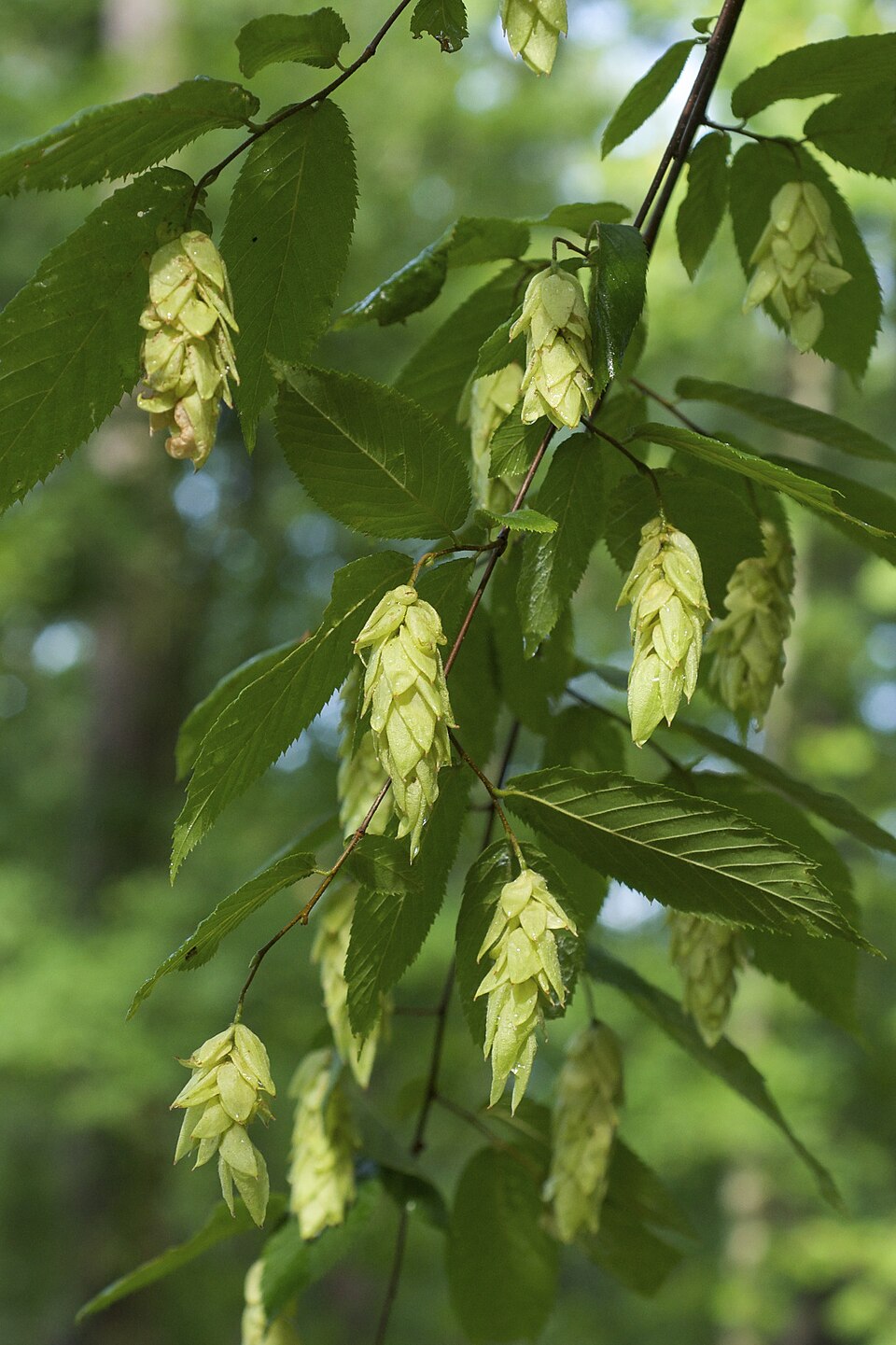
At a glance
- Life cycle
- Woody perennial
- Leaves
- Deciduous
- Bloom
- March to May
- Fruiting season
- August to October
Recorded in 25 Florida counties.
Natural habitats
Places it grows wild. Not a planting requirement. Each habitat page lists the plants and wildlife also found there.
Forests on moist but not wet ground, such as rich slopes and ravines.
Forests and open woodlands on dry ridges and slopes, often oak or pine.
Also found with this plant
Wildlife whose habitat models include habitats this plant grows in, in Florida. Shared habitat, not food. 91 animals.
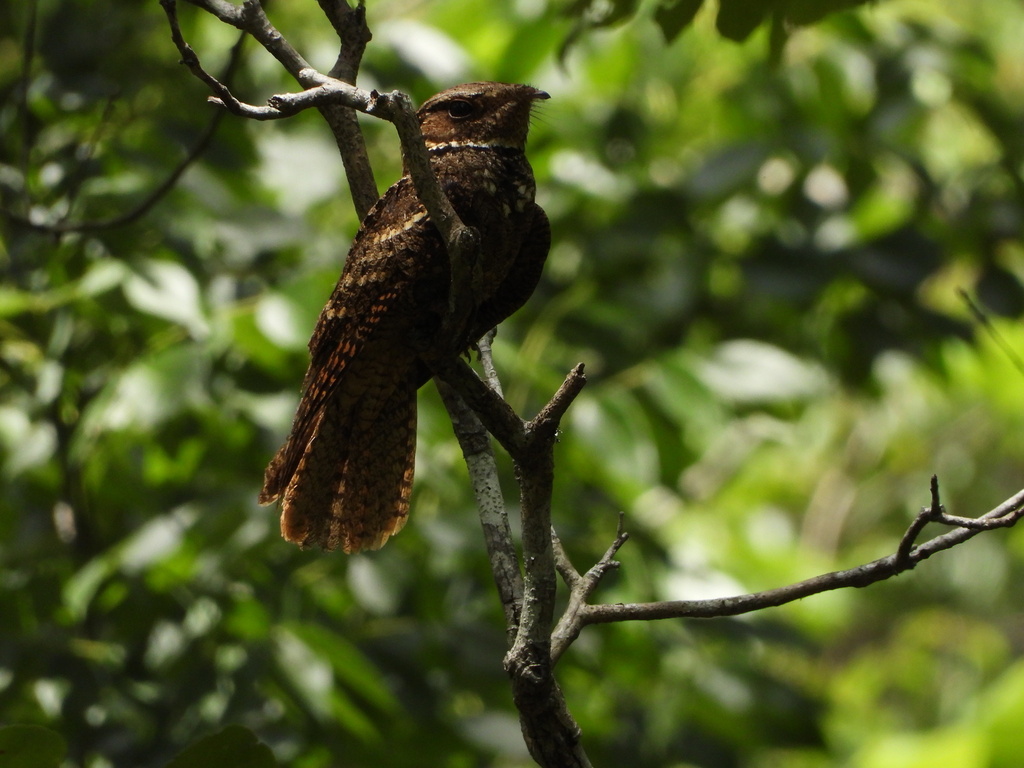
- Chuck-will's-widowCaprimulgus carolinensis
- Common GrackleQuiscalus quiscula
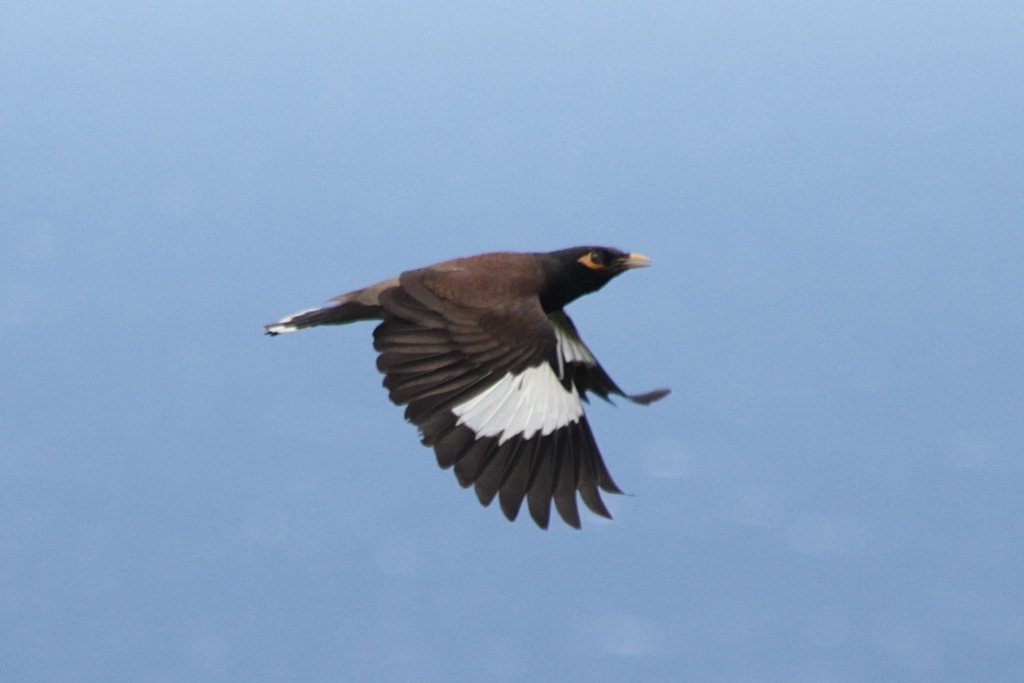
- Common MynaAcridotheres tristis
- Common NighthawkChordeiles minor
- Common YellowthroatGeothlypis trichas
- Cooper's HawkAccipiter cooperii
- Double-crested CormorantPhalacrocorax auritus
- Downy WoodpeckerPicoides pubescens
- Eastern BluebirdSialia sialis
- Eastern KingbirdTyrannus tyrannus
- Eastern Screech-owlMegascops asio
- Eastern TowheePipilo erythrophthalmus
- Eastern Wood-peweeContopus virens
- Eurasian Collared-doveStreptopelia decaocto
- European StarlingSturnus vulgaris
- Fish CrowCorvus ossifragus
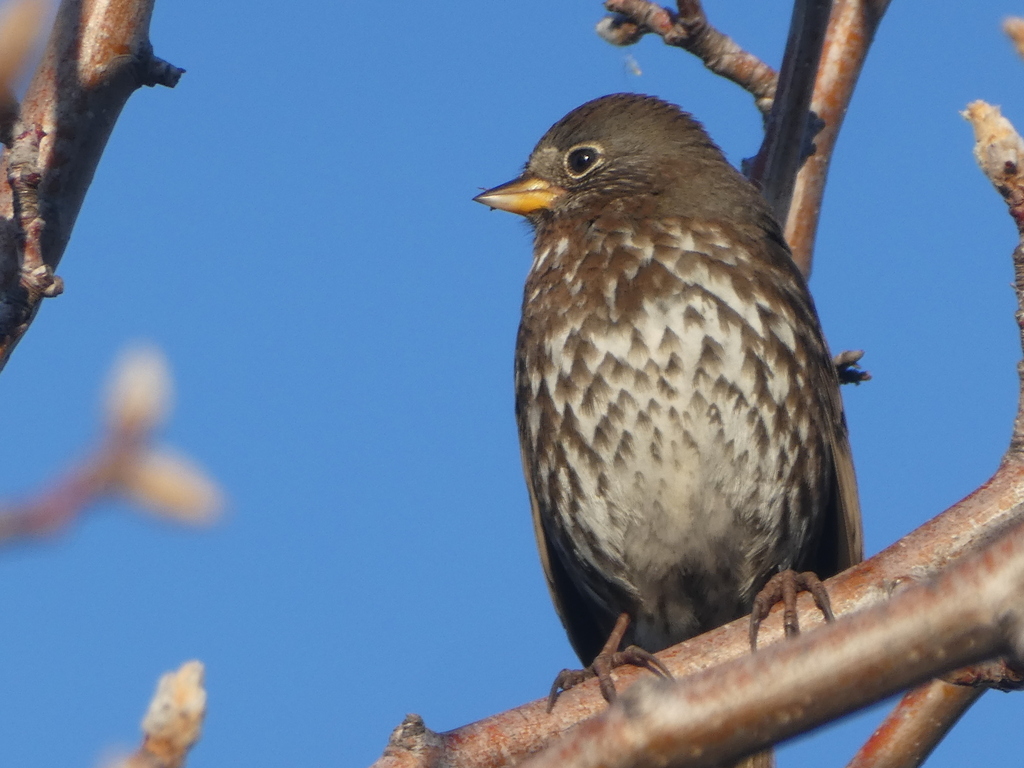
- Fox SparrowPasserella iliaca
- Golden-crowned KingletRegulus satrapa
- Gray CatbirdDumetella carolinensis
- Great Crested FlycatcherMyiarchus crinitus
- Great Horned OwlBubo virginianus
- Hairy WoodpeckerPicoides villosus
- Hermit ThrushCatharus guttatus
- Hooded MerganserLophodytes cucullatus






















Who uses this plant?
 83CaterpillarsGenus host records with ranges including FL
Genus host records with ranges including FL · Ostrya
- Achatia distinctaDistinct Quaker
- Acronicta laetificaPleasant Dagger
- Actias lunaLuna Moth
- Alsophila pometariaFall Cankerworm Moth
- Amorpha juglandisWalnut Sphinx
- Amphipyra pyramidoidesMiranda Underwing, Copper Underwing, Copper Amphipyra
- Antaeotricha leucillanaWell-Marked Leaf Tier, Pale Gray Bird-Dropping Moth
- Antheraea polyphemusPolyphemus Moth
- Apatelodes torrefactaSpotted Apatelodes
- Argyrotaenia alisellanaWhite-Spotted Leaf Roller
Show all 83
- Automeris ioIo Moth
- Baileya dormitansSleeping Baileya
- Baileya ophthalmicaEyed Baileya
- Cameraria hamadryadellaSolitary Oak Leafminer Moth
- Cecrita biundataWavy-Lined Heterocampa
- Cecrita guttivittaMaple Prominent, Saddled Prominent
- Cenopis niveanaAproned Cenopis Moth
- Cenopis pettitanaMaple-Basswood Leafroller Moth
- Chionodes formosellaSpring Oak Leafroller
- Choristoneura rosaceanaOblique-Banded Leafroller Moth, Rosaceous Leaf Roller
- Coelodasys unicornisUnicorn Caterpillar Moth
- Colocasia flavicornisYellowhorn, Saddled Yellowhorn
- Dasychira tephraTephra Tussock Moth
- Datana ministraYellow-Necked Caterpillar Moth
- Eacles imperialisImperial Moth, Imperial Spiny Caterpillar
- Endothenia hebesanaVerbena Bud Moth
- Ennomos magnariaMaple Spanworm Moth, Notchwing Geometer
- Ennomos subsignariaElm Spanworm Moth
- Erannis tiliariaLinden Looper Moth, Western Winter Moth, Lime Looper
- Eumarozia malachitanaSculptured Moth
- Eutrapela clematariaCurved-Tooth Geometer, Purplish Brown Looper
- Halysidota tessellarisBanded Tussock Moth, Pale Tiger Moth
- Heterogenea shurtleffiRed-Eyed Button Slug
- Hyalophora cecropiaCecropia Silkmoth, Cecropia Moth
- Hypagyrtis unipunctataOne-Spotted Variant
- Hypena palpariaMottled Bomolocha, Variegated Snout
- Hyperstrotia nana[White-Lined Graylet applied to Hyperstrotia villificans]
- Hyphantria cuneaFall Webworm
- Immyrla nigrovittellaBlack-Banded Immyrla
- Isa textulaCrowned Slug
- Kocakina fidelisIntractable Quaker, Green Fruitworm, Fourlined Green Fruitworm
- Lambdina fervidariaCurve-Lined Looper Moth
- Lithacodes fasciolaYellow-Shouldered Slug
- Lithophane antennataAshen Pinion
- Lithophane bethuneiBethune's Pinion
- Lochmaeus manteoVariable Oakleaf Caterpillar Moth
- Lomographa vestaliataWhite Spring Moth
- Malacosoma americanaEastern Tent Caterpillar
- Malacosoma disstriaForest Tent Caterpillar
- Melanolophia signatariaSignate Melanolphia
- Morrisonia confusaConfused Woodgrain
- Natada nasoniNason's Slug Moth
- Nematocampa resistariaFilament Bearer, Horned Spanworm Moth
- Nemoria mimosariaWhite-Fringed Emerald
- Nymphalis antiopaMourning Cloak
- Oedemasia concinnaRed-Humped Caterpillar, Red-Humped Appleworm
- Oedemasia leptinoidesBlack-Blotched Schizura
- Orgyia definitaDefinite Tussock Moth
- Orgyia leucostigmaWhite-Marked Tussock Moth
- Palthis angulalisDark-Spotted Palthis
- Panopoda carneicostaBrown Panopoda, Hickory Panopoda
- Paonias excaecataBlinded Sphinx, Blind Eyed Sphinx
- Phigalia titeaThe Half-Wing Geometer, Spiney Looper, Eastern Oak Looper
- Phyllodesma americanaLappet Moth, American Lappet Moth, Southern Lappet Moth
- Phyllonorycter lucetiellaBasswood Miner, Basswood Squareblotch Miner
- Pococera asperatellaMaple Webworm
- Probole amicariaFriendly Probole
- Prochoerodes lineolaLarge Maple Spanworm Moth
- Prolimacodes badiaSkiff Moth, Skiff Caterpillar
- Psilocorsis reflexellaDotted Leaftier Moth
- Pyreferra pettitiPettit's Sallow
- Schizura ipomaeaeMorning-Glory Prominent, Checkered-Fringe Prominent
- Smerinthus jamaicensisTwin-Spotted Sphinx
- Stilbosis ostryaeellaIronwood Leafminer
- Tetracis cachexiataWhite Slant-Line
- Tetracis crocallataYellow Slant-Line
- Thalera pistasciariaPistachio Emerald
- Thyridopteryx ephemeraeformisEvergreen Bagworm Moth
- Zale minereaColorful Zale
- Zale phaeocapnaHazel Zale
- Acrobasis ostryella
- Anacampsis argyrothamniella
- Stigmella ostryaefoliella
 0BeesSoutheastern regional records
 0Specialist beesPollen specialists
 3BirdsRecorded genus food-resource interactions; not a state feeding claim
Recorded genus food-resource interactions; not a state feeding claim · Ostrya
- Bonasa umbellusRuffed Grouse
- Meleagris gallopavoWild Turkey
- Sturnus vulgarisEuropean Starling
Direct food only: birds recorded eating this genus across North America. Caterpillars on host plants also feed nesting birds. NC Native Plant Society: butterfly gardening
No records yet · Ants · Beetles · Flies · Adult butterflies / moths · Other wasps · Other insects
Plant details
- Family
- Betulaceae
- Hardiness
- Zones 3a–9b
- Soil pH
- Acidic to alkaline
- Flower color
- Brown/copper, yellow or green
- Growth rate
- Slow
- Growth habit
- Single stem
- Foliage color
- Green
- Fruit begins
- August
- Fruit ends
- October
Safety has not been reviewed for this plant; check toxicity and thorns before planting.
Growing sources and scope
- Bloom · “March to May” · FloraQuest: Carolinas, Georgia (Southeastern Flora Team), phone app (app page) (ranked first; USDA PLANTS differs) · Carolinas and Georgia
- Flower color · “Brown/copper, yellow or green” · NC Extension Plant Toolbox (ranked first; USDA PLANTS differs)
- Foliage color · “Green” · USDA PLANTS · Nationwide species characteristics; local growing conditions may vary
- Fruit begins · “August” · FloraQuest: Carolinas, Georgia (Southeastern Flora Team), phone app (app page) (ranked first; USDA PLANTS differs) · Carolinas and Georgia
- Fruit ends · “October” · FloraQuest: Carolinas, Georgia (Southeastern Flora Team), phone app (app page) (ranked first; USDA PLANTS differs) · Carolinas and Georgia
- Growth habit · “Single stem” · USDA PLANTS · Nationwide species characteristics; local growing conditions may vary
- Growth rate · “Slow” · USDA PLANTS · Nationwide species characteristics; local growing conditions may vary
- Hardiness · “Zones 3a–9b” · NC Extension Plant Toolbox
- Height · “20–40 feet” · NC Extension Plant Toolbox (ranked first; USDA PLANTS, Minnesota Wildflowers differ)
- Leaves · “Deciduous” · NC Extension Plant Toolbox
- Life cycle · “Woody perennial” · NC Extension Plant Toolbox
- Light · “Deep shade (less than 2 hours to no direct sunlight); Full sun (6 or more hours of direct sunlight a day); Partial shade (direct sunlight only part of the day, 2-6 hours)” · NC Extension Plant Toolbox (ranked first; Tennessee Smart Yards, Virginia DCR Piedmont, Virginia DCR Coastal Plain differ)
- Soil · “Moist; Occasionally dry” · NC Extension Plant Toolbox (ranked first; Tennessee Smart Yards, Virginia DCR Piedmont, Virginia DCR Coastal Plain differ)
- Soil pH · “Acidic to alkaline” · NC Extension Plant Toolbox
- Spread · “15 feet–30 feet 8 inches” · NC Extension Plant Toolbox
Also known as
American Hop hornbeam; Hop Hornbeam; Ironwood
Conservation status
| Florida rank | S4? |
|---|---|
| Global rank | G5 |
| FL status | Not verified |
| Federal status | Not verified |
Will it fit your yard?
Check this plant against your county, sun and soil moisture. Conditions are checked in your browser.
Sources
- Atlas of Florida Plants
- USDA PLANTS
- Vascular Plants of North Carolina (NC Natural Heritage Program)
- FloraQuest: Florida (Weakley), phone app (app page)
- NatureServe Explorer
- Shropshire & Tallamy 2025, Lepidoptera of North America north of Mexico, ZooKeys 1261 (ODbL)
- Noori, Seltmann & Orr 2026, A curated and integrated dataset for exploring global bee-plant interactions (GloBI), Zenodo, CC BY 4.0
- Smith, Bachelder, Russell, Morales, Mosher & Seltmann 2024, Bee-Specialization-Modeling v0.6.1 (specialist host table compiled from J. Fowler's pollen specialist bee lists), Zenodo, CC BY 4.0
- Hurlbert, Olsen, Sawyer & Winner 2021, Avian Diet Database, Scientific Data 8: 260 (CC0)
- Narango, Tallamy & Shropshire 2020, Few keystone plant genera support the majority of Lepidoptera species, Nature Communications