

Shining Fetterbush
Lyonia lucida
Found in pocosins and bay forests; swamps; pine flatwoods. Weakley, Flora of the Southeastern United States (2025), Florida edition What its natural habitat tells you
Native to Florida. How scores work Is it native here?
Profile 100%
- Height
- 3–6 feet
- Spread
- 3–6 feet
- Light
- Dappled sunlight, Deep shade, Partial shade
- Soil moisture
- Usually moist
Space about 4.5 ft apart from its recorded spread, about 5 per 100 sq ft. Enter your bed size for a count
Will it fit your yard?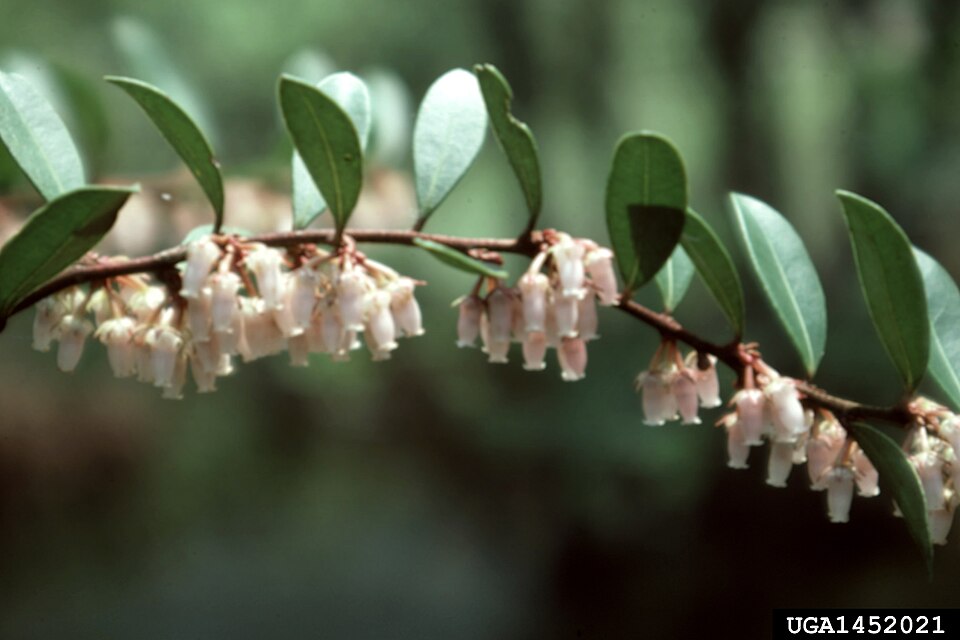
At a glance
- Life cycle
- Woody perennial
- Leaves
- Evergreen
- Bloom
- Spring
- Fruiting season
- September to October
Recorded in 66 Florida counties.
Natural habitats
Places it grows wild. Not a planting requirement. Each habitat page lists the plants and wildlife also found there.

Dense evergreen shrub wetlands and bay forests on wet, acid peat of the Coastal Plain.
Flat, sandy Coastal Plain pine woodlands, wetter than sandhills and denser than savannas.
Also found with this plant
Wildlife whose habitat models include habitats this plant grows in, in Florida. Shared habitat, not food. 226 animals.
- Hooded WarblerWilsonia citrina
- Indigo BuntingPasserina cyanea
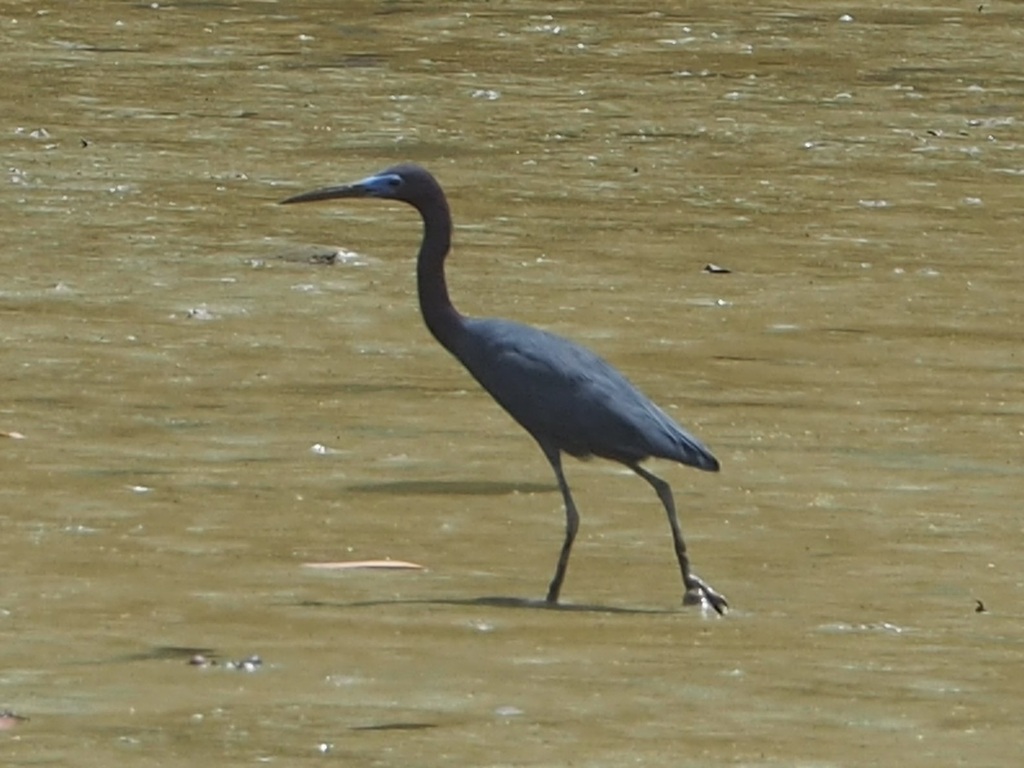
- Little Blue HeronEgretta caerulea
- Northern ParulaParula americana
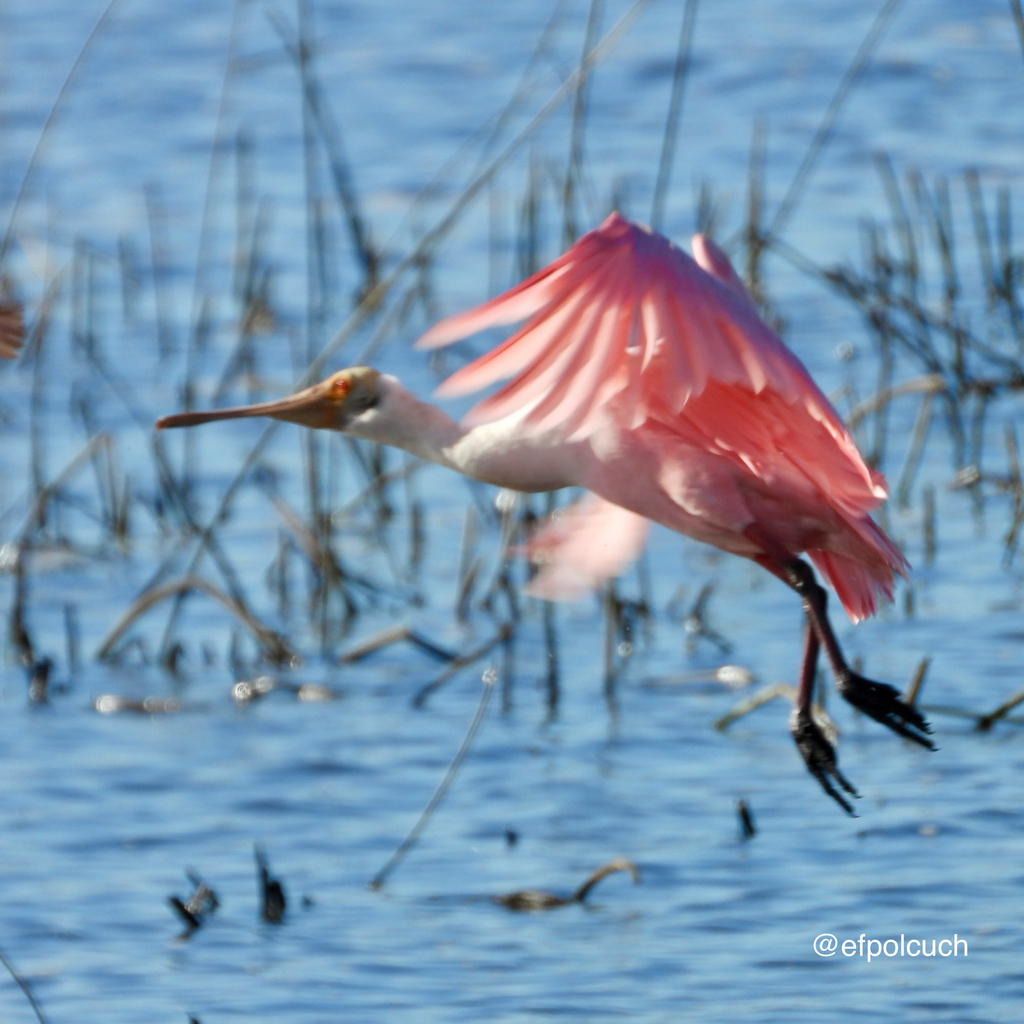
- Roseate SpoonbillPlatalea ajaja
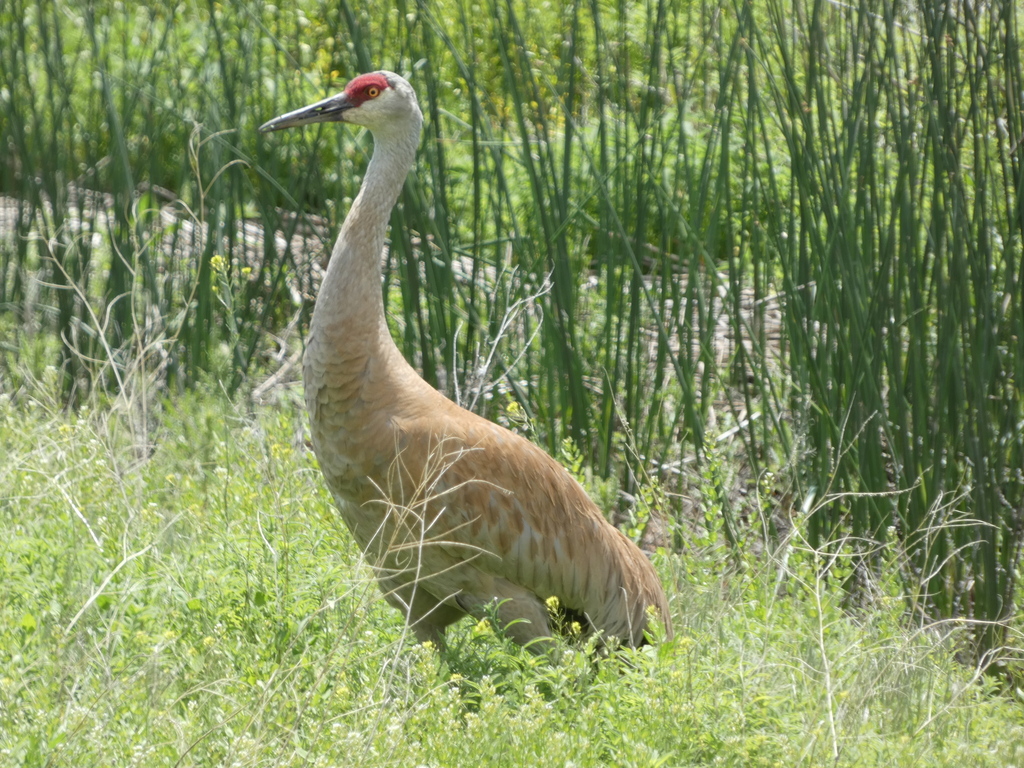
- Sandhill CraneGrus canadensis
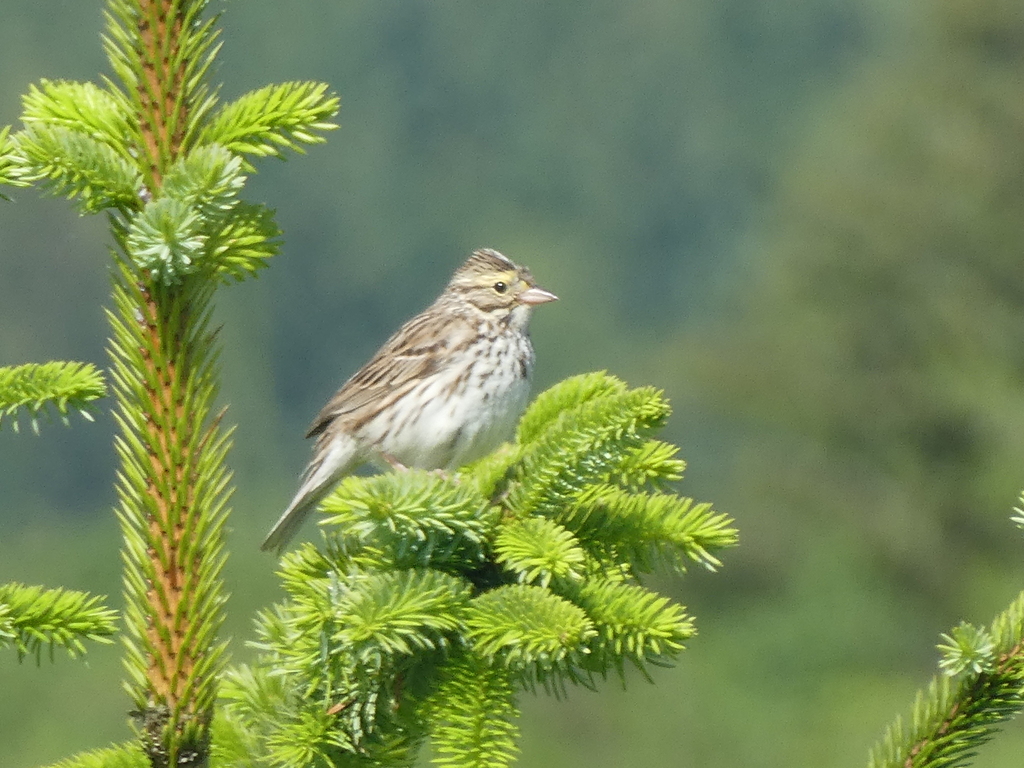
- Savannah SparrowPasserculus sandwichensis
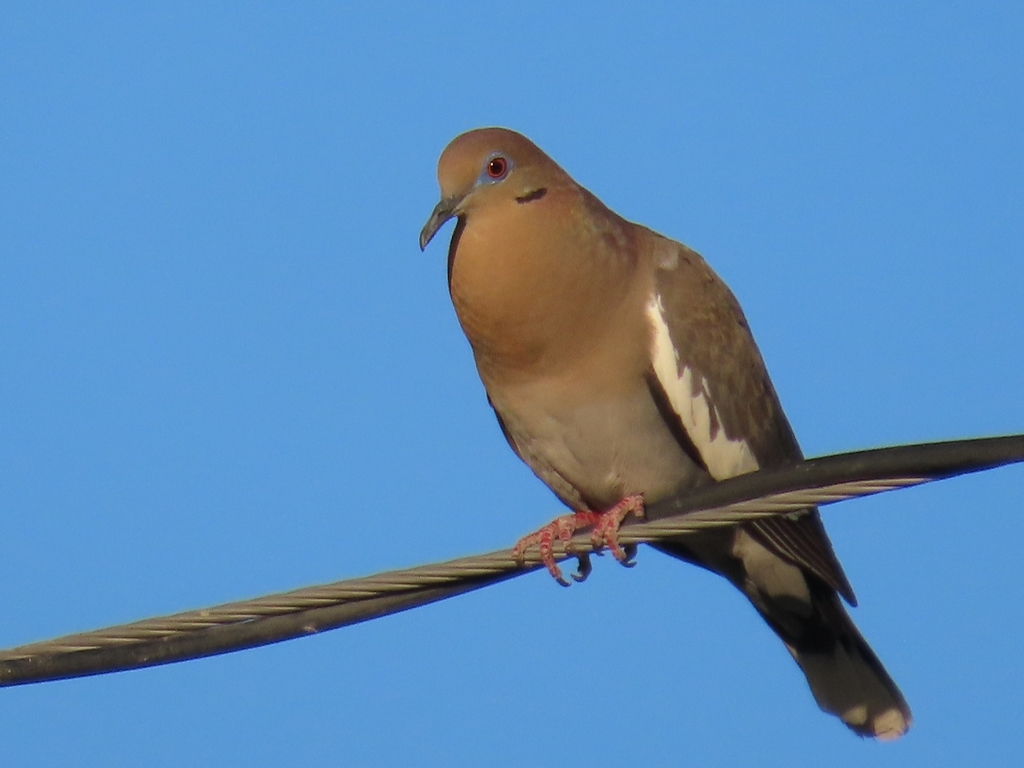
- White-winged DoveZenaida asiatica
- Wood ThrushHylocichla mustelina
- Yellow-billed CuckooCoccyzus americanus
- Acadian FlycatcherEmpidonax virescens
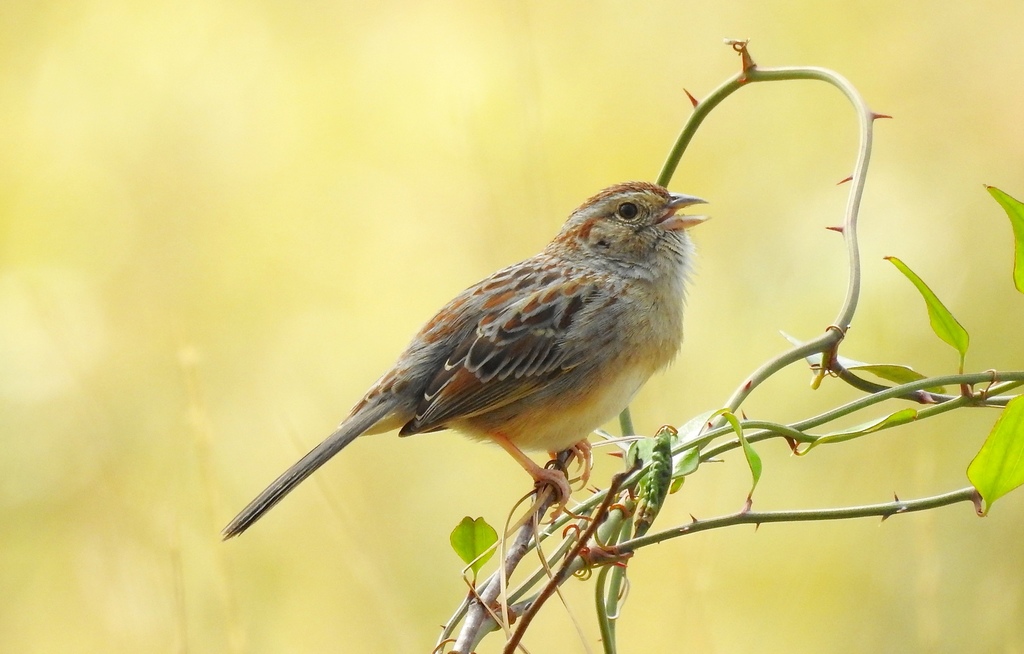
- Bachman's SparrowAimophila aestivalis
- Brown ThrasherToxostoma rufum
- Brown-headed CowbirdMolothrus ater
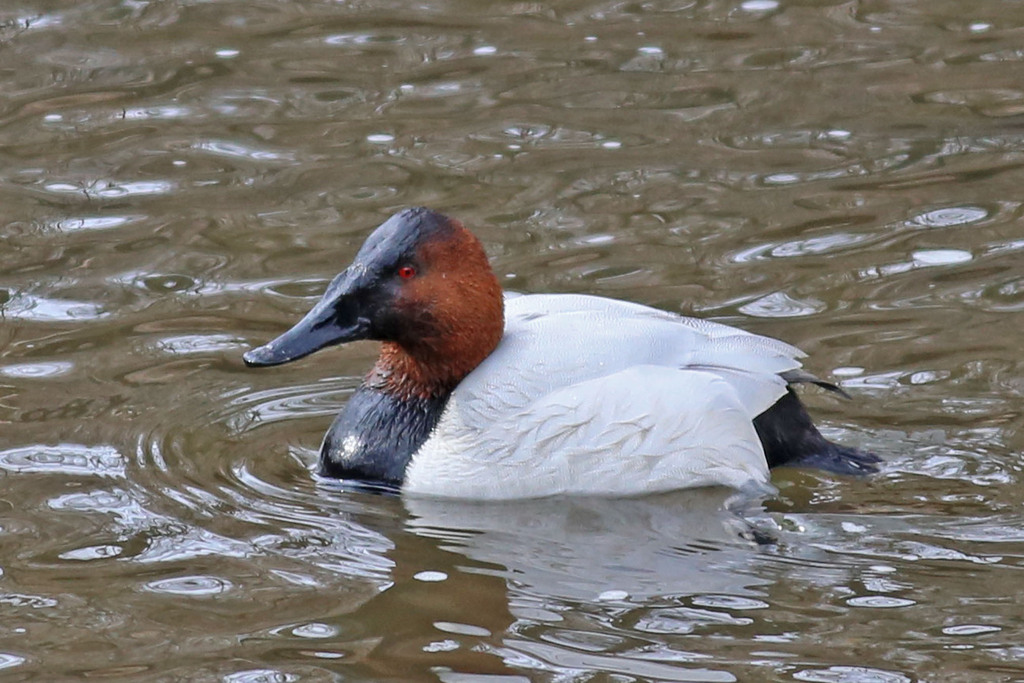
- CanvasbackAythya valisineria
- Eastern PhoebeSayornis phoebe
- Lesser ScaupAythya affinis
- Marsh WrenCistothorus palustris
- Northern BobwhiteColinus virginianus
- Rusty BlackbirdEuphagus carolinus
- White IbisEudocimus albus
- Wilson's SnipeGallinago delicata
- American WoodcockScolopax minor
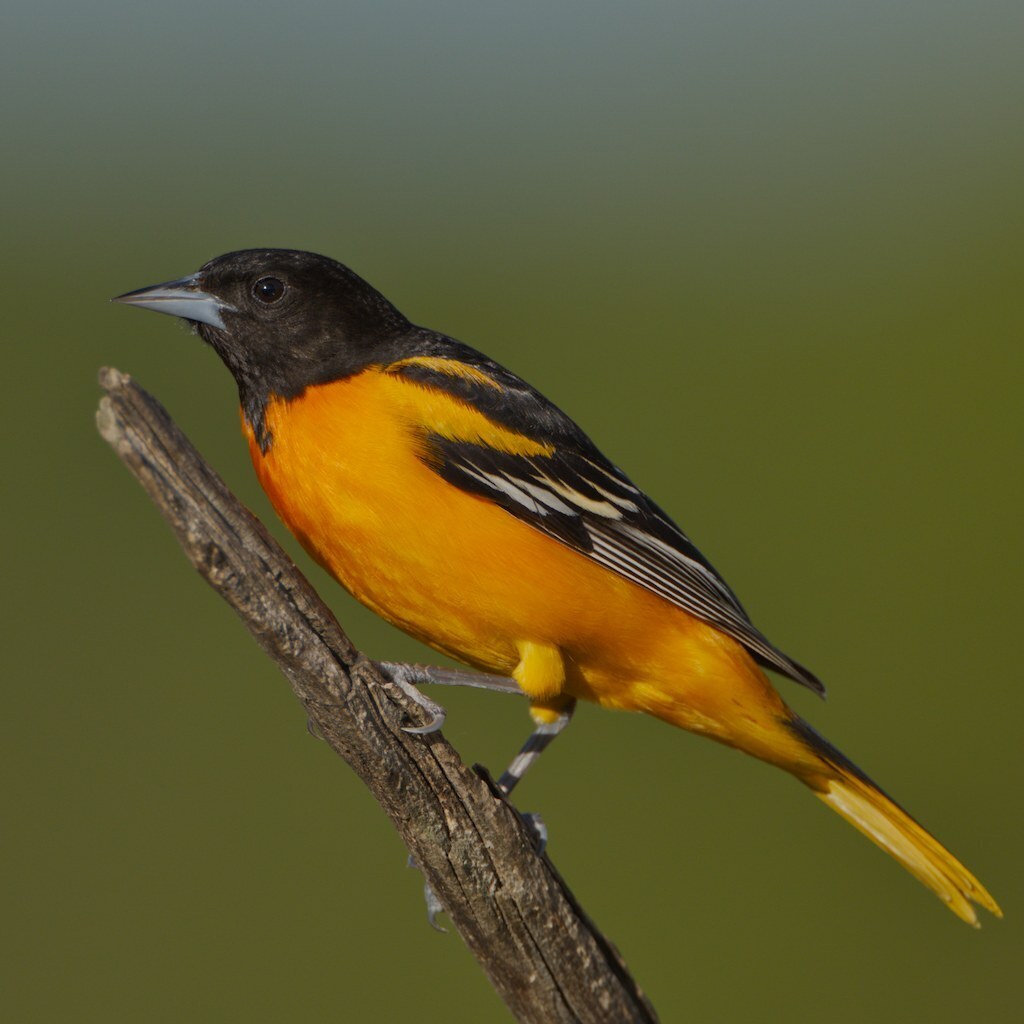
- Baltimore OrioleIcterus galbula










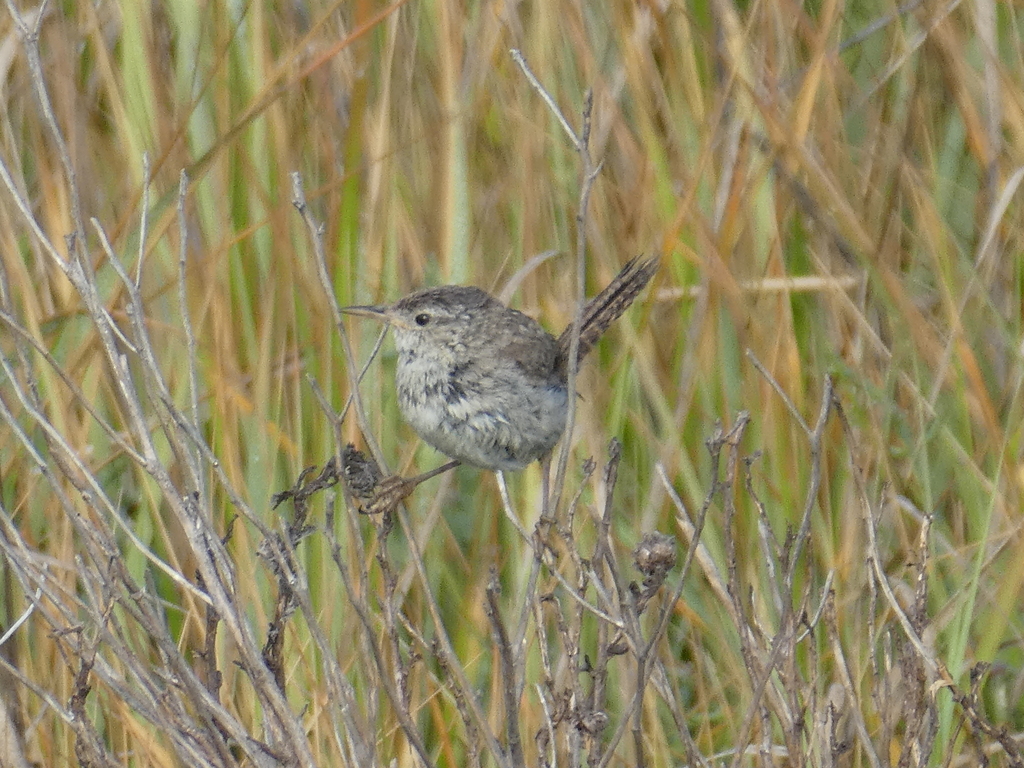


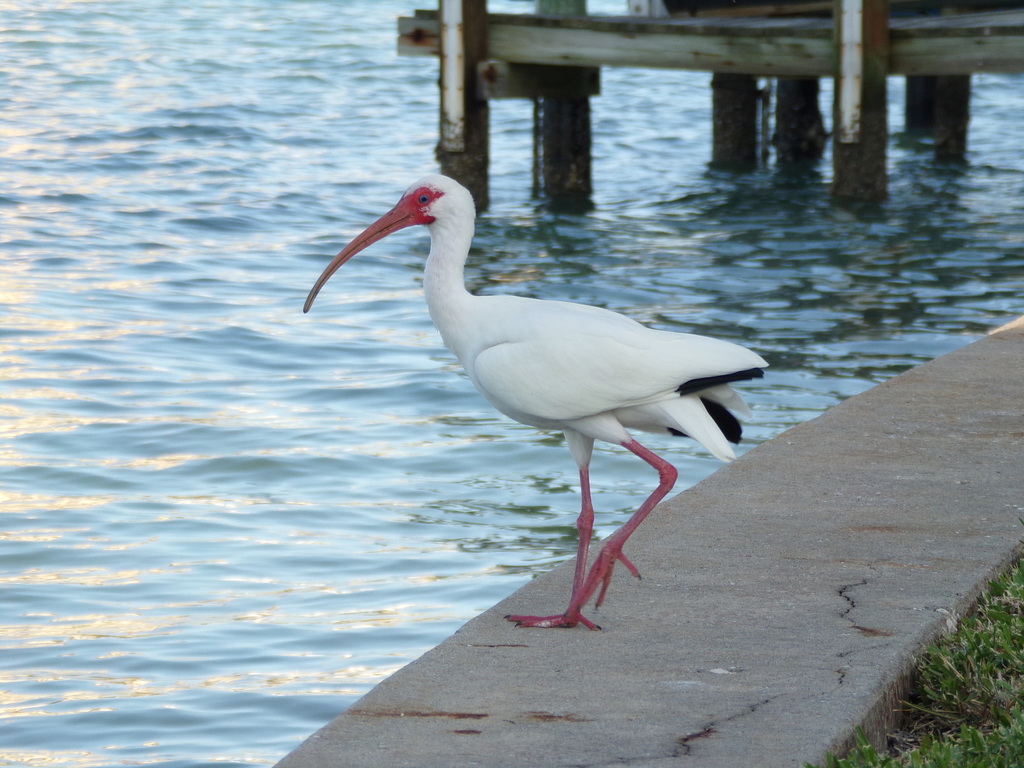
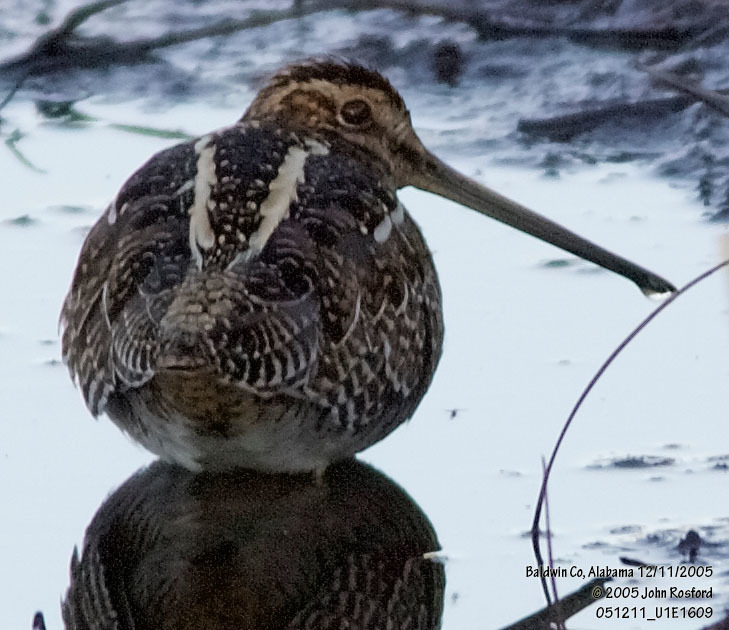
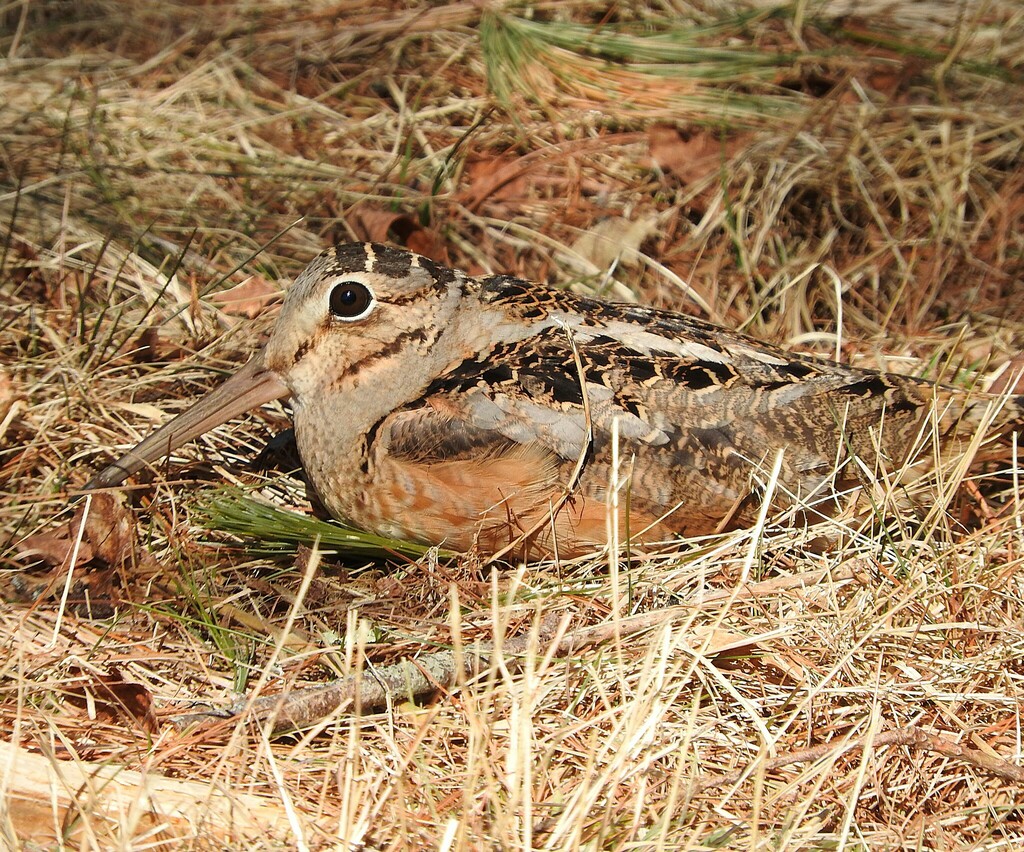

Who uses this plant?
 17CaterpillarsGenus host records with ranges including FL
Genus host records with ranges including FL · Lyonia
- Argyrostrotis quadrifilarisFour-Lined Chocolate, Hickory Leafroller
- Argyrostrotis sylvarumWoodland Chocolate
- Catocala andromedaeAndromeda Underwing
- Cecrita biundataWavy-Lined Heterocampa
- Datana majorMajor Datana, Azalea Caterpillar
- Datana ministraYellow-Necked Caterpillar Moth
- Datana ranaecepsPost-Burn Datana
- Megalopyge opercularisSouthern Flannel Moth, Puss Caterpillar
- Nola pustulataSharp-Blotched Nola
- Pangrapta decoralisDecorated Owlet
Show all 17
- Paonias astylusHuckleberry Sphinx
- Sphinx gordiusApple Sphinx
- Tallula watsoniWatson's Tallula
- Xestia elimataSouthern Variable Dart, Southern Pine Dart
- Zomaria andromedanaAndromedana Moth
- Zomaria rosaochreanaYellow-Striped Zomaria
- Eucosmophora sideroxylonella
 19BeesSoutheastern regional records
Southeastern regional records · Lyonia
Individual names are not available yet.
Noori, Seltmann & Orr 2026, A curated and integrated dataset for exploring global bee-plant interactions (GloBI), Zenodo, CC BY 4.0 4Specialist beesPollen specialists
Pollen specialists · Lyonia
- Andrena kalmiae
- Colletes productus
- Melitta melittoides
- Perdita novaeangliae
 —BirdsRecorded genus food-resource interactions; not a state feeding claim
No records yet · Ants · Beetles · Flies · Adult butterflies / moths · Other wasps · Other insects
Plant details
- Family
- Ericaceae
- Hardiness
- Zones 7a–9b
- Soil pH
- Acidic
- Flower color
- Pink, red or white
- Growth rate
- Moderate
- Growth habit
- Single stem
- Foliage color
- Green
- Fruit begins
- September
- Fruit ends
- October
Safety has not been reviewed for this plant; check toxicity and thorns before planting.
Growing sources and scope
- Bloom · “Spring” · USDA PLANTS · Nationwide species characteristics; local growing conditions may vary
- Flower color · “Pink, red or white” · NC Extension Plant Toolbox (ranked first; USDA PLANTS differs)
- Foliage color · “Green” · USDA PLANTS · Nationwide species characteristics; local growing conditions may vary
- Fruit begins · “September” · Weakley, Flora of the Southeastern United States (2025), Carolinas & Georgia edition (ranked first; USDA PLANTS differs) · Carolinas and Georgia
- Fruit ends · “October” · Weakley, Flora of the Southeastern United States (2025), Carolinas & Georgia edition (ranked first; USDA PLANTS differs) · Carolinas and Georgia
- Growth habit · “Single stem” · USDA PLANTS · Nationwide species characteristics; local growing conditions may vary
- Growth rate · “Moderate” · USDA PLANTS · Nationwide species characteristics; local growing conditions may vary
- Hardiness · “Zones 7a–9b” · NC Extension Plant Toolbox
- Height · “3–6 feet” · NC Extension Plant Toolbox (ranked first; USDA PLANTS differs)
- Leaves · “Evergreen” · NC Extension Plant Toolbox
- Life cycle · “Woody perennial” · NC Extension Plant Toolbox
- Light · “Dappled sunlight (shade through upper canopy all day); Deep shade (less than 2 hours to no direct sunlight); Partial shade (direct sunlight only part of the day, 2-6 hours)” · NC Extension Plant Toolbox (ranked first; Virginia DCR Coastal Plain differs)
- Soil · “Moist” · NC Extension Plant Toolbox (ranked first; Virginia DCR Coastal Plain differs)
- Soil pH · “Acidic” · NC Extension Plant Toolbox
- Spread · “3–6 feet” · NC Extension Plant Toolbox
Conservation status
| Florida rank | S5 |
|---|---|
| Global rank | G5 |
| FL status | Not verified |
| Federal status | Not verified |
Will it fit your yard?
Check this plant against your county, sun and soil moisture. Conditions are checked in your browser.
Sources
- Atlas of Florida Plants
- USDA PLANTS
- Vascular Plants of North Carolina (NC Natural Heritage Program)
- Weakley, Flora of the Southeastern United States (2025), Florida edition
- NatureServe Explorer
- Shropshire & Tallamy 2025, Lepidoptera of North America north of Mexico, ZooKeys 1261 (ODbL)
- Noori, Seltmann & Orr 2026, A curated and integrated dataset for exploring global bee-plant interactions (GloBI), Zenodo, CC BY 4.0
- Smith, Bachelder, Russell, Morales, Mosher & Seltmann 2024, Bee-Specialization-Modeling v0.6.1 (specialist host table compiled from J. Fowler's pollen specialist bee lists), Zenodo, CC BY 4.0
- Hurlbert, Olsen, Sawyer & Winner 2021, Avian Diet Database, Scientific Data 8: 260 (CC0)
- Narango, Tallamy & Shropshire 2020, Few keystone plant genera support the majority of Lepidoptera species, Nature Communications