

Eastern Red Cedar
Juniperus virginiana
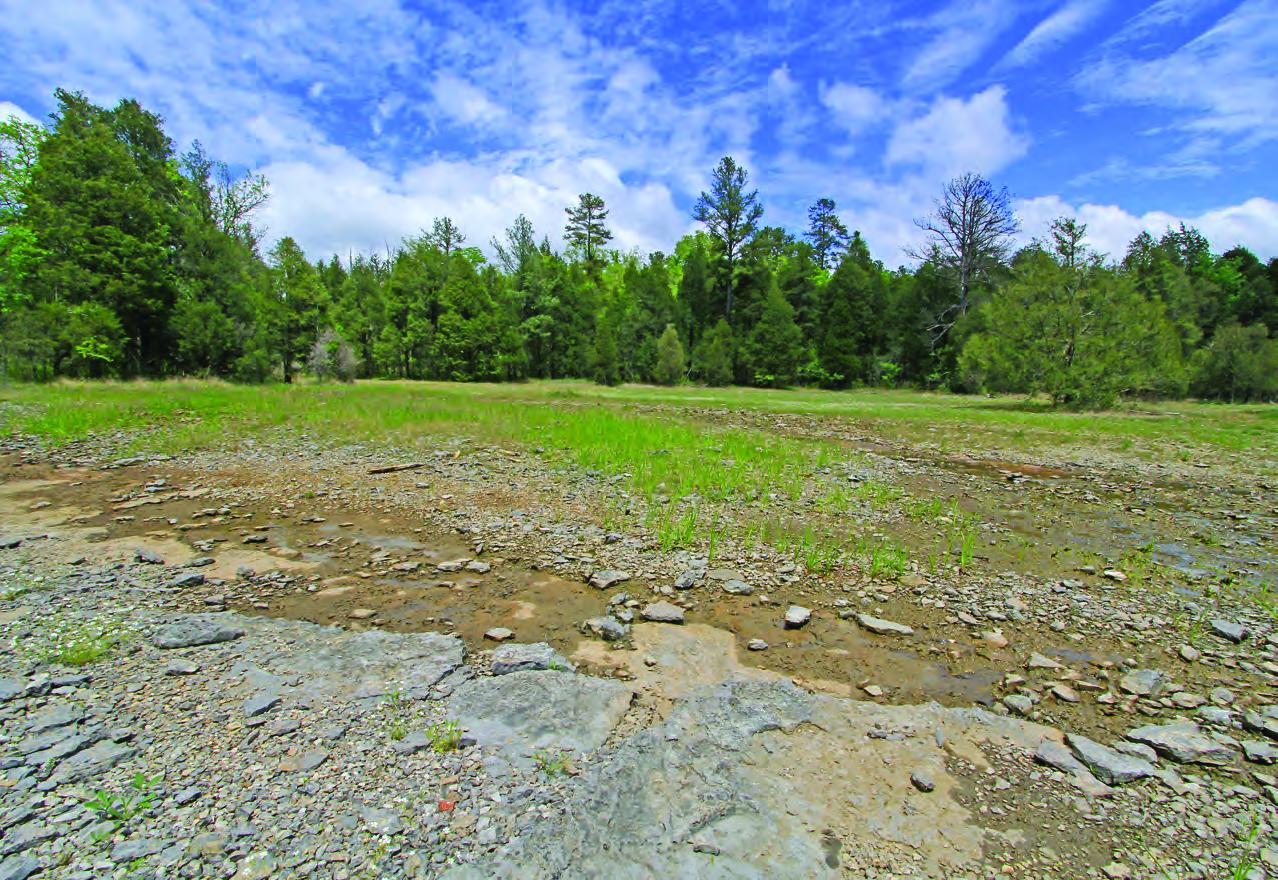
Found in glades, barrens and outcrops on limestone; glades, barrens and outcrops on mafic or serpentine rock; forests and woodlands; roadsides, fields and disturbed ground. Weakley, Flora of the Southeastern United States (2025), Florida edition What its natural habitat tells you
Native to Florida. How scores work Is it native here?
Profile 100%
- Height
- 30–40 feet
- Spread
- 10–20 feet
- Light
- Full sun, Partial shade
- Soil moisture
- Somewhat dry to moist
Space about 15 ft apart from its recorded spread. Enter your bed size for a count
Will it fit your yard?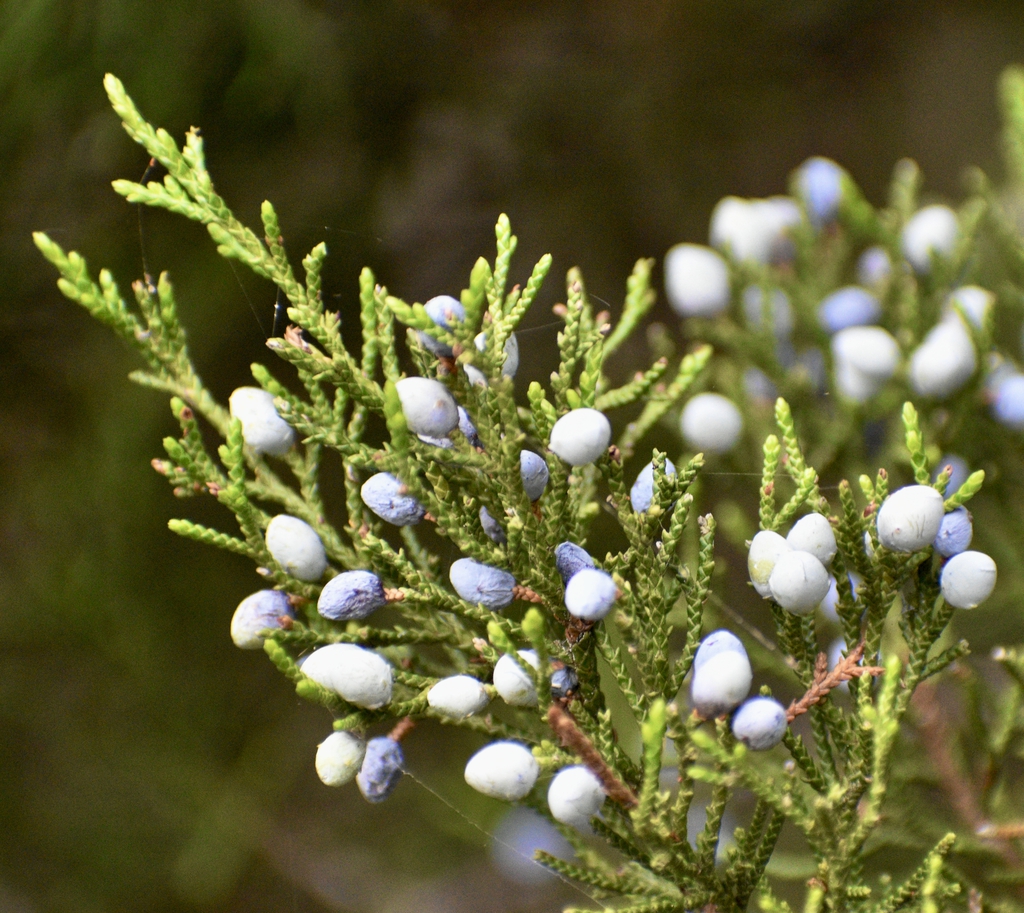
At a glance
- Life cycle
- Woody perennial
- Leaves
- Evergreen
- Bloom
- January to March
- Fruiting season
- October to November
Recorded in 60 Florida counties.
Natural habitats
Places it grows wild. Not a planting requirement. Each habitat page lists the plants and wildlife also found there.
Glades, barrens and outcrops on limestone
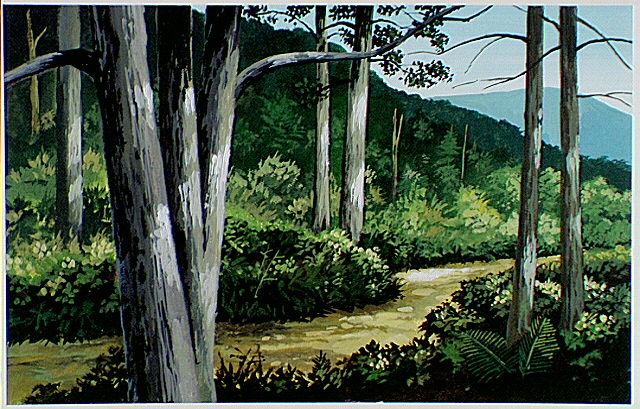
Glades, barrens and outcrops on mafic or serpentine rock
Open, thin-soil openings, outcrops and cliffs on dark, magnesium- or iron-rich rock such as serpentine, diabase or gabbro.
Roadsides, fields and disturbed ground
Ground opened by people: roadsides, old fields, pastures, fencerows and lots.
Also found with this plant
Wildlife whose habitat models include habitats this plant grows in, in Florida. Shared habitat, not food. 76 animals.
- Northern FlickerColaptes auratus
- Northern MockingbirdMimus polyglottos
- Northern ParulaParula americana
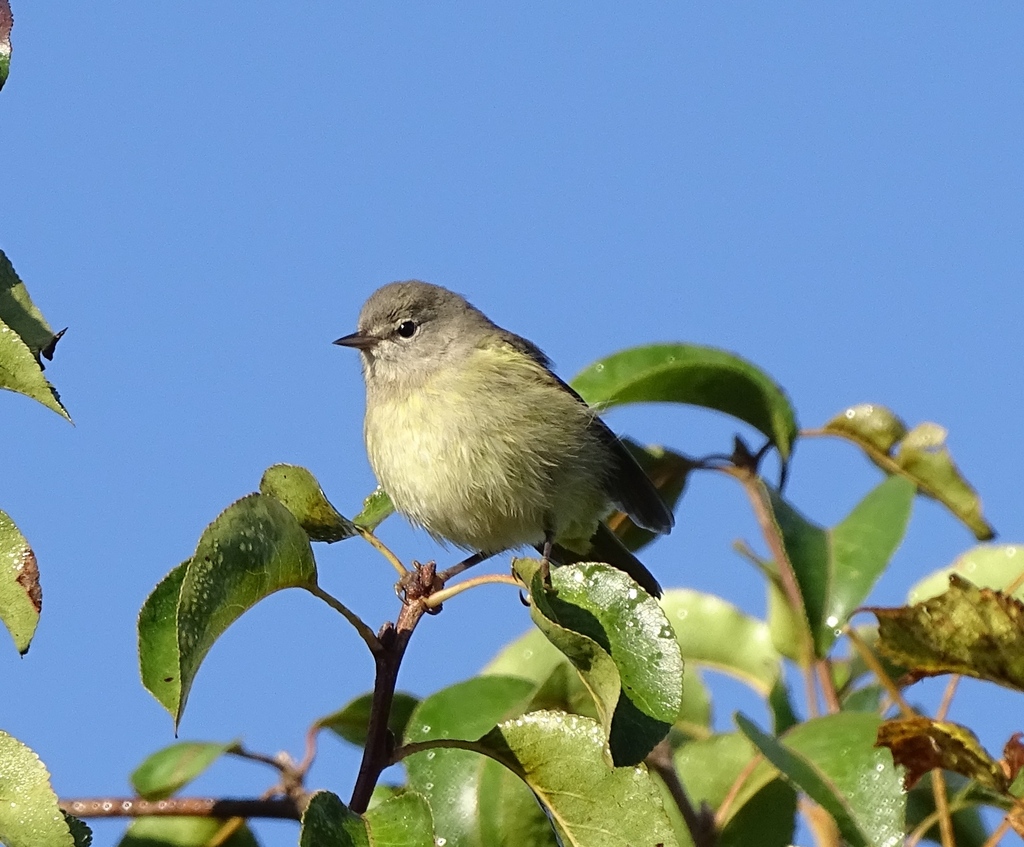
- Orange-crowned WarblerVermivora celata
- OspreyPandion haliaetus
- OvenbirdSeiurus aurocapilla
- Pine SiskinCarduelis pinus
- Purple FinchCarpodacus purpureus
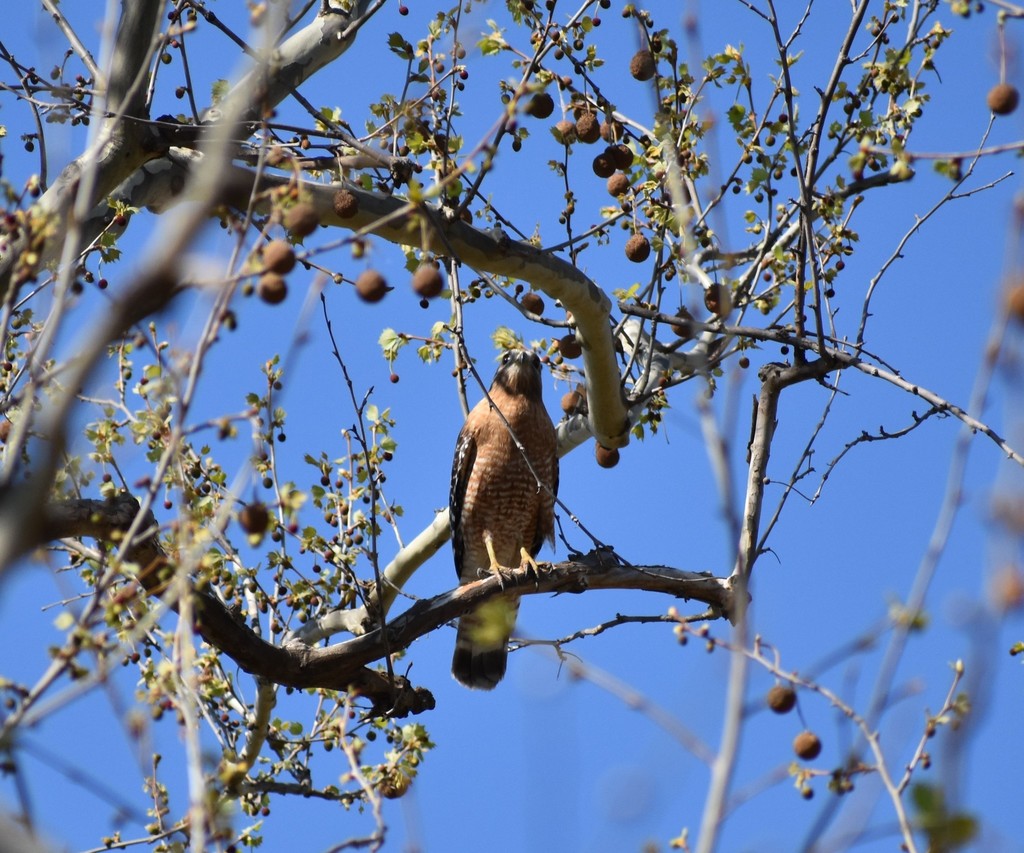
- Red-shouldered HawkButeo lineatus
- Red-tailed HawkButeo jamaicensis
- Red-winged BlackbirdAgelaius phoeniceus
- Ruby-crowned KingletRegulus calendula
- Ruby-throated HummingbirdArchilochus colubris
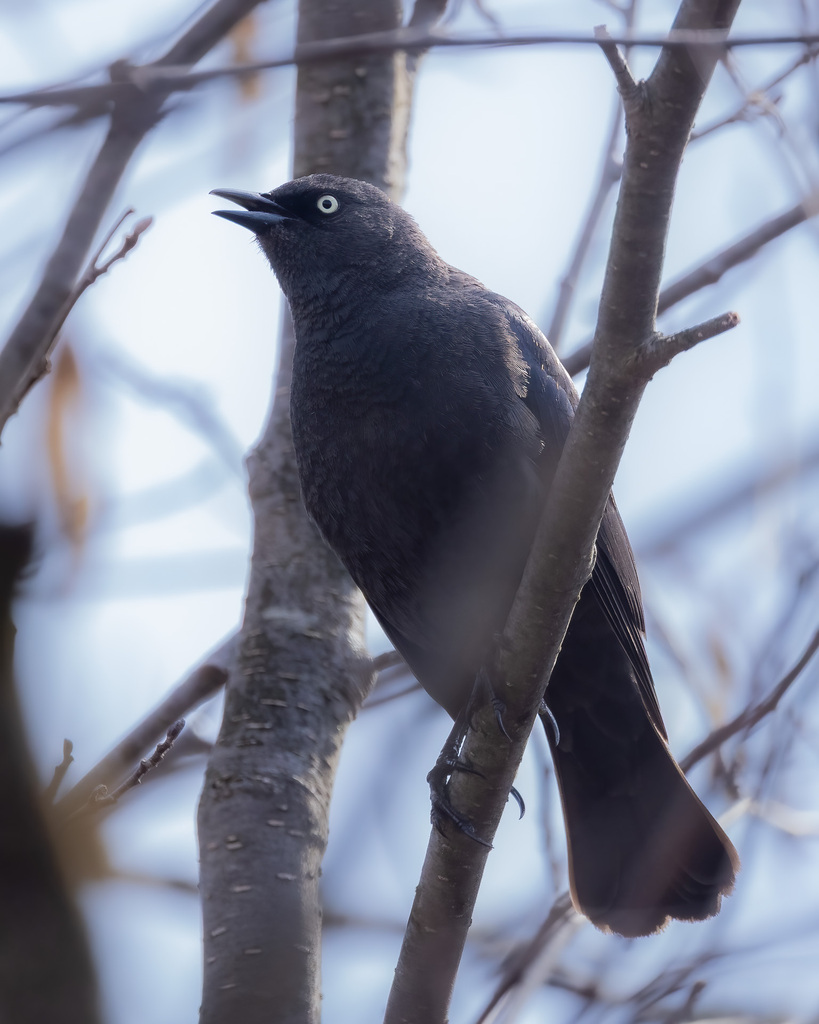
- Rusty BlackbirdEuphagus carolinus
- Sharp-shinned HawkAccipiter striatus
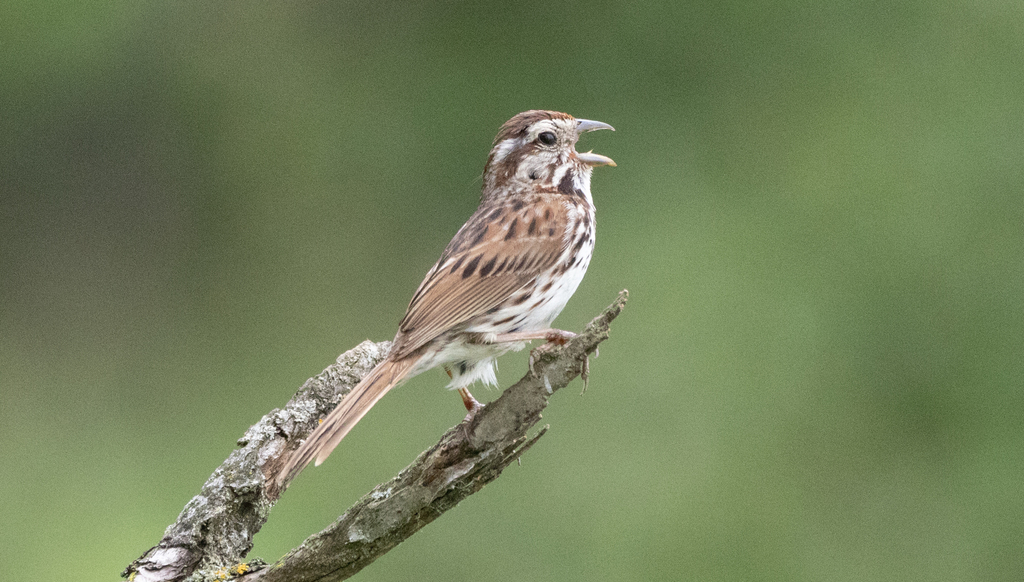
- Song SparrowMelospiza melodia
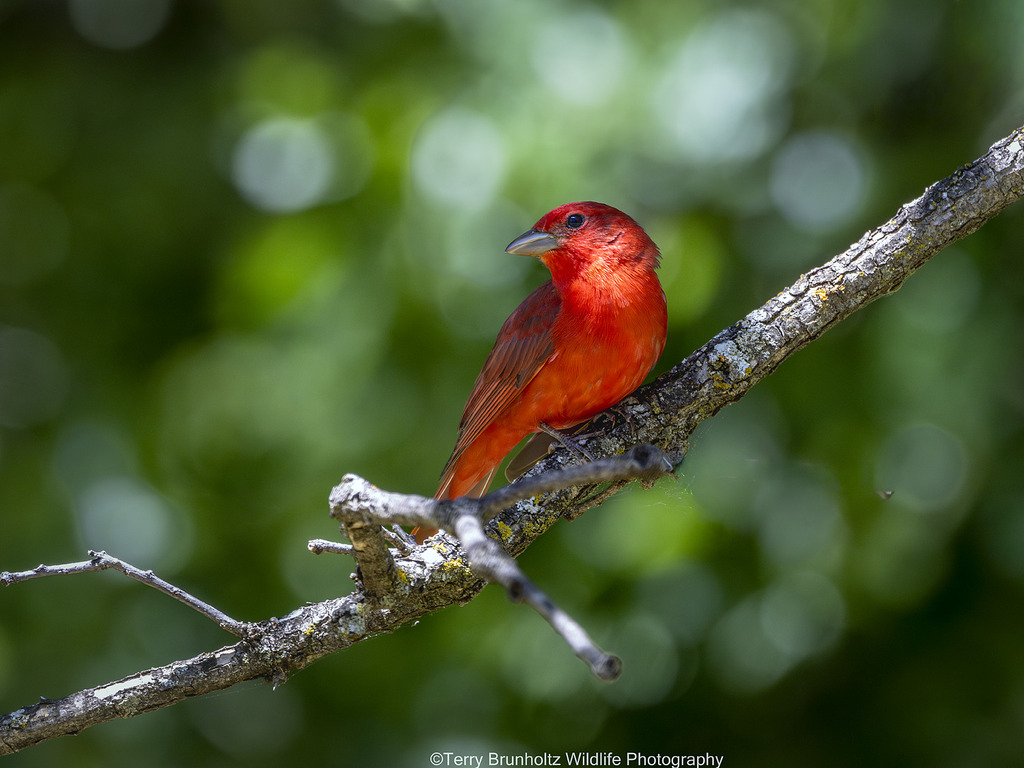
- Summer TanagerPiranga rubra
- Tufted TitmouseBaeolophus bicolor
- Turkey VultureCathartes aura
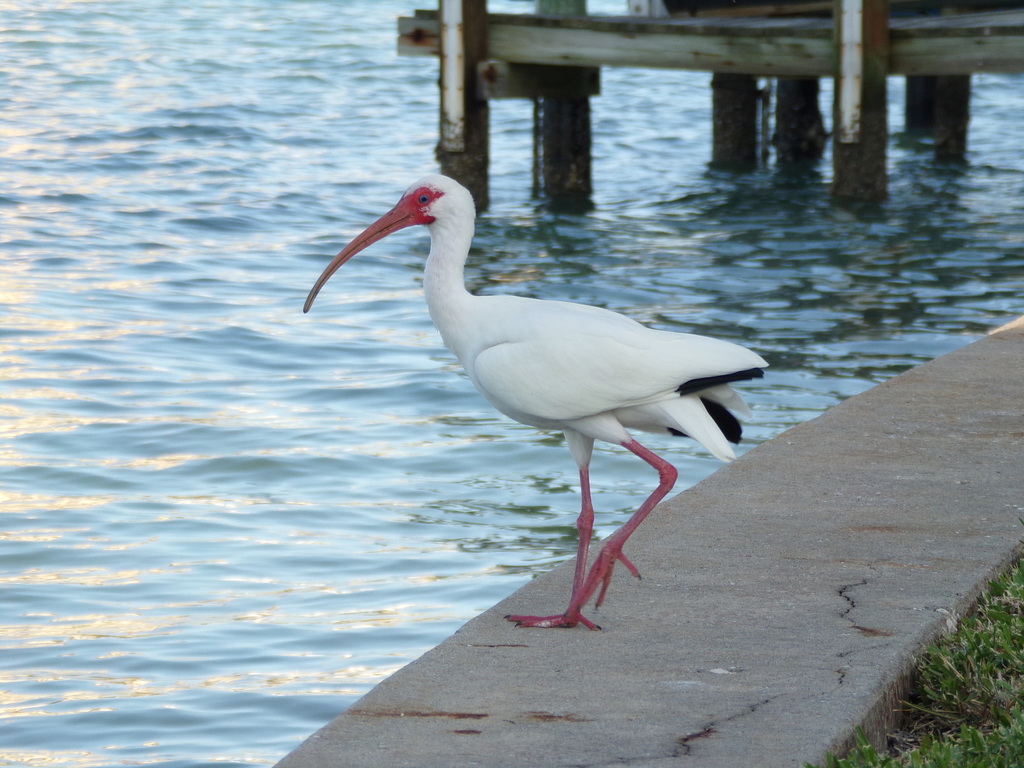
- White IbisEudocimus albus
- White-eyed VireoVireo griseus
- White-throated SparrowZonotrichia albicollis
- Yellow-bellied SapsuckerSphyrapicus varius
- Yellow-billed CuckooCoccyzus americanus


















Who uses this plant?
 29CaterpillarsGenus host records with ranges including FL
Genus host records with ranges including FL · Juniperus
- Callophrys gryneusJuniper Hairstreak
- Acronicta americanaAmerican Dagger
- Callophrys niphonPine Elfin
- Choristoneura fumiferanaSpruce Budworm Moth
- Digrammia continuataCurve-Lined Angle
- Eacles imperialisImperial Moth, Imperial Spiny Caterpillar
- Elaphria versicolorVariegated Midget
- Elasmopalpus lignosellaLesser Cornstalk Borer
- Eupithecia miserulataCommon Eupithacia, Common Pug
- Glena plumosariaCedar Grey, Dainty Gray
Show all 29
- Glyphidocera juniperellaJuniper Tip Moth
- Henricus edwardsianaContrasting Henricus
- Hyphantria cuneaFall Webworm
- Lithophane lemmeriLemmer's Pinion
- Macaria distribuariaSouthern Chocolate Angle
- Macaria multilineataMany-Lined Angle
- Oiketicus abbotiiAbbot's Bagworm Moth
- Orgyia leucostigmaWhite-Marked Tussock Moth
- Orthotaenia undulanaDusky Leafroller
- Palthis angulalisDark-Spotted Palthis
- Papilio troilusSpicebush Swallowtail
- Patalene olyzonariaJuniper Geometer
- Platynota stultanaOmnivorous Leafroller
- Prochoerodes lineolaLarge Maple Spanworm Moth
- Spodoptera latifasciaOrange-Striped Armyworm, Velvet Armyworm Moth
- Spodoptera ornithogalliYellow-Striped Armyworm Moth, Cotton Cutworm
- Thyridopteryx ephemeraeformisEvergreen Bagworm Moth
- Coleotechnites obliquistrigella
- Periploca laeta
 0BeesSoutheastern regional records
 0Specialist beesPollen specialists
 23BirdsRecorded genus food-resource interactions; not a state feeding claim
Recorded genus food-resource interactions; not a state feeding claim · Juniperus
- Bombycilla cedrorumCedar Waxwing
- Sialia sialisEastern Bluebird
- Turdus migratoriusAmerican Robin
- Cathartes/coragyps spTurkey/Black Vulture
- Catharus guttatusHermit Thrush
- Catharus ustulatusSwainson's Thrush
- Coccothraustes vespertinusEvening Grosbeak
- Cyanocitta stelleriSteller's Jay
- Cyrtonyx montezumaeMontezuma Quail
- Dendragapus obscurusDusky Grouse
Show all 23
- Empidonax alnorum/trailliiAlder/Willow Flycatcher (Traill's Flycatcher)
- Empidonax flaviventrisYellow-bellied Flycatcher
- Falcipennis canadensisSpruce Grouse
- Ixoreus naeviusVaried Thrush
- Loxia leucopteraWhite-winged Crossbill
- Meleagris gallopavoWild Turkey
- Mimus polyglottosNorthern Mockingbird
- Myadestes townsendiTownsend's Solitaire
- Pinicola enucleatorPine Grosbeak
- Sturnus vulgarisEuropean Starling
- Tachycineta bicolorTree Swallow
- Tyrannus tyrannusEastern Kingbird
- Vireo solitariusBlue-headed Vireo
Direct food only: birds recorded eating this genus across North America. Caterpillars on host plants also feed nesting birds. NC Native Plant Society: butterfly gardening
No records yet · Ants · Beetles · Flies · Adult butterflies / moths · Other wasps · Other insects
Plant details
- Family
- Cupressaceae
- Hardiness
- Zones 2a–9b
- Soil pH
- Acidic to alkaline
- Flower color
- Green
- Growth rate
- Slow
- Growth habit
- Single stem
- Foliage color
- Green
- Fruit begins
- October
- Fruit ends
- November
Safety has not been reviewed for this plant; check toxicity and thorns before planting.
Growing sources and scope
- Bloom · “January to March” · Weakley, Flora of the Southeastern United States (2025), Carolinas & Georgia edition (ranked first; USDA PLANTS differs) · Carolinas and Georgia
- Flower color · “Green” · USDA PLANTS · Nationwide species characteristics; local growing conditions may vary
- Foliage color · “Green” · USDA PLANTS · Nationwide species characteristics; local growing conditions may vary
- Fruit begins · “October” · Weakley, Flora of the Southeastern United States (2025), Carolinas & Georgia edition (ranked first; NC Extension Plant Toolbox, USDA PLANTS differ) · Carolinas and Georgia
- Fruit ends · “November” · Weakley, Flora of the Southeastern United States (2025), Carolinas & Georgia edition (ranked first; NC Extension Plant Toolbox, USDA PLANTS differ) · Carolinas and Georgia
- Growth habit · “Single stem” · USDA PLANTS · Nationwide species characteristics; local growing conditions may vary
- Growth rate · “Slow” · USDA PLANTS · Nationwide species characteristics; local growing conditions may vary
- Hardiness · “Zones 2a–9b” · NC Extension Plant Toolbox
- Height · “30–40 feet” · NC Extension Plant Toolbox (ranked first; USDA PLANTS, Minnesota Wildflowers differ)
- Leaves · “Evergreen” · NC Extension Plant Toolbox
- Life cycle · “Woody perennial” · NC Extension Plant Toolbox
- Light · “Full sun (6 or more hours of direct sunlight a day); Partial shade (direct sunlight only part of the day, 2-6 hours)” · NC Extension Plant Toolbox (ranked first; Tennessee Smart Yards, Virginia DCR Piedmont, Virginia DCR Coastal Plain differ)
- Soil · “Moist; Occasionally dry; Occasionally wet” · NC Extension Plant Toolbox (ranked first; Tennessee Smart Yards, Virginia DCR Piedmont, Virginia DCR Coastal Plain differ)
- Soil pH · “Acidic to alkaline” · NC Extension Plant Toolbox
- Spread · “10–20 feet” · NC Extension Plant Toolbox
Conservation status
| Florida rank | S5 |
|---|---|
| Global rank | G5 |
| FL status | Not verified |
| Federal status | Not verified |
Will it fit your yard?
Check this plant against your county, sun and soil moisture. Conditions are checked in your browser.
Sources
- Atlas of Florida Plants
- USDA PLANTS
- Vascular Plants of North Carolina (NC Natural Heritage Program)
- Weakley, Flora of the Southeastern United States (2025)
- NatureServe Explorer
- Shropshire & Tallamy 2025, Lepidoptera of North America north of Mexico, ZooKeys 1261 (ODbL)
- Noori, Seltmann & Orr 2026, A curated and integrated dataset for exploring global bee-plant interactions (GloBI), Zenodo, CC BY 4.0
- Smith, Bachelder, Russell, Morales, Mosher & Seltmann 2024, Bee-Specialization-Modeling v0.6.1 (specialist host table compiled from J. Fowler's pollen specialist bee lists), Zenodo, CC BY 4.0
- Hurlbert, Olsen, Sawyer & Winner 2021, Avian Diet Database, Scientific Data 8: 260 (CC0)
- Narango, Tallamy & Shropshire 2020, Few keystone plant genera support the majority of Lepidoptera species, Nature Communications