

Black Needlerush
Juncus roemerianus
Found in Coastal tidal marshes, forming dense stands at and above mean high tide, above the Spartina alterniflora (= Sporobolus alterniflorus ) zone. FloraQuest, phone app (app page) What its natural habitat tells you
Native to Florida. How scores work Is it native here?
Profile 94%
- Height
- About 4.9 feet
- Light
- Full sun
- Soil moisture
- Wet to standing water
No photograph yet. Looking for an old drawing…
At a glance
- Bloom
- January to June
- Fruiting season
- May to October
Not yet recorded · Spread · Life cycle · Leaves
Recorded in 34 Florida counties.
Natural habitats
Places it grows wild. Not a planting requirement. Each habitat page lists the plants and wildlife also found there.
Coastal tidal marshes (salinity not stated)
Tidal marshes of the Atlantic and Gulf coasts where the source does not say whether the water is fresh, brackish or salt. A stated salinity files the marsh under freshwater tidal marshes or salt and brackish marshes instead.
Also found with this plant
Wildlife whose habitat models include habitats this plant grows in, in Florida. Shared habitat, not food. 192 animals.
- American PipitAnthus rubescens
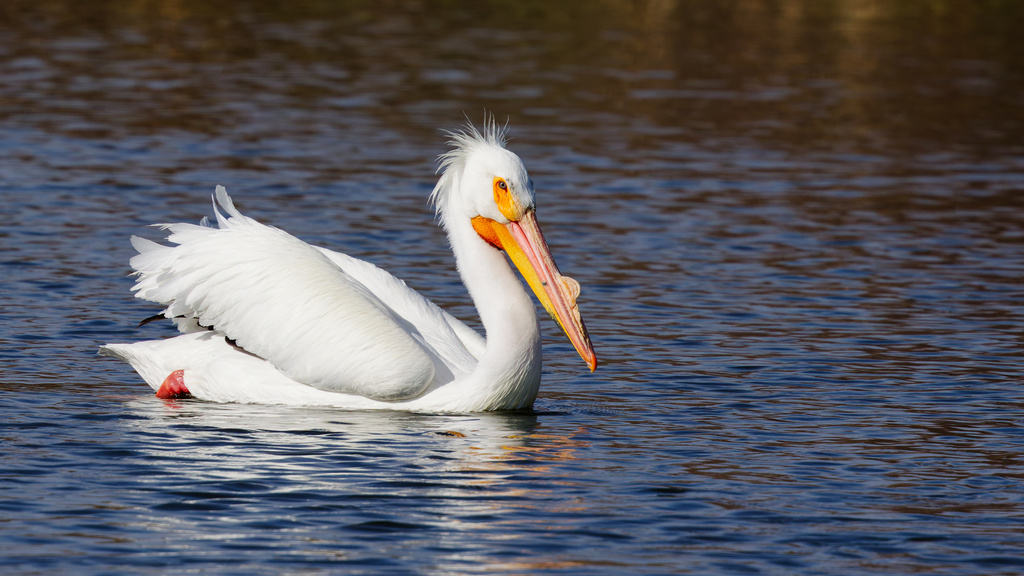
- American White PelicanPelecanus erythrorhynchos
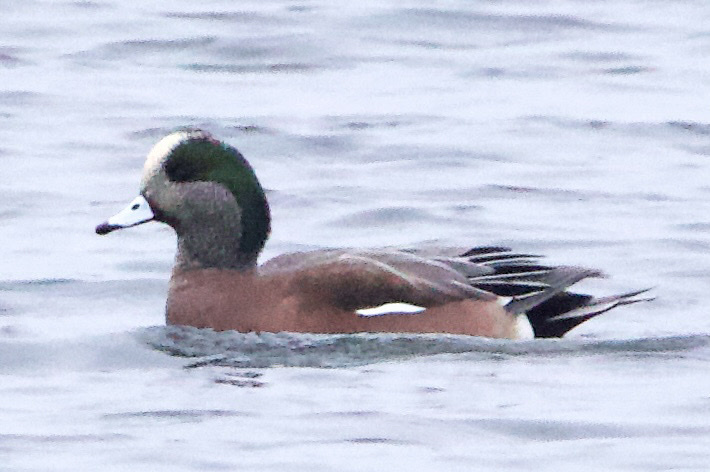
- American WigeonAnas americana
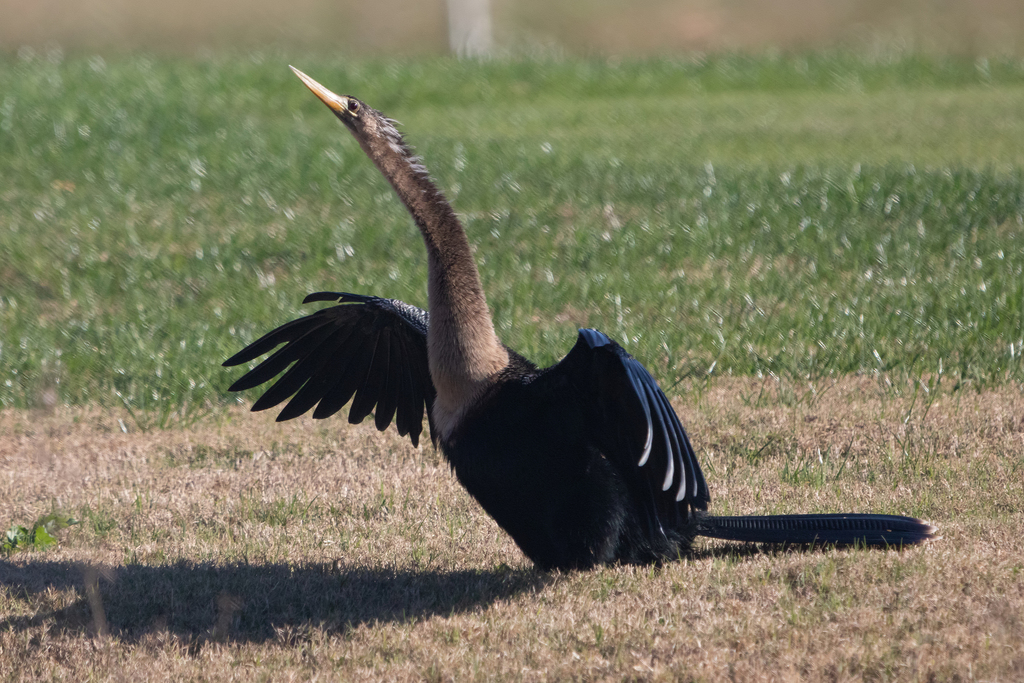
- AnhingaAnhinga anhinga
- Bank SwallowRiparia riparia
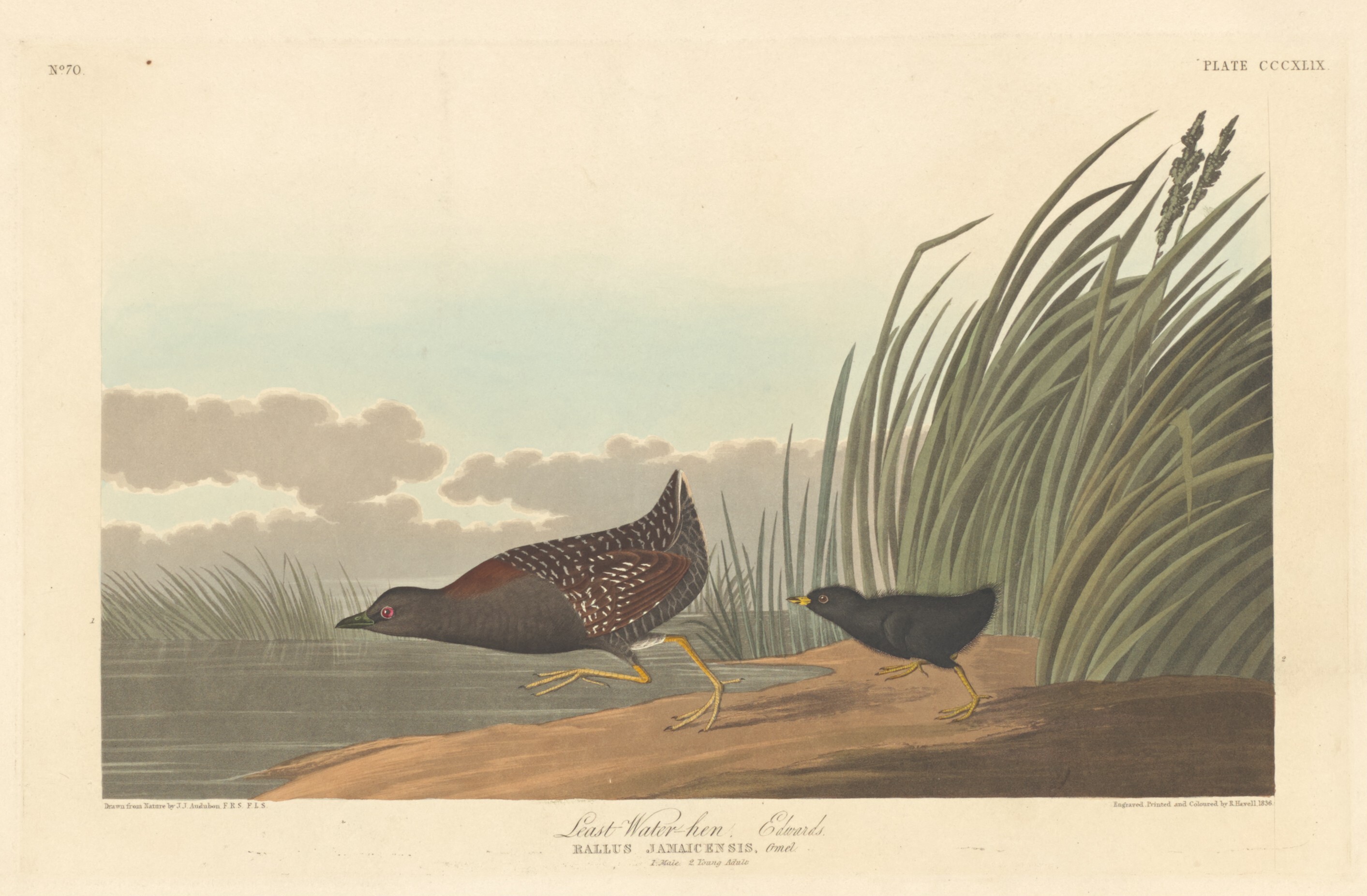
- Black RailLaterallus jamaicensis
- Black-necked StiltHimantopus mexicanus
- Blue-winged TealAnas discors
- Bonaparte's GullChroicocephalus philadelphia
- CanvasbackAythya valisineria
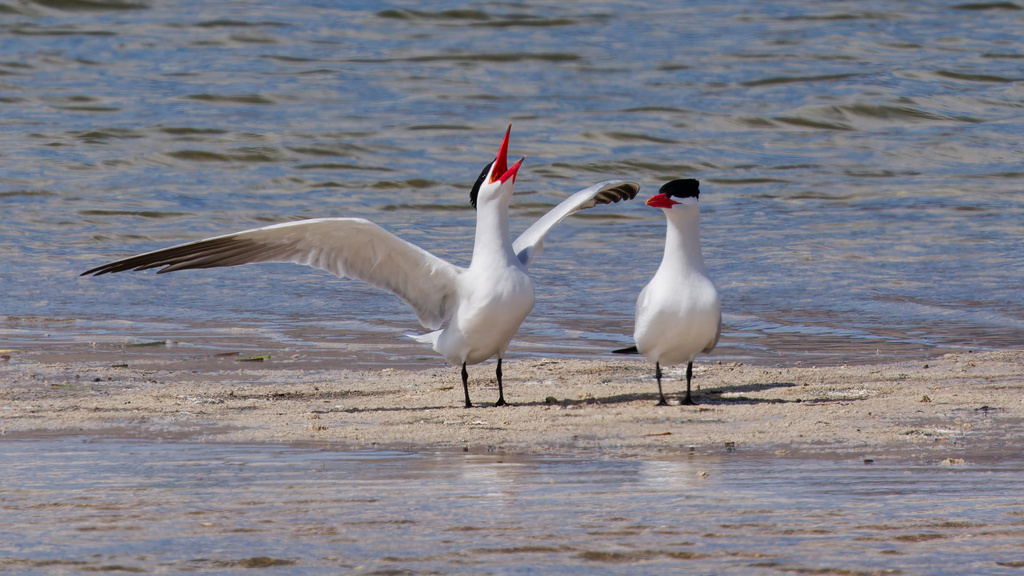
- Caspian TernHydroprogne caspia
- Chimney SwiftChaetura pelagica
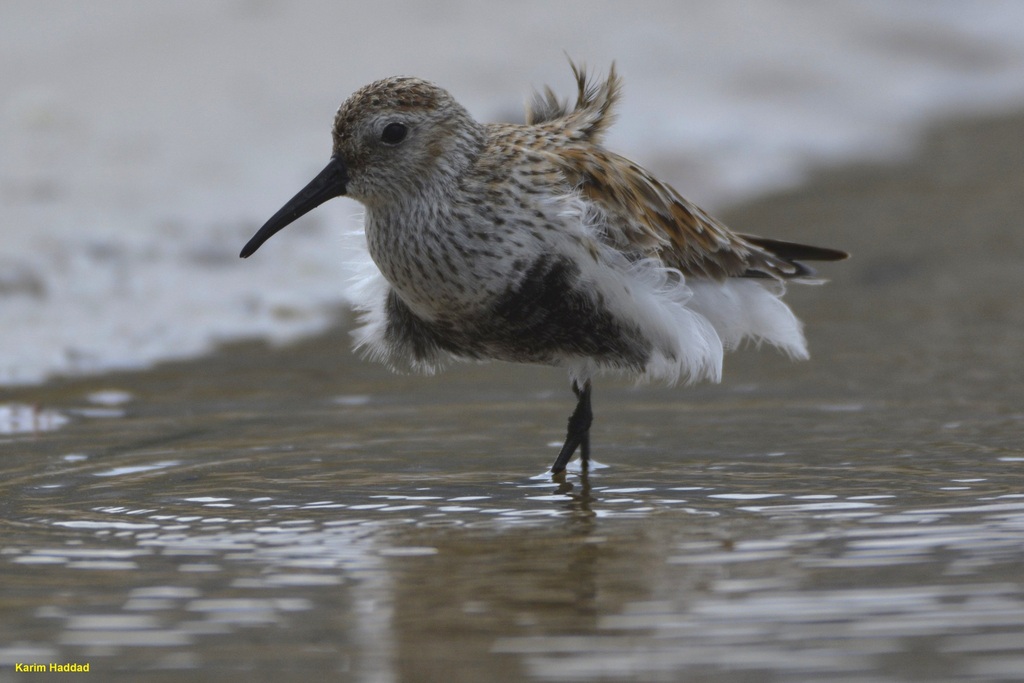
- DunlinCalidris alpina
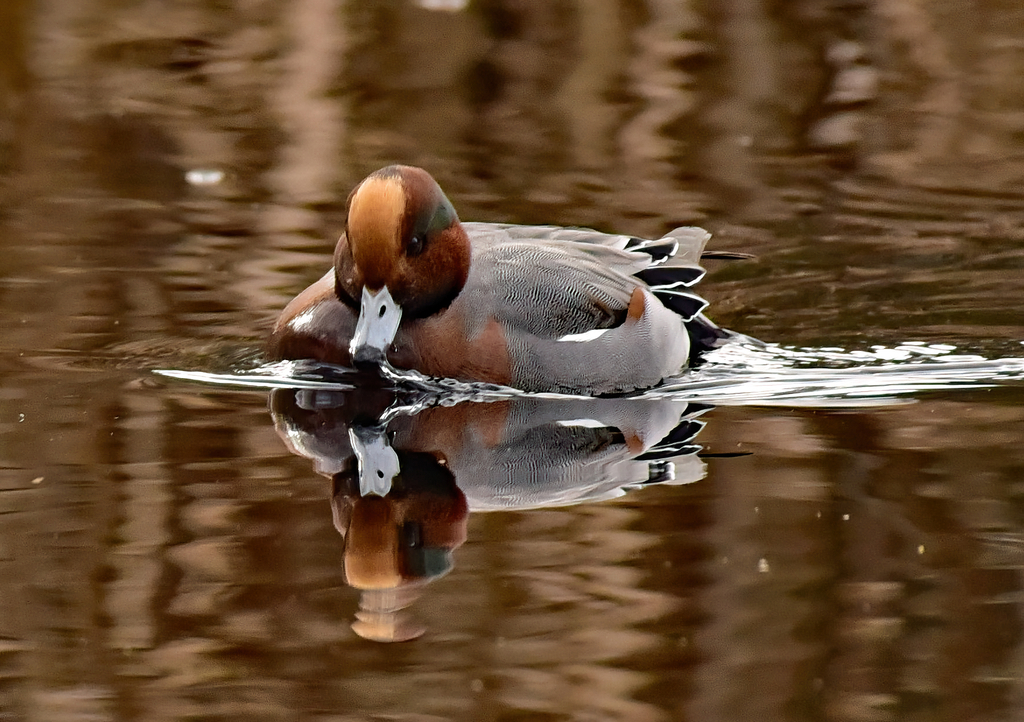
- Eurasian WigeonAnas penelope
- Fish CrowCorvus ossifragus
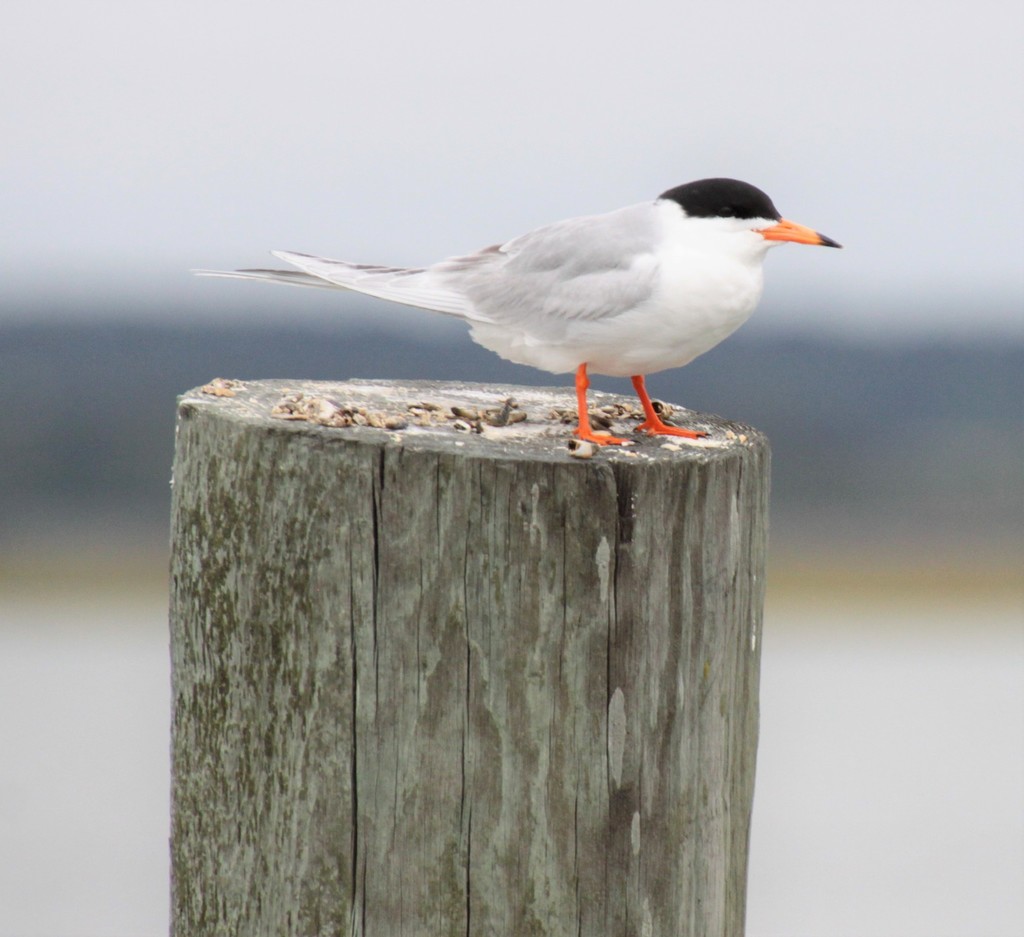
- Forster's TernSterna forsteri
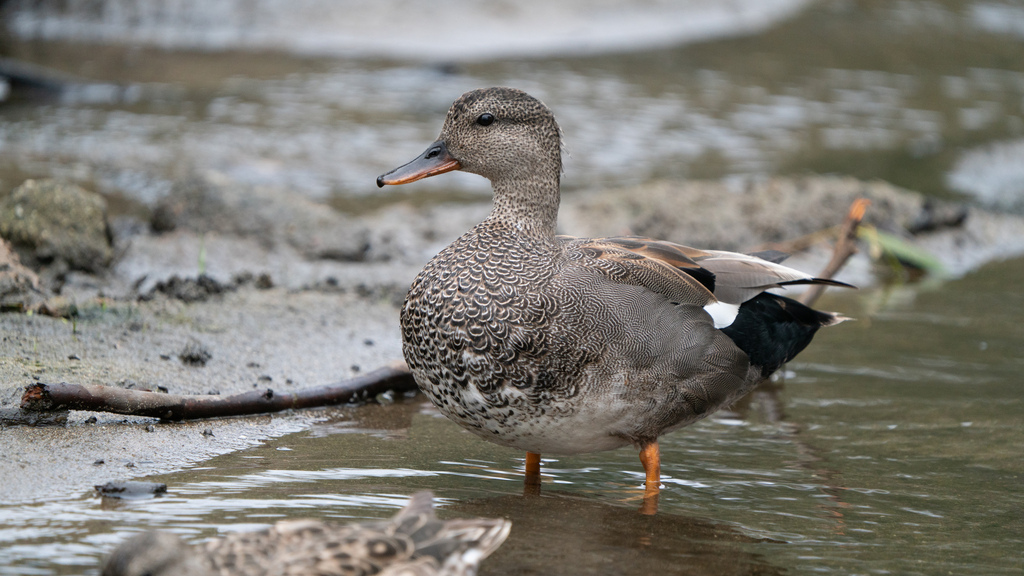
- GadwallAnas strepera
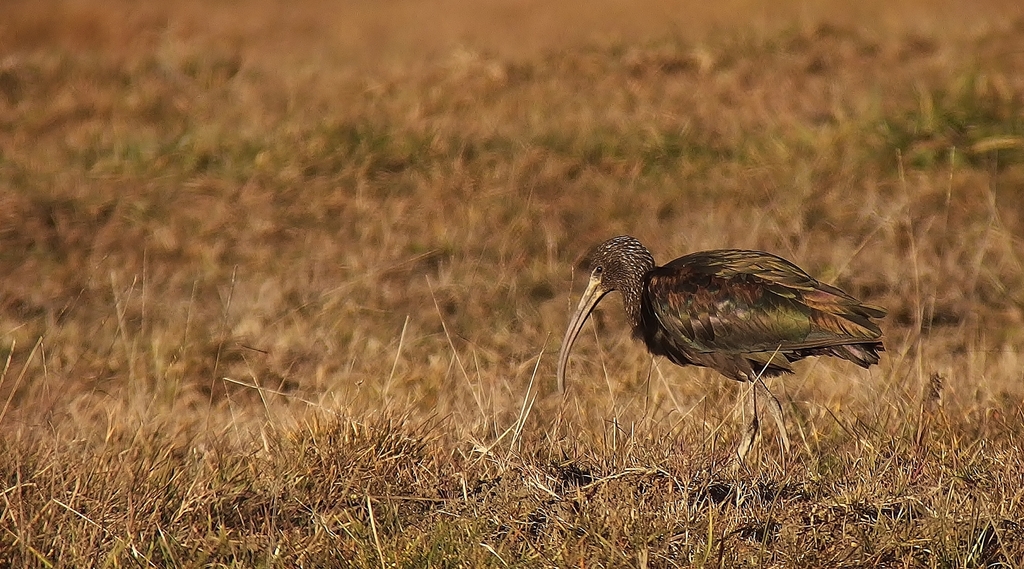
- Glossy IbisPlegadis falcinellus
- Great Blue HeronArdea herodias
- Green HeronButorides virescens
- Hooded MerganserLophodytes cucullatus
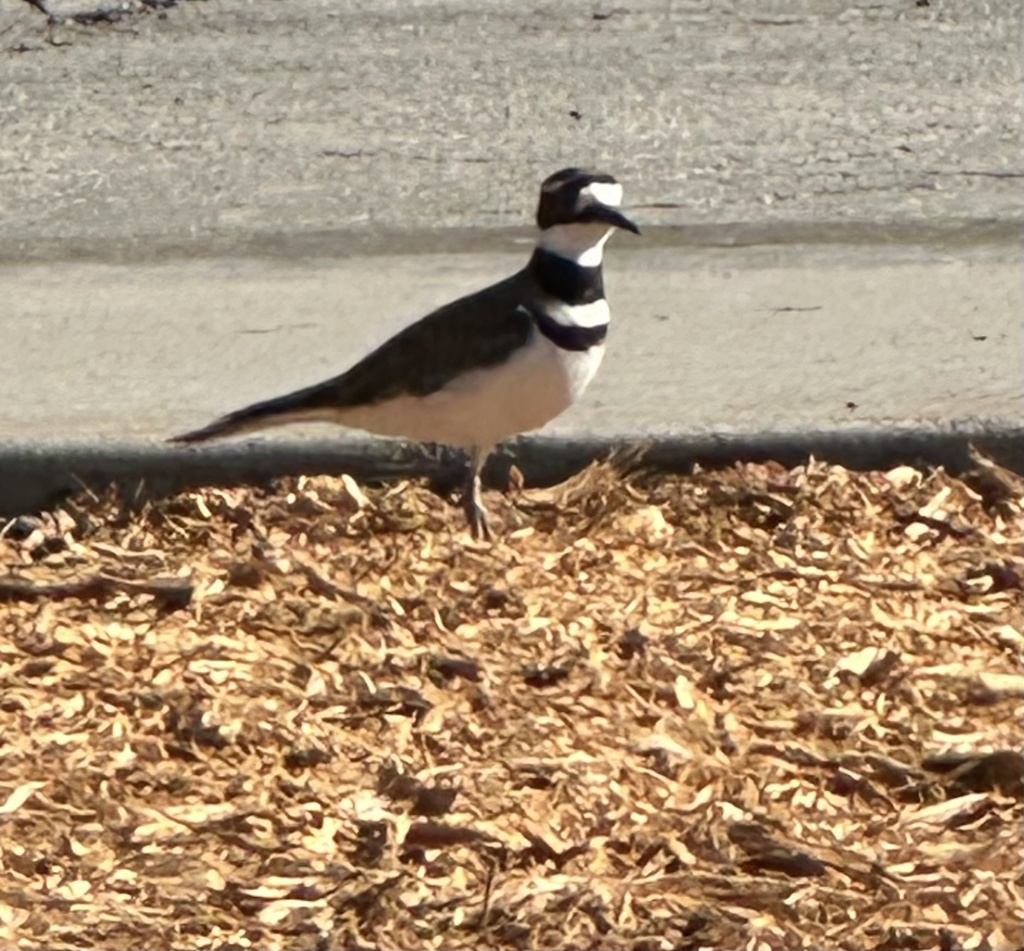
- KilldeerCharadrius vociferus
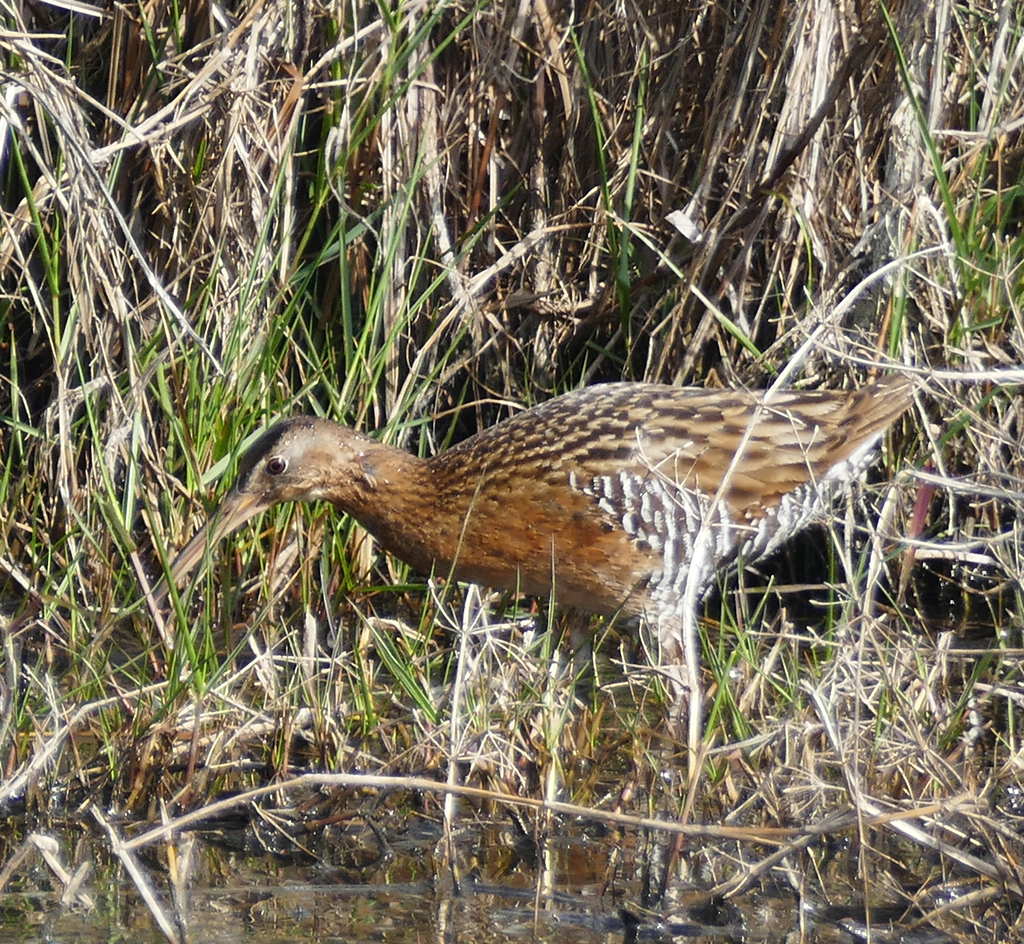
- King RailRallus elegans
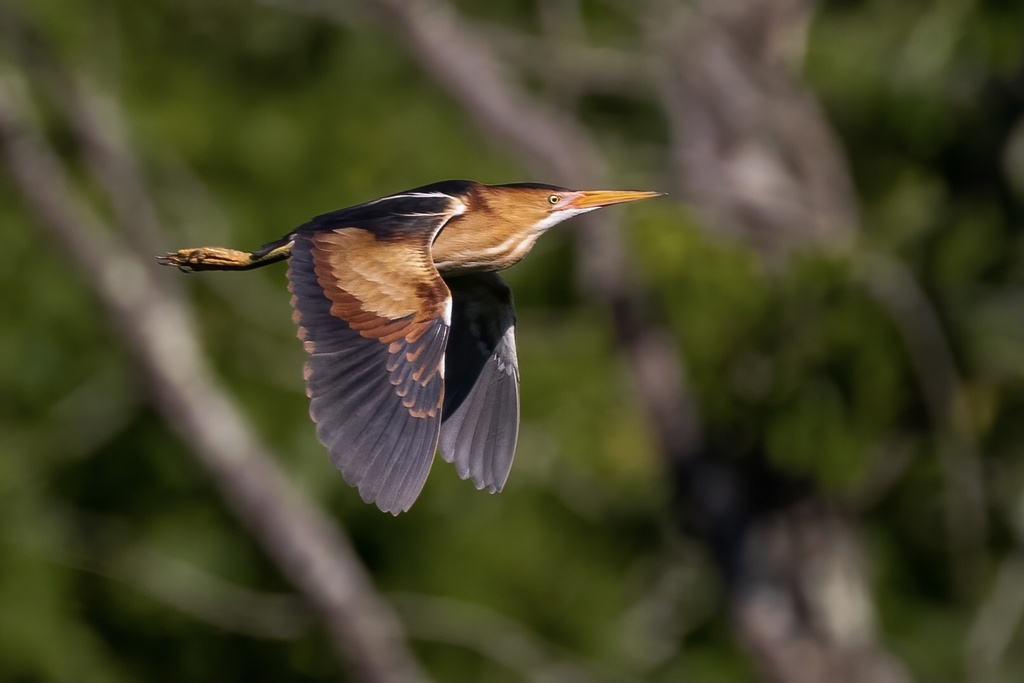
- Least BitternIxobrychus exilis


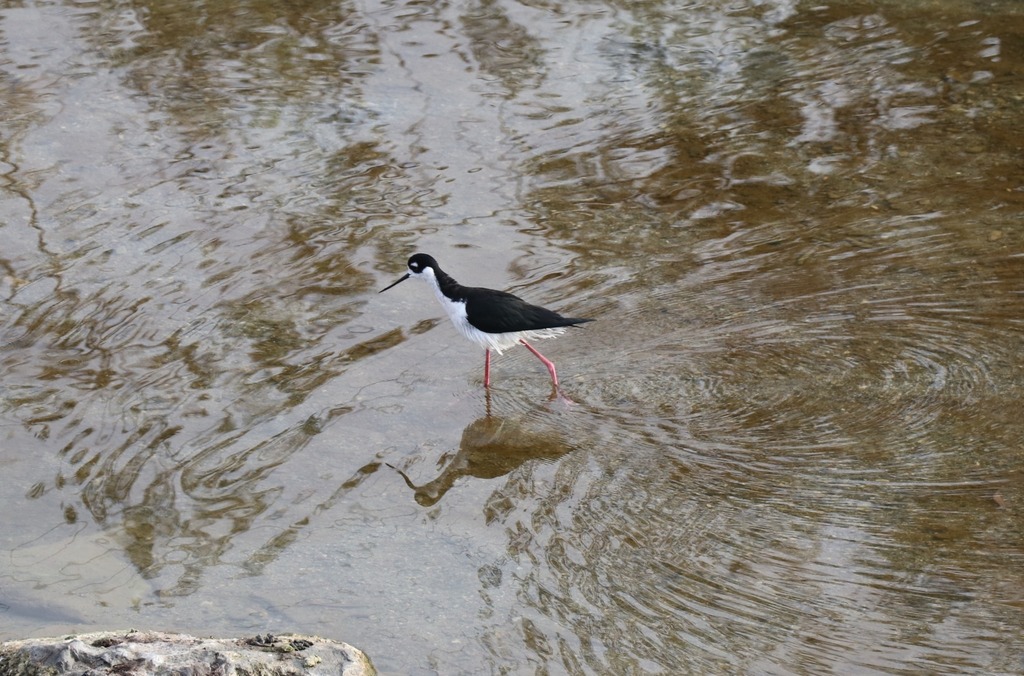
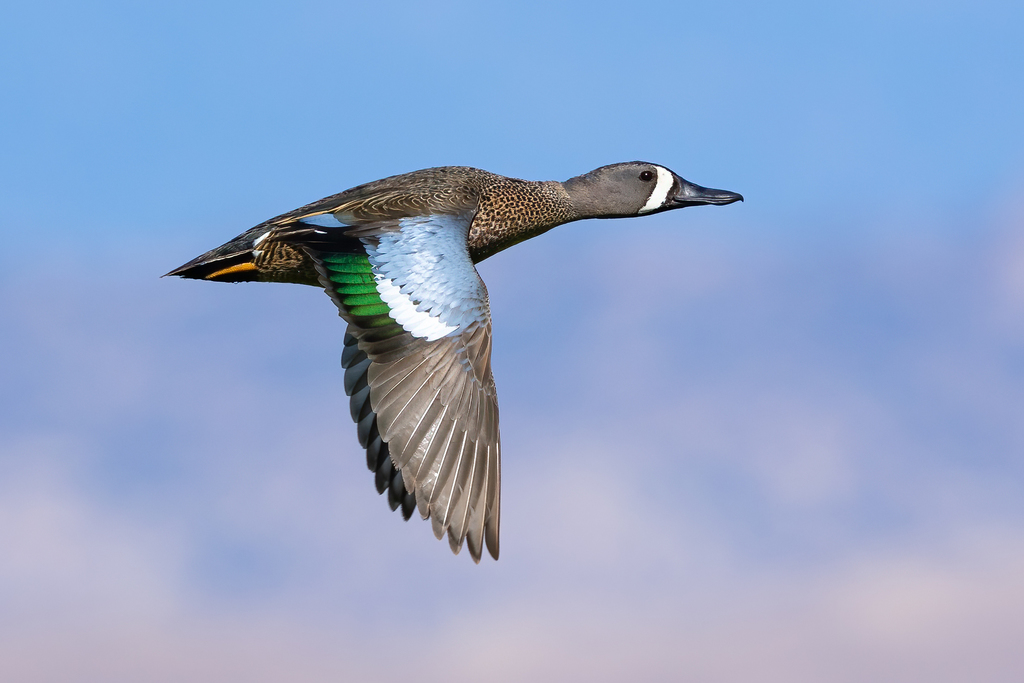
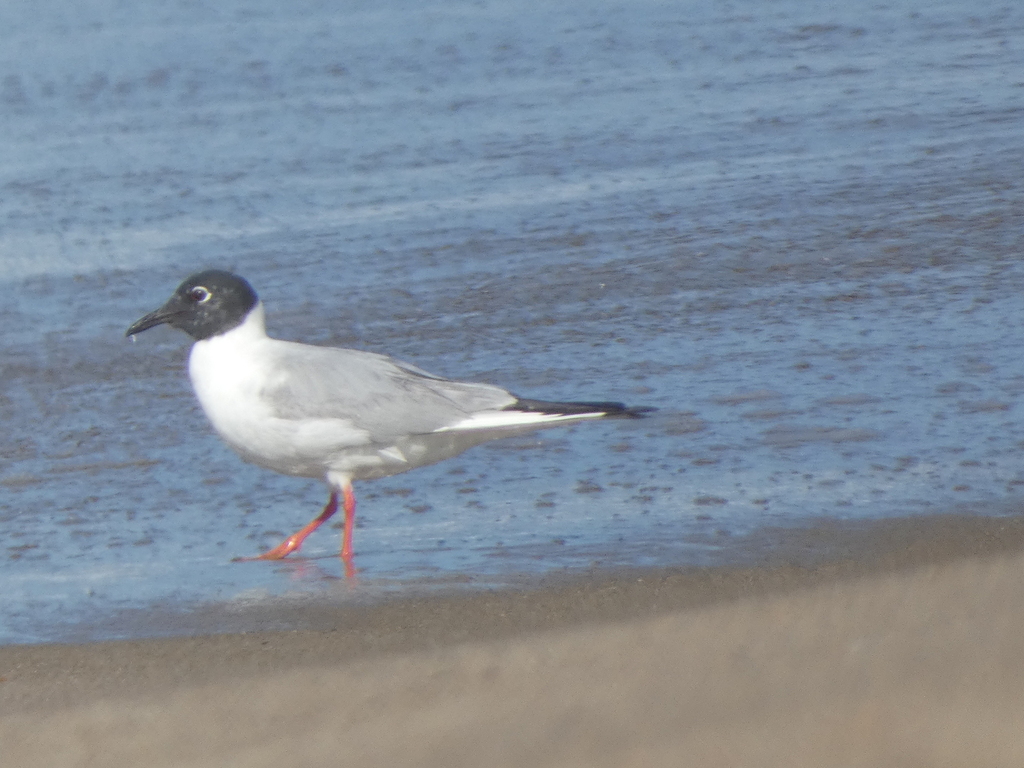
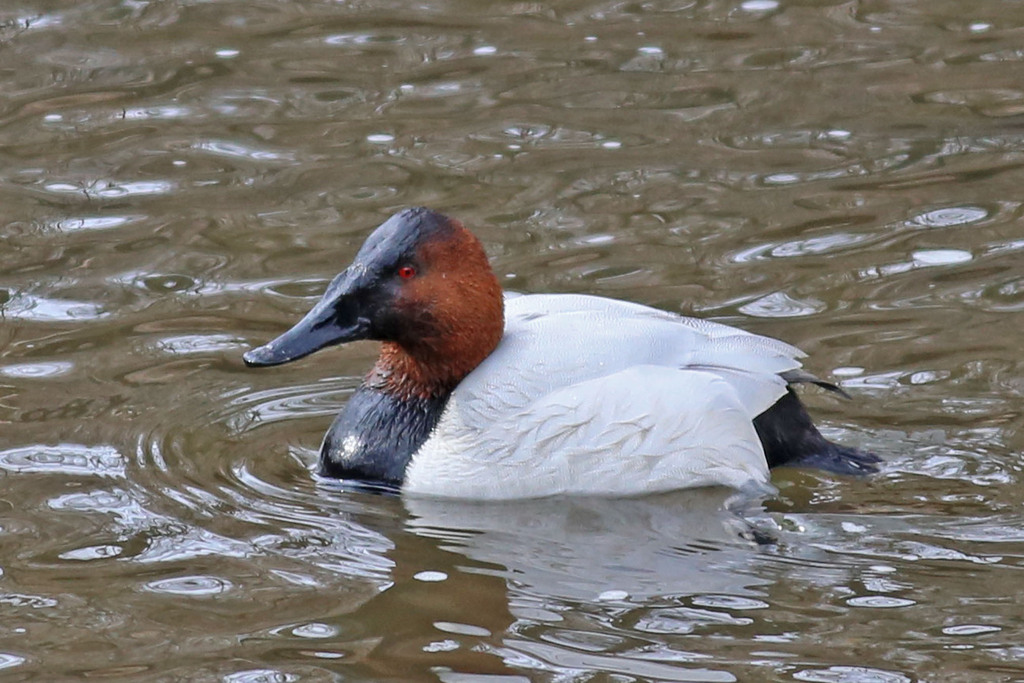





Who uses this plant?
 6CaterpillarsGenus host records with ranges including FL
Genus host records with ranges including FL · Juncus
- Acronicta insularisHenry's Marsh Moth, Cattail Caterpillar
- Bactra furfuranaRush Bactra
- Bactra verutanaJavelin Moth
- Cisseps fulvicollisYellow-Collared Scape Moth
- Coleophora glaucicolella
- Thopeutis forbesellus
 2BeesSoutheastern regional records
Southeastern regional records · Juncus
Individual names are not available yet.
Noori, Seltmann & Orr 2026, A curated and integrated dataset for exploring global bee-plant interactions (GloBI), Zenodo, CC BY 4.0 0Specialist beesPollen specialists
 5BirdsRecorded genus food-resource interactions; not a state feeding claim
Recorded genus food-resource interactions; not a state feeding claim · Juncus
- Alectoris chukarChukar
- Anas acutaNorthern Pintail
- Coturnicops noveboracensisYellow Rail
- Lagopus leucuraWhite-tailed Ptarmigan
- Plectrophenax nivalisSnow Bunting
Direct food only: birds recorded eating this genus across North America. Caterpillars on host plants also feed nesting birds. NC Native Plant Society: butterfly gardening
No records yet · Ants · Beetles · Flies · Adult butterflies / moths · Other wasps · Other insects
Plant details
- Family
- Juncaceae
- Flower color
- Green
- Growth rate
- Moderate
- Growth habit
- Grows in clumps
- Foliage color
- Dark green
- Fruit begins
- May
- Fruit ends
- October
Safety has not been reviewed for this plant; check toxicity and thorns before planting.
Growing sources and scope
- Bloom · “January to June” · FloraQuest: Carolinas, Georgia (Southeastern Flora Team), phone app (app page) (ranked first; USDA PLANTS differs) · Carolinas and Georgia
- Flower color · “Green” · USDA PLANTS · Nationwide species characteristics; local growing conditions may vary
- Foliage color · “Dark green” · USDA PLANTS · Nationwide species characteristics; local growing conditions may vary
- Fruit begins · “May” · FloraQuest: Carolinas, Georgia (Southeastern Flora Team), phone app (app page) (ranked first; USDA PLANTS differs) · Carolinas and Georgia
- Fruit ends · “October” · FloraQuest: Carolinas, Georgia (Southeastern Flora Team), phone app (app page) (ranked first; USDA PLANTS differs) · Carolinas and Georgia
- Growth habit · “Grows in clumps” · USDA PLANTS · Nationwide species characteristics; local growing conditions may vary
- Growth rate · “Moderate” · USDA PLANTS · Nationwide species characteristics; local growing conditions may vary
- Height · “About 4.9 feet” · USDA PLANTS · Nationwide species characteristics; local growing conditions may vary
- Light · “Full sun (documented habitat)” · FloraQuest: Carolinas, Georgia (Southeastern Flora Team), phone app (app page) · Carolinas and Georgia
- Soil · “Water; Wet (documented habitat)” · FloraQuest: Carolinas, Georgia (Southeastern Flora Team), phone app (app page) · Carolinas and Georgia
Conservation status
| Florida rank | SNR |
|---|---|
| Global rank | G5 |
| FL status | Not verified |
| Federal status | Not verified |
Will it fit your yard?
Check this plant against your county, sun and soil moisture. Conditions are checked in your browser.
Sources
- Atlas of Florida Plants
- USDA PLANTS
- Vascular Plants of North Carolina (NC Natural Heritage Program)
- FloraQuest: Florida (Weakley), phone app (app page)
- FloraQuest: Northern Tier (Weakley), phone app (app page)
- NatureServe Explorer
- Shropshire & Tallamy 2025, Lepidoptera of North America north of Mexico, ZooKeys 1261 (ODbL)
- Noori, Seltmann & Orr 2026, A curated and integrated dataset for exploring global bee-plant interactions (GloBI), Zenodo, CC BY 4.0
- Smith, Bachelder, Russell, Morales, Mosher & Seltmann 2024, Bee-Specialization-Modeling v0.6.1 (specialist host table compiled from J. Fowler's pollen specialist bee lists), Zenodo, CC BY 4.0
- Hurlbert, Olsen, Sawyer & Winner 2021, Avian Diet Database, Scientific Data 8: 260 (CC0)
- Narango, Tallamy & Shropshire 2020, Few keystone plant genera support the majority of Lepidoptera species, Nature Communications