

Savanna Iris
Iris tridentata
Found in wet savannas, pine flatwoods, margins of pineland pools. FloraQuest, phone app (app page) What its natural habitat tells you
Native to Florida. How scores work Is it native here?
Profile 94%
- Height
- 12–20 inches
- Spread
- 1–3 feet
- Light
- Full sun, Partial shade
- Soil moisture
- Usually moist
Space about 2 ft apart from its recorded spread, about 25 per 100 sq ft. Enter your bed size for a count
Will it fit your yard?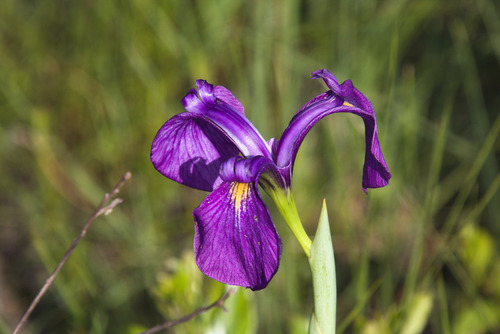
At a glance
- Life cycle
- Perennial, from a bulb
- Bloom
- May to June
- Fruiting season
- August to October
Not yet recorded · Leaves
Recorded in 9 Florida counties.
Natural habitats
Places it grows wild. Not a planting requirement. Each habitat page lists the plants and wildlife also found there.
Open, fire-kept longleaf pine stands over grasses and wildflowers on wet to moist sandy soil.
Flat, sandy Coastal Plain pine woodlands, wetter than sandhills and denser than savannas.
Also found with this plant
Wildlife whose habitat models include habitats this plant grows in, in Florida. Shared habitat, not food. 117 animals.
- Eurasian Collared-doveStreptopelia decaocto
- European StarlingSturnus vulgaris
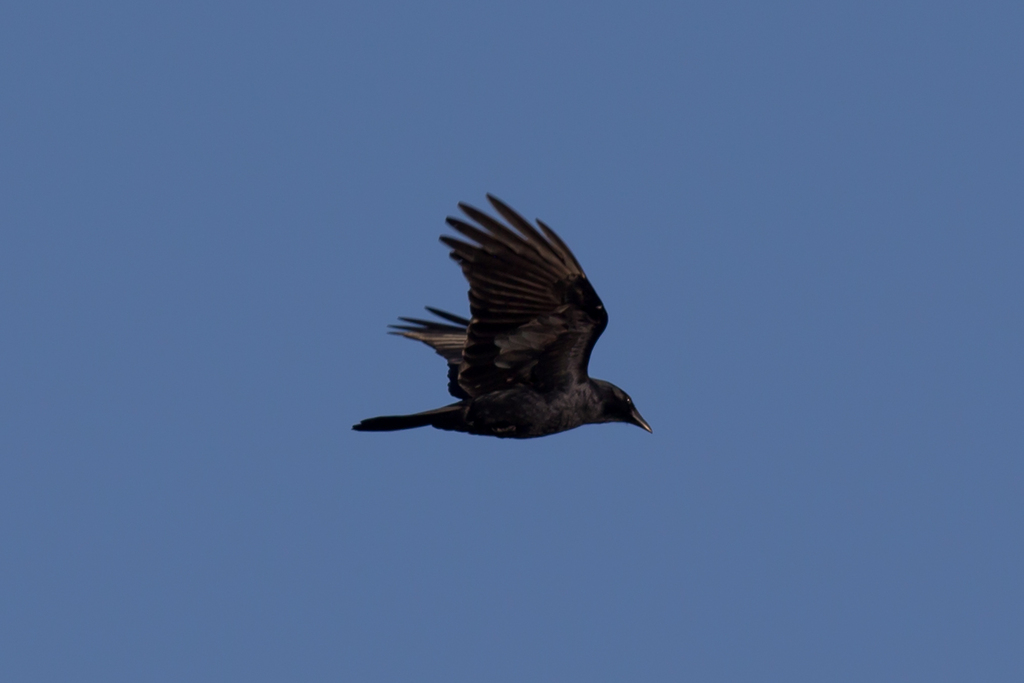
- Fish CrowCorvus ossifragus
- Golden-crowned KingletRegulus satrapa
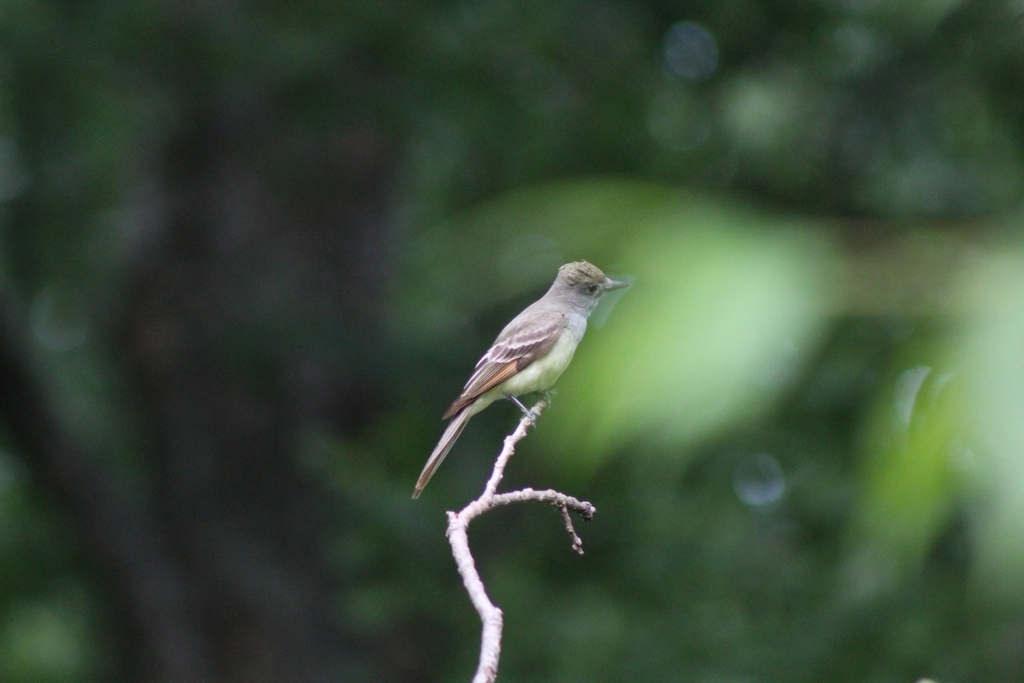
- Great Crested FlycatcherMyiarchus crinitus
- Great EgretArdea alba
- Great Horned OwlBubo virginianus
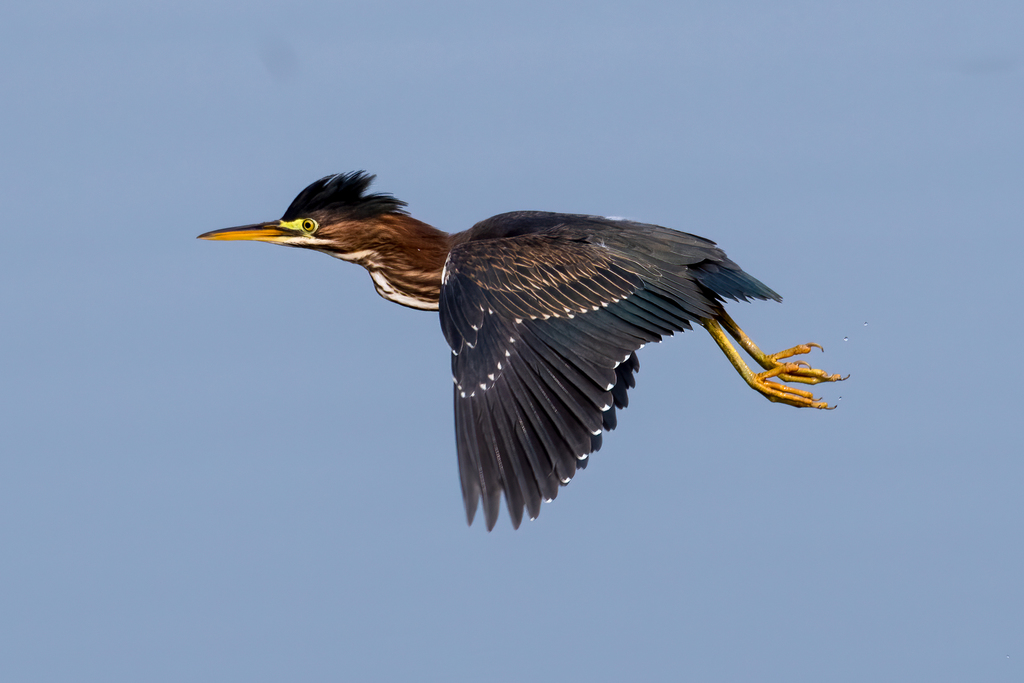
- Green HeronButorides virescens
- Hairy WoodpeckerPicoides villosus
- Hermit ThrushCatharus guttatus
- Hooded MerganserLophodytes cucullatus
- LimpkinAramus guarauna
- Magnificent FrigatebirdFregata magnificens
- Mourning DoveZenaida macroura
- Northern CardinalCardinalis cardinalis
- Northern FlickerColaptes auratus
- Northern MockingbirdMimus polyglottos
- Northern ShovelerAnas clypeata
- Northern WaterthrushSeiurus noveboracensis
- Orchard OrioleIcterus spurius
- OspreyPandion haliaetus
- Painted BuntingPasserina ciris
- Pileated WoodpeckerDryocopus pileatus
- Purple FinchCarpodacus purpureus





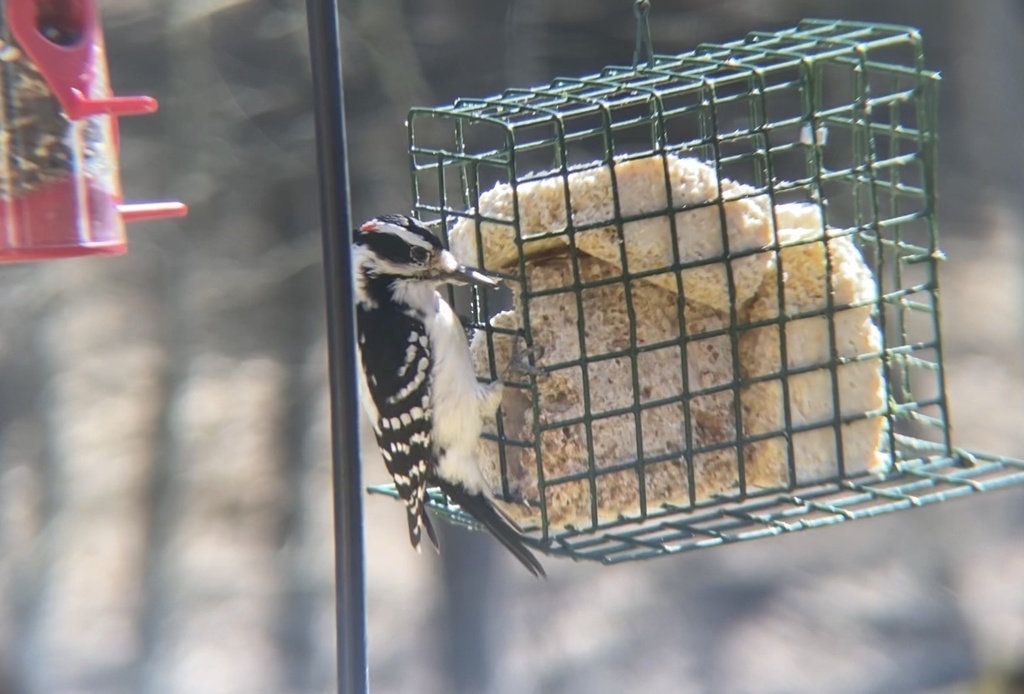


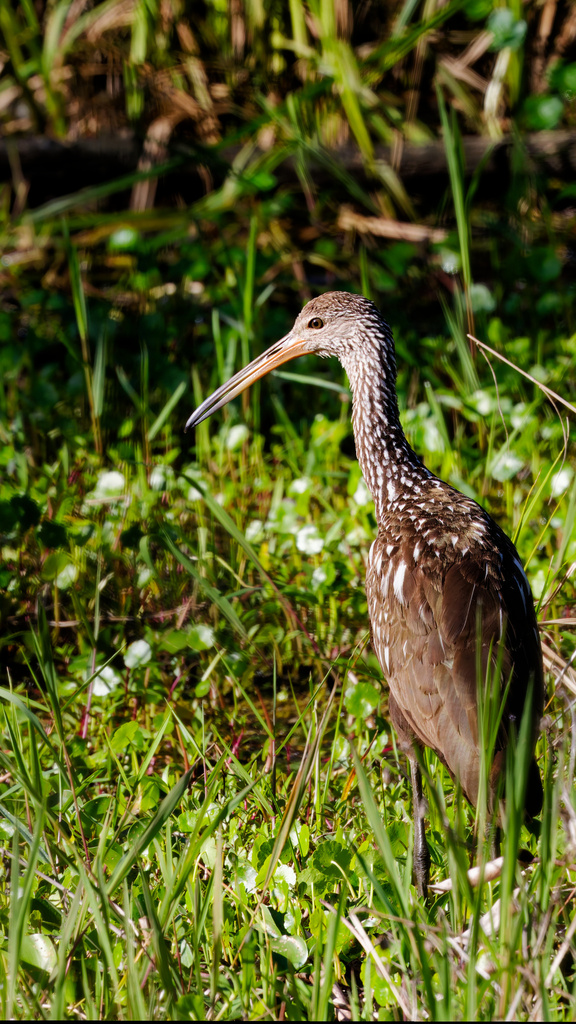
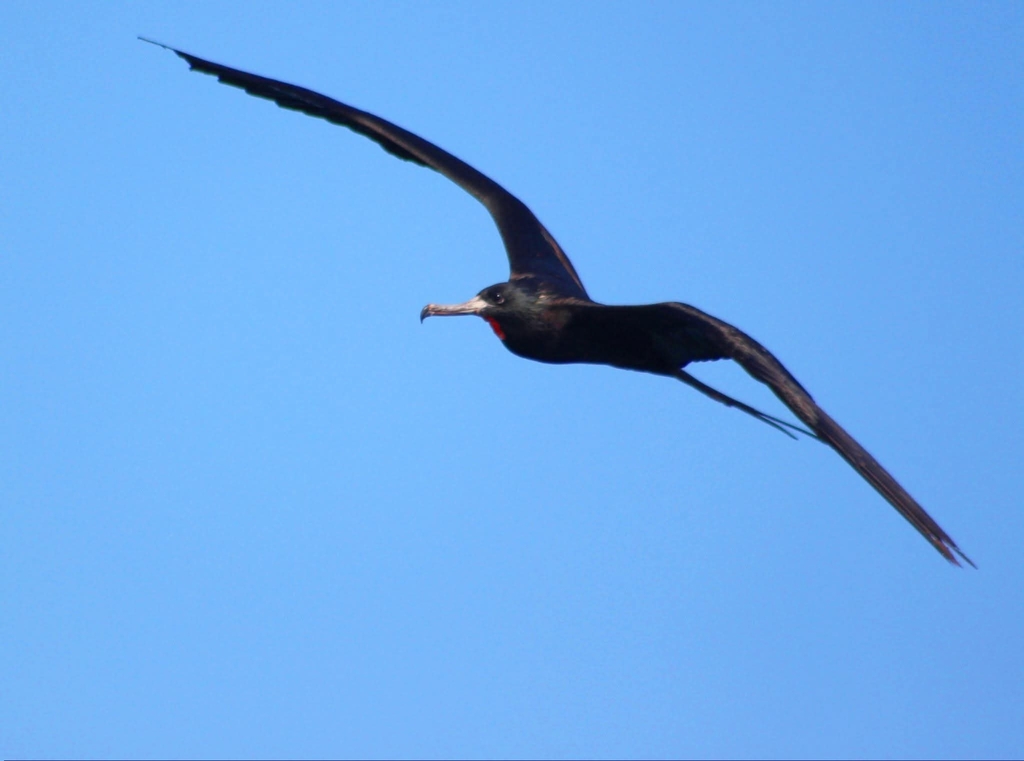




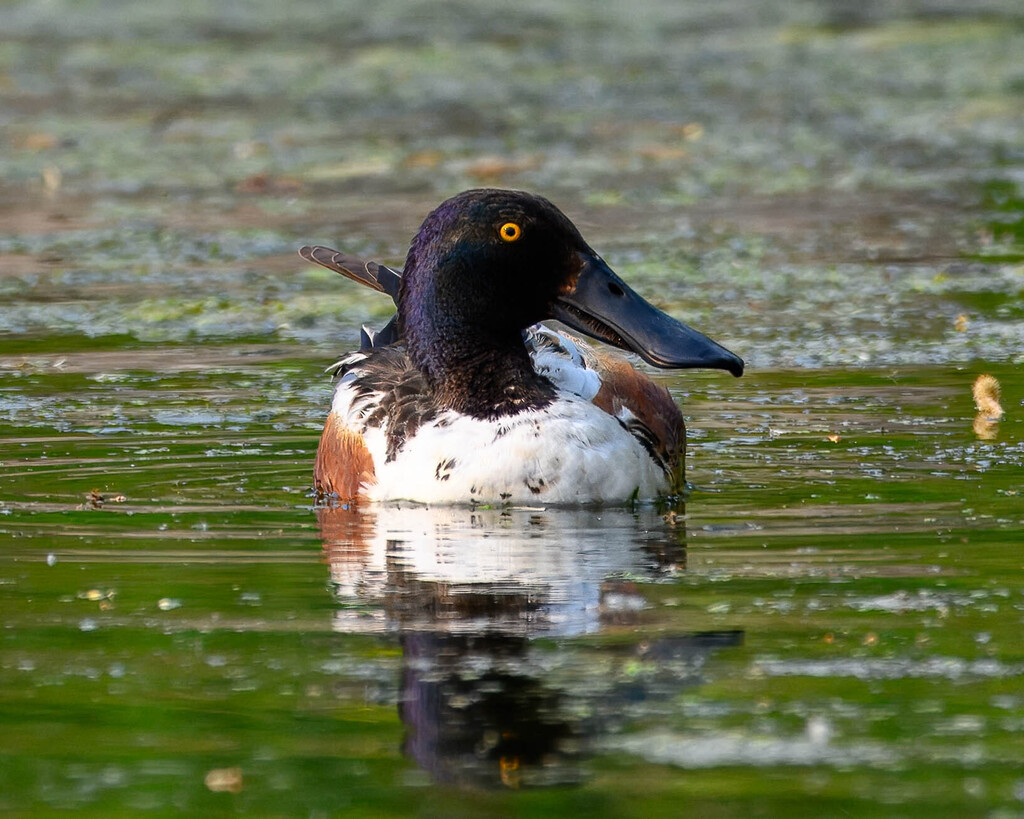
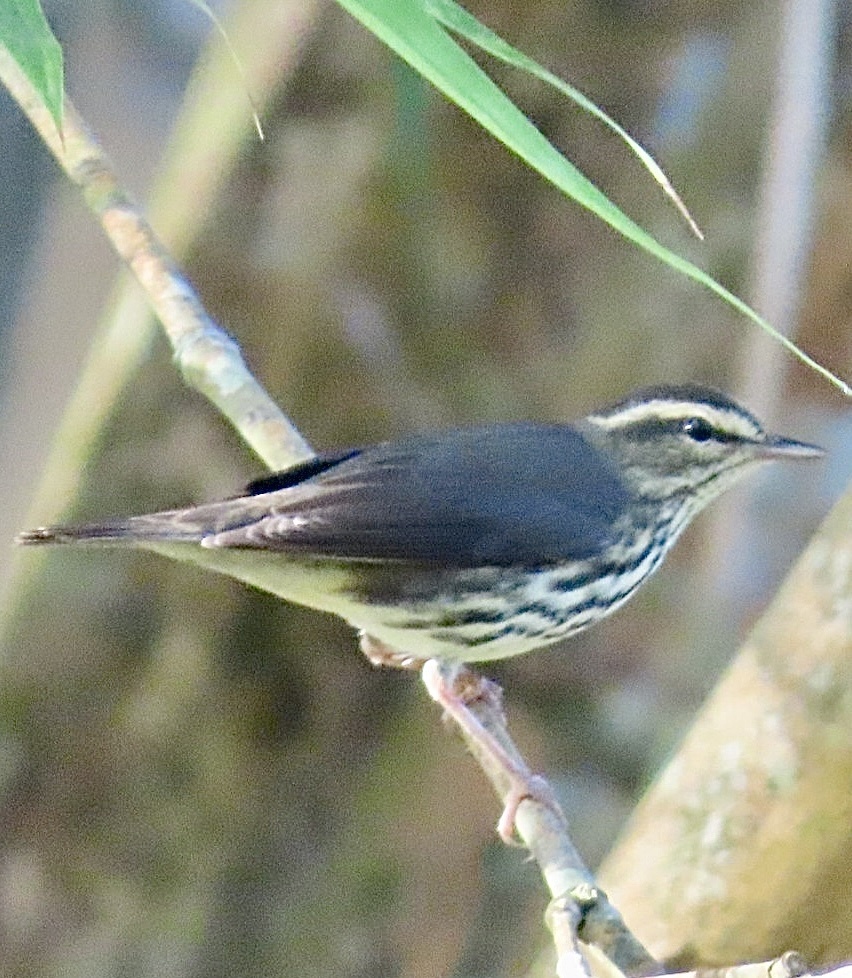
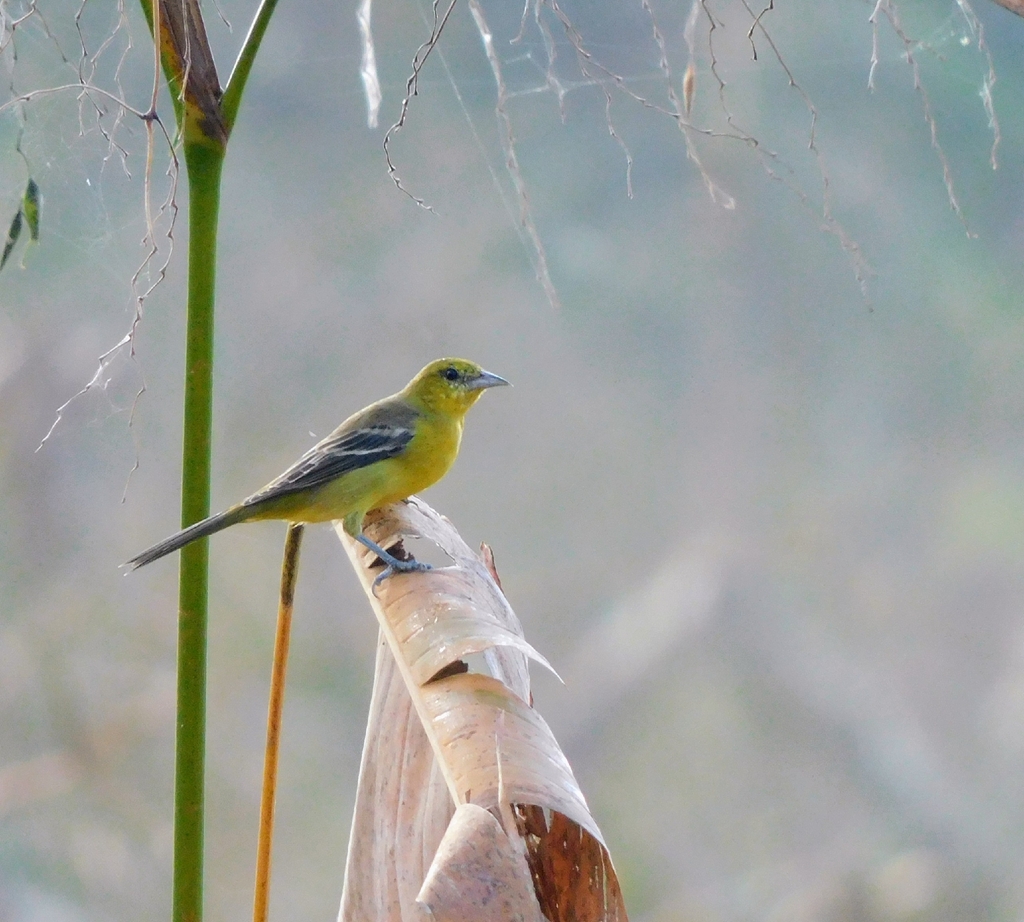

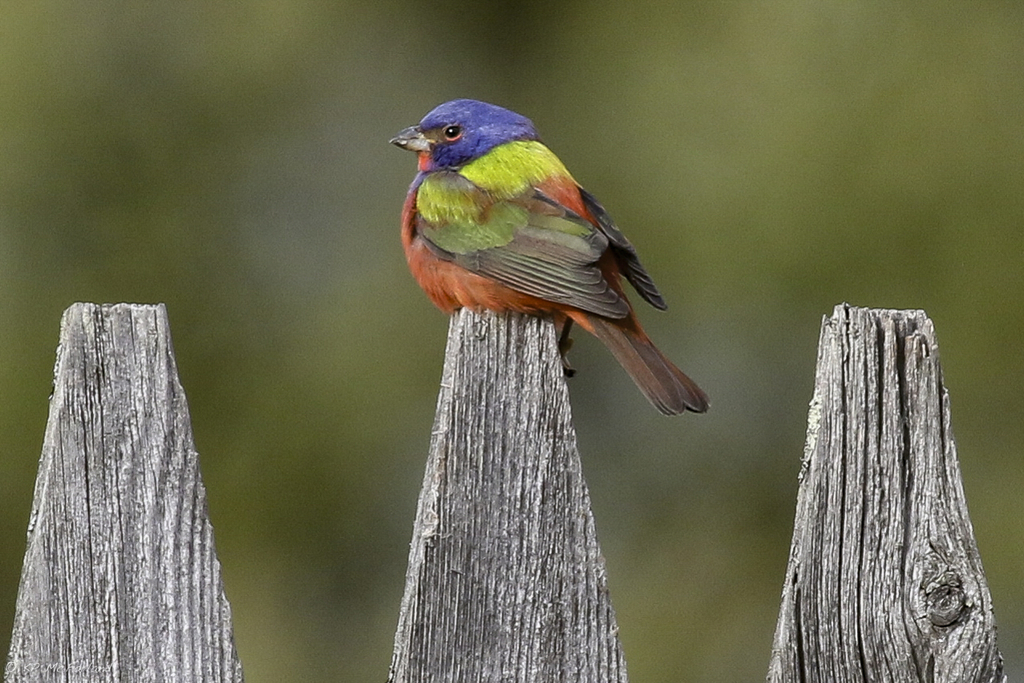
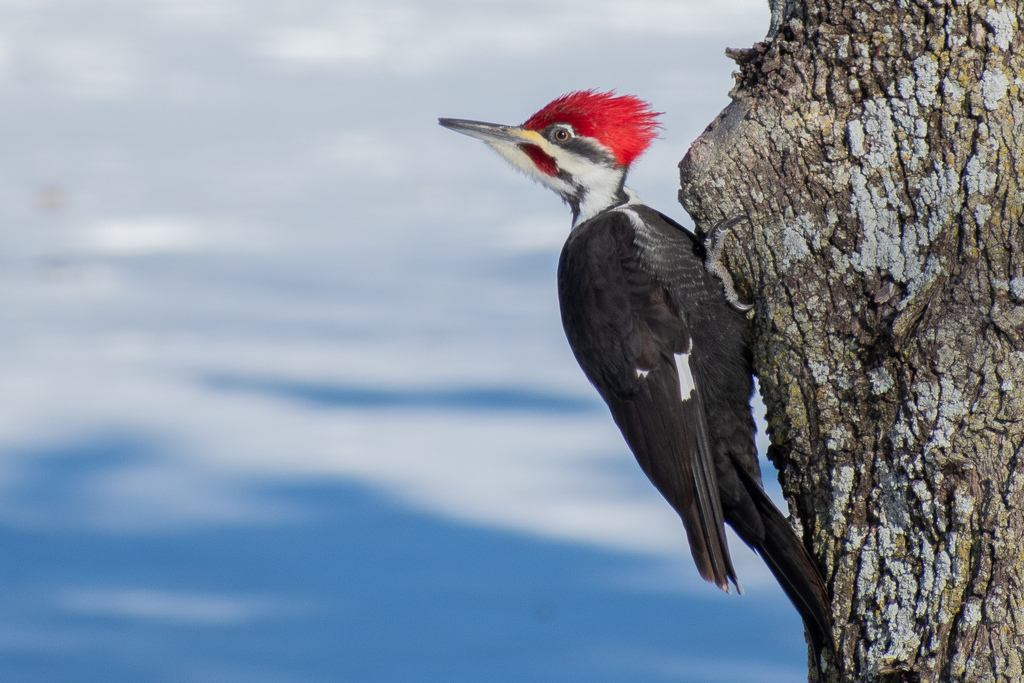

Who uses this plant?
 7CaterpillarsGenus host records with ranges including FL
Genus host records with ranges including FL · Iris
- Endothenia hebesanaVerbena Bud Moth
- Moodna ostrinellaDarker Moodna
- Orgyia leucostigmaWhite-Marked Tussock Moth
- Papaipema cataphractaBurdock Border, Potato-Stalk Borer
- Tetracis cachexiataWhite Slant-Line
- Thyridopteryx ephemeraeformisEvergreen Bagworm Moth
- Xanthopastis regnatrixConvict Caterpillar, Spanish Quaker, Spanish Moth
 15BeesSoutheastern regional records
Southeastern regional records · Iris
Individual names are not available yet.
Noori, Seltmann & Orr 2026, A curated and integrated dataset for exploring global bee-plant interactions (GloBI), Zenodo, CC BY 4.0 0Specialist beesPollen specialists
 1BirdsRecorded genus food-resource interactions; not a state feeding claim
Recorded genus food-resource interactions; not a state feeding claim · Iris
- Meleagris gallopavoWild Turkey
Direct food only: birds recorded eating this genus across North America. Caterpillars on host plants also feed nesting birds. NC Native Plant Society: butterfly gardening
No records yet · Ants · Beetles · Flies · Adult butterflies / moths · Other wasps · Other insects
Plant details
- Family
- Iridaceae
- Hardiness
- Zones 7a–10b
- Flower color
- Blue or purple
- Fruit begins
- August
- Fruit ends
- October
Safety has not been reviewed for this plant; check toxicity and thorns before planting.
Growing sources and scope
- Bloom · “Late May to June” · FloraQuest: Carolinas, Georgia (Southeastern Flora Team), phone app (app page) · Carolinas and Georgia
- Flower color · “Blue or purple” · NC Extension Plant Toolbox (ranked first; Lady Bird Johnson Wildflower Center differs)
- Fruit begins · “August” · FloraQuest: Carolinas, Georgia (Southeastern Flora Team), phone app (app page) · Carolinas and Georgia
- Fruit ends · “October” · FloraQuest: Carolinas, Georgia (Southeastern Flora Team), phone app (app page) · Carolinas and Georgia
- Hardiness · “Zones 7a–10b” · NC Extension Plant Toolbox
- Height · “12–20 inches” · NC Extension Plant Toolbox (ranked first; Lady Bird Johnson Wildflower Center differs)
- Life cycle · “Perennial, from a bulb” · NC Extension Plant Toolbox (ranked first; Lady Bird Johnson Wildflower Center differs)
- Light · “Full sun (6 or more hours of direct sunlight a day); Partial shade (direct sunlight only part of the day, 2-6 hours)” · NC Extension Plant Toolbox
- Soil · “Occasionally wet” · NC Extension Plant Toolbox
- Spread · “1–3 feet” · NC Extension Plant Toolbox
Conservation status
| Florida rank | SNR |
|---|---|
| Global rank | G3G4 |
| FL status | Not verified |
| Federal status | Not verified |
Will it fit your yard?
Check this plant against your county, sun and soil moisture. Conditions are checked in your browser.
Sources
- Atlas of Florida Plants
- USDA PLANTS
- Vascular Plants of North Carolina (NC Natural Heritage Program)
- FloraQuest: Carolinas, Georgia (Weakley), phone app (app page)
- FloraQuest: South Central (Weakley), phone app (app page)
- FloraQuest: Florida (Weakley), phone app (app page)
- NatureServe Explorer
- Shropshire & Tallamy 2025, Lepidoptera of North America north of Mexico, ZooKeys 1261 (ODbL)
- Noori, Seltmann & Orr 2026, A curated and integrated dataset for exploring global bee-plant interactions (GloBI), Zenodo, CC BY 4.0
- Smith, Bachelder, Russell, Morales, Mosher & Seltmann 2024, Bee-Specialization-Modeling v0.6.1 (specialist host table compiled from J. Fowler's pollen specialist bee lists), Zenodo, CC BY 4.0
- Hurlbert, Olsen, Sawyer & Winner 2021, Avian Diet Database, Scientific Data 8: 260 (CC0)
- Narango, Tallamy & Shropshire 2020, Few keystone plant genera support the majority of Lepidoptera species, Nature Communications