

Loblolly Bay
Gordonia lasianthus
Found in pocosins, bayheads, acidic, organic-rich swamp forests, wet pine savannas, bay forests. Weakley, Flora of the Southeastern United States (2025), Florida edition What its natural habitat tells you
Native to Florida. How scores work Is it native here?
Profile 100%
- Height
- 30–75 feet
- Spread
- 10–15 feet
- Light
- Full sun, Partial shade
- Soil moisture
- Usually moist
Space about 12.5 ft apart from its recorded spread. Enter your bed size for a count
Will it fit your yard?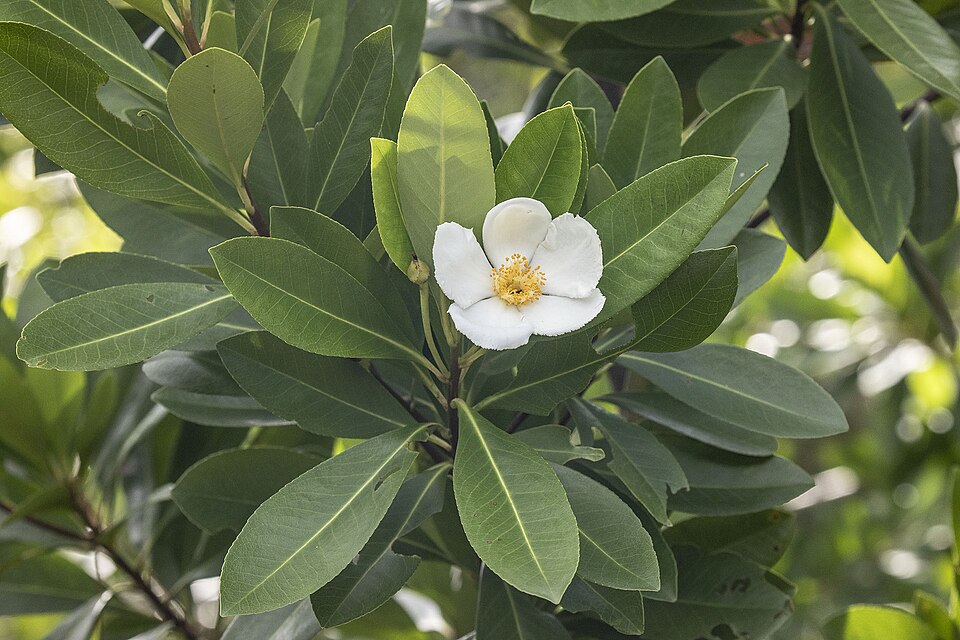
At a glance
- Life cycle
- Woody perennial
- Leaves
- Evergreen
- Bloom
- July to September
- Fruiting season
- September to October
Recorded in 54 Florida counties.
Natural habitats
Places it grows wild. Not a planting requirement. Each habitat page lists the plants and wildlife also found there.
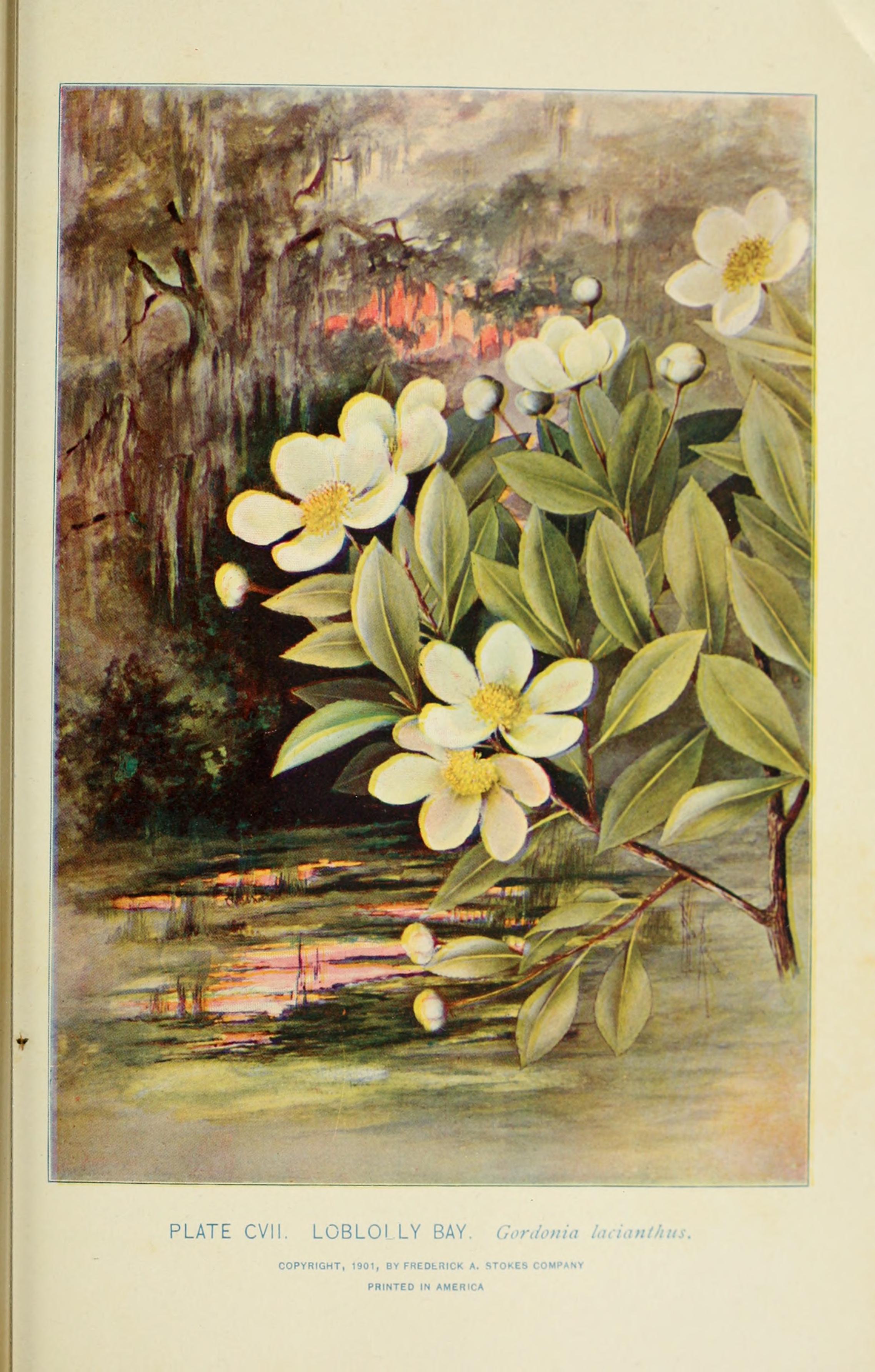
Dense evergreen shrub wetlands and bay forests on wet, acid peat of the Coastal Plain.
Open, fire-kept longleaf pine stands over grasses and wildflowers on wet to moist sandy soil.
Also found with this plant
Wildlife whose habitat models include habitats this plant grows in, in Florida. Shared habitat, not food. 125 animals.
- Red-tailed HawkButeo jamaicensis
- Red-winged BlackbirdAgelaius phoeniceus
- Ruby-crowned KingletRegulus calendula
- Sharp-shinned HawkAccipiter striatus
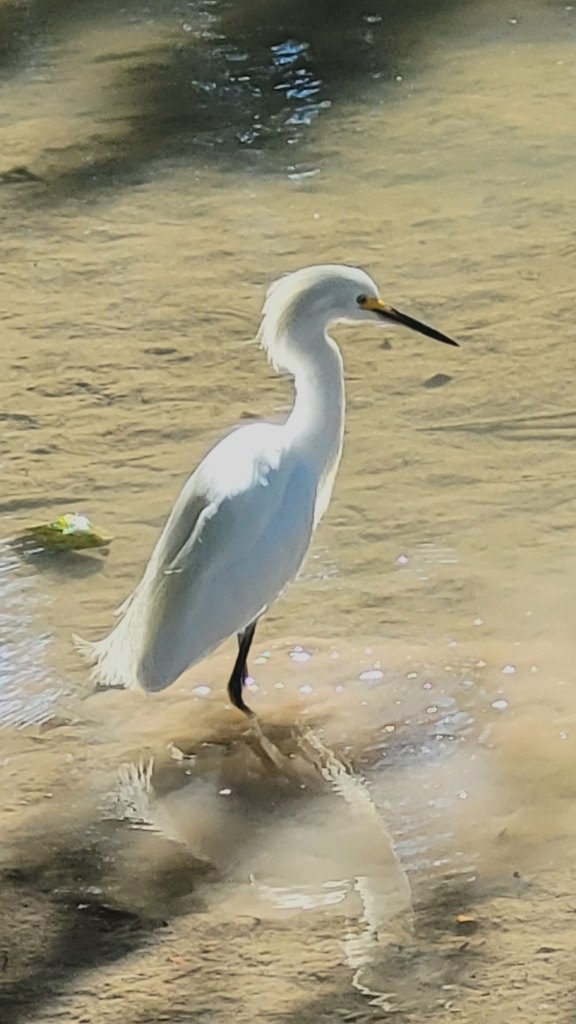
- Snowy EgretEgretta thula
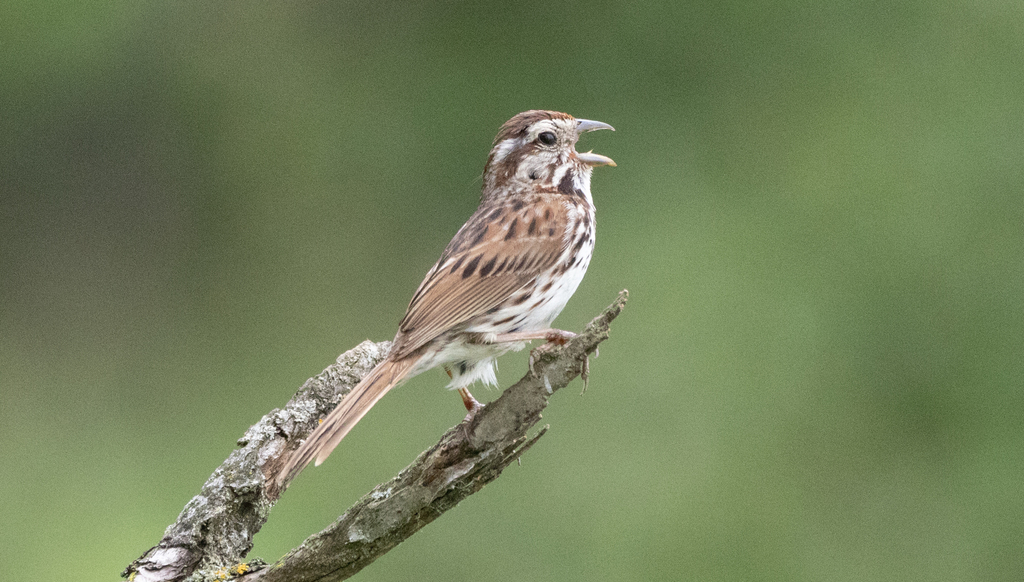
- Song SparrowMelospiza melodia
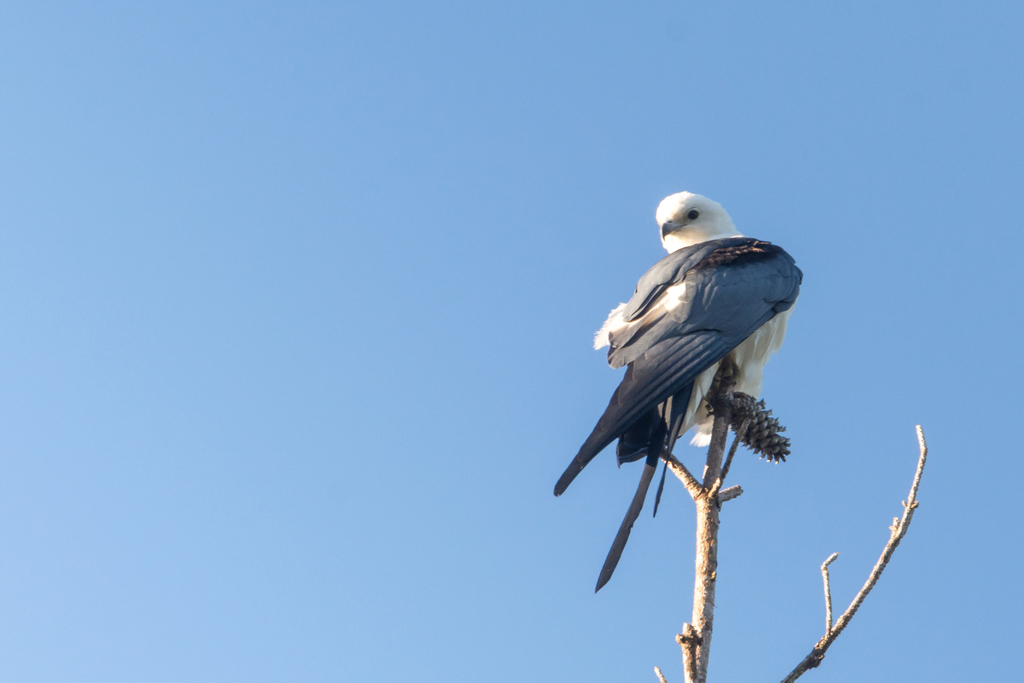
- Swallow-tailed KiteElanoides forficatus
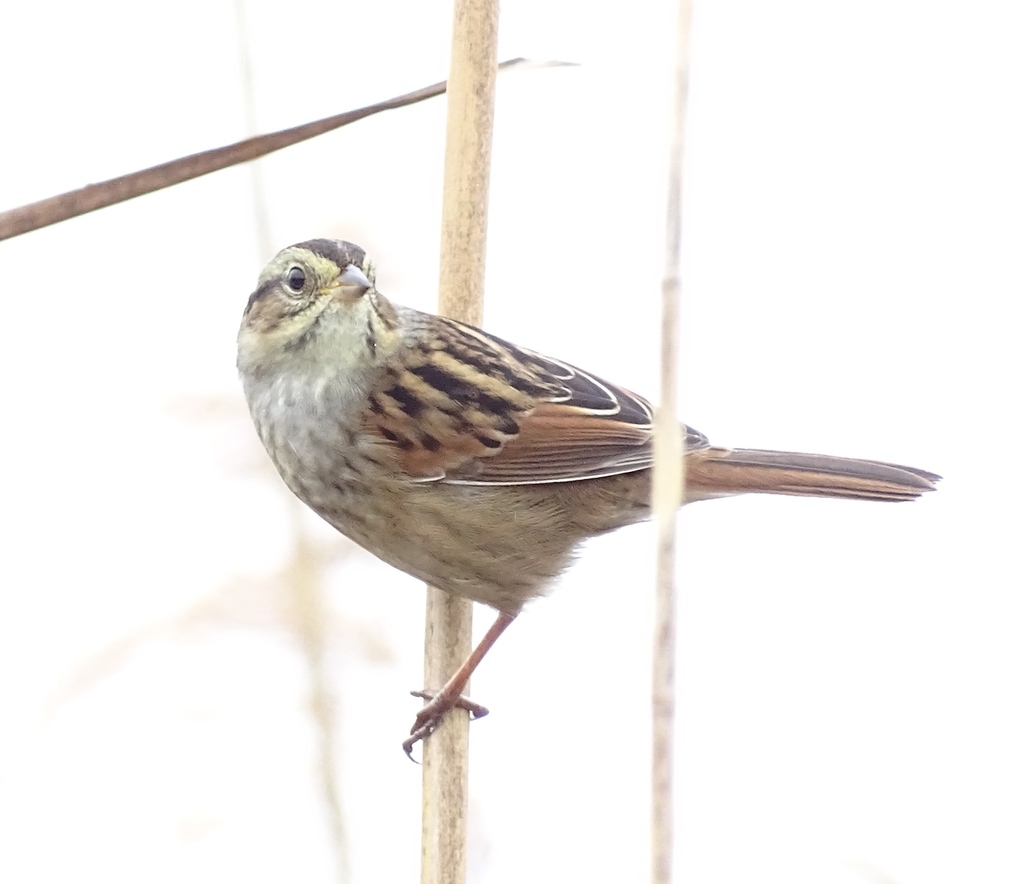
- Swamp SparrowMelospiza georgiana
- Tufted TitmouseBaeolophus bicolor
- Turkey VultureCathartes aura
- White-throated SparrowZonotrichia albicollis
- Yellow-bellied SapsuckerSphyrapicus varius
- Yellow-breasted ChatIcteria virens
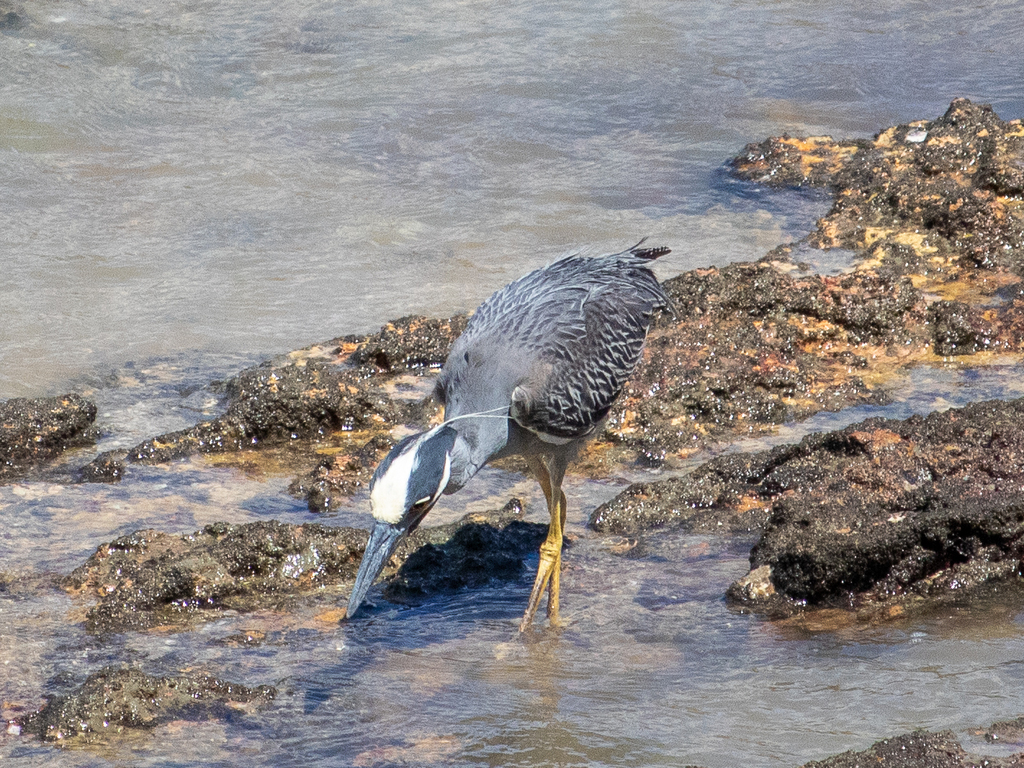
- Yellow-crowned Night-heronNyctanassa violacea
- Yellow-rumped WarblerDendroica coronata
- Acadian FlycatcherEmpidonax virescens
- American Black DuckAnas rubripes
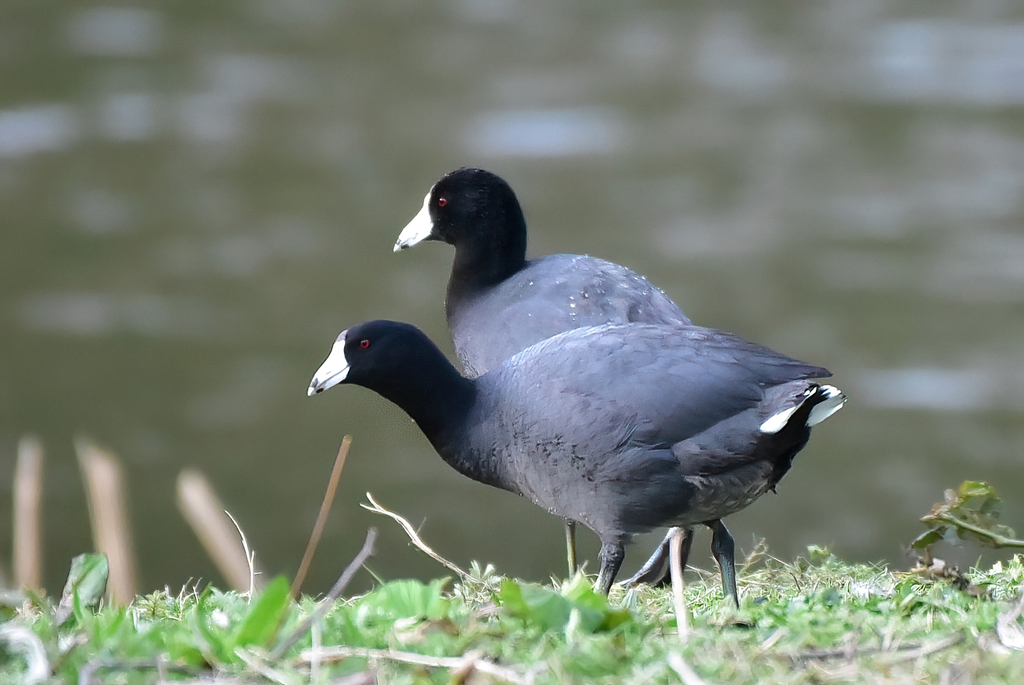
- American CootFulica americana
- American RedstartSetophaga ruticilla
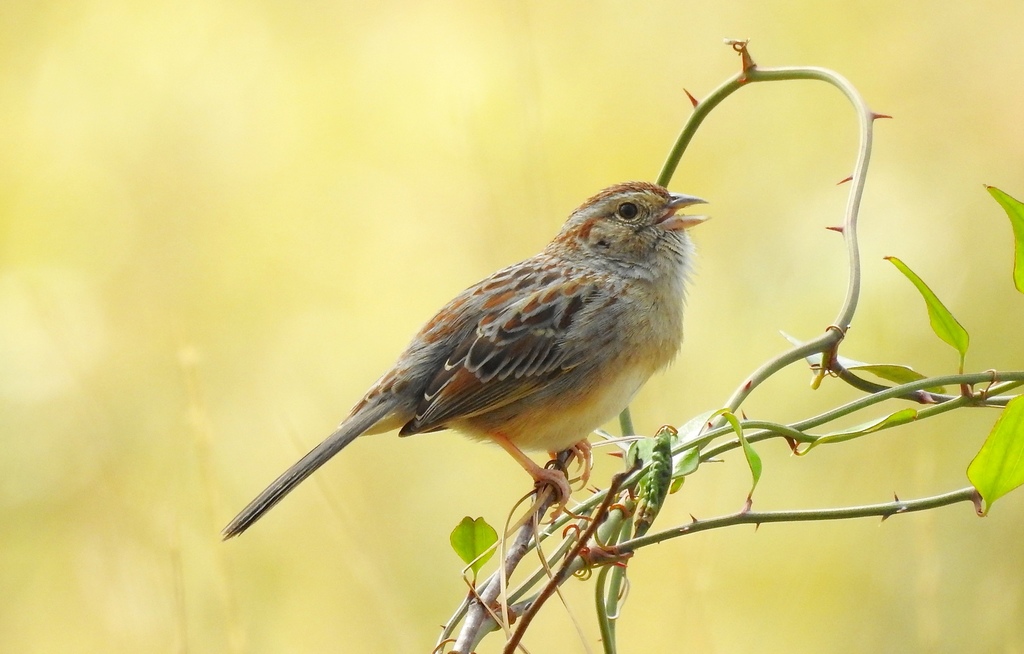
- Bachman's SparrowAimophila aestivalis
- Bald EagleHaliaeetus leucocephalus
- Belted KingfisherMegaceryle alcyon
- Black VultureCoragyps atratus
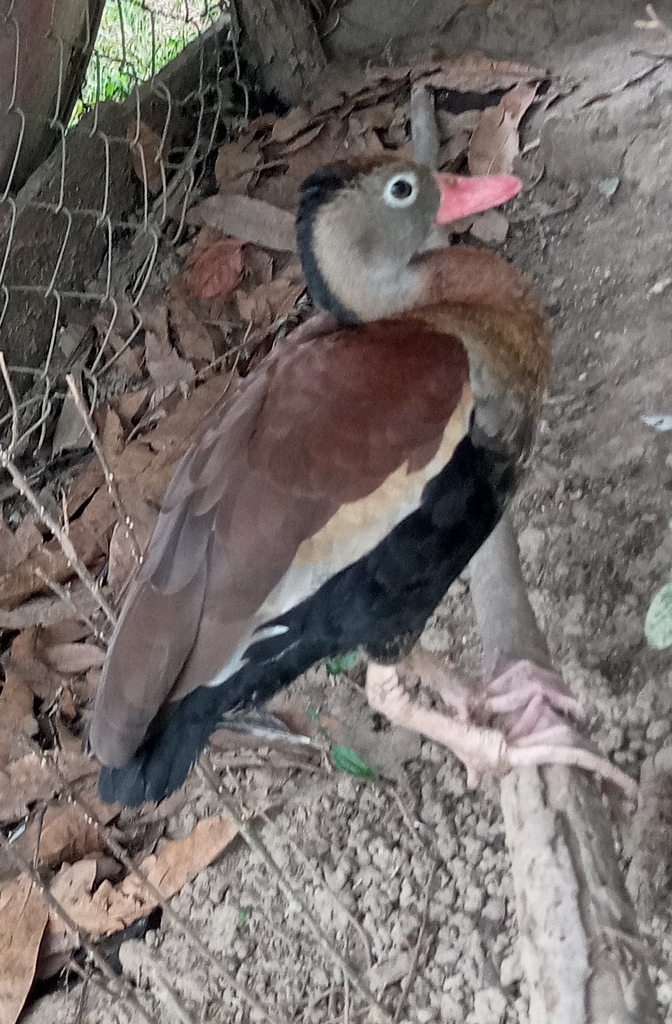
- Black-bellied Whistling-DuckDendrocygna autumnalis

















Who uses this plant?
 8CaterpillarsGenus host records with ranges including FL
Genus host records with ranges including FL · Gordonia
- Antheraea polyphemusPolyphemus Moth
- Callosamia prometheaPromethea Silkmoth, Promethea Moth
- Callosamia securiferaSweetbay Silkmoth, Carolina Silk Moth
- Episimus tyriusMaple Tip Borer
- Gondysia similisGordonia Darkwing
- Iridopsis defectariaBrown-Shaded Gray, Willow Looper
- Orgyia leucostigmaWhite-Marked Tussock Moth
- Paralobesia liriodendranaTulip-Tree Leaftier
 3BeesSoutheastern regional records
Southeastern regional records · Gordonia
Individual names are not available yet.
Noori, Seltmann & Orr 2026, A curated and integrated dataset for exploring global bee-plant interactions (GloBI), Zenodo, CC BY 4.0 0Specialist beesPollen specialists
 —BirdsRecorded genus food-resource interactions; not a state feeding claim
No records yet · Ants · Beetles · Flies · Adult butterflies / moths · Other wasps · Other insects
Plant details
- Family
- Theaceae
- Hardiness
- Zones 7a–9b
- Soil pH
- Acidic
- Flower color
- White
- Growth rate
- Slow
- Growth habit
- Single stem
- Foliage color
- Dark green
- Fruit begins
- September
- Fruit ends
- October
Safety has not been reviewed for this plant; check toxicity and thorns before planting.
Growing sources and scope
- Bloom · “July to September” · Weakley, Flora of the Southeastern United States (2025), Carolinas & Georgia edition (ranked first; USDA PLANTS differs) · Carolinas and Georgia
- Flower color · “White” · NC Extension Plant Toolbox
- Foliage color · “Dark green” · USDA PLANTS · Nationwide species characteristics; local growing conditions may vary
- Fruit begins · “September” · Weakley, Flora of the Southeastern United States (2025), Carolinas & Georgia edition (ranked first; USDA PLANTS differs) · Carolinas and Georgia
- Fruit ends · “October” · Weakley, Flora of the Southeastern United States (2025), Carolinas & Georgia edition (ranked first; USDA PLANTS differs) · Carolinas and Georgia
- Growth habit · “Single stem” · USDA PLANTS · Nationwide species characteristics; local growing conditions may vary
- Growth rate · “Slow” · USDA PLANTS · Nationwide species characteristics; local growing conditions may vary
- Hardiness · “Zones 7a–9b” · NC Extension Plant Toolbox
- Height · “30–75 feet” · NC Extension Plant Toolbox (ranked first; USDA PLANTS differs)
- Leaves · “Evergreen” · NC Extension Plant Toolbox
- Life cycle · “Woody perennial” · NC Extension Plant Toolbox
- Light · “Full sun (6 or more hours of direct sunlight a day); Partial shade (direct sunlight only part of the day, 2-6 hours)” · NC Extension Plant Toolbox
- primary_flower_color · “white” · USDA PLANTS
- Soil · “Moist; Occasionally wet” · NC Extension Plant Toolbox
- Soil pH · “Acidic” · NC Extension Plant Toolbox
- Spread · “10–15 feet” · NC Extension Plant Toolbox
Conservation status
| Florida rank | S5 |
|---|---|
| Global rank | G5 |
| FL status | Not verified |
| Federal status | Not verified |
Will it fit your yard?
Check this plant against your county, sun and soil moisture. Conditions are checked in your browser.
Sources
- Atlas of Florida Plants
- USDA PLANTS
- Vascular Plants of North Carolina (NC Natural Heritage Program)
- Weakley, Flora of the Southeastern United States (2025), Carolinas & Georgia edition
- NatureServe Explorer
- Shropshire & Tallamy 2025, Lepidoptera of North America north of Mexico, ZooKeys 1261 (ODbL)
- Noori, Seltmann & Orr 2026, A curated and integrated dataset for exploring global bee-plant interactions (GloBI), Zenodo, CC BY 4.0
- Smith, Bachelder, Russell, Morales, Mosher & Seltmann 2024, Bee-Specialization-Modeling v0.6.1 (specialist host table compiled from J. Fowler's pollen specialist bee lists), Zenodo, CC BY 4.0
- Hurlbert, Olsen, Sawyer & Winner 2021, Avian Diet Database, Scientific Data 8: 260 (CC0)
- Narango, Tallamy & Shropshire 2020, Few keystone plant genera support the majority of Lepidoptera species, Nature Communications