

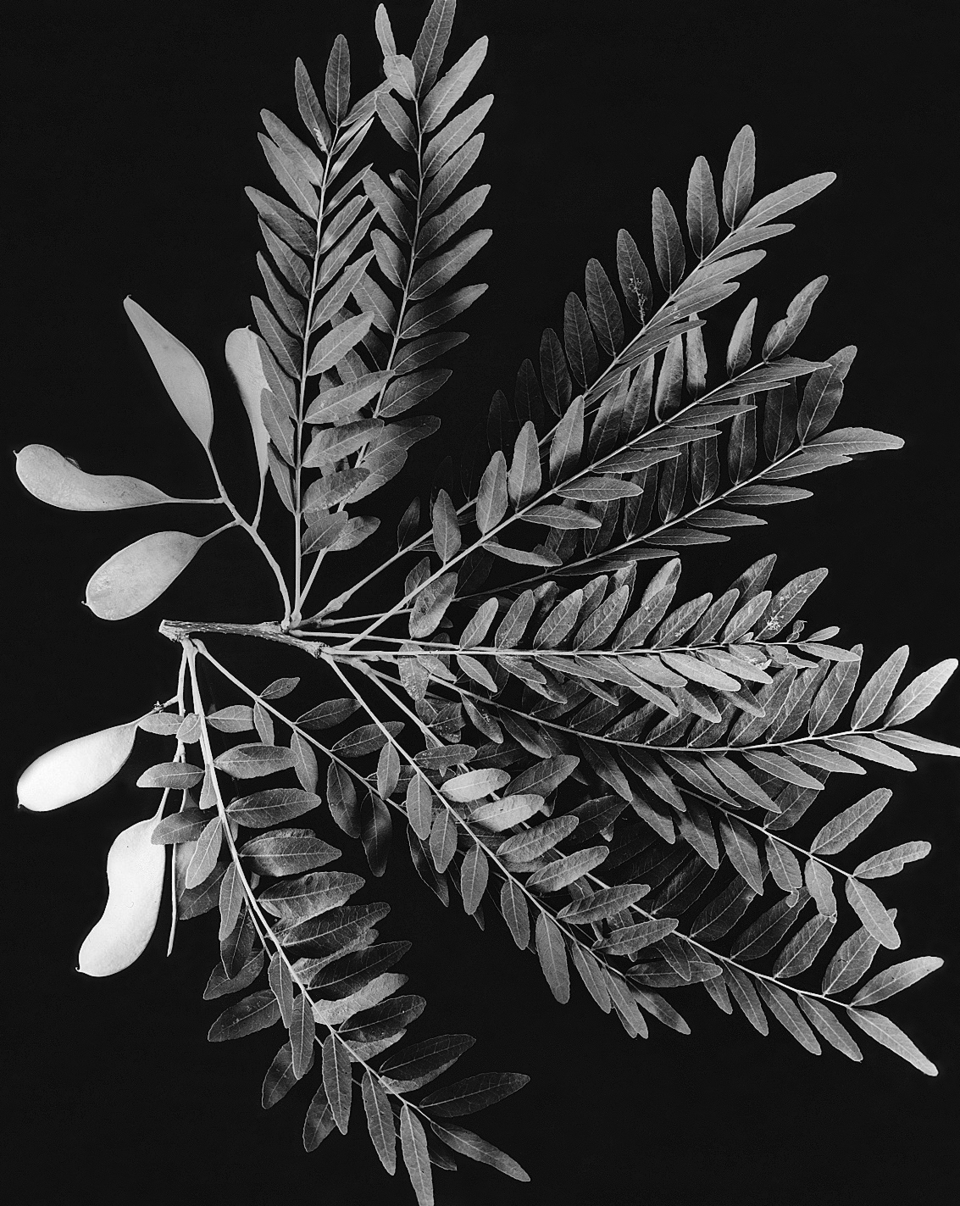
Water Locust
Gleditsia aquatica
Found in swamp forests, marshes. Weakley, Flora of the Southeastern United States (2025), Florida edition What its natural habitat tells you
Native to Florida. How scores work Is it native here?
Profile 88%
- Height
- About 40 feet
- Light
- Partial shade, Full shade, Full sun
- Soil moisture
- Moist to wet
At a glance
- Bloom
- Mid summer
- Fruiting season
- July to November
Not yet recorded · Spread · Life cycle · Leaves
Recorded in 37 Florida counties.
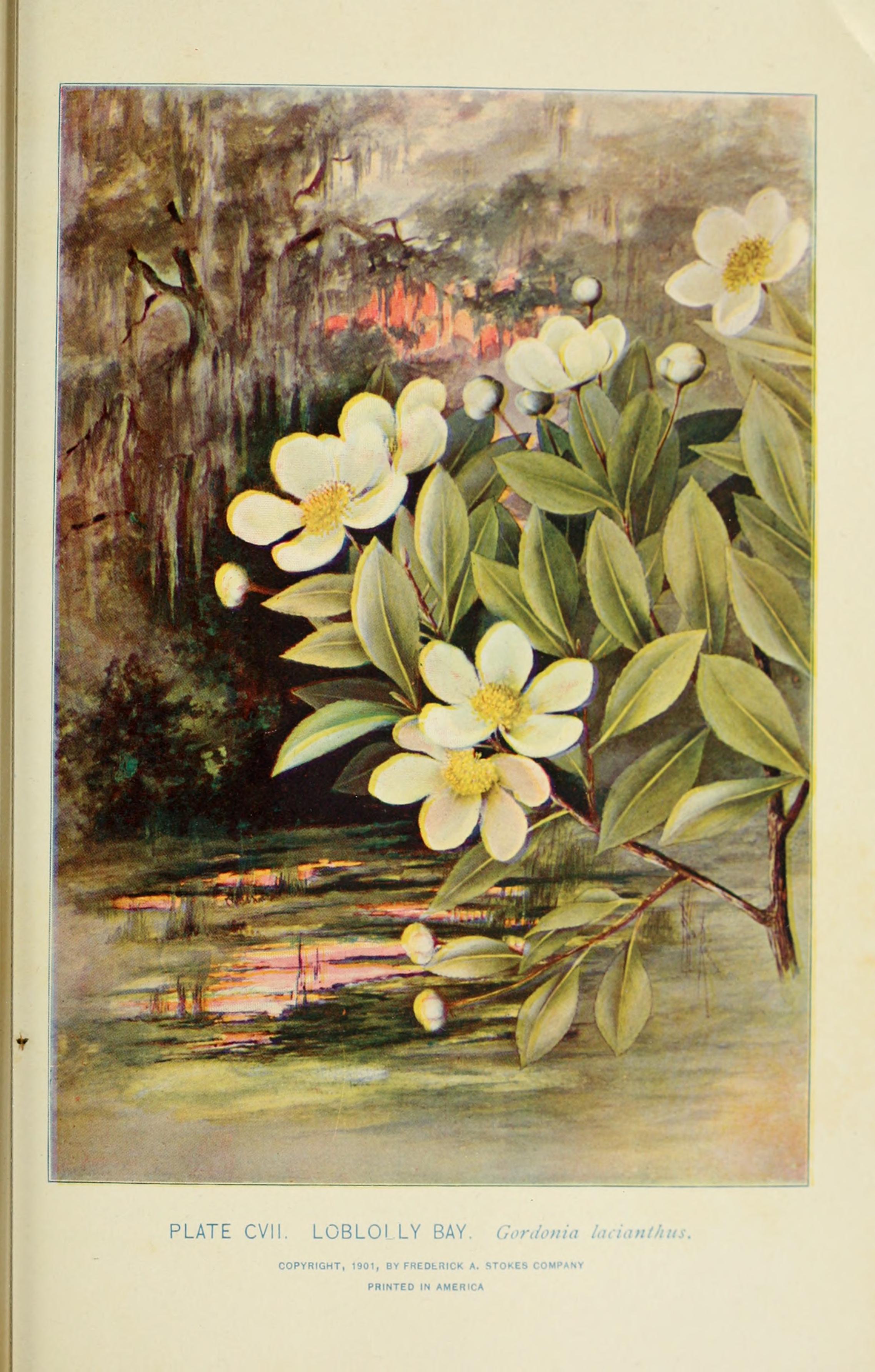
Natural habitats
Places it grows wild. Not a planting requirement. Each habitat page lists the plants and wildlife also found there.

Also found with this plant
Wildlife whose habitat models include habitats this plant grows in, in Florida. Shared habitat, not food. 110 animals.
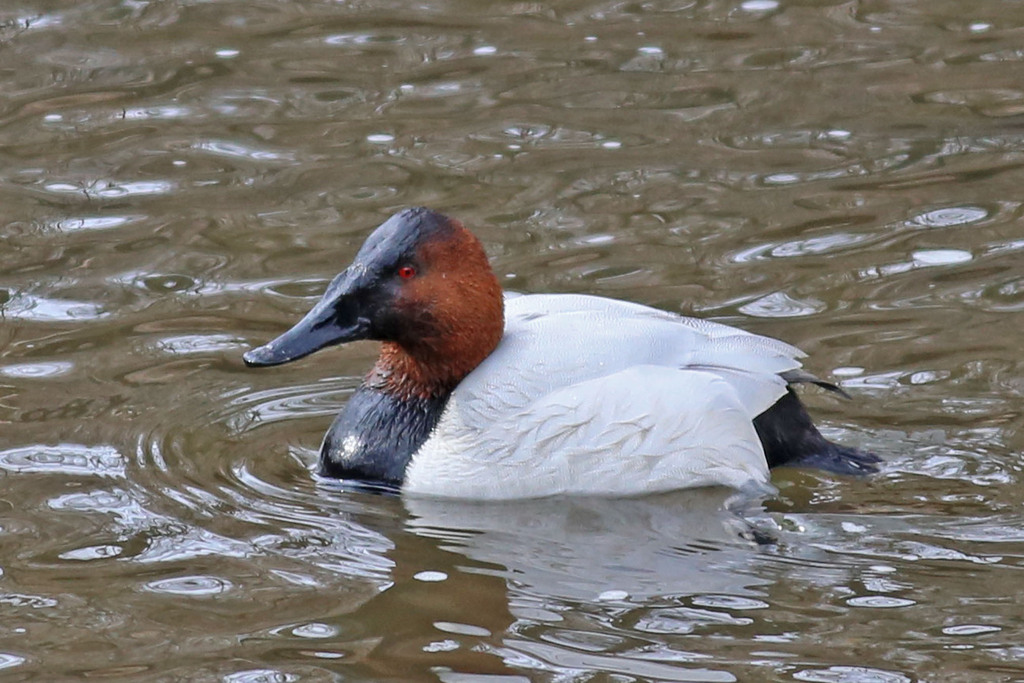
- CanvasbackAythya valisineria
- Carolina ChickadeePoecile carolinensis
- Carolina WrenThryothorus ludovicianus
- Cedar WaxwingBombycilla cedrorum
- Chimney SwiftChaetura pelagica
- Common GrackleQuiscalus quiscula
- Common NighthawkChordeiles minor
- Common YellowthroatGeothlypis trichas
- Cooper's HawkAccipiter cooperii
- Double-crested CormorantPhalacrocorax auritus
- Downy WoodpeckerPicoides pubescens
- Eastern KingbirdTyrannus tyrannus
- Eastern PhoebeSayornis phoebe
- Eastern Screech-owlMegascops asio
- Eastern TowheePipilo erythrophthalmus
- Eastern Wood-peweeContopus virens
- European StarlingSturnus vulgaris
- Fish CrowCorvus ossifragus
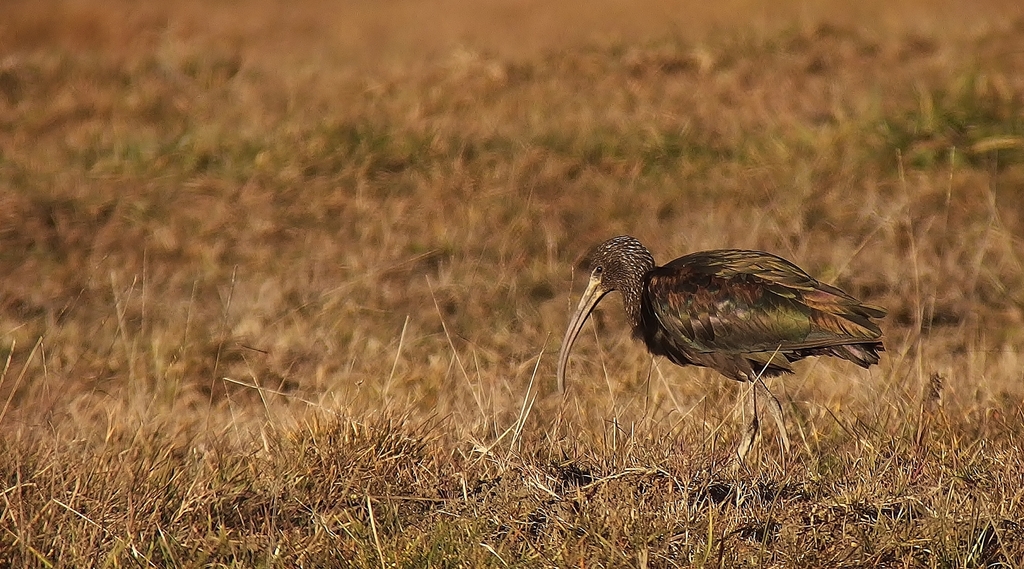
- Glossy IbisPlegadis falcinellus
- Golden-crowned KingletRegulus satrapa
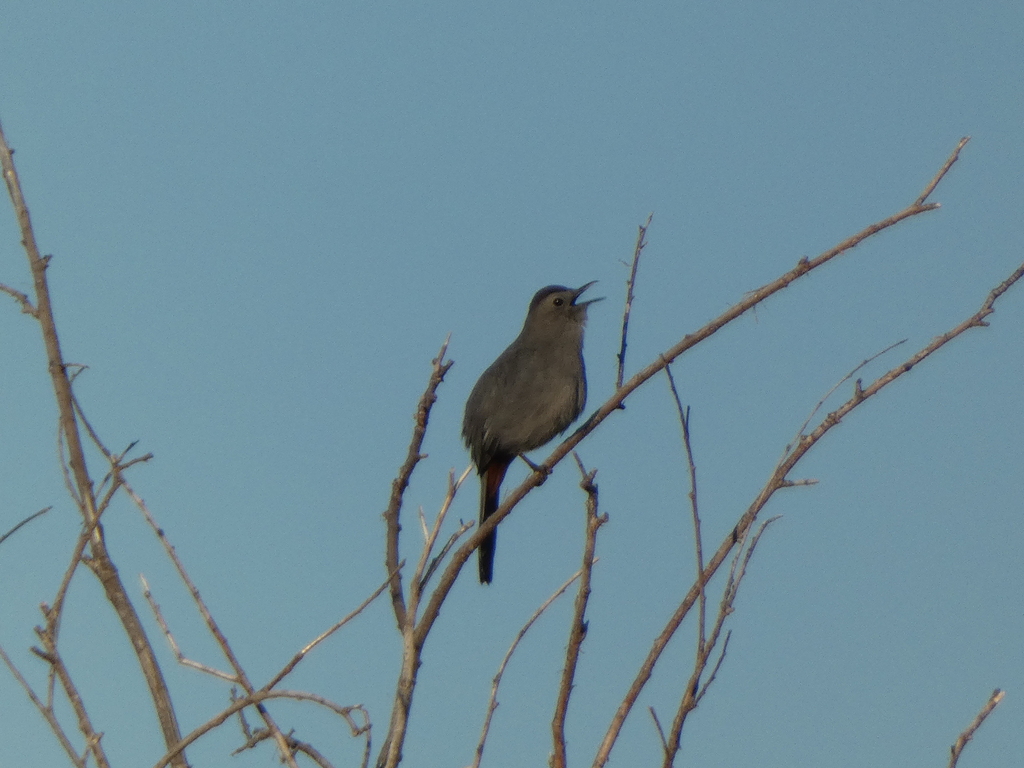
- Gray CatbirdDumetella carolinensis
- Great Blue HeronArdea herodias
- Great Crested FlycatcherMyiarchus crinitus
- Great EgretArdea alba






















Who uses this plant?
 37CaterpillarsGenus host records with ranges including FL
Genus host records with ranges including FL · Gleditsia
- Epargyreus clarusSilver-spotted Skipper
- Achatia distinctaDistinct Quaker
- Amyelois transitellaNavel Orangeworm
- Anavitrinella pampinariaCommon Gray, Cranberry Spanworm
- Antheraea polyphemusPolyphemus Moth
- Ascalapha odorataBlack Witch
- Automeris ioIo Moth
- Catocala clintoniiClinton's Underwing
- Catocala innubensThe Betrothed
- Catocala minutaLittle Underwing
Show all 37
- Coelodasys unicornisUnicorn Caterpillar Moth
- Datana ministraYellow-Necked Caterpillar Moth
- Digrammia ocellinataFaint-Spotted Angle
- Eacles imperialisImperial Moth, Imperial Spiny Caterpillar
- Erannis tiliariaLinden Looper Moth, Western Winter Moth, Lime Looper
- Halysidota tessellarisBanded Tussock Moth, Pale Tiger Moth
- Heliomata cycladataCommon Spring Moth, Stout Locust Looper
- Heteropacha rileyanaRiley's Lappet Moth
- Hyalophora cecropiaCecropia Silkmoth, Cecropia Moth
- Hyphantria cuneaFall Webworm
- Kocakina fidelisIntractable Quaker, Green Fruitworm, Fourlined Green Fruitworm
- Lithacodes fasciolaYellow-Shouldered Slug
- Melanolophia canadariaCanadian Melanolphia, Variable Redmarked Looper
- Mellilla xanthometataOrange Wing
- Orgyia leucostigmaWhite-Marked Tussock Moth
- Pococera asperatellaMaple Webworm
- Rudenia leguminanaBlack-Tipped Rudenia Moth
- Schizura ipomaeaeMorning-Glory Prominent, Checkered-Fringe Prominent
- Sparganothis sulfureanaSparganothis Fruitworm Moth, Sulfur Leafroller, False Yellow-Head
- Spiloloma lunilineaMoon-Lined Moth
- Syssphinx bicolorHoney Locust Moth
- Thyridopteryx ephemeraeformisEvergreen Bagworm Moth
- Tlascala reductellaTlascala Moth, Honey Locust Leafroller
- Uresiphita reversalisGenista Caterpillar, Genista Cbroom Moth
- Zale undularisBlack Zale
- Pococera humerella
- Sinoe robiniella
 0BeesSoutheastern regional records
 0Specialist beesPollen specialists
 —BirdsRecorded genus food-resource interactions; not a state feeding claim
No records yet · Ants · Beetles · Flies · Adult butterflies / moths · Other wasps · Other insects
Plant details
- Family
- Fabaceae
- Fruit begins
- July
- Fruit ends
- November
Safety has not been reviewed for this plant; check toxicity and thorns before planting.
Growing sources and scope
- Bloom · “Mid summer” · USDA PLANTS via EOL TraitBank · Nationwide approximate species characteristics; tolerance categories do not specify sun hours or moisture requirements
- Fruit begins · “July” · Weakley, Flora of the Southeastern United States (2025), Carolinas & Georgia edition · Carolinas and Georgia
- Fruit ends · “November” · Weakley, Flora of the Southeastern United States (2025), Carolinas & Georgia edition · Carolinas and Georgia
- Height · “About 40 feet” · USDA PLANTS via EOL TraitBank · Nationwide approximate species characteristics; tolerance categories do not specify sun hours or moisture requirements
- Light · “Partial shade; Full shade; Full sun (documented habitat)” · Weakley, Flora of the Southeastern United States (2025), Carolinas & Georgia edition · Carolinas and Georgia
- Soil · “Moist; Wet (documented habitat)” · Weakley, Flora of the Southeastern United States (2025), Carolinas & Georgia edition · Carolinas and Georgia
Conservation status
| Florida rank | S3S4 |
|---|---|
| Global rank | Not available |
| FL status | Not verified |
| Federal status | Not verified |
Will it fit your yard?
Check this plant against your county, sun and soil moisture. Conditions are checked in your browser.
Sources
- Atlas of Florida Plants
- Weakley, Flora of the Southeastern United States (2025)
- NatureServe Explorer
- Shropshire & Tallamy 2025, Lepidoptera of North America north of Mexico, ZooKeys 1261 (ODbL)
- Noori, Seltmann & Orr 2026, A curated and integrated dataset for exploring global bee-plant interactions (GloBI), Zenodo, CC BY 4.0
- Smith, Bachelder, Russell, Morales, Mosher & Seltmann 2024, Bee-Specialization-Modeling v0.6.1 (specialist host table compiled from J. Fowler's pollen specialist bee lists), Zenodo, CC BY 4.0
- Hurlbert, Olsen, Sawyer & Winner 2021, Avian Diet Database, Scientific Data 8: 260 (CC0)
- Narango, Tallamy & Shropshire 2020, Few keystone plant genera support the majority of Lepidoptera species, Nature Communications