

Dangleberry
Gaylussacia frondosa
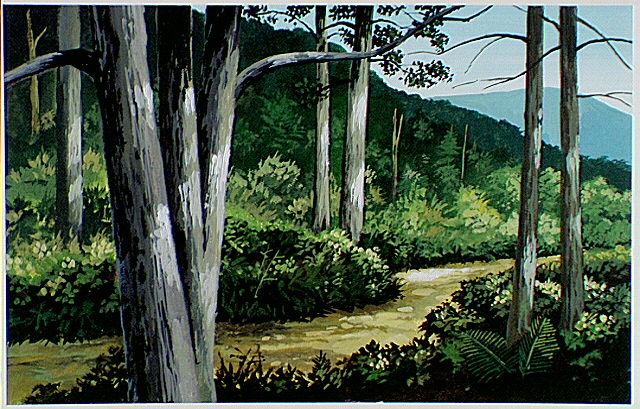
In the Carolinas and Georgia, found in moist, acidic woodlands, especially in sandhill-pocosin and savanna-pocosin ecotones, also in dry chestnut oak forests in the lower Piedmont. Weakley, Flora of the Southeastern United States (2025), Carolinas & Georgia edition What its natural habitat tells you
Native to Florida. How scores work Is it native here?
Profile 100%
- Height
- 2–4 feet
- Spread
- 2–4 feet
- Light
- Full sun, Partial shade
- Soil moisture
- Usually moist
Space about 3 ft apart from its recorded spread, about 11 per 100 sq ft. Enter your bed size for a count
Will it fit your yard?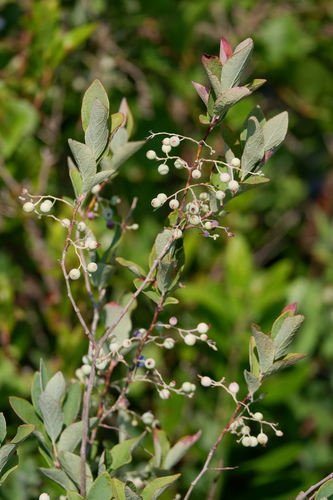
At a glance
- Life cycle
- Woody perennial
- Leaves
- Deciduous
- Bloom
- March to May
- Fruiting season
- June to August
Recorded in 50 Florida counties.
Natural habitats
Places it grows wild. Not a planting requirement. Each habitat page lists the plants and wildlife also found there.
Also found with this plant
Wildlife whose habitat models include habitats this plant grows in, in Florida. Shared habitat, not food. 104 animals.
- Downy WoodpeckerPicoides pubescens
- Eastern BluebirdSialia sialis
- Eastern KingbirdTyrannus tyrannus
- Eastern Screech-owlMegascops asio
- Eastern TowheePipilo erythrophthalmus
- Eastern Wood-peweeContopus virens
- Eurasian Collared-doveStreptopelia decaocto
- European StarlingSturnus vulgaris
- Fish CrowCorvus ossifragus
- Golden-crowned KingletRegulus satrapa
- Great Crested FlycatcherMyiarchus crinitus
- Great Horned OwlBubo virginianus
- Hairy WoodpeckerPicoides villosus
- Hermit ThrushCatharus guttatus
- Hooded MerganserLophodytes cucullatus
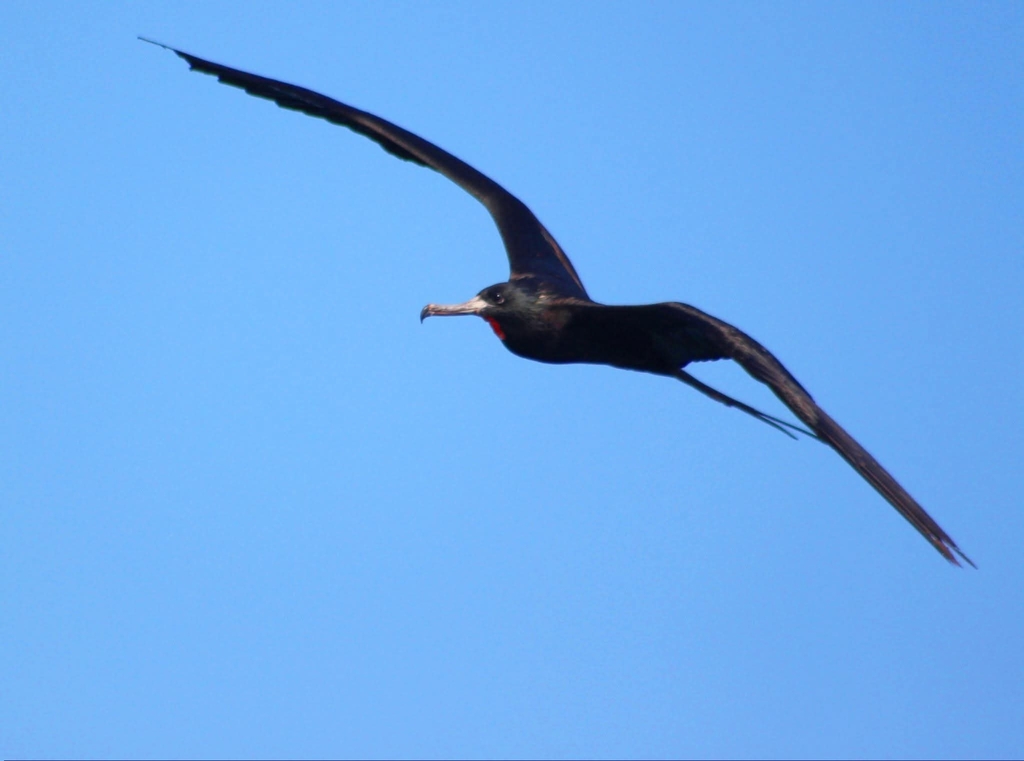
- Magnificent FrigatebirdFregata magnificens
- Mourning DoveZenaida macroura
- Northern BobwhiteColinus virginianus
- Northern CardinalCardinalis cardinalis
- Northern FlickerColaptes auratus
- Northern MockingbirdMimus polyglottos
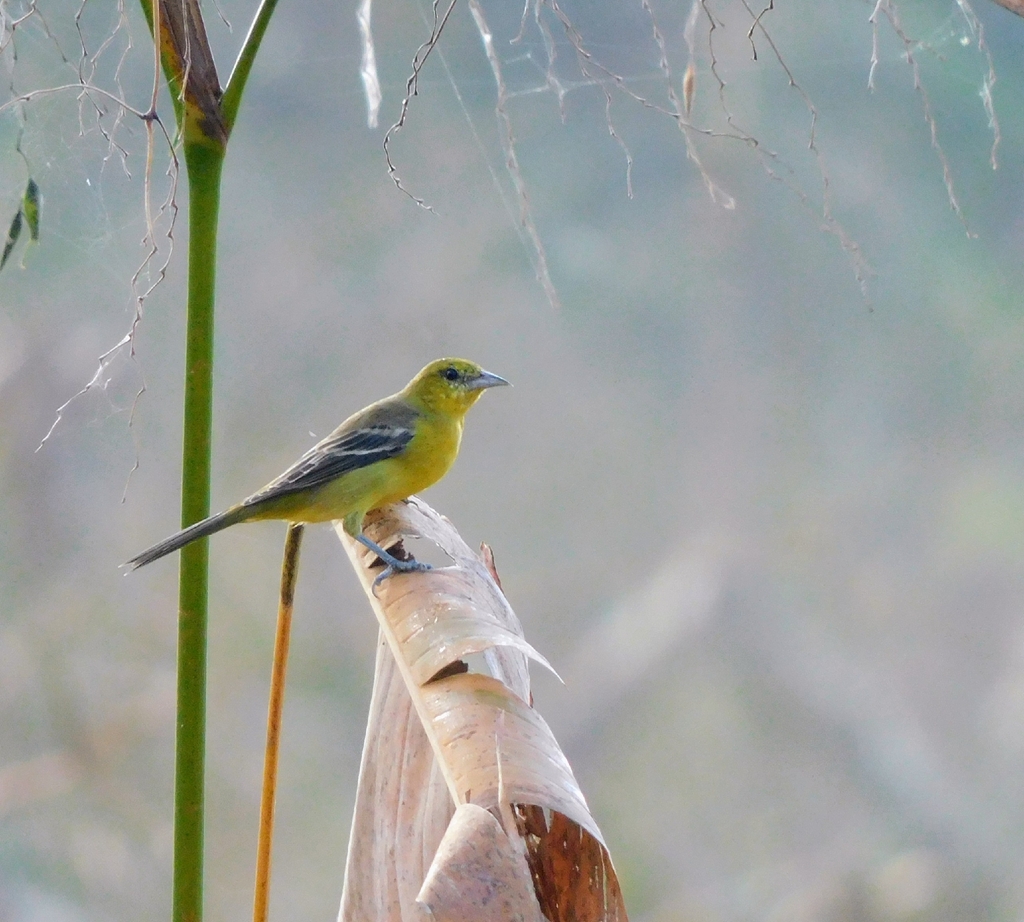
- Orchard OrioleIcterus spurius
- OspreyPandion haliaetus
- Pileated WoodpeckerDryocopus pileatus






















Who uses this plant?
 30CaterpillarsGenus host records with ranges including FL
Genus host records with ranges including FL · Gaylussacia
- Acleris curvalanaBlueberry Leaftier Moth
- Acrobasis vacciniiCranberry Fruitworm
- Amorbia humerosanaWhite-Lined Leafroller Moth
- Antaeotricha leucillanaWell-Marked Leaf Tier, Pale Gray Bird-Dropping Moth
- Antheraea polyphemusPolyphemus Moth
- Archips purpuranaOmnivorous Leafroller Moth
- Callophrys henriciHenry's Elfin
- Cameraria hamadryadellaSolitary Oak Leafminer Moth
- Choristoneura obsoletanaObsolete Leafroller
- Clepsis peritanaGarden Tortrix
Show all 30
- Cyclophora myrtariaWaxmyrtle Wave
- Darapsa choerilusAzalea Sphinx
- Euplexia benesimilisAmerican Angle Shades
- Hyalophora cecropiaCecropia Silkmoth, Cecropia Moth
- Limenitis archippusViceroy
- Lithacodes fasciolaYellow-Shouldered Slug
- Megalopyge crispataBlack-Waved Flannel Moth, Crinkled Flannel Moth
- Melanomma auricinctariaGold-Lined Melanomma
- Morrisonia confusaConfused Woodgrain
- Olethreutes permundanaRaspberry Leafroller
- Paonias astylusHuckleberry Sphinx
- Prionapteryx nebuliferaClouded Veneer Moth
- Scopula limboundataLarge Lace-Border
- Sphinx gordiusApple Sphinx
- Sphinx kalmiaeFawn Sphinx, Laurel Sphinx
- Strepsicrates smithianaBayberry Leaftier
- Thyridopteryx ephemeraeformisEvergreen Bagworm Moth
- Xestia dilucidaDull Reddish Dart, Reddish Heath Dart
- Zomaria interruptolineanaBroken-Lined Zomaria
- Tallula atrifascialis
 4BeesSoutheastern regional records
Southeastern regional records · Gaylussacia
Individual names are not available yet.
Noori, Seltmann & Orr 2026, A curated and integrated dataset for exploring global bee-plant interactions (GloBI), Zenodo, CC BY 4.0 3Specialist beesPollen specialists
Pollen specialists · Gaylussacia
- Andrena bradleyi
- Andrena carolina
- Colletes validus
 11BirdsRecorded genus food-resource interactions; not a state feeding claim
Recorded genus food-resource interactions; not a state feeding claim · Gaylussacia
- Acanthis flammeaCommon Redpoll
- Callipepla californicaCalifornia Quail
- Catharus guttatusHermit Thrush
- Catharus ustulatusSwainson's Thrush
- Hylocichla mustelinaWood Thrush
- Lagopus lagopusWillow Ptarmigan
- Loxia leucopteraWhite-winged Crossbill
- Pinicola enucleatorPine Grosbeak
- Sialia sialisEastern Bluebird
- Turdus migratoriusAmerican Robin
Show all 11
- Tyrannus tyrannusEastern Kingbird
Direct food only: birds recorded eating this genus across North America. Caterpillars on host plants also feed nesting birds. NC Native Plant Society: butterfly gardening
No records yet · Ants · Beetles · Flies · Adult butterflies / moths · Other wasps · Other insects
Plant details
- Family
- Ericaceae
- Soil pH
- Acidic
- Flower color
- Pink or white
- Growth rate
- Slow
- Growth habit
- Several stems
- Foliage color
- Green
- Fruit begins
- June
- Fruit ends
- August
Safety has not been reviewed for this plant; check toxicity and thorns before planting.
Growing sources and scope
- Bloom · “Late March to May” · Weakley, Flora of the Southeastern United States (2025), Carolinas & Georgia edition (ranked first; USDA PLANTS differs) · Carolinas and Georgia
- Flower color · “Pink or white” · NC Extension Plant Toolbox (ranked first; USDA PLANTS, Lady Bird Johnson Wildflower Center differ)
- Foliage color · “Green” · USDA PLANTS · Nationwide species characteristics; local growing conditions may vary
- Fruit begins · “June” · Weakley, Flora of the Southeastern United States (2025), Carolinas & Georgia edition (ranked first; USDA PLANTS differs) · Carolinas and Georgia
- Fruit ends · “August” · Weakley, Flora of the Southeastern United States (2025), Carolinas & Georgia edition (ranked first; USDA PLANTS differs) · Carolinas and Georgia
- Growth habit · “Several stems” · USDA PLANTS · Nationwide species characteristics; local growing conditions may vary
- Growth rate · “Slow” · USDA PLANTS · Nationwide species characteristics; local growing conditions may vary
- Height · “2–4 feet” · NC Extension Plant Toolbox (ranked first; USDA PLANTS, Lady Bird Johnson Wildflower Center differ)
- Leaves · “Deciduous” · NC Extension Plant Toolbox
- Life cycle · “Woody perennial” · NC Extension Plant Toolbox (ranked first; Lady Bird Johnson Wildflower Center differs)
- Light · “Full sun (6 or more hours of direct sunlight a day); Partial shade (direct sunlight only part of the day, 2-6 hours)” · NC Extension Plant Toolbox (ranked first; Virginia DCR Coastal Plain, Lady Bird Johnson Wildflower Center differ)
- Soil · “Moist; Occasionally wet” · NC Extension Plant Toolbox (ranked first; Virginia DCR Coastal Plain, Lady Bird Johnson Wildflower Center differ)
- Soil pH · “Acidic” · NC Extension Plant Toolbox
- Spread · “2–4 feet” · NC Extension Plant Toolbox
Also known as
Gaylussacia frondosa var. frondosa
Conservation status
| Florida rank | Not available |
|---|---|
| Global rank | G5 |
| FL status | Not verified |
| Federal status | Not verified |
Will it fit your yard?
Check this plant against your county, sun and soil moisture. Conditions are checked in your browser.
Sources
- Atlas of Florida Plants
- USDA PLANTS
- Vascular Plants of North Carolina (NC Natural Heritage Program)
- Weakley, Flora of the Southeastern United States (2025), Carolinas & Georgia edition
- Shropshire & Tallamy 2025, Lepidoptera of North America north of Mexico, ZooKeys 1261 (ODbL)
- Noori, Seltmann & Orr 2026, A curated and integrated dataset for exploring global bee-plant interactions (GloBI), Zenodo, CC BY 4.0
- Smith, Bachelder, Russell, Morales, Mosher & Seltmann 2024, Bee-Specialization-Modeling v0.6.1 (specialist host table compiled from J. Fowler's pollen specialist bee lists), Zenodo, CC BY 4.0
- Hurlbert, Olsen, Sawyer & Winner 2021, Avian Diet Database, Scientific Data 8: 260 (CC0)
- Narango, Tallamy & Shropshire 2020, Few keystone plant genera support the majority of Lepidoptera species, Nature Communications