

Eastern Swamp Privet
Forestiera acuminata
Found in swamp forests, especially over calcareous substrates. Weakley, Flora of the Southeastern United States (2025), Florida edition What its natural habitat tells you
Native to Florida. How scores work Is it native here?
Profile 82%
- Height
- About 33 feet
- Light
- Full to part sun
- Soil moisture
- Wet
No photograph yet. Looking for an old drawing…
At a glance
- Bloom
- February to May
- Fruiting season
- April to June
Not yet recorded · Spread · Life cycle · Leaves
Recorded in 13 Florida counties.
Natural habitats
Places it grows wild. Not a planting requirement. Each habitat page lists the plants and wildlife also found there.

Also found with this plant
Wildlife whose habitat models include habitats this plant grows in, in Florida. Shared habitat, not food. 124 animals.
- Yellow-bellied SapsuckerSphyrapicus varius
- Yellow-billed CuckooCoccyzus americanus
- Yellow-breasted ChatIcteria virens
- Yellow-crowned Night-heronNyctanassa violacea
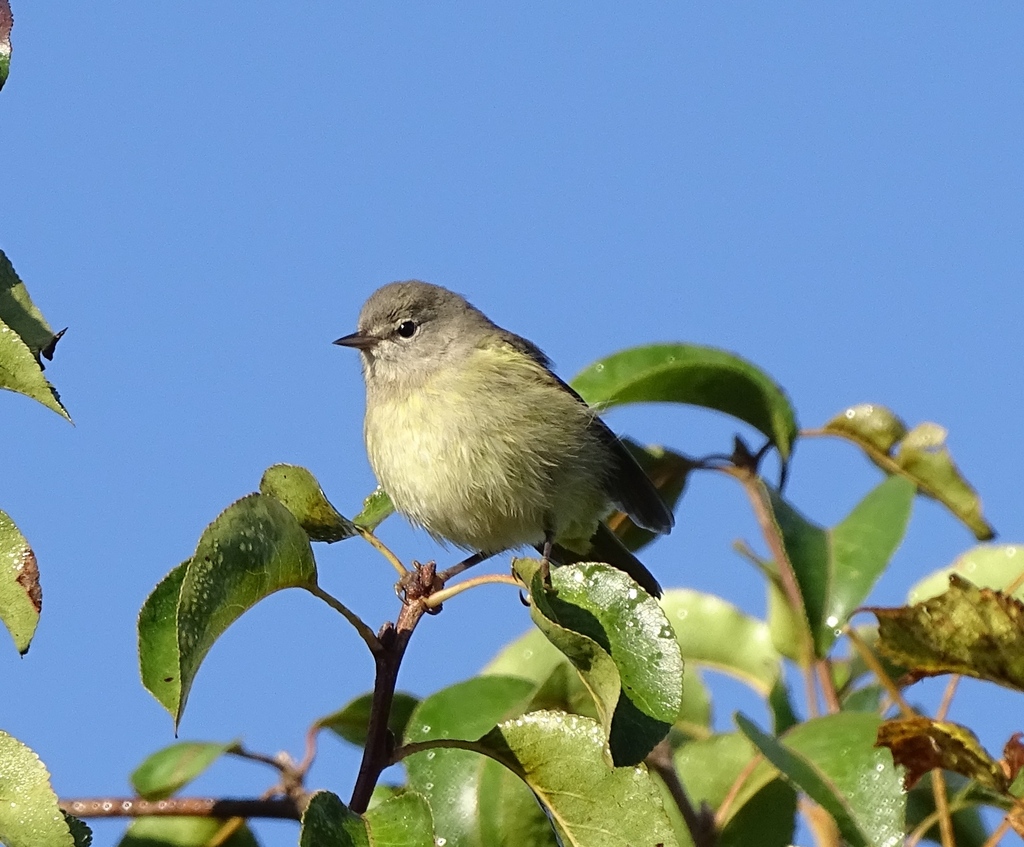
- Yellow-rumped WarblerDendroica coronata
- Yellow-throated WarblerDendroica dominica
- American KestrelFalco sparverius
- American PipitAnthus rubescens
- Bald EagleHaliaeetus leucocephalus
- Black-throated Blue WarblerDendroica caerulescens
- Broad-winged HawkButeo platypterus
- Canada GooseBranta canadensis
- Common MynaAcridotheres tristis
- Glossy IbisPlegadis falcinellus
- Lincoln's SparrowMelospiza lincolnii
- Marsh WrenCistothorus palustris
- Orange-crowned WarblerVermivora celata
- OvenbirdSeiurus aurocapilla
- Pine SiskinCarduelis pinus
- Ring-necked DuckAythya collaris
- Rusty BlackbirdEuphagus carolinus
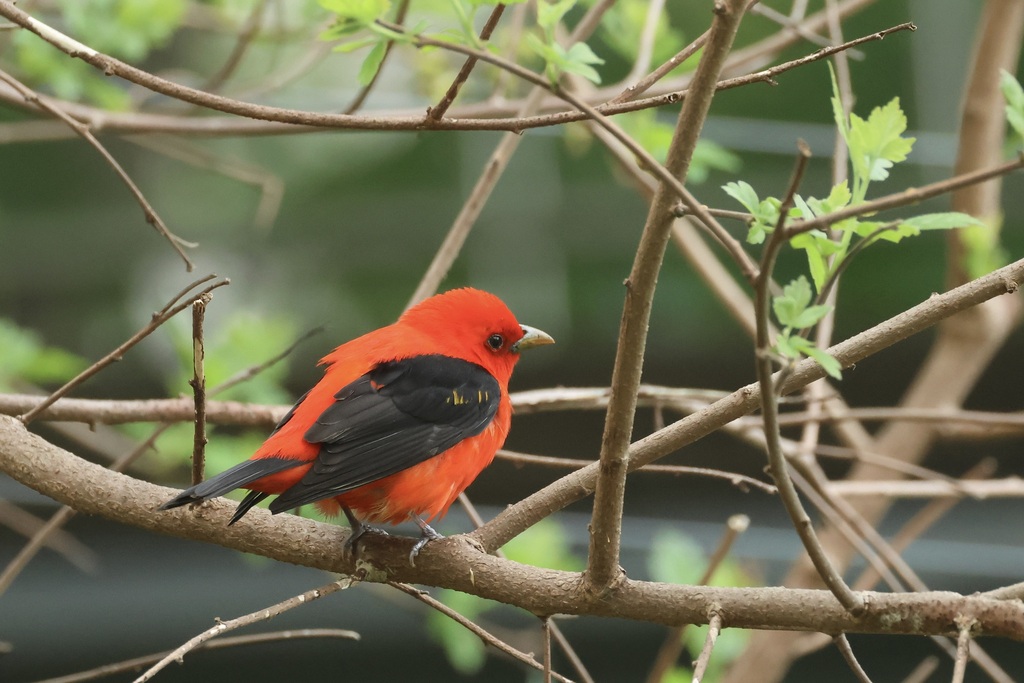
- Scarlet TanagerPiranga olivacea
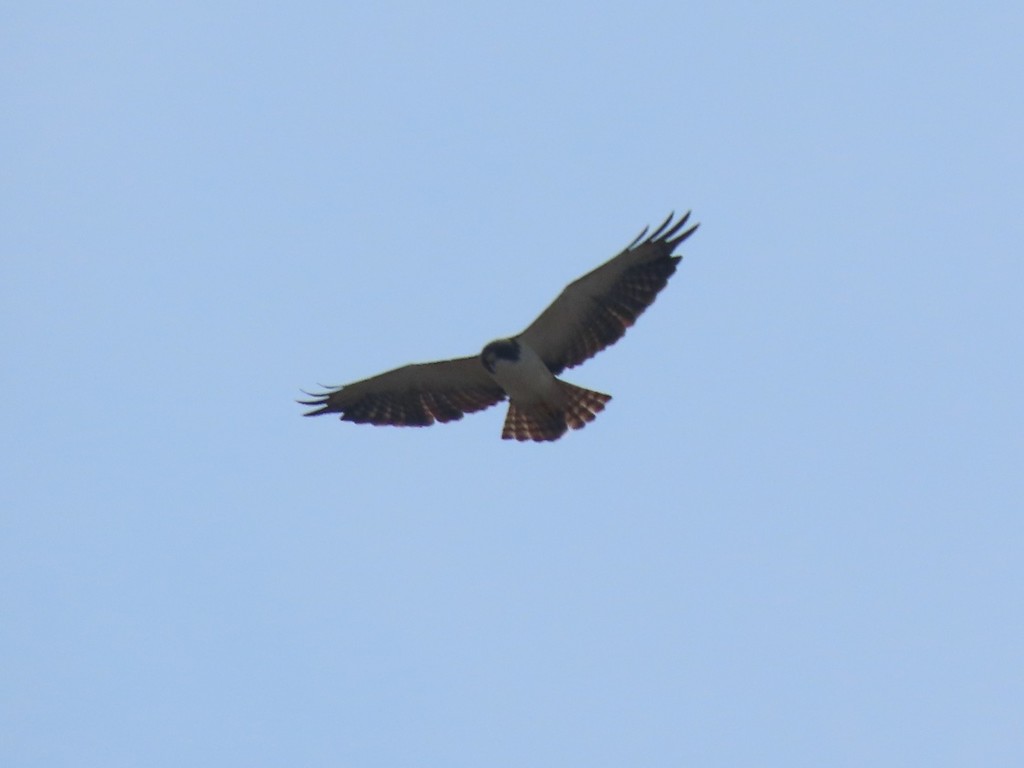
- Short-tailed HawkButeo brachyurus
- Swainson's WarblerLimnothlypis swainsonii
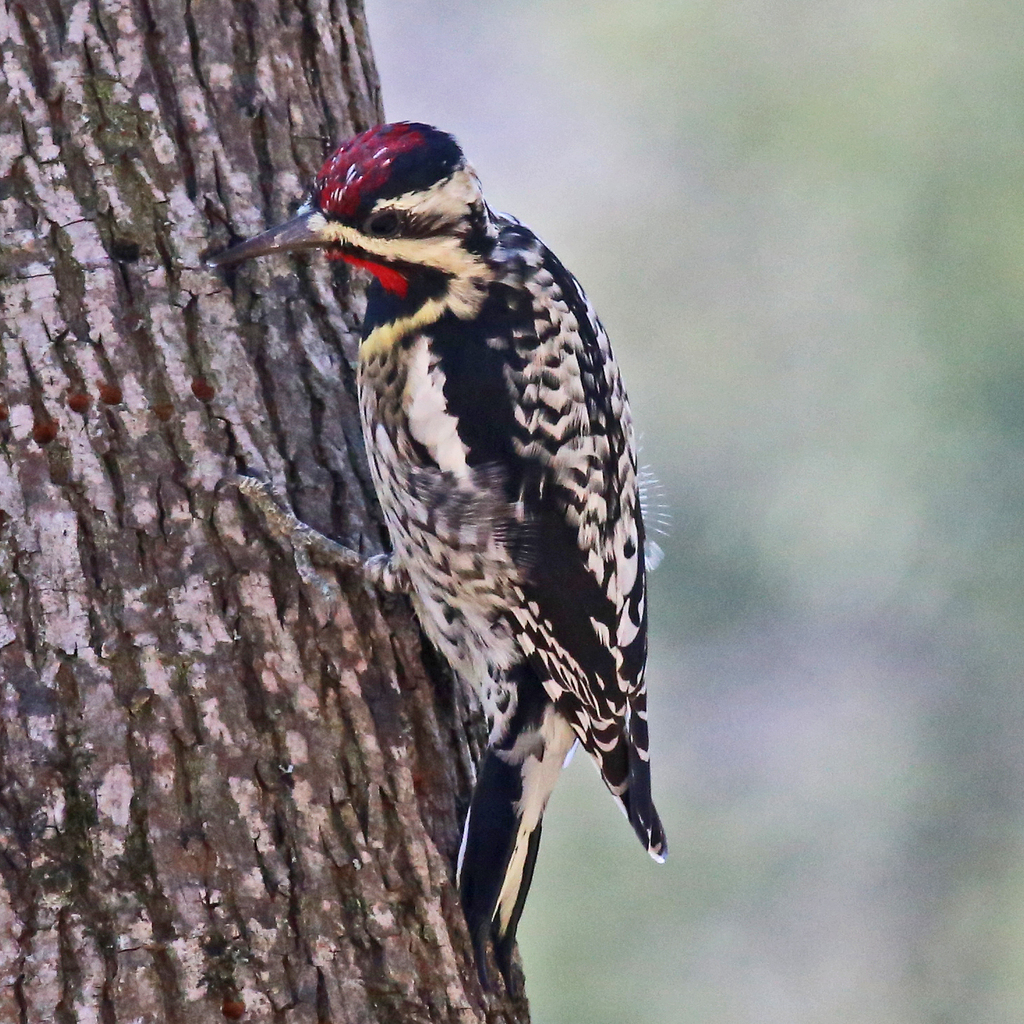
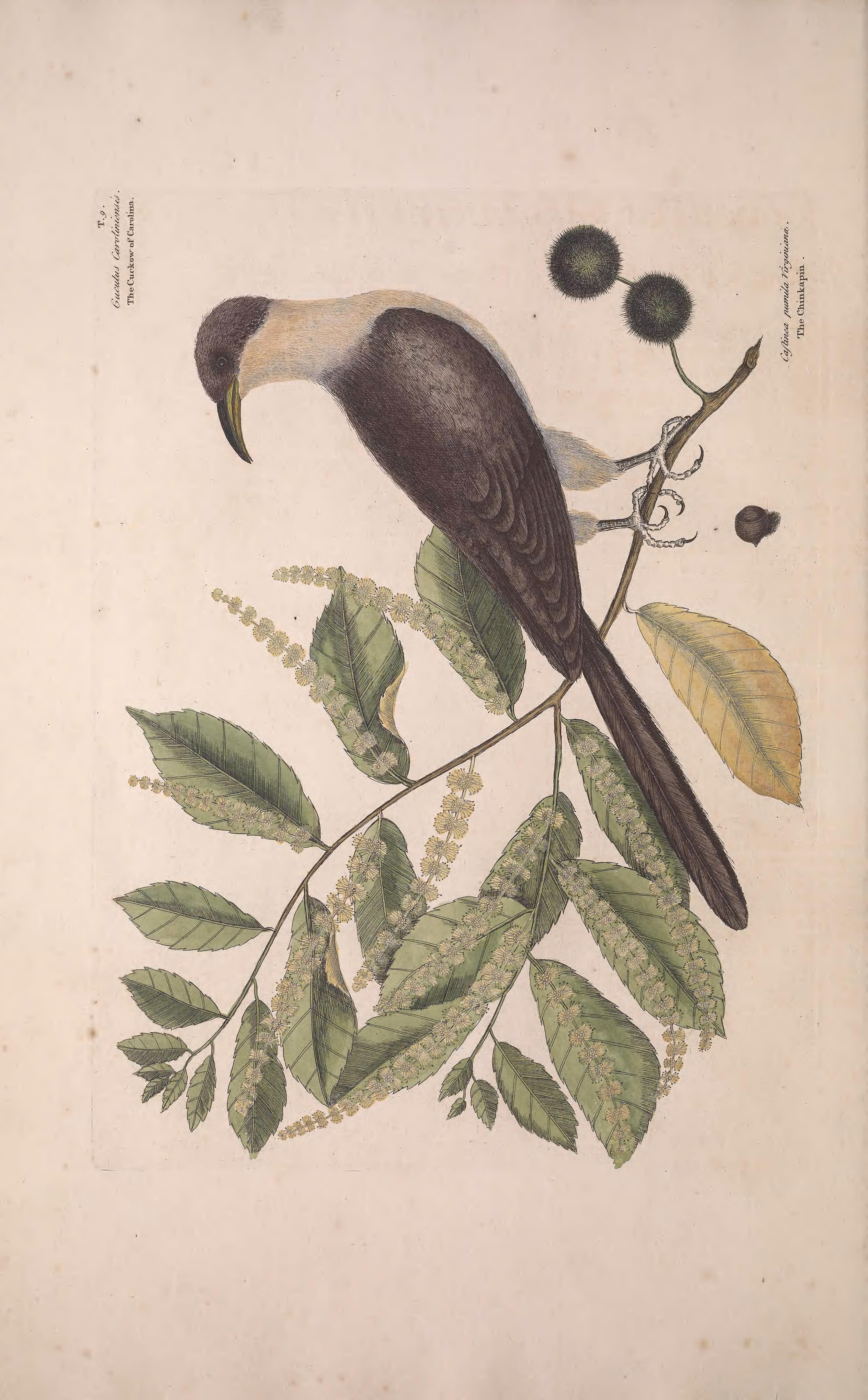

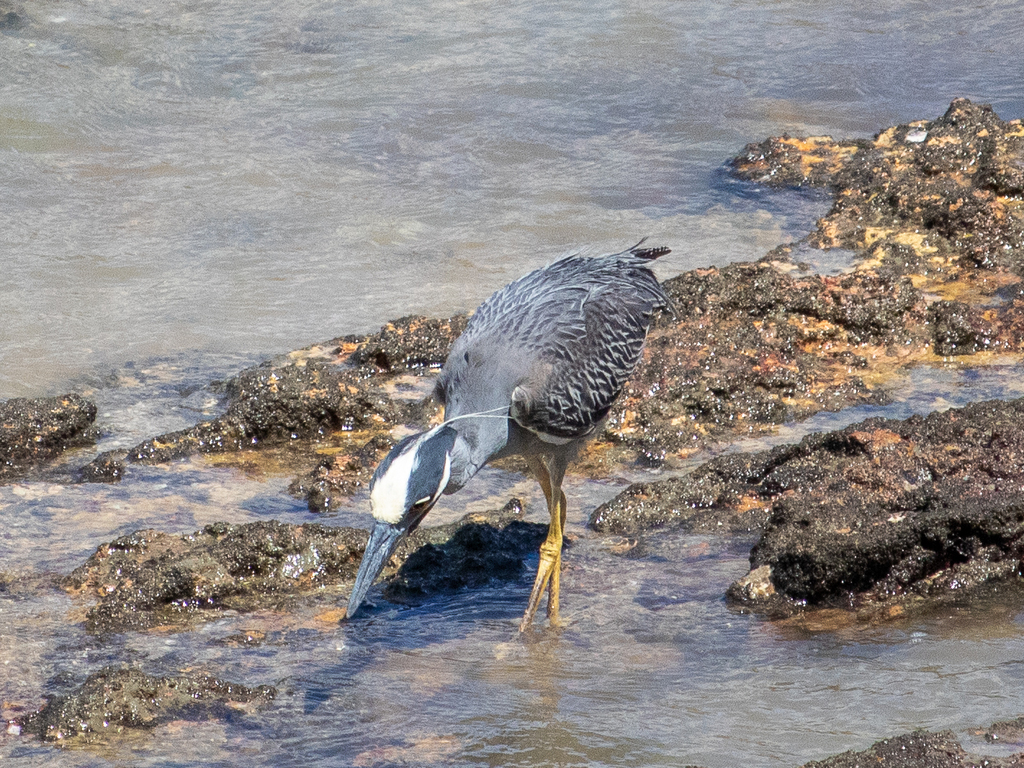
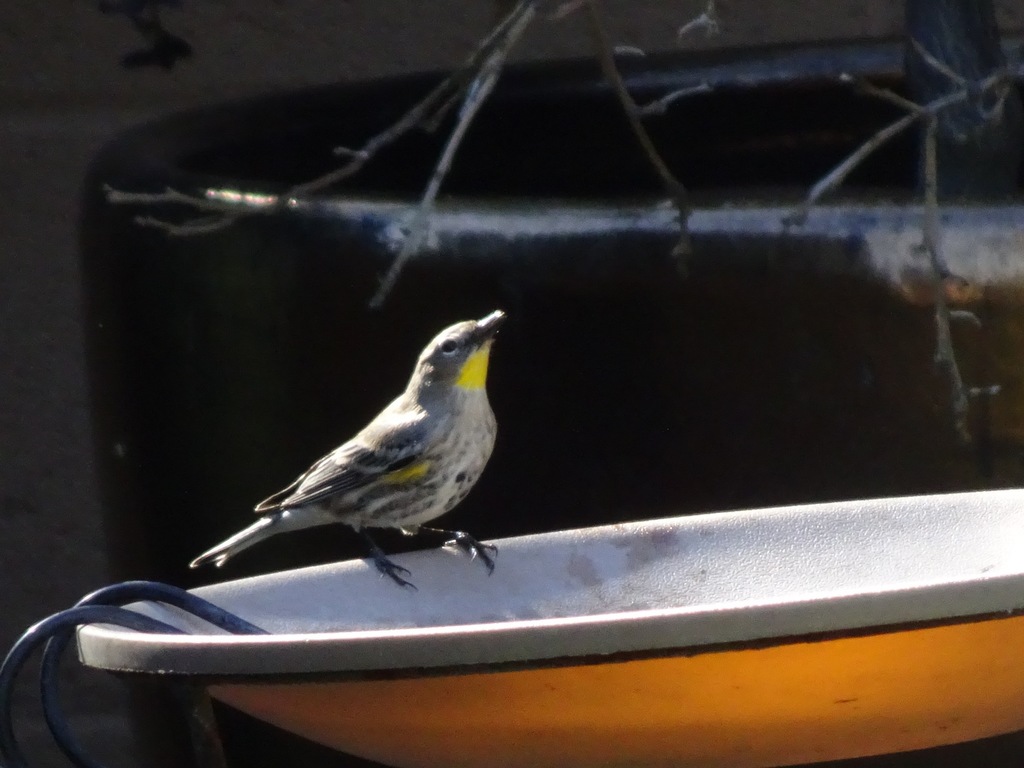




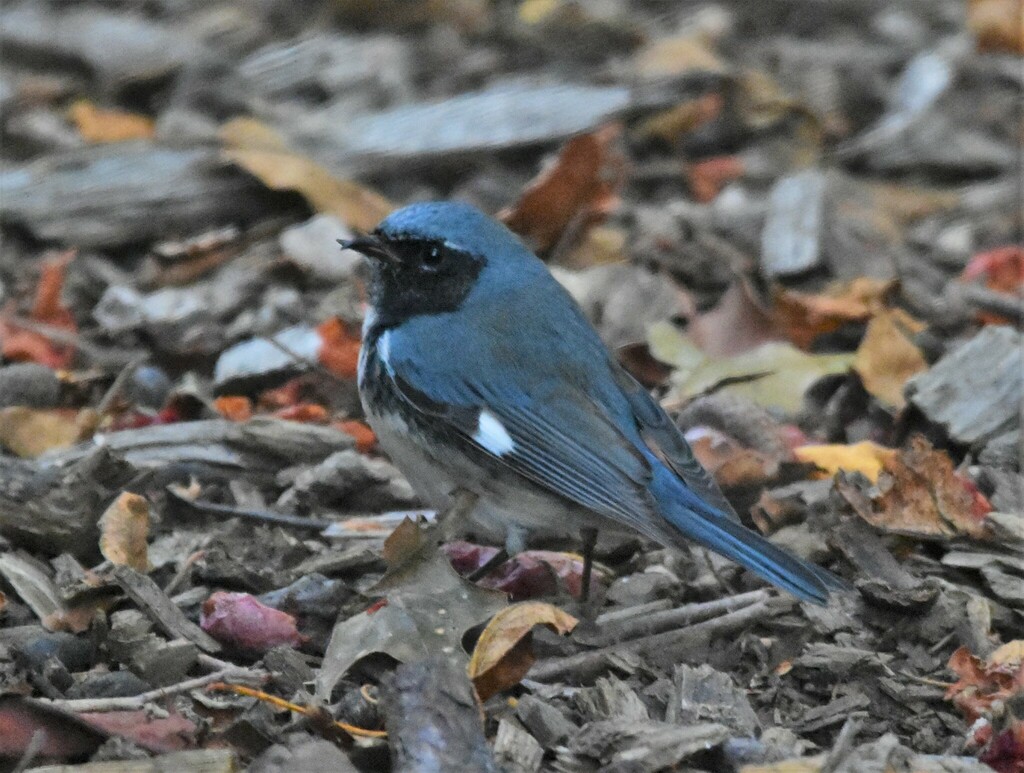


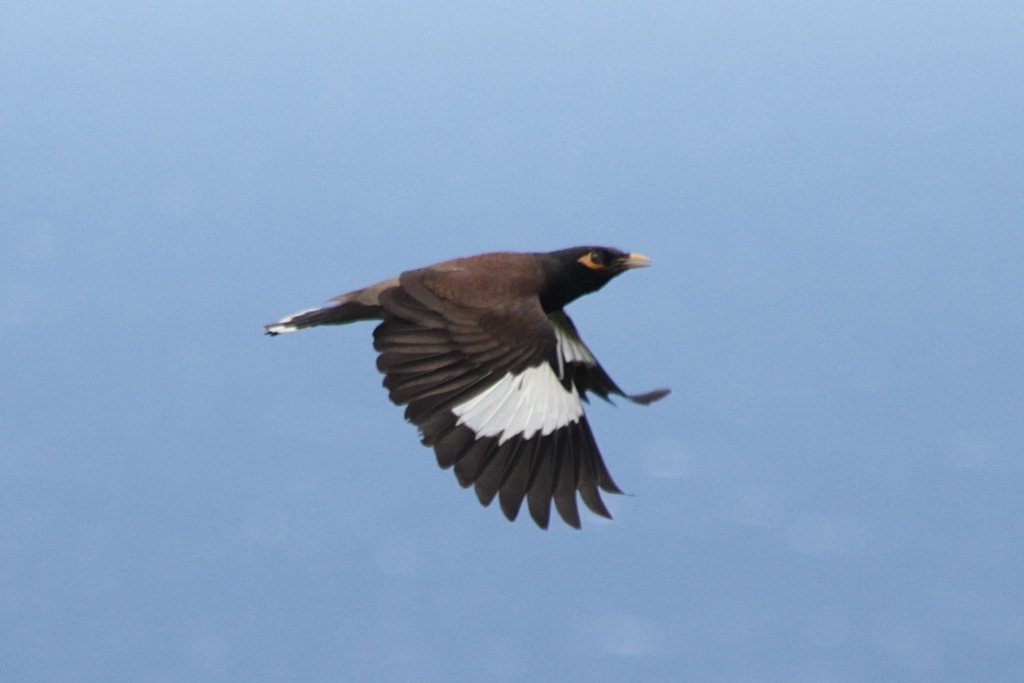
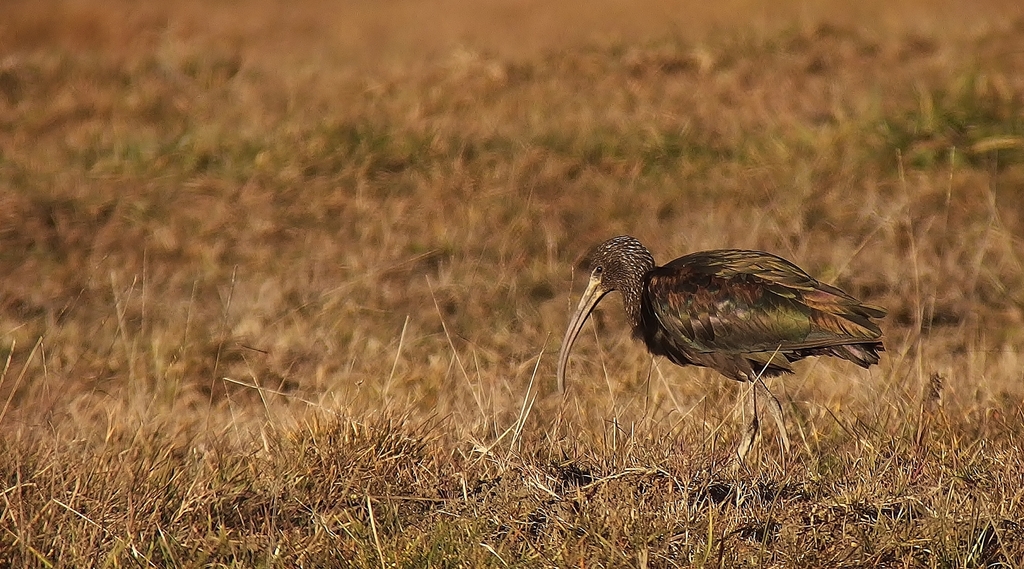

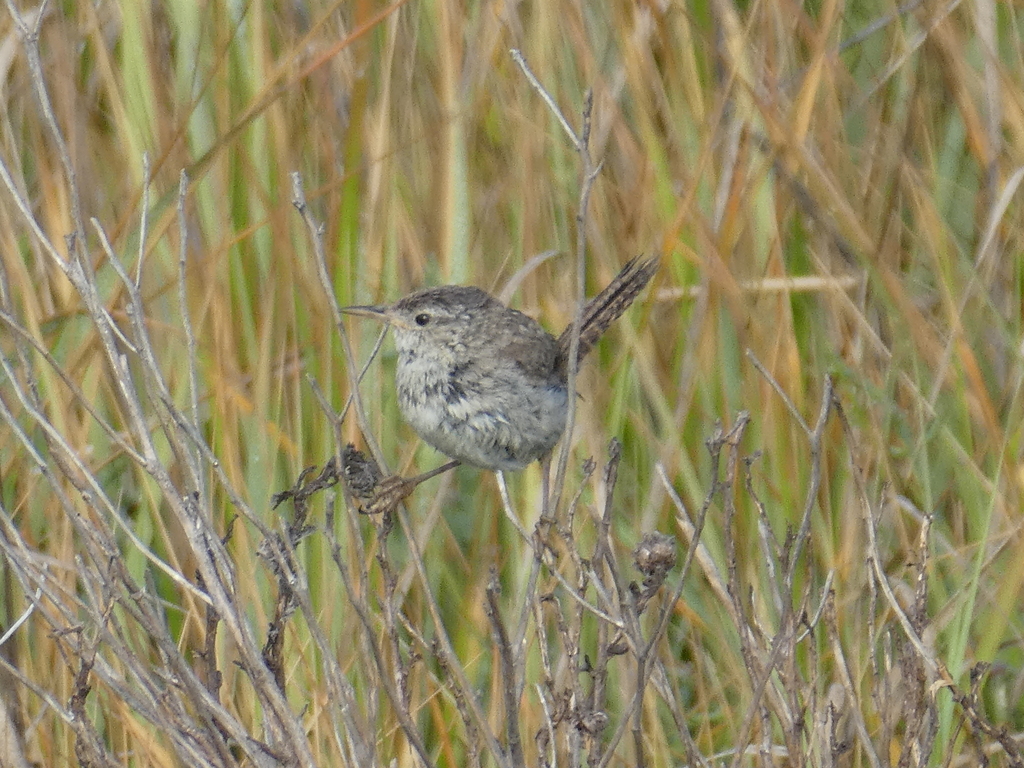





Who uses this plant?
 1CaterpillarsGenus host records with ranges including FL
Genus host records with ranges including FL · Forestiera
- Palpita quadristigmalisFour-Spotted Palpita, Privet Moth
 2BeesSoutheastern regional records
Southeastern regional records · Forestiera
Individual names are not available yet.
Noori, Seltmann & Orr 2026, A curated and integrated dataset for exploring global bee-plant interactions (GloBI), Zenodo, CC BY 4.0 0Specialist beesPollen specialists
 3BirdsRecorded genus food-resource interactions; not a state feeding claim
Recorded genus food-resource interactions; not a state feeding claim · Forestiera
- Aix sponsaWood Duck
- Ortalis vetulaPlain Chachalaca
- Patagioenas leucocephalaWhite-crowned Pigeon
Direct food only: birds recorded eating this genus across North America. Caterpillars on host plants also feed nesting birds. NC Native Plant Society: butterfly gardening
No records yet · Ants · Beetles · Flies · Adult butterflies / moths · Other wasps · Other insects
Plant details
- Family
- Oleaceae
- Fruit begins
- April
- Fruit ends
- June
Safety has not been reviewed for this plant; check toxicity and thorns before planting.
Growing sources and scope
- Bloom · “February to May” · Weakley, Flora of the Southeastern United States (2025), Carolinas & Georgia edition (ranked first; USDA PLANTS via EOL TraitBank differs) · Carolinas and Georgia
- Fruit begins · “April” · Weakley, Flora of the Southeastern United States (2025), Carolinas & Georgia edition · Carolinas and Georgia
- Fruit ends · “June” · Weakley, Flora of the Southeastern United States (2025), Carolinas & Georgia edition · Carolinas and Georgia
- Height · “About 33 feet” · USDA PLANTS via EOL TraitBank · Nationwide approximate species characteristics; tolerance categories do not specify sun hours or moisture requirements
- Light · “Full to part sun” · Tennessee Smart Yards · Published Tennessee growing guidance; exact cached scientific heading
- Soil · “wet” · Tennessee Smart Yards · Published Tennessee growing guidance; exact cached scientific heading
Conservation status
| Florida rank | SNR |
|---|---|
| Global rank | Not available |
| FL status | Not verified |
| Federal status | Not verified |
Will it fit your yard?
Check this plant against your county, sun and soil moisture. Conditions are checked in your browser.
Sources
- Atlas of Florida Plants
- Weakley, Flora of the Southeastern United States (2025), Carolinas & Georgia edition
- Shropshire & Tallamy 2025, Lepidoptera of North America north of Mexico, ZooKeys 1261 (ODbL)
- Noori, Seltmann & Orr 2026, A curated and integrated dataset for exploring global bee-plant interactions (GloBI), Zenodo, CC BY 4.0
- Smith, Bachelder, Russell, Morales, Mosher & Seltmann 2024, Bee-Specialization-Modeling v0.6.1 (specialist host table compiled from J. Fowler's pollen specialist bee lists), Zenodo, CC BY 4.0
- Hurlbert, Olsen, Sawyer & Winner 2021, Avian Diet Database, Scientific Data 8: 260 (CC0)
- Narango, Tallamy & Shropshire 2020, Few keystone plant genera support the majority of Lepidoptera species, Nature Communications