

Common Fig
Ficus carica
Found in forest edges and thickets; Coastal dunes and beaches. FloraQuest, phone app (app page) What its natural habitat tells you
Not native to Florida. How scores work Is it native here?
Profile 76%
- Height
- 10–30 feet
- Spread
- 10–30 feet
- Light
- Full sun, Partial shade
- Soil moisture
- Usually moist
No photograph yet. Looking for an old drawing…
Plant this instead
Choose your county to list local plants first.
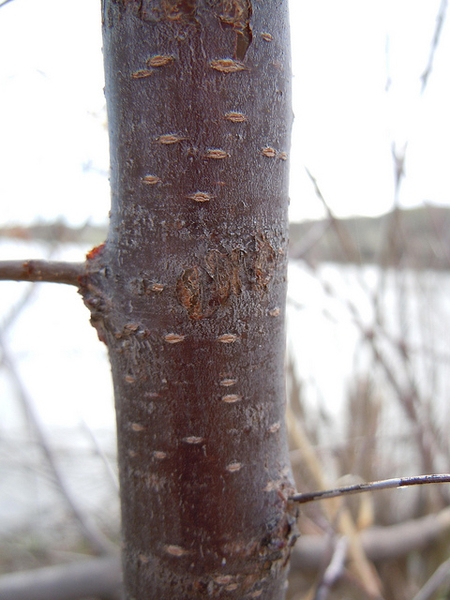
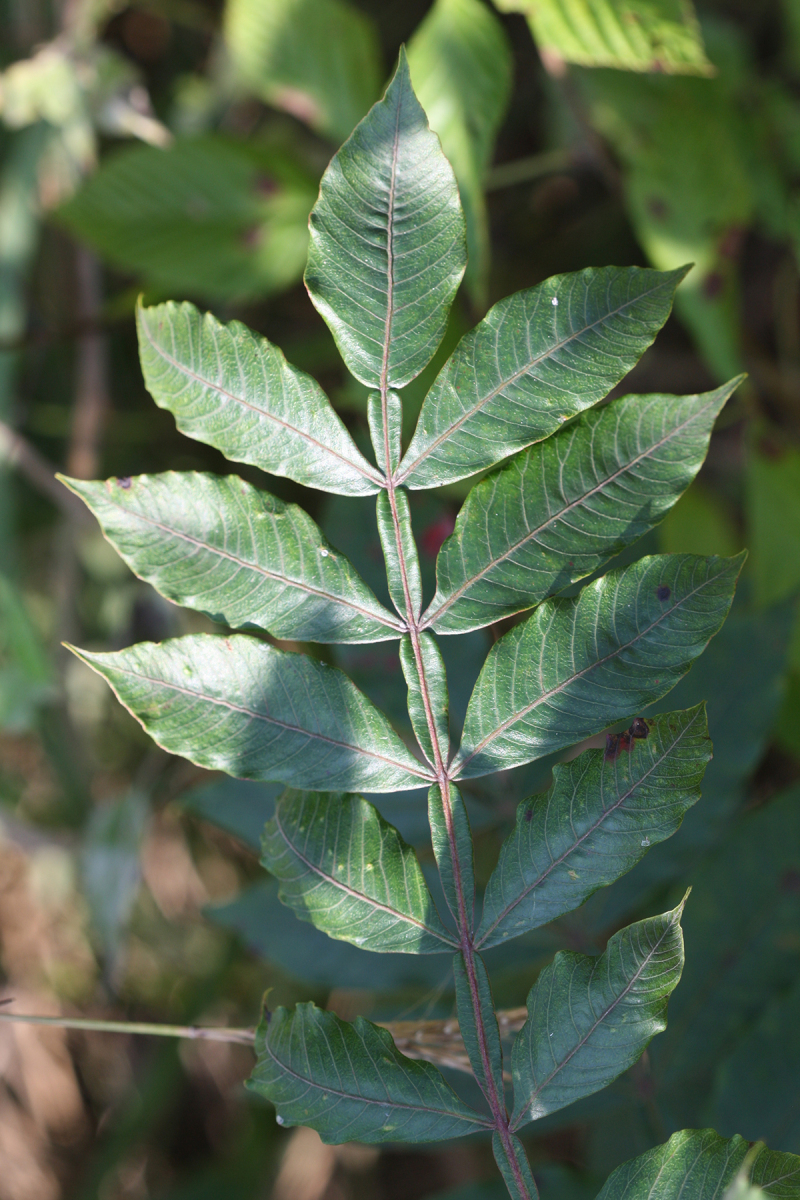
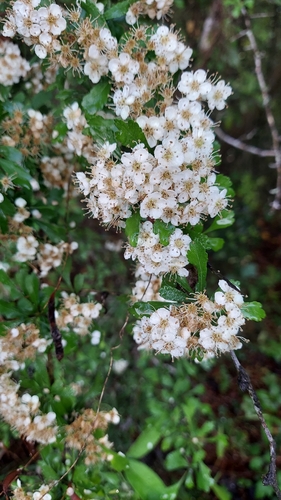
No recorded swaps for this county. Try the garden finder.
At a glance
- Life cycle
- Woody perennial
- Leaves
- Deciduous
- Bloom
- May to August
- Fruiting season
- July to October
Recorded in 10 Florida counties.
Natural habitats
Places it grows wild. Not a planting requirement. Each habitat page lists the plants and wildlife also found there.
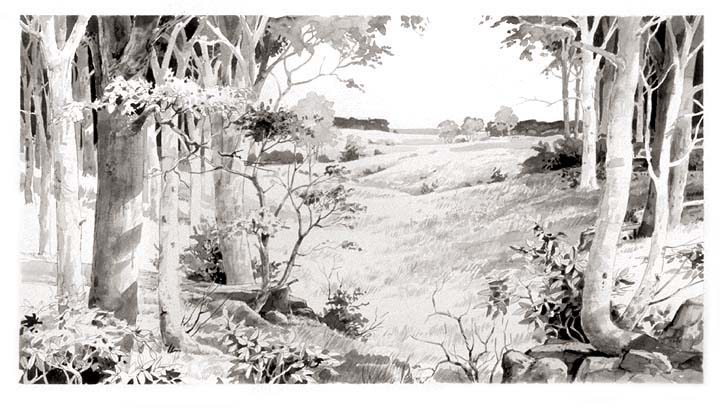
Open sand of beaches, dunes and the hollows between them.
Who uses this plant?
 25CaterpillarsGenus host records with ranges including FL
Genus host records with ranges including FL · Ficus
- Acharia stimuleaSaddleback Caterpillar Moth
- Amyelois transitellaNavel Orangeworm
- Automeris ioIo Moth
- Banisia myrsusalisSapodilla Borer Moth
- Eacles imperialisImperial Moth, Imperial Spiny Caterpillar
- Erechthias minusculaCaribbean Scavenger Moth
- Euclea delphiniiSpiny Oak-Slug Moth
- Glyphodes pyloalisBeautiful Glyphodes, Mulberry Moth
- Hemerophila divaDiva Hemerophila Moth
- Hyphantria cuneaFall Webworm
Show all 25
- Lymire edwardsiiEdwards' Wasp Moth
- Marpesia eleucheaAntillean Daggerwing
- Marpesia petreusRuddy Daggerwing
- Megalopyge opercularisSouthern Flannel Moth, Puss Caterpillar
- Orgyia leucostigmaWhite-Marked Tussock Moth
- Pachylia ficusFig Sphinx, Large Fig Hornworm
- Platynota rostranaOmnivorous Platynota
- Prionoxystus robiniaeCarpenterworm Moth, Black Locust Borer, Cottonwood Borer
- Spodoptera frugiperdaFall Armyworm Moth
- Spodoptera latifasciaOrange-Striped Armyworm, Velvet Armyworm Moth
- Spodoptera ornithogalliYellow-Striped Armyworm Moth, Cotton Cutworm
- Tortyra slossoniaSlosson's Metalmark Moth, Ficus Budworm
- Azochis rufidiscalis
- Ornarantia dyari
- Tortyra iocyaneus
 —BeesSoutheastern regional records
 —Specialist beesPollen specialists
 12BirdsRecorded genus food-resource interactions; not a state feeding claim
Recorded genus food-resource interactions; not a state feeding claim · Ficus
- Aphelocoma californicaCalifornia Scrub-Jay
- Catharus guttatusHermit Thrush
- Catharus ustulatusSwainson's Thrush
- Icterus bullockiiBullock's Oriole
- Melospiza melodiaSong Sparrow
- Patagioenas leucocephalaWhite-crowned Pigeon
- Pheucticus melanocephalusBlack-headed Grosbeak
- Pipilo maculatusSpotted Towhee
- Sialia mexicanaWestern Bluebird
- Turdus migratoriusAmerican Robin
Show all 12
- Tyrannus tyrannusEastern Kingbird
- Zonotrichia leucophrysWhite-crowned Sparrow
Direct food only: birds recorded eating this genus across North America. Caterpillars on host plants also feed nesting birds. NC Native Plant Society: butterfly gardening
Plant details
- Family
- Moraceae
- Hardiness
- Zones 7a–10b
- Soil pH
- Acidic to neutral
- Flower color
- Green
- Fruit begins
- July
- Fruit ends
- October
Safety has not been reviewed for this plant; check toxicity and thorns before planting.
Growing sources and scope
- Bloom · “May to August” · FloraQuest: Carolinas, Georgia (Southeastern Flora Team), phone app (app page) · Carolinas and Georgia
- Flower color · “Green” · NC Extension Plant Toolbox
- Fruit begins · “July” · FloraQuest: Carolinas, Georgia (Southeastern Flora Team), phone app (app page) · Carolinas and Georgia
- Fruit ends · “October” · FloraQuest: Carolinas, Georgia (Southeastern Flora Team), phone app (app page) · Carolinas and Georgia
- Hardiness · “Zones 7a–10b” · NC Extension Plant Toolbox
- Height · “10–30 feet” · NC Extension Plant Toolbox
- Leaves · “Deciduous” · NC Extension Plant Toolbox
- Life cycle · “Woody perennial” · NC Extension Plant Toolbox
- Light · “Full sun (6 or more hours of direct sunlight a day); Partial shade (direct sunlight only part of the day, 2-6 hours)” · NC Extension Plant Toolbox
- primary_flower_color · “green” · NC Extension Plant Toolbox
- Soil · “Moist” · NC Extension Plant Toolbox
- Soil pH · “Acidic to neutral” · NC Extension Plant Toolbox
- Spread · “10–30 feet” · NC Extension Plant Toolbox
Also known as
Edible Fig; Fig; Garden Fig
Conservation status
| Florida rank | SNA |
|---|---|
| Global rank | GNR |
| FL status | Not verified |
| Federal status | Not verified |
Sources
- Atlas of Florida Plants
- USDA PLANTS
- FloraQuest: Carolinas, Georgia (Weakley), phone app (app page)
- FloraQuest: Florida (Weakley), phone app (app page)
- NatureServe Explorer
- Shropshire & Tallamy 2025, Lepidoptera of North America north of Mexico, ZooKeys 1261 (ODbL)
- Noori, Seltmann & Orr 2026, A curated and integrated dataset for exploring global bee-plant interactions (GloBI), Zenodo, CC BY 4.0
- Smith, Bachelder, Russell, Morales, Mosher & Seltmann 2024, Bee-Specialization-Modeling v0.6.1 (specialist host table compiled from J. Fowler's pollen specialist bee lists), Zenodo, CC BY 4.0
- Hurlbert, Olsen, Sawyer & Winner 2021, Avian Diet Database, Scientific Data 8: 260 (CC0)
- Narango, Tallamy & Shropshire 2020, Few keystone plant genera support the majority of Lepidoptera species, Nature Communications