

Strangler Fig
Ficus aurea
Found in hammocks, strand swamps. Often seen girdling bald cypress. Weakley, Flora of the Southeastern United States (2025), Florida edition What its natural habitat tells you
Native to Florida. How scores work Is it native here?
Profile 24%
Will it fit your yard?No photograph yet. Looking for an old drawing…
At a glance
Not yet recorded · Height · Spread · Light · Soil · Life cycle · Leaves · Bloom
This plant is missing most of its facts, so Quercus is looking them up in old botany books.
Recorded in 26 Florida counties.
Natural habitats
Places it grows wild. Not a planting requirement. Each habitat page lists the plants and wildlife also found there.
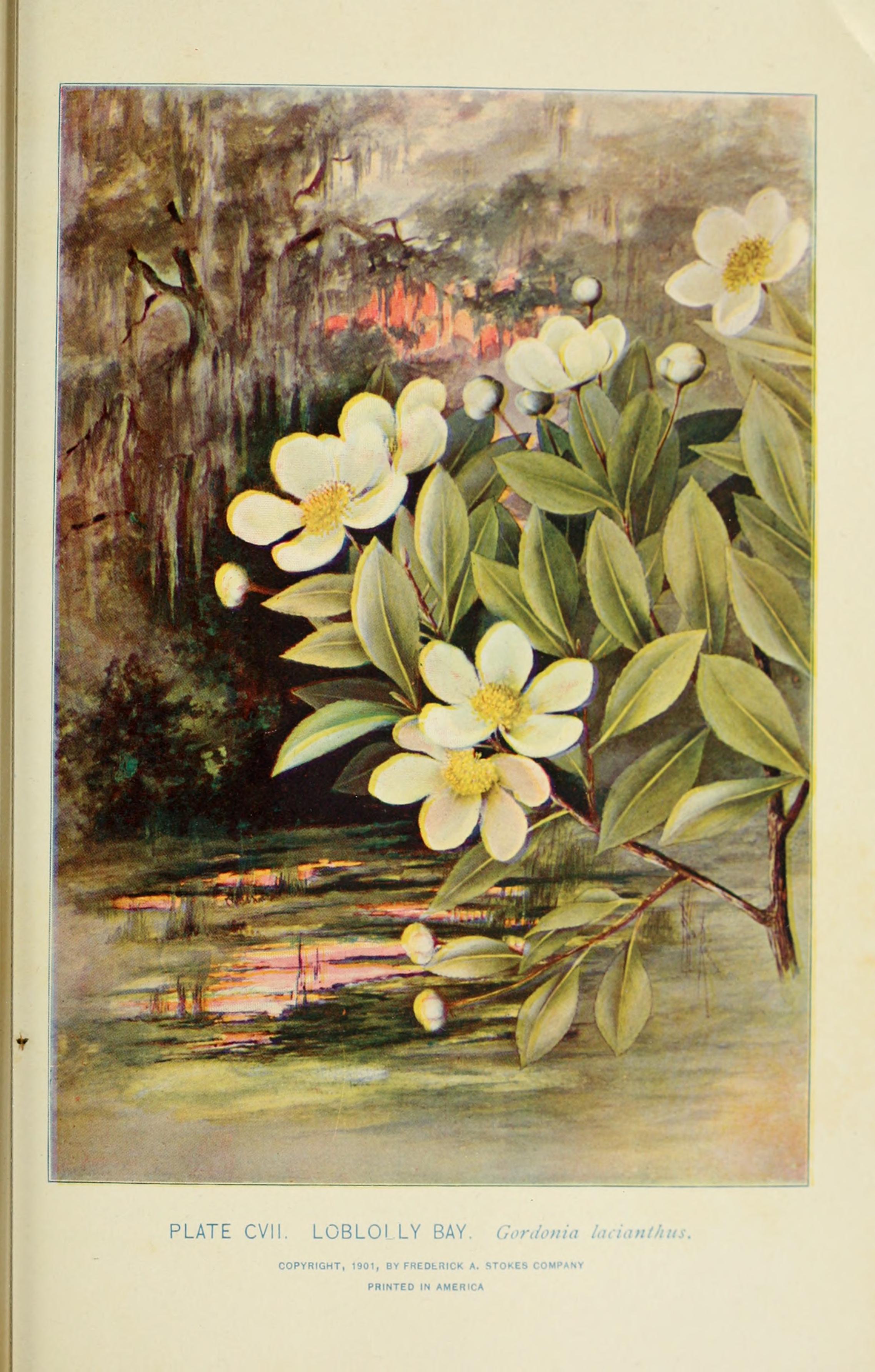
Dense, evergreen groves of live oak, magnolia and other hardwoods in the southern Coastal Plain, from dry oak domes to wet hydric hammocks and south Florida's tropical hammocks; salt-shaped maritime hammocks are maritime forests.
Also found with this plant
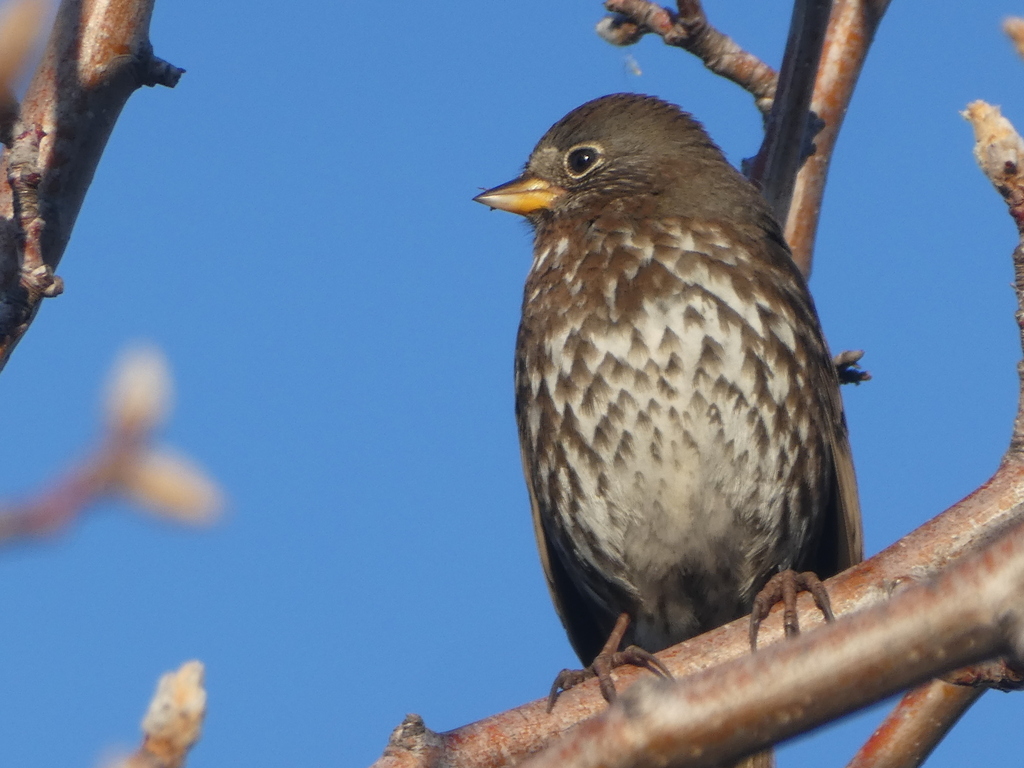
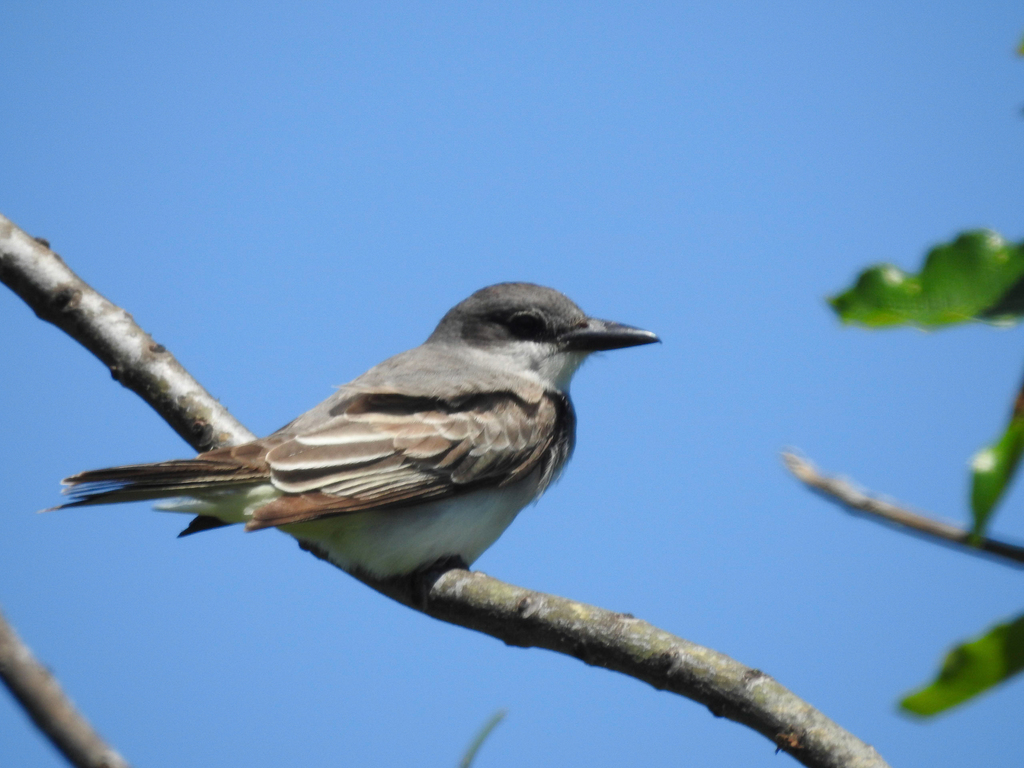
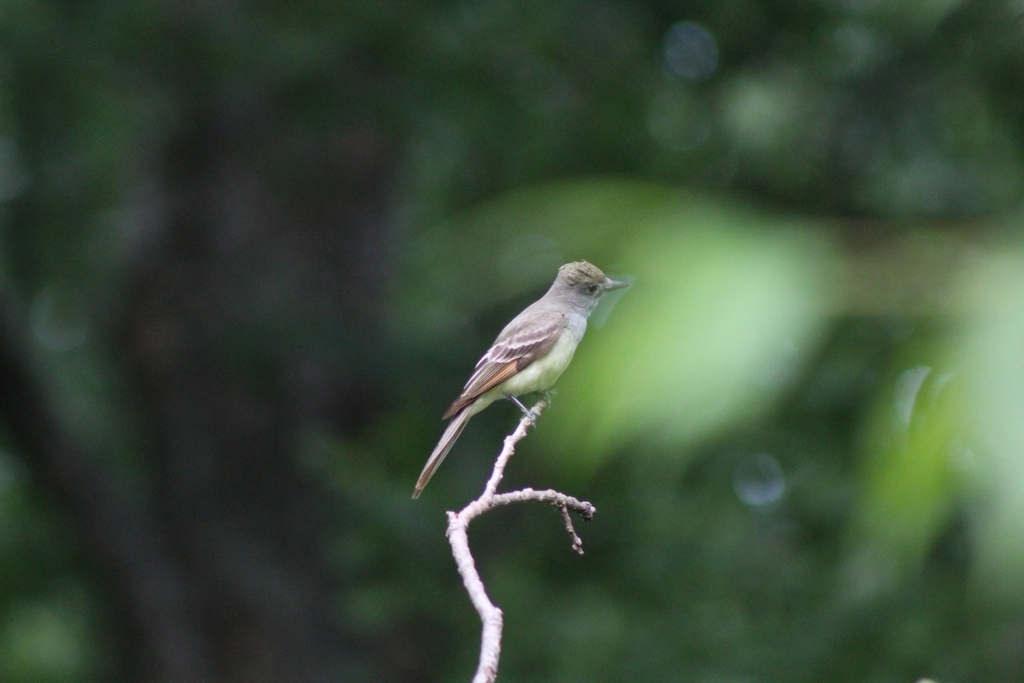
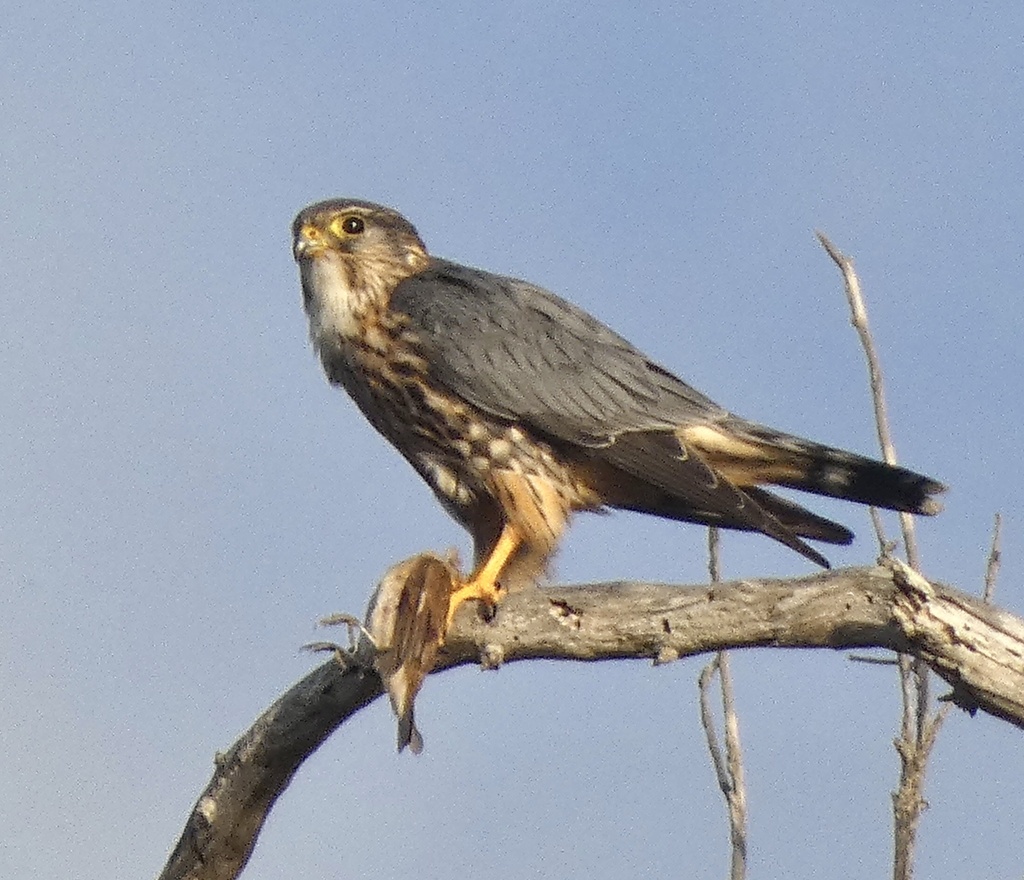
Wildlife whose habitat models include habitats this plant grows in, in Florida. Shared habitat, not food. 159 animals.
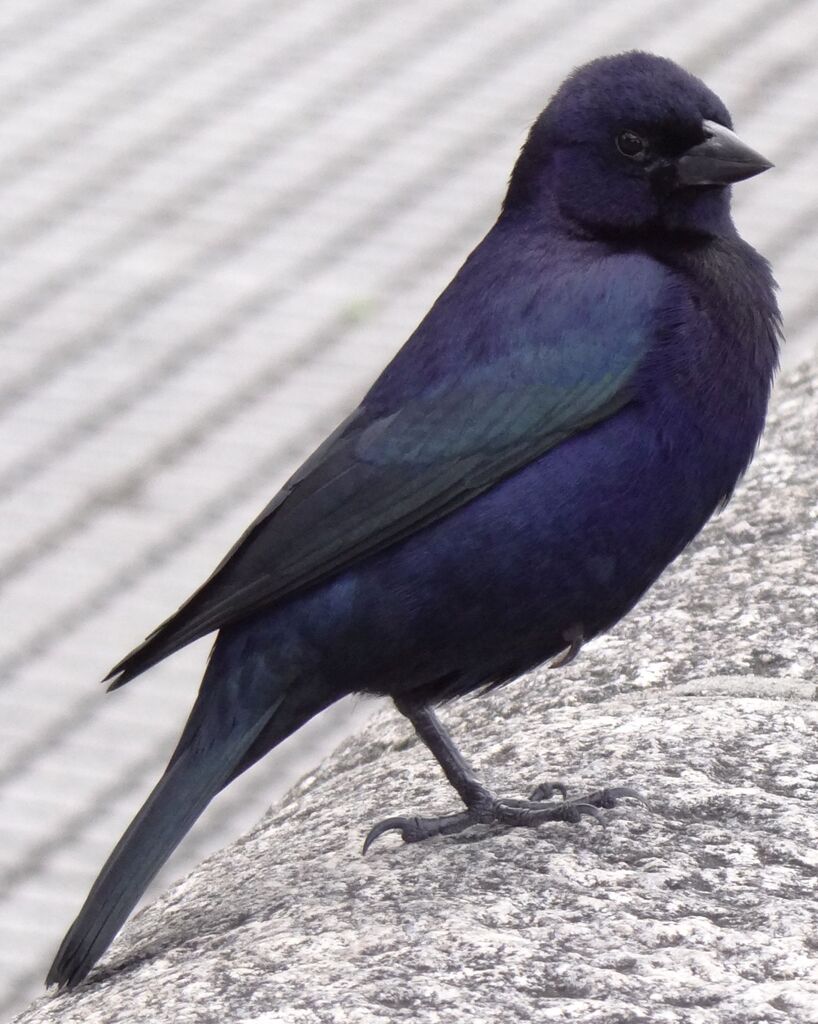
- Shiny CowbirdMolothrus bonariensis
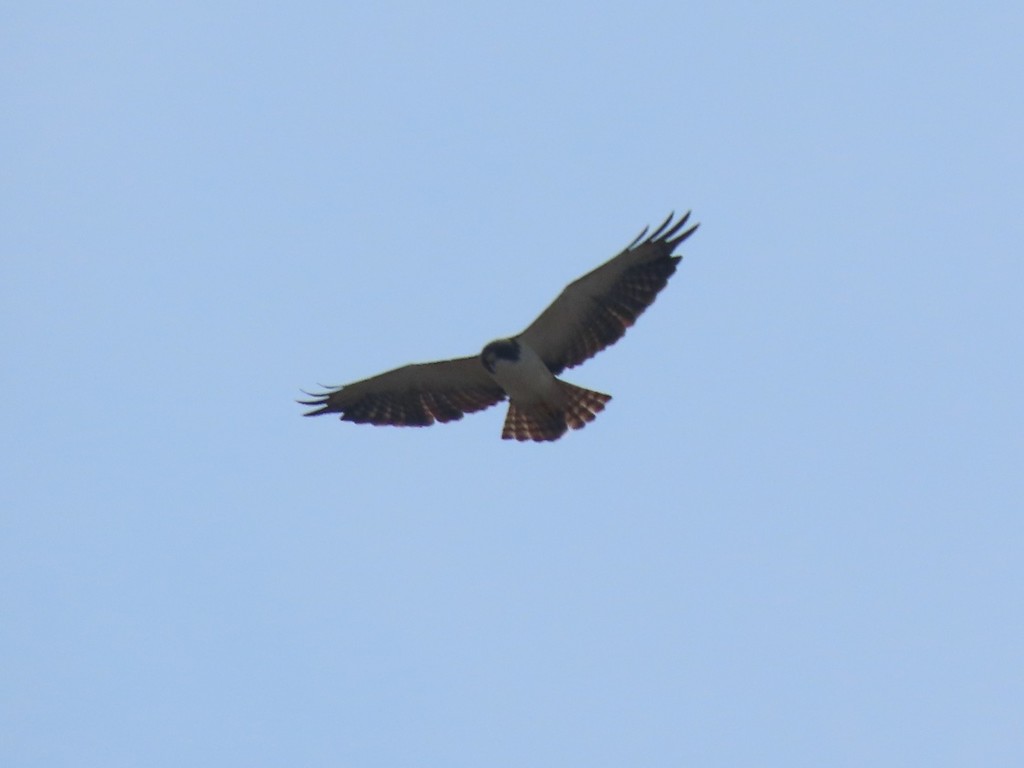
- Short-tailed HawkButeo brachyurus
- Song SparrowMelospiza melodia
- Tufted TitmouseBaeolophus bicolor
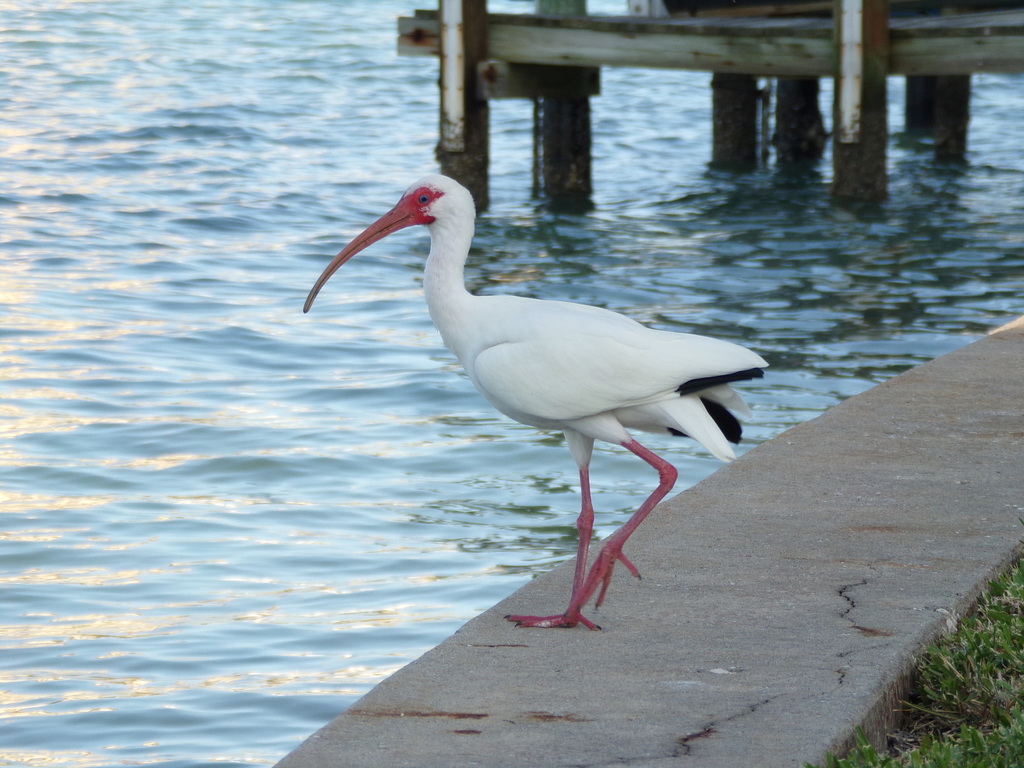
- White IbisEudocimus albus
- Yellow-bellied SapsuckerSphyrapicus varius
- Yellow-billed CuckooCoccyzus americanus
- Baltimore OrioleIcterus galbula
- Black-whiskered VireoVireo altiloquus
- Brown ThrasherToxostoma rufum
- Chimney SwiftChaetura pelagica
- Chipping SparrowSpizella passerina
- Common Ground-doveColumbina passerina
- Common MynaAcridotheres tristis
- Fish CrowCorvus ossifragus
- Fox SparrowPasserella iliaca
- Gray KingbirdTyrannus dominicensis
- Great Crested FlycatcherMyiarchus crinitus
- MerlinFalco columbarius
- Northern BobwhiteColinus virginianus
- OvenbirdSeiurus aurocapilla
- Prairie WarblerDendroica discolor
- Red-crowned ParrotAmazona viridigenalis
- Snail KiteRostrhamus sociabilis





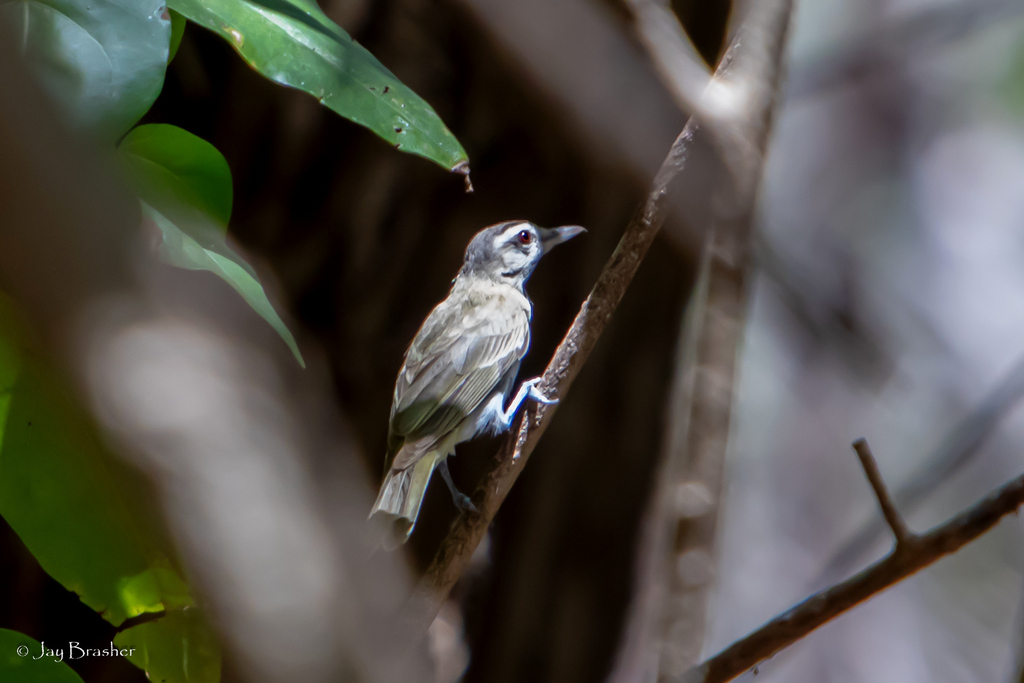



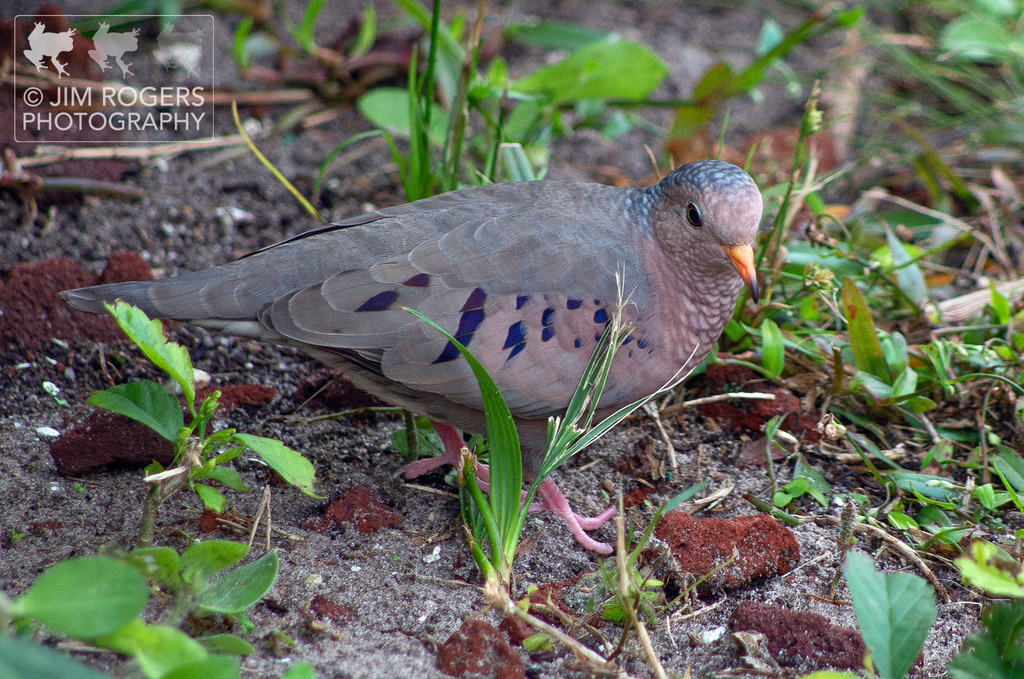
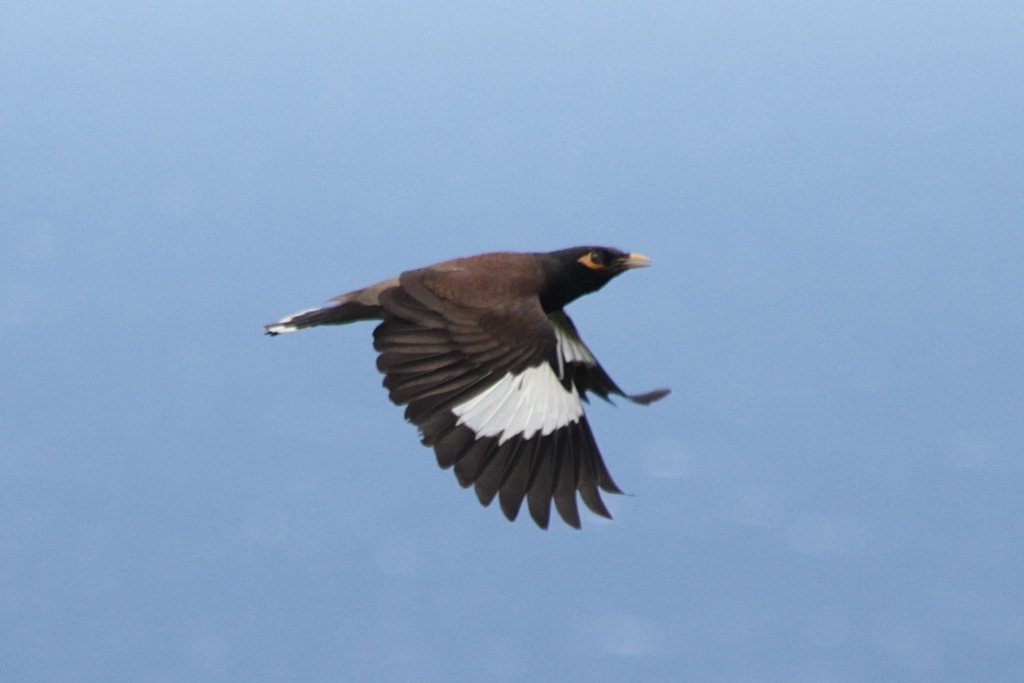
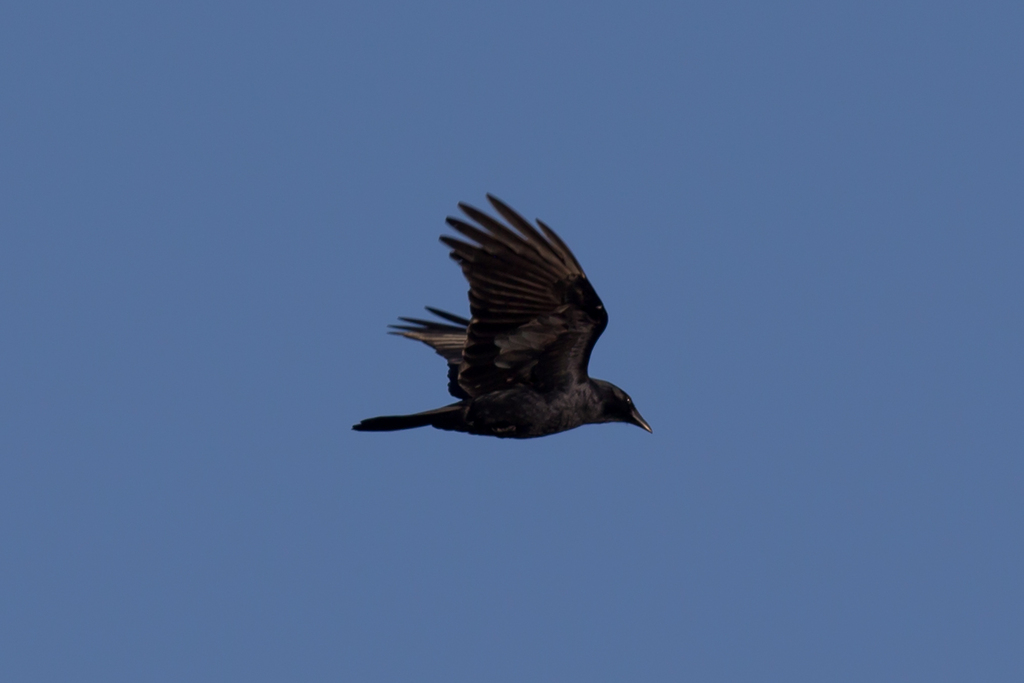
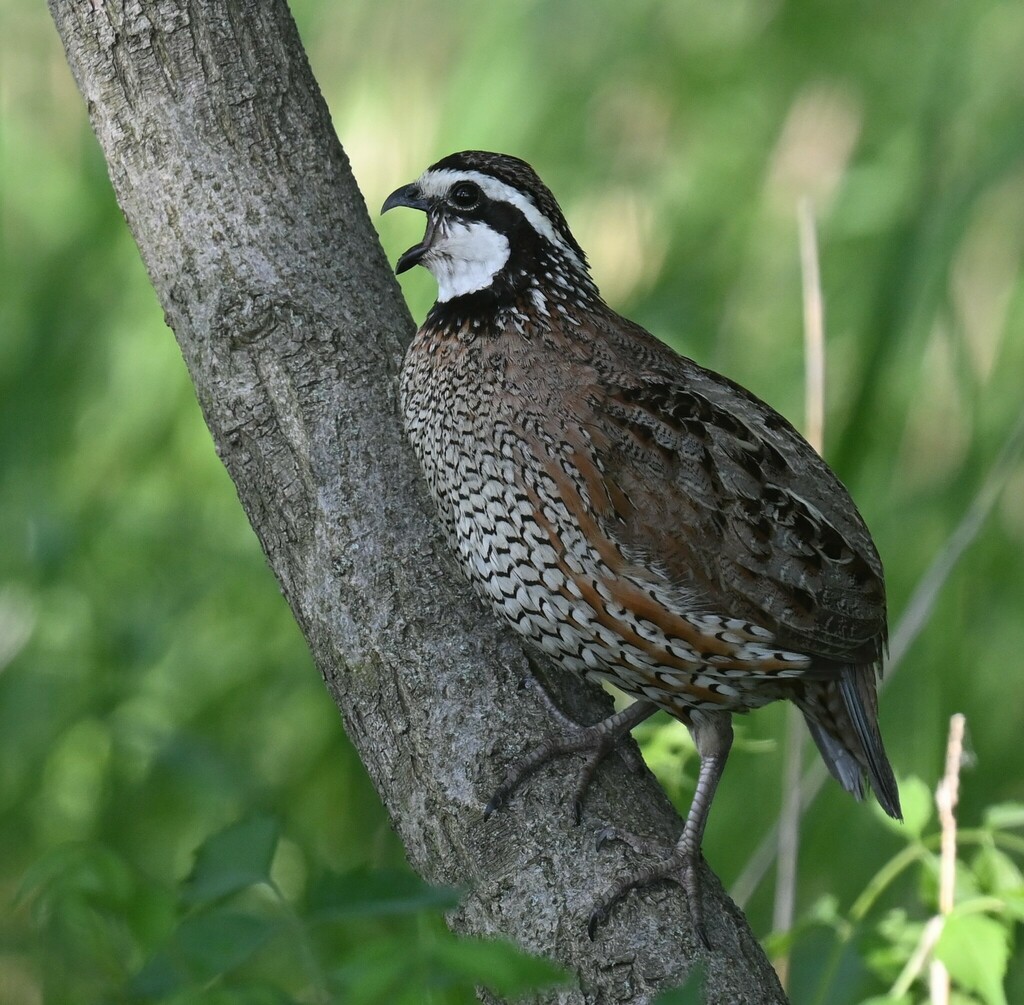

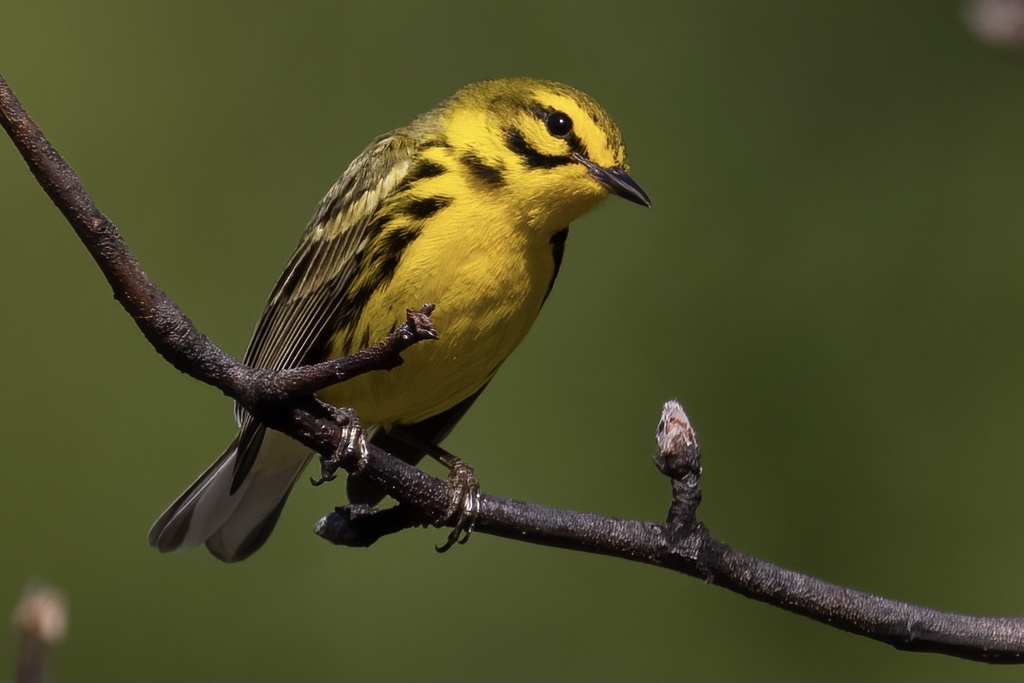
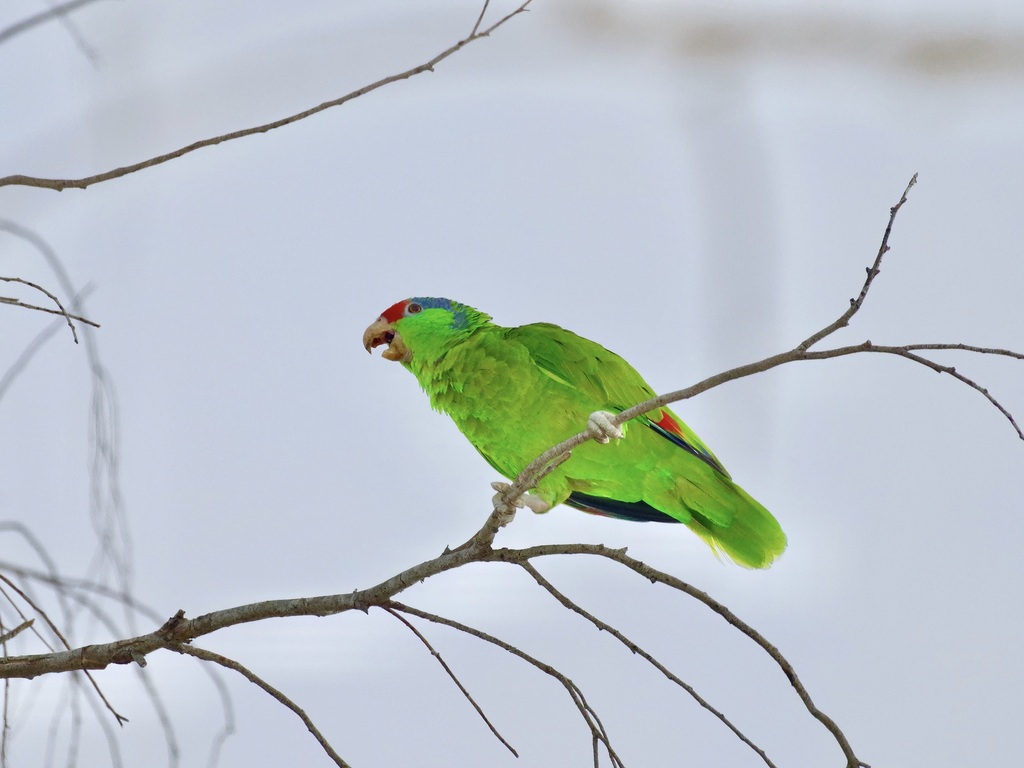
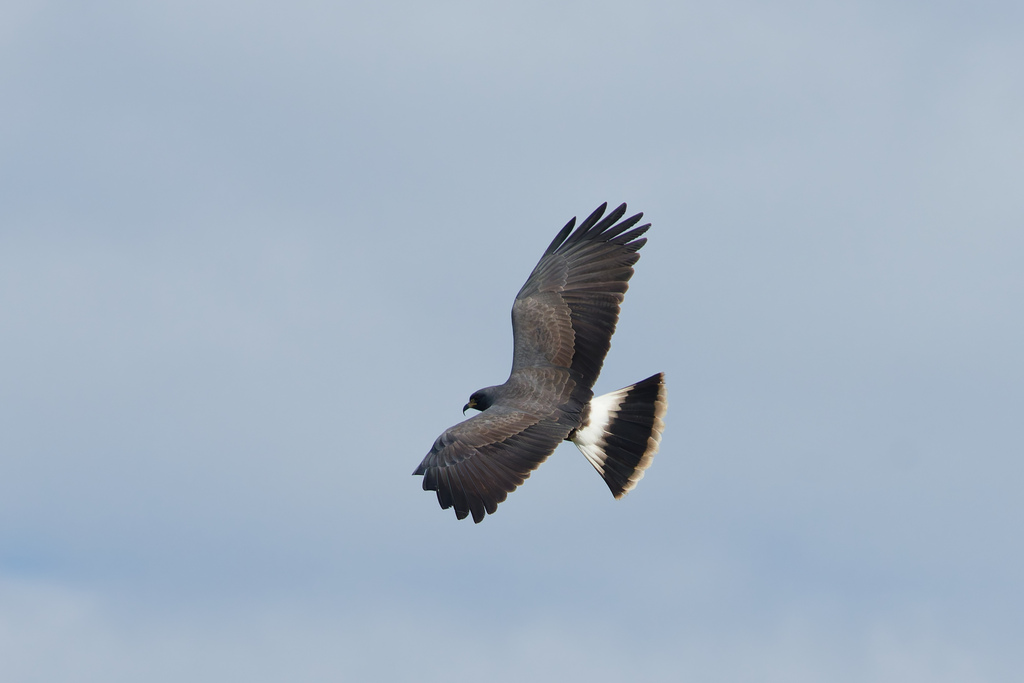
Who uses this plant?
 25CaterpillarsGenus host records with ranges including FL
Genus host records with ranges including FL · Ficus
- Acharia stimuleaSaddleback Caterpillar Moth
- Amyelois transitellaNavel Orangeworm
- Automeris ioIo Moth
- Banisia myrsusalisSapodilla Borer Moth
- Eacles imperialisImperial Moth, Imperial Spiny Caterpillar
- Erechthias minusculaCaribbean Scavenger Moth
- Euclea delphiniiSpiny Oak-Slug Moth
- Glyphodes pyloalisBeautiful Glyphodes, Mulberry Moth
- Hemerophila divaDiva Hemerophila Moth
- Hyphantria cuneaFall Webworm
Show all 25
- Lymire edwardsiiEdwards' Wasp Moth
- Marpesia eleucheaAntillean Daggerwing
- Marpesia petreusRuddy Daggerwing
- Megalopyge opercularisSouthern Flannel Moth, Puss Caterpillar
- Orgyia leucostigmaWhite-Marked Tussock Moth
- Pachylia ficusFig Sphinx, Large Fig Hornworm
- Platynota rostranaOmnivorous Platynota
- Prionoxystus robiniaeCarpenterworm Moth, Black Locust Borer, Cottonwood Borer
- Spodoptera frugiperdaFall Armyworm Moth
- Spodoptera latifasciaOrange-Striped Armyworm, Velvet Armyworm Moth
- Spodoptera ornithogalliYellow-Striped Armyworm Moth, Cotton Cutworm
- Tortyra slossoniaSlosson's Metalmark Moth, Ficus Budworm
- Azochis rufidiscalis
- Ornarantia dyari
- Tortyra iocyaneus
 1BeesSoutheastern regional records
Southeastern regional records · Ficus
Individual names are not available yet.
Noori, Seltmann & Orr 2026, A curated and integrated dataset for exploring global bee-plant interactions (GloBI), Zenodo, CC BY 4.0 0Specialist beesPollen specialists
 12BirdsRecorded genus food-resource interactions; not a state feeding claim
Recorded genus food-resource interactions; not a state feeding claim · Ficus
- Aphelocoma californicaCalifornia Scrub-Jay
- Catharus guttatusHermit Thrush
- Catharus ustulatusSwainson's Thrush
- Icterus bullockiiBullock's Oriole
- Melospiza melodiaSong Sparrow
- Patagioenas leucocephalaWhite-crowned Pigeon
- Pheucticus melanocephalusBlack-headed Grosbeak
- Pipilo maculatusSpotted Towhee
- Sialia mexicanaWestern Bluebird
- Turdus migratoriusAmerican Robin
Show all 12
- Tyrannus tyrannusEastern Kingbird
- Zonotrichia leucophrysWhite-crowned Sparrow
Direct food only: birds recorded eating this genus across North America. Caterpillars on host plants also feed nesting birds. NC Native Plant Society: butterfly gardening
No records yet · Ants · Beetles · Flies · Adult butterflies / moths · Other wasps · Other insects
Plant details
- Family
- Moraceae
Safety has not been reviewed for this plant; check toxicity and thorns before planting.
Conservation status
| Florida rank | S4 |
|---|---|
| Global rank | Not available |
| FL status | Not verified |
| Federal status | Not verified |
Will it fit your yard?
Check this plant against your county, sun and soil moisture. Conditions are checked in your browser.
Sources
- Atlas of Florida Plants
- Weakley, Flora of the Southeastern United States (2025), Florida edition
- NatureServe Explorer
- Shropshire & Tallamy 2025, Lepidoptera of North America north of Mexico, ZooKeys 1261 (ODbL)
- Noori, Seltmann & Orr 2026, A curated and integrated dataset for exploring global bee-plant interactions (GloBI), Zenodo, CC BY 4.0
- Smith, Bachelder, Russell, Morales, Mosher & Seltmann 2024, Bee-Specialization-Modeling v0.6.1 (specialist host table compiled from J. Fowler's pollen specialist bee lists), Zenodo, CC BY 4.0
- Hurlbert, Olsen, Sawyer & Winner 2021, Avian Diet Database, Scientific Data 8: 260 (CC0)
- Narango, Tallamy & Shropshire 2020, Few keystone plant genera support the majority of Lepidoptera species, Nature Communications