

Coastal Dune Sandmat
Euphorbia cumulicola
Found in dunes, Florida scrub, scrubby pine flatwoods. Weakley, Flora of the Southeastern United States (2025), Florida edition What its natural habitat tells you
Native to Florida. How scores work Is it native here?
Profile 24%
Will it fit your yard?No photograph yet. Looking for an old drawing…
Rare or protected plant. Specialist conservation planting; excluded from routine garden suggestions. Plant caution source
Hidden from default planting suggestions. Wildlife value and native status remain unchanged.
At a glance
Not yet recorded · Height · Spread · Light · Soil · Life cycle · Leaves · Bloom
This plant is missing most of its facts, so Quercus is looking them up in old botany books.
Recorded in 15 Florida counties.
Natural habitats
Places it grows wild. Not a planting requirement. Each habitat page lists the plants and wildlife also found there.
Open sand of beaches, dunes and the hollows between them.
Evergreen scrub oaks, sand pine and rosemary on deep, white, drought-prone sand ridges, burned rarely but intensely; distinct from the longleaf and turkey oak sandhills.
Flat, sandy Coastal Plain pine woodlands, wetter than sandhills and denser than savannas.
Also found with this plant
Wildlife whose habitat models include habitats this plant grows in, in Florida. Shared habitat, not food. 93 animals.
- Red-tailed HawkButeo jamaicensis
- Red-winged BlackbirdAgelaius phoeniceus
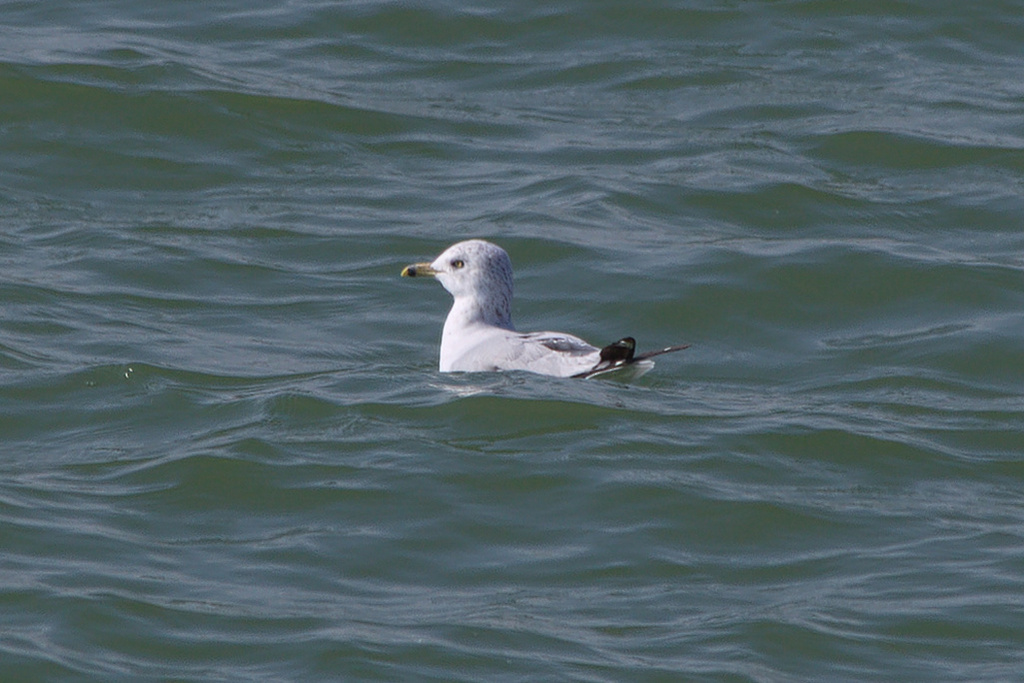
- Ring-billed GullLarus delawarensis
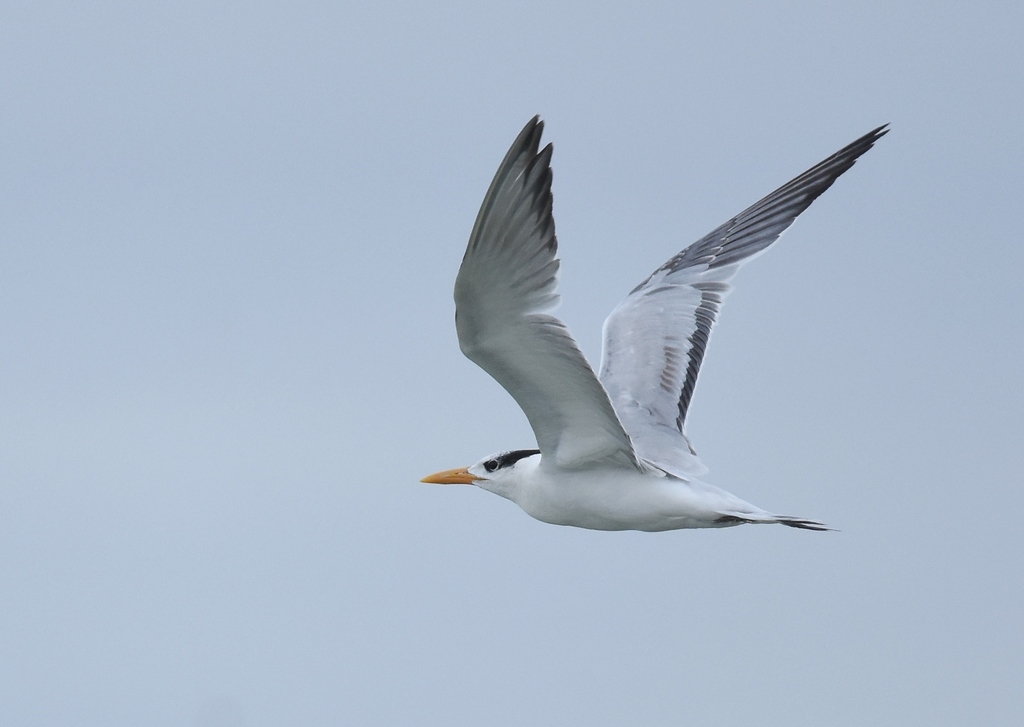
- Royal TernThalasseus maximus
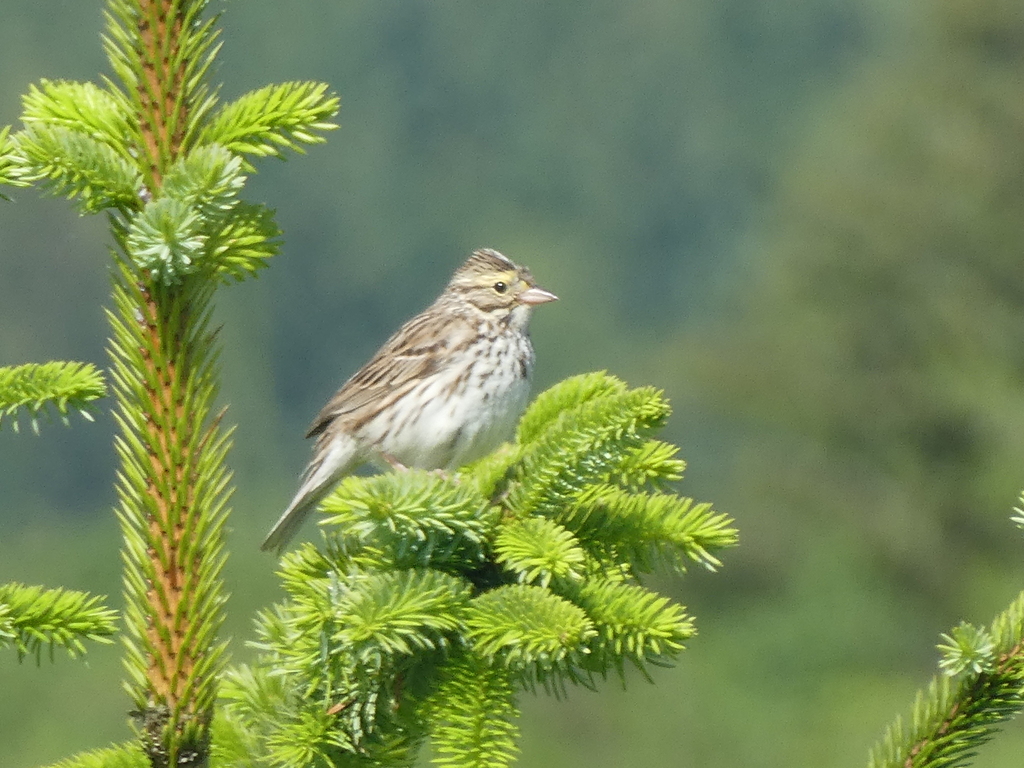
- Savannah SparrowPasserculus sandwichensis
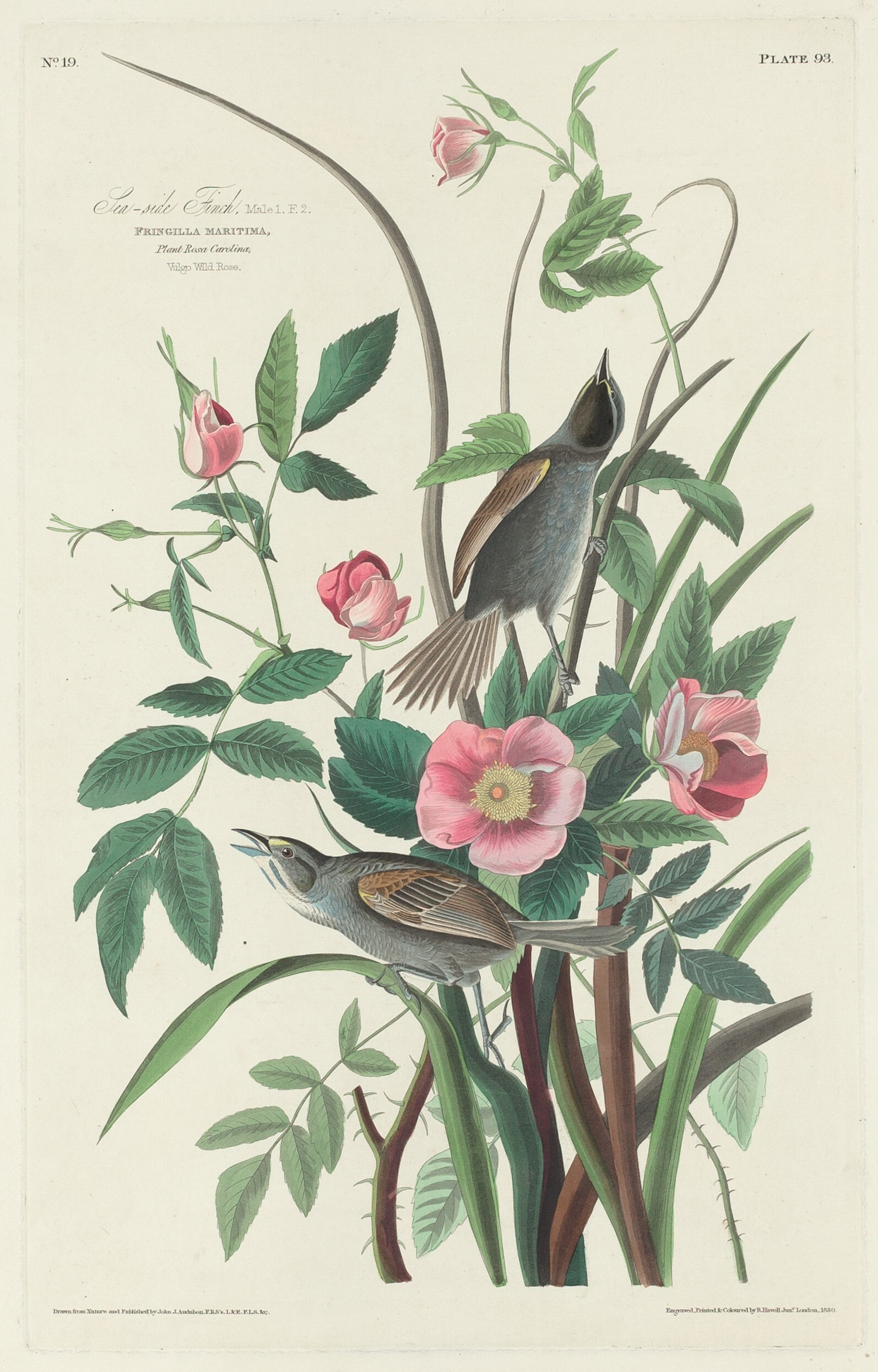
- Seaside SparrowAmmodramus maritimus
- Sharp-shinned HawkAccipiter striatus
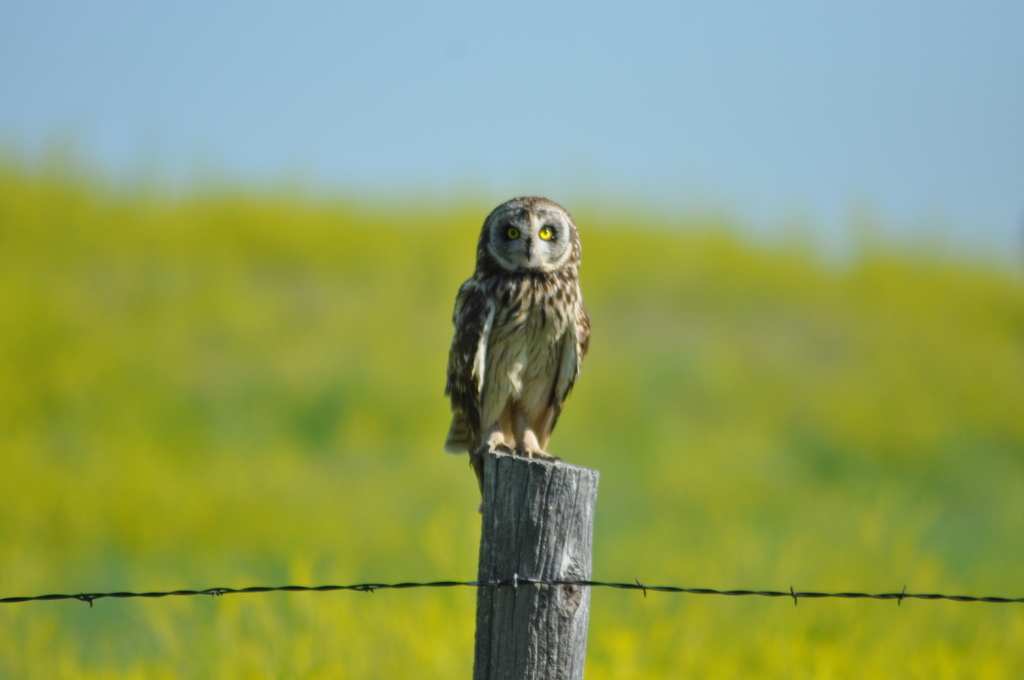
- Short-eared OwlAsio flammeus
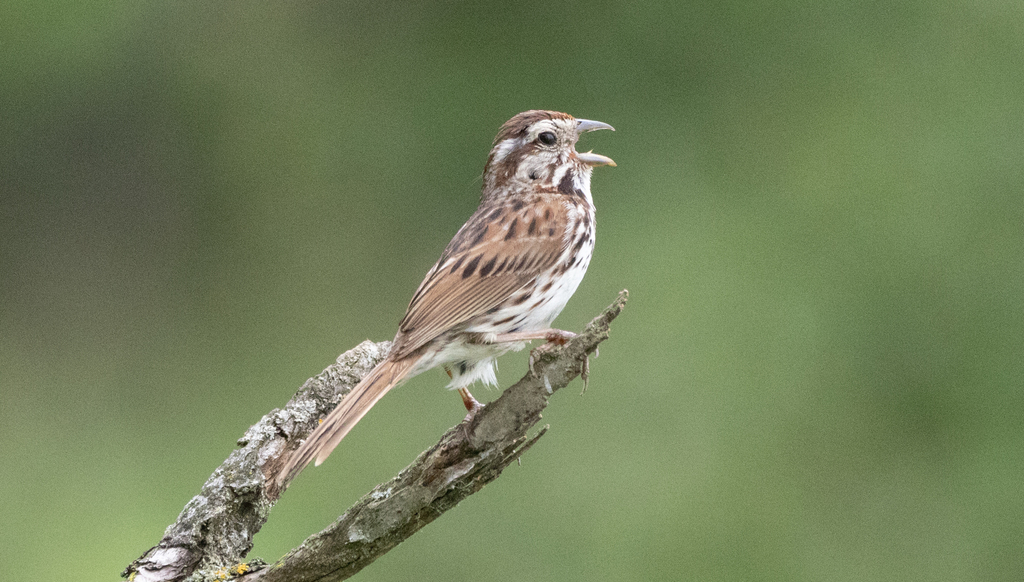
- Song SparrowMelospiza melodia
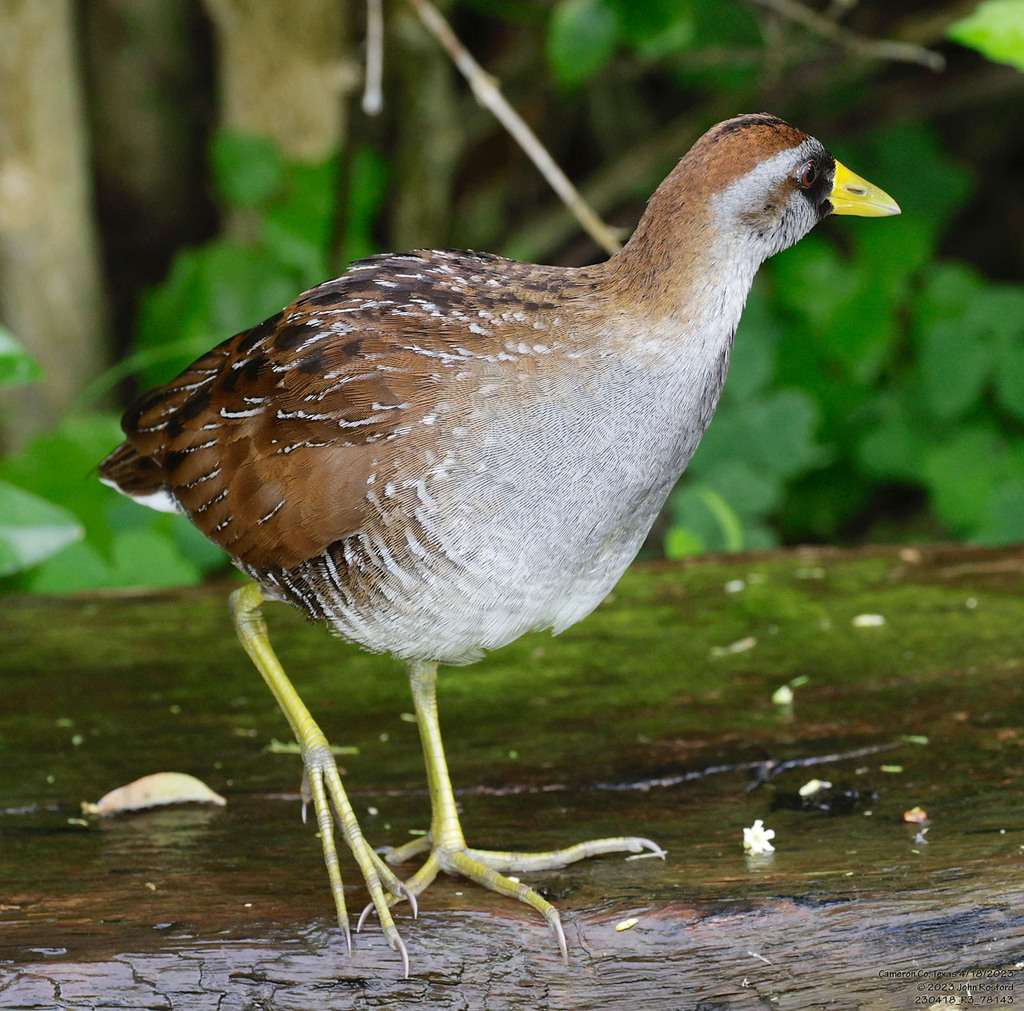
- SoraPorzana carolina
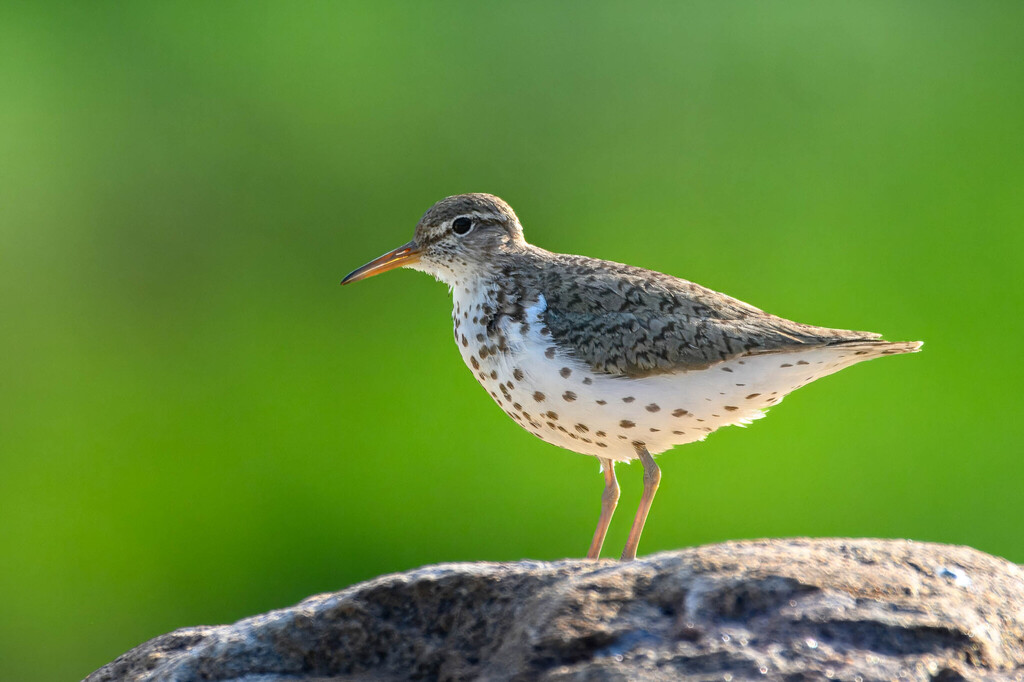
- Spotted SandpiperActitis macularius
- Swallow-tailed KiteElanoides forficatus
- Tree SwallowTachycineta bicolor
- Tricolored HeronEgretta tricolor
- Turkey VultureCathartes aura
- Whooping CraneGrus americana
- WilletTringa semipalmata
- Wilson's PloverCharadrius wilsonia
- Yellow RailCoturnicops noveboracensis
- Yellow-breasted ChatIcteria virens
- Yellow-rumped WarblerDendroica coronata



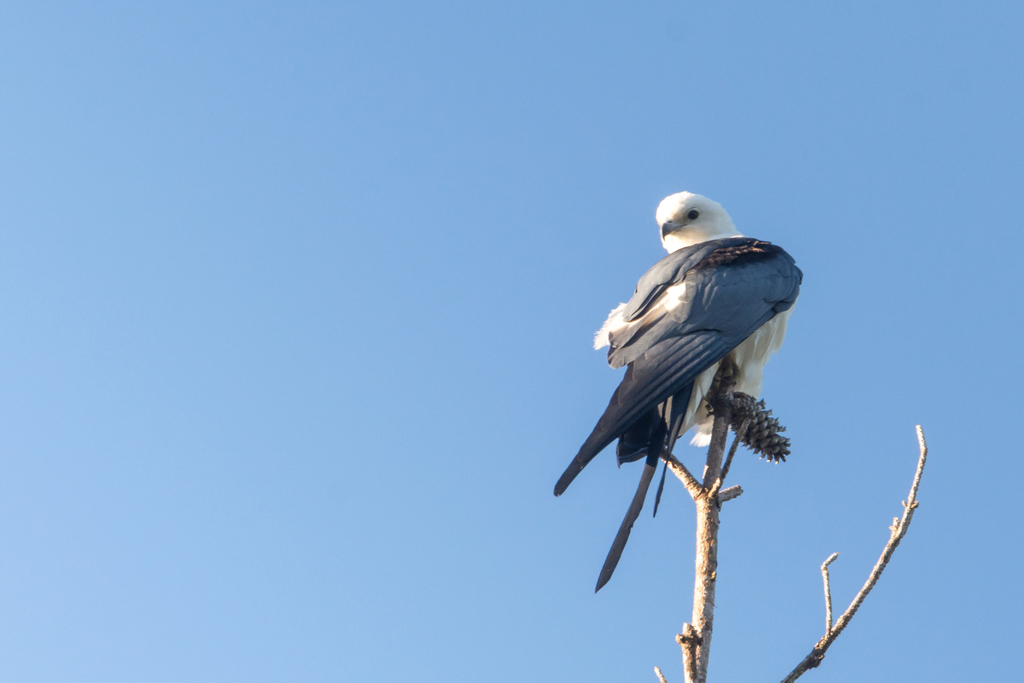
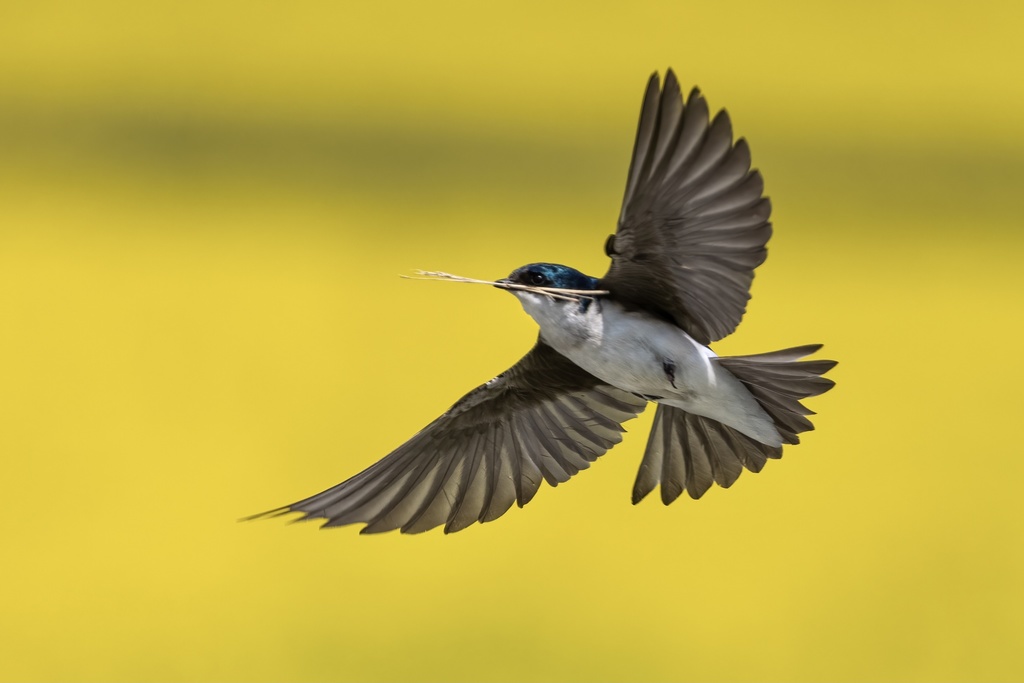
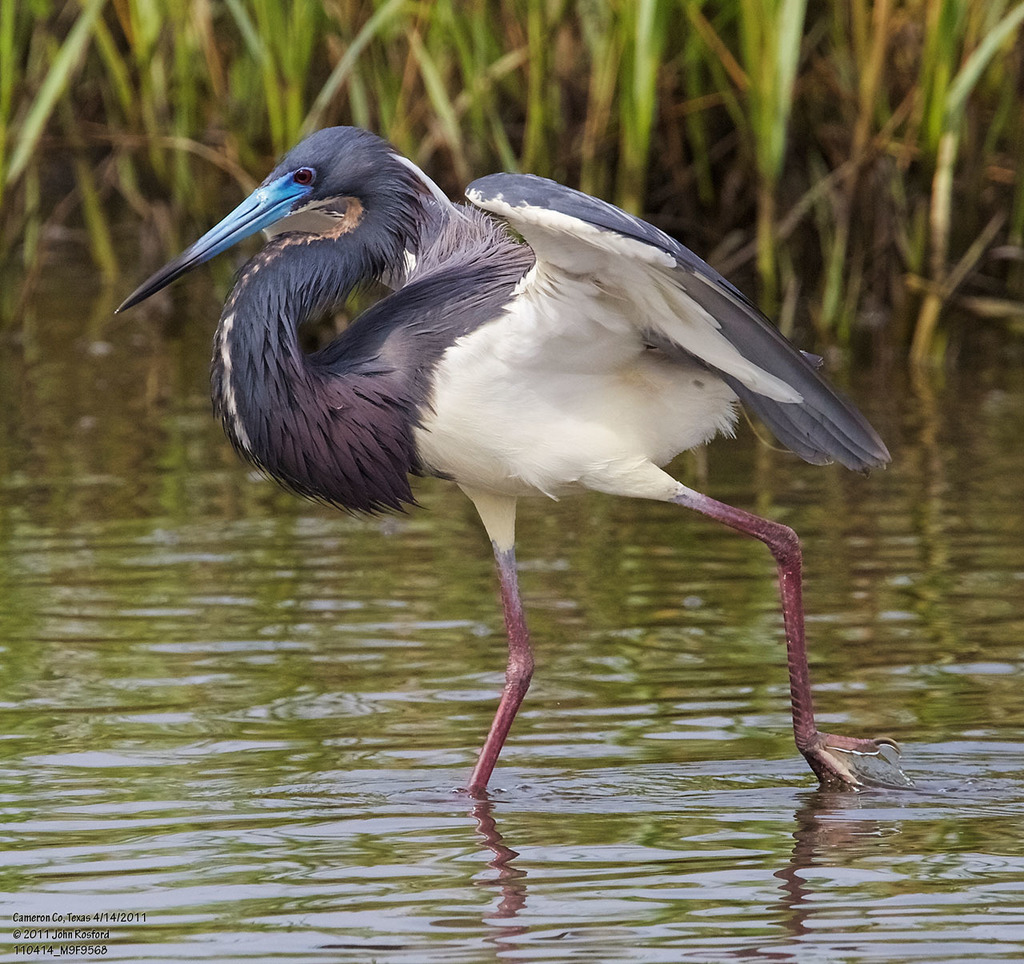

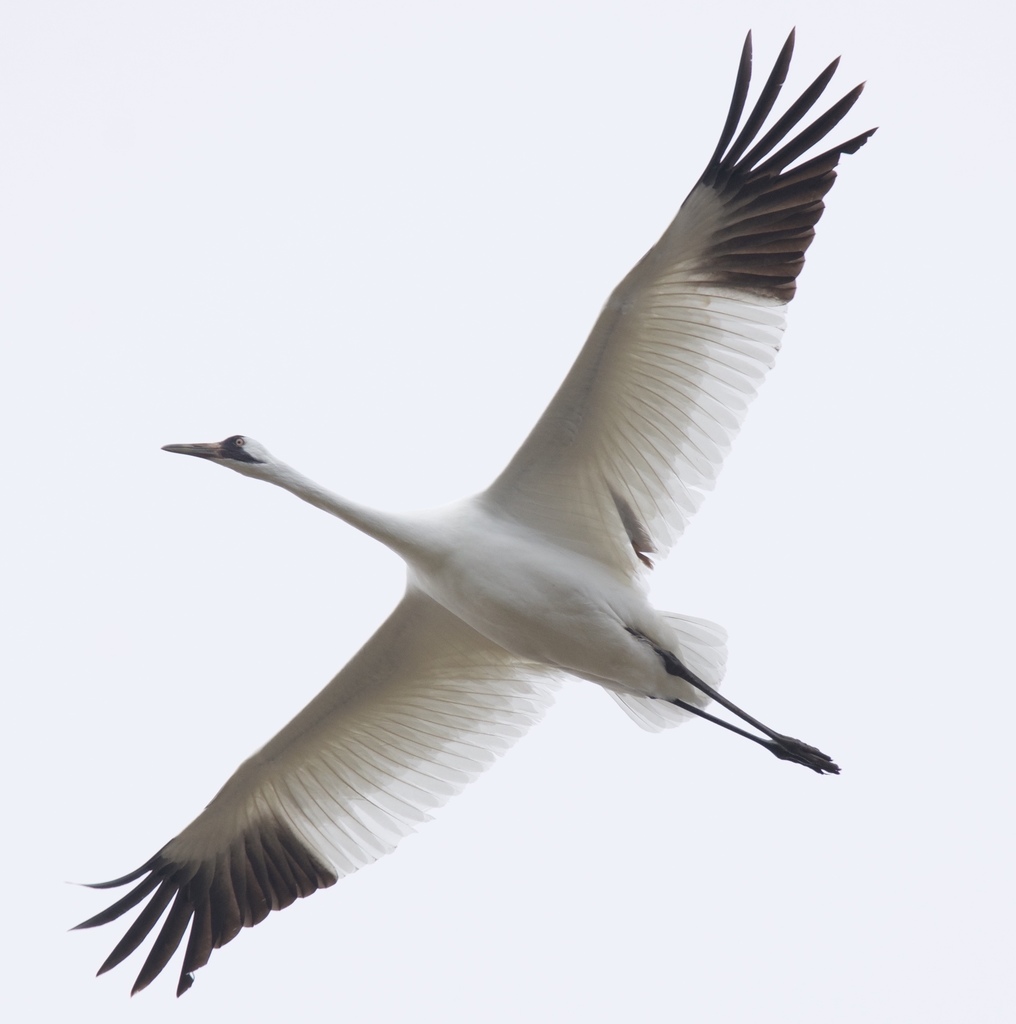
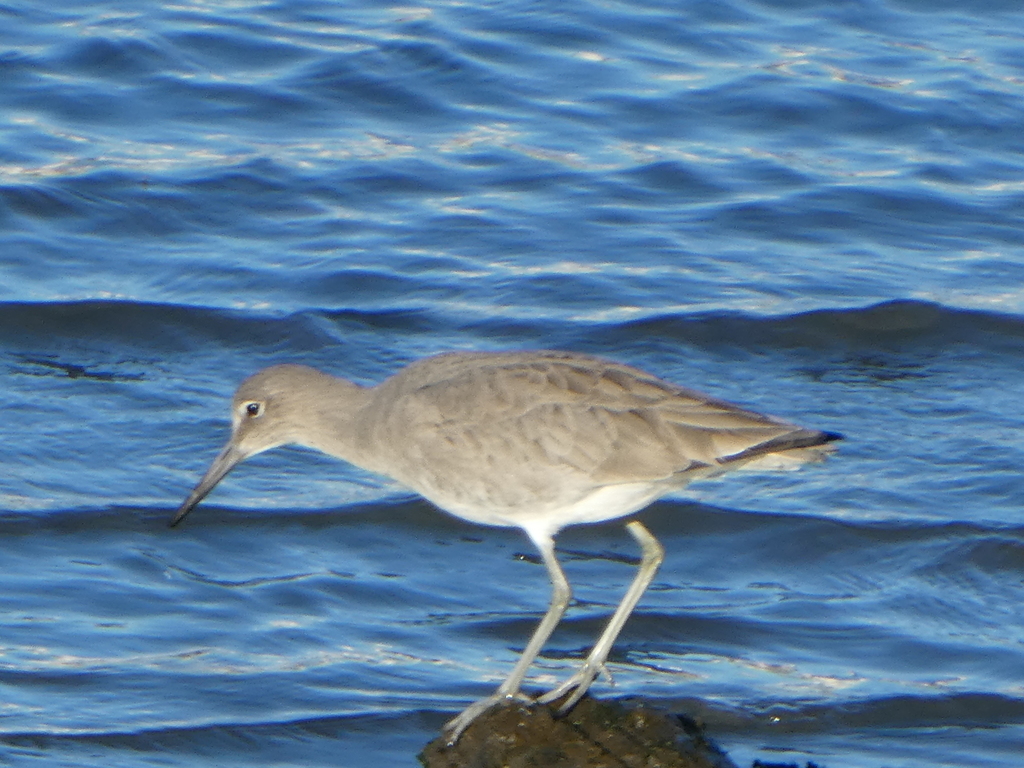
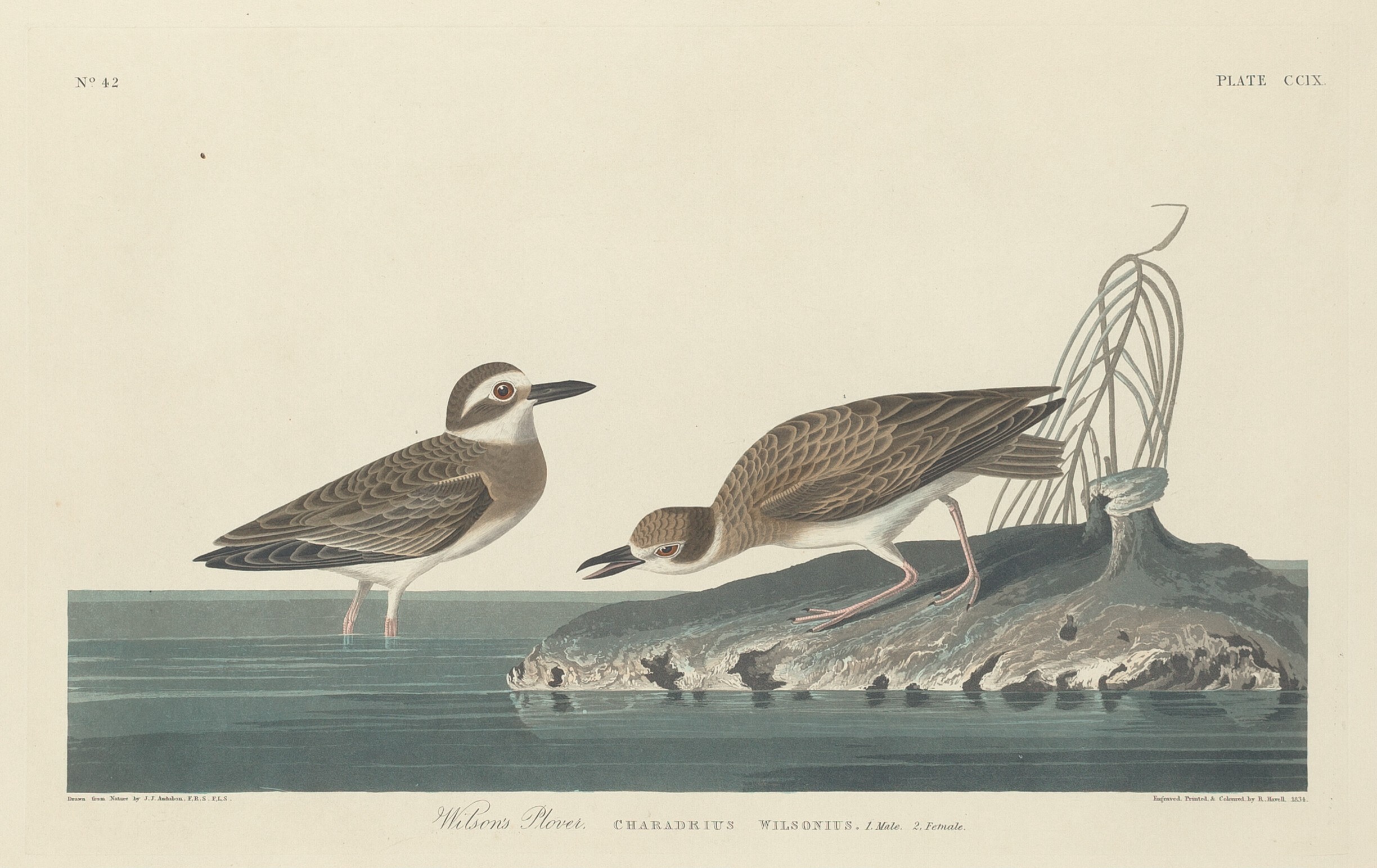
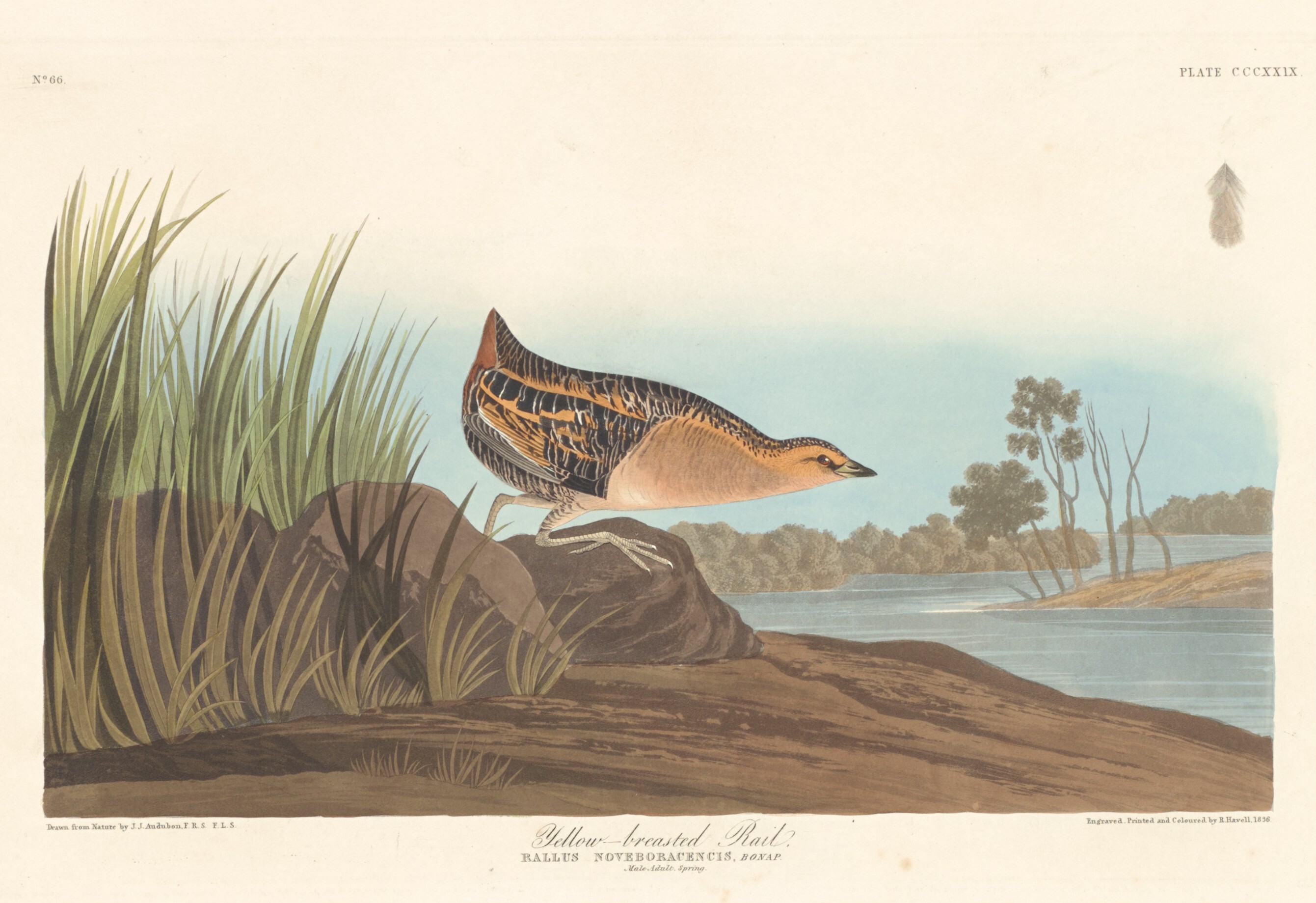

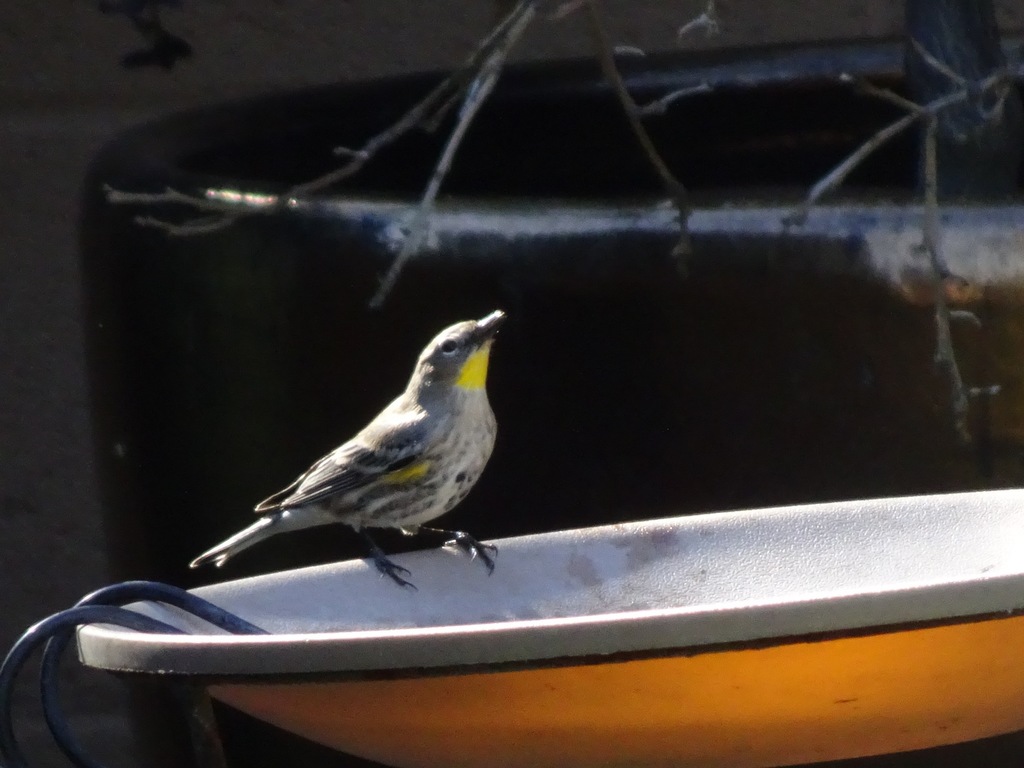
Who uses this plant?
 16CaterpillarsGenus host records with ranges including FL
Genus host records with ranges including FL · Euphorbia
- Automeris ioIo Moth
- Episimus argutanaSumac Leaftier
- Erinnyis alopeAlope Sphinx
- Erinnyis obscuraObscure Sphinx
- Eudryas unioPearly Wood-Nymph
- Eutrapela clematariaCurved-Tooth Geometer, Purplish Brown Looper
- Hypercompe scriboniaGiant Leopard Moth, Great Leopard Moth
- Lobocleta plemyrariaStraight-Lined Wave
- Melanochroia chephiseWhite-Tipped Black Moth, Snowbush Spanworm
- Pygarctia abdominalisYellow-Edged Pygarctia
Show all 16
- Pygarctia spragueiSprague's Pygarctia Moth
- Sparganothis sulfureanaSparganothis Fruitworm Moth, Sulfur Leafroller, False Yellow-Head
- Episimus guiana
- Episimus nesoites
- Ethelgoda texanana
- Ophisma tropicalis
 13BeesSoutheastern regional records
Southeastern regional records · Euphorbia
Individual names are not available yet.
Noori, Seltmann & Orr 2026, A curated and integrated dataset for exploring global bee-plant interactions (GloBI), Zenodo, CC BY 4.0 0Specialist beesPollen specialists
 14BirdsRecorded genus food-resource interactions; not a state feeding claim
Recorded genus food-resource interactions; not a state feeding claim · Euphorbia
- Anthus rubescensAmerican Pipit
- Anthus spragueiiSprague's Pipit
- Calcarius pictusSmith's Longspur
- Callipepla gambeliiGambel's Quail
- Cardinalis cardinalisNorthern Cardinal
- Columbina passerinaCommon Ground Dove
- Corvus brachyrhynchosAmerican Crow
- Cyrtonyx montezumaeMontezuma Quail
- Meleagris gallopavoWild Turkey
- Pooecetes gramineusVesper Sparrow
Show all 14
- Spizella breweriBrewer's Sparrow
- Spizella pusillaField Sparrow
- Tympanuchus pallidicinctusLesser Prairie-Chicken
- Zenaida macrouraMourning Dove
Direct food only: birds recorded eating this genus across North America. Caterpillars on host plants also feed nesting birds. NC Native Plant Society: butterfly gardening
No records yet · Ants · Beetles · Flies · Adult butterflies / moths · Other wasps · Other insects
Plant details
- Family
- Euphorbiaceae
Conservation status
| Florida rank | S2 |
|---|---|
| Global rank | Not available |
| FL status | Not verified |
| Federal status | Not verified |
Will it fit your yard?
Check this plant against your county, sun and soil moisture. Conditions are checked in your browser.
Sources
- Atlas of Florida Plants
- Weakley, Flora of the Southeastern United States (2025), Florida edition
- NatureServe Explorer
- Shropshire & Tallamy 2025, Lepidoptera of North America north of Mexico, ZooKeys 1261 (ODbL)
- Noori, Seltmann & Orr 2026, A curated and integrated dataset for exploring global bee-plant interactions (GloBI), Zenodo, CC BY 4.0
- Smith, Bachelder, Russell, Morales, Mosher & Seltmann 2024, Bee-Specialization-Modeling v0.6.1 (specialist host table compiled from J. Fowler's pollen specialist bee lists), Zenodo, CC BY 4.0
- Hurlbert, Olsen, Sawyer & Winner 2021, Avian Diet Database, Scientific Data 8: 260 (CC0)
- Narango, Tallamy & Shropshire 2020, Few keystone plant genera support the majority of Lepidoptera species, Nature Communications