

Sugarcane Plumegrass
Saccharum giganteum
Found in marshes, roadbanks, lake and pond margins, cypress ponds, wet pine flatwoods, ditches. FloraQuest, phone app (app page) What its natural habitat tells you
Native to Florida. How scores work Is it native here?
Profile 100%
- Height
- 3–8 feet
- Spread
- 3–4 feet
- Light
- Full sun
- Soil moisture
- Somewhat dry to moist
Space about 3.5 ft apart from its recorded spread, about 8 per 100 sq ft. Enter your bed size for a count
Will it fit your yard?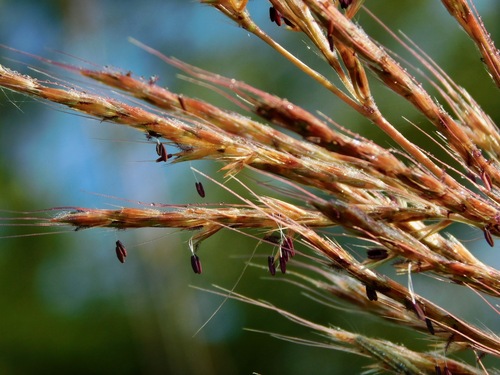
At a glance
- Life cycle
- Perennial
- Leaves
- Deciduous
- Bloom
- September to December
- Fruiting season
- Summer to fall
Recorded in 65 Florida counties.
Natural habitats
Places it grows wild. Not a planting requirement. Each habitat page lists the plants and wildlife also found there.

Roadsides, fields and disturbed ground
Ground opened by people: roadsides, old fields, pastures, fencerows and lots.
Flat, sandy Coastal Plain pine woodlands, wetter than sandhills and denser than savannas.
Also found with this plant
Wildlife whose habitat models include habitats this plant grows in, in Florida. Shared habitat, not food. 83 animals.
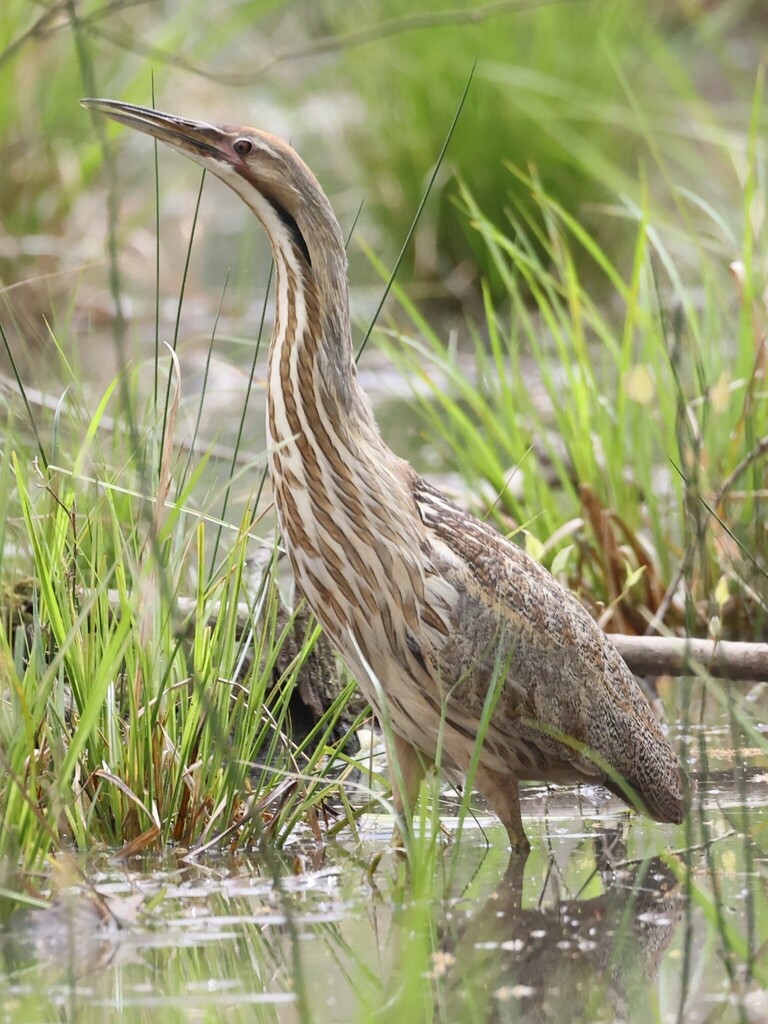
- American BitternBotaurus lentiginosus
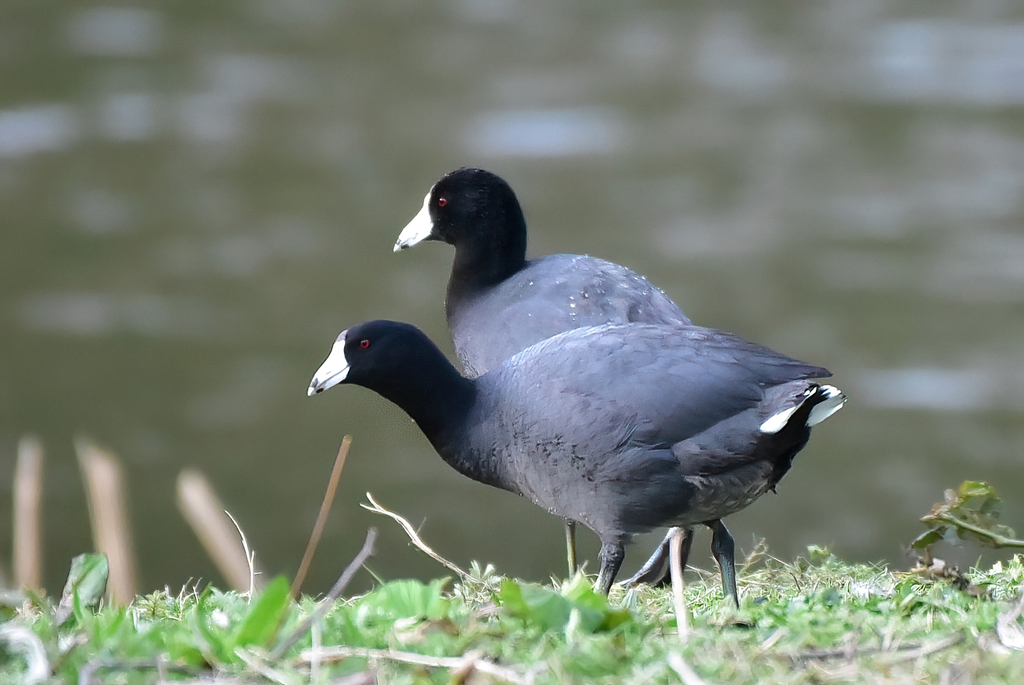
- American CootFulica americana
- American CrowCorvus brachyrhynchos
- Bank SwallowRiparia riparia
- Belted KingfisherMegaceryle alcyon
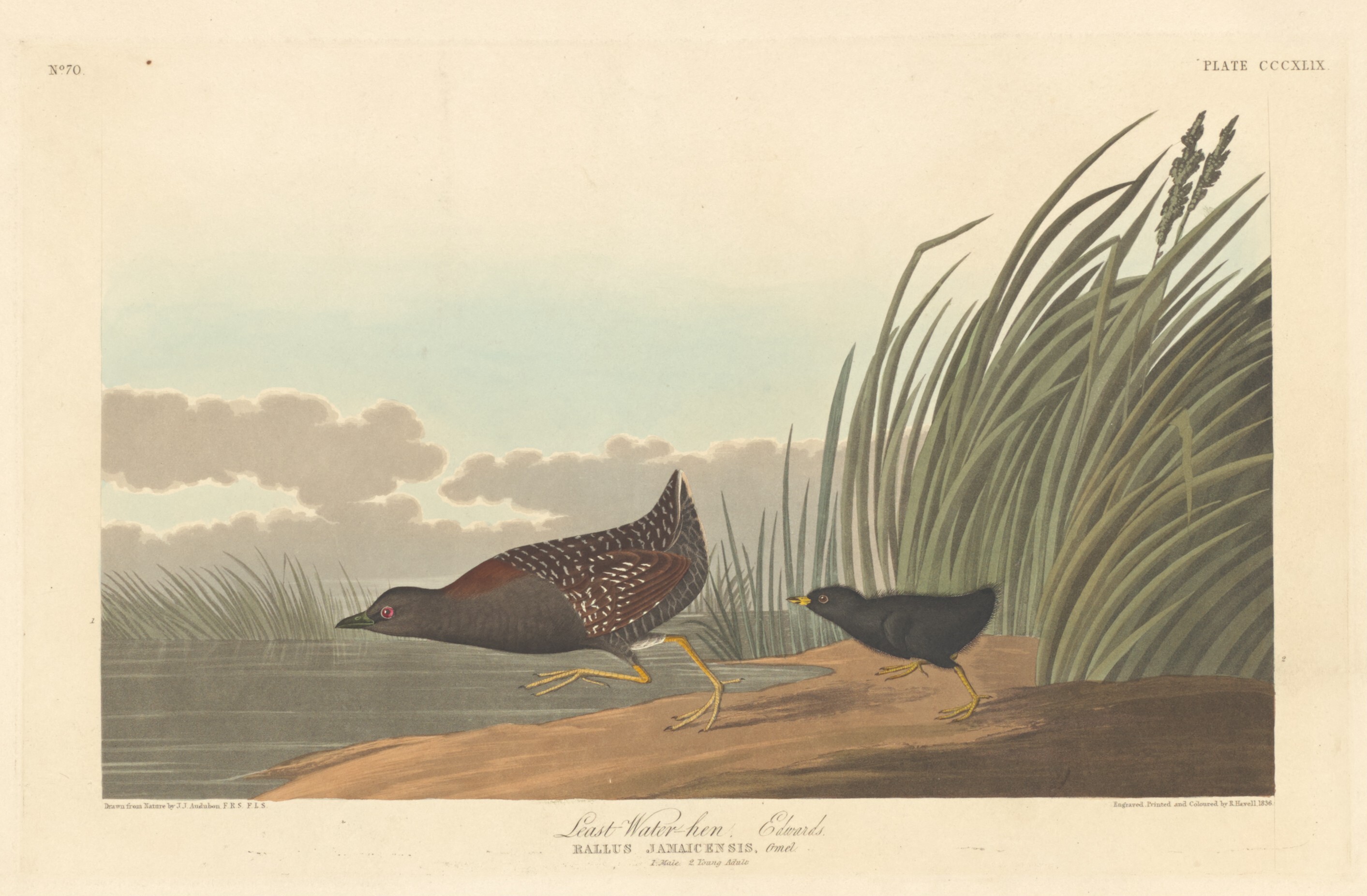
- Black RailLaterallus jamaicensis
- Black-crowned Night-heronNycticorax nycticorax
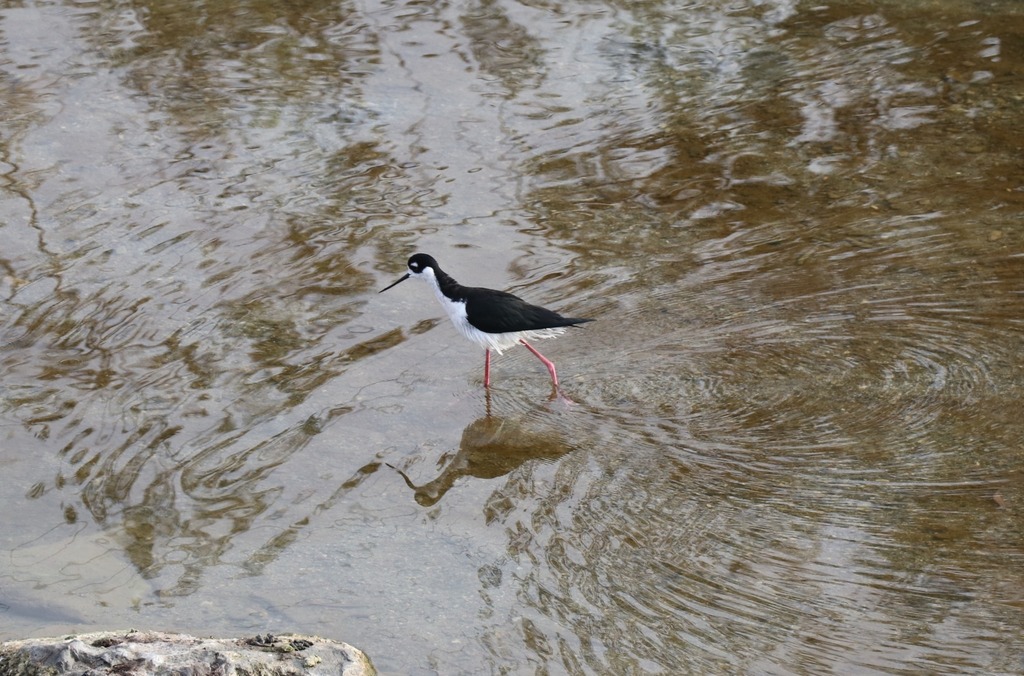
- Black-necked StiltHimantopus mexicanus
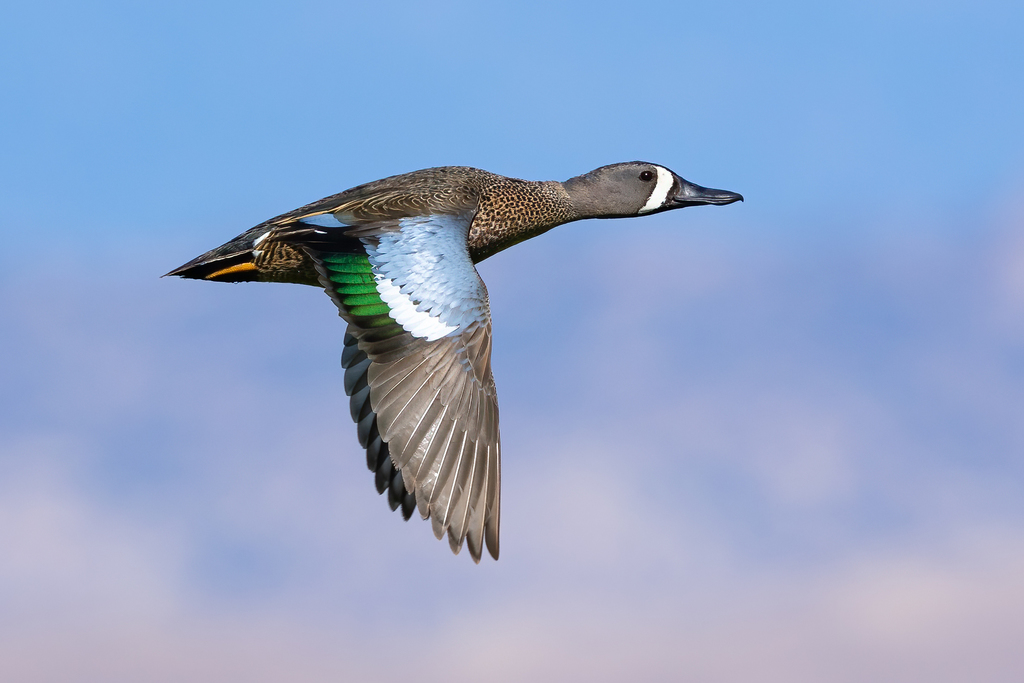
- Blue-winged TealAnas discors
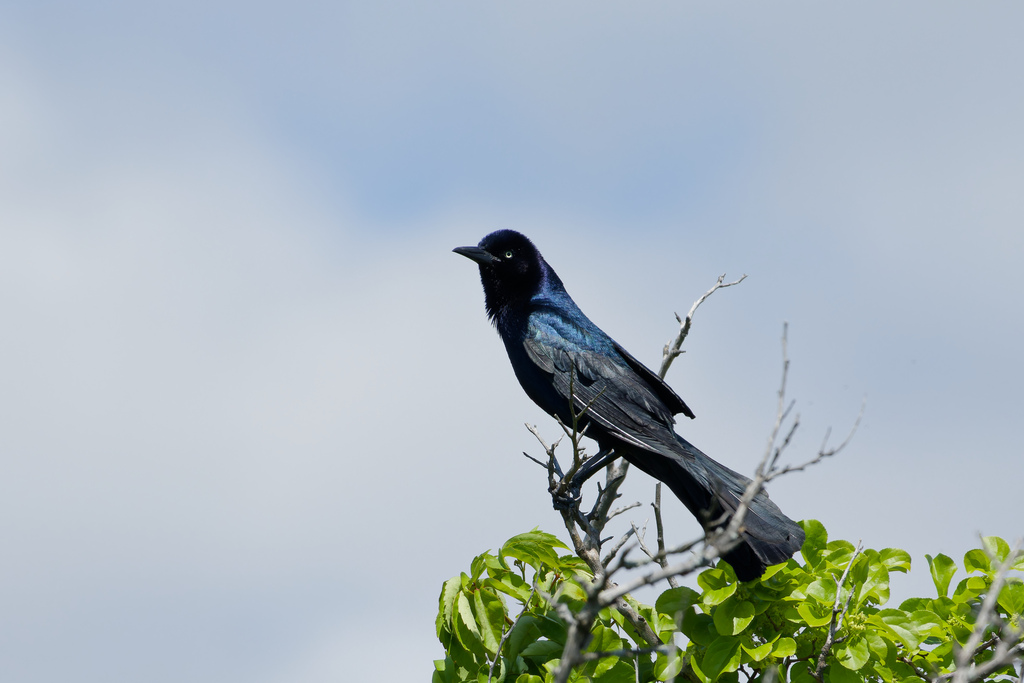
- Boat-tailed GrackleQuiscalus major
- Chimney SwiftChaetura pelagica
- Common GrackleQuiscalus quiscula
- Common YellowthroatGeothlypis trichas
- Cooper's HawkAccipiter cooperii
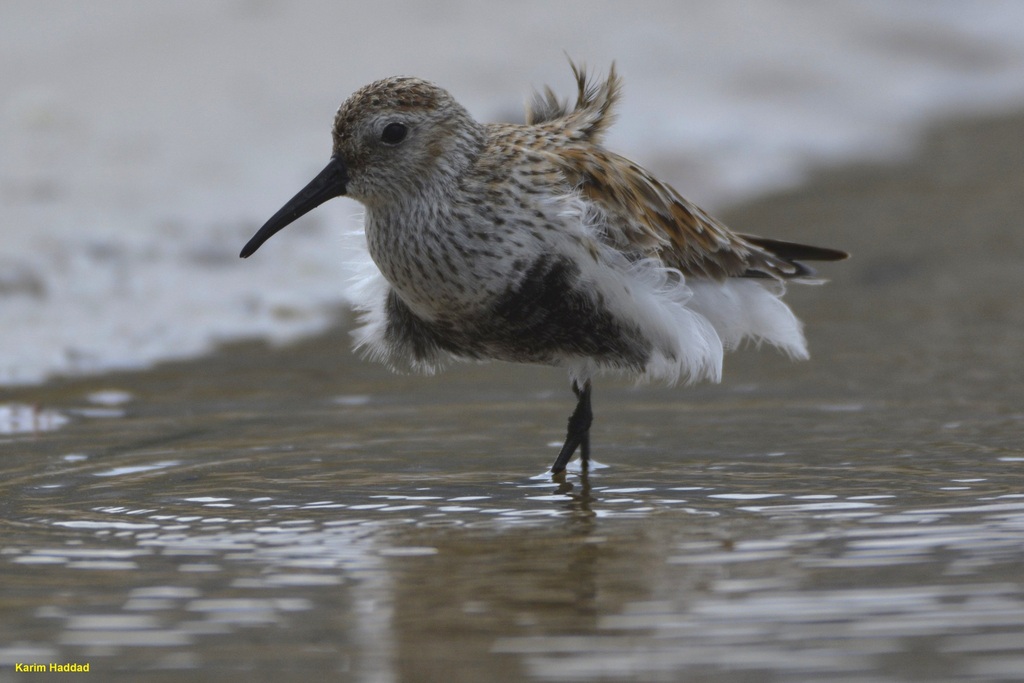
- DunlinCalidris alpina
- Eastern KingbirdTyrannus tyrannus
- Eurasian Collared-doveStreptopelia decaocto
- Fish CrowCorvus ossifragus
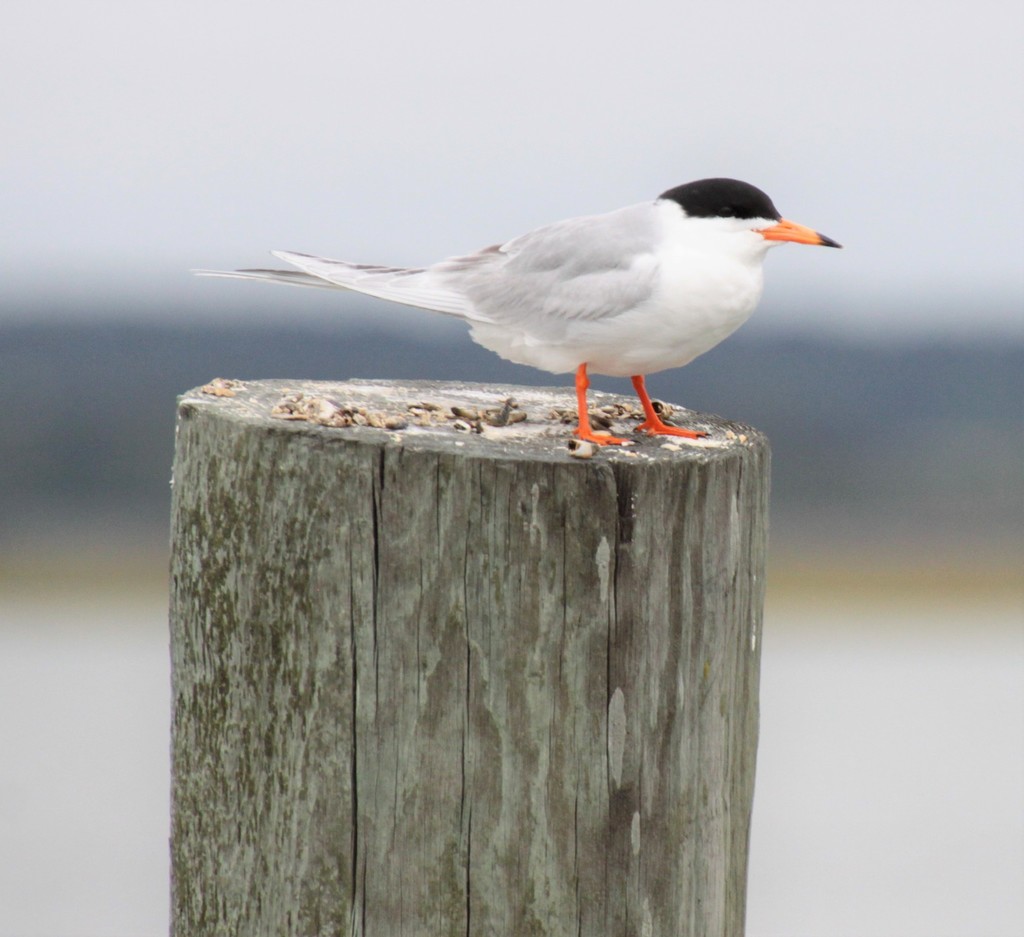
- Forster's TernSterna forsteri
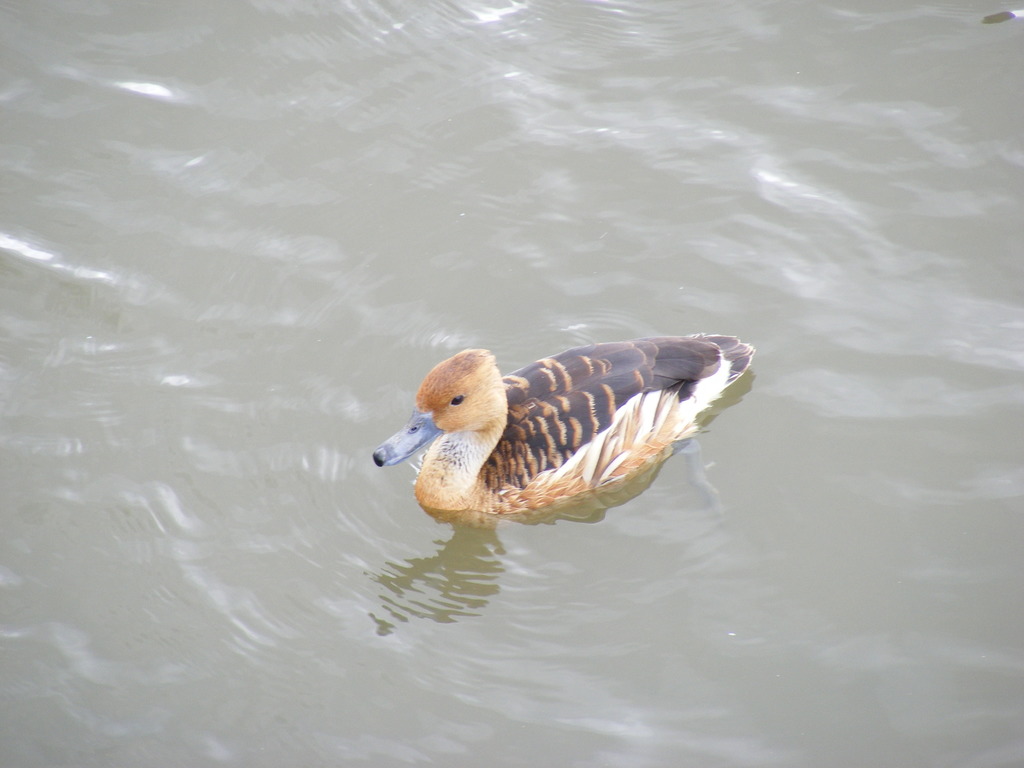
- Fulvous Whistling-duckDendrocygna bicolor
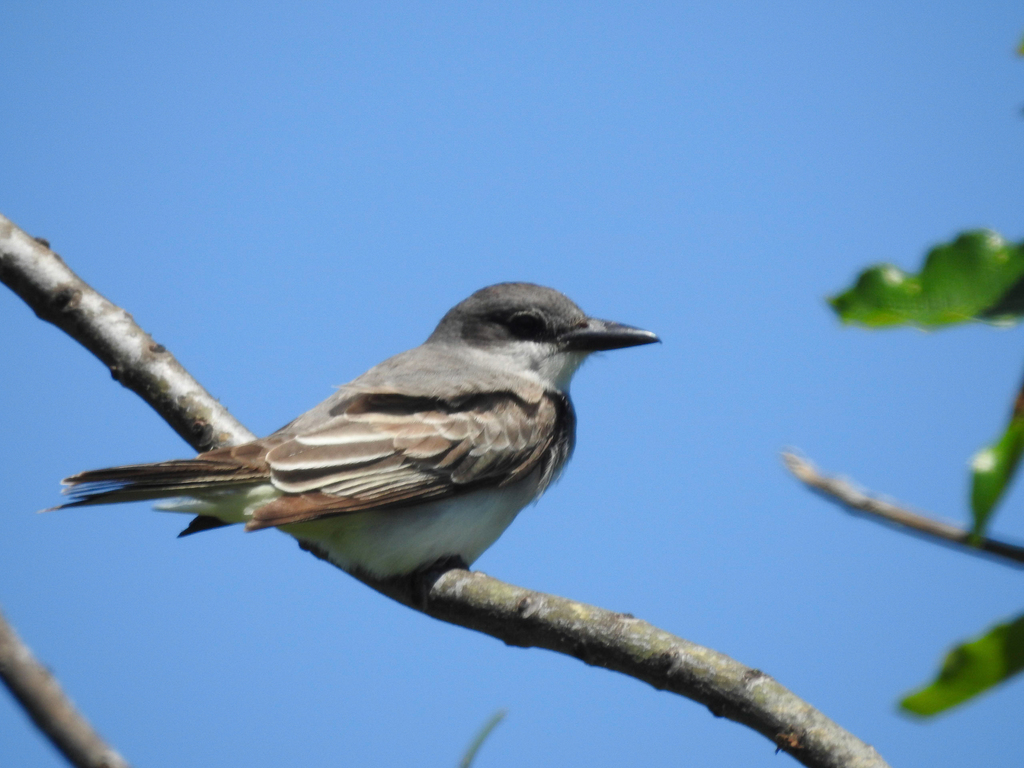
- Gray KingbirdTyrannus dominicensis
- Great Blue HeronArdea herodias
- Great Crested FlycatcherMyiarchus crinitus
- Great EgretArdea alba














Who uses this plant?
 36CaterpillarsGenus host records with ranges including FL
Genus host records with ranges including FL · Saccharum
- Acrolophus heppneriHeppner's Grass-Tubeworm
- Agrotis ipsilonIpsilon Dart, Black Cutworm, Greasy Cutworm
- Agrotis malefidaRascal Dart, Pale-Sided Cut-Worm, Shagreened Cut-Worm
- Amblyscirtes vialisCommon Roadside-Skipper, Black Little Skipper
- Anatrytone loganDelaware Skipper, Logan Skipper, Black-Vein Skipper
- Atrytone byssusByssus Skipper, Golden Skipper
- Calpodes ethliusBrazilian Skipper, Canna Skipper, Canna Leafroller
- Cymaenes tripunctusThree-Spotted Skipper
- Diatraea crambidoidesSouthern Cornstalk Borer
- Elaphria agrotinaBicolored Midget
Show all 36
- Elaphria chalcedoniaChalcedony Midget
- Elaphria festivoidesSouthern Festive Midget
- Elaphria nucicoloraSugarcane Midget, Sugarcane Moth
- Elasmopalpus lignosellaLesser Cornstalk Borer
- Feltia repletaReplete Dart
- Helicoverpa zeaCorn Earworm Moth
- Herpetogramma bipunctalisSouthern Beet Webworm, Two-Spotted Herpetogramma
- Hylephila phyleusFiery Skipper
- Lerema acciusClouded Skipper, Corn Leaf tier
- Lerodea eufalaEufala Skipper, Gray Skipper, Rice Leafroller
- Leucania humidicolaSugarcane Budworm Moth
- Leucania subpunctataWhite-Dotted Wainscot, Forage Armyworm
- Meropleon cosmionComely Brocade
- Mocis disseveransYellow Mocis
- Mocis latipesSmall Mocis, Striped Grass Looper
- Mythimna unipunctaArmyworm Moth, White Speck
- Nomophila nearcticaLucerne Moth, American Celery Webworm
- Panoquina ocolaOcola Skipper, Long-Winged Skiiper
- Panoquina panoquinoidesObscure Skipper, Beach Skipper
- Polites baracoaBaracoa Skipper, Little Tawny Edge Skipper
- Polites othoSouthern Broken-Dash, Broken-Dash Skipper
- Spodoptera albulaWhite-Spotted Armyworm, Gray-Streaked Armyworm
- Spodoptera frugiperdaFall Armyworm Moth
- Vernia vernaLittle Glassywing
- Chilo erianthalis
- Leucania latiuscula
 0BeesSoutheastern regional records
 0Specialist beesPollen specialists
 —BirdsRecorded genus food-resource interactions; not a state feeding claim
No records yet · Ants · Beetles · Flies · Adult butterflies / moths · Other wasps · Other insects
Plant details
- Family
- Poaceae
- Hardiness
- Zones 4a–10b
- Soil pH
- Acidic
- Flower color
- Brown/copper, yellow, gray/silver, pink or red
- Growth rate
- Rapid
- Growth habit
- Grows in clumps
- Foliage color
- Green
- Fruit begins
- Summer
- Fruit ends
- Fall
Safety has not been reviewed for this plant; check toxicity and thorns before planting.
Growing sources and scope
- Bloom · “September to December” · FloraQuest: Carolinas, Georgia (Southeastern Flora Team), phone app (app page) (ranked first; USDA PLANTS differs) · Carolinas and Georgia
- Flower color · “Brown/copper, yellow, gray/silver, pink or red” · NC Extension Plant Toolbox (ranked first; USDA PLANTS differs)
- Foliage color · “Green” · USDA PLANTS · Nationwide species characteristics; local growing conditions may vary
- Fruit begins · “Summer” · USDA PLANTS · Nationwide species characteristics; local growing conditions may vary
- Fruit ends · “Fall” · USDA PLANTS · Nationwide species characteristics; local growing conditions may vary
- Growth habit · “Grows in clumps” · USDA PLANTS · Nationwide species characteristics; local growing conditions may vary
- Growth rate · “Rapid” · USDA PLANTS · Nationwide species characteristics; local growing conditions may vary
- Hardiness · “Zones 4a–10b” · NC Extension Plant Toolbox
- Height · “3–8 feet” · NC Extension Plant Toolbox (ranked first; USDA PLANTS differs)
- Leaves · “Deciduous” · NC Extension Plant Toolbox
- Life cycle · “Perennial” · NC Extension Plant Toolbox
- Light · “Full sun (6 or more hours of direct sunlight a day)” · NC Extension Plant Toolbox (ranked first; Virginia DCR Piedmont, Virginia DCR Coastal Plain differ)
- Soil · “Moist; Occasionally dry; Occasionally wet” · NC Extension Plant Toolbox (ranked first; Virginia DCR Piedmont, Virginia DCR Coastal Plain differ)
- Soil pH · “Acidic” · NC Extension Plant Toolbox
- Spread · “3–4 feet” · NC Extension Plant Toolbox
Also known as
Giant Plume Grass; Saccharum giganteum; Sugarcane Plume Grass
Conservation status
| Florida rank | S4S5 |
|---|---|
| Global rank | G5 |
| FL status | Not verified |
| Federal status | Not verified |
Will it fit your yard?
Check this plant against your county, sun and soil moisture. Conditions are checked in your browser.
Sources
- Atlas of Florida Plants
- USDA PLANTS
- Vascular Plants of North Carolina (NC Natural Heritage Program)
- NatureServe Explorer
- Shropshire & Tallamy 2025, Lepidoptera of North America north of Mexico, ZooKeys 1261 (ODbL)
- Noori, Seltmann & Orr 2026, A curated and integrated dataset for exploring global bee-plant interactions (GloBI), Zenodo, CC BY 4.0
- Smith, Bachelder, Russell, Morales, Mosher & Seltmann 2024, Bee-Specialization-Modeling v0.6.1 (specialist host table compiled from J. Fowler's pollen specialist bee lists), Zenodo, CC BY 4.0
- Hurlbert, Olsen, Sawyer & Winner 2021, Avian Diet Database, Scientific Data 8: 260 (CC0)
- Narango, Tallamy & Shropshire 2020, Few keystone plant genera support the majority of Lepidoptera species, Nature Communications