

Gulf Coast Spikerush
Eleocharis cellulosa
Found in fresh to brackish interdune swale ponds on barrier islands, marl prairies, depression ponds, salt marshes, other disturbed wet sandy habitats. Weakley, Flora of the Southeastern United States (2025), Florida edition What its natural habitat tells you
Native to Florida. How scores work Is it native here?
Profile 94%
- Height
- About 2.6 feet
- Light
- Full sun
- Soil moisture
- Wet to standing water
No photograph yet. Looking for an old drawing…
At a glance
- Bloom
- June and November
- Fruiting season
- Summer to fall
Not yet recorded · Spread · Life cycle · Leaves
Recorded in 34 Florida counties.
Natural habitats
Places it grows wild. Not a planting requirement. Each habitat page lists the plants and wildlife also found there.
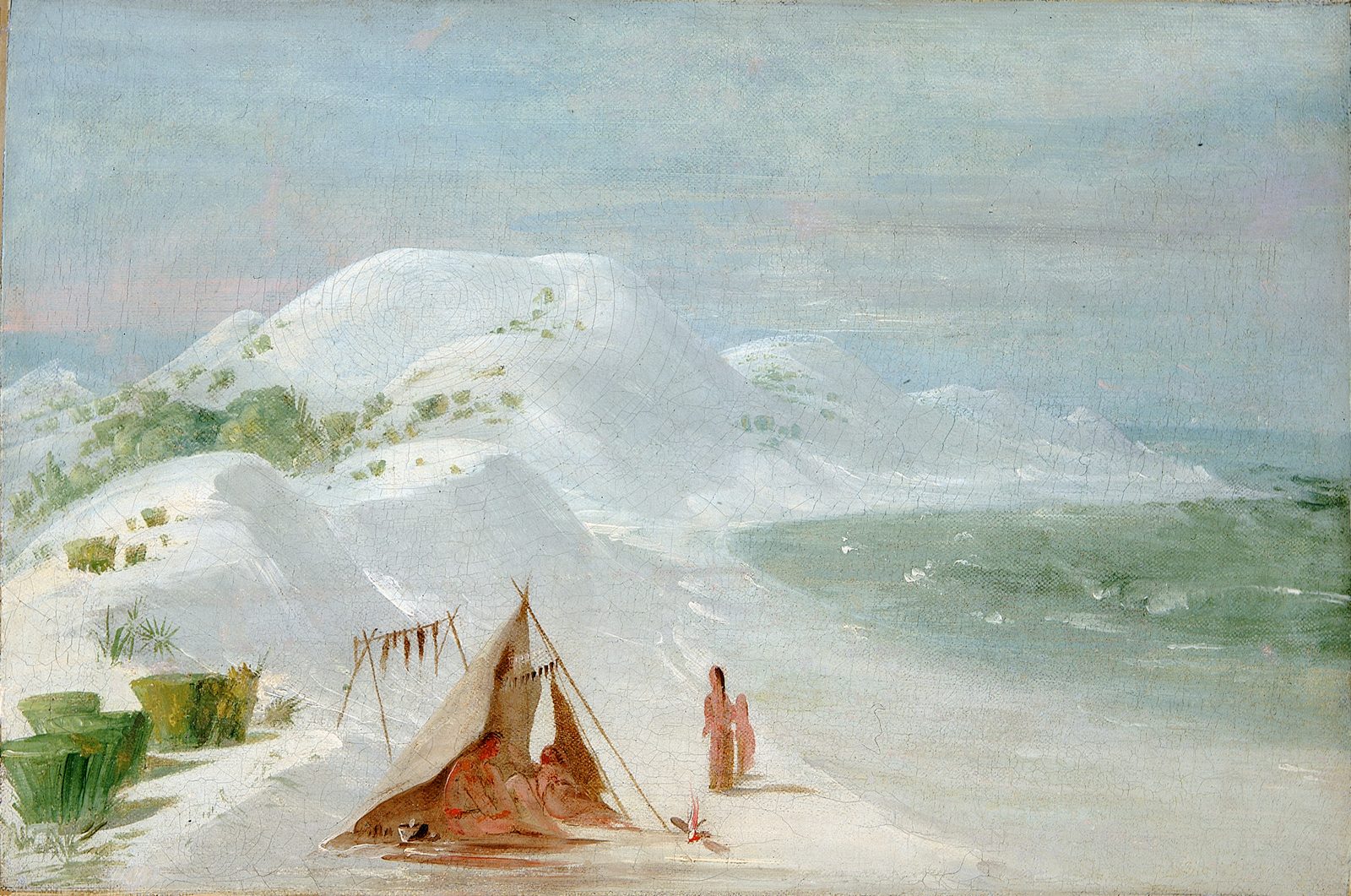
Open, grass-dominated places kept open by fire, grazing or thin soil, from tallgrass prairie to Piedmont prairies.
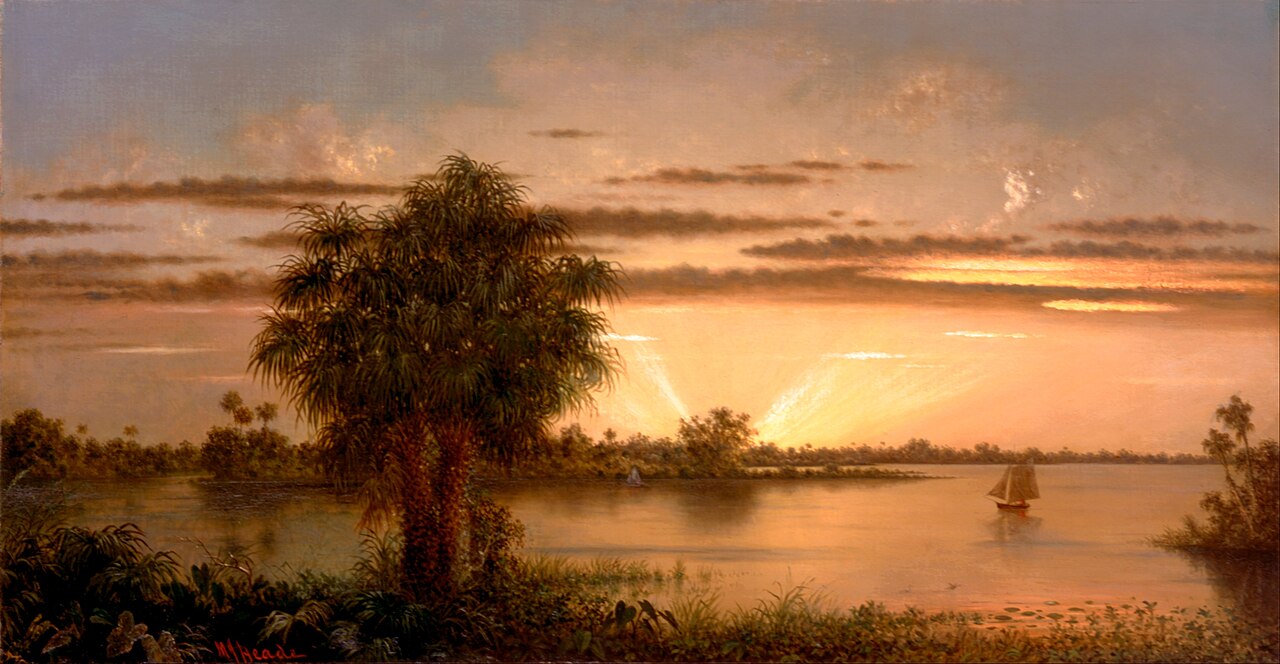
Depression ponds and limesinks
Shallow ponds in Coastal Plain depressions, such as limesinks and the ponds in some Carolina bays, that rise and fall with the seasons.
Coastal marshes flooded by salty or brackish tides.
Also found with this plant
Wildlife whose habitat models include habitats this plant grows in, in Florida. Shared habitat, not food. 135 animals.
Widespread birds also seen here (61)
Found in many habitats here, so not listed above.
- American Crow
- American Goldfinch
- American Kestrel
- American Robin
- Bald Eagle
- Bank Swallow
- Belted Kingfisher
- Black Vulture
- Black-crowned Night-heron
- Boat-tailed Grackle
- Canada Goose
- Carolina Wren
- Chimney Swift
- Common Grackle
- Common Nighthawk
- Common Yellowthroat
- Cooper's Hawk
- Double-crested Cormorant
- Eastern Kingbird
- Eastern Screech-owl
- Eastern Towhee
- Eurasian Collared-dove
- European Starling
- Fish Crow
- Great Blue Heron
- Great Crested Flycatcher
- Great Egret
- Great Horned Owl
- Green Heron
- Hooded Merganser
- Little Blue Heron
- Long-billed Dowitcher
- Merlin
- Mourning Dove
- Northern Cardinal
- Northern Flicker
- Northern Mockingbird
- Northern Shoveler
- Osprey
- Painted Bunting
- Palm Warbler
- Purple Finch
- Purple Gallinule
- Red-shouldered Hawk
- Red-tailed Hawk
- Red-winged Blackbird
- Ring-necked Duck
- Sandhill Crane
- Sharp-shinned Hawk
- Snowy Egret
- Song Sparrow
- Spotted Sandpiper
- Swallow-tailed Kite
- Tree Swallow
- Turkey Vulture
- White-eyed Vireo
- White-throated Sparrow
- Wood Stork
- Yellow-breasted Chat
- Yellow-crowned Night-heron
- Yellow-rumped Warbler
Who uses this plant?
 7CaterpillarsGenus host records with ranges including FL
Genus host records with ranges including FL · Eleocharis
- Bactra furfuranaRush Bactra
- Cisseps fulvicollisYellow-Collared Scape Moth
- Elophila obliteralisWaterlily Leafcutter Moth
- Parapoynx allionealisWatermilfoil Leafcutter, Bladderwort Casemaker
- Donacaula dispersella
- Eoparargyractis floridalis
- Thopeutis forbesellus
 0BeesSoutheastern regional records
 0Specialist beesPollen specialists
 10BirdsRecorded eating Eleocharis in Florida
Diet records by plant genus, from studies across North America. Not a record from this state. Birds whose range includes Florida, most records first.
- Ring-necked Duck5 diet records
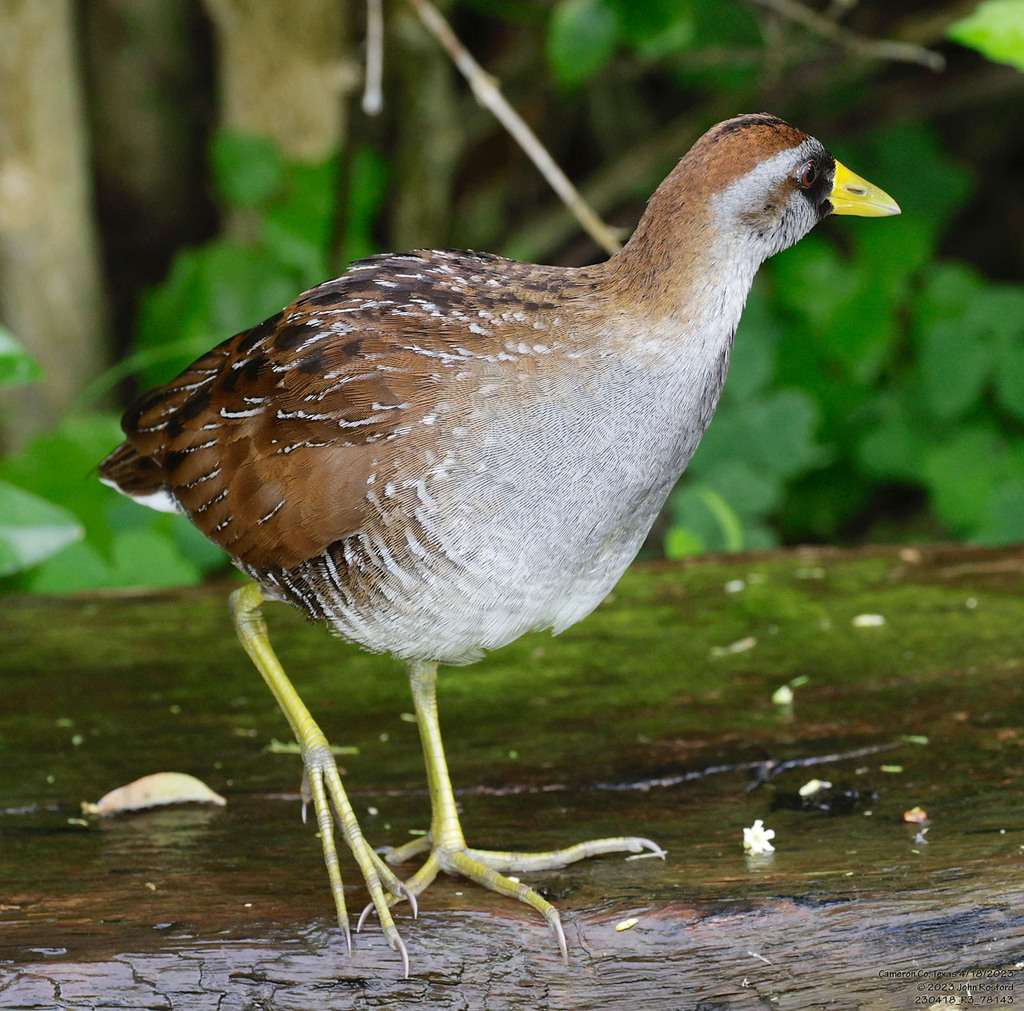
- SoraSeeds. 4 diet records
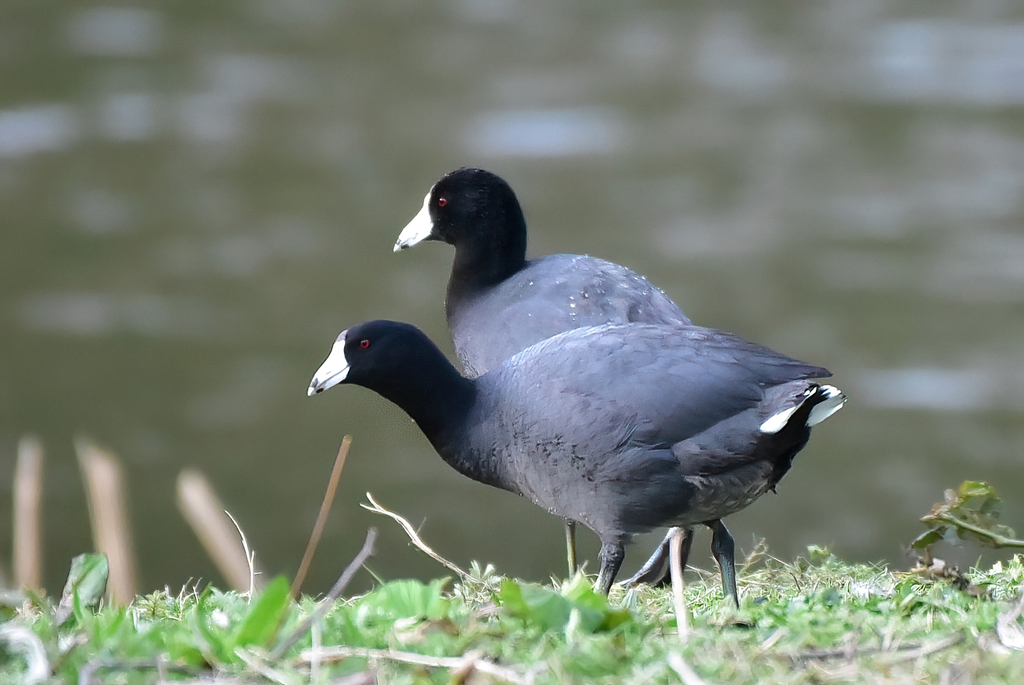
- American CootSeeds. 3 diet records
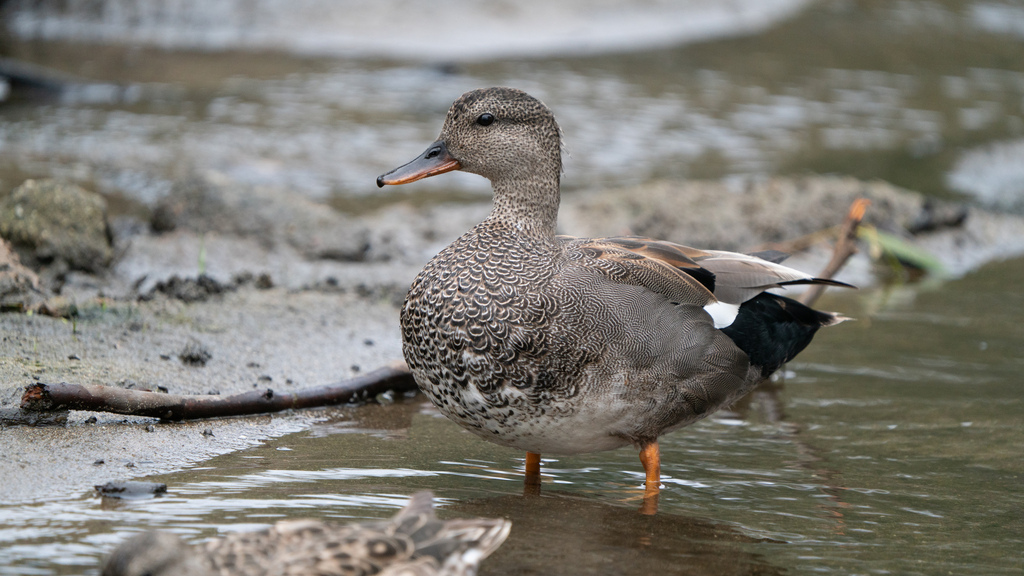
- GadwallLeaves. 3 diet records
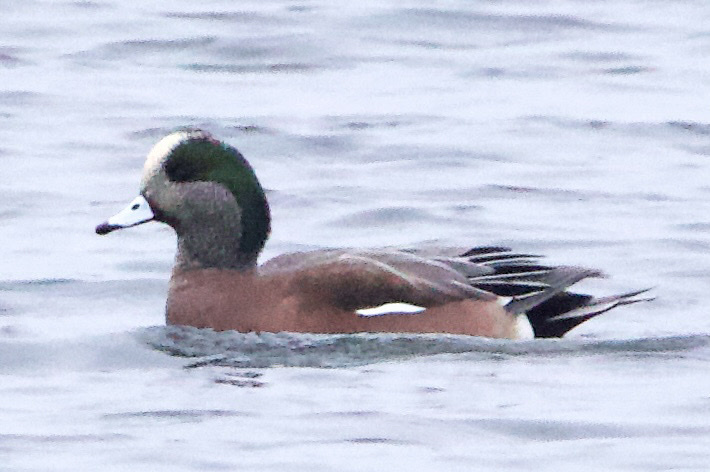
- American WigeonSeeds. 2 diet records
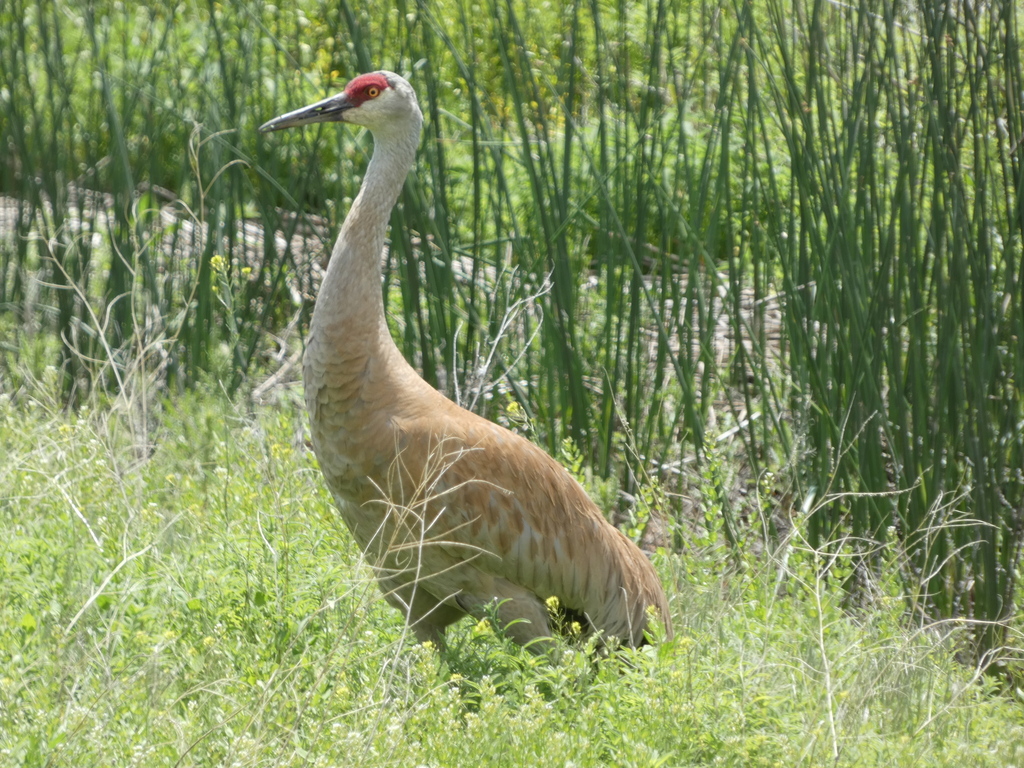
- Sandhill CraneSeeds. 2 diet records
- American Black DuckSeeds. 1 diet record
- Canada GooseLeaves. 1 diet record
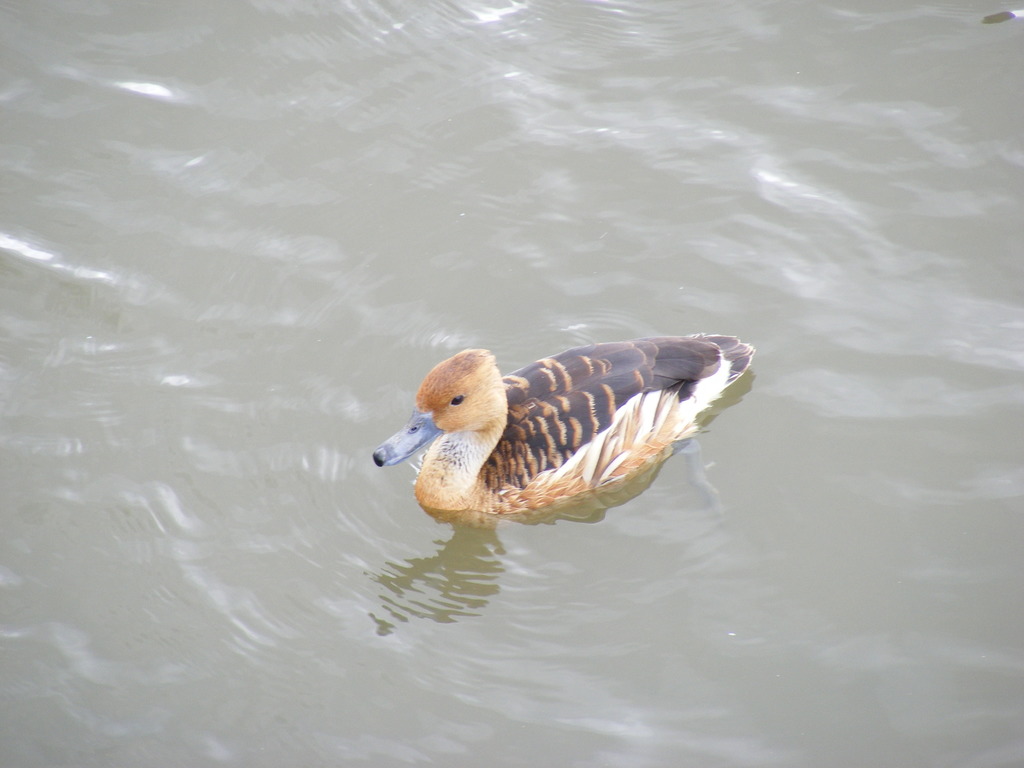
- Fulvous Whistling-duckSeeds. 1 diet record
- Red-winged Blackbird1 diet record
Direct food only. Caterpillars on host plants also feed nesting birds. NC Native Plant Society: butterfly gardening
No records yet · Ants · Beetles · Flies · Adult butterflies / moths · Other wasps · Other insects
Birds that eat Eleocharis 10
Diet records by plant genus, from studies across North America. Not a record from this state. Avian Diet Database (Hurlbert Lab), CC0 1.0.
- Ring-necked DuckAythya collaris
- SoraPorzana carolina
- American CootFulica americana
- GadwallAnas strepera
- American WigeonAnas americana
- Sandhill CraneGrus canadensis
- American Black DuckAnas rubripes
- Canada GooseBranta canadensis
- Fulvous Whistling-duckDendrocygna bicolor
- Red-winged BlackbirdAgelaius phoeniceus





Plant details
- Family
- Cyperaceae
- Flower color
- Green
- Growth rate
- Moderate
- Growth habit
- Grows in clumps
- Fruit begins
- Summer
- Fruit ends
- Fall
Safety has not been reviewed for this plant; check toxicity and thorns before planting.
Growing sources and scope
- Bloom · “June to early November” · Weakley, Flora of the Southeastern United States (2025), Carolinas & Georgia edition (ranked first; USDA PLANTS differs) · Carolinas and Georgia
- Flower color · “Green” · USDA PLANTS · Nationwide species characteristics; local growing conditions may vary
- Fruit begins · “Summer” · USDA PLANTS · Nationwide species characteristics; local growing conditions may vary
- Fruit ends · “Fall” · USDA PLANTS · Nationwide species characteristics; local growing conditions may vary
- Growth habit · “Grows in clumps” · USDA PLANTS · Nationwide species characteristics; local growing conditions may vary
- Growth rate · “Moderate” · USDA PLANTS · Nationwide species characteristics; local growing conditions may vary
- Height · “About 2.6 feet” · USDA PLANTS · Nationwide species characteristics; local growing conditions may vary
- Light · “Full sun (documented habitat)” · Weakley, Flora of the Southeastern United States (2025), Carolinas & Georgia edition · Carolinas and Georgia
- Soil · “Water; Wet (documented habitat)” · Weakley, Flora of the Southeastern United States (2025), Carolinas & Georgia edition · Carolinas and Georgia
Conservation status
| Florida rank | S4S5 |
|---|---|
| Global rank | G4G5 |
| FL status | Not verified |
| Federal status | Not verified |
Will it fit your yard?
Check this plant against your county, sun and soil moisture. Conditions are checked in your browser.
Sources
- Atlas of Florida Plants
- USDA PLANTS
- Vascular Plants of North Carolina (NC Natural Heritage Program)
- Weakley, Flora of the Southeastern United States (2025)
- NatureServe Explorer
- Shropshire & Tallamy 2025, Lepidoptera of North America north of Mexico, ZooKeys 1261 (ODbL)
- Noori, Seltmann & Orr 2026, A curated and integrated dataset for exploring global bee-plant interactions (GloBI), Zenodo, CC BY 4.0
- Smith, Bachelder, Russell, Morales, Mosher & Seltmann 2024, Bee-Specialization-Modeling v0.6.1 (specialist host table compiled from J. Fowler's pollen specialist bee lists), Zenodo, CC BY 4.0
- Hurlbert, Olsen, Sawyer & Winner 2021, Avian Diet Database, Scientific Data 8: 260 (CC0)
- Narango, Tallamy & Shropshire 2020, Few keystone plant genera support the majority of Lepidoptera species, Nature Communications