

Common Partridge-pea
Chamaecrista fasciculata
Native to Florida. How scores work Is it native here?
Profile 100%
- Height
- About 2.4 feet
- Spread
- 1–3 feet
- Light
- Full sun
- Soil moisture
- Somewhat dry to moist
Space about 2 ft apart from its recorded spread, about 25 per 100 sq ft. Enter your bed size for a count
Will it fit your yard?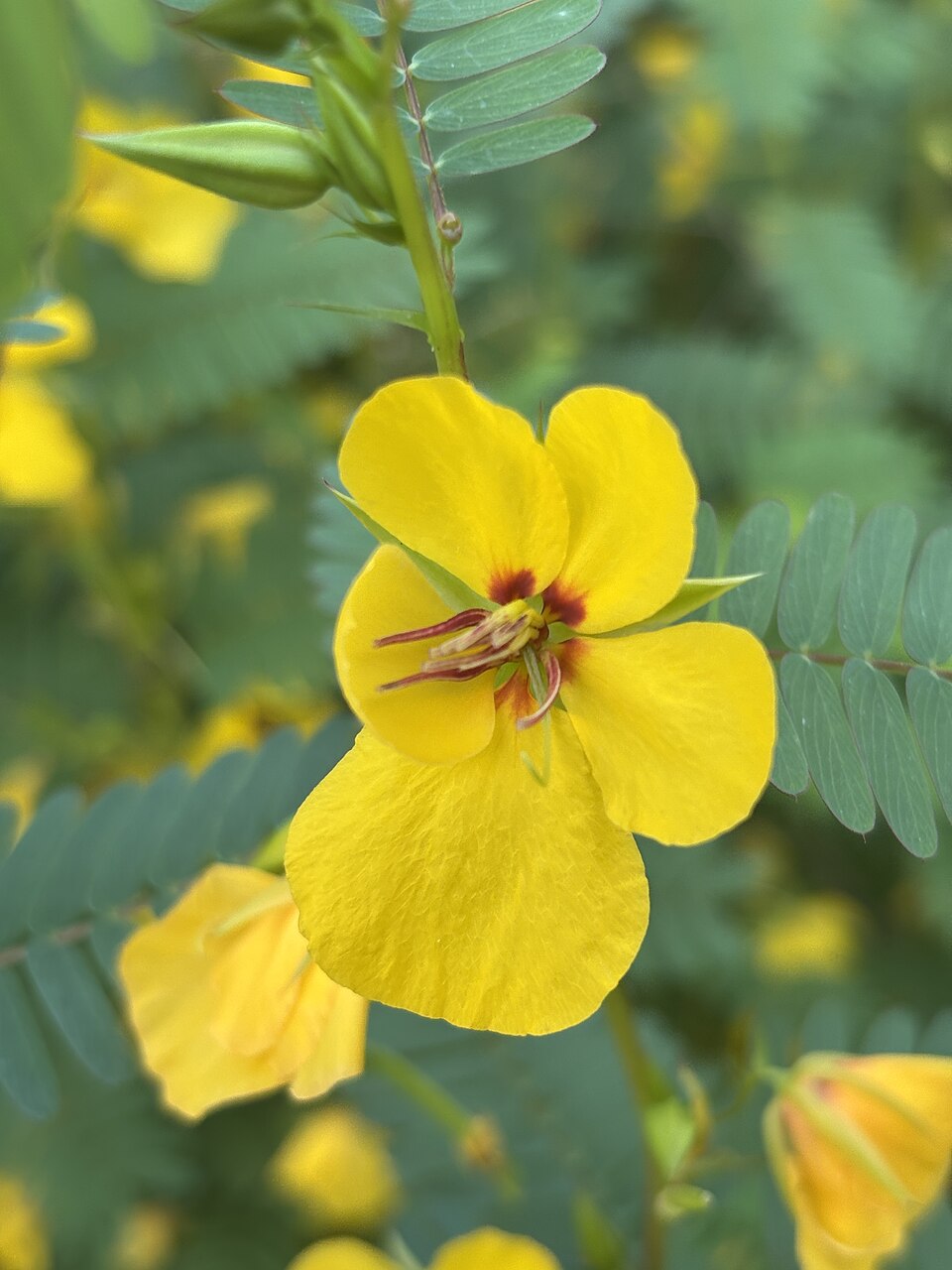
At a glance
- Life cycle
- Annual
- Leaves
- Deciduous
- Bloom
- Early summer
- Fruiting season
- Summer
Recorded in 66 Florida counties.
Also found with this plant
Wildlife whose habitat models include habitats this plant grows in, in Florida. Shared habitat, not food. 79 animals.
- Common NighthawkChordeiles minor
- Cooper's HawkAccipiter cooperii
- Dark-eyed JuncoJunco hyemalis
- Double-crested CormorantPhalacrocorax auritus
- Downy WoodpeckerPicoides pubescens
- Eastern BluebirdSialia sialis
- Eastern KingbirdTyrannus tyrannus
- Eastern PhoebeSayornis phoebe
- Eastern Screech-owlMegascops asio
- Eastern TowheePipilo erythrophthalmus
- Eastern Wood-peweeContopus virens
- Eurasian Collared-doveStreptopelia decaocto
- European StarlingSturnus vulgaris
- Fish CrowCorvus ossifragus
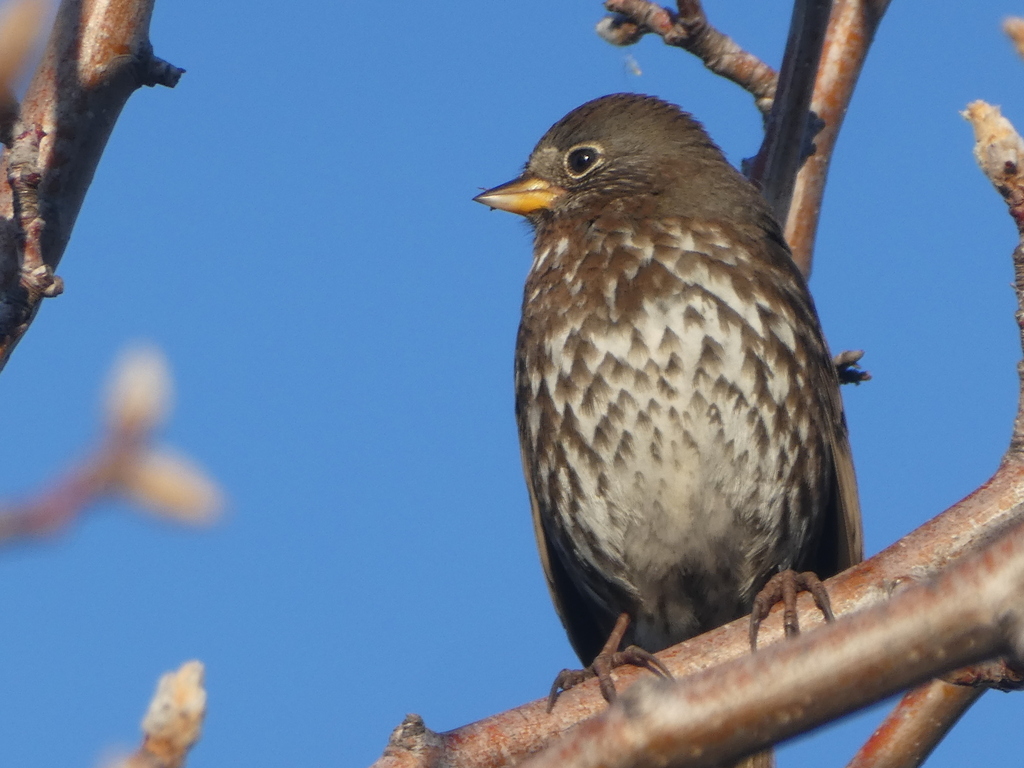
- Fox SparrowPasserella iliaca
- Golden-crowned KingletRegulus satrapa
- Great Crested FlycatcherMyiarchus crinitus
- Great Horned OwlBubo virginianus
- Hairy WoodpeckerPicoides villosus
- Hermit ThrushCatharus guttatus
- Hooded MerganserLophodytes cucullatus
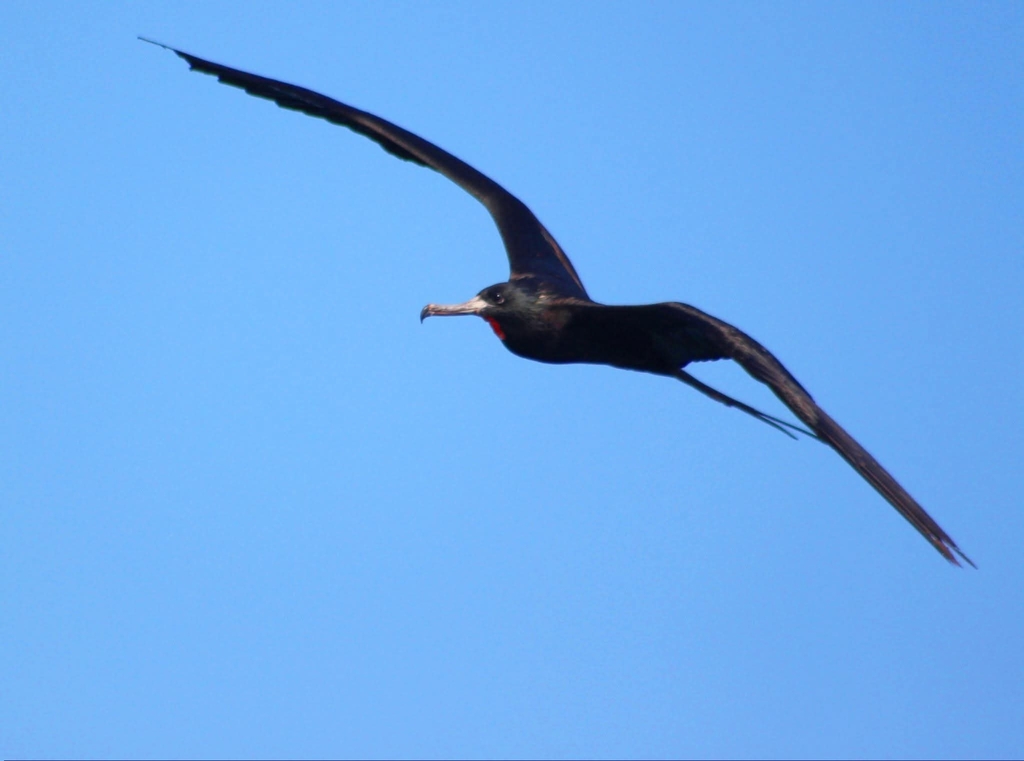
- Magnificent FrigatebirdFregata magnificens
- Mourning DoveZenaida macroura
- Northern BobwhiteColinus virginianus























Who uses this plant?
 31CaterpillarsGenus host records with ranges including FL
Genus host records with ranges including FL · Cassia
- Phoebis sennaeCloudless Sulphur
- Abaeis nicippeSleepy Orange, Sleepy Yellow, Erratic Orange
- Amyelois transitellaNavel Orangeworm
- Anabasis ochrodesmaCassia Webworm Moth
- Aphrissa statiraStatira Sulphur, Migrant Sulphur; Florida Statira Sulphur
- Ascalapha odorataBlack Witch
- Automeris ioIo Moth
- Choristoneura obsoletanaObsolete Leafroller
- Colias eurythemeOrange Sulphur, Alfalfa Butterfly
- Epargyreus clarusSilver-Spotted Skipper
Show all 31
- Erechthias minusculaCaribbean Scavenger Moth
- Eumarozia malachitanaSculptured Moth
- Eurema dairaBarred Yellow, Barred Sulphur
- Fundella pellucensCaribbean Podborer
- Hemiargus ceraunusCeraunus Blue, Antillean Blue
- Leptotes cassiusCassius Blue, Tropical Striped Blue
- Lesmone detrahensDetracted Owlet
- Phoebis agaritheLarge Orange Sulphur, Orange Giant Sulphur
- Phoebis phileaOrange-Barred Sulphur
- Platynota rostranaOmnivorous Platynota
- Pleuroprucha insulsariaCommon Tan Wave
- Psamatodes abydataDot-Lined Angle
- Pyrisitia lisaLittle Yellow, Little Sulphur, Lisa Yellow
- Pyrisitia niseMimosa Yellow, Blacktip Sulphur, Jamaican Sulphur
- Selenisa sueroidesTailpipes, Pale-Edged Selenisa Moth
- Thysania zenobiaOwl Moth
- Trichordestra legitimaStriped Garden Caterpillar Moth
- Uresiphita reversalisGenista Caterpillar, Genista Cbroom Moth
- Zale lunataLunate Zale
- Anypsipyla univitella
- Lesmone formularis
 24BeesSoutheastern regional records
Southeastern regional records · Chamaecrista
Individual names are not available yet.
Noori, Seltmann & Orr 2026, A curated and integrated dataset for exploring global bee-plant interactions (GloBI), Zenodo, CC BY 4.0 0Specialist beesPollen specialists
 2BirdsRecorded genus food-resource interactions; not a state feeding claim
Recorded genus food-resource interactions; not a state feeding claim · Chamaecrista
- Colinus virginianusNorthern Bobwhite
- Cyrtonyx montezumaeMontezuma Quail
Direct food only: birds recorded eating this genus across North America. Caterpillars on host plants also feed nesting birds. NC Native Plant Society: butterfly gardening
No records yet · Ants · Beetles · Flies · Adult butterflies / moths · Other wasps · Other insects
Plant details
- Family
- Fabaceae
- Hardiness
- Zones 3a–9b
- Soil pH
- Acidic to neutral
- Flower color
- Yellow or red
- Growth rate
- Rapid
- Growth habit
- Grows in clumps
- Foliage color
- Green
- Fruit begins
- Summer
- Fruit ends
- Summer
What its natural habitat tells you
Safety has not been reviewed for this plant; check toxicity and thorns before planting.
Growing sources and scope
- Bloom · “Early summer” · USDA PLANTS (ranked first; Prairie Moon 2026 Cultural Guide differs) · Nationwide species characteristics; local growing conditions may vary
- Flower color · “Yellow or red” · NC Extension Plant Toolbox (ranked first; USDA PLANTS, Prairie Moon 2026 Cultural Guide differ)
- Foliage color · “Green” · USDA PLANTS · Nationwide species characteristics; local growing conditions may vary
- Fruit begins · “Summer” · USDA PLANTS · Nationwide species characteristics; local growing conditions may vary
- Fruit ends · “Summer” · USDA PLANTS · Nationwide species characteristics; local growing conditions may vary
- Growth habit · “Grows in clumps” · USDA PLANTS · Nationwide species characteristics; local growing conditions may vary
- Growth rate · “Rapid” · USDA PLANTS · Nationwide species characteristics; local growing conditions may vary
- Hardiness · “Zones 3a–9b” · NC Extension Plant Toolbox (ranked first; Missouri Botanical Garden Plant Finder differs)
- Height · “About 2.4 feet” · USDA PLANTS (ranked first; Missouri Botanical Garden Plant Finder, Minnesota Wildflowers, Prairie Moon 2026 Cultural Guide differ) · Nationwide species characteristics; local growing conditions may vary
- Leaves · “Deciduous” · NC Extension Plant Toolbox
- Life cycle · “Annual” · NC Extension Plant Toolbox
- Light · “Full sun (6 or more hours of direct sunlight a day)” · NC Extension Plant Toolbox (ranked first; Virginia DCR Piedmont, Virginia DCR Coastal Plain, Missouri Botanical Garden Plant Finder, Prairie Moon 2026 Cultural Guide differ)
- Soil · “Moist; Occasionally dry” · NC Extension Plant Toolbox (ranked first; Virginia DCR Piedmont, Virginia DCR Coastal Plain, Missouri Botanical Garden Plant Finder, Prairie Moon 2026 Cultural Guide differ)
- Soil pH · “Acidic to neutral” · NC Extension Plant Toolbox
- Spread · “1–3 feet” · Missouri Botanical Garden Plant Finder
Also known as
Cassia fasciculata; Common Partridge Pea
Conservation status
| Florida rank | S5 |
|---|---|
| Global rank | G5 |
| FL status | Not verified |
| Federal status | Not verified |
Will it fit your yard?
Check this plant against your county, sun and soil moisture. Conditions are checked in your browser.
Sources
- Atlas of Florida Plants
- USDA PLANTS
- Vascular Plants of North Carolina (NC Natural Heritage Program)
- Weakley, Flora of the Southeastern United States (2025)
- NatureServe Explorer
- Shropshire & Tallamy 2025, Lepidoptera of North America north of Mexico, ZooKeys 1261 (ODbL)
- Noori, Seltmann & Orr 2026, A curated and integrated dataset for exploring global bee-plant interactions (GloBI), Zenodo, CC BY 4.0
- Smith, Bachelder, Russell, Morales, Mosher & Seltmann 2024, Bee-Specialization-Modeling v0.6.1 (specialist host table compiled from J. Fowler's pollen specialist bee lists), Zenodo, CC BY 4.0
- Hurlbert, Olsen, Sawyer & Winner 2021, Avian Diet Database, Scientific Data 8: 260 (CC0)
- Narango, Tallamy & Shropshire 2020, Few keystone plant genera support the majority of Lepidoptera species, Nature Communications