

False Nettle
Boehmeria cylindrica
Found in swamp forests, bottomland forests, bogs, tidal marshes, other marshes, other wetlands. Weakley, Flora of the Southeastern United States (2025), Florida edition What its natural habitat tells you
Native to Florida. How scores work Is it native here?
Profile 94%
- Height
- 3 feet
- Light
- Full sun, Partial shade
- Soil moisture
- Usually moist
No photograph yet. Looking for an old drawing…
At a glance
- Life cycle
- Perennial
- Bloom
- July to August
- Fruiting season
- September to October
Not yet recorded · Spread · Leaves
Recorded in 64 Florida counties.
Natural habitats
Places it grows wild. Not a planting requirement. Each habitat page lists the plants and wildlife also found there.
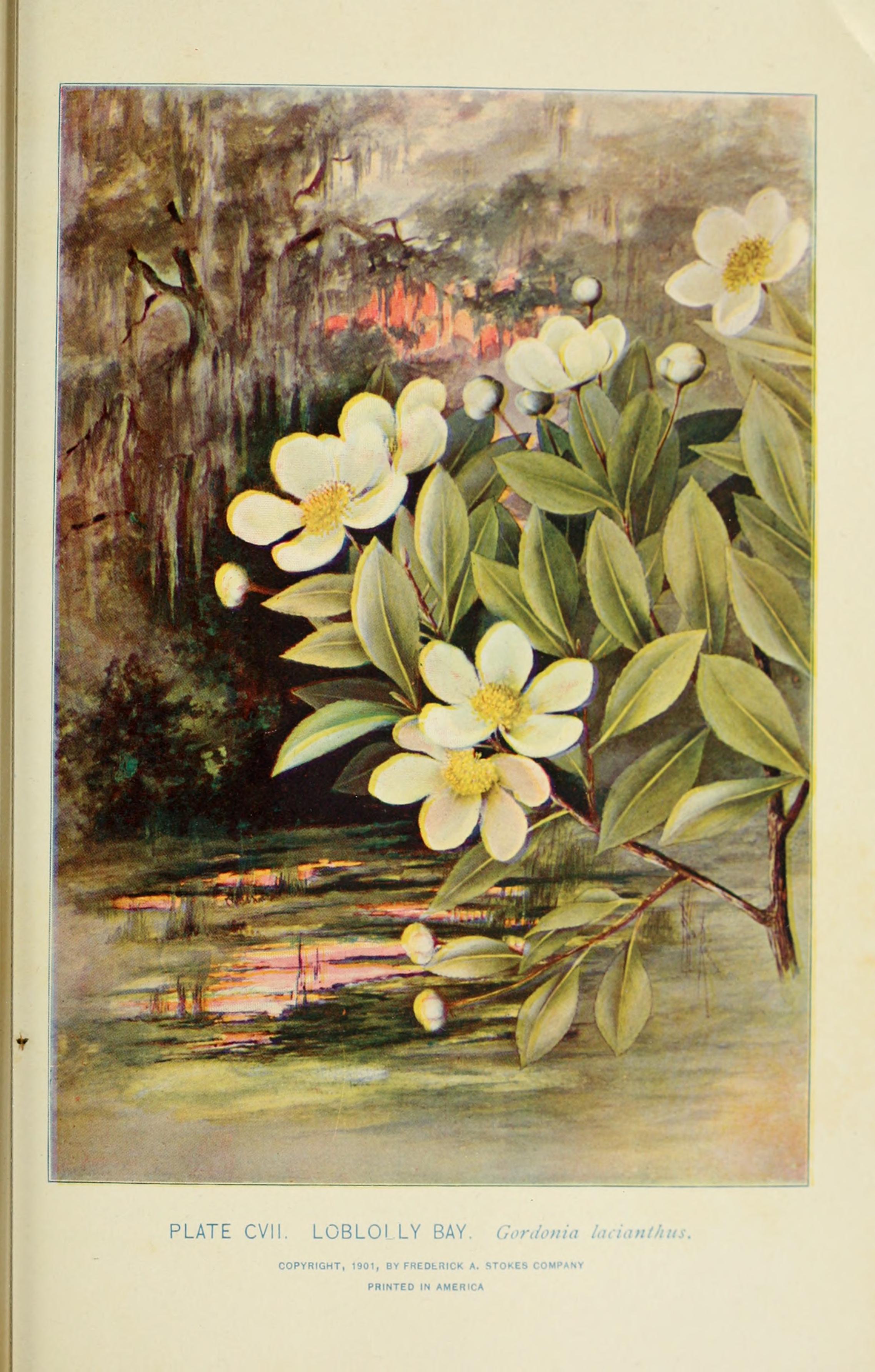

Floodplain and bottomland forests
Forests on low ground beside rivers and streams that flood from time to time.
Coastal tidal marshes (salinity not stated)
Tidal marshes of the Atlantic and Gulf coasts where the source does not say whether the water is fresh, brackish or salt. A stated salinity files the marsh under freshwater tidal marshes or salt and brackish marshes instead.
Also found with this plant
Wildlife whose habitat models include habitats this plant grows in, in Florida. Shared habitat, not food. 192 animals.
- Great Crested FlycatcherMyiarchus crinitus
- Great EgretArdea alba
- Hairy WoodpeckerPicoides villosus
- Hermit ThrushCatharus guttatus
- Hooded WarblerWilsonia citrina
- Kentucky WarblerOporornis formosus
- Louisiana WaterthrushSeiurus motacilla
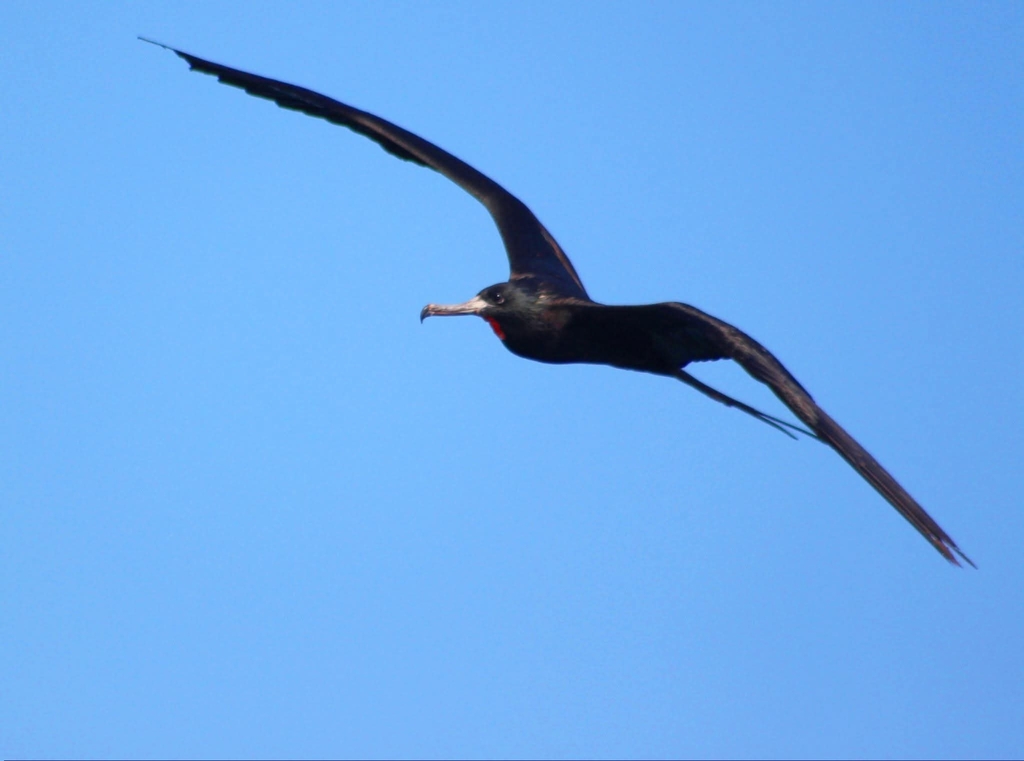
- Magnificent FrigatebirdFregata magnificens
- Northern CardinalCardinalis cardinalis
- Northern ParulaParula americana
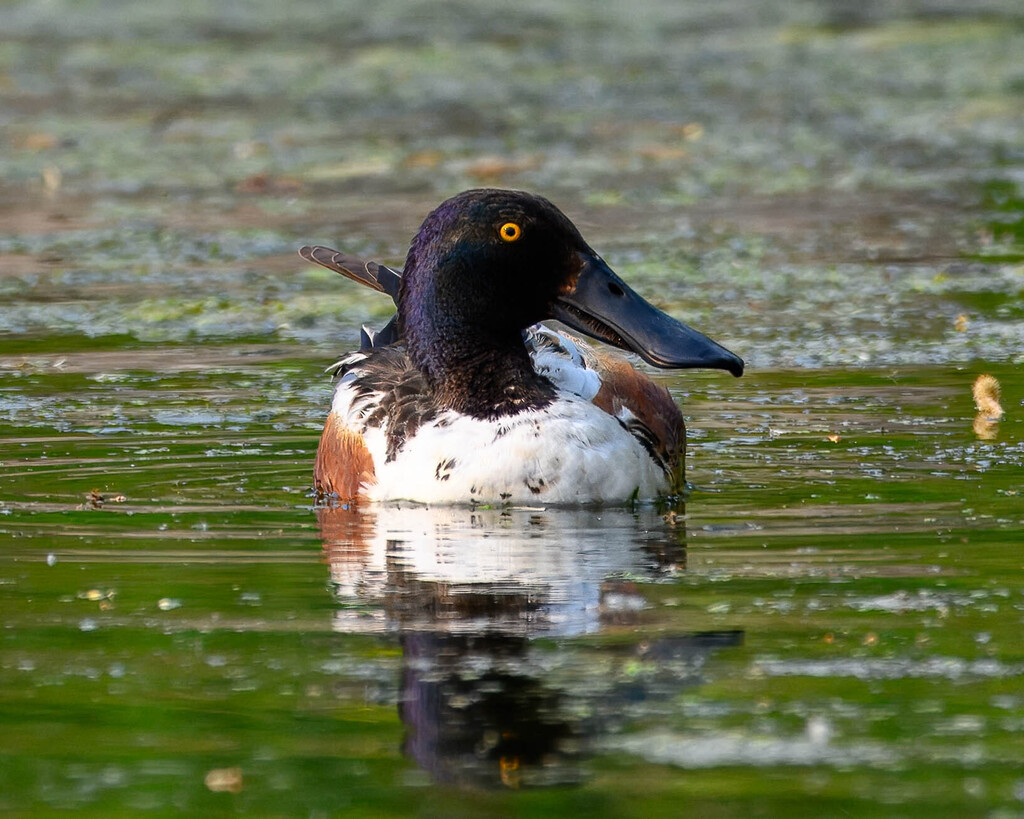
- Northern ShovelerAnas clypeata
- OspreyPandion haliaetus
- Pileated WoodpeckerDryocopus pileatus
- Red-bellied WoodpeckerMelanerpes carolinus
- Red-breasted NuthatchSitta canadensis
- Red-headed WoodpeckerMelanerpes erythrocephalus
- Ruby-crowned KingletRegulus calendula
- Ruby-throated HummingbirdArchilochus colubris
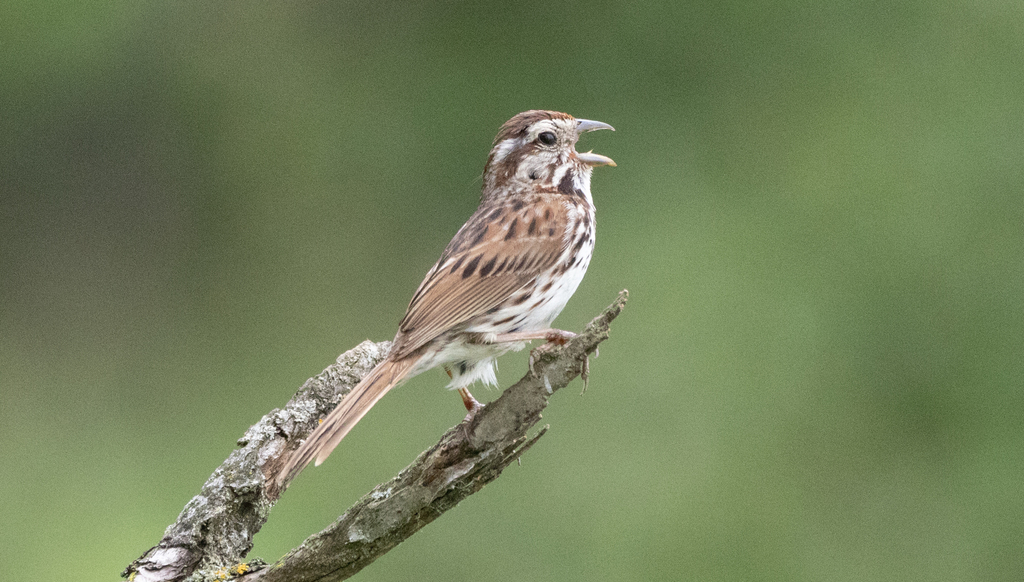
- Song SparrowMelospiza melodia
- Spotted SandpiperActitis macularius
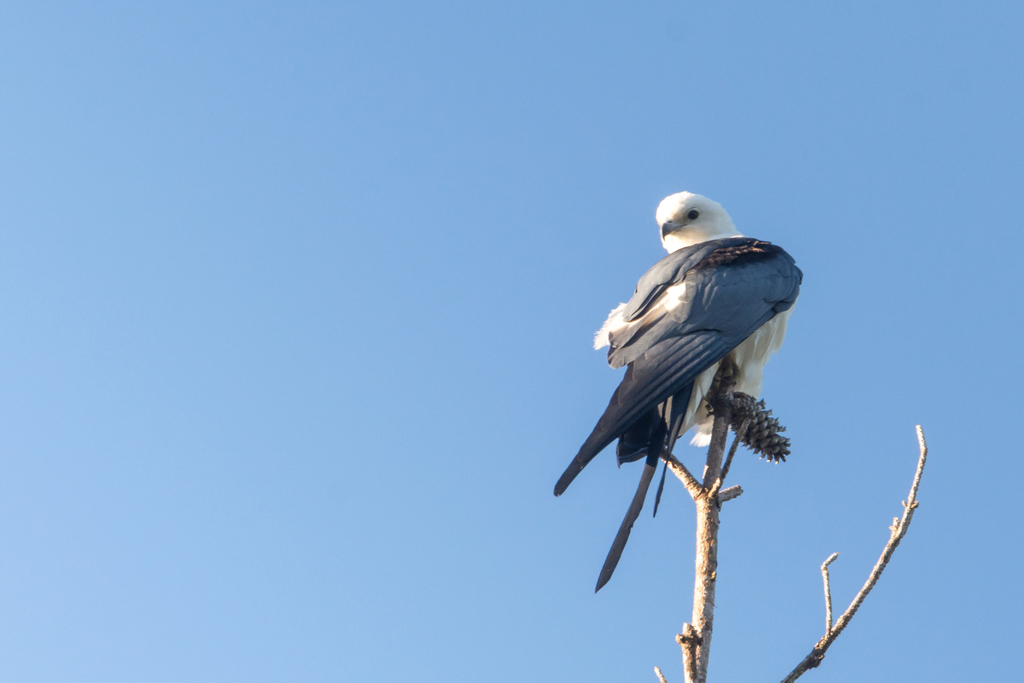
- Swallow-tailed KiteElanoides forficatus
- Tree SwallowTachycineta bicolor
- Tufted TitmouseBaeolophus bicolor
- White-breasted NuthatchSitta carolinensis




















Who uses this plant?
 14CaterpillarsGenus host records with ranges including FL
Genus host records with ranges including FL · Boehmeria
- Polygonia interrogationisQuestion Mark
- Vanessa atalantaRed Admiral
- Condylorrhiza vestigialisThe Alamo Moth
- Estigmene acreaSalt Marsh Moth, Acrea Moth
- Euptoieta claudiaVariegated Fritillary, (?)Gulf Fritillary
- Herpetogramma fluctuosalisGreater Sweetpotato Webworm
- Herpetogramma phaeopteralisDusky Herpetogramma Moth,
- Hypena manalisFlowing-Line Bomolocha, Flowing-Line Snout
- Patania silicalisHerbivorous Patania, Herbivorous Pleuroptya
- Pilocrocis ramentalisScraped Pilocrocis
Show all 14
- Polygonia commaEastern Comma
- Syngamia florellaOrange-Spotted Flower Moth
- Vanessa carduiPainted Lady, Cosmopolite
- Neomachlotica spiraea
 0BeesSoutheastern regional records
 0Specialist beesPollen specialists
 2BirdsRecorded genus food-resource interactions; not a state feeding claim
Recorded genus food-resource interactions; not a state feeding claim · Boehmeria
- Aix sponsaWood Duck
- Aythya collarisRing-necked Duck
Direct food only: birds recorded eating this genus across North America. Caterpillars on host plants also feed nesting birds. NC Native Plant Society: butterfly gardening
No records yet · Ants · Beetles · Flies · Adult butterflies / moths · Other wasps · Other insects
Plant details
- Family
- Urticaceae
- Hardiness
- Zones 4a–10b
- Soil pH
- Acidic to alkaline
- Flower color
- Green or white
- Growth rate
- Moderate
- Growth habit
- Grows in clumps
- Foliage color
- Green
- Fruit begins
- September
- Fruit ends
- October
Safety has not been reviewed for this plant; check toxicity and thorns before planting.
Growing sources and scope
- Bloom · “July to August” · Weakley, Flora of the Southeastern United States (2025), Carolinas & Georgia edition (ranked first; USDA PLANTS, Prairie Moon 2026 Cultural Guide differ) · Carolinas and Georgia
- Flower color · “Green or white” · NC Extension Plant Toolbox (ranked first; USDA PLANTS, Prairie Moon 2026 Cultural Guide differ)
- Foliage color · “Green” · USDA PLANTS · Nationwide species characteristics; local growing conditions may vary
- Fruit begins · “September” · Weakley, Flora of the Southeastern United States (2025), Carolinas & Georgia edition (ranked first; USDA PLANTS differs) · Carolinas and Georgia
- Fruit ends · “October” · Weakley, Flora of the Southeastern United States (2025), Carolinas & Georgia edition (ranked first; USDA PLANTS differs) · Carolinas and Georgia
- Growth habit · “Grows in clumps” · USDA PLANTS · Nationwide species characteristics; local growing conditions may vary
- Growth rate · “Moderate” · USDA PLANTS · Nationwide species characteristics; local growing conditions may vary
- Hardiness · “Zones 4a–10b” · NC Extension Plant Toolbox
- Height · “3 feet” · Tennessee Smart Yards (ranked first; USDA PLANTS, Minnesota Wildflowers, Prairie Moon 2026 Cultural Guide differ) · Published Tennessee growing guidance; exact cached scientific heading
- Life cycle · “Perennial” · NC Extension Plant Toolbox
- Light · “Full sun (6 or more hours of direct sunlight a day); Partial shade (direct sunlight only part of the day, 2-6 hours)” · NC Extension Plant Toolbox (ranked first; Tennessee Smart Yards, Prairie Moon 2026 Cultural Guide differ)
- Soil · “Moist” · NC Extension Plant Toolbox (ranked first; Tennessee Smart Yards, Prairie Moon 2026 Cultural Guide differ)
- Soil pH · “Acidic to alkaline” · NC Extension Plant Toolbox
Conservation status
| Florida rank | S4S5 |
|---|---|
| Global rank | G5 |
| FL status | Not verified |
| Federal status | Not verified |
Will it fit your yard?
Check this plant against your county, sun and soil moisture. Conditions are checked in your browser.
Sources
- Atlas of Florida Plants
- USDA PLANTS
- Vascular Plants of North Carolina (NC Natural Heritage Program)
- Weakley, Flora of the Southeastern United States (2025), Florida edition
- NatureServe Explorer
- Shropshire & Tallamy 2025, Lepidoptera of North America north of Mexico, ZooKeys 1261 (ODbL)
- Noori, Seltmann & Orr 2026, A curated and integrated dataset for exploring global bee-plant interactions (GloBI), Zenodo, CC BY 4.0
- Smith, Bachelder, Russell, Morales, Mosher & Seltmann 2024, Bee-Specialization-Modeling v0.6.1 (specialist host table compiled from J. Fowler's pollen specialist bee lists), Zenodo, CC BY 4.0
- Hurlbert, Olsen, Sawyer & Winner 2021, Avian Diet Database, Scientific Data 8: 260 (CC0)
- Narango, Tallamy & Shropshire 2020, Few keystone plant genera support the majority of Lepidoptera species, Nature Communications