

Black Mangrove
Avicennia germinans
Found in brackish and salt marshes and swamps, in tidal flats and lagoons. Weakley, Flora of the Southeastern United States (2025), Florida edition What its natural habitat tells you
Native to Florida. How scores work Is it native here?
Profile 24%
Will it fit your yard?No photograph yet. Looking for an old drawing…
At a glance
Not yet recorded · Height · Spread · Light · Soil · Life cycle · Leaves · Bloom
This plant is missing most of its facts, so Quercus is looking them up in old botany books.
Recorded in 25 Florida counties.
Natural habitats
Places it grows wild. Not a planting requirement. Each habitat page lists the plants and wildlife also found there.

Coastal marshes flooded by salty or brackish tides.
Salt and brackish open water of sounds, bays and estuaries, with the mud and sand flats and seagrass beds that tides cover and uncover; the vegetated marsh is salt and brackish marshes.
Also found with this plant
Wildlife whose habitat models include habitats this plant grows in, in Florida. Shared habitat, not food. 150 animals.
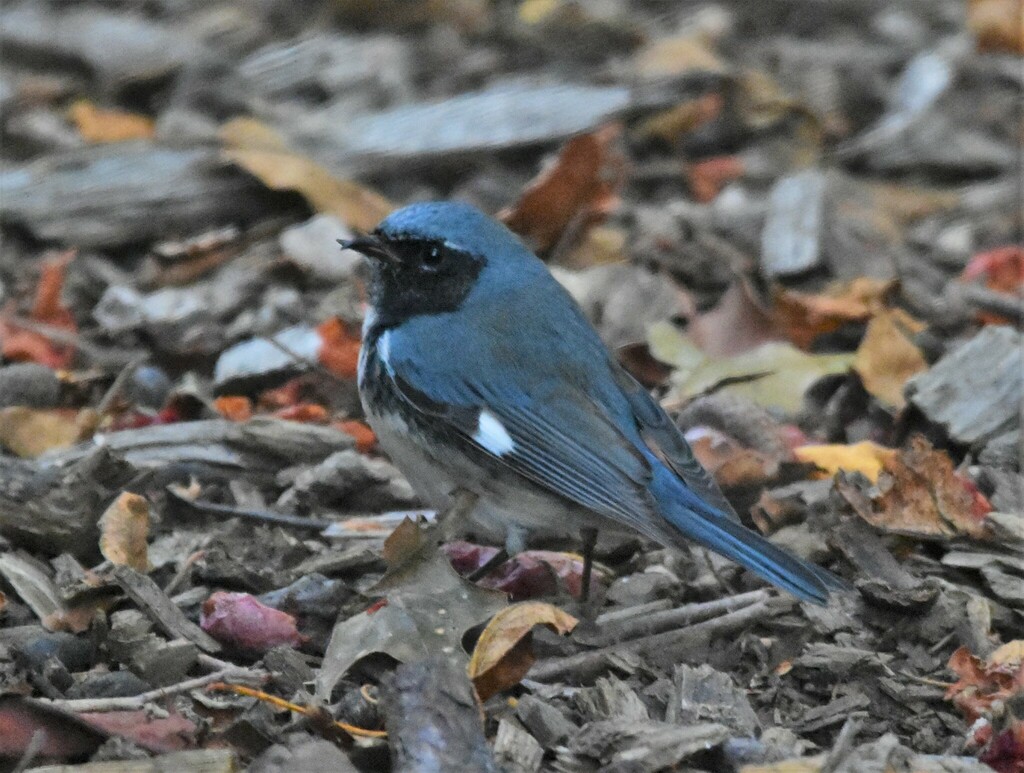
- Black-throated Blue WarblerDendroica caerulescens
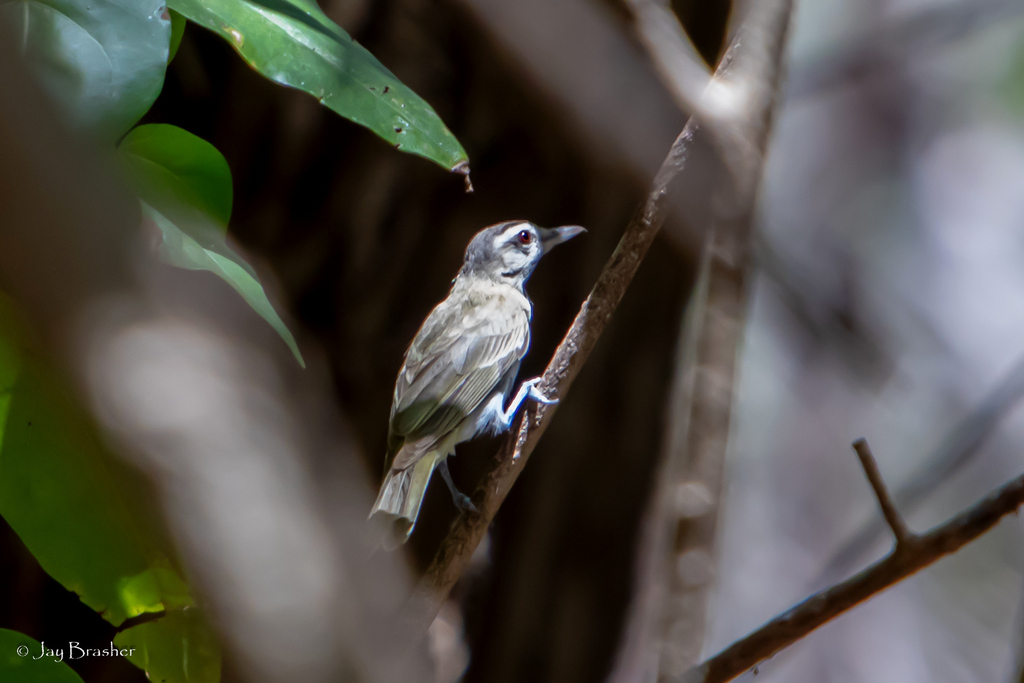
- Black-whiskered VireoVireo altiloquus
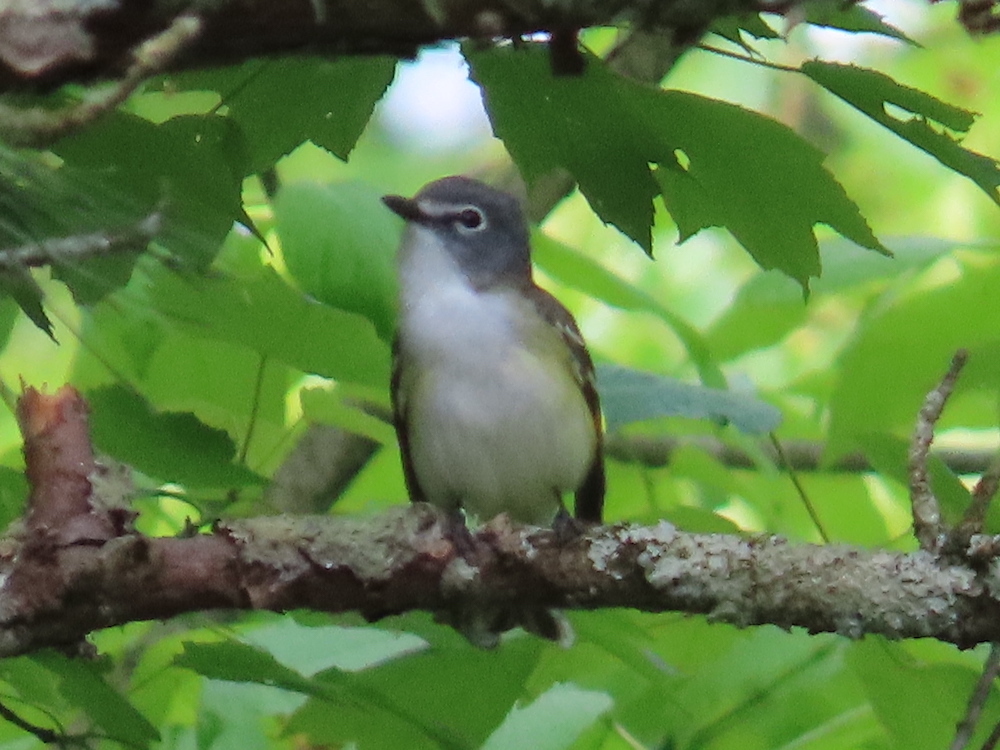
- Blue-headed VireoVireo solitarius
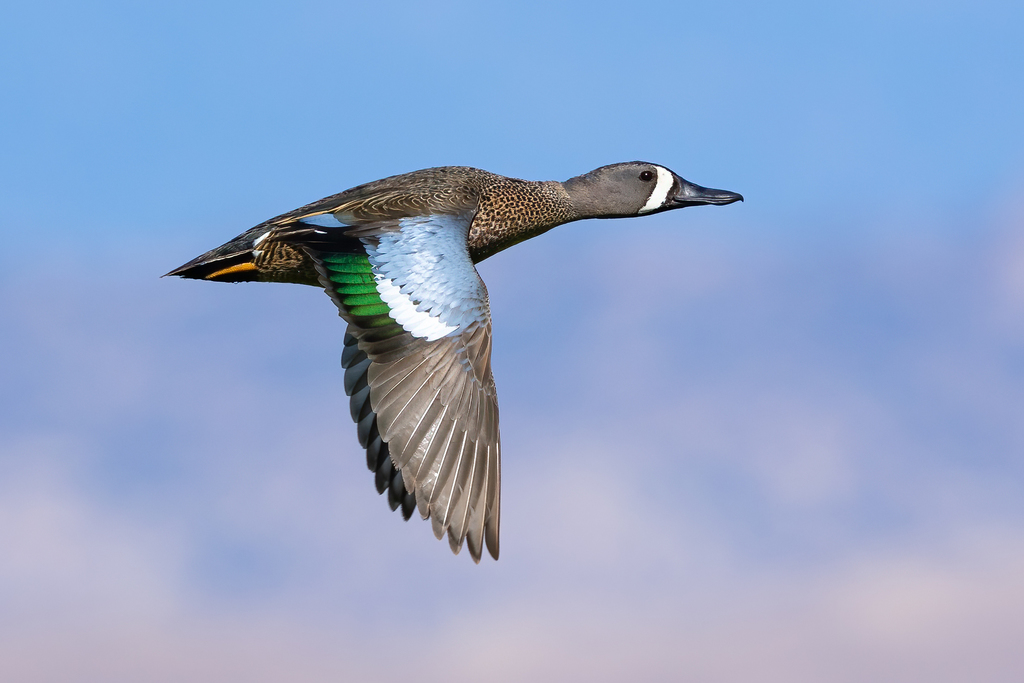
- Blue-winged TealAnas discors
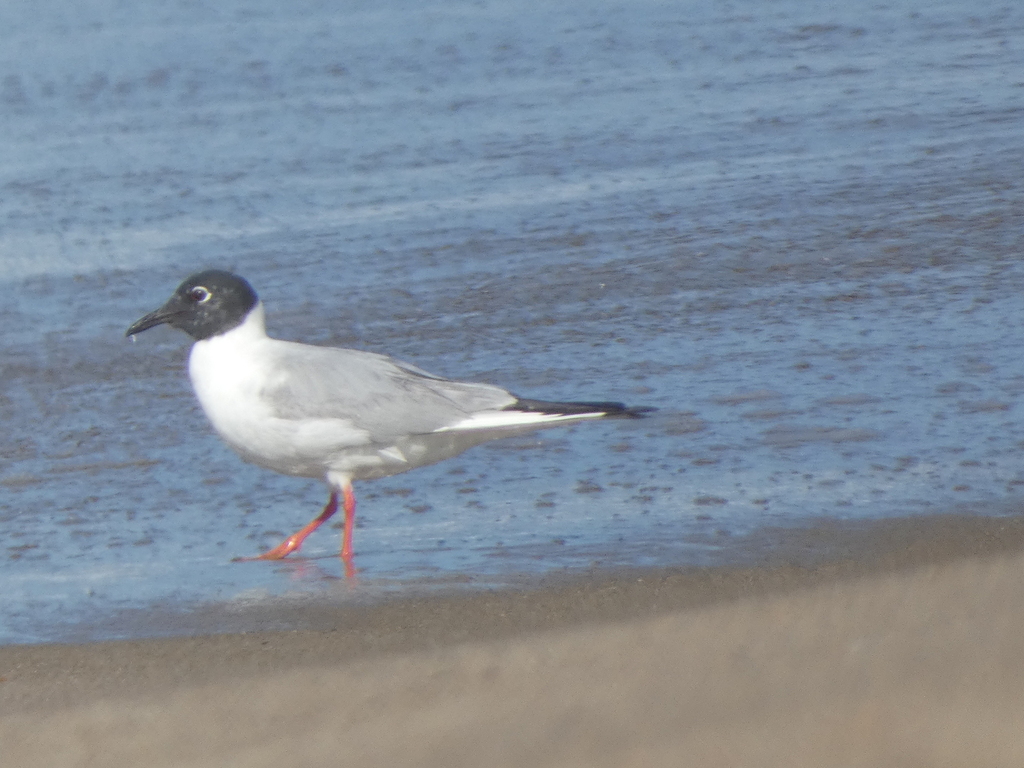
- Bonaparte's GullChroicocephalus philadelphia
- Broad-winged HawkButeo platypterus
- Canada GooseBranta canadensis
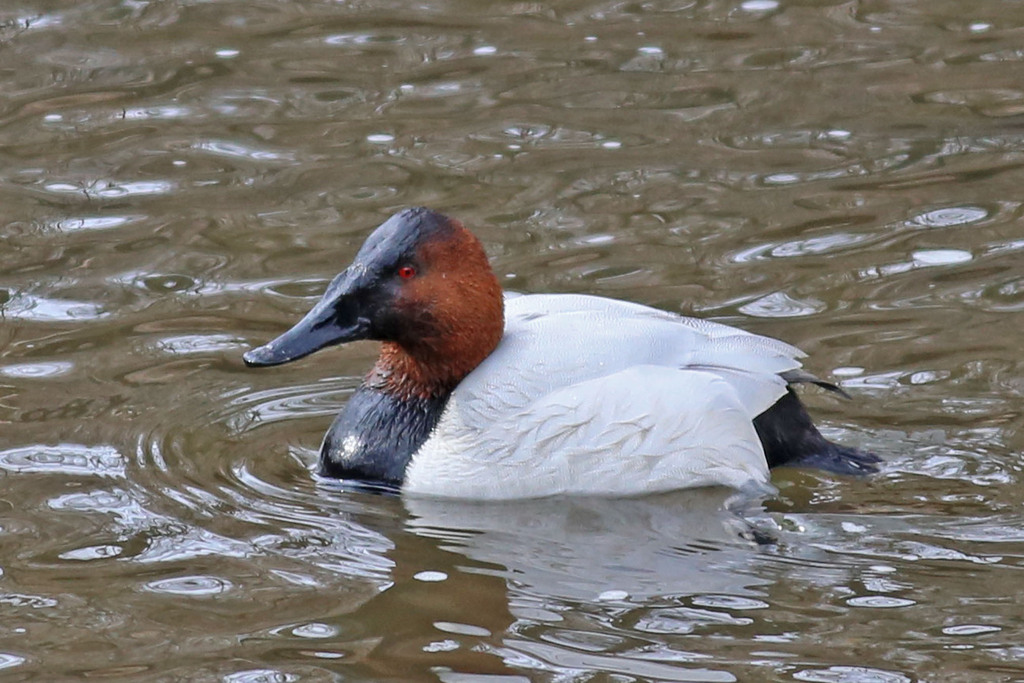
- CanvasbackAythya valisineria
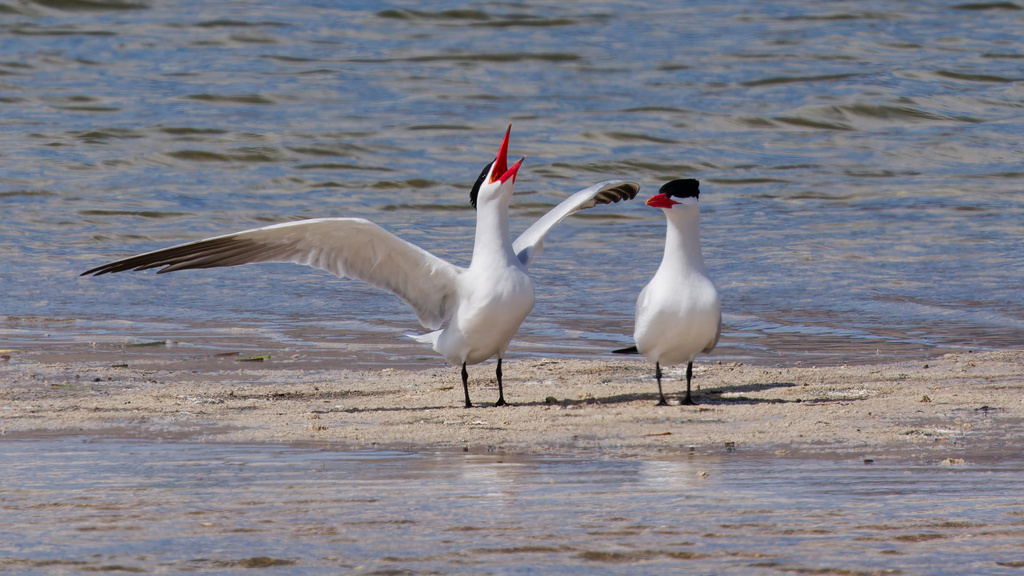
- Caspian TernHydroprogne caspia
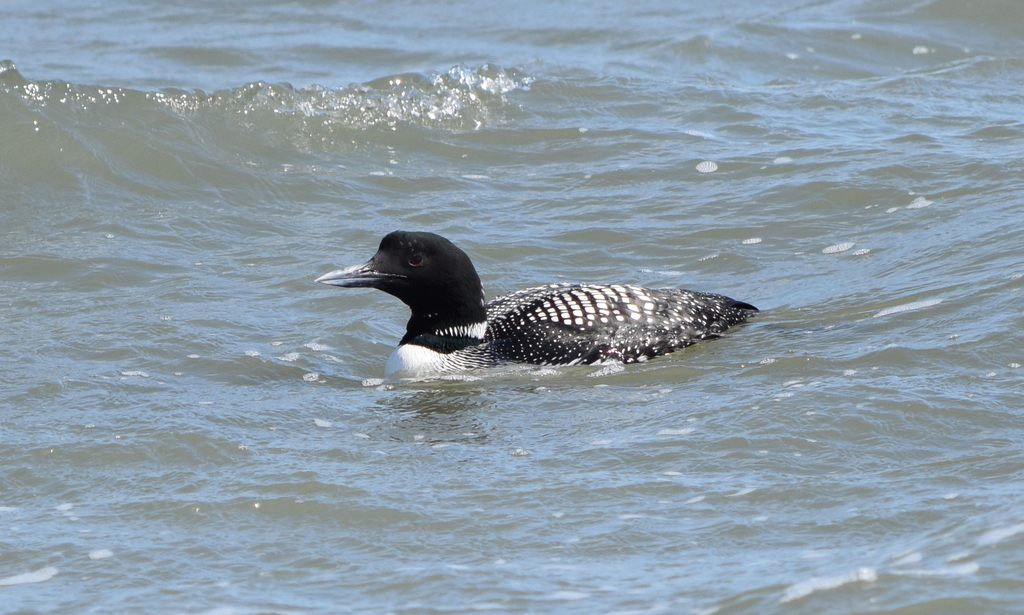
- Common LoonGavia immer
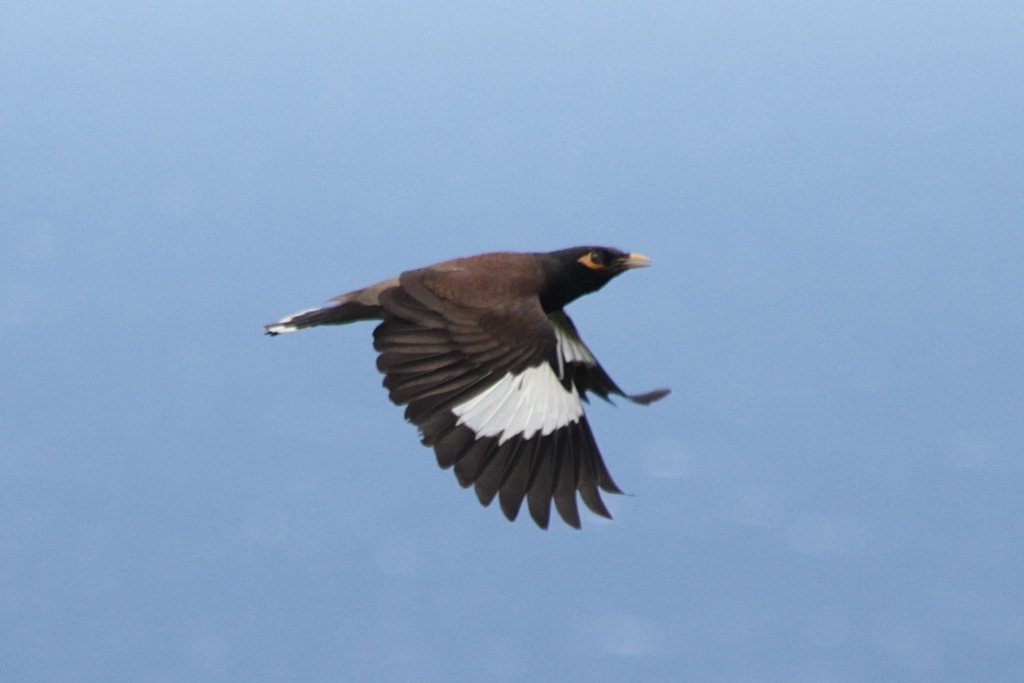
- Common MynaAcridotheres tristis
- Common NighthawkChordeiles minor
- Double-crested CormorantPhalacrocorax auritus
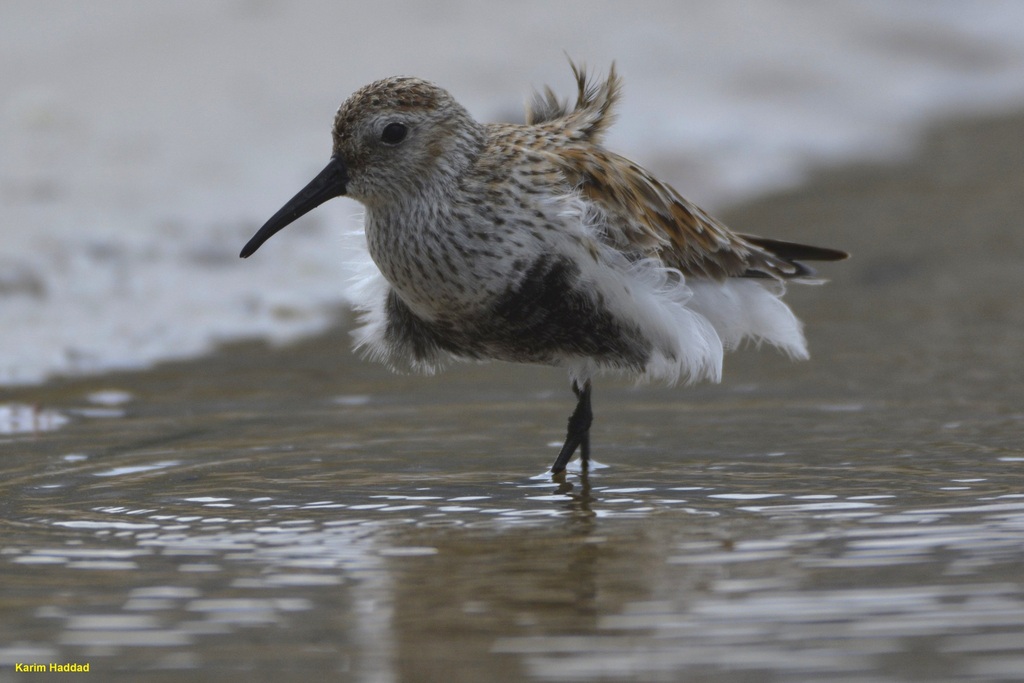
- DunlinCalidris alpina
- European StarlingSturnus vulgaris
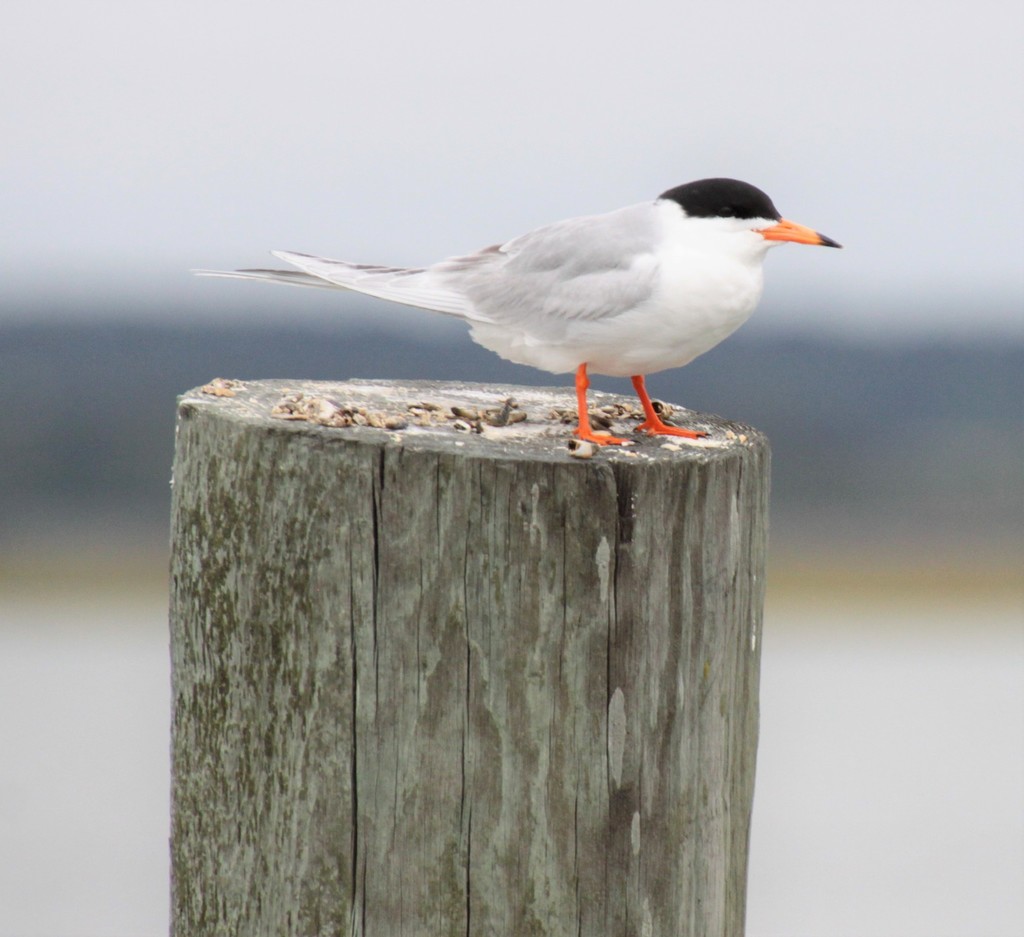
- Forster's TernSterna forsteri
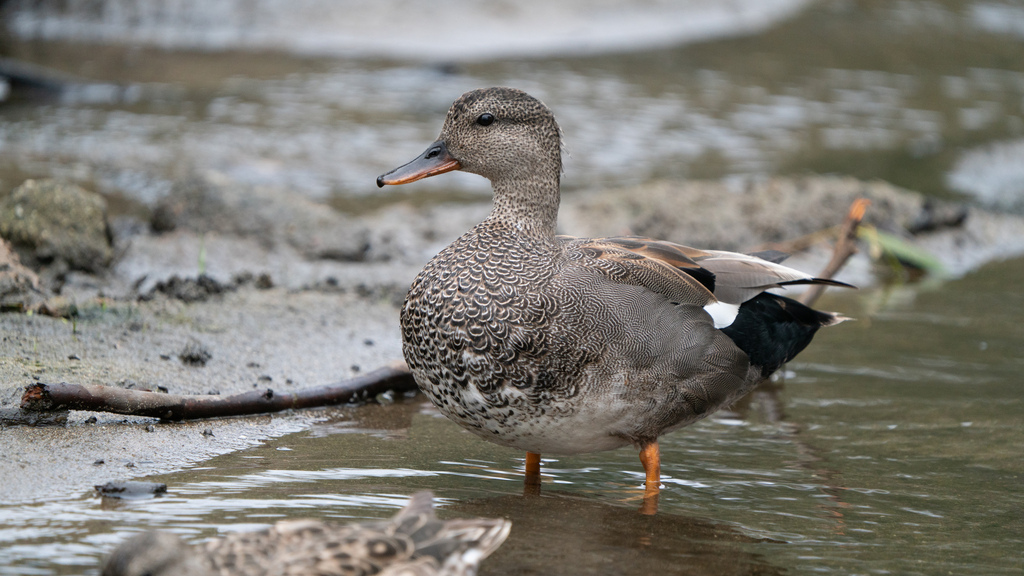
- GadwallAnas strepera
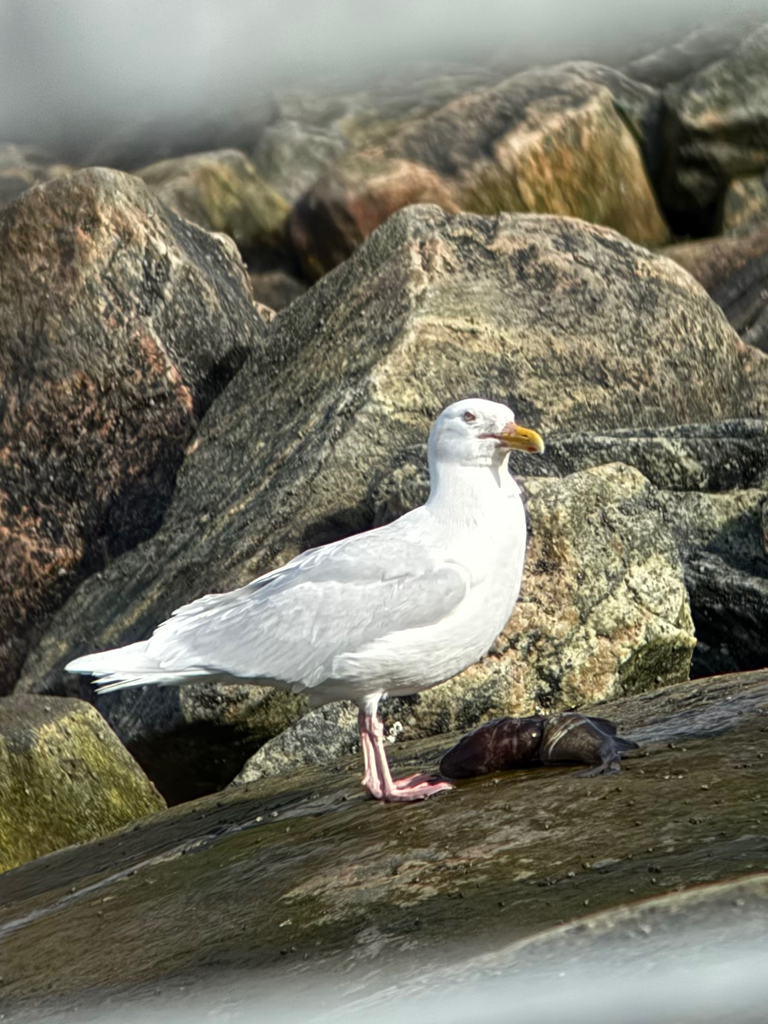
- Glaucous GullLarus hyperboreus
- Golden-crowned KingletRegulus satrapa
- Great Horned OwlBubo virginianus
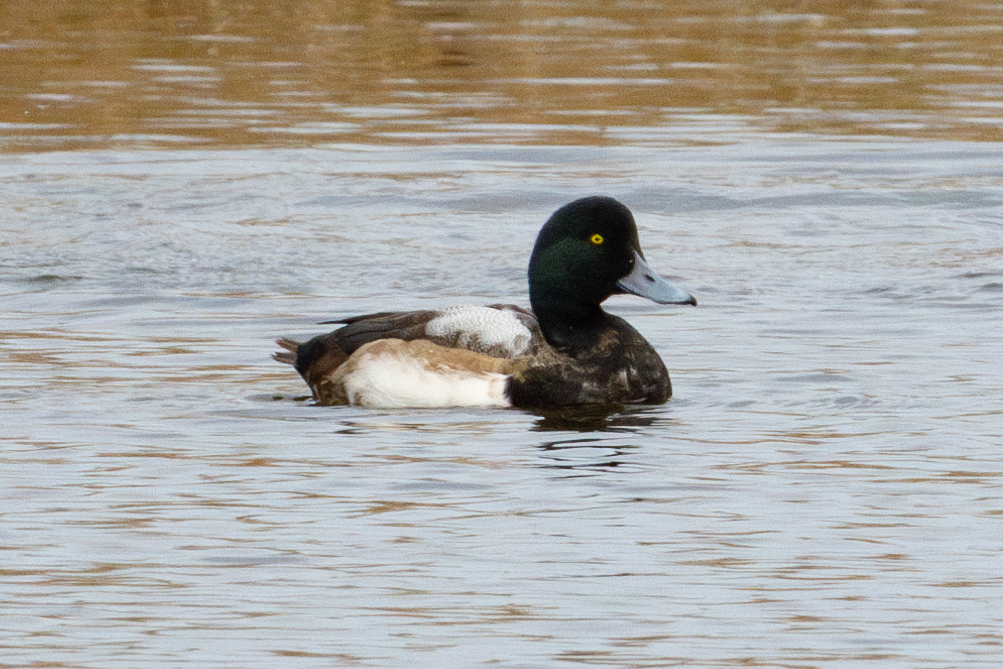
- Greater ScaupAythya marila
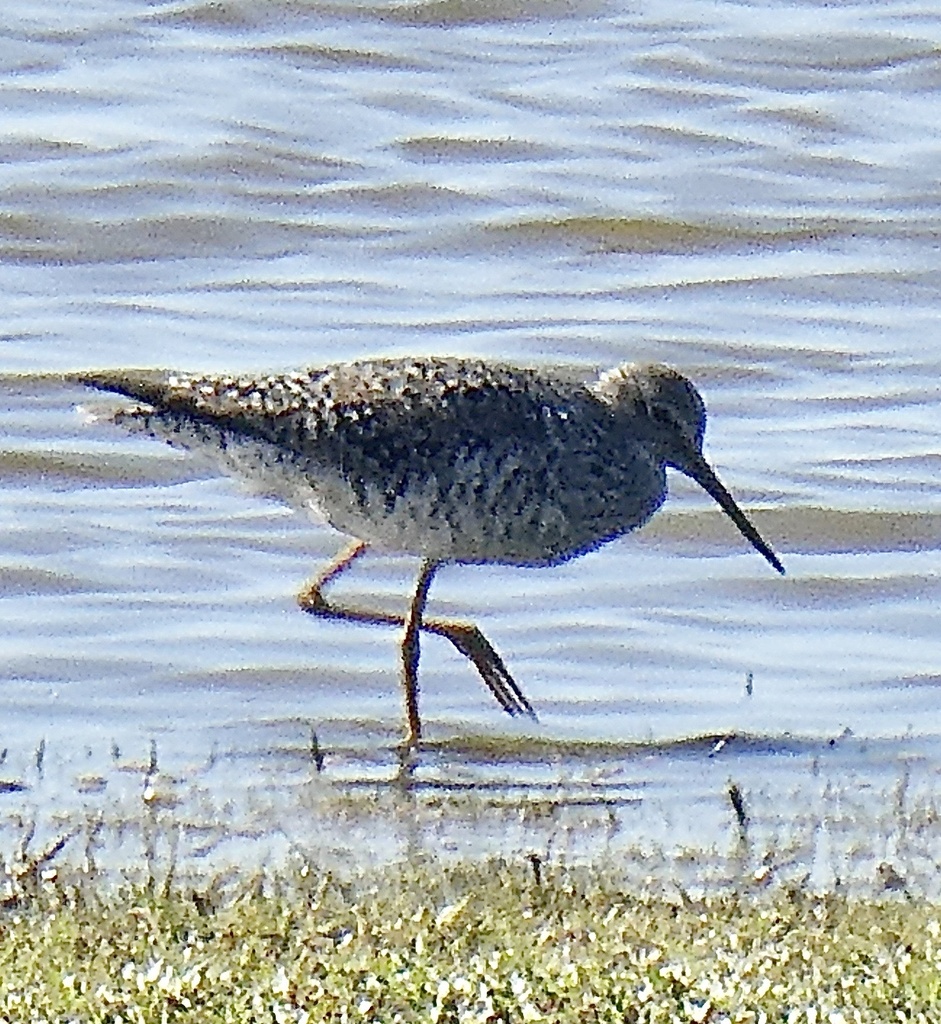
- Greater YellowlegsTringa melanoleuca
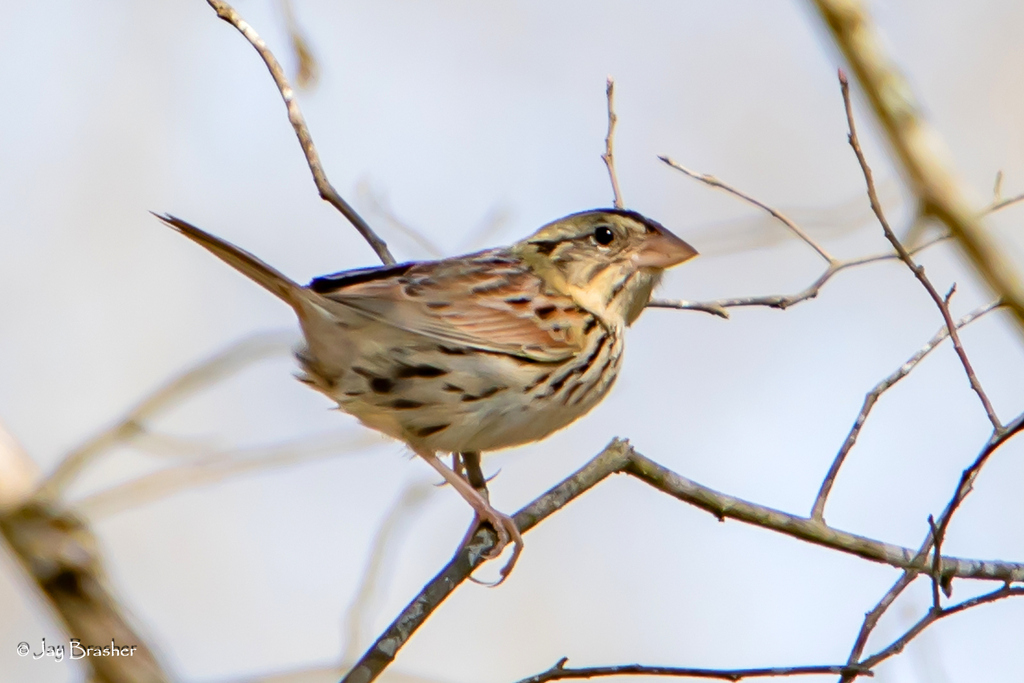
- Henslow's SparrowAmmodramus henslowii
- Hooded MerganserLophodytes cucullatus








Who uses this plant?
 6CaterpillarsGenus host records with ranges including FL
Genus host records with ranges including FL · Avicennia
- Junonia neildiMangrove Buckeye
- Madoryx pseudothyreusFalse-Windowed Sphinx
- Megalopyge opercularisSouthern Flannel Moth, Puss Caterpillar
- Penestola bufalisBlack Penestola
- Tallula watsoniWatson's Tallula
- Gymnandrosoma desotanum
 2BeesSoutheastern regional records
Southeastern regional records · Avicennia
Individual names are not available yet.
Noori, Seltmann & Orr 2026, A curated and integrated dataset for exploring global bee-plant interactions (GloBI), Zenodo, CC BY 4.0 0Specialist beesPollen specialists
 1BirdsRecorded genus food-resource interactions; not a state feeding claim
Recorded genus food-resource interactions; not a state feeding claim · Avicennia
- Patagioenas leucocephalaWhite-crowned Pigeon
Direct food only: birds recorded eating this genus across North America. Caterpillars on host plants also feed nesting birds. NC Native Plant Society: butterfly gardening
No records yet · Ants · Beetles · Flies · Adult butterflies / moths · Other wasps · Other insects
Plant details
- Family
- Acanthaceae
Safety has not been reviewed for this plant; check toxicity and thorns before planting.
Conservation status
| Florida rank | S4S5 |
|---|---|
| Global rank | Not available |
| FL status | Not verified |
| Federal status | Not verified |
Will it fit your yard?
Check this plant against your county, sun and soil moisture. Conditions are checked in your browser.
Sources
- Atlas of Florida Plants
- Weakley, Flora of the Southeastern United States (2025), South Central edition
- NatureServe Explorer
- Shropshire & Tallamy 2025, Lepidoptera of North America north of Mexico, ZooKeys 1261 (ODbL)
- Noori, Seltmann & Orr 2026, A curated and integrated dataset for exploring global bee-plant interactions (GloBI), Zenodo, CC BY 4.0
- Smith, Bachelder, Russell, Morales, Mosher & Seltmann 2024, Bee-Specialization-Modeling v0.6.1 (specialist host table compiled from J. Fowler's pollen specialist bee lists), Zenodo, CC BY 4.0
- Hurlbert, Olsen, Sawyer & Winner 2021, Avian Diet Database, Scientific Data 8: 260 (CC0)
- Narango, Tallamy & Shropshire 2020, Few keystone plant genera support the majority of Lepidoptera species, Nature Communications