

Butterfly Milkweed
Asclepias tuberosa
Orange flower clusters rise above narrow foliage on this drought-tolerant milkweed.
Native to Florida. How scores work Is it native here?
Profile 100%
- Height
- 1–2 feet, sometimes to 3
- Spread
- 1–1½ feet
- Light
- Full sun, Partial shade
- Soil moisture
- Somewhat dry to moist
Space about 1 ft apart from its recorded spread, about 100 per 100 sq ft. Enter your bed size for a count
Will it fit your yard?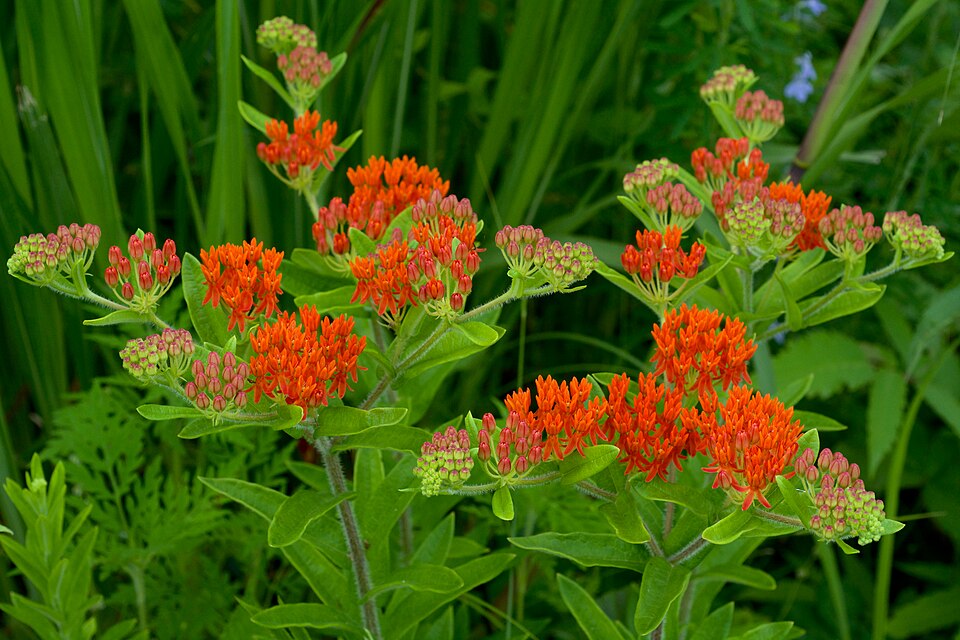
At a glance
- Life cycle
- Herbaceous perennial
- Leaves
- Deciduous
- Bloom
- May to August
- Fruiting season
- Fall
Recorded in 63 Florida counties.
Also found with this plant
Wildlife whose habitat models include habitats this plant grows in, in Florida. Shared habitat, not food. 79 animals.
- Common NighthawkChordeiles minor
- Cooper's HawkAccipiter cooperii
- Dark-eyed JuncoJunco hyemalis
- Double-crested CormorantPhalacrocorax auritus
- Downy WoodpeckerPicoides pubescens
- Eastern BluebirdSialia sialis
- Eastern KingbirdTyrannus tyrannus
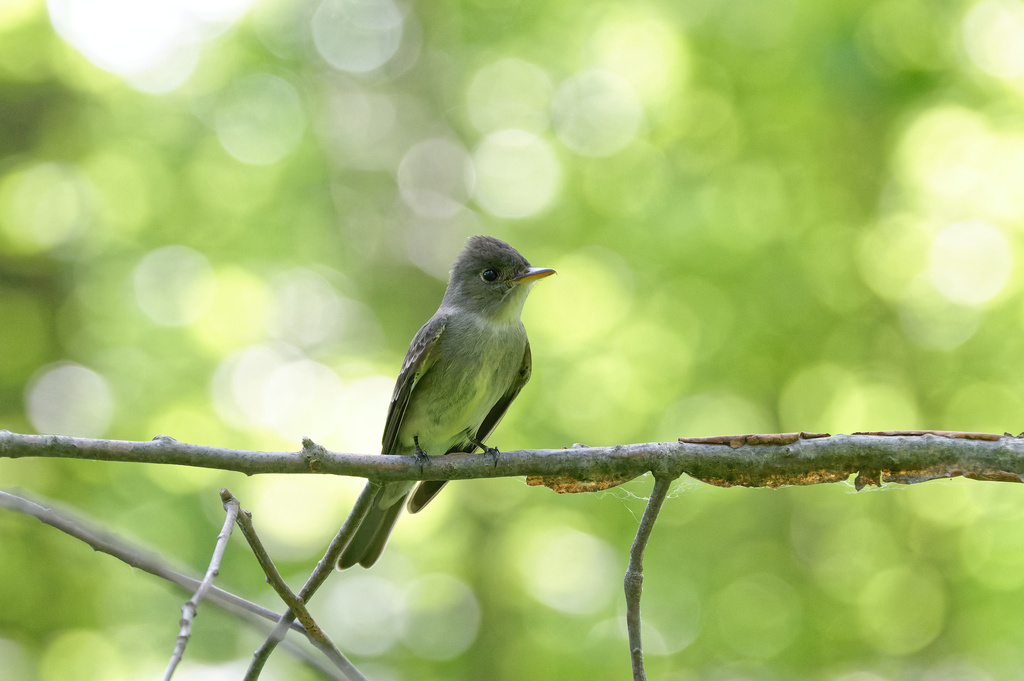
- Eastern PhoebeSayornis phoebe
- Eastern Screech-owlMegascops asio
- Eastern TowheePipilo erythrophthalmus
- Eastern Wood-peweeContopus virens
- Eurasian Collared-doveStreptopelia decaocto
- European StarlingSturnus vulgaris
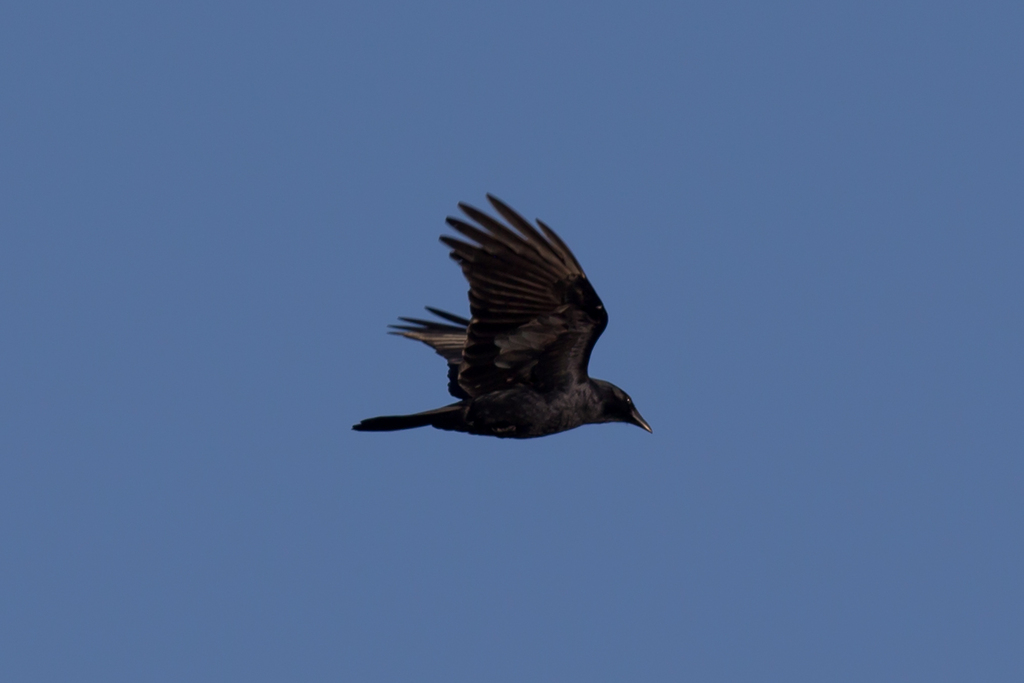
- Fish CrowCorvus ossifragus
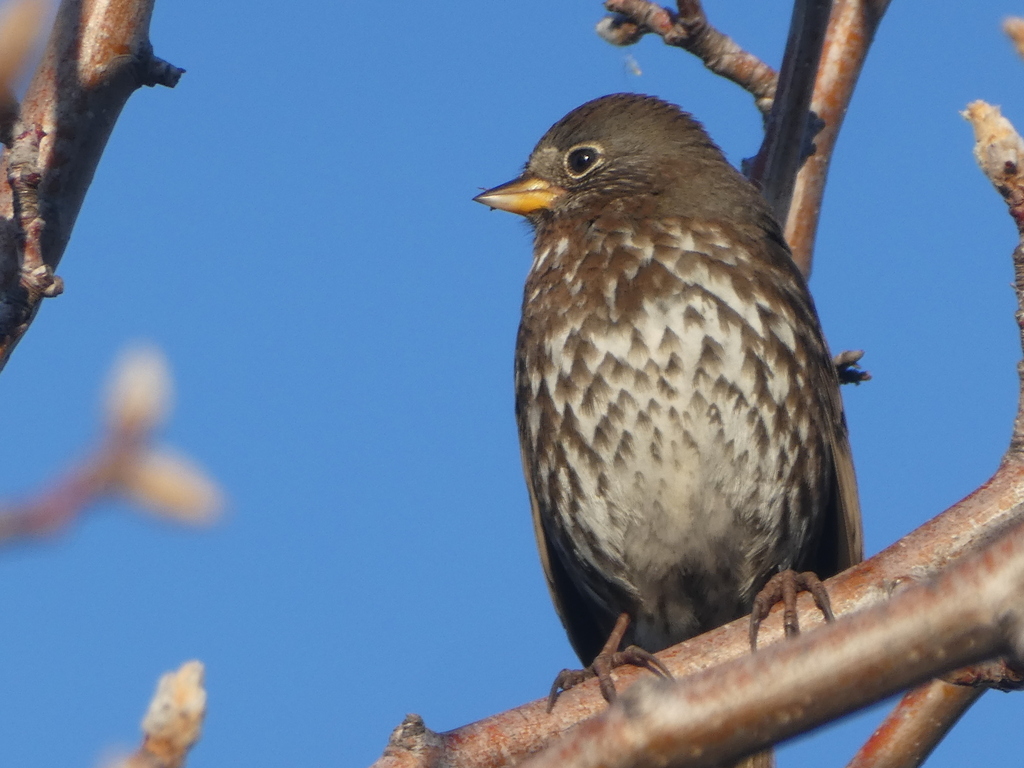
- Fox SparrowPasserella iliaca
- Golden-crowned KingletRegulus satrapa
- Great Crested FlycatcherMyiarchus crinitus
- Great Horned OwlBubo virginianus
- Hairy WoodpeckerPicoides villosus
- Hermit ThrushCatharus guttatus
- Hooded MerganserLophodytes cucullatus
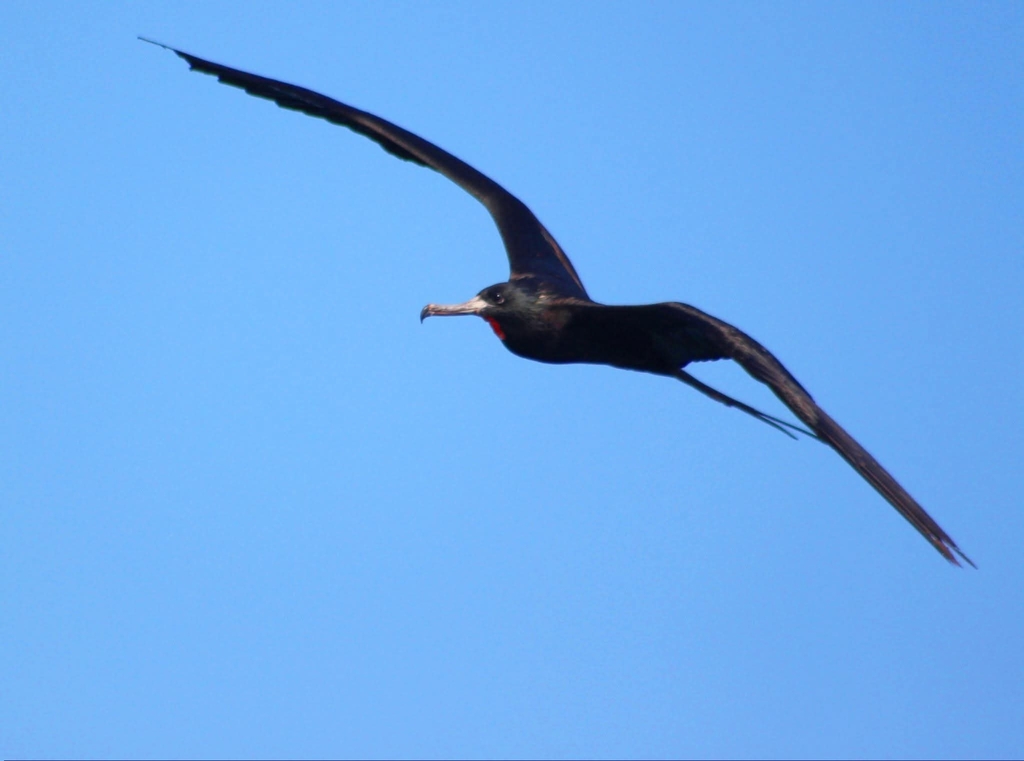
- Magnificent FrigatebirdFregata magnificens
- Mourning DoveZenaida macroura
- Northern BobwhiteColinus virginianus





















Care
- Avoid wet, poorly drained soil.
- Established plants are best left undisturbed.
- Optional bloom tip: Removing spent flowers can encourage more blooms.
Who uses this plant?
 15CaterpillarsGenus host records with ranges including FL
Genus host records with ranges including FL · Asclepias
- Danaus plexippusMonarch
- Agathodes monstralisSky-Pointing Moth
- Cycnia collarisUnexpected Cycnia
- Cycnia teneraDelicate Cycnia, Dogbane Tiger Moth
- Danaus eresimusSoldier, Tropical Queen
- Danaus gilippusQueen
- Euchaetes egleMilkweed Tussock Moth or Milkweed Tiger Moth
- Hyalophora cecropiaCecropia Silkmoth, Cecropia Moth
- Platynota flavedanaBlack-Shaded Platynota
- Pygarctia spragueiSprague's Pygarctia Moth
Show all 15
- Pyrrharctia isabellaIsabella Tiger Moth, Banded Woolybear
- Spodoptera frugiperdaFall Armyworm Moth
- Strymon melinusGray Hairstreak
- Trichordestra legitimaStriped Garden Caterpillar Moth
- Pygarctia eglenensis
 59BeesSoutheastern regional records
Southeastern regional records · Asclepias
Individual names are not available yet.
Noori, Seltmann & Orr 2026, A curated and integrated dataset for exploring global bee-plant interactions (GloBI), Zenodo, CC BY 4.0 0Specialist beesPollen specialists
 1BirdsRecorded genus food-resource interactions; not a state feeding claim
Recorded genus food-resource interactions; not a state feeding claim · Asclepias
- Ortalis vetulaPlain Chachalaca
Direct food only: birds recorded eating this genus across North America. Caterpillars on host plants also feed nesting birds. NC Native Plant Society: butterfly gardening
Flies 2
- Scepsis fulvicollis
- Spallanzania hesperidarum
Flower visits · Carlinville, Illinois, USA
Adult butterflies / moths 7
- Anosia plexippus
- Argynnis cybele
- Papilio asterias
- Phyciodes tharos
- Pontia protodice
- Speyeria idalia
- Strymon titus
Flower visits · Carlinville, Illinois, USA
Other wasps 5
- Ammobia ichneumonea
- Priononyx atrata
- Priononyx thomae
- Sphex nigricans
- Sphex procera
Flower visits · Carlinville, Illinois, USA
No records yet · Ants · Beetles · Other insects
Plant details
- Family
- Apocynaceae
- Hardiness
- Zones 3a–9b
- Flower color
- Orange, yellow or red
- Growth rate
- Slow
- Growth habit
- Several stems
- Foliage color
- Green
- Fruit begins
- Fall
- Fruit ends
- Fall
What its natural habitat tells you
Flower color. Usually orange to yellow-orange; yellow forms and yellowish to vermilion tinges are also recorded by the source. Source
Preferred light. Prefers full sun. Partial shade is a recorded tolerance, rather than the preferred flowering condition. Source
Safety has not been reviewed for this plant; check toxicity and thorns before planting.
Leave its deep taproot undisturbed. Avoid wet soil; seed-grown plants may need several years to flower. NC State Extension
Growing sources and scope
- Bloom · “Spring and summer” · NC Extension Plant Toolbox (ranked first; USDA PLANTS, Prairie Moon 2026 Cultural Guide differ)
- Flower color · “Orange, yellow or red” · NC State Extension · reviewed species facts
- Foliage color · “Green” · USDA PLANTS · Nationwide species characteristics; local growing conditions may vary
- Fruit begins · “Fall” · NC Extension Plant Toolbox (ranked first; USDA PLANTS differs) · Species profile fruit display season; not a local ripening date
- Fruit ends · “Fall” · NC Extension Plant Toolbox · Species profile fruit display season; not a local ripening date
- Growth habit · “Several stems” · USDA PLANTS · Nationwide species characteristics; local growing conditions may vary
- Growth rate · “Slow” · USDA PLANTS · Nationwide species characteristics; local growing conditions may vary
- Hardiness · “Zones 3a–9b” · NC Extension Plant Toolbox
- Height · “1–2 feet” · NC Extension Plant Toolbox (ranked first; USDA PLANTS, Prairie Moon 2026 Cultural Guide differ)
- Leaves · “Deciduous” · NC Extension Plant Toolbox
- Life cycle · “Perennial” · NC Extension Plant Toolbox
- Light · “Full sun (6 or more hours of direct sunlight a day); Partial shade (direct sunlight only part of the day, 2-6 hours)” · NC Extension Plant Toolbox (ranked first; Tennessee Smart Yards, Virginia DCR Piedmont, Virginia DCR Coastal Plain, Prairie Moon 2026 Cultural Guide differ)
- primary_flower_color · “orange” · NC State Extension species profile; existing gardener field review
- Soil · “Good drainage; Moist; Occasionally dry” · NC Extension Plant Toolbox (ranked first; Tennessee Smart Yards, Virginia DCR Piedmont, Virginia DCR Coastal Plain, Prairie Moon 2026 Cultural Guide differ)
- Spread · “1–1.5 feet” · NC Extension Plant Toolbox
Recognizing it
Narrow leaves spiral along upright stems. Unlike many milkweeds, its sap is clear. Identification source
Conservation status
| Florida rank | SNR |
|---|---|
| Global rank | G5 |
| FL status | Not verified |
| Federal status | Not verified |
Will it fit your yard?
Check this plant against your county, sun and soil moisture. Conditions are checked in your browser.
Growing cautions
- Self-seeds. May freely self-seed unless seed pods are removed before they split. NC State Extension Plant Toolbox
- Needs good drainage. Avoid wet, poorly drained soil. NC State Extension Plant Toolbox
For planning only; these do not change the score or Fit.
Sources
- Atlas of Florida Plants
- USDA PLANTS
- Vascular Plants of North Carolina (NC Natural Heritage Program)
- Weakley, Flora of the Southeastern United States (2025)
- Shropshire & Tallamy 2025, Lepidoptera of North America north of Mexico, ZooKeys 1261 (ODbL)
- Noori, Seltmann & Orr 2026, A curated and integrated dataset for exploring global bee-plant interactions (GloBI), Zenodo, CC BY 4.0
- Smith, Bachelder, Russell, Morales, Mosher & Seltmann 2024, Bee-Specialization-Modeling v0.6.1 (specialist host table compiled from J. Fowler's pollen specialist bee lists), Zenodo, CC BY 4.0
- Hurlbert, Olsen, Sawyer & Winner 2021, Avian Diet Database, Scientific Data 8: 260 (CC0)
- Narango, Tallamy & Shropshire 2020, Few keystone plant genera support the majority of Lepidoptera species, Nature Communications
- NC State Extension