

Eastern Columbine
Aquilegia canadensis
Found in forests, woodlands, rock outcrops, especially (though by no means entirely) on calcareous or mafic substrates. FloraQuest, phone app (app page) What its natural habitat tells you
Native to Florida. How scores work Is it native here?
Profile 100%
- Height
- 1–3 feet
- Spread
- 1–1.5 feet
- Light
- Full sun, Partial shade
- Soil moisture
- Somewhat dry to moist
Space about 1 ft apart from its recorded spread, about 100 per 100 sq ft. Enter your bed size for a count
Will it fit your yard?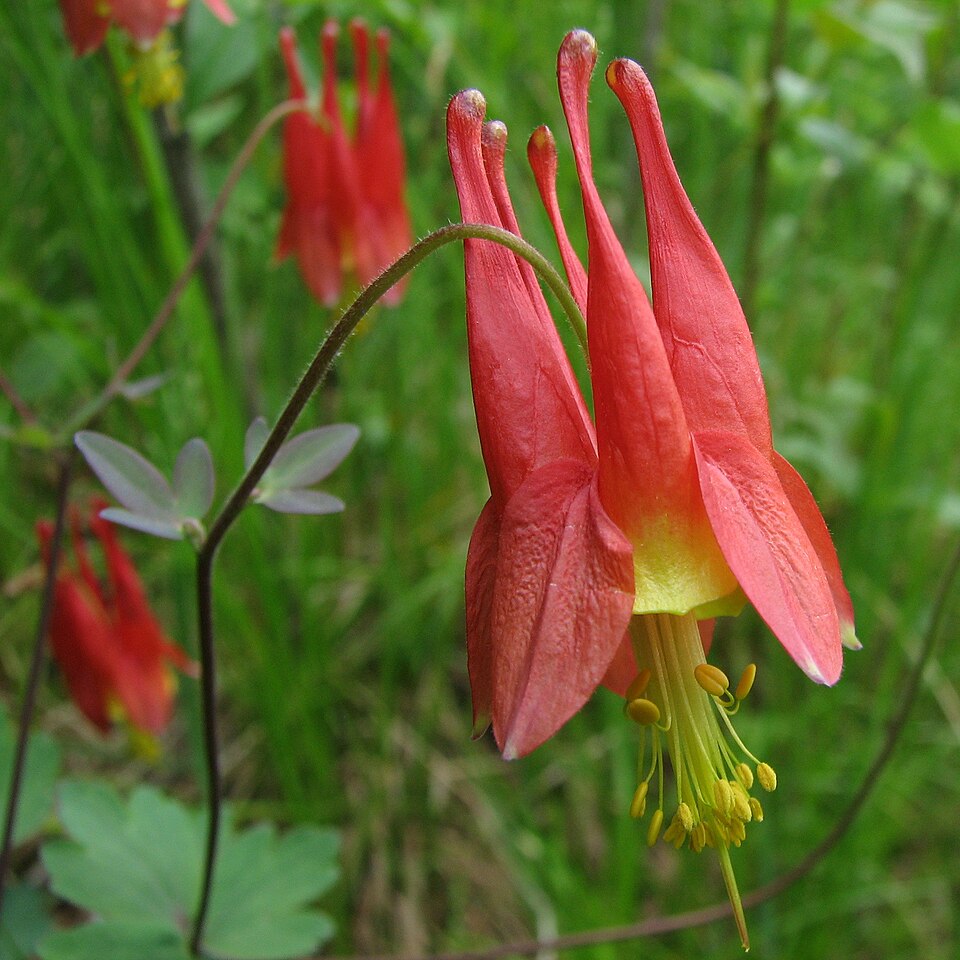
Rare or protected plant. Specialist conservation planting; excluded from routine garden suggestions. Plant caution source
Hidden from default planting suggestions. Wildlife value and native status remain unchanged.
At a glance
- Life cycle
- Perennial
- Leaves
- Deciduous
- Bloom
- March to June
Recorded in 5 Florida counties.
Natural habitats
Places it grows wild. Not a planting requirement. Each habitat page lists the plants and wildlife also found there.
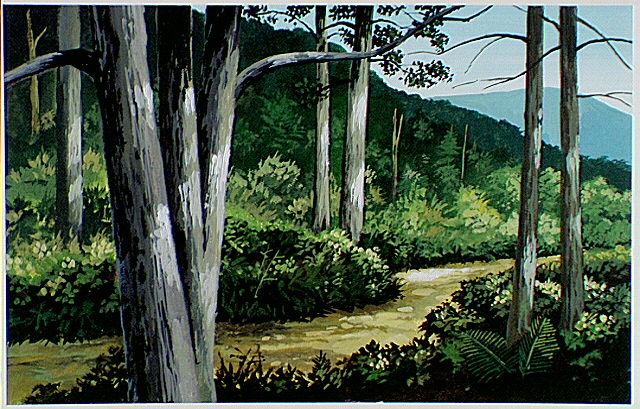
Glades, barrens and outcrops on limestone
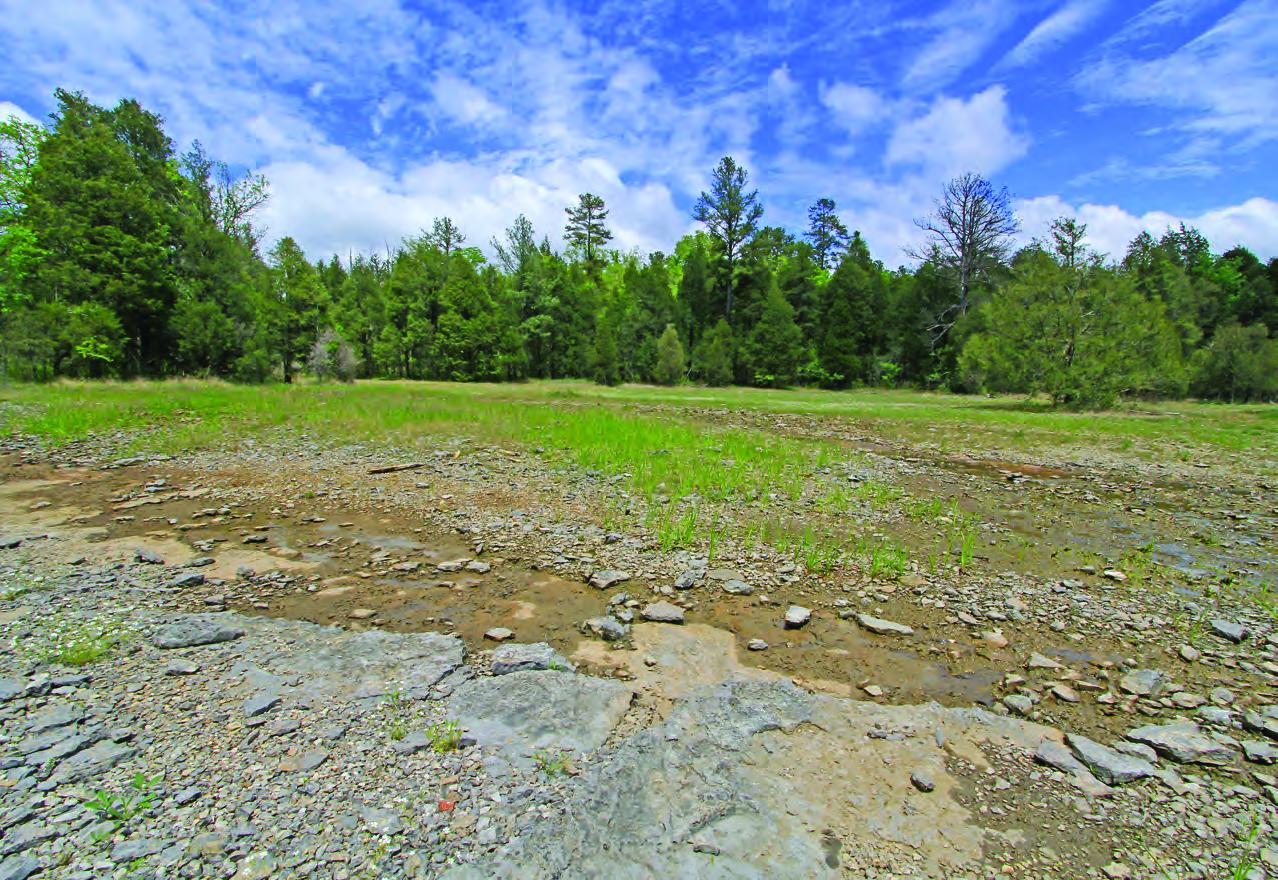
Glades, barrens and outcrops on mafic or serpentine rock
Open, thin-soil openings, outcrops and cliffs on dark, magnesium- or iron-rich rock such as serpentine, diabase or gabbro.
Also found with this plant
Wildlife whose habitat models include habitats this plant grows in, in Florida. Shared habitat, not food. 110 animals.
- Acadian FlycatcherEmpidonax virescens
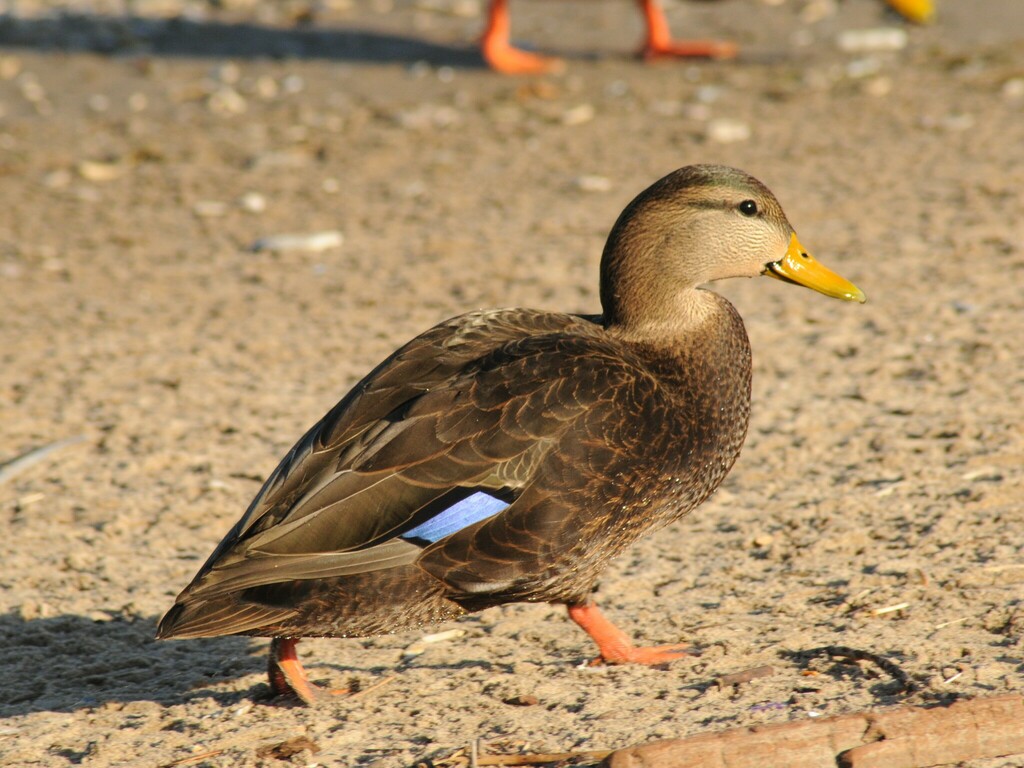
- American Black DuckAnas rubripes
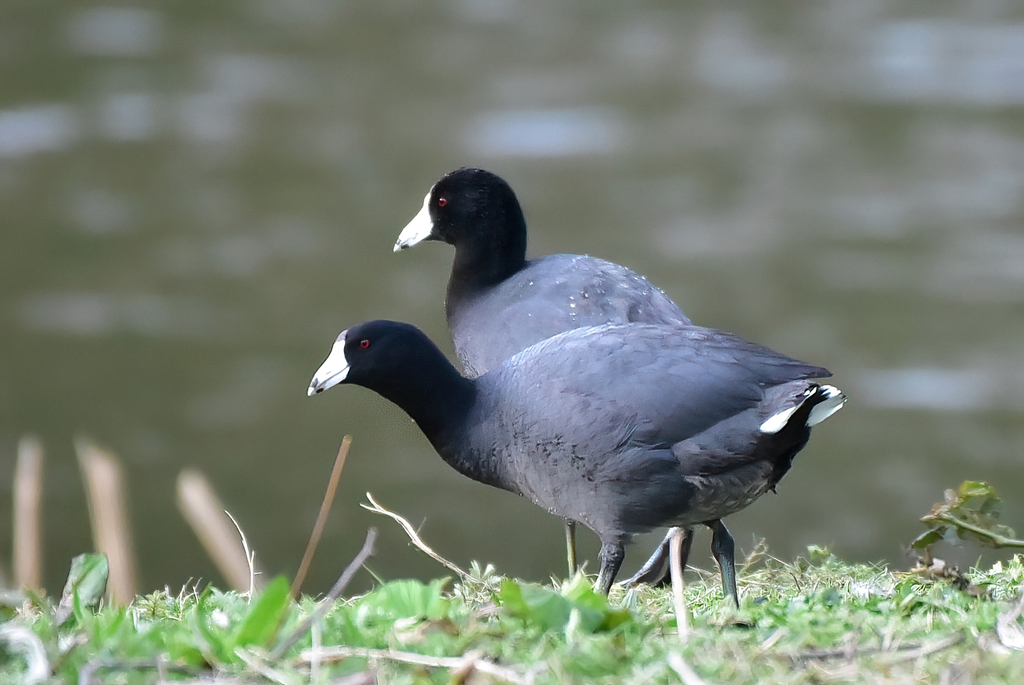
- American CootFulica americana
- American CrowCorvus brachyrhynchos
- American GoldfinchCarduelis tristis
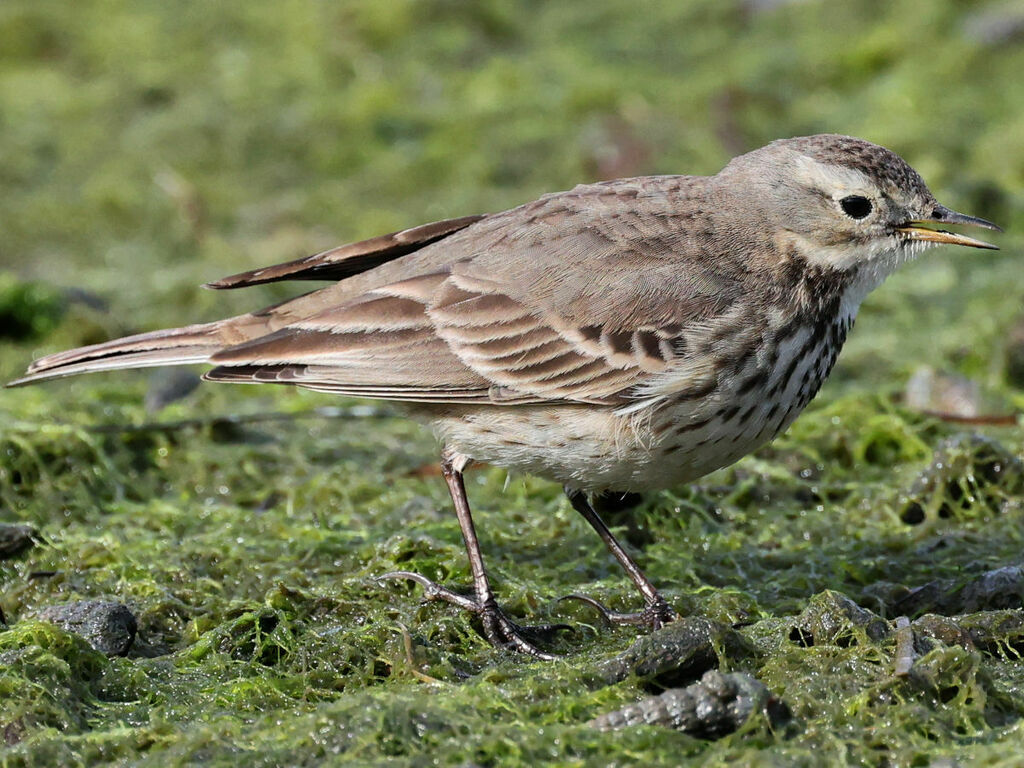
- American PipitAnthus rubescens
- American RedstartSetophaga ruticilla
- American RobinTurdus migratorius
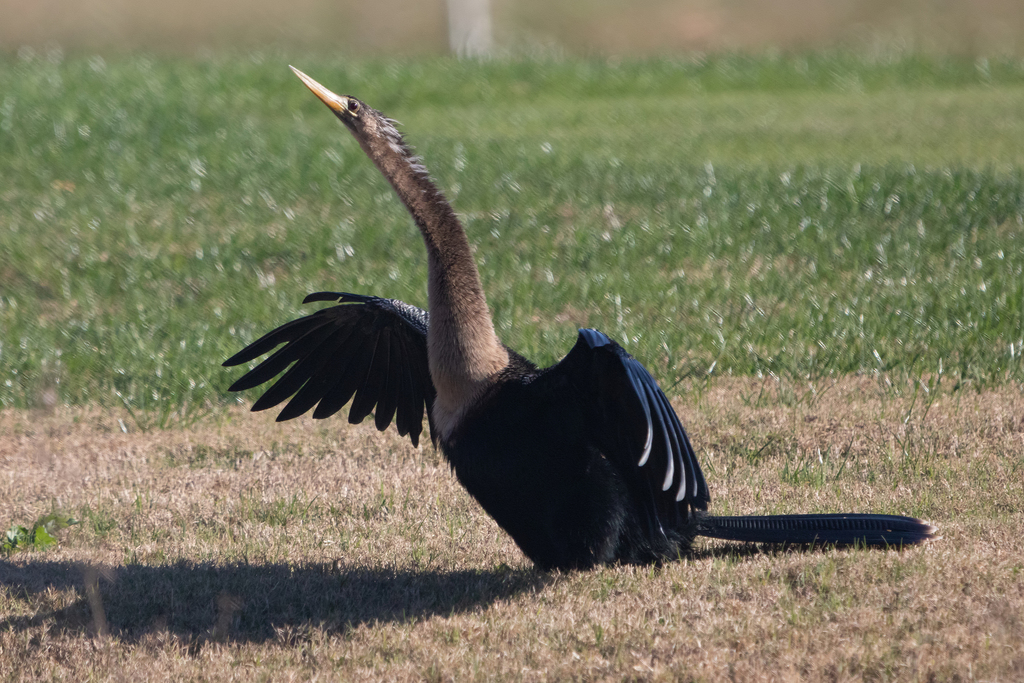
- AnhingaAnhinga anhinga
- Bald EagleHaliaeetus leucocephalus
- Baltimore OrioleIcterus galbula
- Barred OwlStrix varia
- Belted KingfisherMegaceryle alcyon
- Black VultureCoragyps atratus
- Black-and-White WarblerMniotilta varia
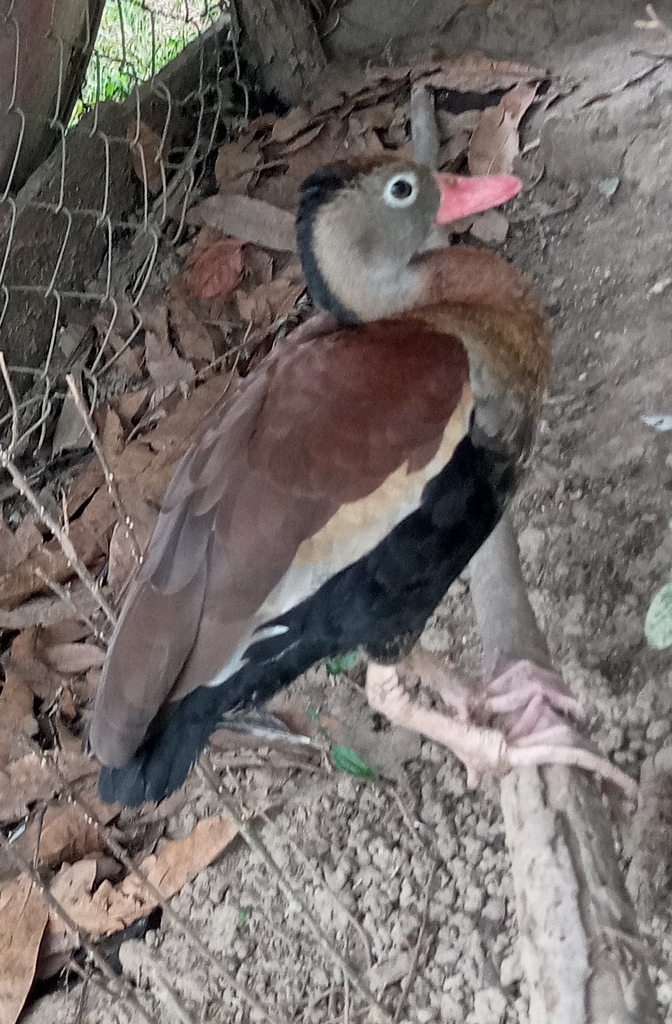
- Black-bellied Whistling-DuckDendrocygna autumnalis
- Black-crowned Night-heronNycticorax nycticorax
- Blue GrosbeakPasserina caerulea
- Blue JayCyanocitta cristata
- Blue-gray GnatcatcherPolioptila caerulea
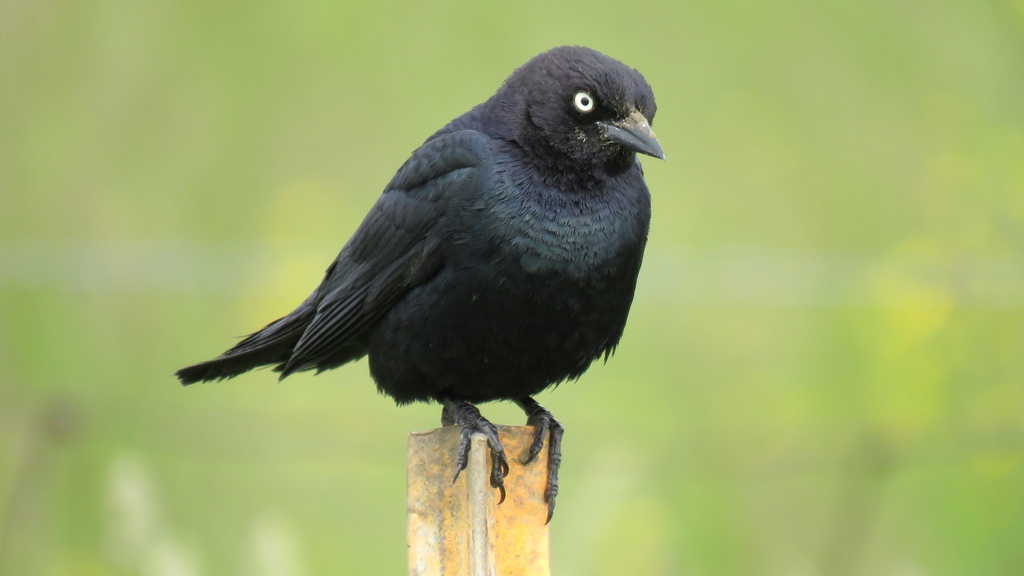
- Brewer's BlackbirdEuphagus cyanocephalus
- Brown CreeperCerthia americana
- Brown-headed CowbirdMolothrus ater
- Canada GooseBranta canadensis



















Who uses this plant?
 7CaterpillarsGenus host records with ranges including FL
Genus host records with ranges including FL · Aquilegia
- Acleris albicomanaRed-Edged Acleris
- Aethalura intertextaFour-Barred Gray
- Argyrotaenia ivanaIvana Leafroller Moth
- Chloridea virescensTobacco Budworm Moth
- Ectropis crepusculariaThe Small Engrailed, Saddleback Looper
- Gesta baptisiaeWild Indigo Duskywing, Baptisia Duskywing
- Pyrrhia ciliscaAmerican Bordered Sallow, Noble Sun Moth
 5BeesSoutheastern regional records
Southeastern regional records · Aquilegia
Individual names are not available yet.
Noori, Seltmann & Orr 2026, A curated and integrated dataset for exploring global bee-plant interactions (GloBI), Zenodo, CC BY 4.0 0Specialist beesPollen specialists
 —BirdsRecorded genus food-resource interactions; not a state feeding claim
No records yet · Ants · Beetles · Flies · Adult butterflies / moths · Other wasps · Other insects
Plant details
- Family
- Ranunculaceae
- Hardiness
- Zones 3a–8b
- Soil pH
- Neutral
- Flower color
- Yellow, pink or red
Growing sources and scope
- Bloom · “March to June” · FloraQuest: Carolinas, Georgia (Southeastern Flora Team), phone app (app page) (ranked first; Prairie Moon 2026 Cultural Guide differs) · Carolinas and Georgia
- Flower color · “Yellow, pink or red” · NC Extension Plant Toolbox (ranked first; Prairie Moon 2026 Cultural Guide differs)
- Hardiness · “Zones 3a–8b” · NC Extension Plant Toolbox
- Height · “1–3 feet” · NC Extension Plant Toolbox (ranked first; Tennessee Smart Yards, Prairie Moon 2026 Cultural Guide differ)
- Leaves · “Deciduous” · NC Extension Plant Toolbox
- Life cycle · “Perennial” · NC Extension Plant Toolbox
- Light · “Full sun (6 or more hours of direct sunlight a day); Partial shade (direct sunlight only part of the day, 2-6 hours)” · NC Extension Plant Toolbox (ranked first; Tennessee Smart Yards, Virginia Cooperative Extension, Virginia DCR Piedmont, Virginia DCR Coastal Plain, Prairie Moon 2026 Cultural Guide differ)
- Soil · “Moist; Occasionally dry” · NC Extension Plant Toolbox (ranked first; Tennessee Smart Yards, Virginia Cooperative Extension, Virginia DCR Piedmont, Virginia DCR Coastal Plain, Prairie Moon 2026 Cultural Guide differ)
- Soil pH · “Neutral” · NC Extension Plant Toolbox
- Spread · “1–1.5 feet” · NC Extension Plant Toolbox
Also known as
Canada Columbine; Red Columbine
Conservation status
| Florida rank | S1 |
|---|---|
| Global rank | G5 |
| FL status | Not verified |
| Federal status | Not verified |
Will it fit your yard?
Check this plant against your county, sun and soil moisture. Conditions are checked in your browser.
Growing cautions
- Self-seeds freely. Will reseed readily in a favorable location. Tennessee Smart Yards
For planning only; these do not change the score or Fit.
Sources
- Atlas of Florida Plants
- USDA PLANTS
- Vascular Plants of North Carolina (NC Natural Heritage Program)
- FloraQuest: South Central (Weakley), phone app (app page)
- FloraQuest: Florida (Weakley), phone app (app page)
- NatureServe Explorer
- Shropshire & Tallamy 2025, Lepidoptera of North America north of Mexico, ZooKeys 1261 (ODbL)
- Noori, Seltmann & Orr 2026, A curated and integrated dataset for exploring global bee-plant interactions (GloBI), Zenodo, CC BY 4.0
- Smith, Bachelder, Russell, Morales, Mosher & Seltmann 2024, Bee-Specialization-Modeling v0.6.1 (specialist host table compiled from J. Fowler's pollen specialist bee lists), Zenodo, CC BY 4.0
- Hurlbert, Olsen, Sawyer & Winner 2021, Avian Diet Database, Scientific Data 8: 260 (CC0)
- Narango, Tallamy & Shropshire 2020, Few keystone plant genera support the majority of Lepidoptera species, Nature Communications