

Hairy Bluestem
Andropogon glomeratus var. hirsutior
Found in wet pine savannas, pine flatwoods, adjacent ditches, seepage over rock outcrops (in the upper Piedmont), other wet disturbed sites. Weakley, Flora of the Southeastern United States (2025), Florida edition What its natural habitat tells you
Native to Florida. How scores work Is it native here?
Profile 65%
- Height
- Up to about 6 feet
- Soil moisture
- Average to wet
No photograph yet. Looking for an old drawing…
At a glance
- Life cycle
- Perennial
Not yet recorded · Spread · Light · Leaves · Bloom
This plant is missing most of its facts, so Quercus is looking them up in old botany books.
Recorded in 32 Florida counties.
Natural habitats
Places it grows wild. Not a planting requirement. Each habitat page lists the plants and wildlife also found there.
Cliffs, ledges and rocky summits
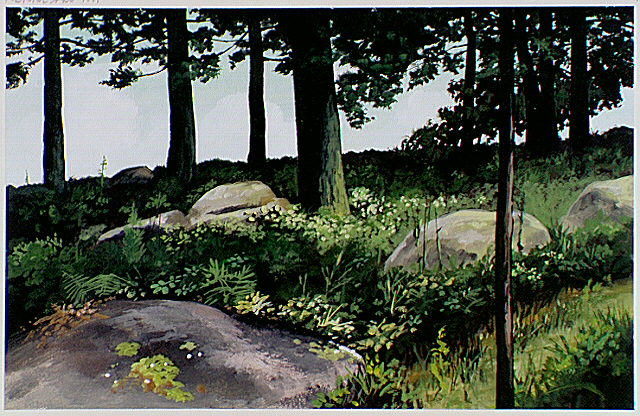
Open, fire-kept longleaf pine stands over grasses and wildflowers on wet to moist sandy soil.
Flat, sandy Coastal Plain pine woodlands, wetter than sandhills and denser than savannas.
Roadsides, fields and disturbed ground
Ground opened by people: roadsides, old fields, pastures, fencerows and lots.
Places where groundwater keeps the soil or rock wet, such as seepage slopes and spring runs.
Disturbed and introduced wetlands
Wet ground taken over by weedy or introduced plants after disturbance, such as common reed, Chinese tallow or tamarisk stands; the upland counterpart is roadsides, fields and disturbed ground.
Also found with this plant
Wildlife whose habitat models include habitats this plant grows in, in Florida. Shared habitat, not food. 129 animals.
- Song SparrowMelospiza melodia
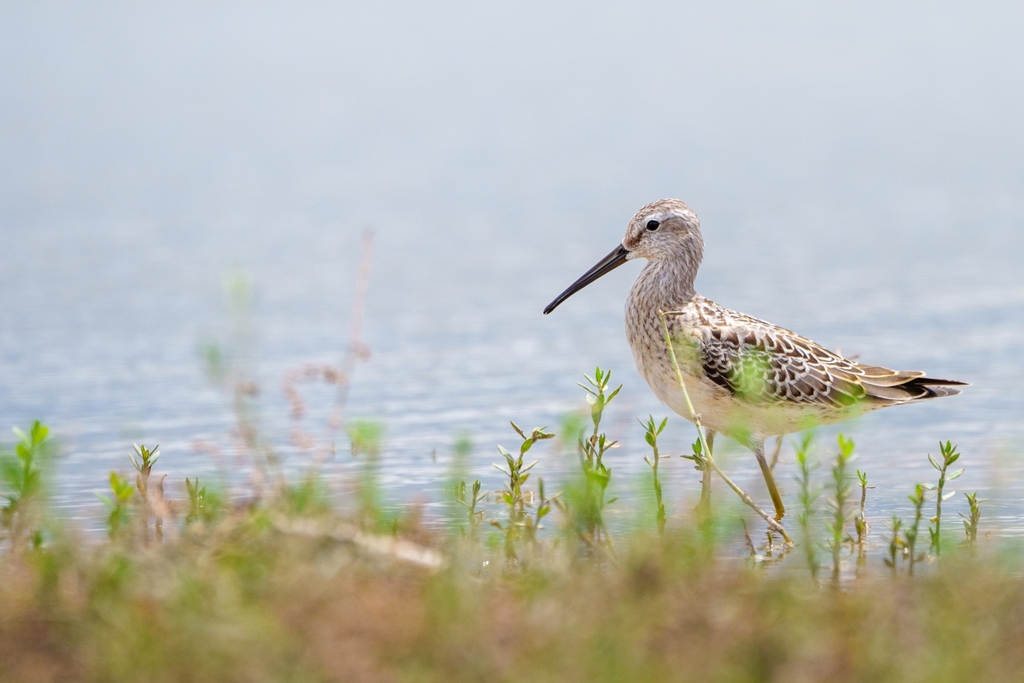
- Stilt SandpiperCalidris himantopus
- Tree SwallowTachycineta bicolor
- Turkey VultureCathartes aura
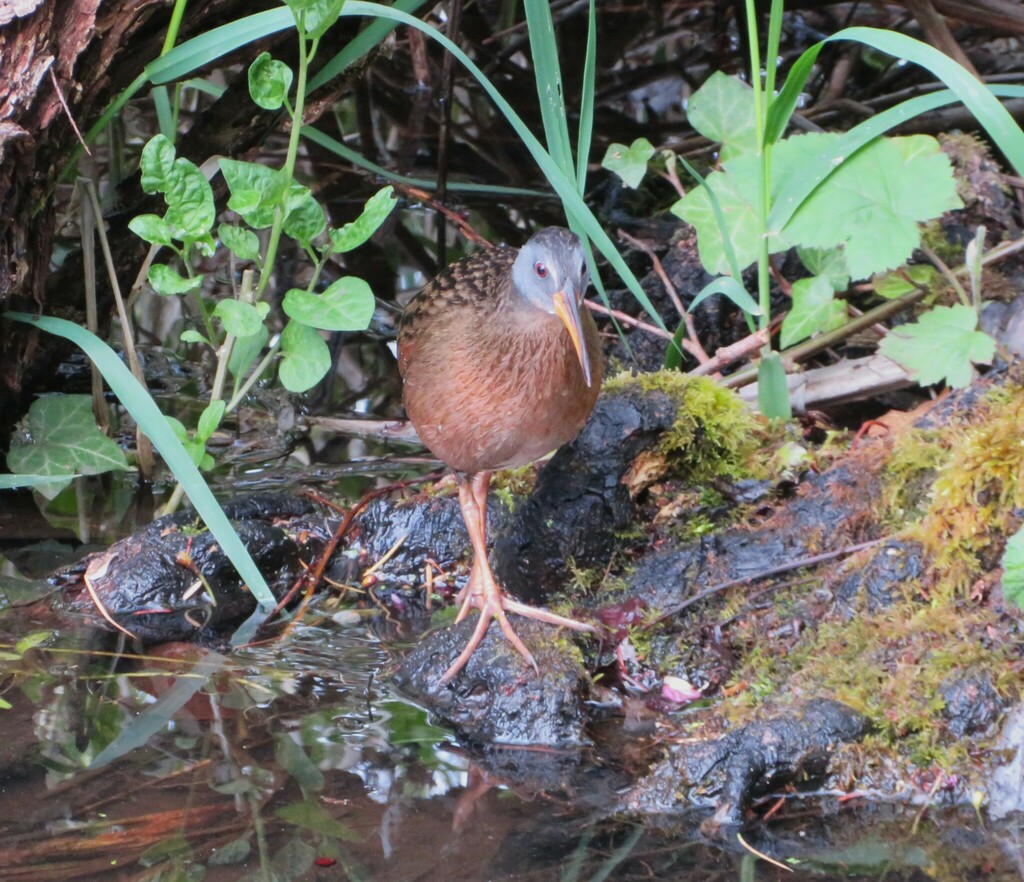
- Virginia RailRallus limicola
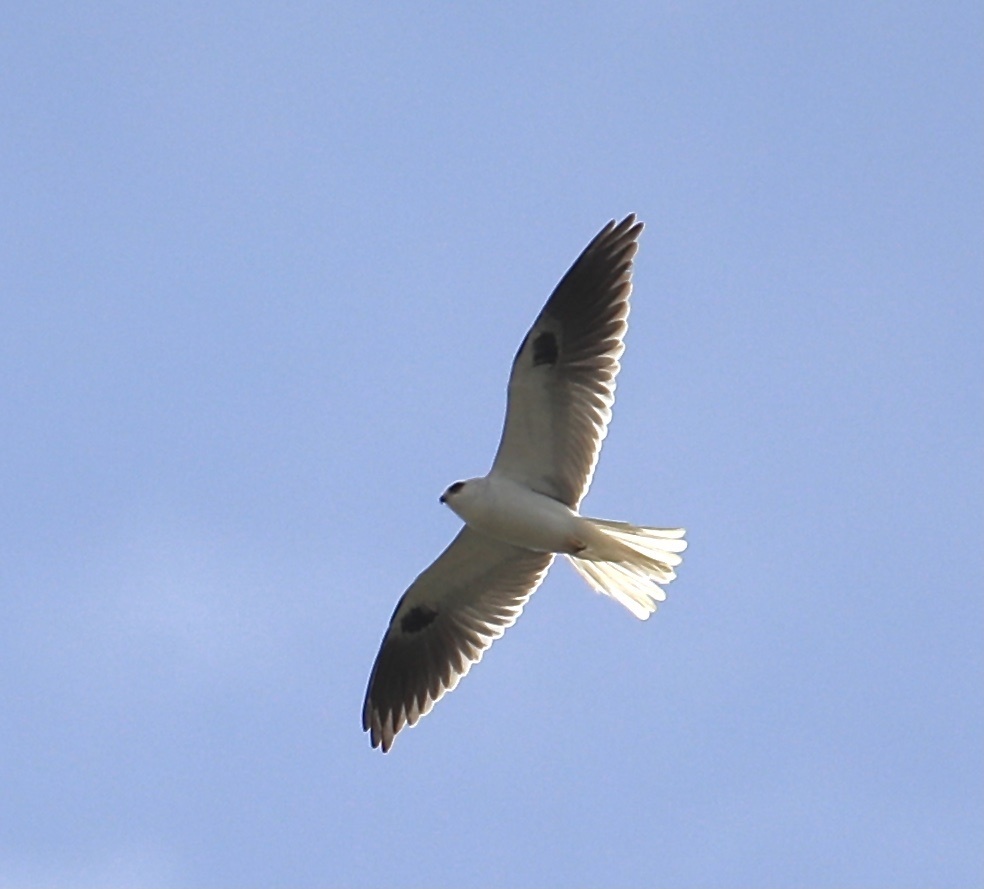
- White-tailed KiteElanus leucurus
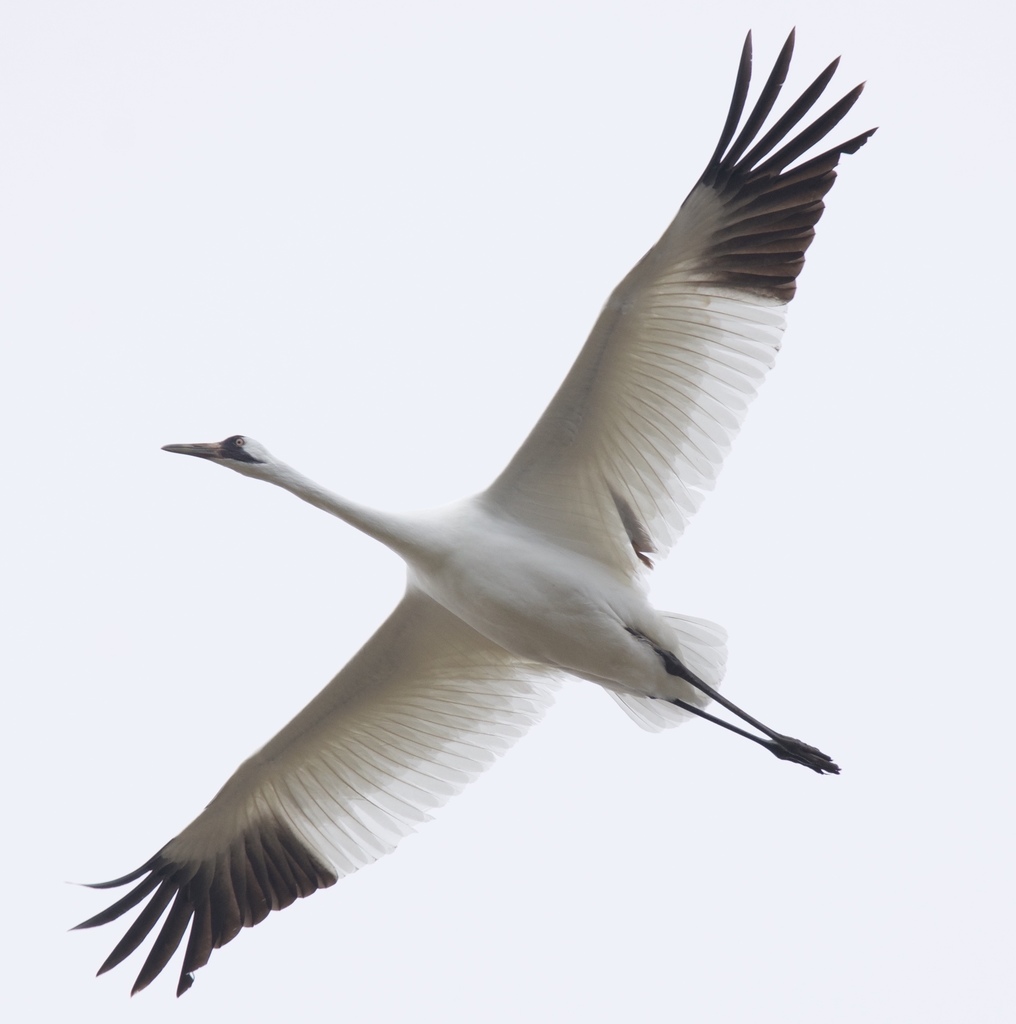
- Whooping CraneGrus americana
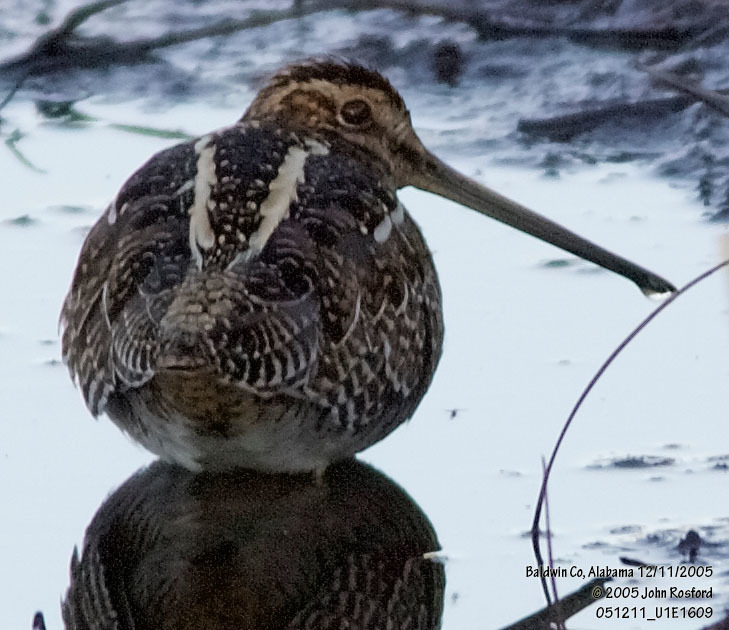
- Wilson's SnipeGallinago delicata
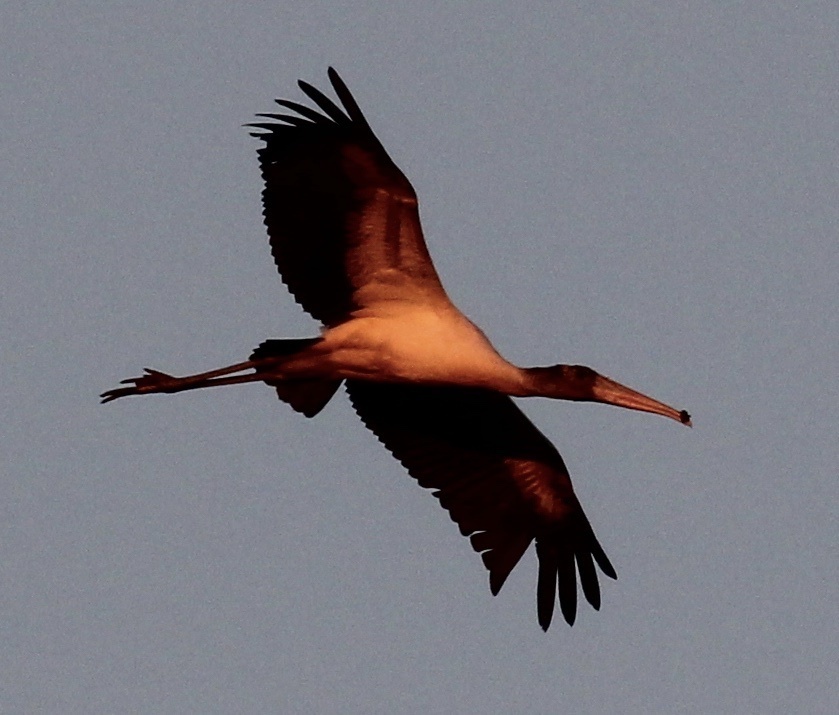
- Wood StorkMycteria americana
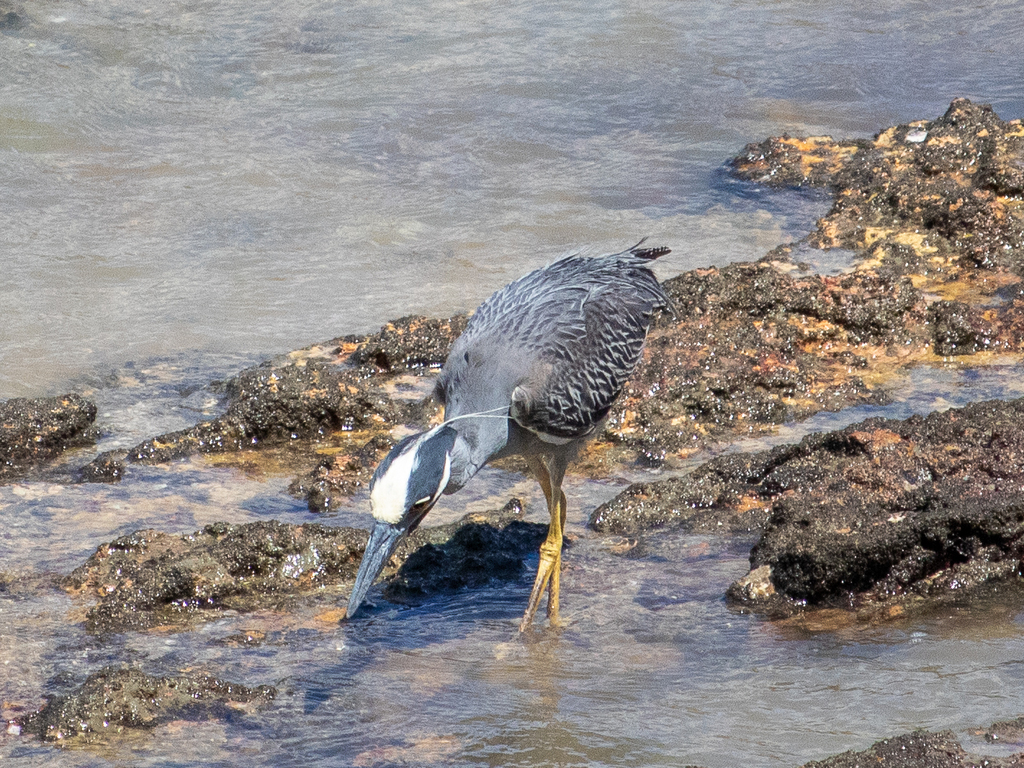
- Yellow-crowned Night-heronNyctanassa violacea
- American GoldfinchCarduelis tristis
- American KestrelFalco sparverius
- American PipitAnthus rubescens
- American RobinTurdus migratorius
- American White PelicanPelecanus erythrorhynchos
- American WigeonAnas americana
- Bald EagleHaliaeetus leucocephalus
- Black RailLaterallus jamaicensis
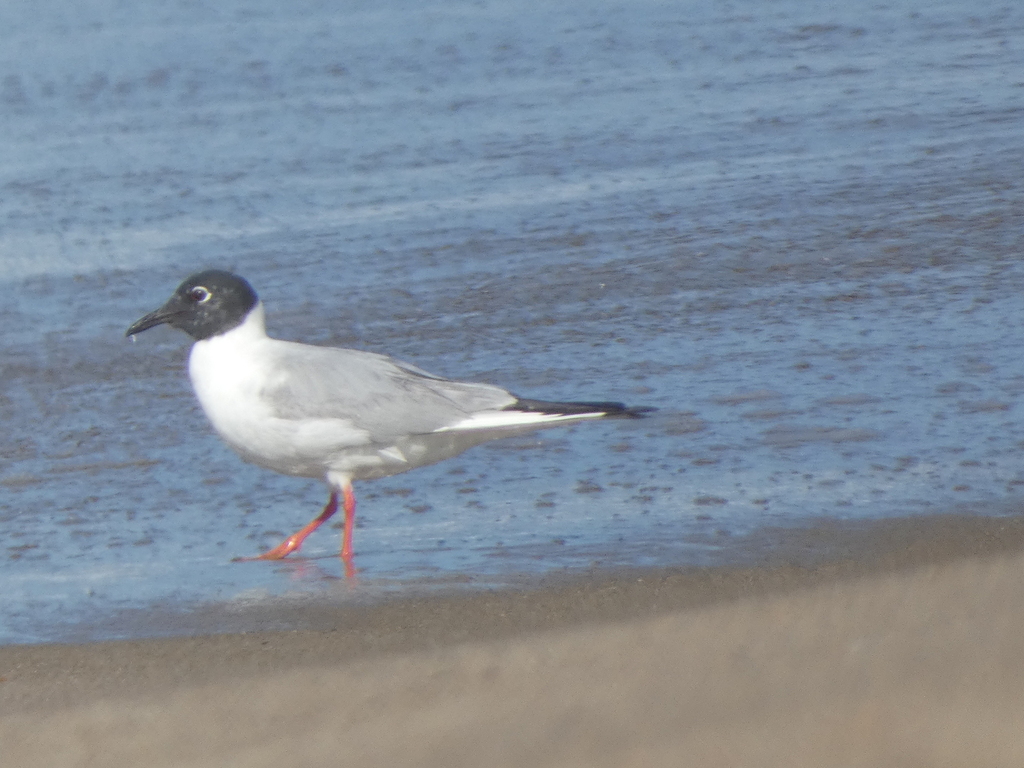
- Bonaparte's GullChroicocephalus philadelphia
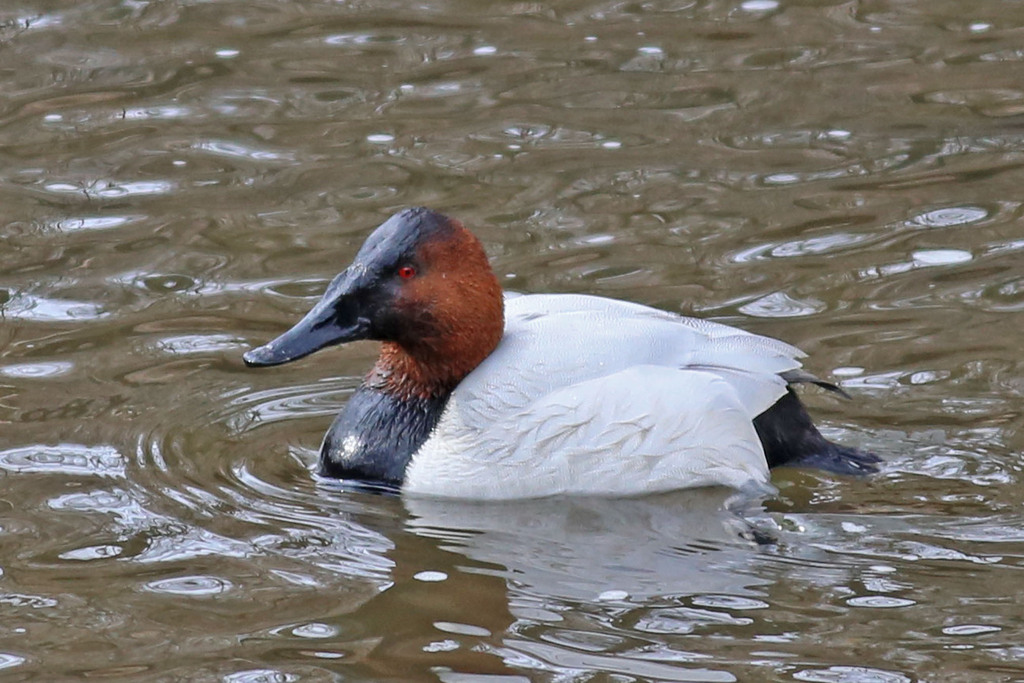
- CanvasbackAythya valisineria
- Cliff SwallowPetrochelidon pyrrhonota
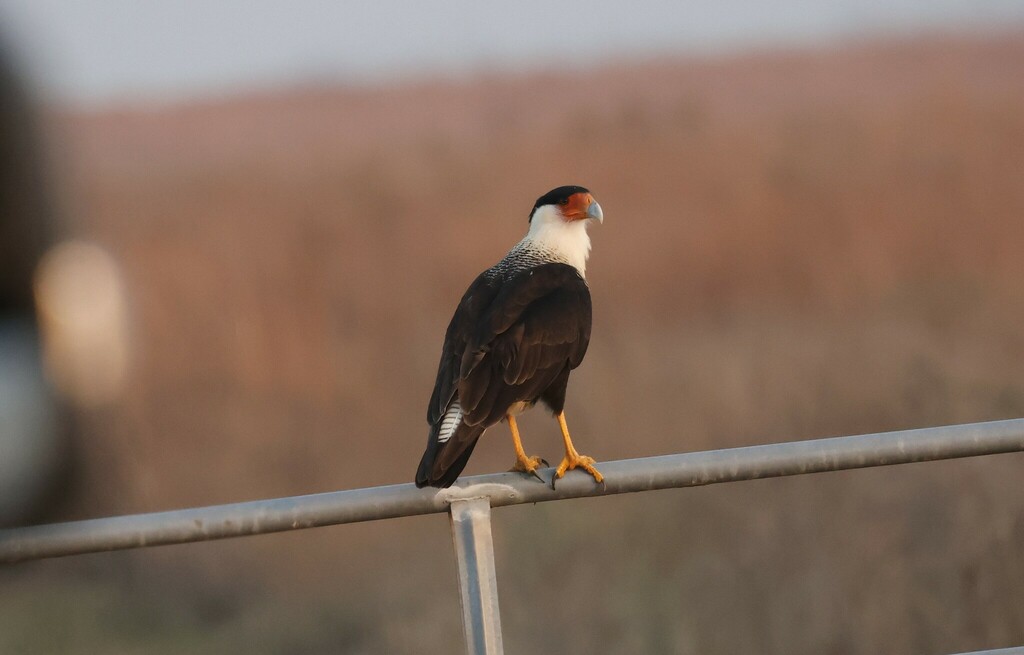
- Crested CaracaraCaracara cheriway
- Eastern TowheePipilo erythrophthalmus
- Eurasian Collared-doveStreptopelia decaocto





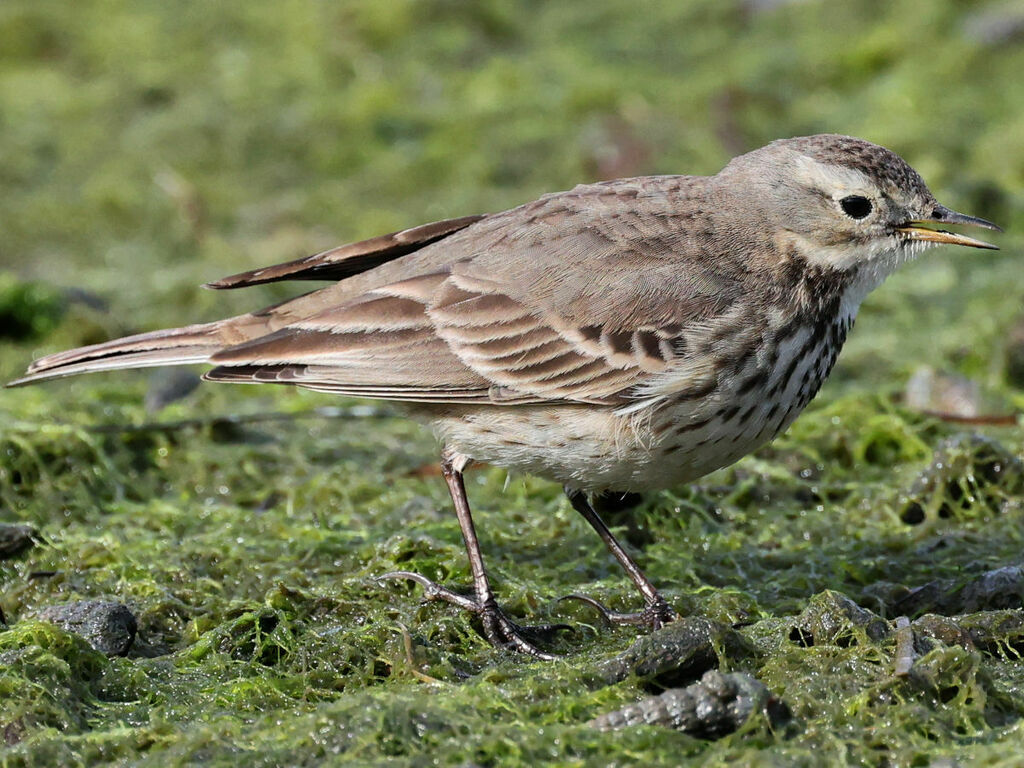

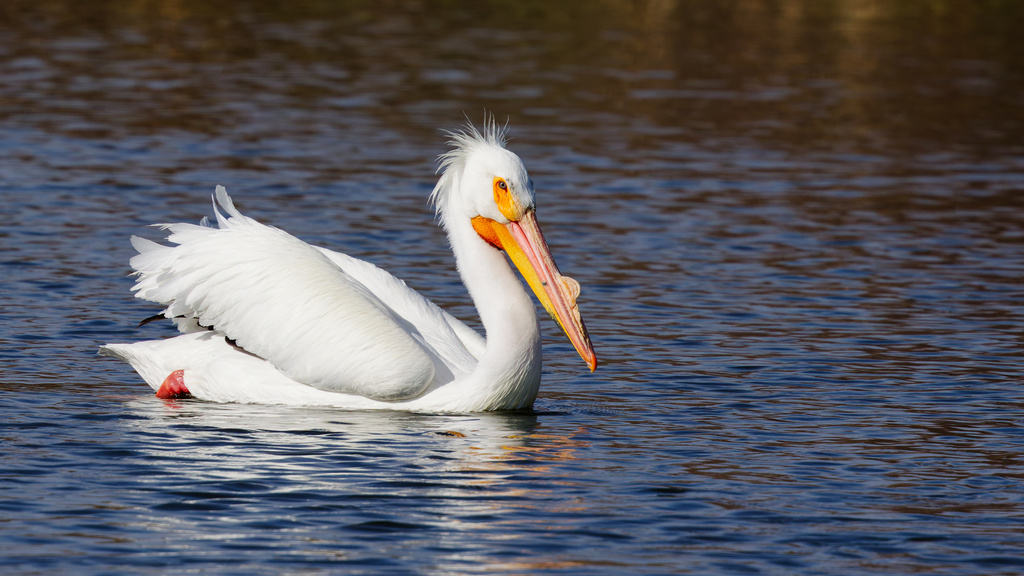
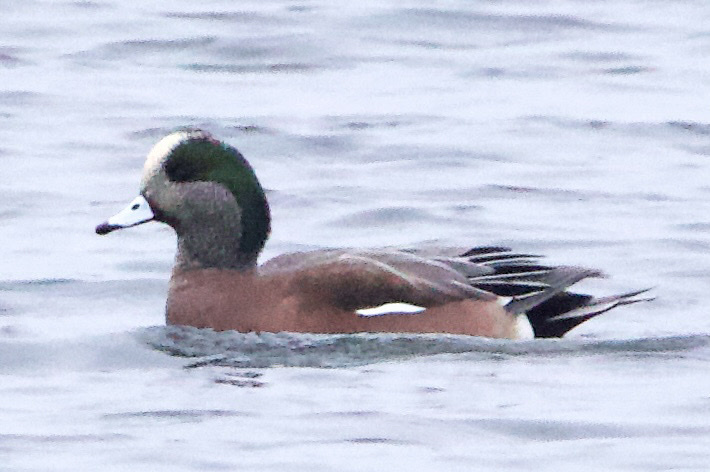

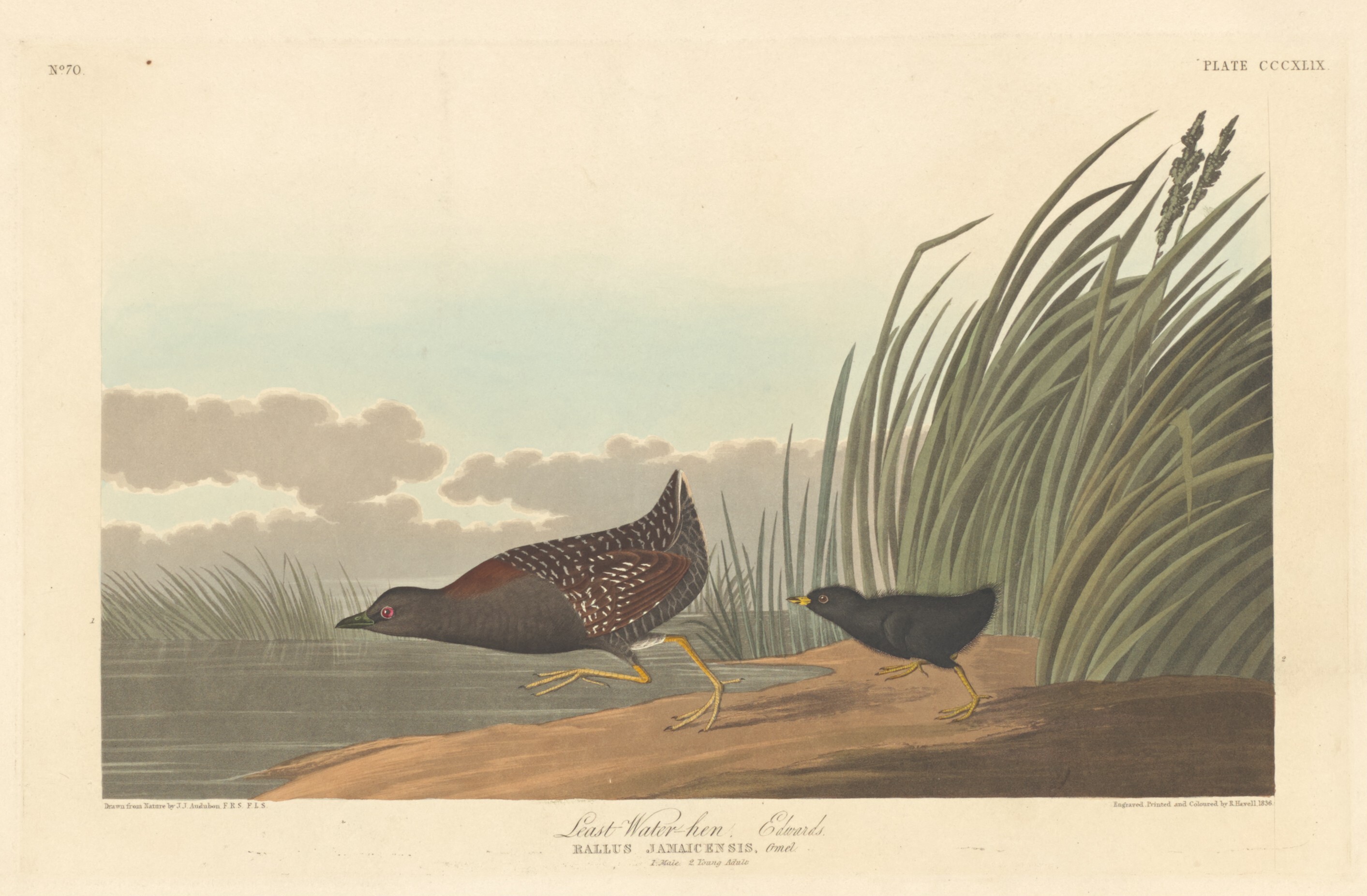



Who uses this plant?
 18CaterpillarsGenus host records with ranges including FL
Genus host records with ranges including FL · Andropogon
- Agrotis gladiariaSwordsman Dart, Clay-Backed Cut-Worm
- Amblyscirtes alternataDusky Roadside-Skipper, Least Florida Skipper, Dusky Little Skipper;
- Anatrytone loganDelaware Skipper, Logan Skipper, Black-Vein Skipper
- Atrytone arogosArogos Skipper, Beardgrass Skipper
- Atrytone byssusByssus Skipper, Golden Skipper
- Atrytonopsis hiannaDusted Skipper
- Atrytonopsis loammiLoammi Skipper
- Cercyonis pegalaCommon Wood Nymph
- Dargida diffusaWheat Head Armywotm Moth
- Lacinipolia meditataThe Thinker
Show all 18
- Lerema acciusClouded Skipper, Corn Leaf tier
- Limochores origenesCrossline Skipper
- Mocis texanaTexas Mocis
- Nastra fuscaNeamathla Skipper
- Nastra lherminierSwarthy Skipper
- Oligoria maculataTwin-Spot Skipper
- Spodoptera frugiperdaFall Armyworm Moth
- Stereomita andropogonis
 1BeesSoutheastern regional records
Southeastern regional records · Andropogon
Individual names are not available yet.
Noori, Seltmann & Orr 2026, A curated and integrated dataset for exploring global bee-plant interactions (GloBI), Zenodo, CC BY 4.0 0Specialist beesPollen specialists
 4BirdsRecorded genus food-resource interactions; not a state feeding claim
Recorded genus food-resource interactions; not a state feeding claim · Andropogon
- Agelaius phoeniceusRed-winged Blackbird
- Ammospiza leconteiiLeConte's Sparrow
- Meleagris gallopavoWild Turkey
- Molothrus aterBrown-headed Cowbird
Direct food only: birds recorded eating this genus across North America. Caterpillars on host plants also feed nesting birds. NC Native Plant Society: butterfly gardening
No records yet · Ants · Beetles · Flies · Adult butterflies / moths · Other wasps · Other insects
Plant details
- Family
- Poaceae
- Flower color
- Not applicable
Safety has not been reviewed for this plant; check toxicity and thorns before planting.
Growing sources and scope
- Flower color · “Not applicable” · Lady Bird Johnson Wildflower Center
- Height · “Up to about 6 feet” · Lady Bird Johnson Wildflower Center
- Life cycle · “Perennial” · Lady Bird Johnson Wildflower Center
Also known as
Anatherum hirsutius; Andropogon glomeratus var. hirsutior; Andropogon virginicus var. hirsutior
Conservation status
| Florida rank | S3 |
|---|---|
| Global rank | G5T5 [G5] |
| FL status | Not verified |
| Federal status | Not verified |
Will it fit your yard?
Check this plant against your county, sun and soil moisture. Conditions are checked in your browser.
Sources
- Atlas of Florida Plants
- USDA PLANTS
- Vascular Plants of North Carolina (NC Natural Heritage Program)
- Weakley, Flora of the Southeastern United States (2025), South Central edition
- NatureServe Explorer
- Shropshire & Tallamy 2025, Lepidoptera of North America north of Mexico, ZooKeys 1261 (ODbL)
- Noori, Seltmann & Orr 2026, A curated and integrated dataset for exploring global bee-plant interactions (GloBI), Zenodo, CC BY 4.0
- Smith, Bachelder, Russell, Morales, Mosher & Seltmann 2024, Bee-Specialization-Modeling v0.6.1 (specialist host table compiled from J. Fowler's pollen specialist bee lists), Zenodo, CC BY 4.0
- Hurlbert, Olsen, Sawyer & Winner 2021, Avian Diet Database, Scientific Data 8: 260 (CC0)
- Narango, Tallamy & Shropshire 2020, Few keystone plant genera support the majority of Lepidoptera species, Nature Communications