

Virginia Chain-fern
Woodwardia virginica
Found in floodplain and bottomland forests; pocosins and bay forests; depression ponds and limesinks; Coastal Plain hammocks. Weakley, Flora of the Southeastern United States (2025), Florida edition What its natural habitat tells you
Native to Florida. How scores work Is it native here?
Profile 100%
- Height
- 2–4 feet
- Spread
- 2–3 feet
- Light
- Dappled sunlight, Deep shade, Full sun, Partial shade
- Soil moisture
- Somewhat dry to moist
Space about 2.5 ft apart from its recorded spread, about 16 per 100 sq ft. Enter your bed size for a count
Will it fit your yard?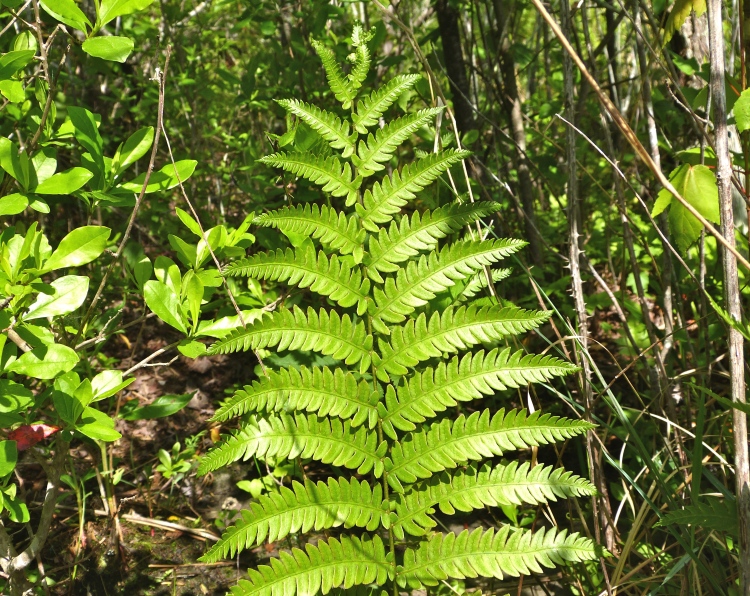
At a glance
- Life cycle
- Perennial
- Leaves
- Deciduous
- Bloom
- April to December
Recorded in 66 Florida counties.
Natural habitats
Places it grows wild. Not a planting requirement. Each habitat page lists the plants and wildlife also found there.
Floodplain and bottomland forests
Forests on low ground beside rivers and streams that flood from time to time.
Dense evergreen shrub wetlands and bay forests on wet, acid peat of the Coastal Plain.
Depression ponds and limesinks
Shallow ponds in Coastal Plain depressions, such as limesinks and the ponds in some Carolina bays, that rise and fall with the seasons.
Dense, evergreen groves of live oak, magnolia and other hardwoods in the southern Coastal Plain, from dry oak domes to wet hydric hammocks and south Florida's tropical hammocks; salt-shaped maritime hammocks are maritime forests.
Also found with this plant
Wildlife whose habitat models include habitats this plant grows in, in Florida. Shared habitat, not food. 210 animals.
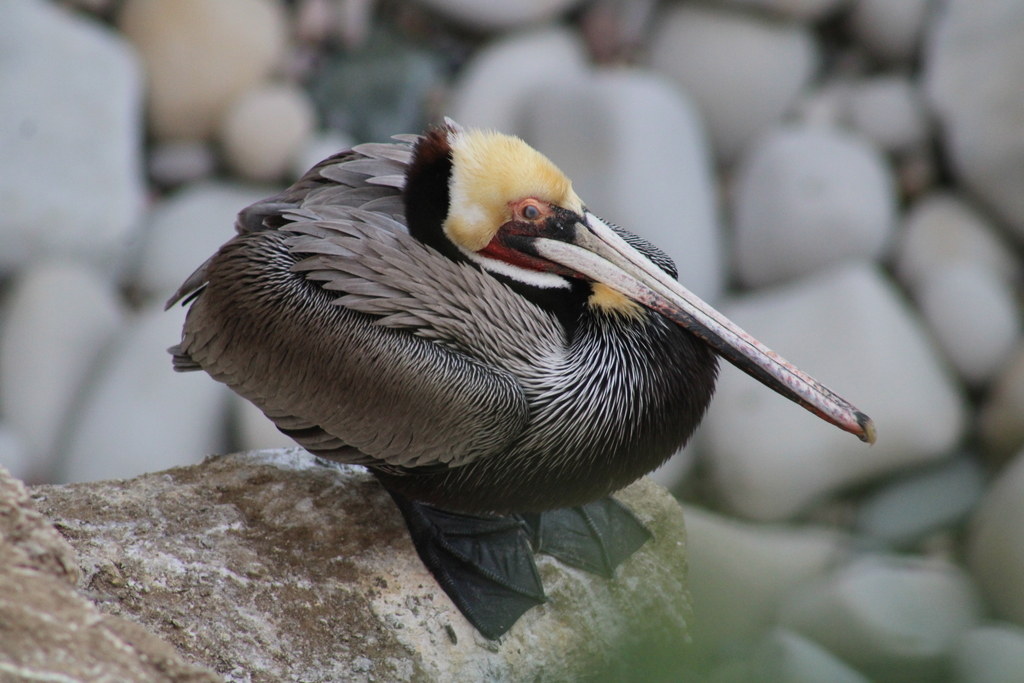
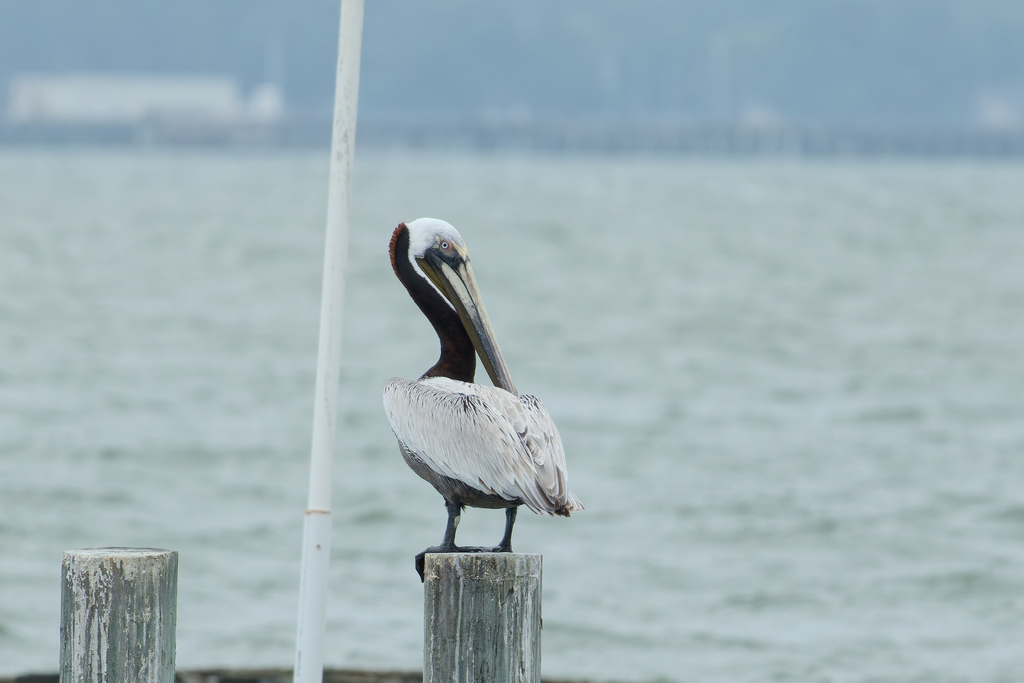
- Brown PelicanPelecanus occidentalis
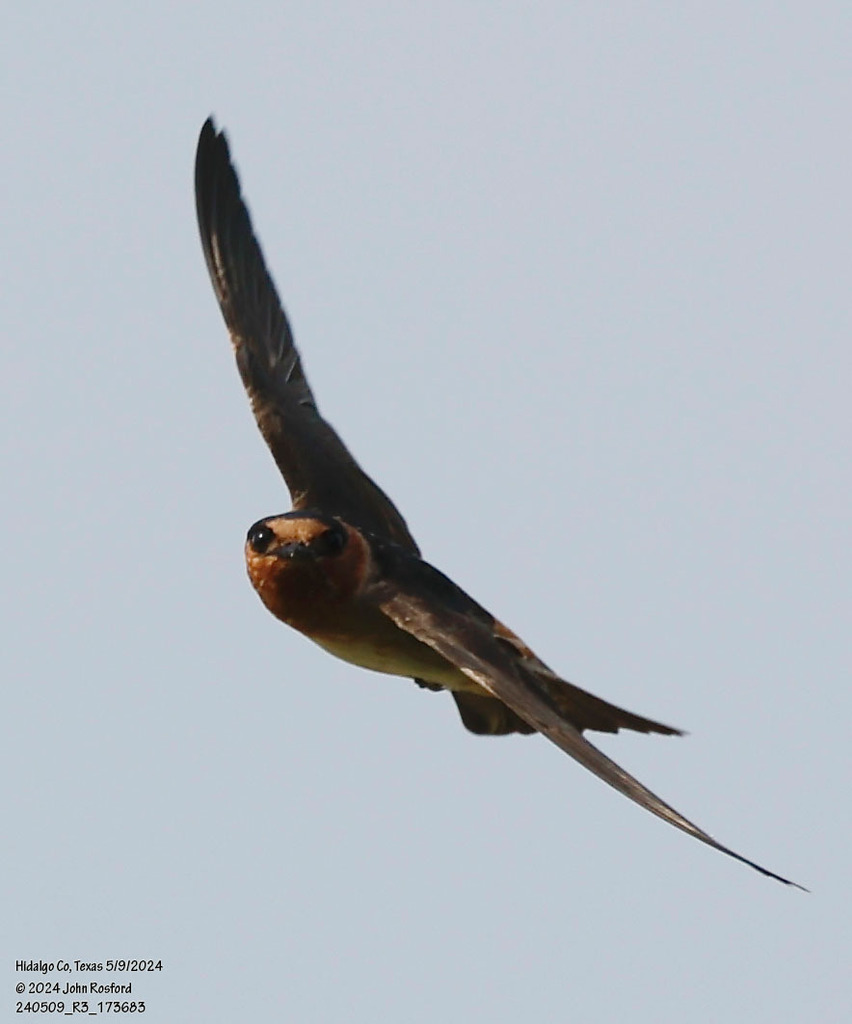
- Cave SwallowPetrochelidon fulva
- Chipping SparrowSpizella passerina
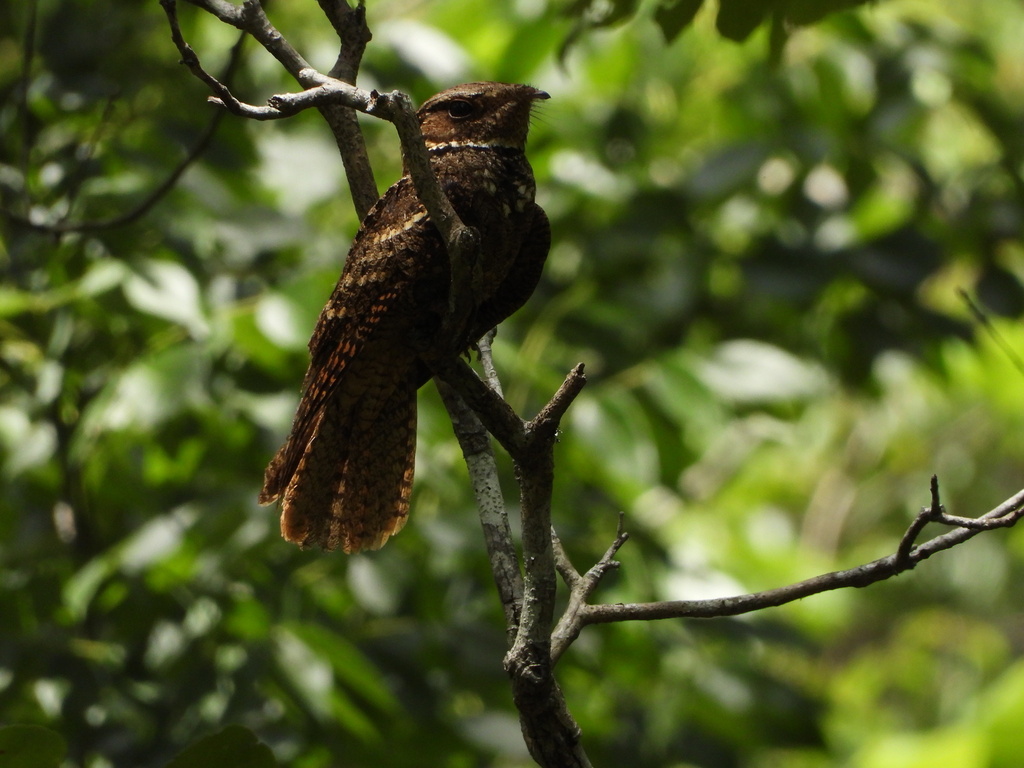
- Chuck-will's-widowCaprimulgus carolinensis
- Cliff SwallowPetrochelidon pyrrhonota
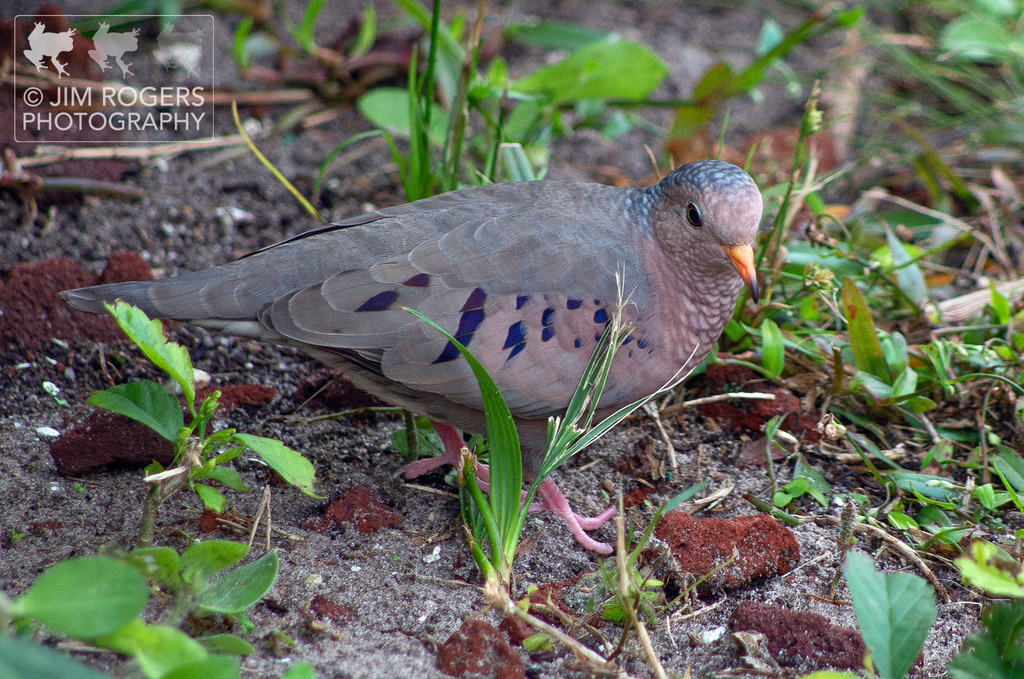
- Common Ground-doveColumbina passerina
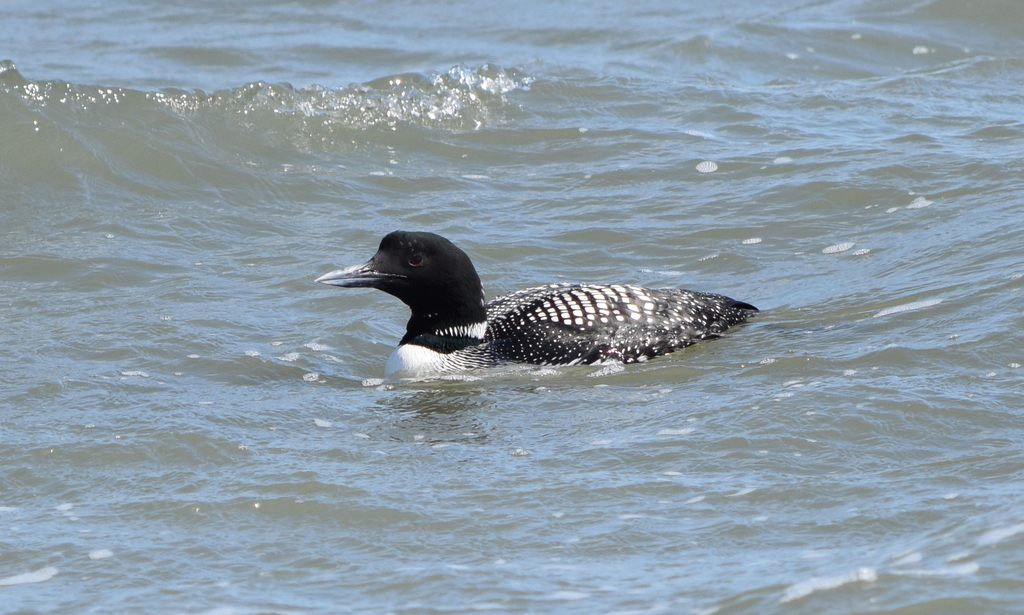
- Common LoonGavia immer
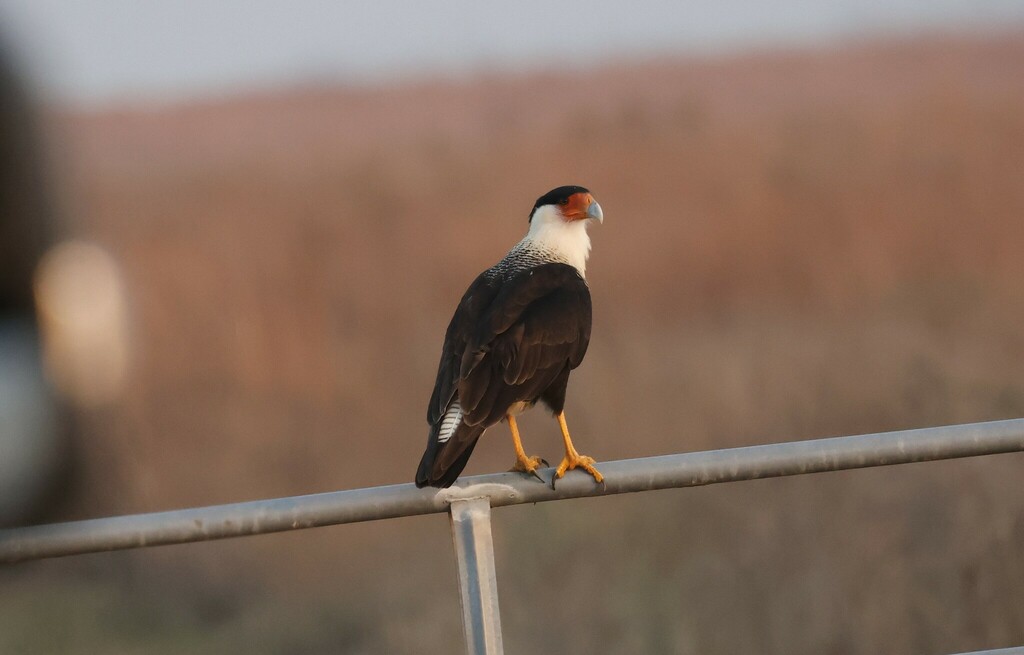
- Crested CaracaraCaracara cheriway
- Dark-eyed JuncoJunco hyemalis
- Eastern Brown PelicanPelecanus occidentalis carolinensis
- Florida Grasshoper SparrowAmmodramus savannarum floridanus
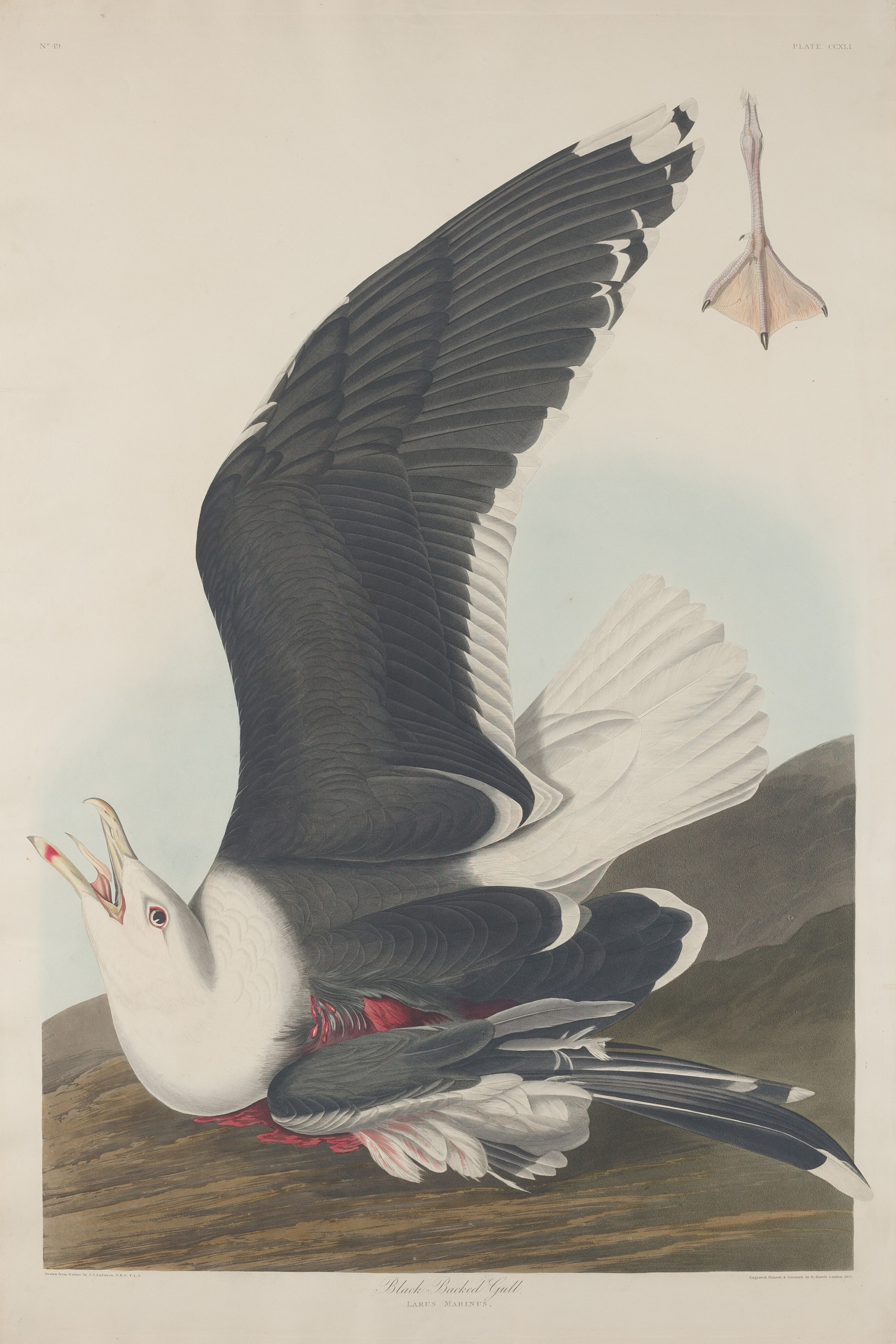
- Great Black-backed GullLarus marinus
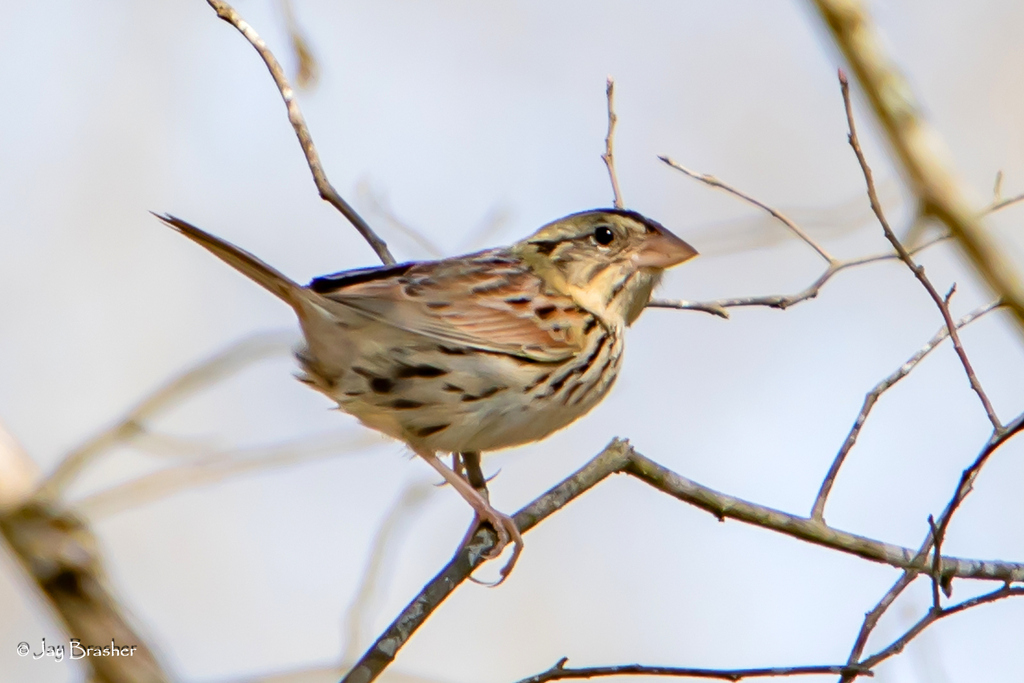
- Henslow's SparrowAmmodramus henslowii
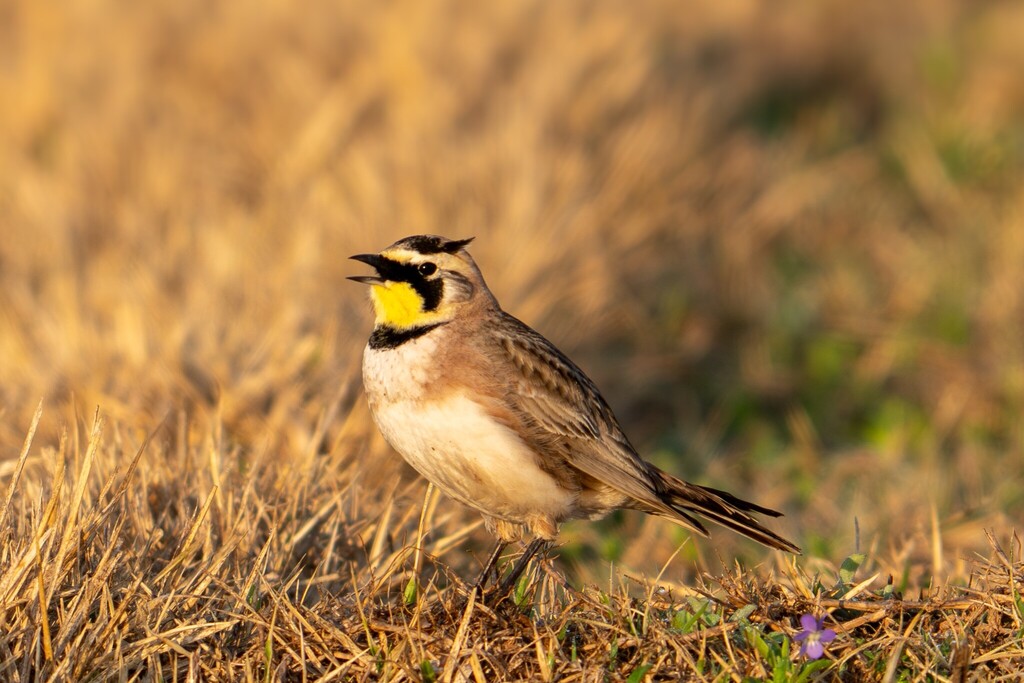
- Horned LarkEremophila alpestris
- Indigo BuntingPasserina cyanea
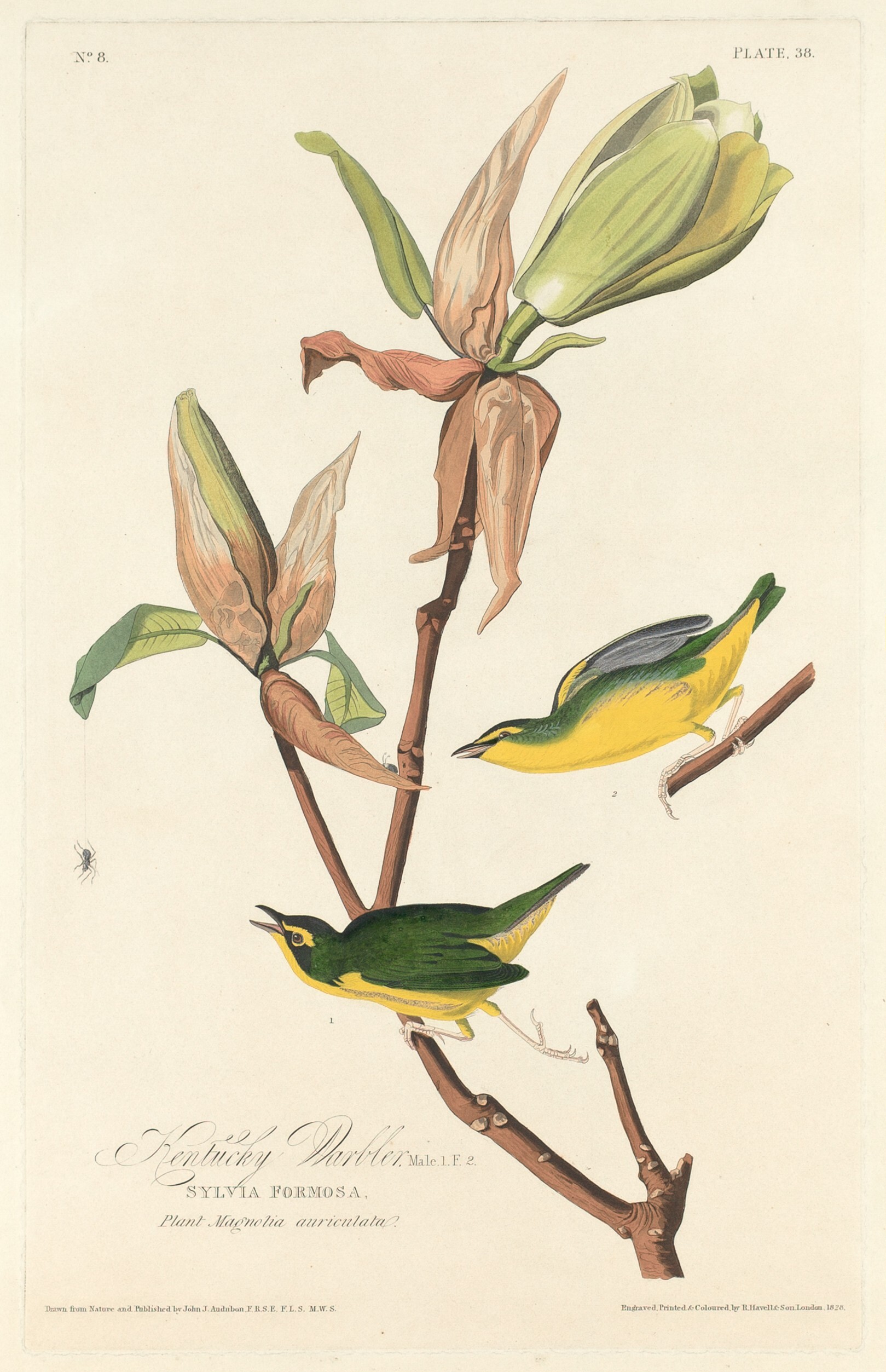
- Kentucky WarblerOporornis formosus
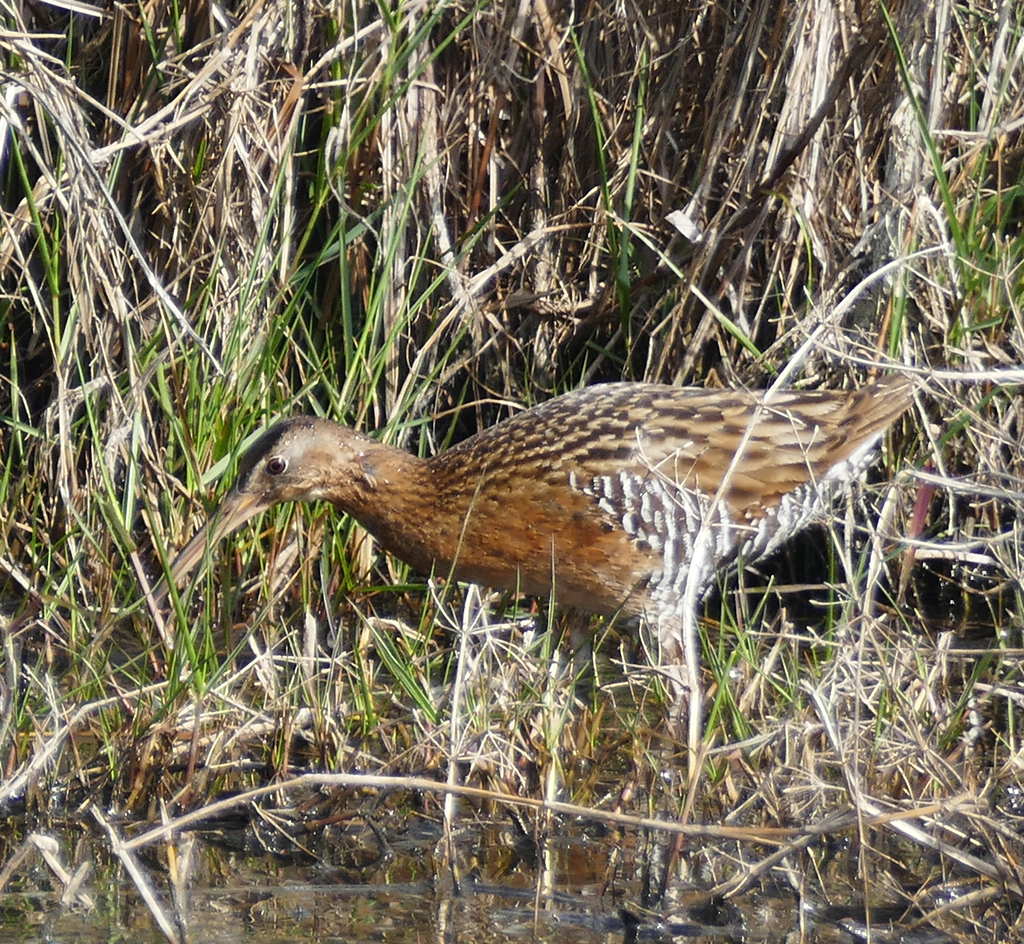
- King RailRallus elegans
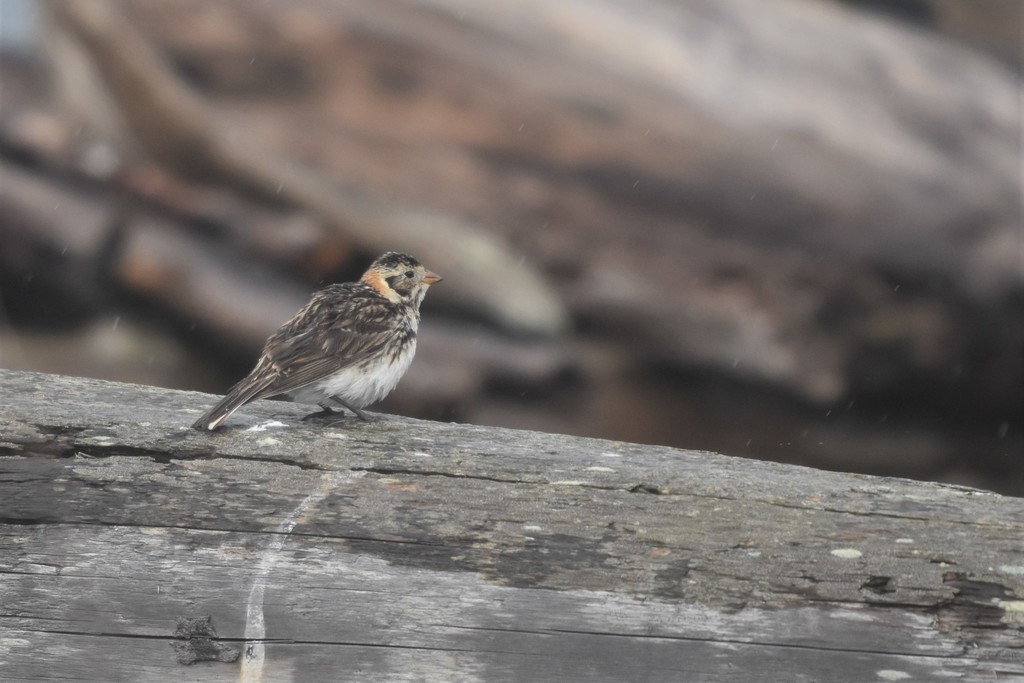
- Lapland LongspurCalcarius lapponicus
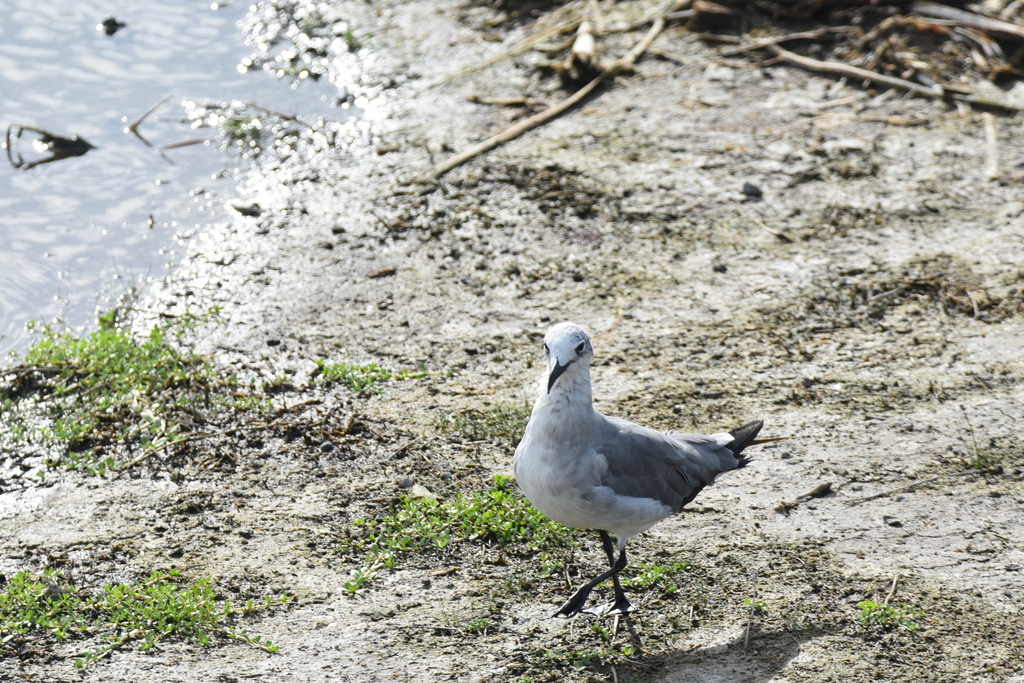
- Laughing GullLeucophaeus atricilla
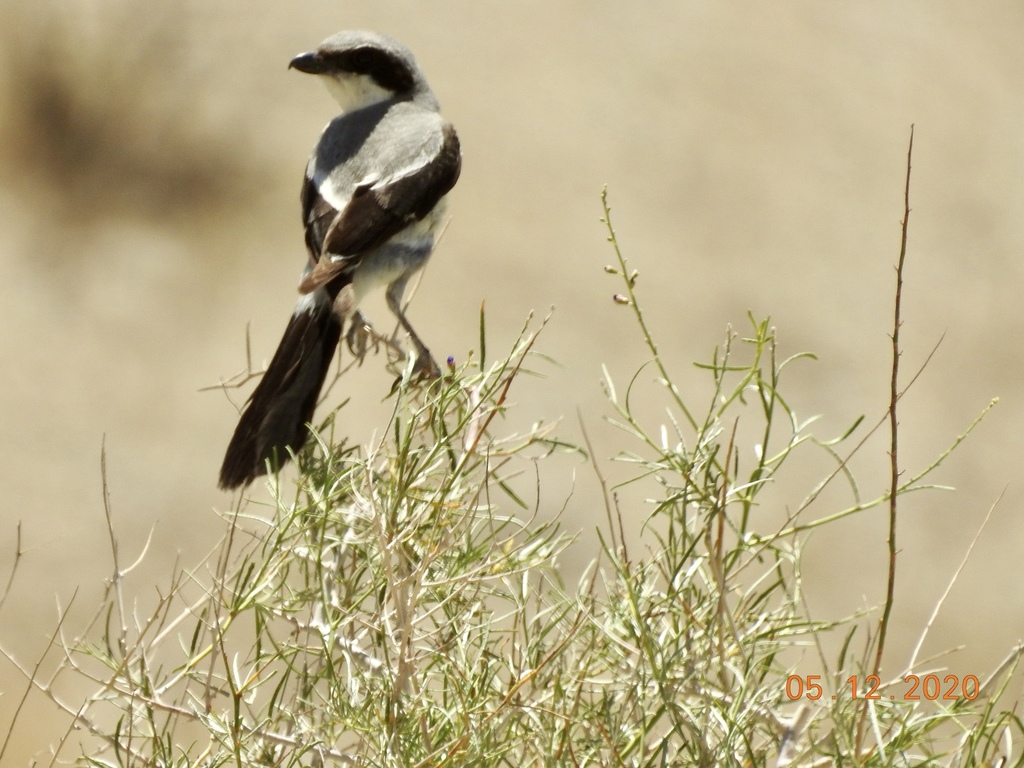
- Loggerhead ShrikeLanius ludovicianus
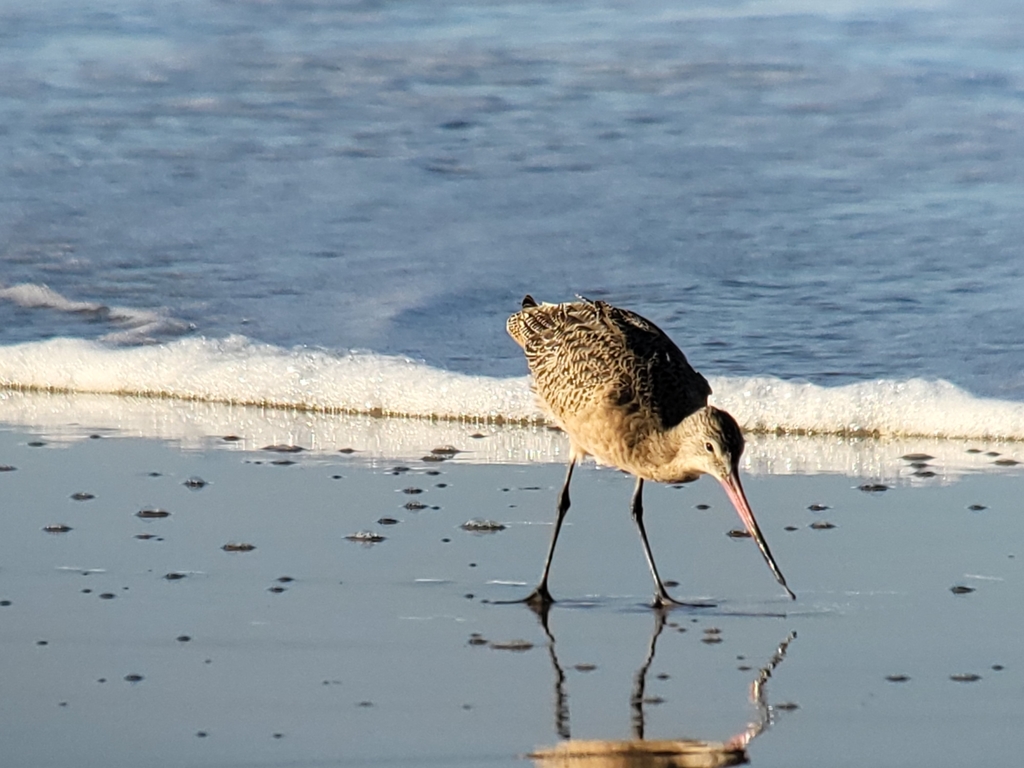
- Marbled GodwitLimosa fedoa
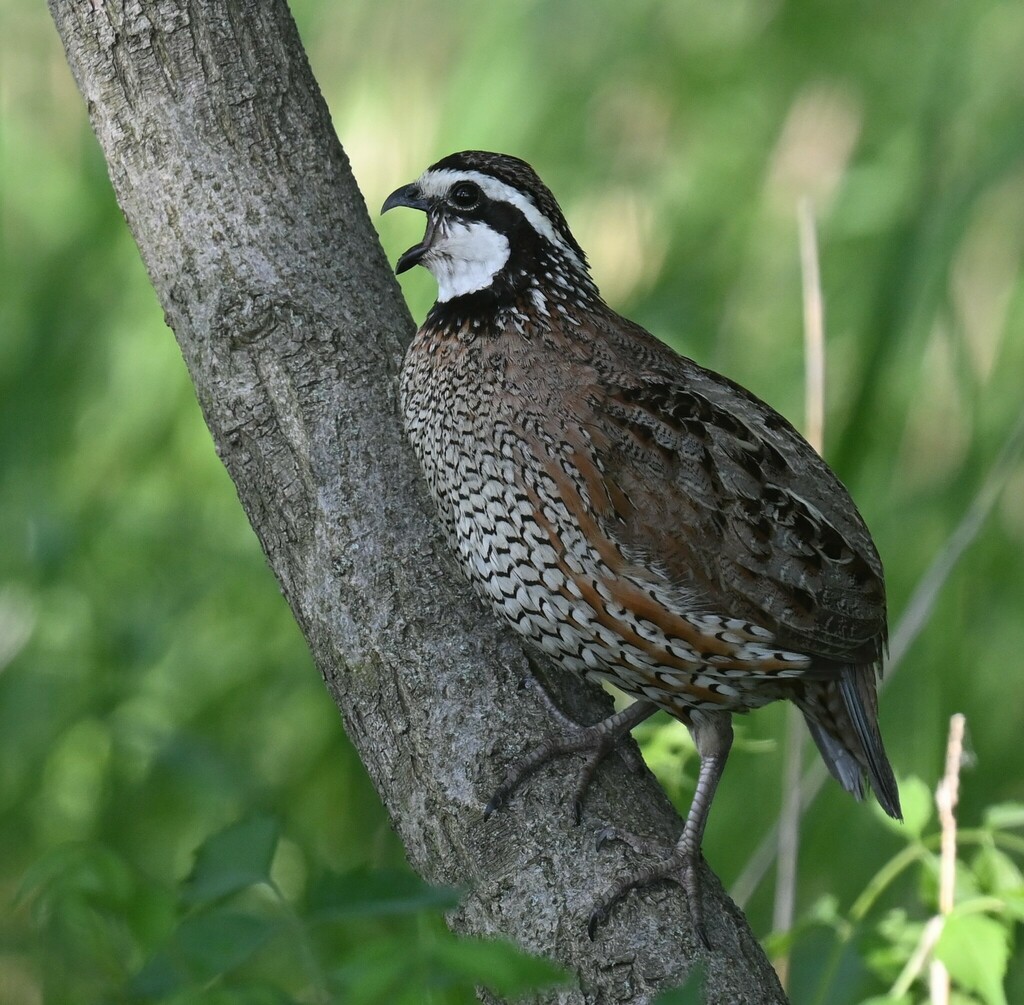
- Northern BobwhiteColinus virginianus
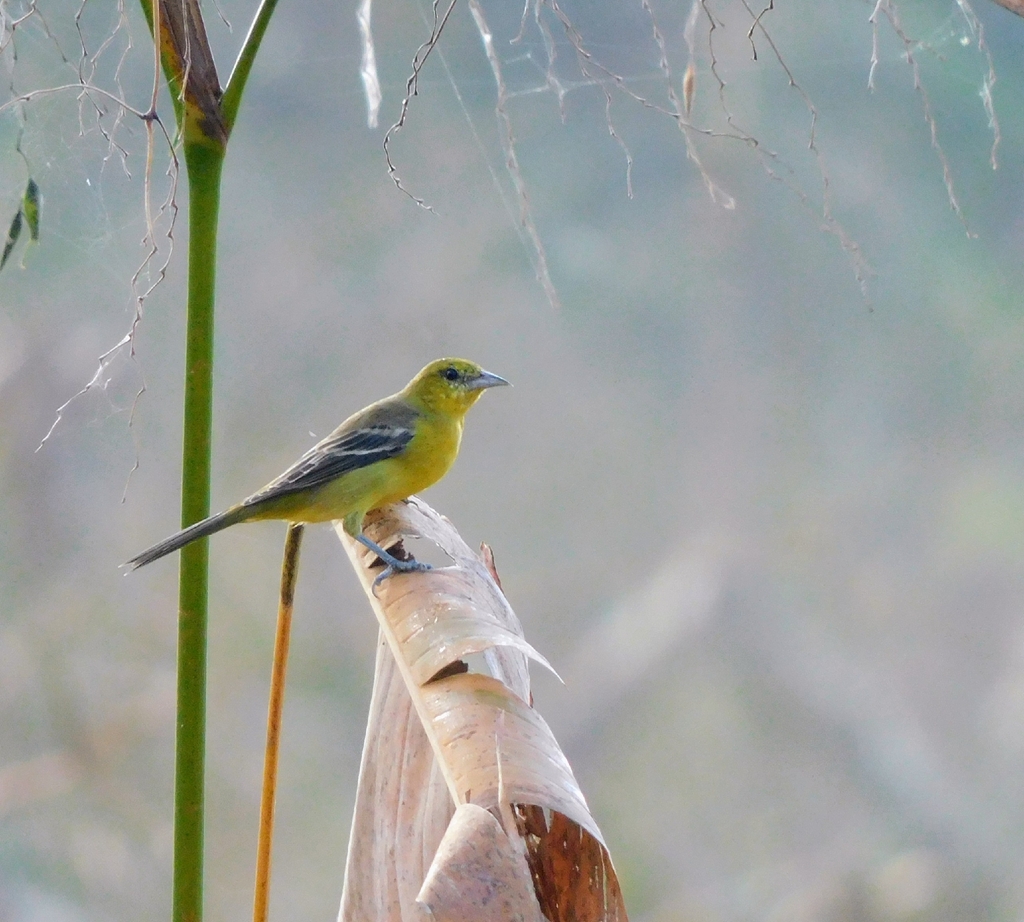
- Orchard OrioleIcterus spurius
- OvenbirdSeiurus aurocapilla





Who uses this plant?
 5CaterpillarsGenus host records with ranges including FL
Genus host records with ranges including FL · Woodwardia
- Callopistria floridensisFlorida Fern Caterpillar
- Fagitana litteraMarsh Fern Moth
- Herpetogramma aeglealisSerpentine Webworm
- Papaipema stenocelisChain Fern Borer
- Herpetogramma theseusalis
 0BeesSoutheastern regional records
 0Specialist beesPollen specialists
 —BirdsRecorded genus food-resource interactions; not a state feeding claim
No records yet · Ants · Beetles · Flies · Adult butterflies / moths · Other wasps · Other insects
Plant details
- Family
- Blechnaceae
- Hardiness
- Zones 4a–10b
- Soil pH
- Acidic
- Flower color
- Not applicable
Safety has not been reviewed for this plant; check toxicity and thorns before planting.
Growing sources and scope
- Bloom · “April to December” · Weakley, Flora of the Southeastern United States (2025), Carolinas & Georgia edition · Carolinas and Georgia
- Flower color · “Not applicable” · Lady Bird Johnson Wildflower Center
- Hardiness · “Zones 4a–10b” · NC Extension Plant Toolbox
- Height · “2–4 feet” · NC Extension Plant Toolbox
- Leaves · “Deciduous” · NC Extension Plant Toolbox (ranked first; Lady Bird Johnson Wildflower Center differs)
- Life cycle · “Perennial” · NC Extension Plant Toolbox
- Light · “Dappled sunlight (shade through upper canopy all day); Deep shade (less than 2 hours to no direct sunlight); Full sun (6 or more hours of direct sunlight a day); Partial shade (direct sunlight only part of the day, 2-6 hours)” · NC Extension Plant Toolbox (ranked first; Lady Bird Johnson Wildflower Center differs)
- Soil · “Moist; Occasionally dry; Occasionally wet” · NC Extension Plant Toolbox (ranked first; Lady Bird Johnson Wildflower Center differs)
- Soil pH · “Acidic” · NC Extension Plant Toolbox
- Spread · “2–3 feet” · NC Extension Plant Toolbox
Also known as
Virginia Chain Fern; Woodwardia virginica
Conservation status
| Florida rank | S4S5 |
|---|---|
| Global rank | G5 |
| FL status | Not verified |
| Federal status | Not verified |
Will it fit your yard?
Check this plant against your county, sun and soil moisture. Conditions are checked in your browser.
Sources
- Atlas of Florida Plants
- USDA PLANTS
- Vascular Plants of North Carolina (NC Natural Heritage Program)
- Weakley, Flora of the Southeastern United States (2025), Florida edition
- NatureServe Explorer
- Shropshire & Tallamy 2025, Lepidoptera of North America north of Mexico, ZooKeys 1261 (ODbL)
- Noori, Seltmann & Orr 2026, A curated and integrated dataset for exploring global bee-plant interactions (GloBI), Zenodo, CC BY 4.0
- Smith, Bachelder, Russell, Morales, Mosher & Seltmann 2024, Bee-Specialization-Modeling v0.6.1 (specialist host table compiled from J. Fowler's pollen specialist bee lists), Zenodo, CC BY 4.0
- Hurlbert, Olsen, Sawyer & Winner 2021, Avian Diet Database, Scientific Data 8: 260 (CC0)
- Narango, Tallamy & Shropshire 2020, Few keystone plant genera support the majority of Lepidoptera species, Nature Communications