

Bird
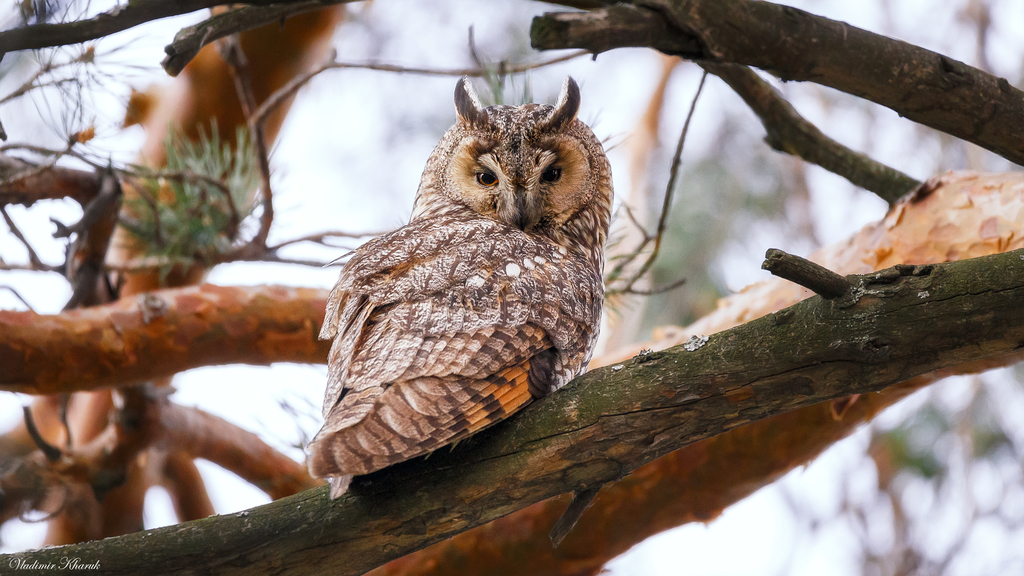
Long-eared Owl
Asio otus
A winter visitor to Arkansas, found in all 75 counties and 4 habitats.
- Here
- Winter
- Nesting
- Not known to nest here
- Range
- All 75 counties
- Habitats
- 4
At a glance
- Group
- Birds
- Here
- Winter
- Nesting
- Not known to nest here
- Range
- All 75 counties
- Habitats
- 4
- Habitat models
- Summer, Winter
Where it lives
The places its habitat model includes. It is not found everywhere a habitat occurs.
Habitats in Arkansas 4
Each habitat page lists the plants and wildlife also found there.
Open, grass-dominated places kept open by fire, grazing or thin soil, from tallgrass prairie to Piedmont prairies.
Roadsides, fields and disturbed ground
Ground opened by people: roadsides, old fields, pastures, fencerows and lots.
Floodplain and bottomland forests
Forests on low ground beside rivers and streams that flood from time to time.
Streams, rivers and their banks
Flowing water and its banks, bars and rocky shoals.
Other habitats in its models (43)
Land cover, or classes with no habitat page in Arkansas.
- Central and Southern Appalachian Northern Hardwood Forest Summer and winter, beside its main habitat.
- Northeastern Interior Dry Oak Forest-Hardwood Modifier Summer and winter, beside its main habitat.
- Northeastern Interior Dry Oak Forest - Mixed Modifier Summer and winter, beside its main habitat.
- Ridge and Valley Calcareous Valley Bottom Glade and Woodland Summer and winter, beside its main habitat.
- Southern and Central Appalachian Oak Forest - Xeric Summer and winter, beside its main habitat.
- Northeastern Interior Dry-Mesic Oak Forest Summer and winter, beside its main habitat.
- Southern Appalachian Northern Hardwood Forest Summer and winter, beside its main habitat.
- North-Central Interior Dry-Mesic Oak Forest and Woodland Summer and winter, beside its main habitat.
- North-Central Interior Dry Oak Forest and Woodland Summer and winter, beside its main habitat.
- North-Central Interior Beech-Maple Forest Summer and winter, beside its main habitat.
- North-Central Interior Maple-Basswood Forest Summer and winter, beside its main habitat.
- Southern and Central Appalachian Oak Forest Summer and winter, beside its main habitat.
- Central and Southern Appalachian Montane Oak Forest Summer and winter, beside its main habitat.
- Northeastern Interior Dry Oak Forest - Virginia/Pitch Pine Modifier Summer and winter, beside its main habitat.
- Southern Ridge and Valley Dry Calcareous Forest - Pine modifier Summer and winter, beside its main habitat.
- Northern Atlantic Coastal Plain Dry Hardwood Forest Summer and winter, beside its main habitat.
- Appalachian Shale Barrens Summer and winter, beside its main habitat.
- Central Appalachian Oak and Pine Forest Summer and winter, beside its main habitat.
- Appalachian Hemlock-Hardwood Forest Summer and winter, beside its main habitat.
- Southern Ridge and Valley Dry Calcareous Forest Summer and winter, beside its main habitat.
- Central Appalachian Pine-Oak Rocky Woodland Summer and winter, beside its main habitat.
- Southern and Central Appalachian Cove Forest Summer and winter, beside its main habitat.
- South-Central Interior Mesophytic Forest Summer and winter, beside its main habitat.
- Southern Appalachian Montane Pine Forest and Woodland Summer and winter, beside its main habitat.
- Southern Appalachian Low Mountain Pine Forest Summer and winter, beside its main habitat.
- Central and Southern Appalachian Spruce-Fir Forest Summer and winter, beside its main habitat.
- North-Central Interior Oak Savanna Summer and winter.
- North-Central Oak Barrens Summer and winter.
- Central Appalachian Alkaline Glade and Woodland Summer and winter, beside its main habitat.
- Southern Appalachian Grass and Shrub Bald - Herbaceous Modifier Summer and winter.
- North-Central Interior Sand and Gravel Tallgrass Prairie Summer and winter.
- Recently Logged Areas Summer and winter.
- Harvested Forest - Grass/Forb Regeneration Summer and winter.
- Recently Burned Grassland Summer and winter.
- Recently Burned Shrubland Summer and winter.
- Introduced Upland Vegetation - Forbland Winter.
- Introduced Upland Vegetation - Annual Grassland Summer and winter.
- Introduced Upland Vegetation - Perennial Grassland Summer and winter.
- Introduced Upland Vegetation - Perennial Grassland and Forbland Winter.
- Central Appalachian Floodplain - Forest Modifier Summer and winter, beside its main habitat.
- Central Appalachian Riparian - Forest Modifier Summer and winter, beside its main habitat.
- Eastern Great Plains Floodplain Systems Summer and winter, beside its main habitat.
- North-Central Interior Wet Flatwoods Summer and winter, beside its main habitat.
Seasons in Arkansas
- Winter: does not nest here, in all 75 counties.
Also found in this habitat
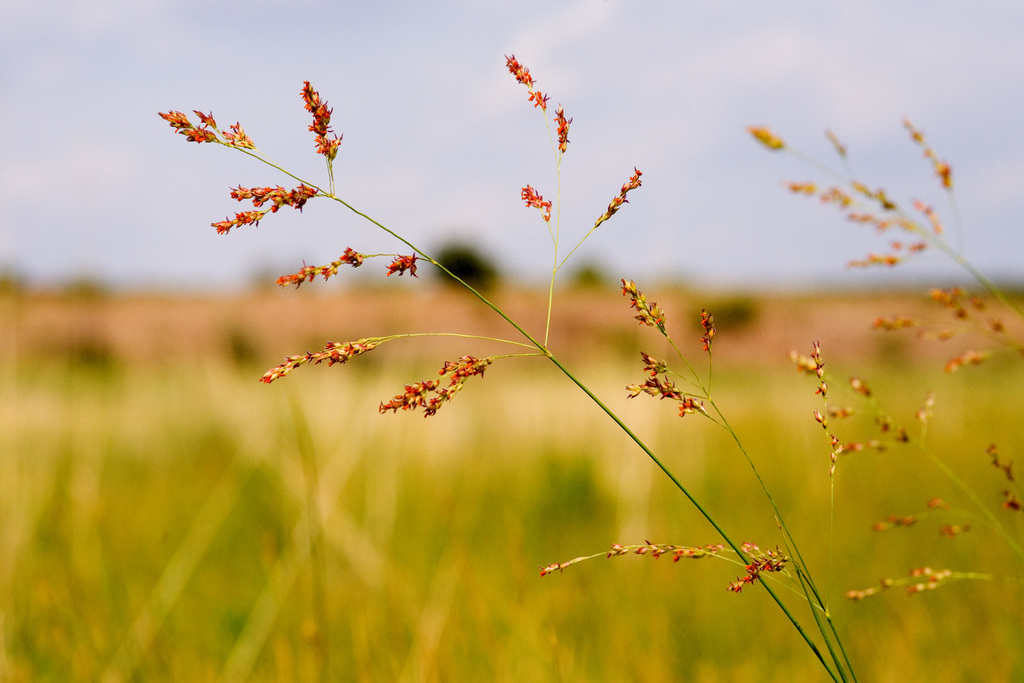
Plants 100
Plants named in NatureServe descriptions of these habitats that grow in Arkansas. Shared habitat, not food.
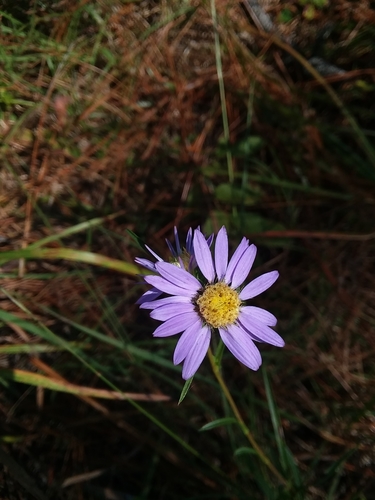
- Southern Prairie AsterEurybia hemispherica
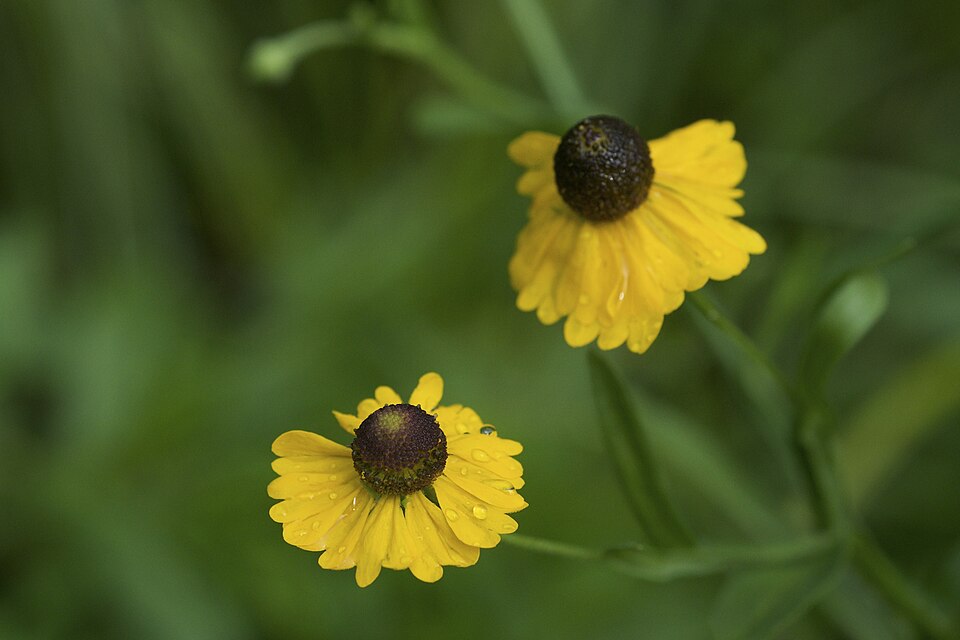
- Purplehead SneezeweedHelenium flexuosum
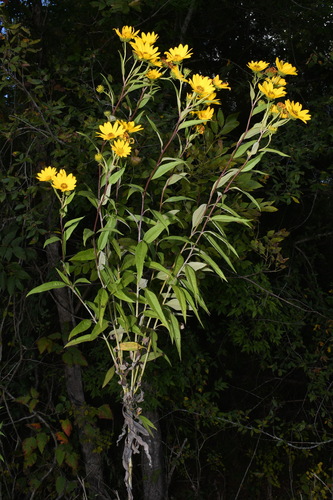
- Sawtooth SunflowerHelianthus grosseserratus
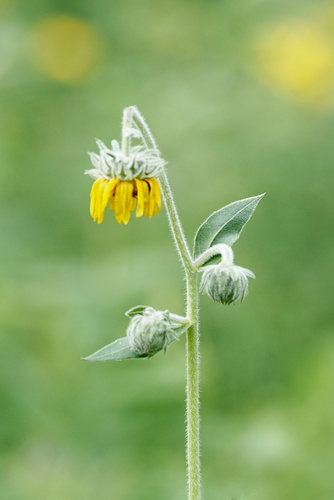
- Ashy SunflowerHelianthus mollis
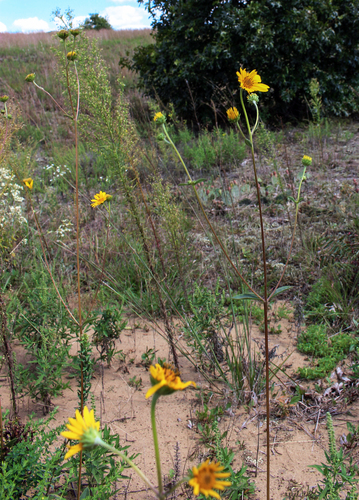
- Western SunflowerHelianthus occidentalis
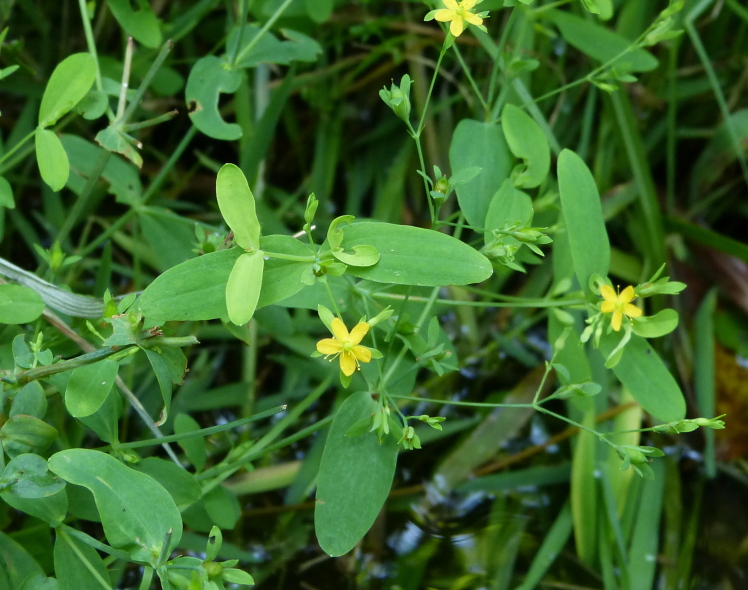
- Dwarf St. John's-wortHypericum mutilum
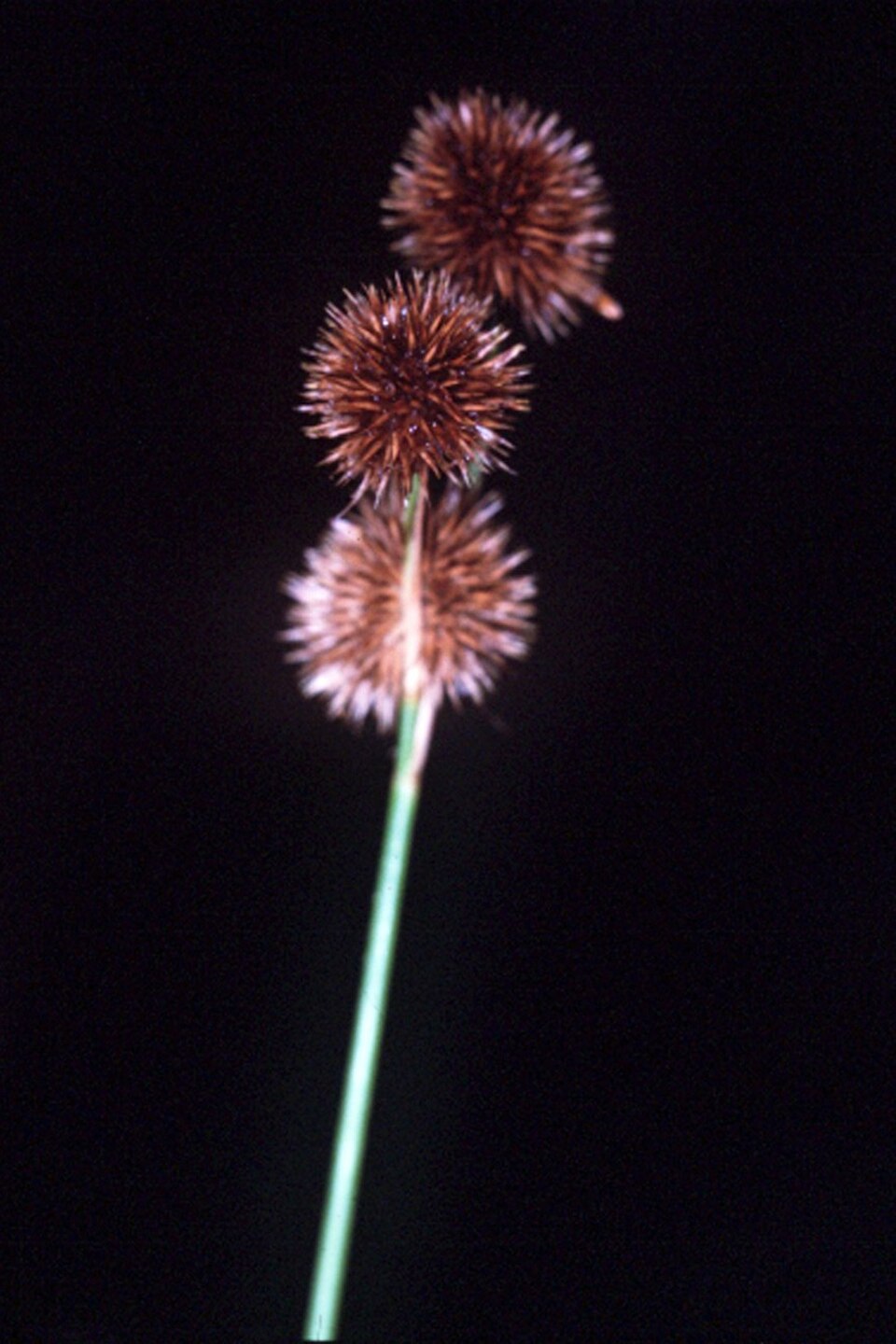
- Keeled BulrushIsolepis carinata
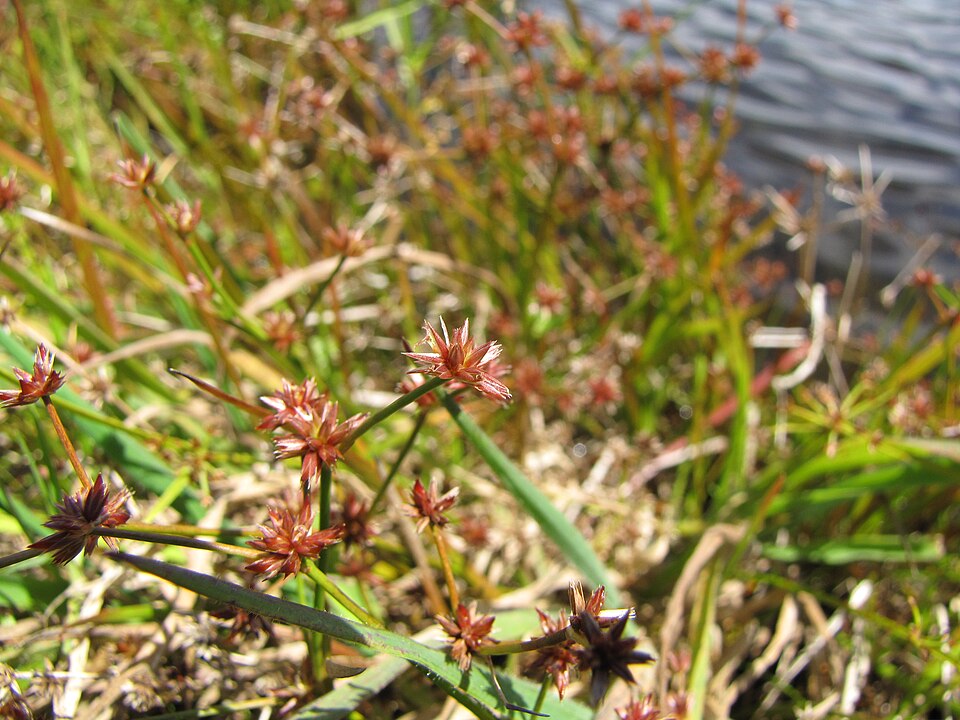
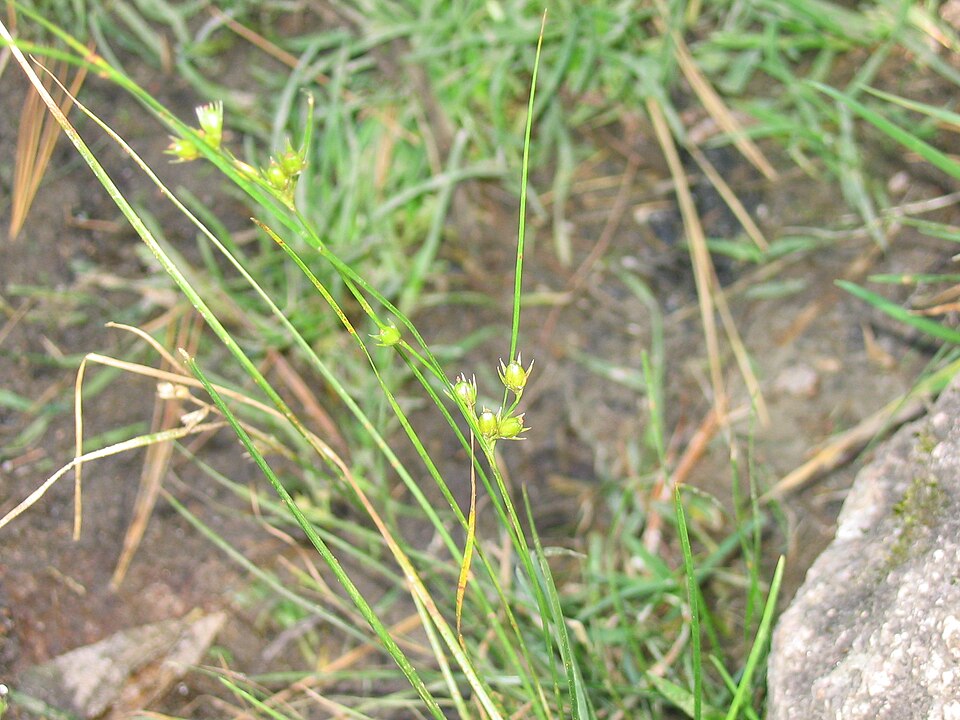
- Tapertip RushJuncus acuminatus
- Whiteroot RushJuncus brachycarpus
- Inland RushJuncus interior
- Grassleaf RushJuncus marginatus
- Juniperus virginiana var. virginianaJuniperus virginiana var. virginiana
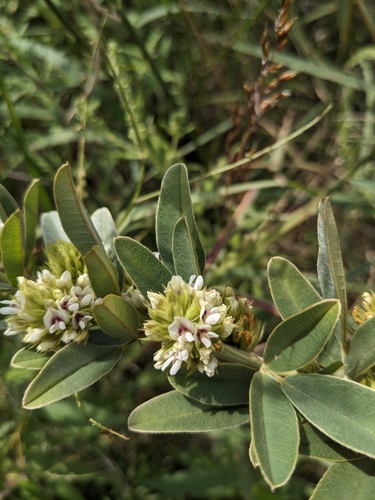
- Roundhead LespedezaLespedeza capitata
- Cusp GayfeatherLiatris mucronata
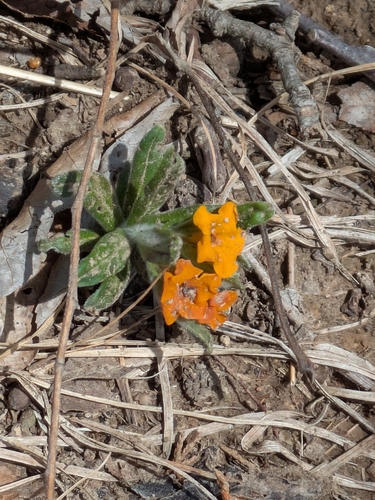
- Hoary PuccoonLithospermum canescens
- Four Flower LoosestrifeLysimachia quadriflora
- Few-flower StickleafMentzelia oligosperma
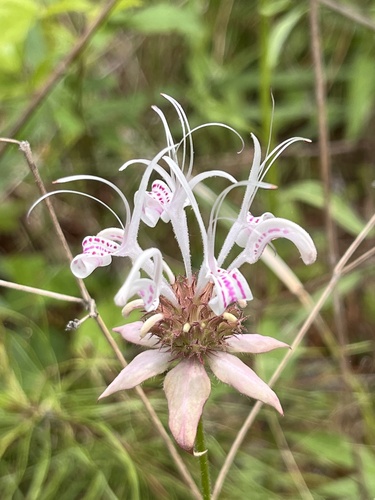
- White Bee BalmMonarda russeliana
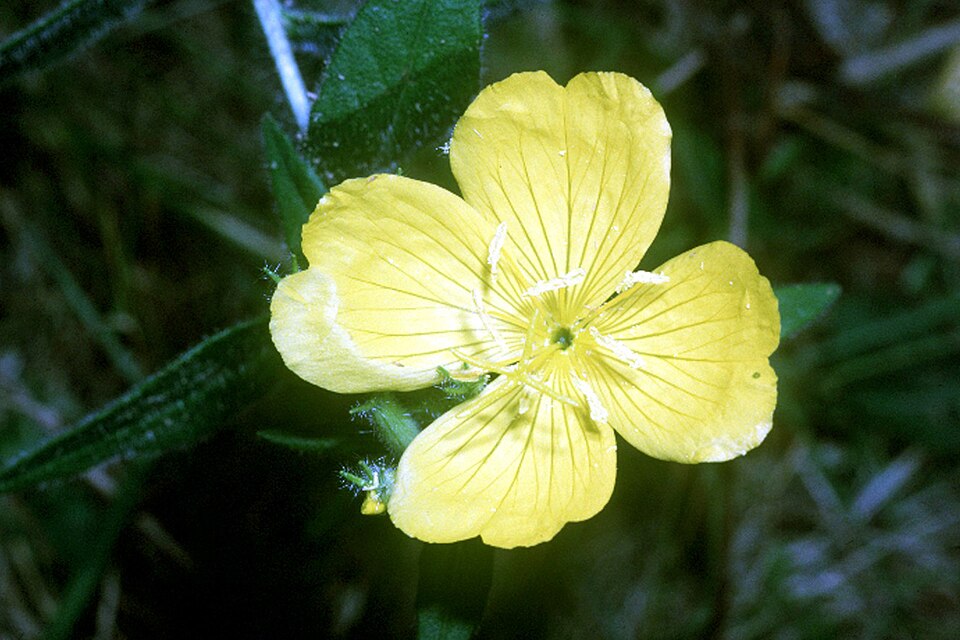
- Midwestern Evening-primroseOenothera pilosella
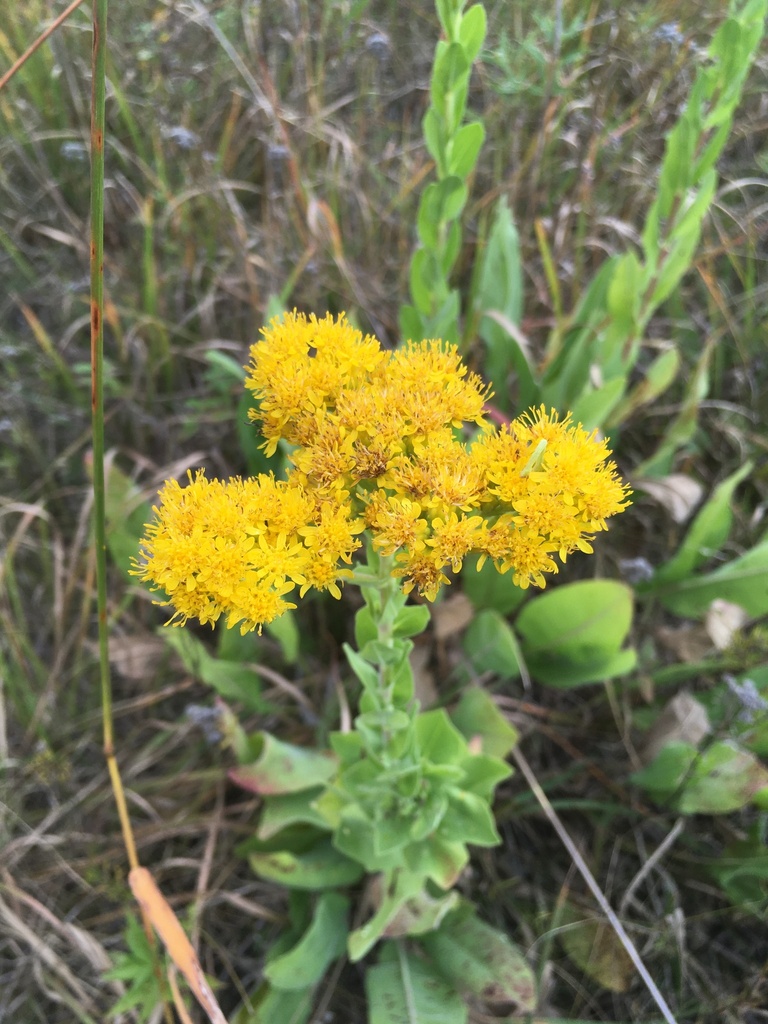
- Midwestern Stiff GoldenrodOligoneuron rigidum var. rigidum
- Beaked PanicgrassPanicum anceps
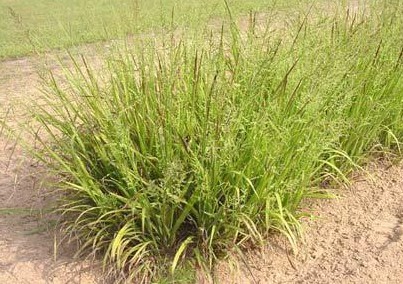
- SwitchgrassPanicum virgatum
- Cobaea BeardtonguePenstemon cobaea
Wildlife 212
Other animals whose habitat models include the same habitats in Arkansas. Not sighting records.
- American GoldfinchCarduelis tristis
- American KestrelFalco sparverius
- American RobinTurdus migratorius
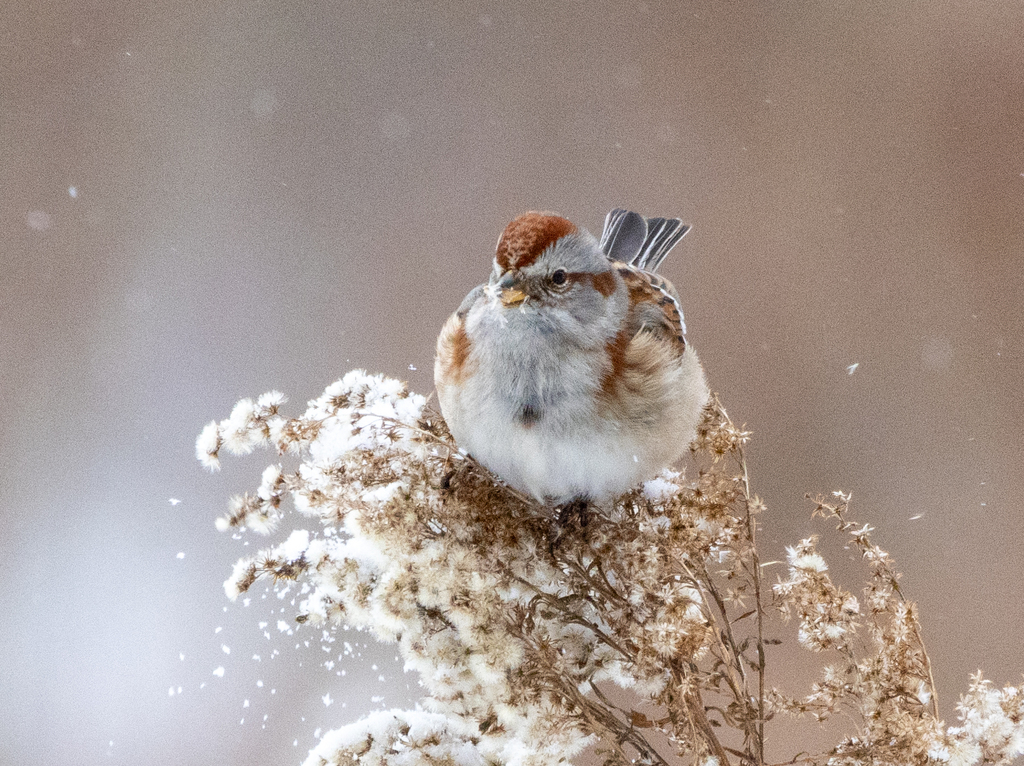
- American Tree SparrowSpizella arborea
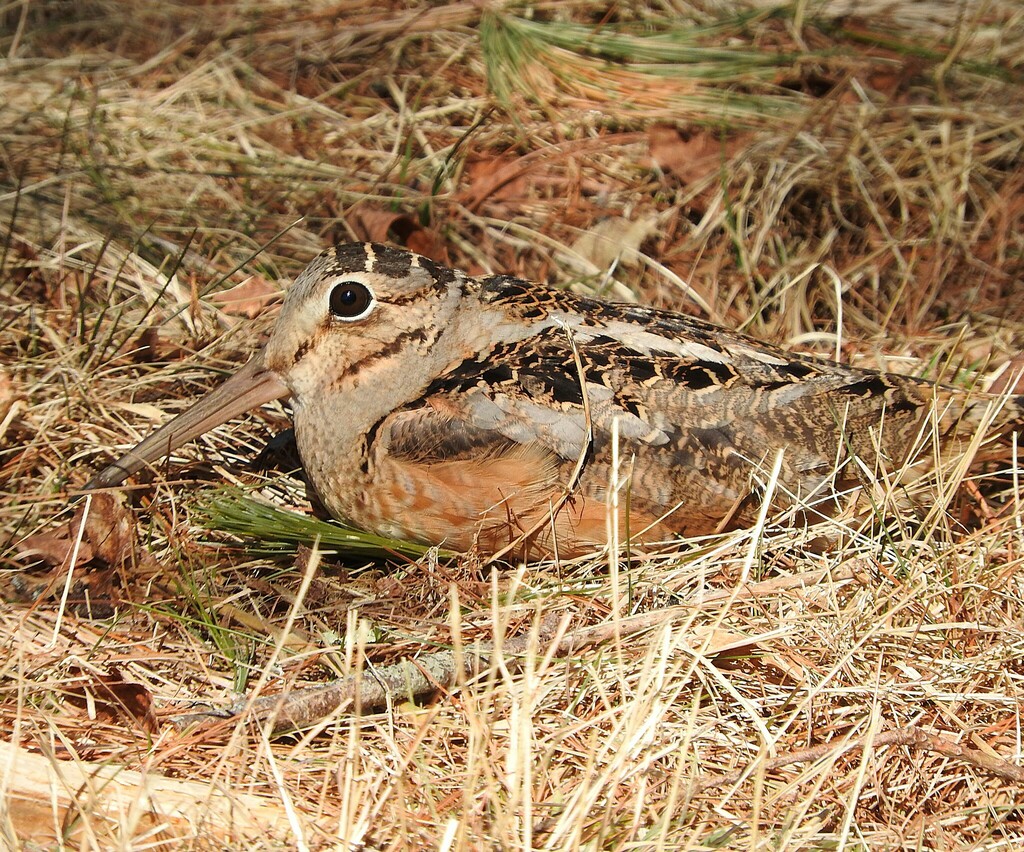
- American WoodcockScolopax minor
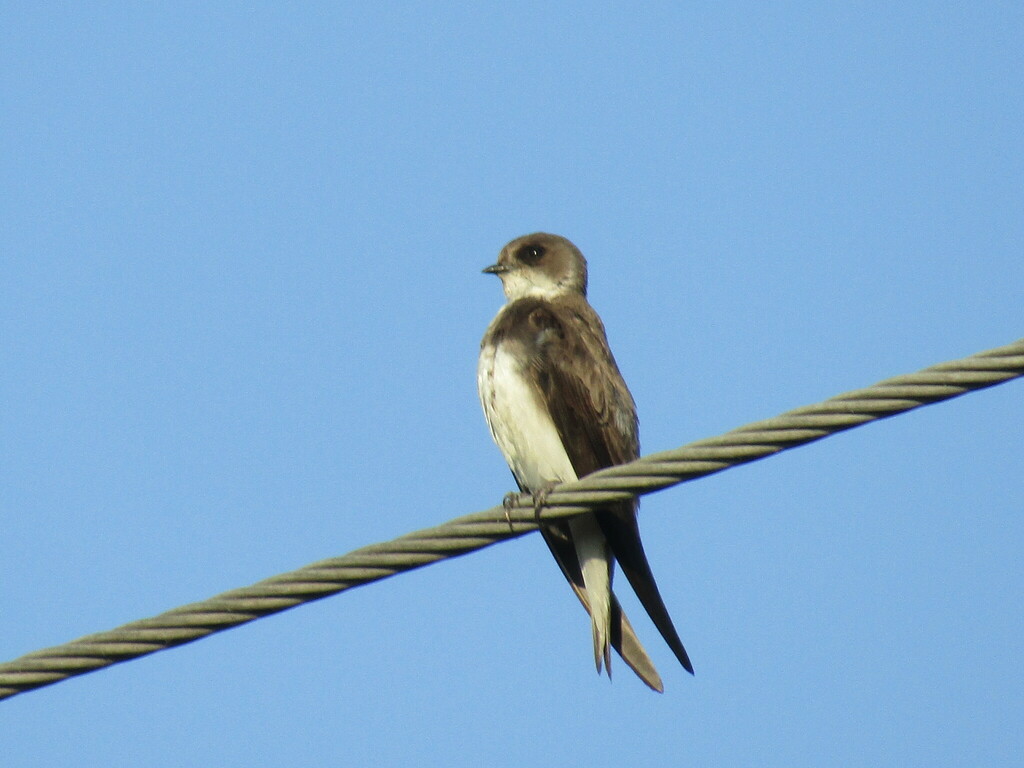
- Bank SwallowRiparia riparia
- Black-crowned Night-heronNycticorax nycticorax
- Blue GrosbeakPasserina caerulea
- Brown ThrasherToxostoma rufum
- Canada GooseBranta canadensis
- Chimney SwiftChaetura pelagica
- Chipping SparrowSpizella passerina
- Cliff SwallowPetrochelidon pyrrhonota
- Common NighthawkChordeiles minor
- Common YellowthroatGeothlypis trichas
- Cooper's HawkAccipiter cooperii
- Eastern KingbirdTyrannus tyrannus
- Eastern PhoebeSayornis phoebe
- Eastern Screech-owlMegascops asio
- Eastern TowheePipilo erythrophthalmus
- Eurasian Collared-doveStreptopelia decaocto
- European StarlingSturnus vulgaris
- Great Horned OwlBubo virginianus
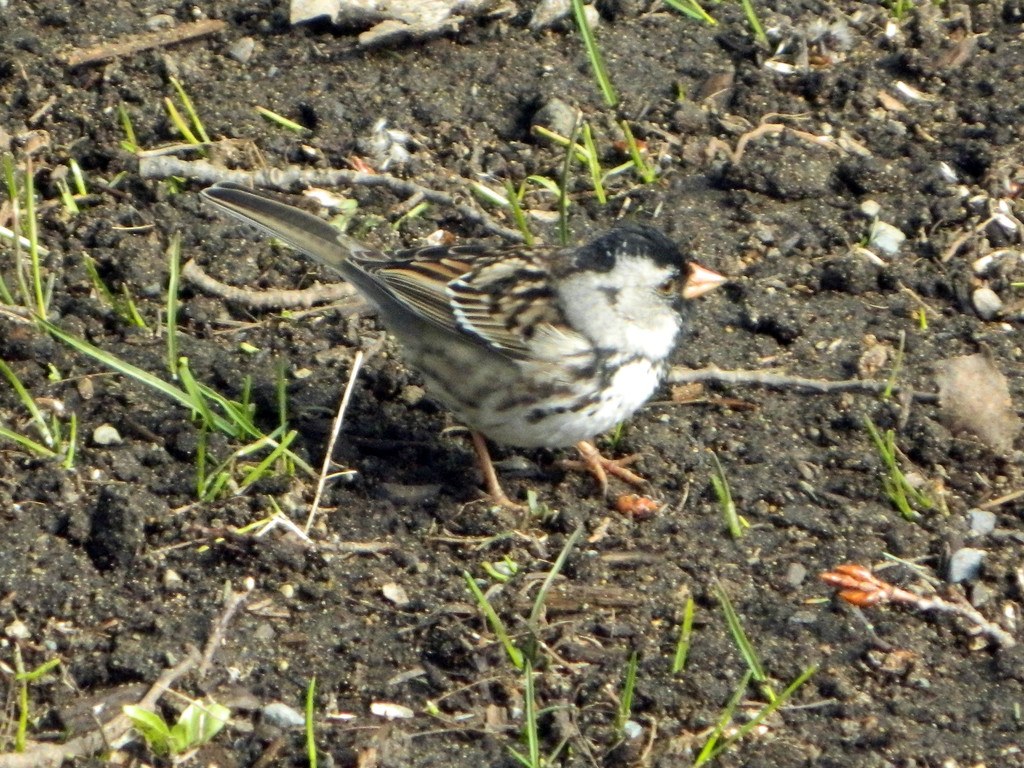
- Harris's SparrowZonotrichia querula




















NatureServe Explorer, CC BY 4.0. USGS Gap Analysis Project habitat models.
Sources
- USGS Gap Analysis Project habitat models (2001)
- USGS GAP winter habitat model for Long-eared Owl
- USGS Gap Analysis Project range maps (2001), modeled by watershed; migratory gives no dates
- NatureServe Explorer (CC BY 4.0), habitat names
- US Census TIGER/Line counties
- Names follow the USGS Gap Analysis Project (2001)