

Bird
Brown-headed Nuthatch
Sitta pusilla
Lives in Arkansas all year and nests here. Found in 32 of 75 counties, across 2 habitats.
- Here
- All year
- Nesting
- Nests here
- Range
- 32 of 75 counties
- Habitats
- 2
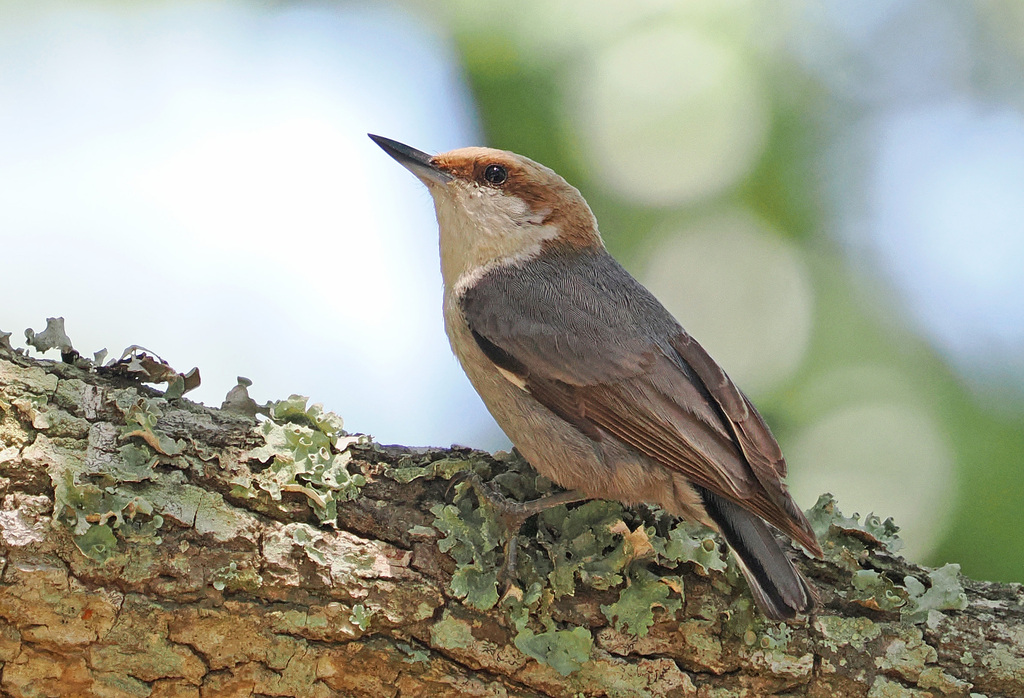
At a glance
- Group
- Birds
- Here
- All year
- Nesting
- Nests here
- Range
- 32 of 75 counties
- Habitats
- 2
- Habitat models
- Year-round
Where it lives
The places its habitat model includes. It is not found everywhere a habitat occurs.
Habitats in Arkansas 2
Each habitat page lists the plants and wildlife also found there.
Flat, poorly drained uplands and terraces with oaks, sweetgum and sometimes loblolly pine, wet in winter and dry in summer, but neither a floodplain nor a swamp.
Roadsides, fields and disturbed ground
Ground opened by people: roadsides, old fields, pastures, fencerows and lots.
Other habitats in its models (37)
Land cover, or classes with no habitat page in Arkansas.
- Developed, Low Intensity Year-round, beside its main habitat.
- East Gulf Coastal Plain Black Belt Calcareous Prairie and Woodland - Herbaceous Modifier Year-round.
- East Gulf Coastal Plain Maritime Forest Year-round.
- Atlantic Coastal Plain Southern Maritime Forest Year-round.
- Northeastern Interior Dry Oak Forest - Virginia/Pitch Pine Modifier Year-round.
- Southern Piedmont Dry Oak-(Pine) Forest - Loblolly Pine Modifier Year-round.
- East Gulf Coastal Plain Northern Dry Upland Hardwood Forest - Offsite Pine Modifier Year-round.
- Allegheny-Cumberland Dry Oak Forest and Woodland - Pine Modifier Year-round.
- Southern Ridge and Valley Dry Calcareous Forest - Pine modifier Year-round.
- East Gulf Coastal Plain Interior Shortleaf Pine-Oak Forest - Mixed Modifier Year-round.
- Southern Piedmont Dry Oak-(Pine) Forest - Mixed Modifier Year-round.
- Southern Piedmont Dry Oak-Heath Forest - Mixed Modifier Year-round.
- West Gulf Coastal Plain Upland Longleaf Pine Forest and Woodland Year-round.
- Southeastern Interior Longleaf Pine Woodland Year-round.
- Southern Piedmont Dry Oak-(Pine) Forest Year-round.
- Central Appalachian Oak and Pine Forest Year-round.
- West Gulf Coastal Plain Pine-Hardwood Forest Year-round.
- West Gulf Coastal Plain Sandhill Oak and Shortleaf Pine Forest and Woodland Year-round.
- Florida Longleaf Pine Sandhill - Open Understory Modifier Year-round.
- Florida Longleaf Pine Sandhill - Scrub/Shrub Understory Modifier Year-round.
- Atlantic Coastal Plain Fall-Line Sandhills Longleaf Pine Woodland - Loblolly Modifier Year-round.
- Atlantic Coastal Plain Fall-line Sandhills Longleaf Pine Woodland - Open Understory Modifier Year-round.
- Atlantic Coastal Plain Fall-line Sandhills Longleaf Pine Woodland - Scrub/Shrub Understory Modifier Year-round.
- East Gulf Coastal Plain Interior Upland Longleaf Pine Woodland - Loblolly Modifier Year-round.
- East Gulf Coastal Plain Interior Upland Longleaf Pine Woodland - Open Understory Modifier Year-round.
- East Gulf Coastal Plain Interior Upland Longleaf Pine Woodland - Scrub/Shrub Modifier Year-round.
- Atlantic Coastal Plain Upland Longleaf Pine Woodland Year-round.
- Southern Appalachian Low Mountain Pine Forest Year-round.
- East Gulf Coastal Plain Jackson Plain Dry Flatwoods - Open Understory Modifier Year-round.
- East Gulf Coastal Plain Near-Coast Pine Flatwoods - Open Understory Modifier Year-round.
- East Gulf Coastal Plain Near-Coast Pine Flatwoods - Scrub/Shrub Understory Modifier Year-round.
- South Florida Pine Flatwoods Year-round.
- Central Atlantic Coastal Plain Wet Longleaf Pine Savanna and Flatwoods Year-round.
- Atlantic Coastal Plain Southern Wet Pine Savanna and Flatwoods Year-round.
- West Gulf Coastal Plain Wet Longleaf Pine Savanna and Flatwoods Year-round.
- Central Florida Pine Flatwoods Year-round.
- East Gulf Coastal Plain Southern Loblolly-Hardwood Flatwoods Year-round.
- The model distinguishes open pine habitat from nearby denser pine.
Seasons in Arkansas
- Year-round: nests here, in 32 of 75 counties.
Also found in this habitat
Plants 93
Plants named in NatureServe descriptions of these habitats that grow in Arkansas. Shared habitat, not food.
- White OakQuercus alba
- Southern Red OakQuercus falcata
- Sand Post OakQuercus margarettiae
- Blackjack OakQuercus marilandica
- Common SweetleafSymplocos tinctoria
- SparkleberryVaccinium arboreum
- Elliott's BlueberryVaccinium elliottii
- DeerberryVaccinium stamineum
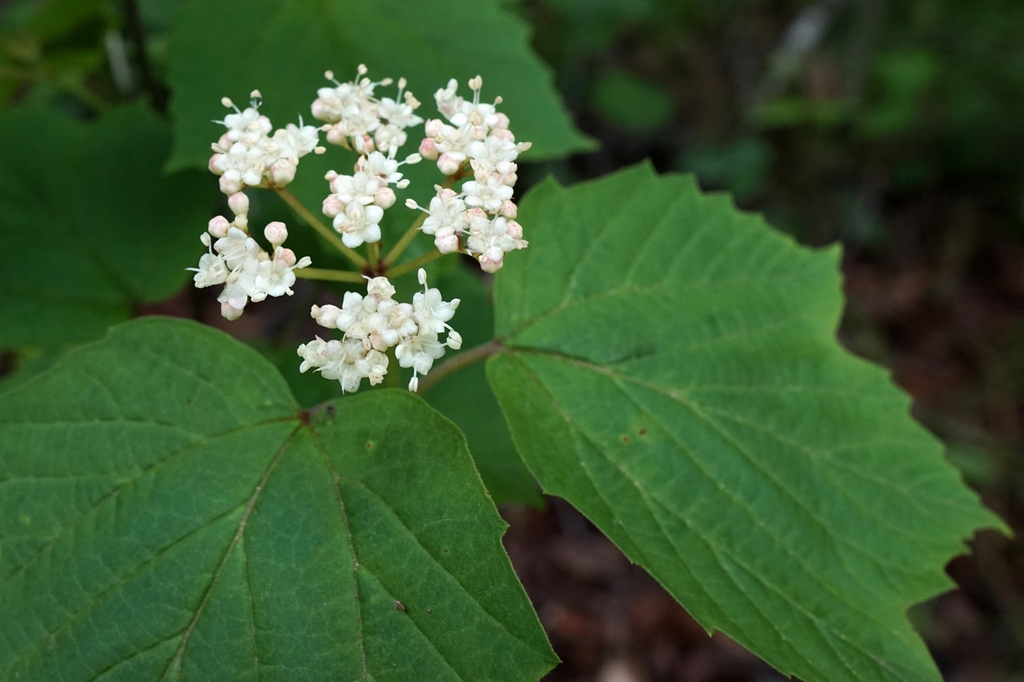
- Mapleleaf ViburnumViburnum acerifolium
- Southern ArrowwoodViburnum dentatum
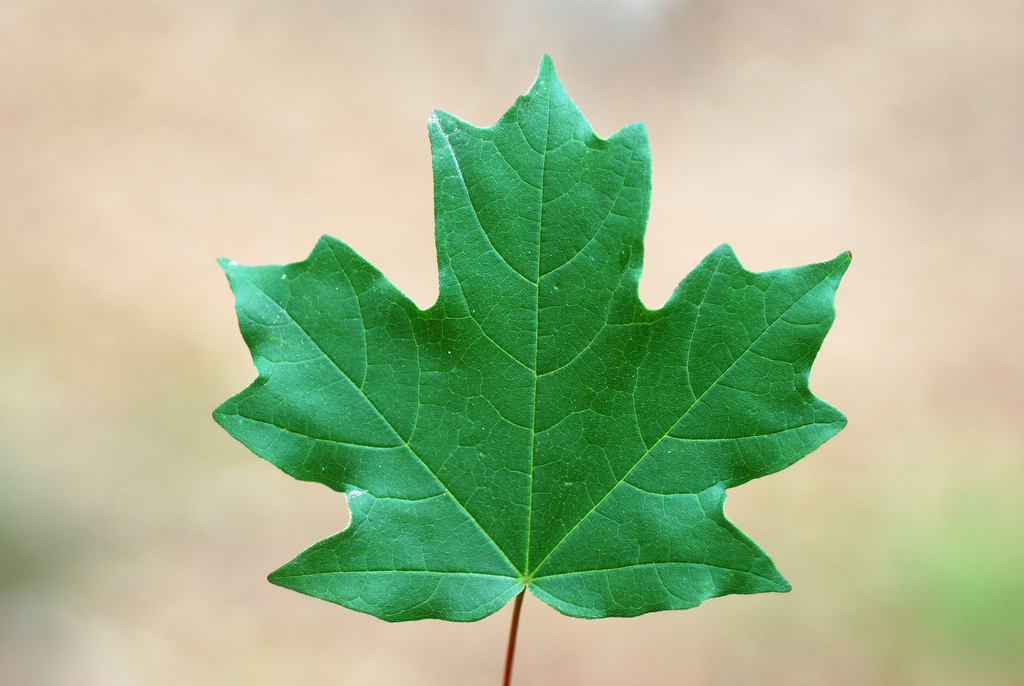
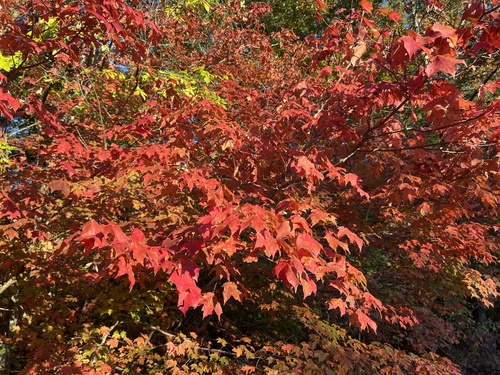
- Florida MapleAcer floridanum
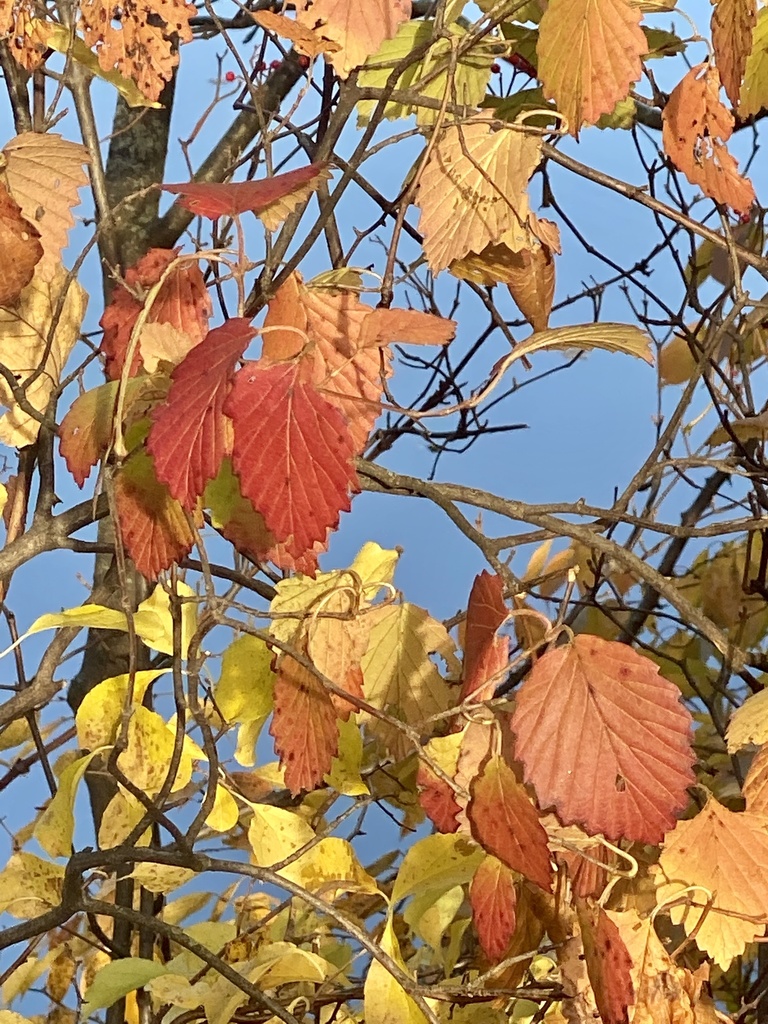
- Chalk MapleAcer leucoderme
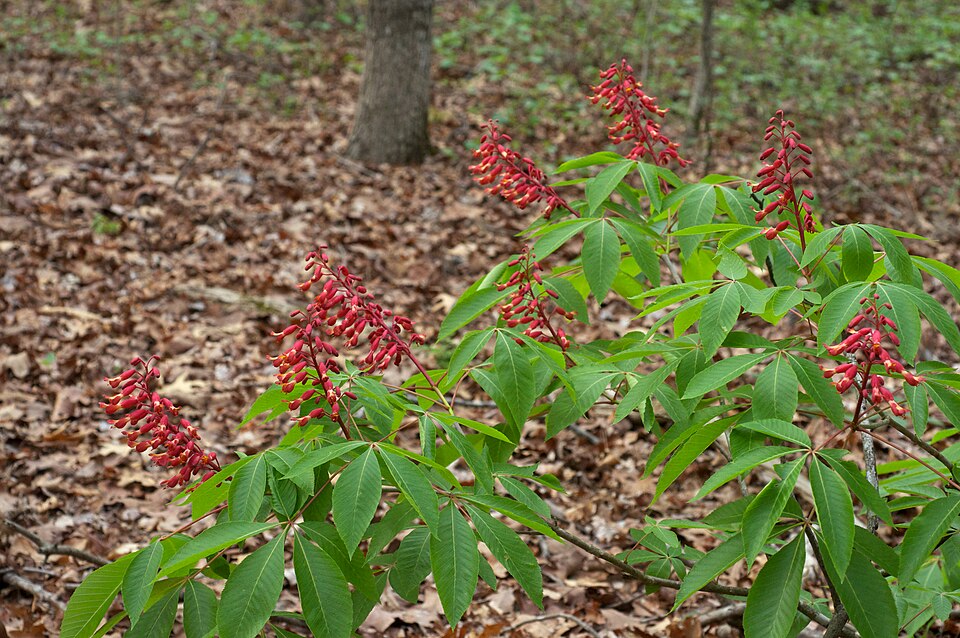
- Red BuckeyeAesculus pavia
- Skinners False FoxgloveAgalinis skinneriana
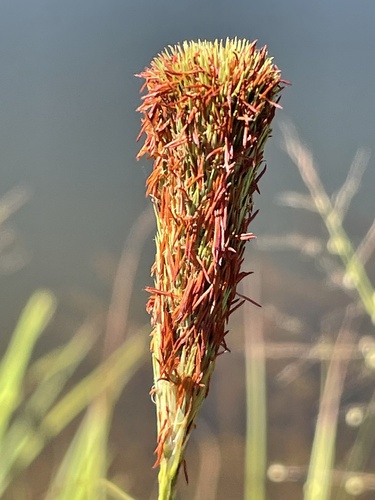
- Woollysheath Three-awnAristida lanosa
- Soxman's MilkvetchAstragalus soxmaniorum
- Bouteloua hirsutaBouteloua hirsuta
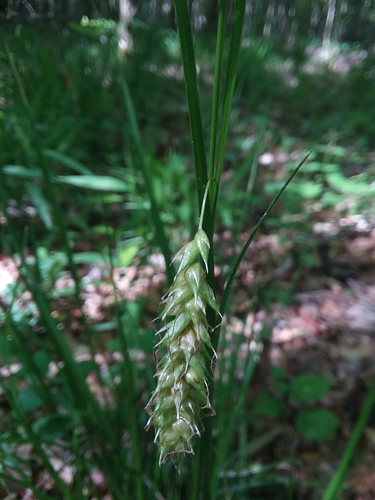
- Cherokee SedgeCarex cherokeensis
- Southern Waxy SedgeCarex glaucescens
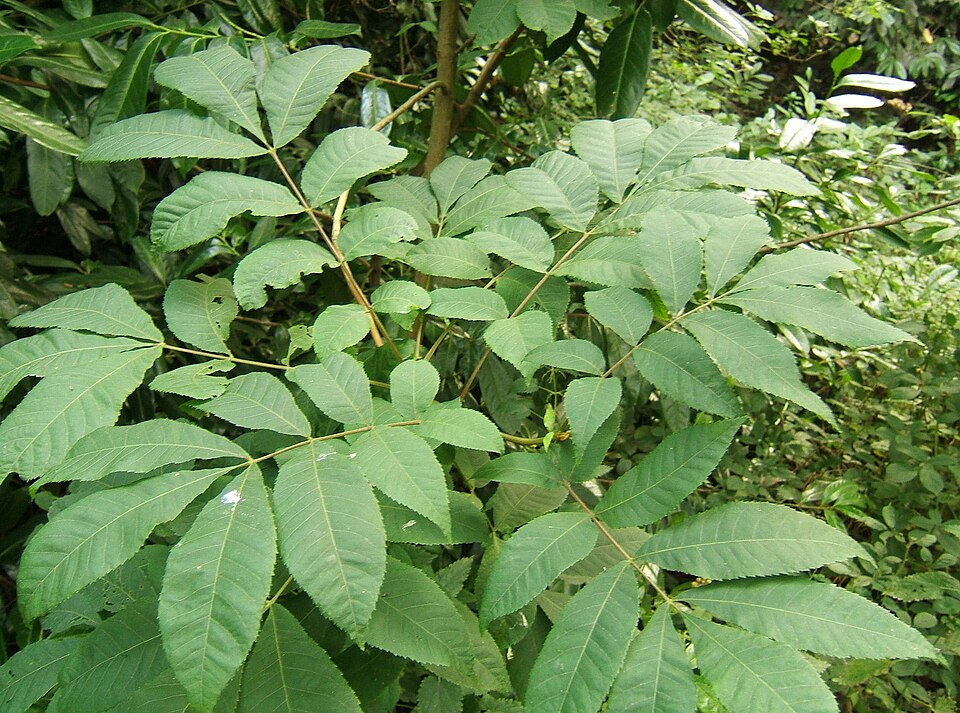
- Bitternut HickoryCarya cordiformis
- Mockernut HickoryCarya tomentosa
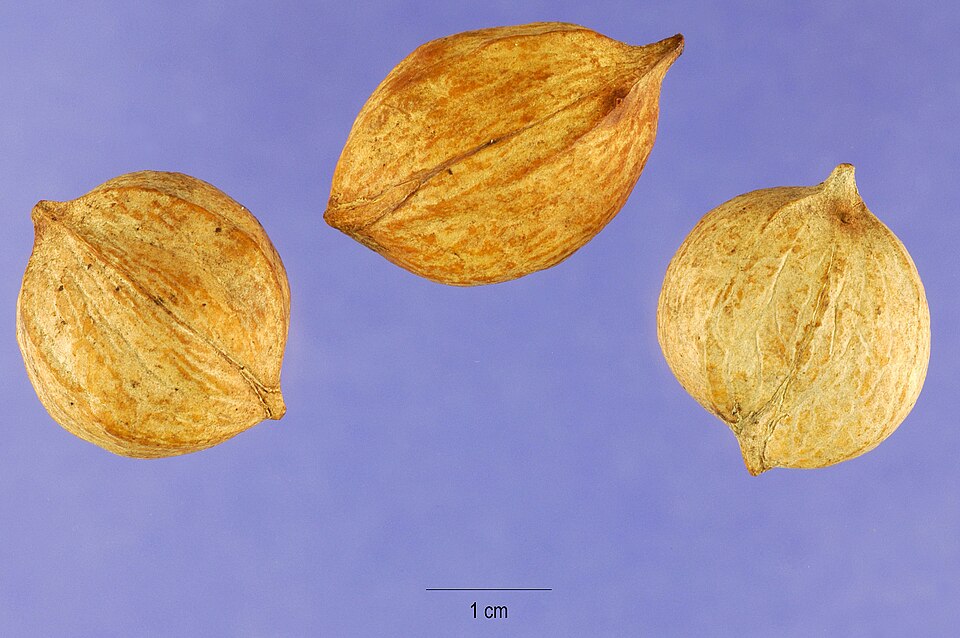
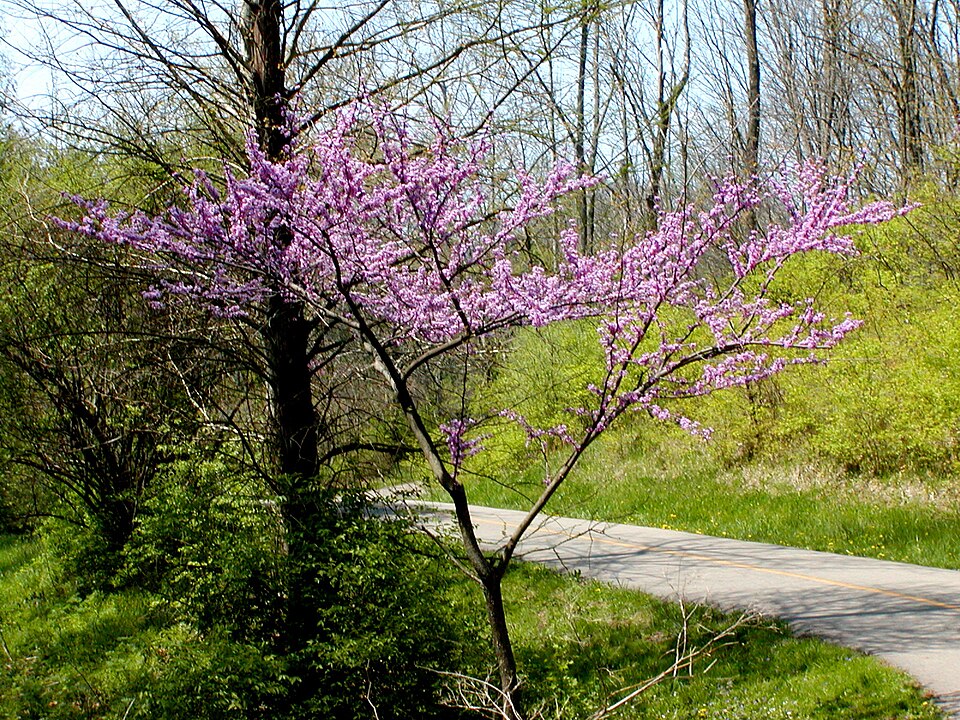
- Eastern RedbudCercis canadensis
- Texas Bull-nettleCnidoscolus texanus
- Golden-wave TickseedCoreopsis intermedia
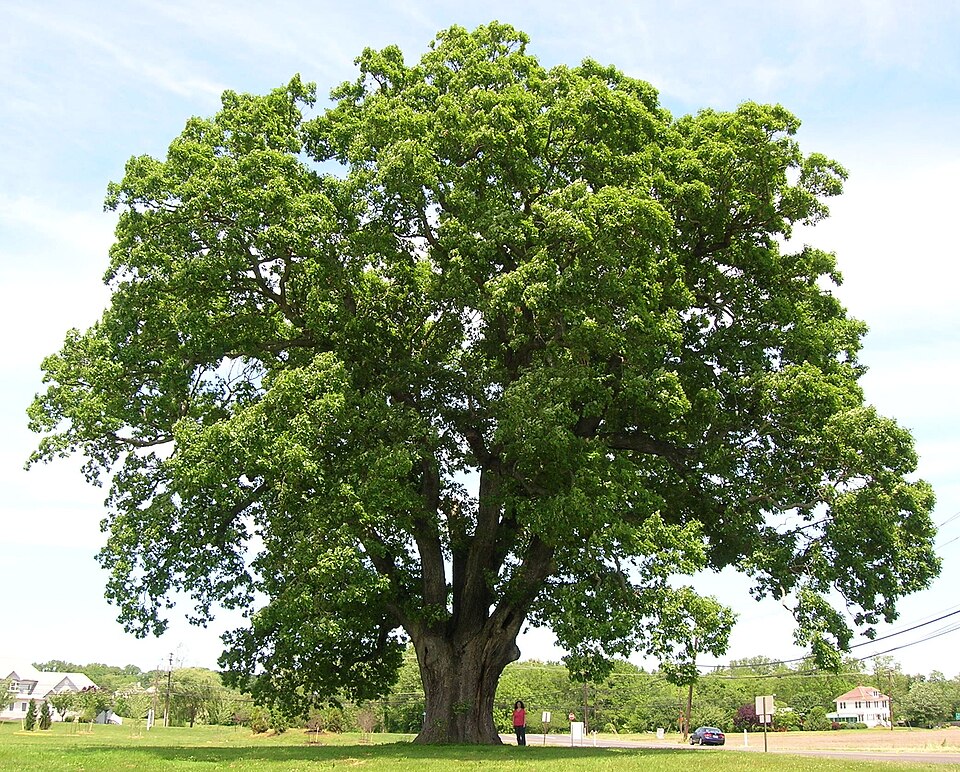
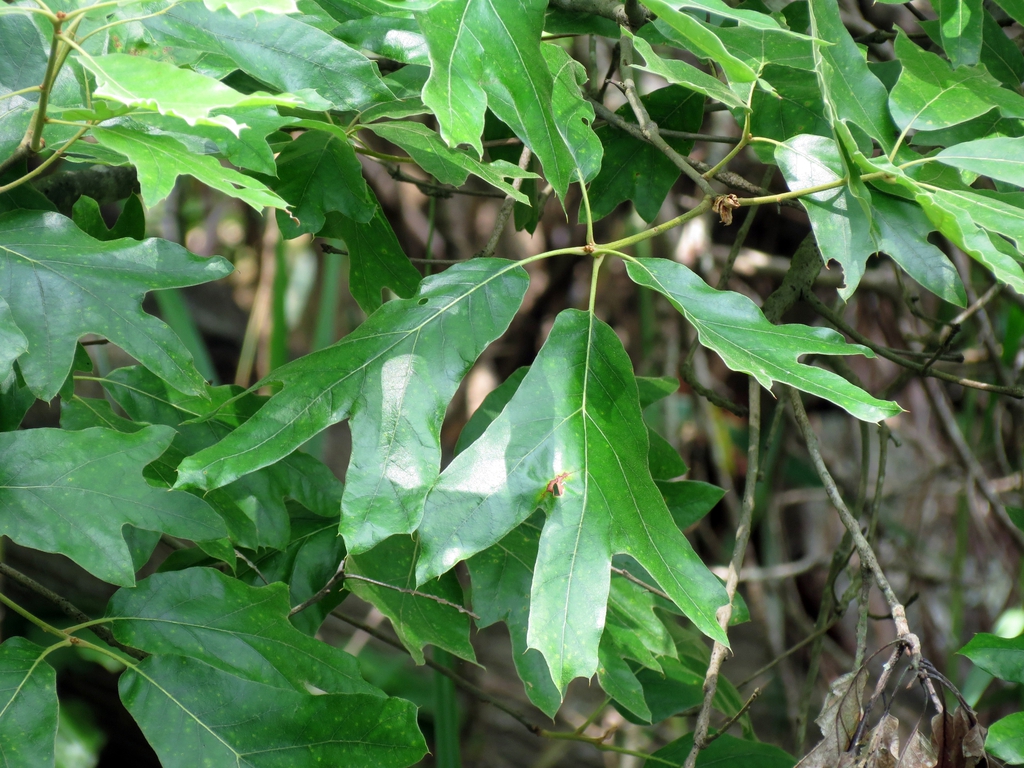
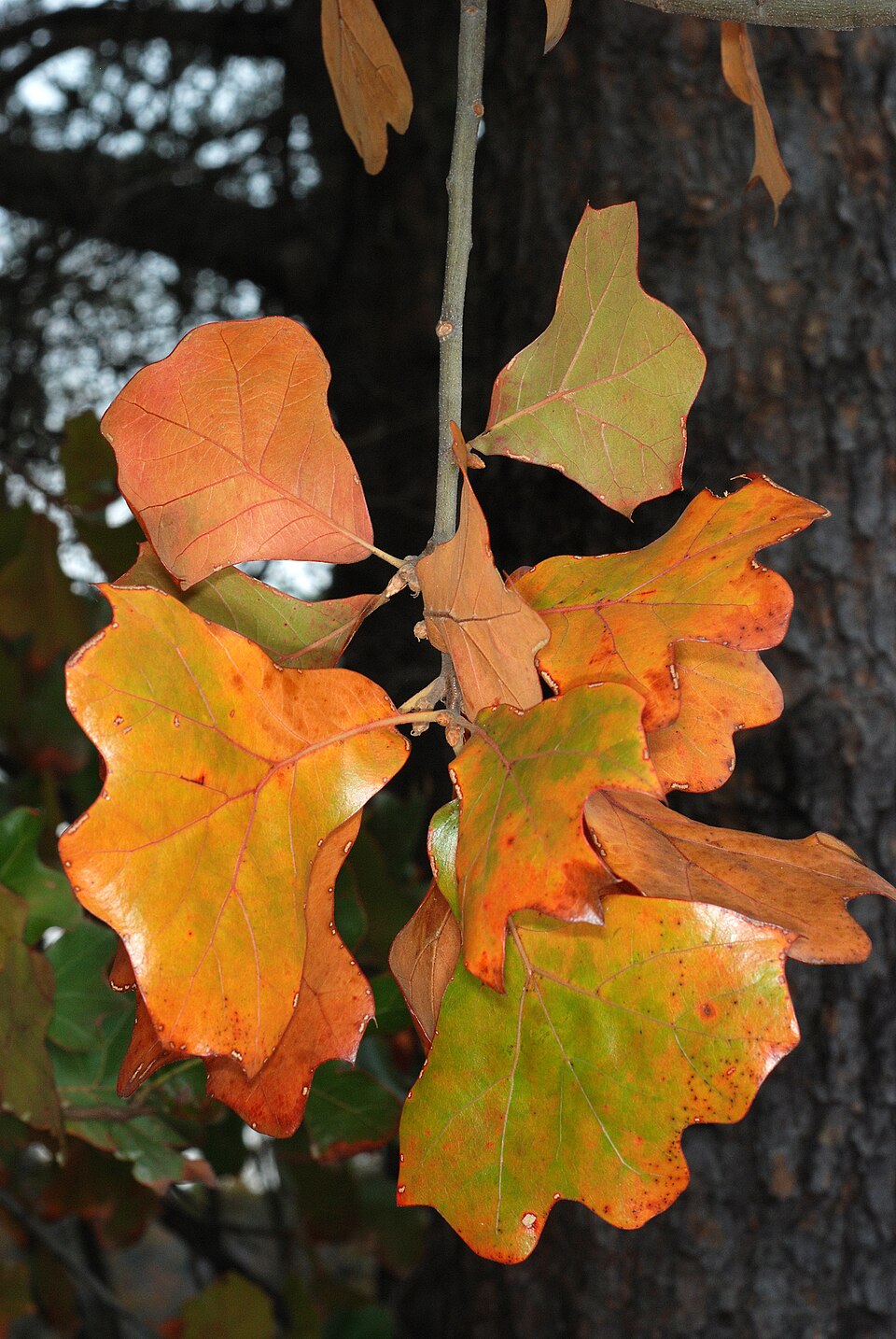
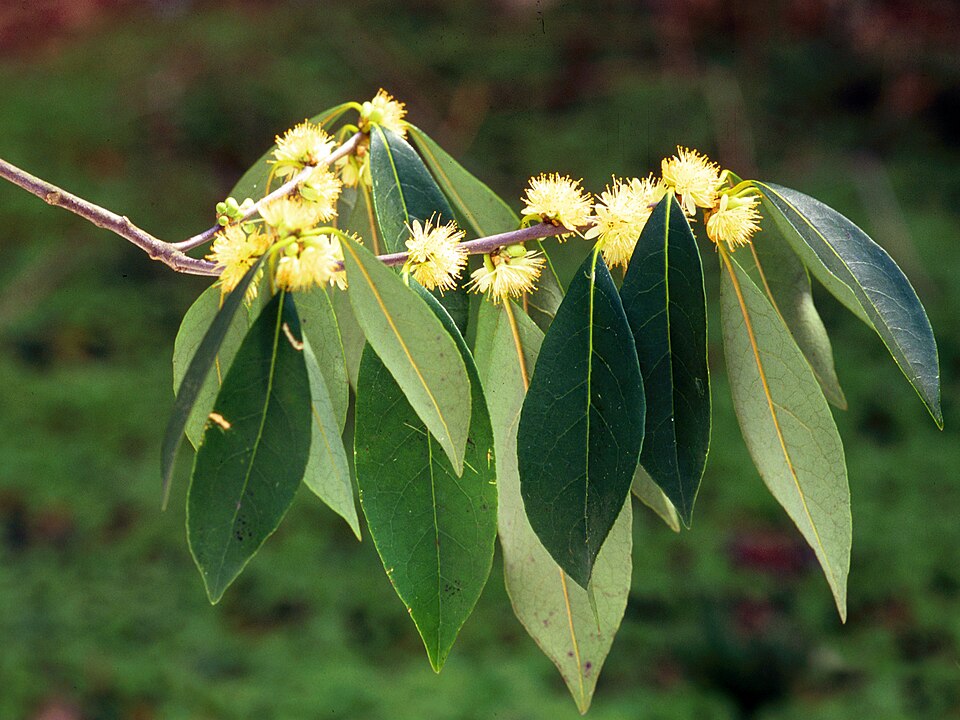
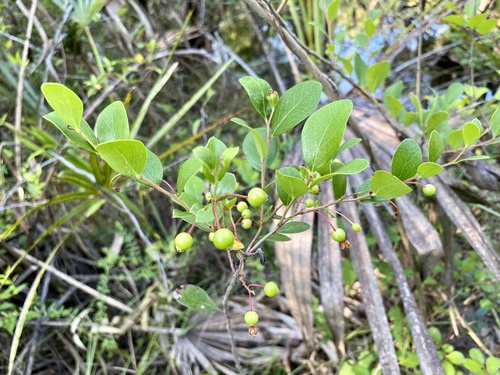
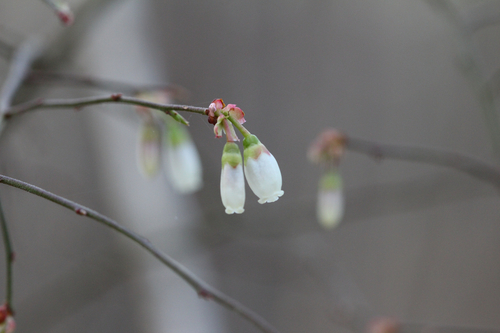
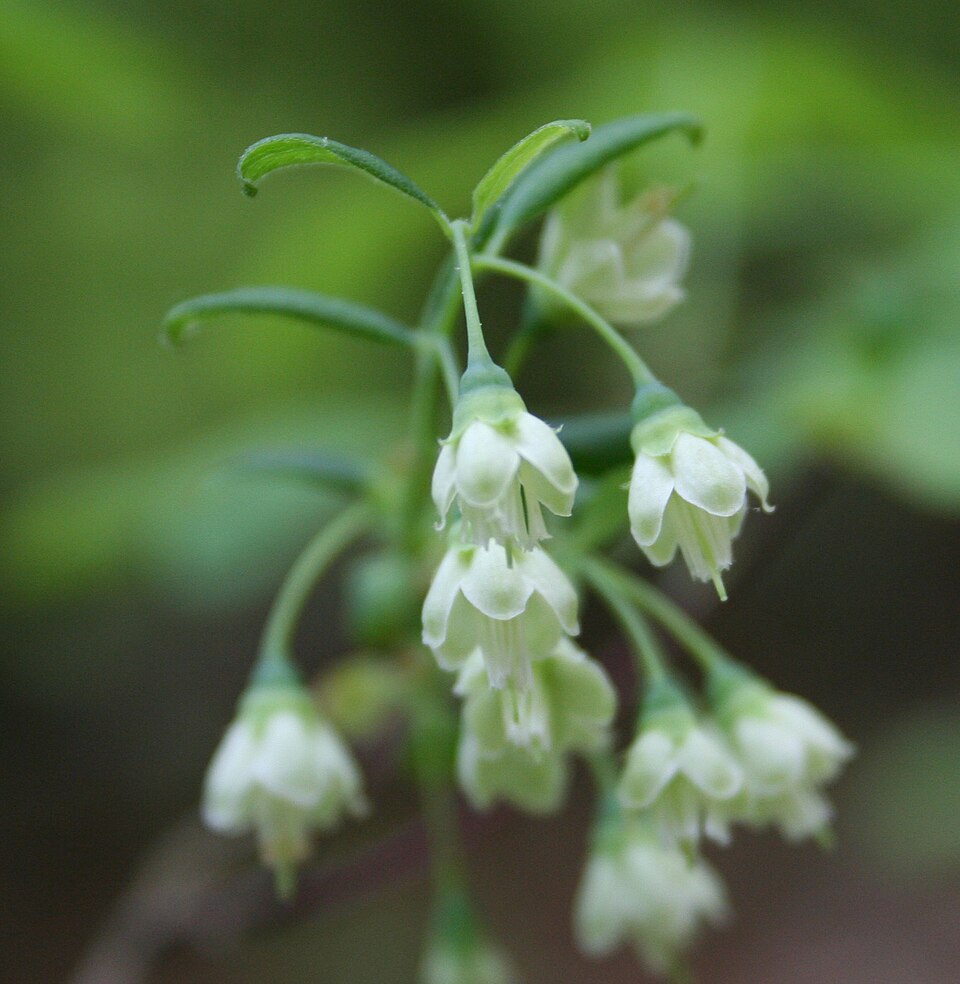
Wildlife 191
Other animals whose habitat models include the same habitats in Arkansas. Not sighting records.
- American Black DuckAnas rubripes
- American GoldfinchCarduelis tristis
- American KestrelFalco sparverius
- American RobinTurdus migratorius
- American WoodcockScolopax minor
- Black-crowned Night-heronNycticorax nycticorax
- Blue GrosbeakPasserina caerulea
- Blue-gray GnatcatcherPolioptila caerulea
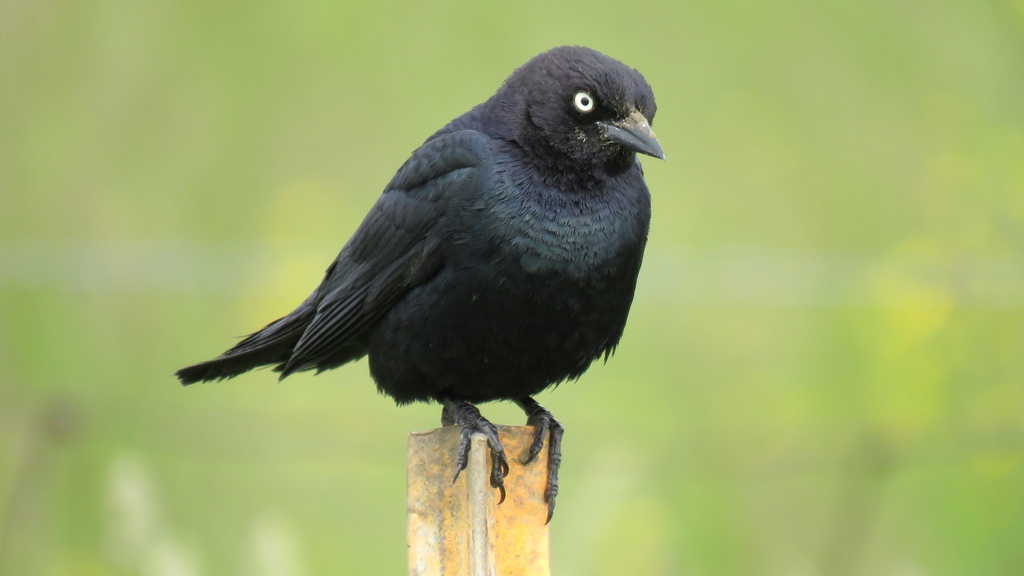
- Brewer's BlackbirdEuphagus cyanocephalus
- Broad-winged HawkButeo platypterus
- Brown ThrasherToxostoma rufum
- Canada GooseBranta canadensis
- Cedar WaxwingBombycilla cedrorum
- Chimney SwiftChaetura pelagica
- Chipping SparrowSpizella passerina
- Cliff SwallowPetrochelidon pyrrhonota
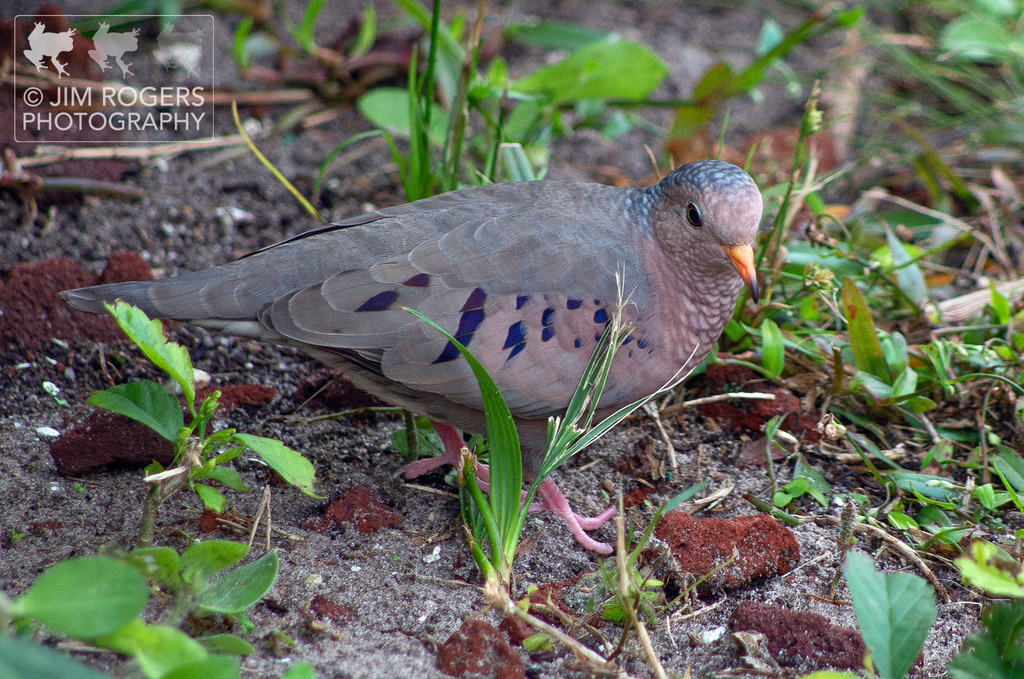
- Common Ground-doveColumbina passerina
- Common NighthawkChordeiles minor
- Common YellowthroatGeothlypis trichas
- Cooper's HawkAccipiter cooperii
- Dark-eyed JuncoJunco hyemalis
- Eastern BluebirdSialia sialis
- Eastern KingbirdTyrannus tyrannus
- Eastern Screech-owlMegascops asio






















NatureServe Explorer, CC BY 4.0. USGS Gap Analysis Project habitat models.
Sources
- USGS Gap Analysis Project habitat models (2001)
- USGS GAP year-round habitat model for Brown-headed Nuthatch Elevation 0 to 762 m
- USGS Gap Analysis Project range maps (2001), modeled by watershed; migratory gives no dates
- NatureServe Explorer (CC BY 4.0), habitat names
- US Census TIGER/Line counties
- Names follow the USGS Gap Analysis Project (2001)