

Whole Leaf Rosinweed
Silphium integrifolium
—
Not scored
Native status unresolved in Arkansas. How scores work Is it native here?
Profile 71%
- Height
- 2–6 feet
- Spread
- 1–3 feet
- Light
- Full sun
- Soil moisture
- Dry to average
Space about 2 ft apart from its recorded spread, about 25 per 100 sq ft. Enter your bed size for a count
Will it fit your yard?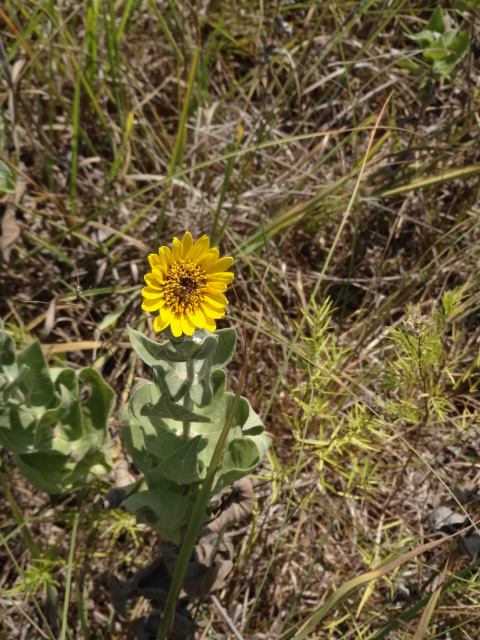
At a glance
- Life cycle
- Perennial
- Leaves
- Deciduous
- Bloom
- July to September
JFMAMJJASOND
Recorded in 35 Arkansas counties.
Also found with this plant
Wildlife whose habitat models include habitats this plant grows in, in Arkansas. Shared habitat, not food. 63 animals.
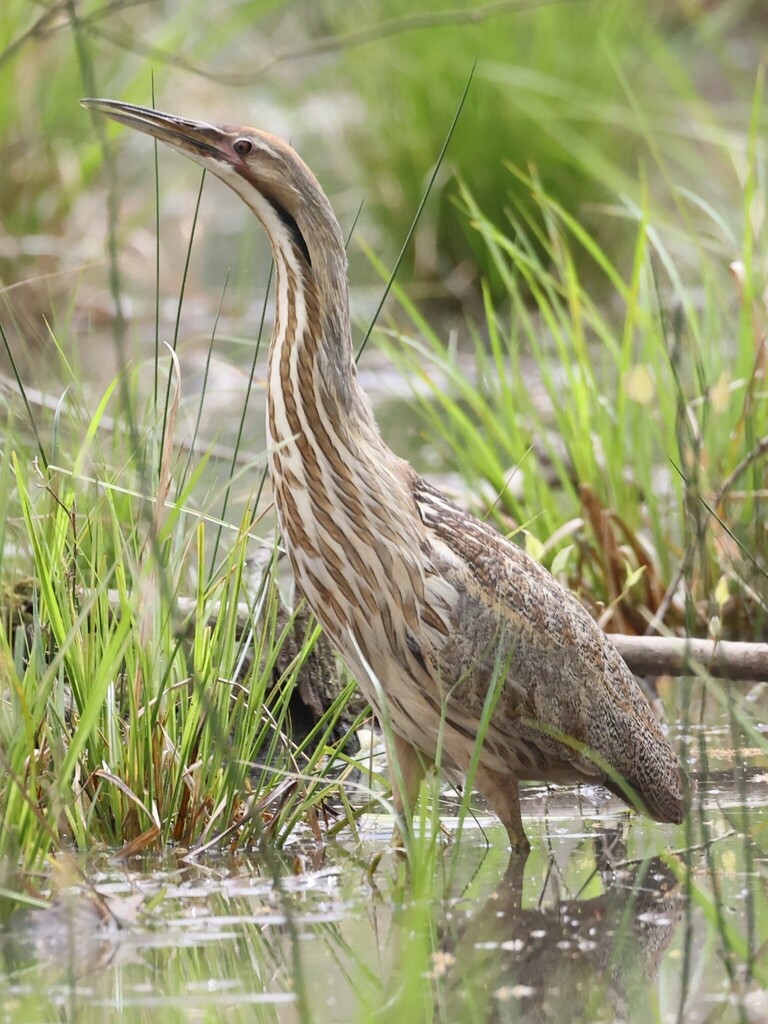
- American BitternBotaurus lentiginosus
- American GoldfinchCarduelis tristis
- American KestrelFalco sparverius
- American RobinTurdus migratorius
- American WoodcockScolopax minor
- Bank SwallowRiparia riparia
- Blue GrosbeakPasserina caerulea
- Chimney SwiftChaetura pelagica
- Chipping SparrowSpizella passerina
- Cliff SwallowPetrochelidon pyrrhonota
- Common NighthawkChordeiles minor
- Cooper's HawkAccipiter cooperii
- Dark-eyed JuncoJunco hyemalis
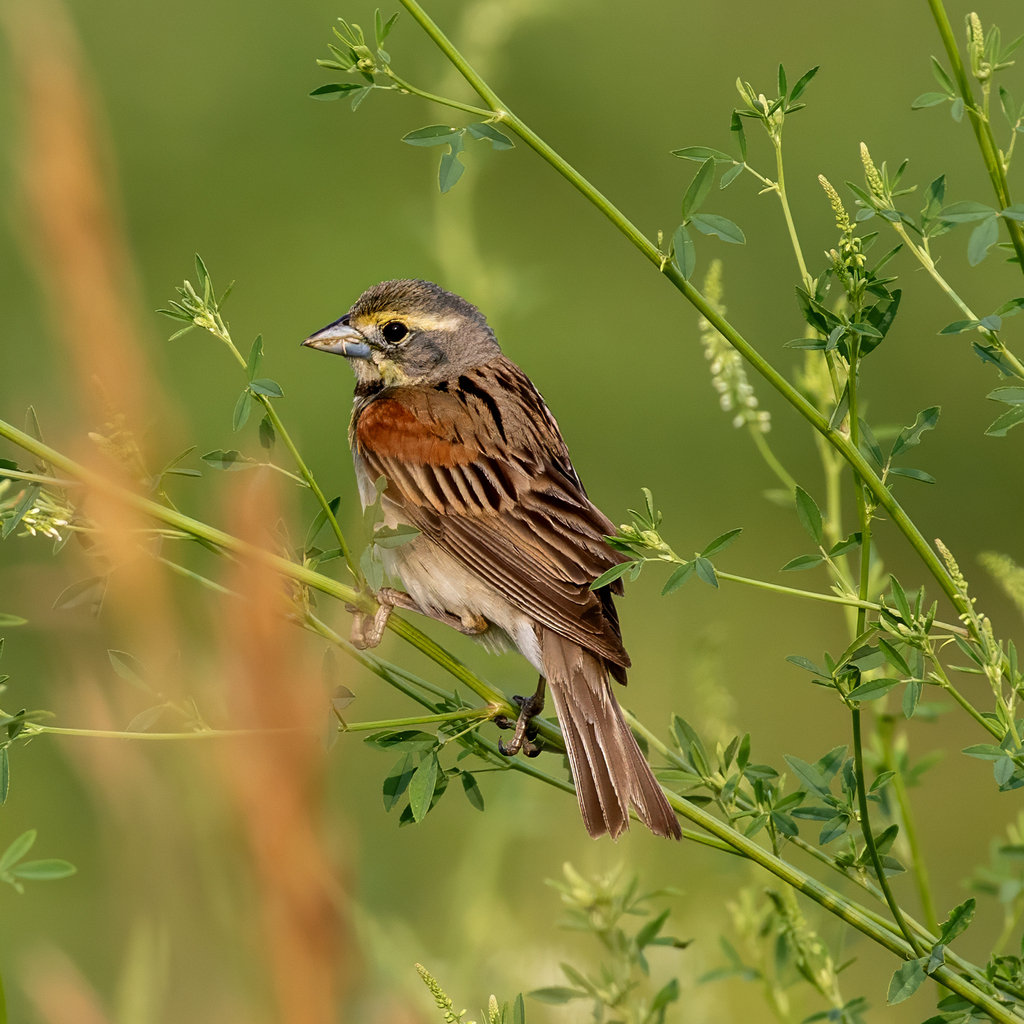
- DickcisselSpiza americana
- Eastern BluebirdSialia sialis
- Eastern KingbirdTyrannus tyrannus
- Eurasian Collared-doveStreptopelia decaocto
- European StarlingSturnus vulgaris
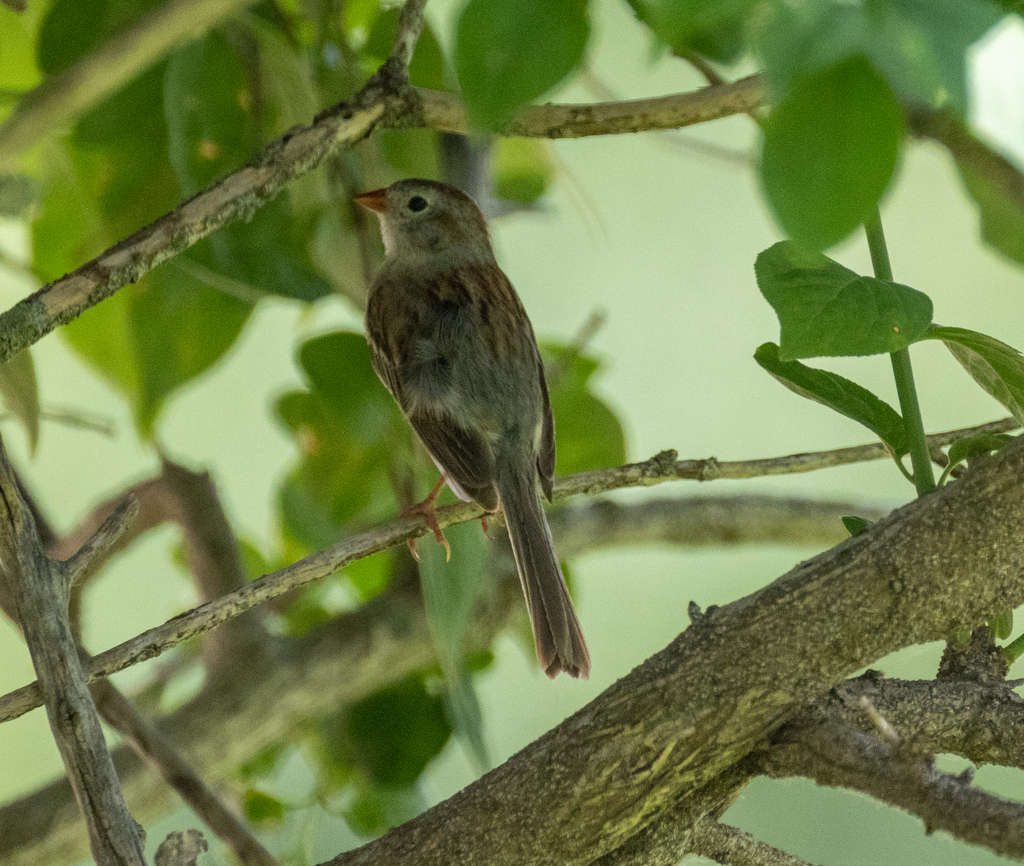
- Field SparrowSpizella pusilla
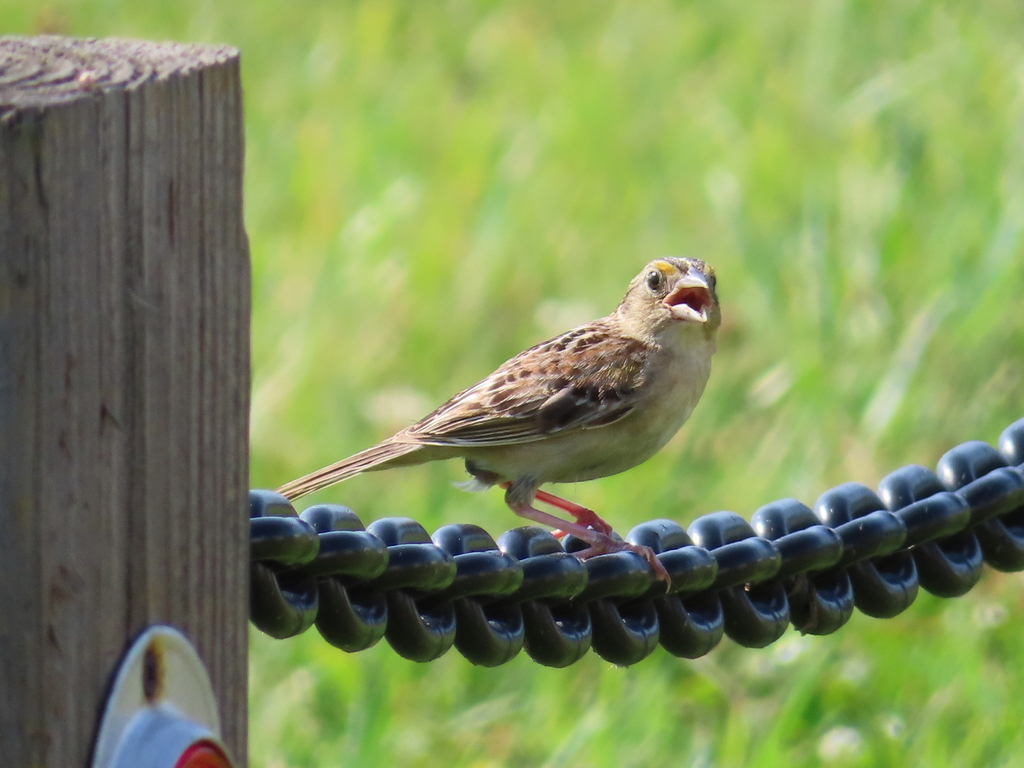
- Grasshopper SparrowAmmodramus savannarum
- Great Horned OwlBubo virginianus
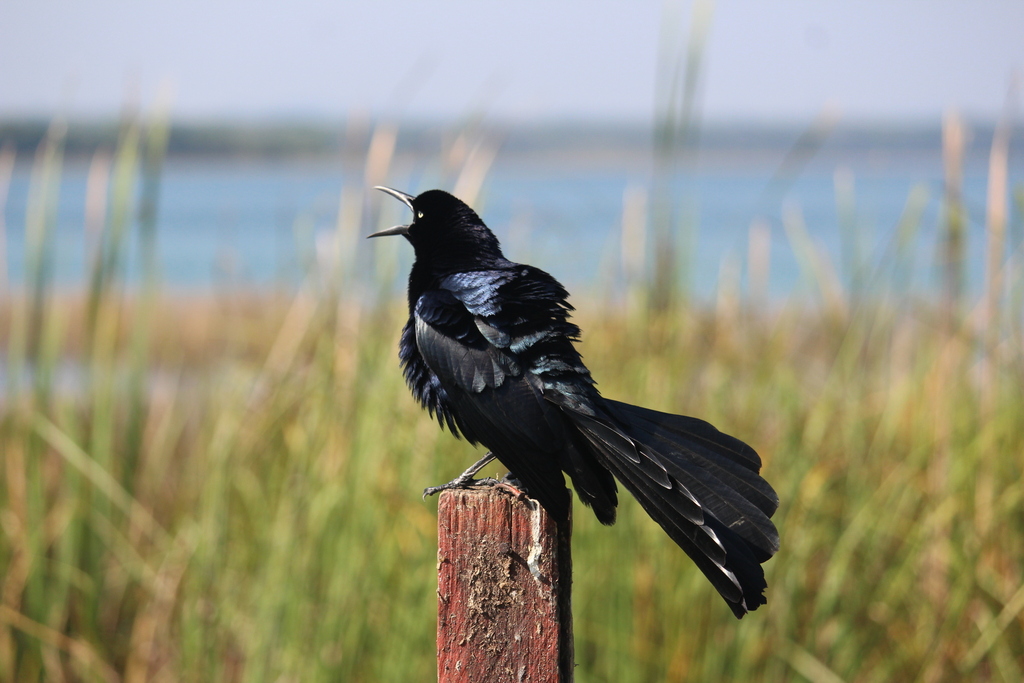
- Great-tailed GrackleQuiscalus mexicanus
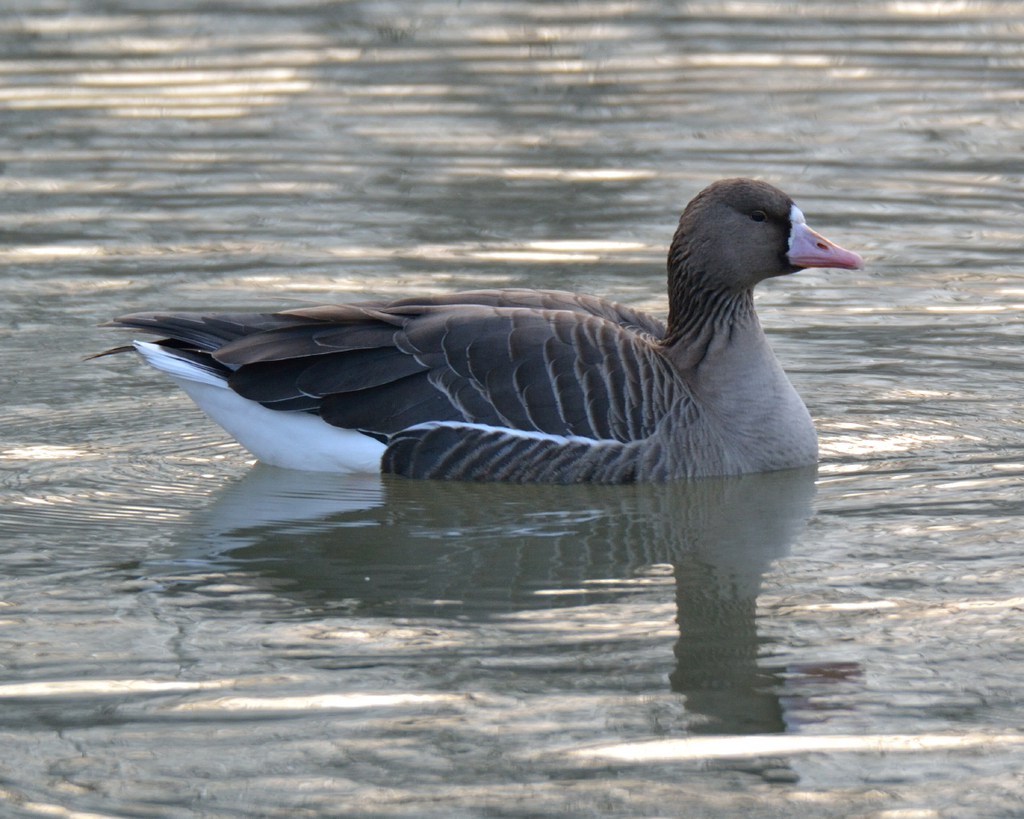
- Greater White-fronted GooseAnser albifrons
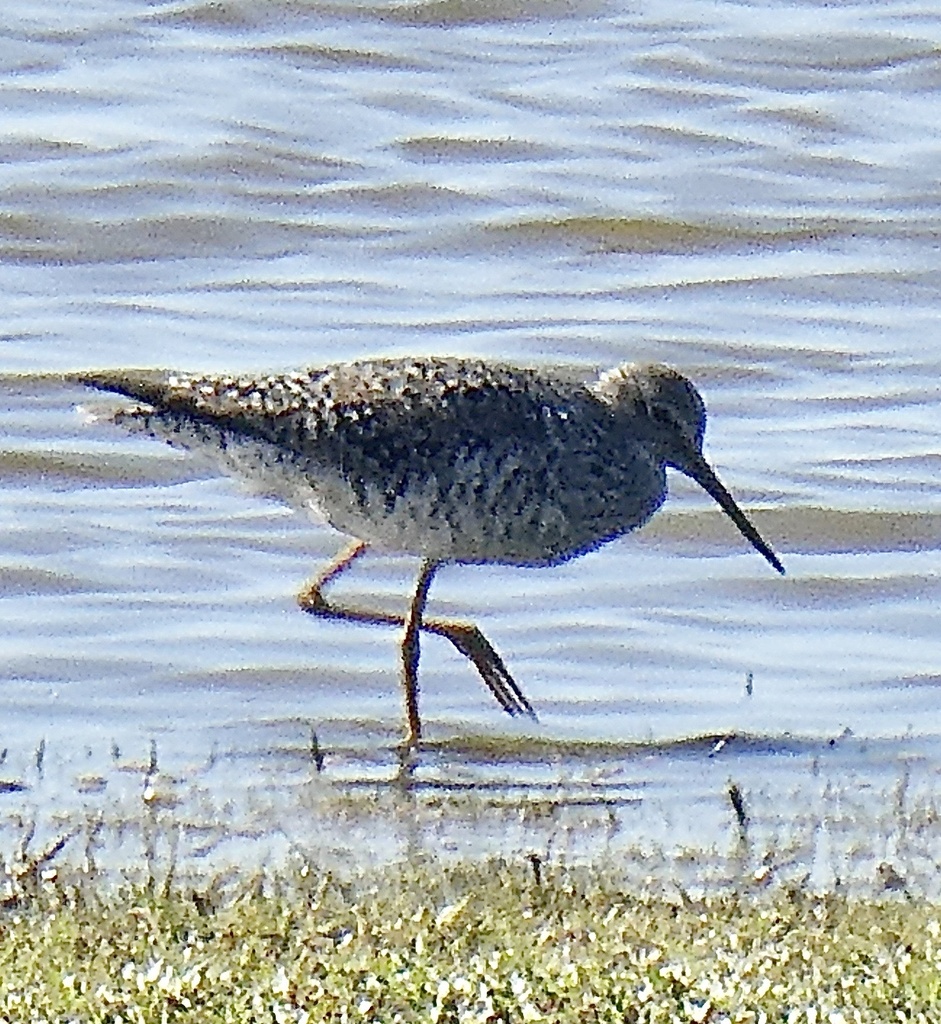
- Greater YellowlegsTringa melanoleuca


















Ecological relationships
Who uses this plant?
 3CaterpillarsGenus host records with ranges including AR
Genus host records with ranges including AR · Silphium
- Eucosma giganteanaGiant Eucosma
- Papaipema nebrisStalk Borer
- Eucosma bipunctella
 —BeesSoutheastern regional records
 7Specialist beesPollen specialists
Pollen specialists · Silphium
- Dianthidium curvatum
- Dieunomia heteropoda
- Megachile parallela
- Melissodes dentiventris
- Melissodes vernoniae
- Melissodes wheeleri
- Paranthidium jugatorium
 —BirdsRecorded genus food-resource interactions; not a state feeding claim
Growing and identification
Plant details
- Family
- Asteraceae
- Hardiness
- Zones 4a–8b
- Soil pH
- Neutral
- Flower color
- Yellow
What its natural habitat tells you
Safety has not been reviewed for this plant; check toxicity and thorns before planting.
Growing sources and scope
- Bloom · “July to September” · Prairie Moon 2026 Cultural Guide · Nursery cultural guide; height in flower; moisture categories retained as printed
- Flower color · “Yellow” · NC Extension Plant Toolbox
- Hardiness · “Zones 4a–8b” · NC Extension Plant Toolbox
- Height · “2–6 feet” · NC Extension Plant Toolbox (ranked first; Minnesota Wildflowers, Prairie Moon 2026 Cultural Guide differ)
- Leaves · “Deciduous” · NC Extension Plant Toolbox
- Life cycle · “Perennial” · NC Extension Plant Toolbox
- Light · “Full sun (6 or more hours of direct sunlight a day)” · NC Extension Plant Toolbox (ranked first; Tennessee Smart Yards, Prairie Moon 2026 Cultural Guide differ)
- primary_flower_color · “yellow” · Prairie Moon 2026 Cultural Guide
- Soil · “Occasionally dry” · NC Extension Plant Toolbox (ranked first; Tennessee Smart Yards, Prairie Moon 2026 Cultural Guide differ)
- Soil pH · “Neutral” · NC Extension Plant Toolbox
- Spread · “1–3 feet” · NC Extension Plant Toolbox
Conservation status
| Arkansas rank | SNR |
|---|---|
| Global rank | Not available |
| AR status | Not verified |
| Federal status | Not verified |
In your garden
Will it fit your yard?
Check this plant against your county, sun and soil moisture. Conditions are checked in your browser.
Choose a county to begin.
Growing cautions
- Spreads aggressively. Spreads by short rhizomes which enable the plant to form clumps but is not an aggressive spreader. Tennessee Smart Yards
For planning only; these do not change the score or Fit.
Sources
- Arkansas occurrence source
- Shropshire & Tallamy 2025, Lepidoptera of North America north of Mexico, ZooKeys 1261 (ODbL)
- Noori, Seltmann & Orr 2026, A curated and integrated dataset for exploring global bee-plant interactions (GloBI), Zenodo, CC BY 4.0
- Smith, Bachelder, Russell, Morales, Mosher & Seltmann 2024, Bee-Specialization-Modeling v0.6.1 (specialist host table compiled from J. Fowler's pollen specialist bee lists), Zenodo, CC BY 4.0
- Hurlbert, Olsen, Sawyer & Winner 2021, Avian Diet Database, Scientific Data 8: 260 (CC0)
- Narango, Tallamy & Shropshire 2020, Few keystone plant genera support the majority of Lepidoptera species, Nature Communications