

Tall Fescue
Schedonorus arundinaceus
Not native to Arkansas. How scores work Is it native here?
Profile 47%
- Height
- Culms are hollow [30], erect [28], and 20 to 80 inches in height [30,76].
- Soil moisture
- Somewhat dry to average
No photograph yet. Looking for an old drawing…
At a glance
Not yet recorded · Spread · Light · Life cycle · Leaves · Bloom
This plant is missing most of its facts, so Quercus is looking them up in old botany books.
Recorded in 25 Arkansas counties.
Also found with this plant
Wildlife whose habitat models include habitats this plant grows in, in Arkansas. Shared habitat, not food. 156 animals.
- American GoldfinchCarduelis tristis
- American RobinTurdus migratorius
- Blue GrosbeakPasserina caerulea
- Chimney SwiftChaetura pelagica
- Cliff SwallowPetrochelidon pyrrhonota
- Common NighthawkChordeiles minor
- Cooper's HawkAccipiter cooperii
- Eastern KingbirdTyrannus tyrannus
- Eurasian Collared-doveStreptopelia decaocto
- European StarlingSturnus vulgaris
- Great Horned OwlBubo virginianus
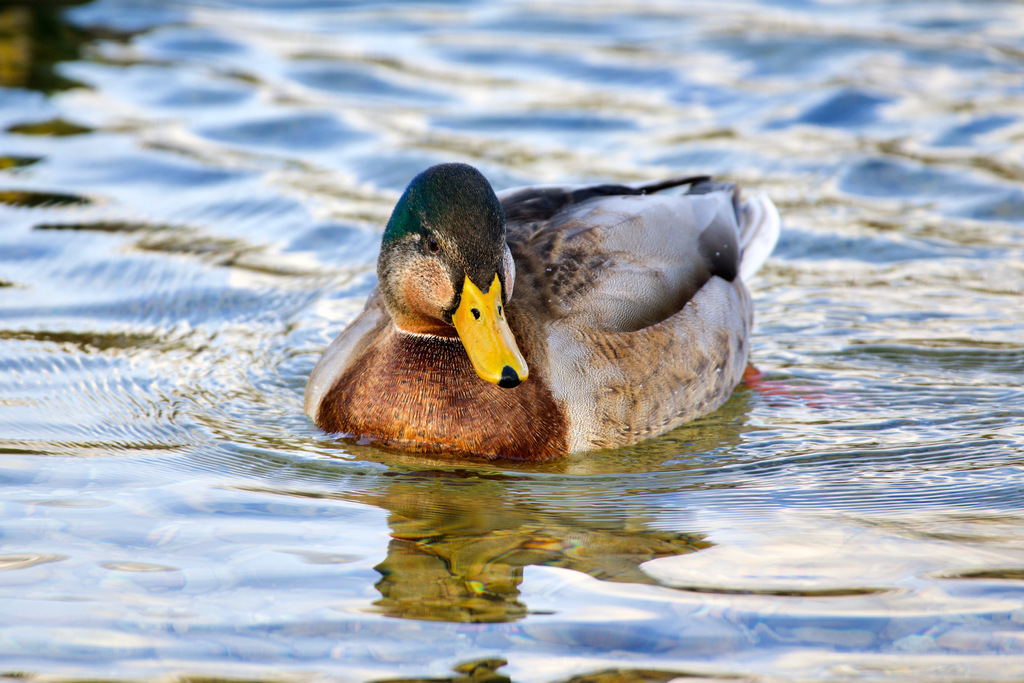
- MallardAnas platyrhynchos
- Mourning DoveZenaida macroura
- Northern FlickerColaptes auratus
- Northern MockingbirdMimus polyglottos
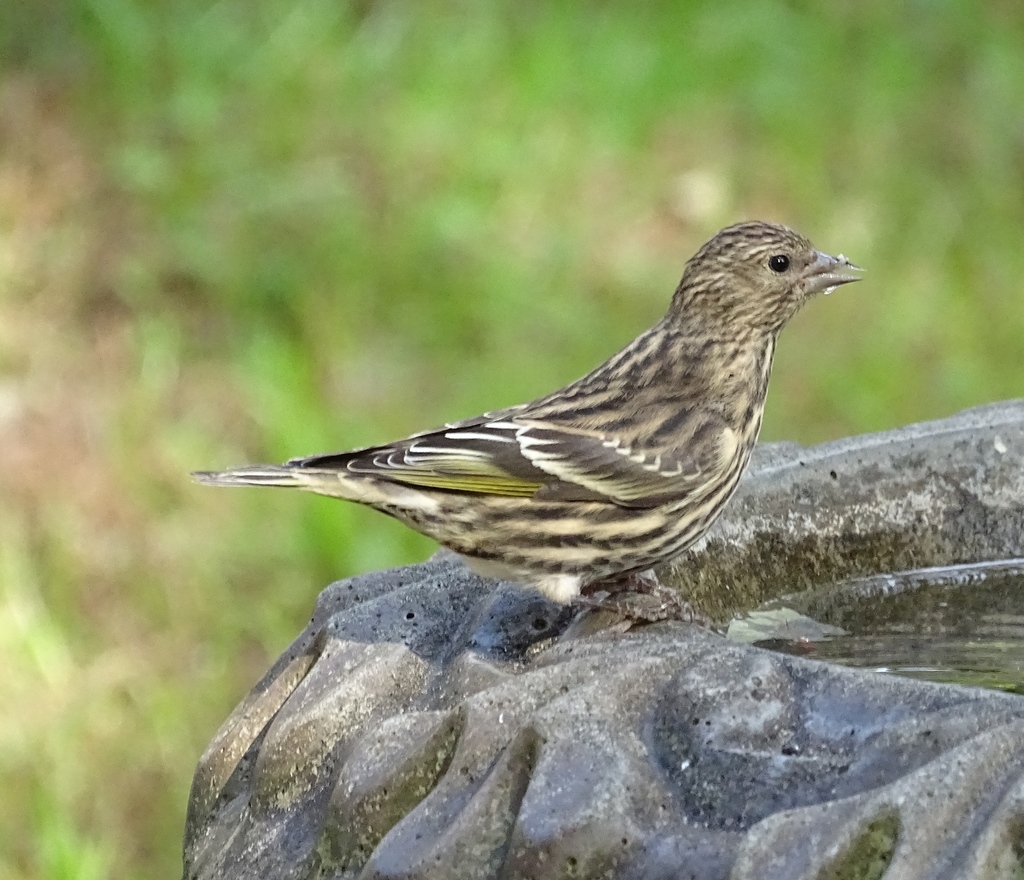
- Pine SiskinCarduelis pinus
- Purple FinchCarpodacus purpureus
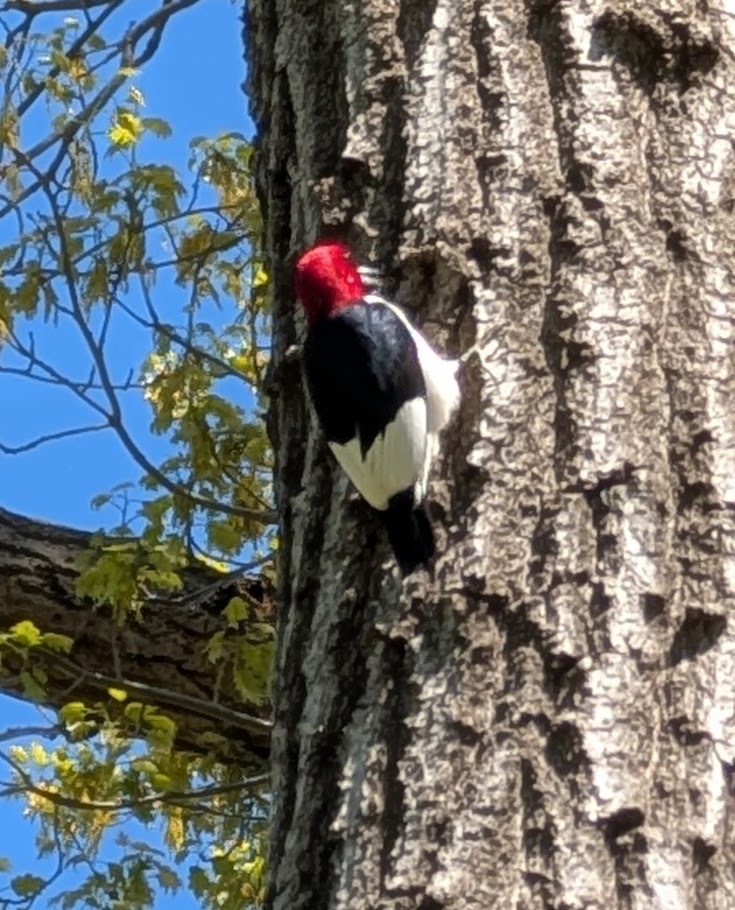
- Red-headed WoodpeckerMelanerpes erythrocephalus
- Red-tailed HawkButeo jamaicensis
- Red-winged BlackbirdAgelaius phoeniceus
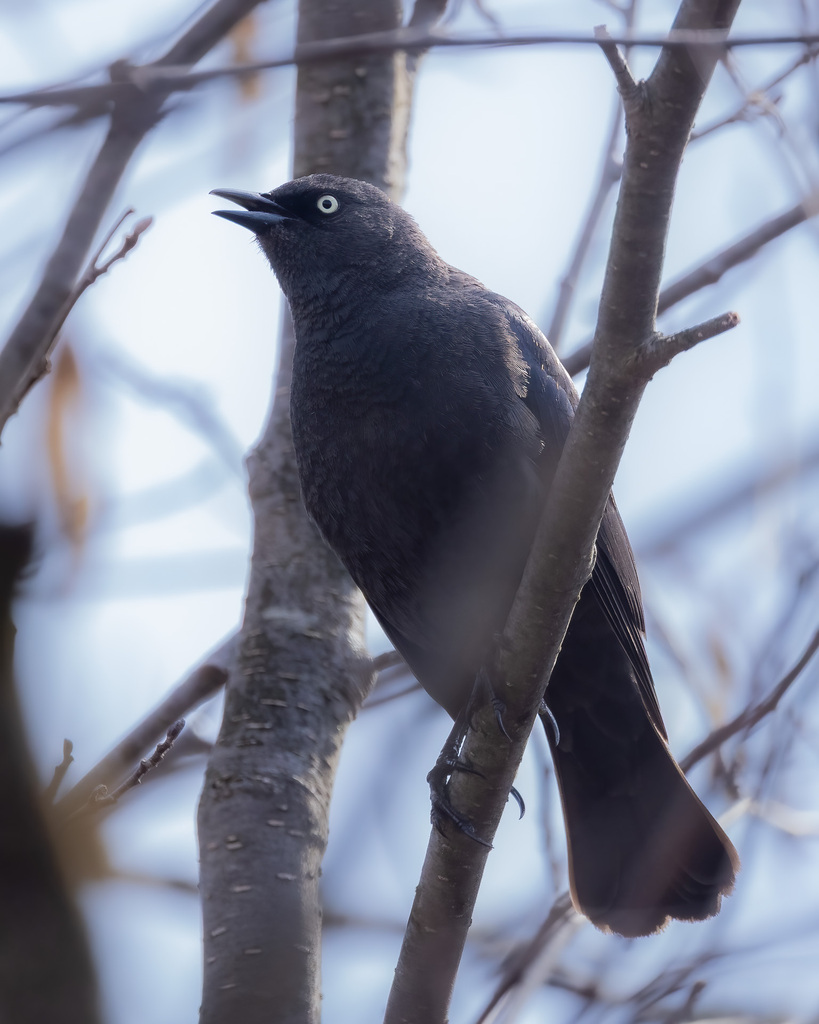
- Rusty BlackbirdEuphagus carolinus
- Sharp-shinned HawkAccipiter striatus
- Spotted SandpiperActitis macularius
- Tree SwallowTachycineta bicolor




















Who uses this plant?
 5CaterpillarsGenus host records with ranges including AR
Genus host records with ranges including AR · Schedonorus
- Apamea sordensBordered Apamea, Rustic Shoulder-Knot
- Cercyonis pegalaCommon Wood Nymph
- Papaipema nebrisStalk Borer
- Spodoptera frugiperdaFall Armyworm Moth
- Elachista freyerella
 —BeesSoutheastern regional records
 —Specialist beesPollen specialists
 1BirdsRecorded genus food-resource interactions; not a state feeding claim
Recorded genus food-resource interactions; not a state feeding claim · Schedonorus
- Plectrophenax nivalisSnow Bunting
Direct food only: birds recorded eating this genus across North America. Caterpillars on host plants also feed nesting birds. NC Native Plant Society: butterfly gardening
Plant details
- Family
- Poaceae
What its natural habitat tells you
Safety has not been reviewed for this plant; check toxicity and thorns before planting.
Growing sources and scope
- Height · “Culms are hollow [30], erect [28], and 20 to 80 inches (50-200 cm) in height [30,76].” · Fire Effects Information System: Schedonorus arundinaceus · Source botanical description; original units and scope retained
Conservation status
| Arkansas rank | SNA |
|---|---|
| Global rank | Not available |
| AR status | Not verified |
| Federal status | Not verified |
Native alternatives
Find natives for your gardenSources
- Atlas of the Vascular Plants of Arkansas (2013)
- NatureServe Explorer
- Arkansas occurrence source
- Shropshire & Tallamy 2025, Lepidoptera of North America north of Mexico, ZooKeys 1261 (ODbL)
- Noori, Seltmann & Orr 2026, A curated and integrated dataset for exploring global bee-plant interactions (GloBI), Zenodo, CC BY 4.0
- Smith, Bachelder, Russell, Morales, Mosher & Seltmann 2024, Bee-Specialization-Modeling v0.6.1 (specialist host table compiled from J. Fowler's pollen specialist bee lists), Zenodo, CC BY 4.0
- Hurlbert, Olsen, Sawyer & Winner 2021, Avian Diet Database, Scientific Data 8: 260 (CC0)
- Narango, Tallamy & Shropshire 2020, Few keystone plant genera support the majority of Lepidoptera species, Nature Communications