

Sweetbrier Rose
Rosa rubiginosa
—
Not native
Not native to Arkansas. How scores work Is it native here?
Profile 65%
- Height
- About 10 feet
- Light
- 4 or more hours of direct sun
No photograph yet. Looking for an old drawing…
Plant this instead
Choose your county to list local plants first.
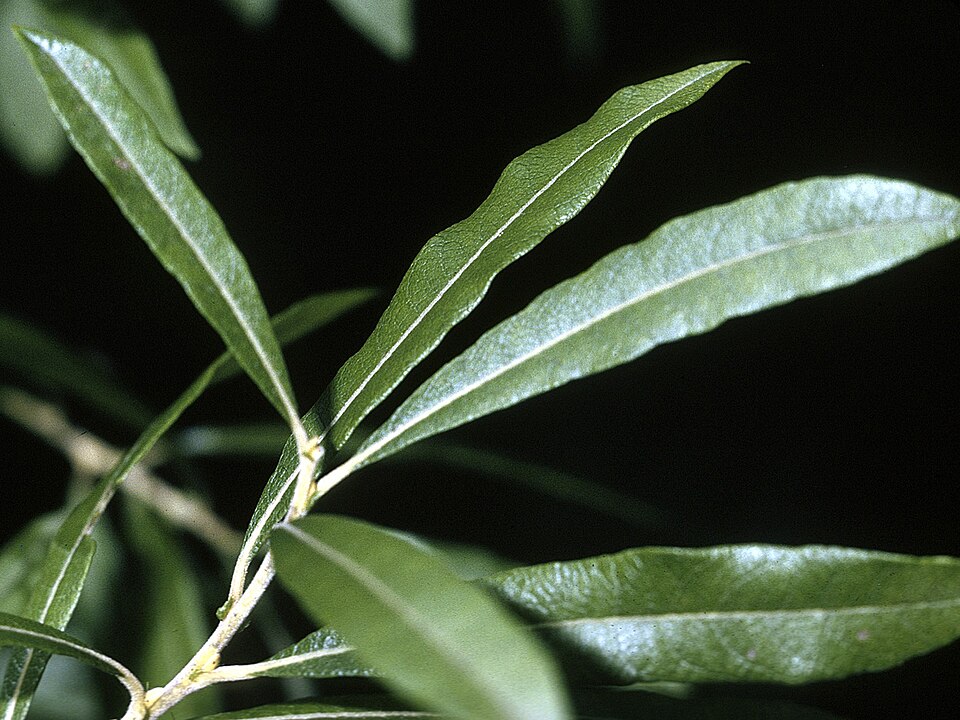
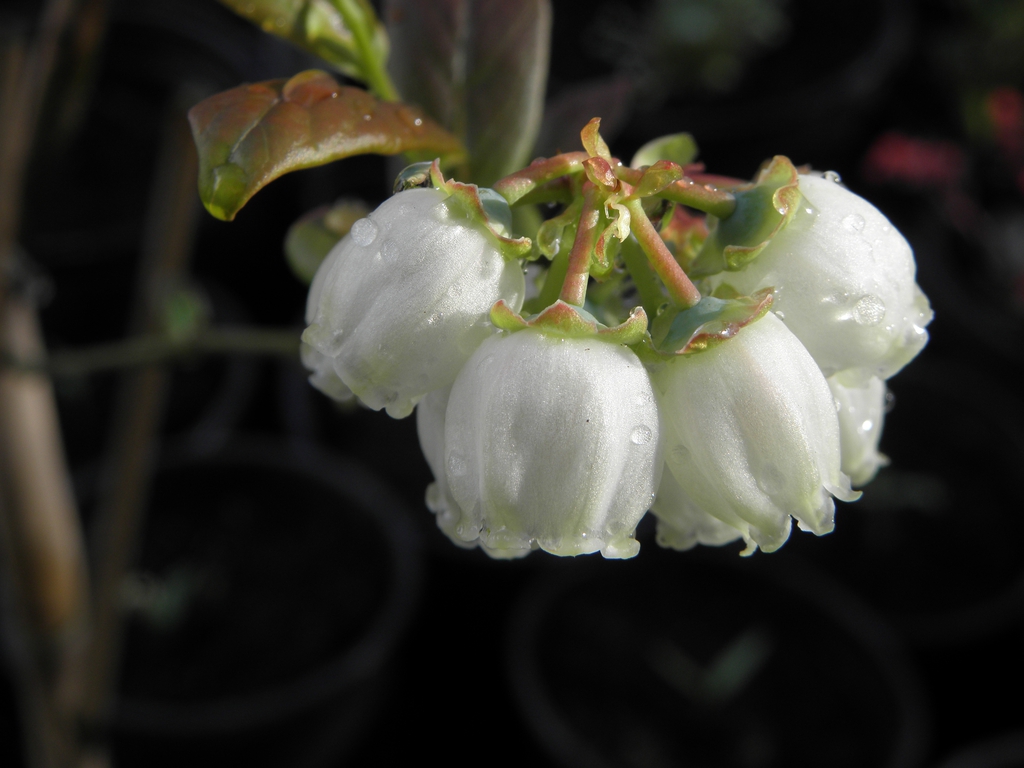
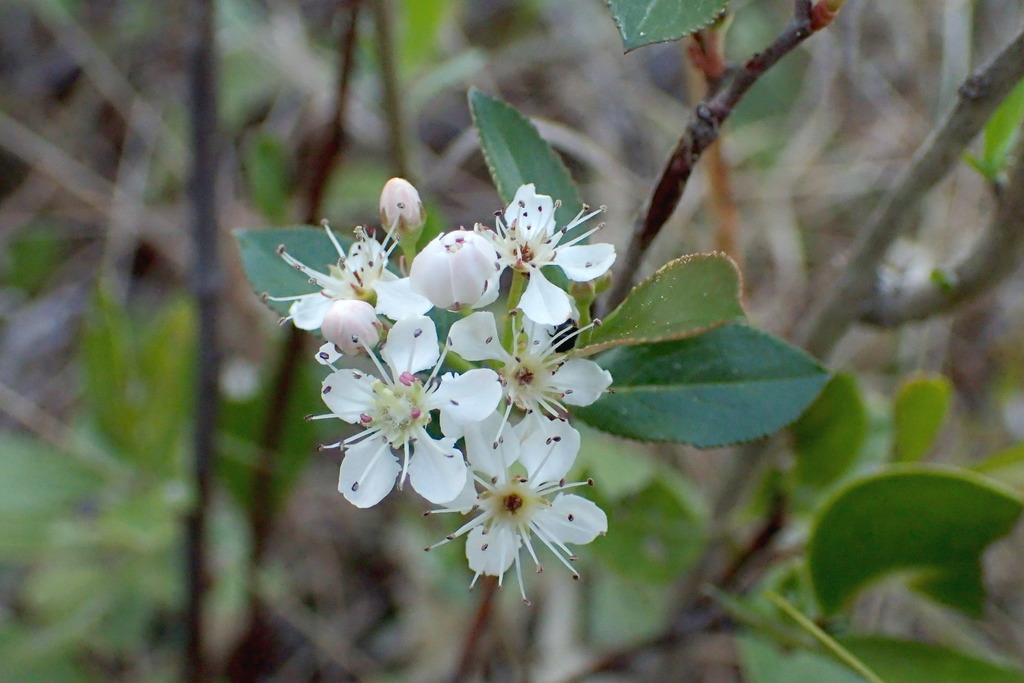
No recorded swaps for this county. Try the garden finder.
At a glance
- Leaves
- Deciduous
- Bloom
- Early summer
- Fruiting season
- Summer to fall
Not yet recorded · Spread · Soil · Life cycle
Recorded in 3 Arkansas counties.
Ecological relationships
Who uses this plant?
 93CaterpillarsGenus host records with ranges including AR
Genus host records with ranges including AR · Rosa
- Acharia stimuleaSaddleback Caterpillar Moth
- Achyra rantalisGarden Webworm Moth
- Acleris albicomanaRed-Edged Acleris
- Acleris minutaLesser Apple Leaf Folder, Yellowheaded Fireworm
- Acleris semipurpuranaOak Leaf Shredder, Oak Leaftier, Oak Leafshredder
- Acrobasis indigenellaLeaf Crumpler
- Acronicta impletaYellow-Haired Dagger
- Acronicta impressaImpressive Dagger, Printed Dagger
- Acronicta longaLong-Winged Dagger, Darkish Dagger
- Amphipyra pyramidoidesMiranda Underwing, Copper Underwing, Copper Amphipyra
Show all 93
- Ancylis floridanaStrawberry Leafroller
- Antheraea polyphemusPolyphemus Moth
- Archips argyrospilaFruit-Tree Leafroller Moth
- Argyrotaenia velutinanaRed-Banded Leafroller Moth, Jack Pine Tube Moth
- Artace cribrariusDot-Lined White Moth
- Automeris ioIo Moth
- Biston betulariaSalt-and-Pepper Geometer, Cleft-Headed Looper
- Campaea perlataPale Beauty, Fringed Looper
- Cenopis pettitanaMaple-Basswood Leafroller Moth
- Cenopis reticulatanaReticulated Fruitworm Moth
- Cerma cerinthaTufted Bird-Dropping Moth, Cherry Agate
- Chloridea subflexaSubflexus Straw, Groundcherry Sun Moth
- Chloridea virescensTobacco Budworm Moth
- Choristoneura rosaceanaOblique-Banded Leafroller Moth, Rosaceous Leaf Roller
- Choristoneura zapulataZapulata Moth
- Clepsis virescanaGreeenish Apple Moth
- Coelodasys unicornisUnicorn Caterpillar Moth
- Coptotriche aeneaBlackberry Leafminer Moth
- Crocigrapha normaniNorman's Quaker
- Datana ministraYellow-Necked Caterpillar Moth
- Derrima stellataPink Star
- Eacles imperialisImperial Moth, Imperial Spiny Caterpillar
- Ectropis crepusculariaThe Small Engrailed, Saddleback Looper
- Erannis tiliariaLinden Looper Moth, Western Winter Moth, Lime Looper
- Euchlaena obtusariaObtuse Euchlaena
- Eulithis diversilineataLesser Grapevine Looper Moth
- Glena cognatariaBlueberry Gray
- Grapholita packardiCherry Fruit Worm
- Hedya separatanaPink-Washed Leafroller Moth
- Helicoverpa zeaCorn Earworm Moth
- Hyalophora cecropiaCecropia Silkmoth, Cecropia Moth
- Hylephila phyleusFiery Skipper
- Hyles lineataWhite-Lined Sphinx
- Hypagyrtis unipunctataOne-Spotted Variant
- Hyphantria cuneaFall Webworm
- Limenitis arthemisBanded Purple, Red-Spotted Admiral
- Lytrosis unitariaCommon Lytrosis
- Malacosoma americanaEastern Tent Caterpillar
- Malacosoma disstriaForest Tent Caterpillar
- Megalopyge opercularisSouthern Flannel Moth, Puss Caterpillar
- Metaxaglaea semitariaFootpath Sallow
- Moodna ostrinellaDarker Moodna
- Morrisonia confusaConfused Woodgrain
- Nadata gibbosaWhite-Dotted Prominent
- Nematocampa resistariaFilament Bearer, Horned Spanworm Moth
- Nymphalis antiopaMourning Cloak
- Oedemasia concinnaRed-Humped Caterpillar, Red-Humped Appleworm
- Oedemasia leptinoidesBlack-Blotched Schizura
- Oedemasia semirufescensRed-Washed Prominent
- Oiketicus abbotiiAbbot's Bagworm Moth
- Olethreutes permundanaRaspberry Leafroller
- Orgyia leucostigmaWhite-Marked Tussock Moth
- Orthosia hibisciSpeckled Green Fruitworm Moth, Speckled Green Quaker
- Paleacrita vernataSpring Cankerworm Moth
- Pandemis limitataThree-Lined Leafroller Moth
- Paonias excaecataBlinded Sphinx, Blind Eyed Sphinx
- Papaipema nebrisStalk Borer
- Parasa indeterminaStinging Rose Caterpillar Moth, Rose Slug Caterpillar
- Phigalia titeaThe Half-Wing Geometer, Spiney Looper, Eastern Oak Looper
- Platynota flavedanaBlack-Shaded Platynota
- Platynota stultanaOmnivorous Leafroller
- Probole amicariaFriendly Probole
- Prolimacodes badiaSkiff Moth, Skiff Caterpillar
- Proteoteras moffatianaMaple Bud Borer, Maple Shoot Borer
- Pseudothyatira cymatophoroidesTufted Thyatirid
- Pyrrhia ciliscaAmerican Bordered Sallow, Noble Sun Moth
- Pyrrhia exprimensPurple-Lined Sallow, Purple-Lined Sun Moth
- Schizura ipomaeaeMorning-Glory Prominent, Checkered-Fringe Prominent
- Spodoptera eridaniaSouthern Armyworm Moth
- Spodoptera frugiperdaFall Armyworm Moth
- Spodoptera latifasciaOrange-Striped Armyworm, Velvet Armyworm Moth
- Spodoptera ornithogalliYellow-Striped Armyworm Moth, Cotton Cutworm
- Strymon melinusGray Hairstreak
- Synchlora aerataWavy-Lined Emerald, Camouflaged Looper
- Thyridopteryx ephemeraeformisEvergreen Bagworm Moth
- Udea rubigalisCelery Leaftier
- Xanthotype urticariaFalse Crocus Geometer
- Zale lunataLunate Zale
- Cenopis saracana
- Hedya cyanana
- Menesta tortriciformella
- Stigmella rosaefoliella
- Xenotemna pallorana
 —BeesSoutheastern regional records
 —Specialist beesPollen specialists
 19BirdsRecorded genus food-resource interactions; not a state feeding claim
Recorded genus food-resource interactions; not a state feeding claim · Rosa
- Alectoris chukarChukar
- Bonasa umbellusRuffed Grouse
- Callipepla californicaCalifornia Quail
- Cardinalis cardinalisNorthern Cardinal
- Catharus guttatusHermit Thrush
- Catharus ustulatusSwainson's Thrush
- Dendragapus obscurusDusky Grouse
- Ectopistes migratoriusPassenger Pigeon
- Falcipennis canadensisSpruce Grouse
- Hylocichla mustelinaWood Thrush
Show all 19
- Lagopus lagopusWillow Ptarmigan
- Meleagris gallopavoWild Turkey
- Mimus polyglottosNorthern Mockingbird
- Myadestes townsendiTownsend's Solitaire
- Perdix perdixGray Partridge
- Sialia sialisEastern Bluebird
- Tympanuchus phasianellusSharp-tailed Grouse
- Vireo olivaceusRed-eyed Vireo
- Vireo philadelphicusPhiladelphia Vireo
Direct food only: birds recorded eating this genus across North America. Caterpillars on host plants also feed nesting birds. NC Native Plant Society: butterfly gardening
Growing and identification
Plant details
- Family
- Rosaceae
- Flower color
- Red
- Growth rate
- Moderate
- Growth habit
- Several stems
- Foliage color
- Green
- Fruit begins
- Summer
- Fruit ends
- Fall
What its natural habitat tells you
Safety has not been reviewed for this plant; check toxicity and thorns before planting.
Growing sources and scope
- Bloom · “Early summer” · USDA PLANTS · Nationwide species characteristics; local growing conditions may vary
- Flower color · “Red” · USDA PLANTS · Nationwide species characteristics; local growing conditions may vary
- Foliage color · “Green” · USDA PLANTS · Nationwide species characteristics; local growing conditions may vary
- Fruit begins · “Summer” · USDA PLANTS · Nationwide species characteristics; local growing conditions may vary
- Fruit ends · “Fall” · USDA PLANTS · Nationwide species characteristics; local growing conditions may vary
- Growth habit · “Several stems” · USDA PLANTS · Nationwide species characteristics; local growing conditions may vary
- Growth rate · “Moderate” · USDA PLANTS · Nationwide species characteristics; local growing conditions may vary
- Height · “About 10 feet” · USDA PLANTS · Nationwide species characteristics; local growing conditions may vary
- Leaf retention · “Deciduous” · USDA PLANTS · Nationwide species characteristics; local growing conditions may vary
- primary_flower_color · “red” · USDA PLANTS
Also known as
Eglantine Rose
Conservation status
| Arkansas rank | SNA |
|---|---|
| Global rank | GNR |
| AR status | Not verified |
| Federal status | Not verified |
Sources
- NatureServe Explorer
- USDA PLANTS
- Arkansas occurrence source
- Shropshire & Tallamy 2025, Lepidoptera of North America north of Mexico, ZooKeys 1261 (ODbL)
- Noori, Seltmann & Orr 2026, A curated and integrated dataset for exploring global bee-plant interactions (GloBI), Zenodo, CC BY 4.0
- Smith, Bachelder, Russell, Morales, Mosher & Seltmann 2024, Bee-Specialization-Modeling v0.6.1 (specialist host table compiled from J. Fowler's pollen specialist bee lists), Zenodo, CC BY 4.0
- Hurlbert, Olsen, Sawyer & Winner 2021, Avian Diet Database, Scientific Data 8: 260 (CC0)
- Narango, Tallamy & Shropshire 2020, Few keystone plant genera support the majority of Lepidoptera species, Nature Communications