

Virginia Mountain-mint
Pycnanthemum virginianum
In the Carolinas and Georgia, found in wet meadows, marshes, prairie sloughs, over calcareous or mafic rocks or sediments. Weakley, Flora of the Southeastern United States (2025), Carolinas & Georgia edition What its natural habitat tells you
Native to Arkansas. How scores work Is it native here?
Profile 94%
- Height
- 2–3 feet
- Spread
- 1–1.5 feet
- Light
- Full sun, Partial shade
- Soil moisture
- Usually moist
Space about 1 ft apart from its recorded spread, about 100 per 100 sq ft. Enter your bed size for a count
Will it fit your yard?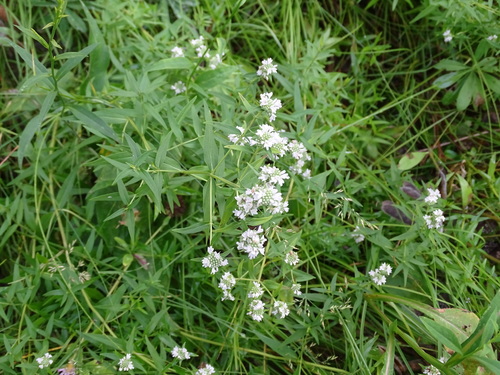
Rare or protected plant. Specialist conservation planting; excluded from routine garden suggestions. Plant caution source
Hidden from default planting suggestions. Wildlife value and native status remain unchanged.
At a glance
- Life cycle
- Perennial
- Leaves
- Deciduous
- Bloom
- June to September
- Fruiting season
- September to October
Recorded in 6 Arkansas counties.
Natural habitats
Places it grows wild. Not a planting requirement. Each habitat page lists the plants and wildlife also found there.
Open, wet, grassy or sedgy ground that is not a bog.
Open, herb-covered wetlands with fresh, non-tidal water.
Open, grass-dominated places kept open by fire, grazing or thin soil, from tallgrass prairie to Piedmont prairies.
Also found with this plant
Wildlife whose habitat models include habitats this plant grows in, in Arkansas. Shared habitat, not food. 99 animals.
- Bald EagleHaliaeetus leucocephalus
- Chimney SwiftChaetura pelagica
- Cliff SwallowPetrochelidon pyrrhonota
- Common NighthawkChordeiles minor
- Dark-eyed JuncoJunco hyemalis
- Eastern KingbirdTyrannus tyrannus
- Eurasian Collared-doveStreptopelia decaocto
- European StarlingSturnus vulgaris
- Great Horned OwlBubo virginianus
- Mourning DoveZenaida macroura
- OspreyPandion haliaetus
- Red-tailed HawkButeo jamaicensis
- Sharp-shinned HawkAccipiter striatus
- Turkey VultureCathartes aura
- Acadian FlycatcherEmpidonax virescens
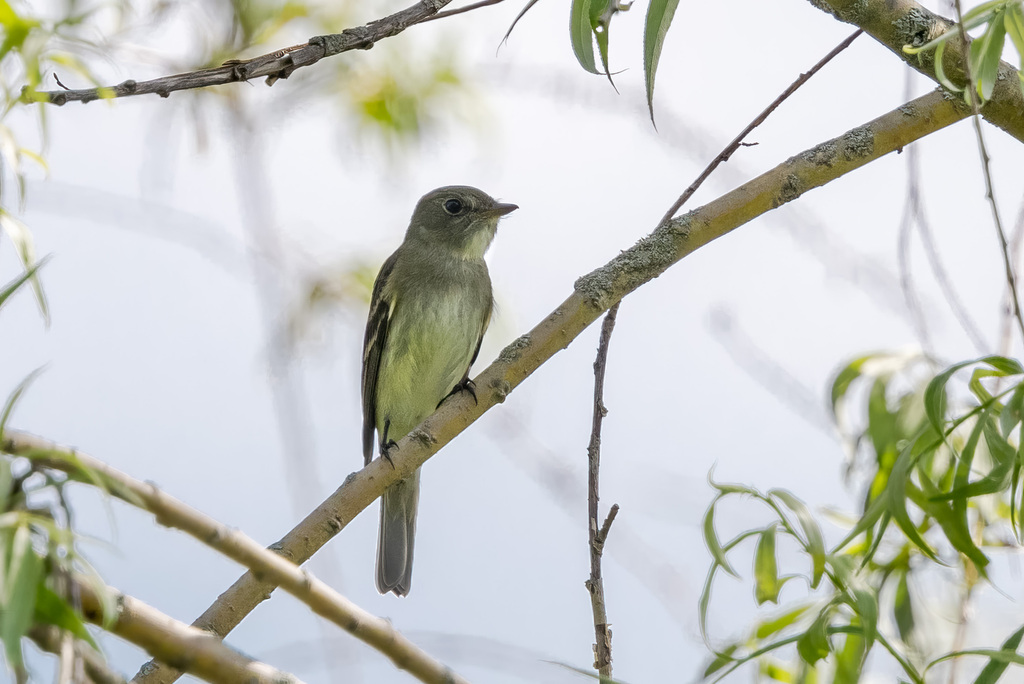
- Alder FlycatcherEmpidonax alnorum
- American Black DuckAnas rubripes
- American CrowCorvus brachyrhynchos
- American GoldfinchCarduelis tristis
- American KestrelFalco sparverius
- American RedstartSetophaga ruticilla
- American RobinTurdus migratorius
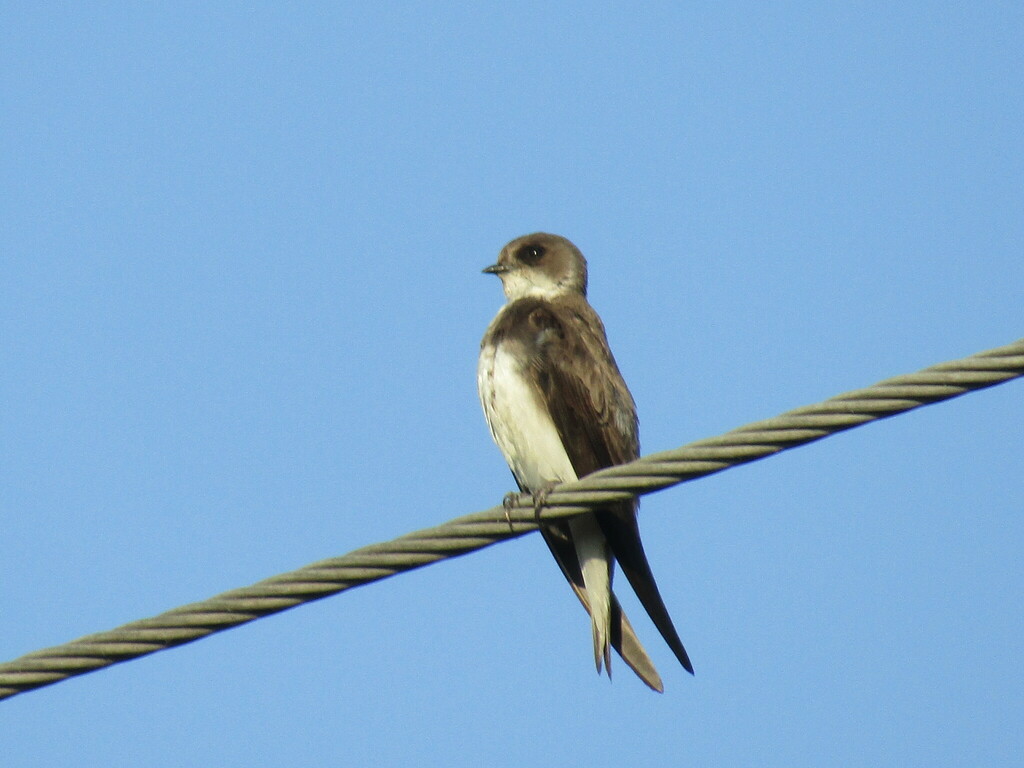
- Bank SwallowRiparia riparia
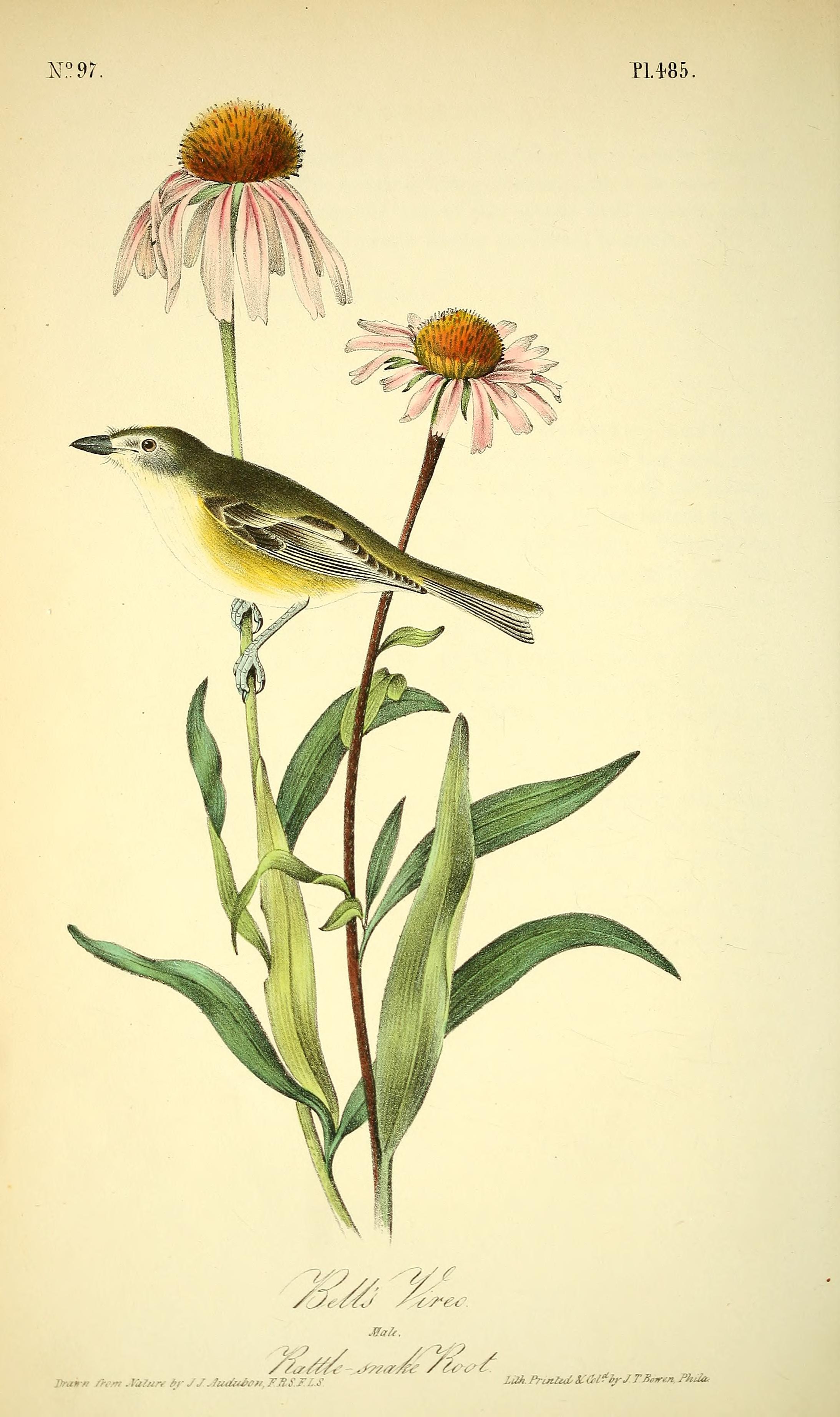
- Bell's VireoVireo bellii





















Who uses this plant?
 4CaterpillarsGenus host records with ranges including AR
Genus host records with ranges including AR · Pycnanthemum
- Chloridea virescensTobacco Budworm Moth
- Eutrapela clematariaCurved-Tooth Geometer, Purplish Brown Looper
- Lintneria eremitusHermit Sphinx
- Chionodes pseudofondella
 62BeesSoutheastern regional records
Southeastern regional records · Pycnanthemum
Individual names are not available yet.
Noori, Seltmann & Orr 2026, A curated and integrated dataset for exploring global bee-plant interactions (GloBI), Zenodo, CC BY 4.0 0Specialist beesPollen specialists
 —BirdsRecorded genus food-resource interactions; not a state feeding claim
Flies 10
- Archytas analis
- Cistogaster occidua
- Eristalis tenax
- Exoprosopa fasciata
- Exoprosopa fascipennis
- Spallanzania hesperidarum
- Sphaerophoria cylindrica
- Systropus macer
- Trichopoda pennipes
- Zodion fulvifrons
Flower visits · Carlinville, Illinois, USA
Adult butterflies / moths 2
- Phyciodes tharos
- Pontia protodice
Flower visits · Carlinville, Illinois, USA
Other wasps 14
- Ammobia nuda
- Ammobia pennsylvanica
- Bicyrtes 4-fasciata
- Cerceris fumipennis
- Eucerceris zonatus
- Eumenes fraternus
- Leionotus arvensis
- Leionotus dorsalis
- Sphex gracilis
- Sphex nigricans
Show all 14
- Sphex procera
- Sphex vulgaris
- Stictiella pictifrons
- Zethus spinipes
Flower visits · Carlinville, Illinois, USA
Other insects 1
- Lygaeus turcicus
Flower visits · Carlinville, Illinois, USA
No records yet · Ants · Beetles
Plant details
- Family
- Lamiaceae
- Hardiness
- Zones 3a–7b
- Flower color
- White
- Fruit begins
- September
- Fruit ends
- October
Growing sources and scope
- Bloom · “June to September” · Weakley, Flora of the Southeastern United States (2025), Carolinas & Georgia edition · Carolinas and Georgia
- Flower color · “White” · NC Extension Plant Toolbox
- Fruit begins · “September” · Weakley, Flora of the Southeastern United States (2025), Carolinas & Georgia edition · Carolinas and Georgia
- Fruit ends · “October” · Weakley, Flora of the Southeastern United States (2025), Carolinas & Georgia edition · Carolinas and Georgia
- Hardiness · “Zones 3a–7b” · NC Extension Plant Toolbox
- Height · “2–3 feet” · NC Extension Plant Toolbox (ranked first; Minnesota Wildflowers differs)
- Leaves · “Deciduous” · NC Extension Plant Toolbox
- Life cycle · “Perennial” · NC Extension Plant Toolbox
- Light · “Full sun (6 or more hours of direct sunlight a day); Partial shade (direct sunlight only part of the day, 2-6 hours)” · NC Extension Plant Toolbox (ranked first; Tennessee Smart Yards differs)
- primary_flower_color · “white” · NC Extension Plant Toolbox
- Soil · “Moist” · NC Extension Plant Toolbox (ranked first; Tennessee Smart Yards differs)
- Spread · “1–1.5 feet” · NC Extension Plant Toolbox
Also known as
Virginia Mountain Mint
Conservation status
| Arkansas rank | S1S2 |
|---|---|
| Global rank | G5 |
| AR status | Not verified |
| Federal status | Not verified |
Will it fit your yard?
Check this plant against your county, sun and soil moisture. Conditions are checked in your browser.
Growing cautions
- Spreads by rhizomes. Spreads by rhizomes. Tennessee Smart Yards
For planning only; these do not change the score or Fit.
Sources
- Atlas of the Vascular Plants of Arkansas (2013)
- USDA PLANTS
- Vascular Plants of North Carolina (NC Natural Heritage Program)
- Weakley, Flora of the Southeastern United States (2025), Carolinas & Georgia edition
- NatureServe Explorer
- Arkansas occurrence source
- Shropshire & Tallamy 2025, Lepidoptera of North America north of Mexico, ZooKeys 1261 (ODbL)
- Noori, Seltmann & Orr 2026, A curated and integrated dataset for exploring global bee-plant interactions (GloBI), Zenodo, CC BY 4.0
- Smith, Bachelder, Russell, Morales, Mosher & Seltmann 2024, Bee-Specialization-Modeling v0.6.1 (specialist host table compiled from J. Fowler's pollen specialist bee lists), Zenodo, CC BY 4.0
- Hurlbert, Olsen, Sawyer & Winner 2021, Avian Diet Database, Scientific Data 8: 260 (CC0)
- Narango, Tallamy & Shropshire 2020, Few keystone plant genera support the majority of Lepidoptera species, Nature Communications