

Florida Paspalum
Paspalum floridanum
In the Carolinas and Georgia, found in longleaf pine sandhills, pine savannas, hammock edges, moist forests, ditches, barrens, prairies, fields, roadsides. Weakley, Flora of the Southeastern United States (2025), Carolinas & Georgia edition What its natural habitat tells you
Native to Arkansas. How scores work Is it native here?
Profile 94%
- Height
- Up to about 7 feet
- Spread
- 3–4 feet
- Light
- Full sun
- Soil moisture
- Dry to moist
Space about 3.5 ft apart from its recorded spread, about 8 per 100 sq ft. Enter your bed size for a count
Will it fit your yard?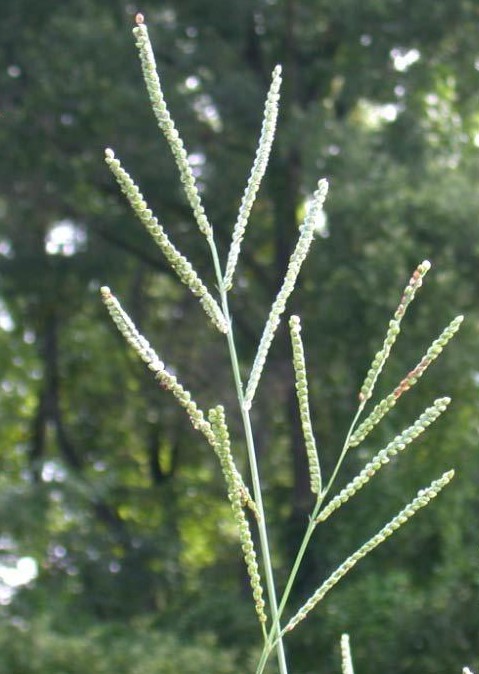
At a glance
- Life cycle
- Perennial
- Bloom
- March to December
Not yet recorded · Leaves
Recorded in 54 Arkansas counties.
Natural habitats
Places it grows wild. Not a planting requirement. Each habitat page lists the plants and wildlife also found there.
Forests on moist but not wet ground, such as rich slopes and ravines.
Roadsides, fields and disturbed ground
Ground opened by people: roadsides, old fields, pastures, fencerows and lots.
Open, grass-dominated places kept open by fire, grazing or thin soil, from tallgrass prairie to Piedmont prairies.
Also found with this plant
Wildlife whose habitat models include habitats this plant grows in, in Arkansas. Shared habitat, not food. 63 animals.
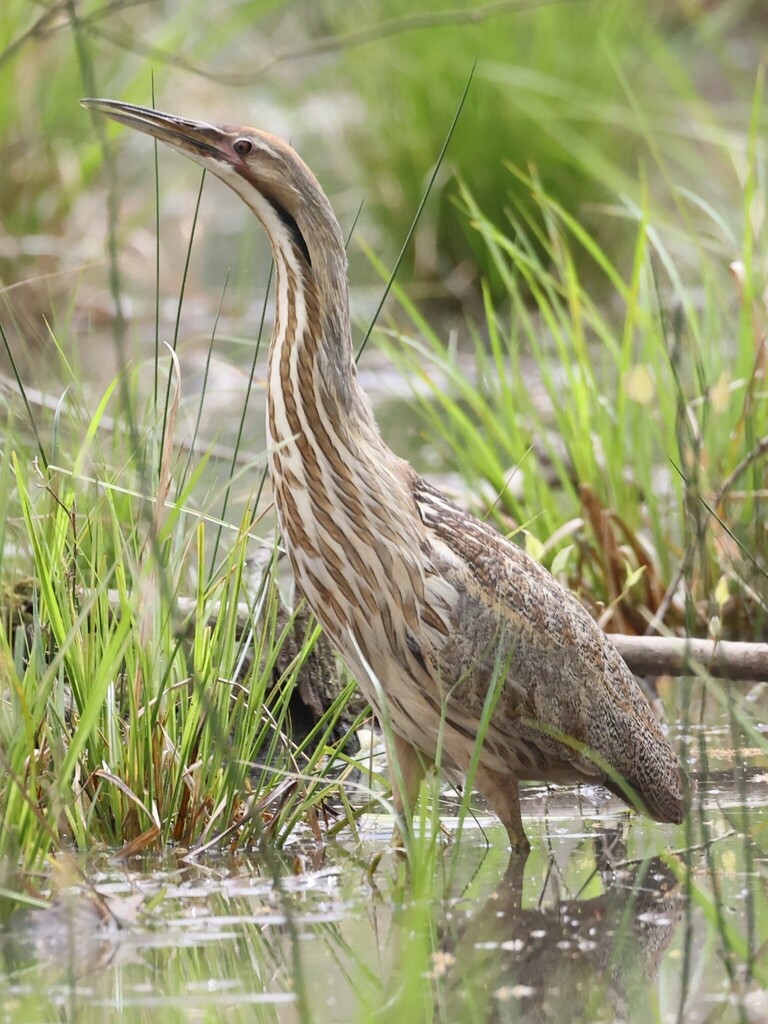
- American BitternBotaurus lentiginosus
- American GoldfinchCarduelis tristis
- American KestrelFalco sparverius
- American RobinTurdus migratorius
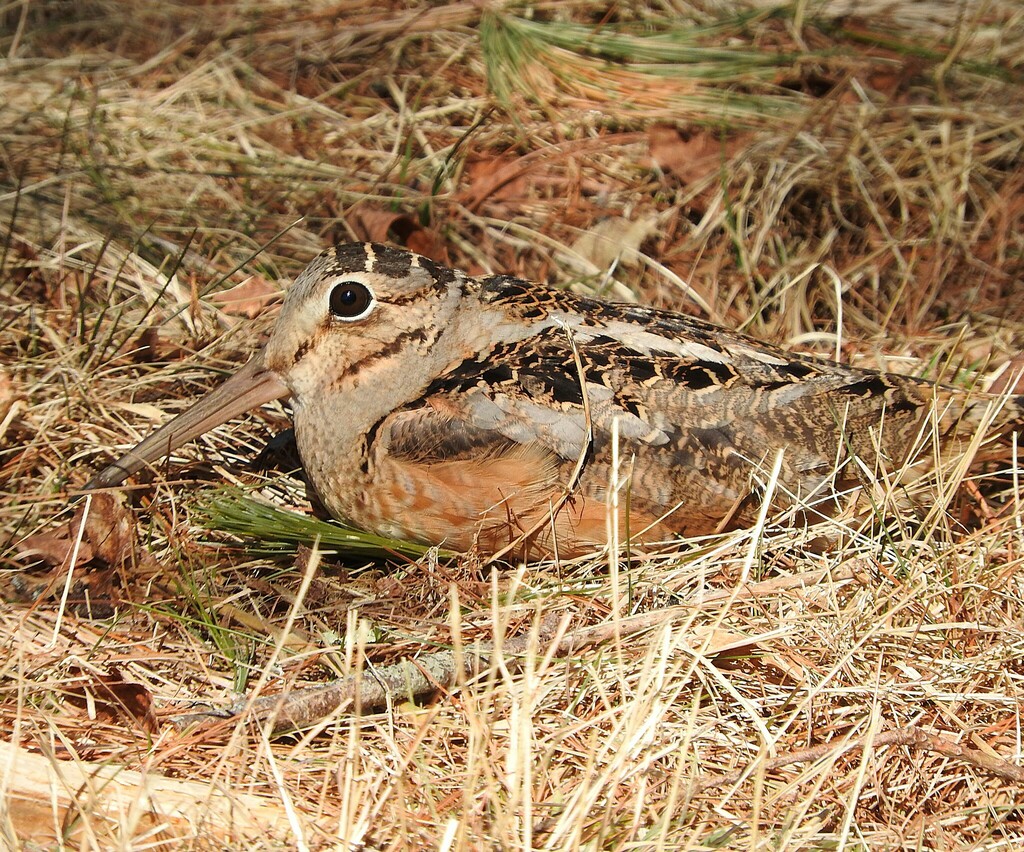
- American WoodcockScolopax minor
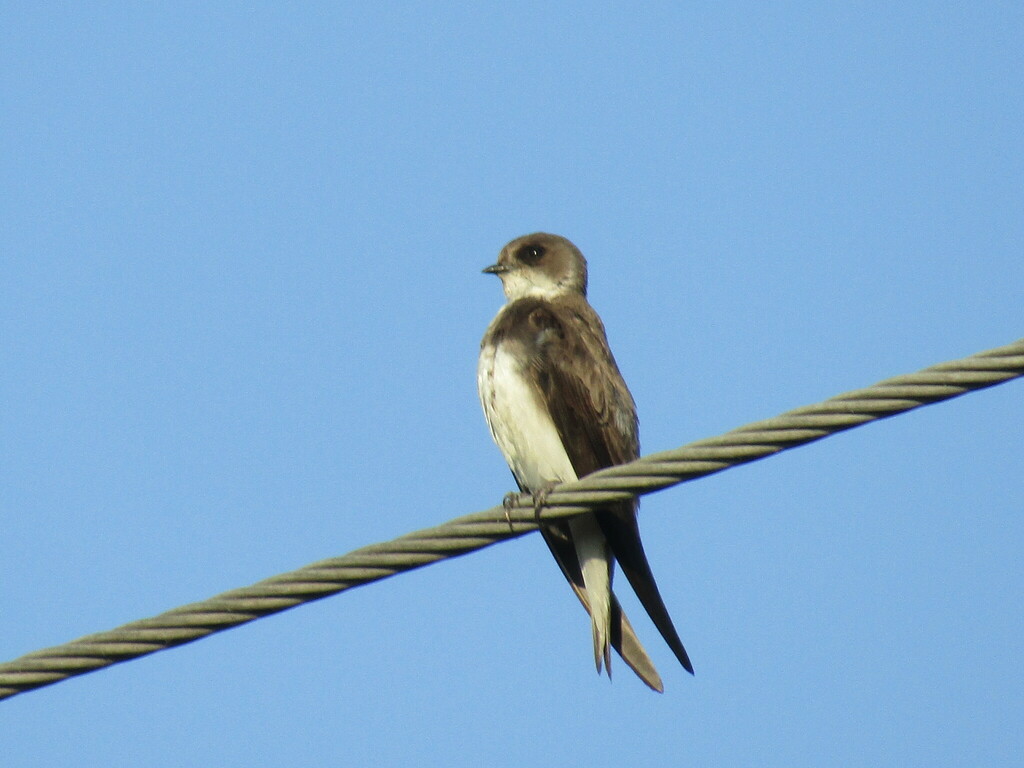
- Bank SwallowRiparia riparia
- Black-crowned Night-heronNycticorax nycticorax
- Blue GrosbeakPasserina caerulea
- Canada GooseBranta canadensis
- Chimney SwiftChaetura pelagica
- Chipping SparrowSpizella passerina
- Cliff SwallowPetrochelidon pyrrhonota
- Common NighthawkChordeiles minor
- Cooper's HawkAccipiter cooperii
- Dark-eyed JuncoJunco hyemalis
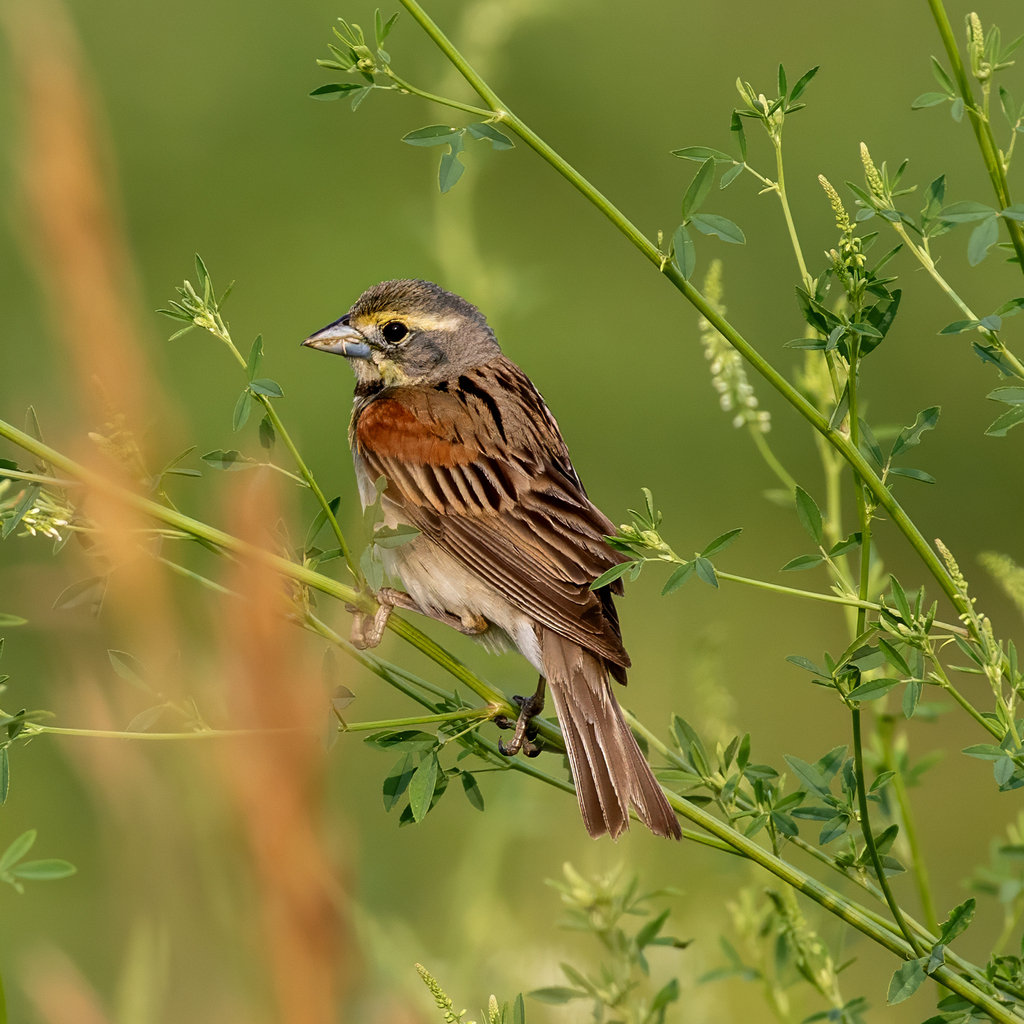
- DickcisselSpiza americana
- Eastern BluebirdSialia sialis
- Eastern KingbirdTyrannus tyrannus
- Eastern Screech-owlMegascops asio
- Eurasian Collared-doveStreptopelia decaocto
- European StarlingSturnus vulgaris
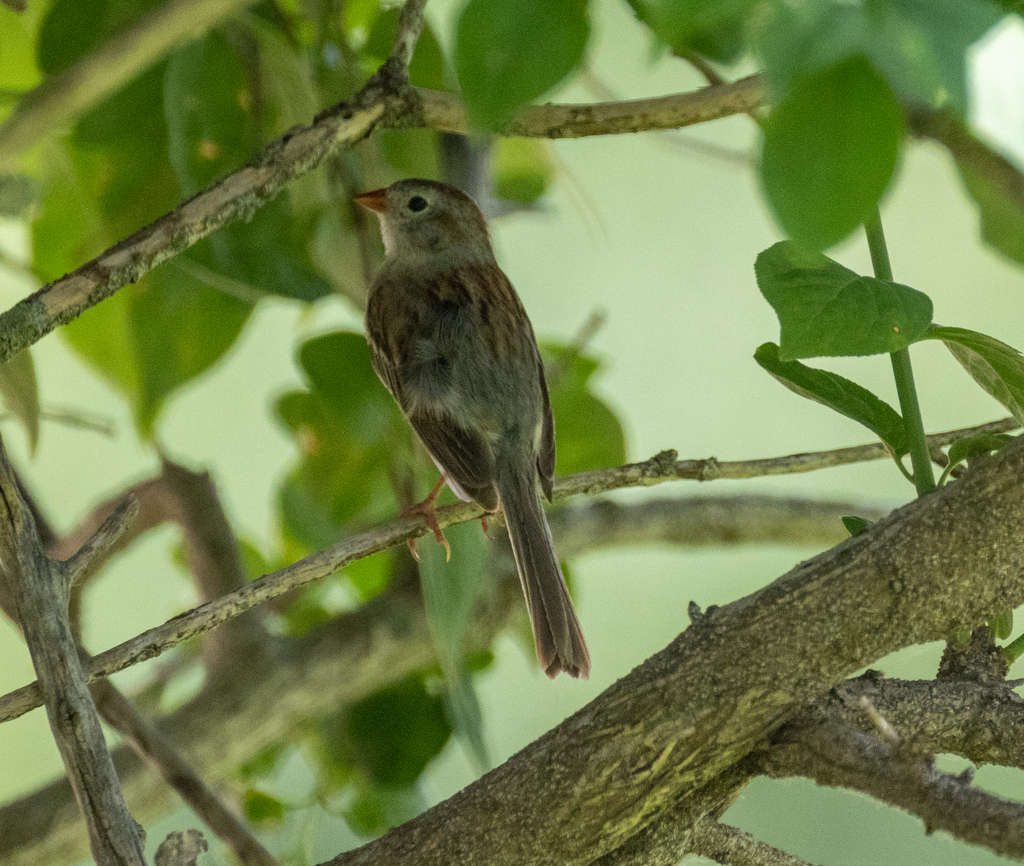
- Field SparrowSpizella pusilla
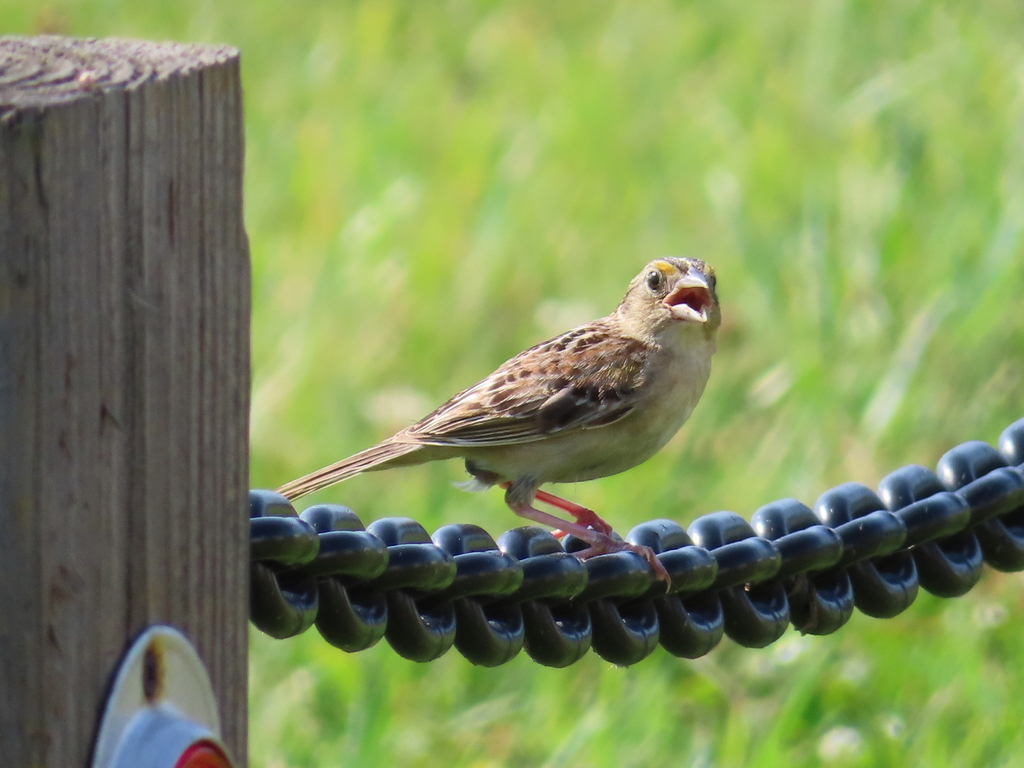
- Grasshopper SparrowAmmodramus savannarum
- Great Horned OwlBubo virginianus



















Who uses this plant?
 17CaterpillarsGenus host records with ranges including AR
Genus host records with ranges including AR · Paspalum
- Amblyscirtes nysaNysa Roadside-Skipper
- Anicla infectaGreen Cutworm Moth
- Diatraea evanescensBlack-Dot Diatraea
- Elasmopalpus lignosellaLesser Cornstalk Borer
- Hedone vibexWhirlabout
- Herpetogramma phaeopteralisDusky Herpetogramma Moth,
- Hylephila phyleusFiery Skipper
- Hypena scabraGreen Cloverworm Bomolocha, Black Snout
- Lerema acciusClouded Skipper, Corn Leaf tier
- Lerodea eufalaEufala Skipper, Gray Skipper, Rice Leafroller
Show all 17
- Mocis texanaTexas Mocis
- Mythimna unipunctaArmyworm Moth, White Speck
- Polites othoSouthern Broken-Dash, Broken-Dash Skipper
- Redectis vitreaWhite-Spotted Redactis
- Spodoptera eridaniaSouthern Armyworm Moth
- Spodoptera frugiperdaFall Armyworm Moth
- Spodoptera ornithogalliYellow-Striped Armyworm Moth, Cotton Cutworm
 7BeesSoutheastern regional records
Southeastern regional records · Paspalum
Individual names are not available yet.
Noori, Seltmann & Orr 2026, A curated and integrated dataset for exploring global bee-plant interactions (GloBI), Zenodo, CC BY 4.0 0Specialist beesPollen specialists
 17BirdsRecorded genus food-resource interactions; not a state feeding claim
Recorded genus food-resource interactions; not a state feeding claim · Paspalum
- Agelaius phoeniceusRed-winged Blackbird
- Aix sponsaWood Duck
- Anthus rubescensAmerican Pipit
- Colinus virginianusNorthern Bobwhite
- Columbina passerinaCommon Ground Dove
- Cyrtonyx montezumaeMontezuma Quail
- Dolichonyx oryzivorusBobolink
- Gallinula galeataCommon Gallinule
- Meleagris gallopavoWild Turkey
- Molothrus aterBrown-headed Cowbird
Show all 17
- Plectrophenax nivalisSnow Bunting
- Porzana carolinaSora
- Quiscalus mexicanusGreat-tailed Grackle
- Quiscalus quisculaCommon Grackle
- Rallus elegansKing Rail
- Tympanuchus pallidicinctusLesser Prairie-Chicken
- Zenaida macrouraMourning Dove
Direct food only: birds recorded eating this genus across North America. Caterpillars on host plants also feed nesting birds. NC Native Plant Society: butterfly gardening
No records yet · Ants · Beetles · Flies · Adult butterflies / moths · Other wasps · Other insects
Plant details
- Family
- Poaceae
- Hardiness
- Zones 5–9
- Flower color
- White, green or brown
Safety has not been reviewed for this plant; check toxicity and thorns before planting.
Growing sources and scope
- Bloom · “March to December” · Weakley, Flora of the Southeastern United States (2025), Carolinas & Georgia edition · Carolinas and Georgia
- Flower color · “White, green or brown” · Lady Bird Johnson Wildflower Center
- Hardiness · “Zones 5–9” · Missouri Botanical Garden Plant Finder
- Height · “Up to about 7 feet” · Lady Bird Johnson Wildflower Center (ranked first; Missouri Botanical Garden Plant Finder differs)
- Life cycle · “Perennial” · Lady Bird Johnson Wildflower Center
- Light · “Full sun (documented habitat)” · Weakley, Flora of the Southeastern United States (2025), Carolinas & Georgia edition · Carolinas and Georgia
- Soil · “Dry; Moist (documented habitat)” · Weakley, Flora of the Southeastern United States (2025), Carolinas & Georgia edition · Carolinas and Georgia
- Spread · “3–4 feet” · Missouri Botanical Garden Plant Finder
Also known as
Florida Crown Grass
Conservation status
| Arkansas rank | SNR |
|---|---|
| Global rank | G5 |
| AR status | Not verified |
| Federal status | Not verified |
Will it fit your yard?
Check this plant against your county, sun and soil moisture. Conditions are checked in your browser.
Sources
- Atlas of the Vascular Plants of Arkansas (2013)
- USDA PLANTS
- Vascular Plants of North Carolina (NC Natural Heritage Program)
- Weakley, Flora of the Southeastern United States (2025)
- Arkansas occurrence source
- Shropshire & Tallamy 2025, Lepidoptera of North America north of Mexico, ZooKeys 1261 (ODbL)
- Noori, Seltmann & Orr 2026, A curated and integrated dataset for exploring global bee-plant interactions (GloBI), Zenodo, CC BY 4.0
- Smith, Bachelder, Russell, Morales, Mosher & Seltmann 2024, Bee-Specialization-Modeling v0.6.1 (specialist host table compiled from J. Fowler's pollen specialist bee lists), Zenodo, CC BY 4.0
- Hurlbert, Olsen, Sawyer & Winner 2021, Avian Diet Database, Scientific Data 8: 260 (CC0)
- Narango, Tallamy & Shropshire 2020, Few keystone plant genera support the majority of Lepidoptera species, Nature Communications