

Eastern Prickly Pear
Opuntia humifusa
Native to Arkansas (estimated). How scores work Is it native here?
Profile 94%
- Height
- 6 inches–1 foot
- Spread
- 1–1.5 feet
- Light
- Full sun
- Soil moisture
- Dry to somewhat dry
Space about 1 ft apart from its recorded spread, about 100 per 100 sq ft. Enter your bed size for a count
Will it fit your yard?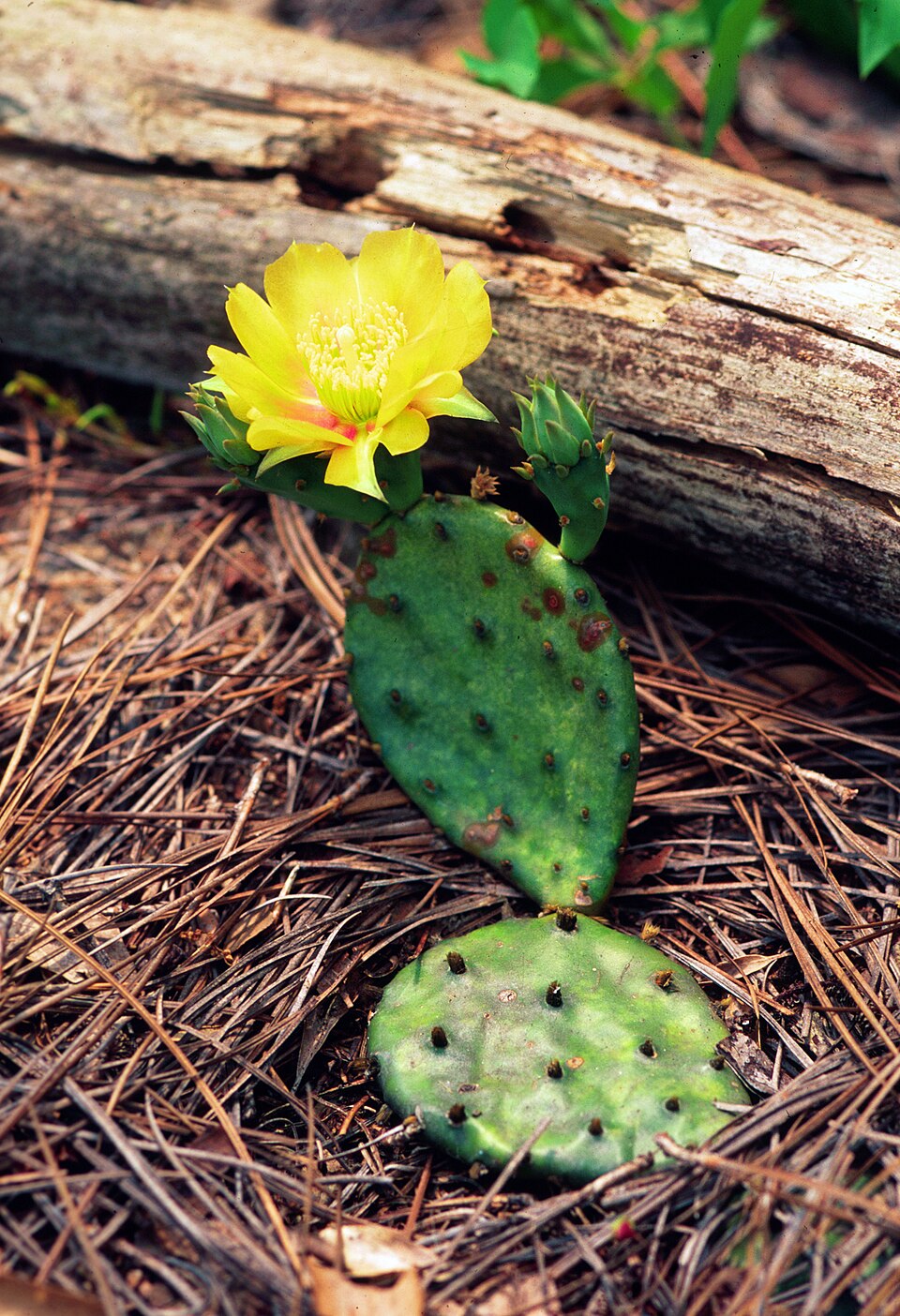
At a glance
- Life cycle
- Perennial
- Bloom
- June to July
Not yet recorded · Leaves
Recorded in 6 Arkansas counties.
Also found with this plant
Wildlife whose habitat models include habitats this plant grows in, in Arkansas. Shared habitat, not food. 65 animals.
- Eurasian Collared-doveStreptopelia decaocto
- European StarlingSturnus vulgaris
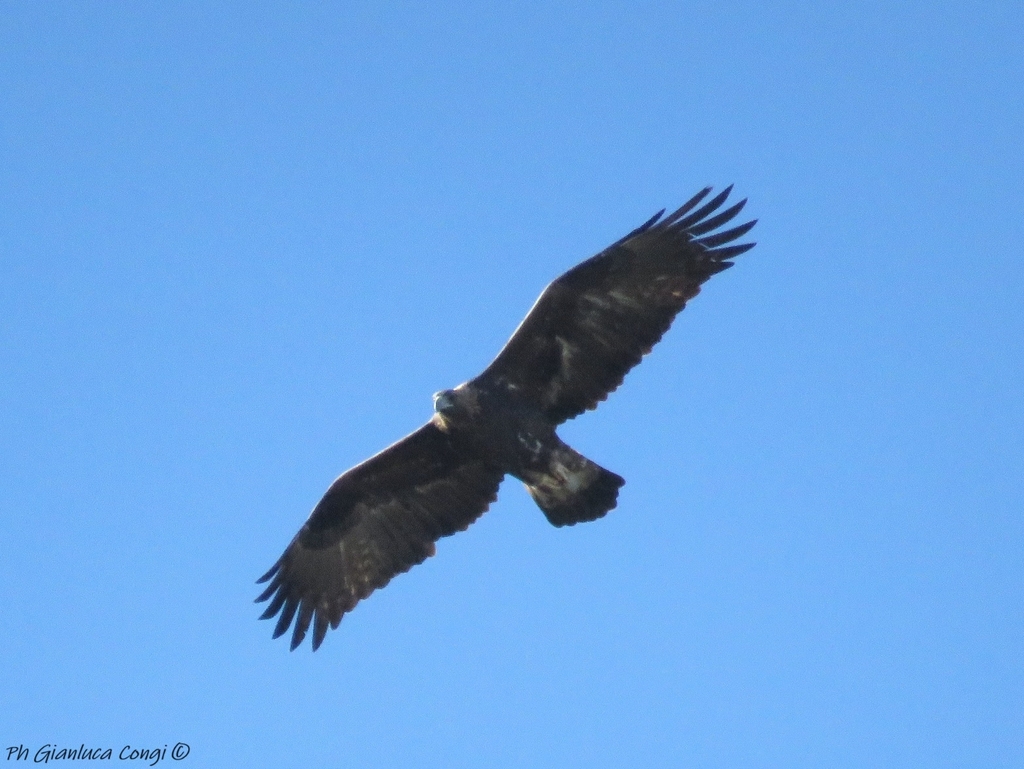
- Golden EagleAquila chrysaetos
- Golden-crowned KingletRegulus satrapa
- Great Horned OwlBubo virginianus
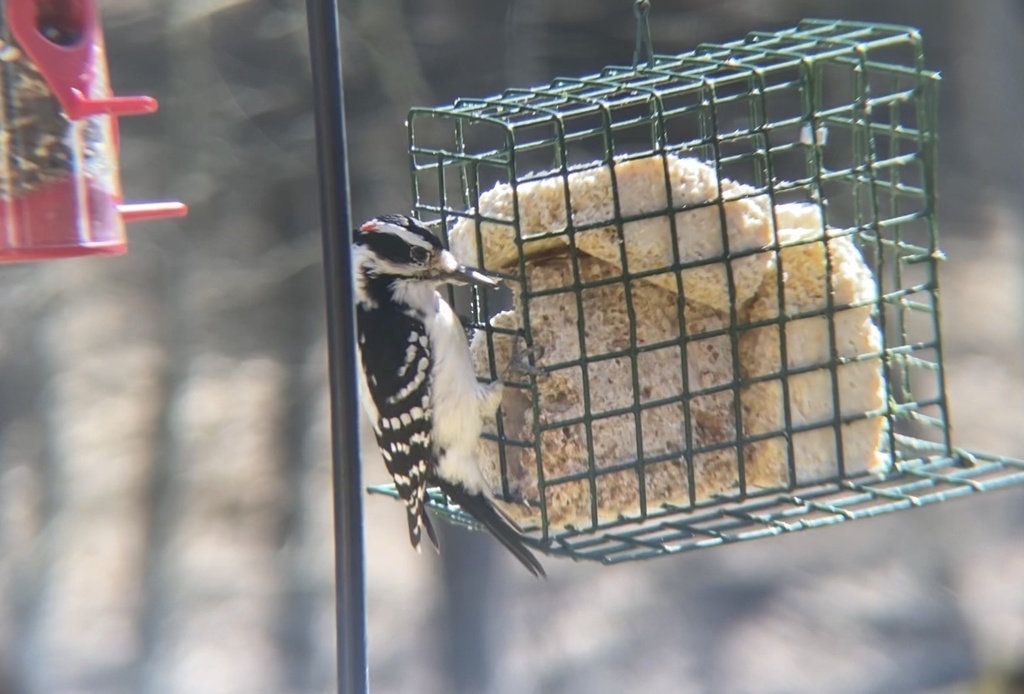
- Hairy WoodpeckerPicoides villosus
- Hooded MerganserLophodytes cucullatus
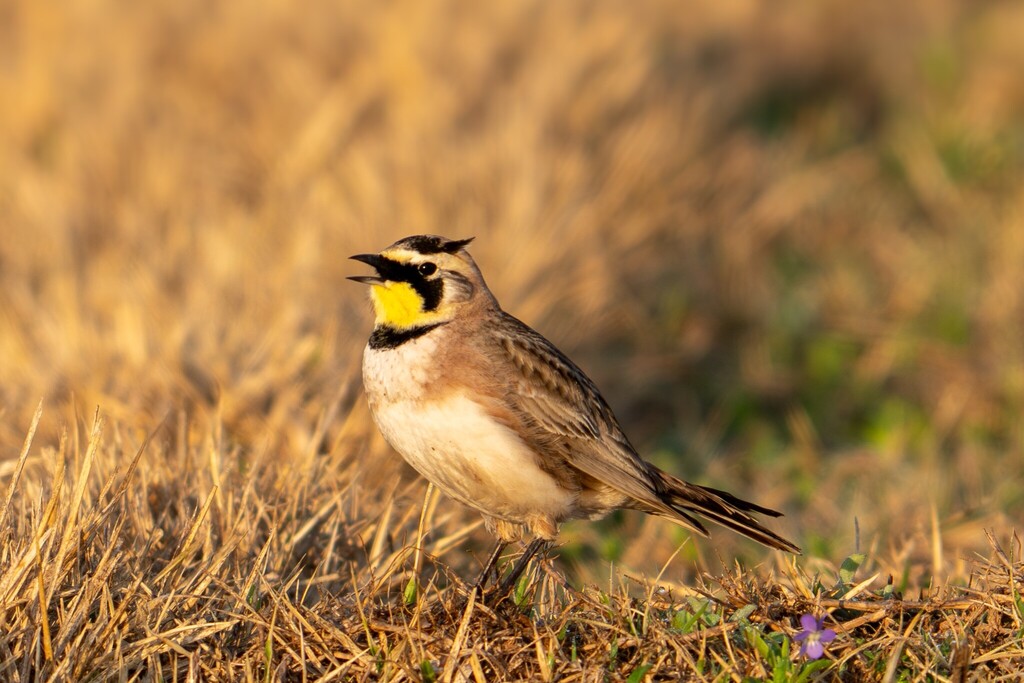
- Horned LarkEremophila alpestris
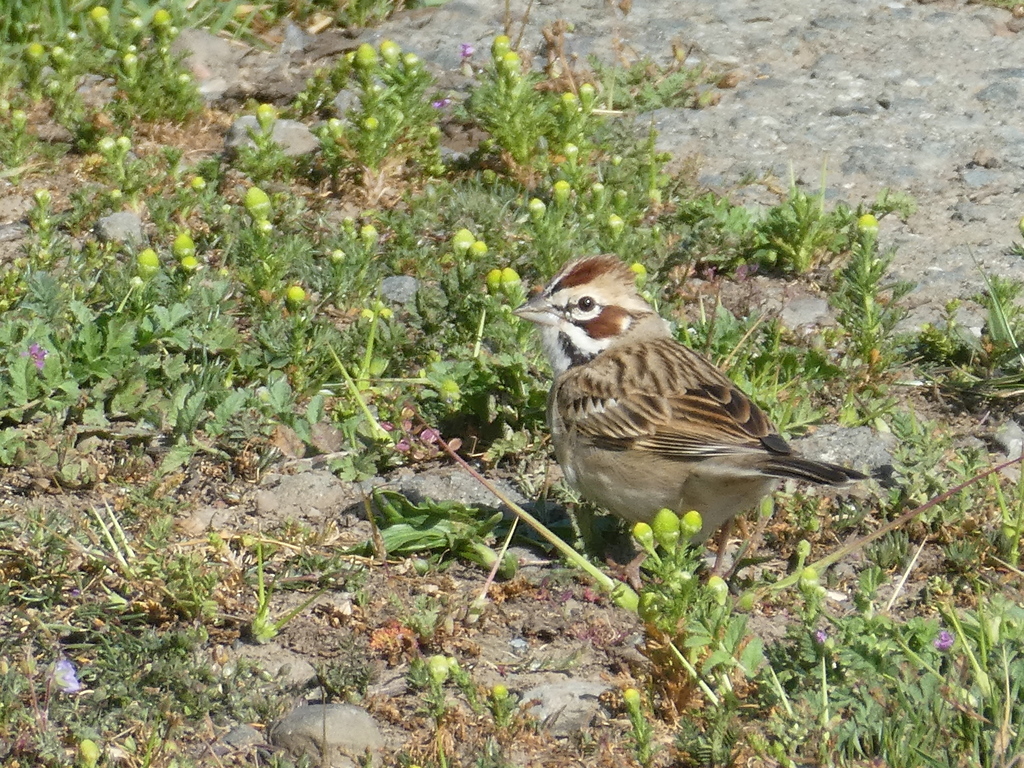
- Lark SparrowChondestes grammacus
- Mourning DoveZenaida macroura
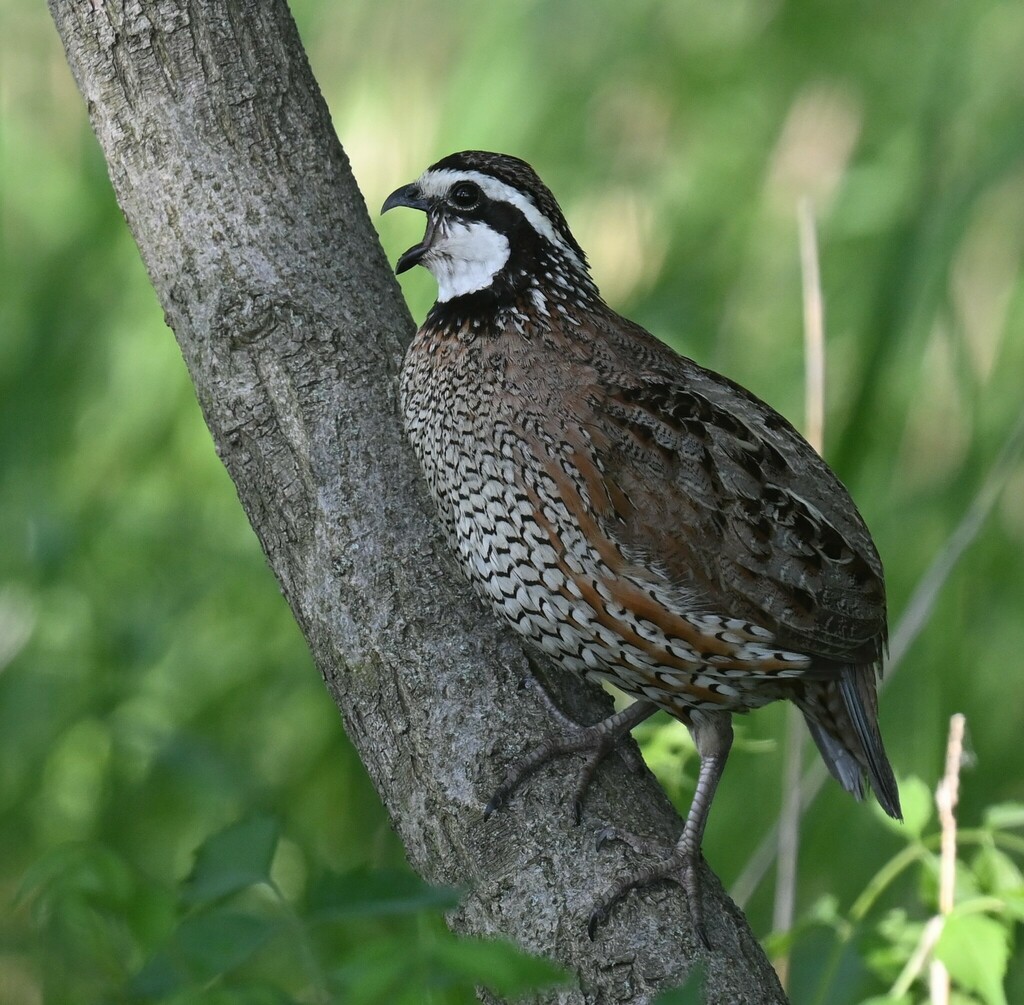
- Northern BobwhiteColinus virginianus
- Northern FlickerColaptes auratus
- Northern MockingbirdMimus polyglottos
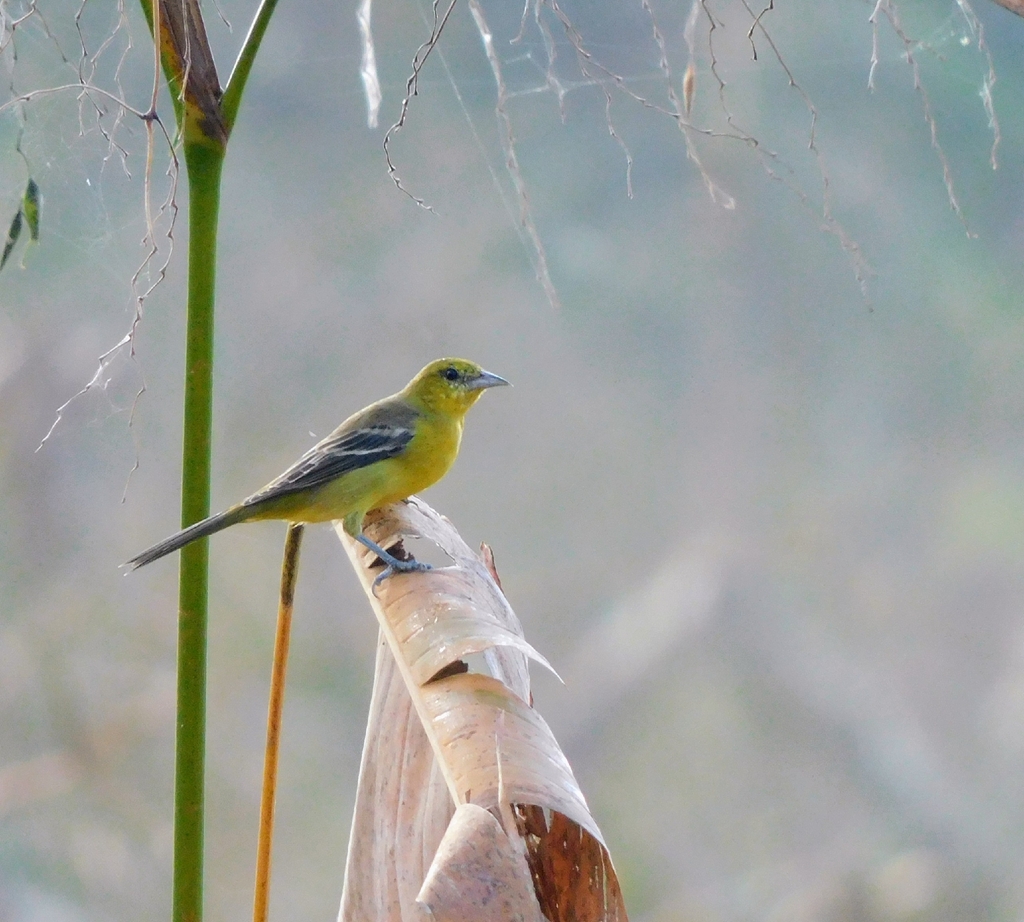
- Orchard OrioleIcterus spurius
- OspreyPandion haliaetus
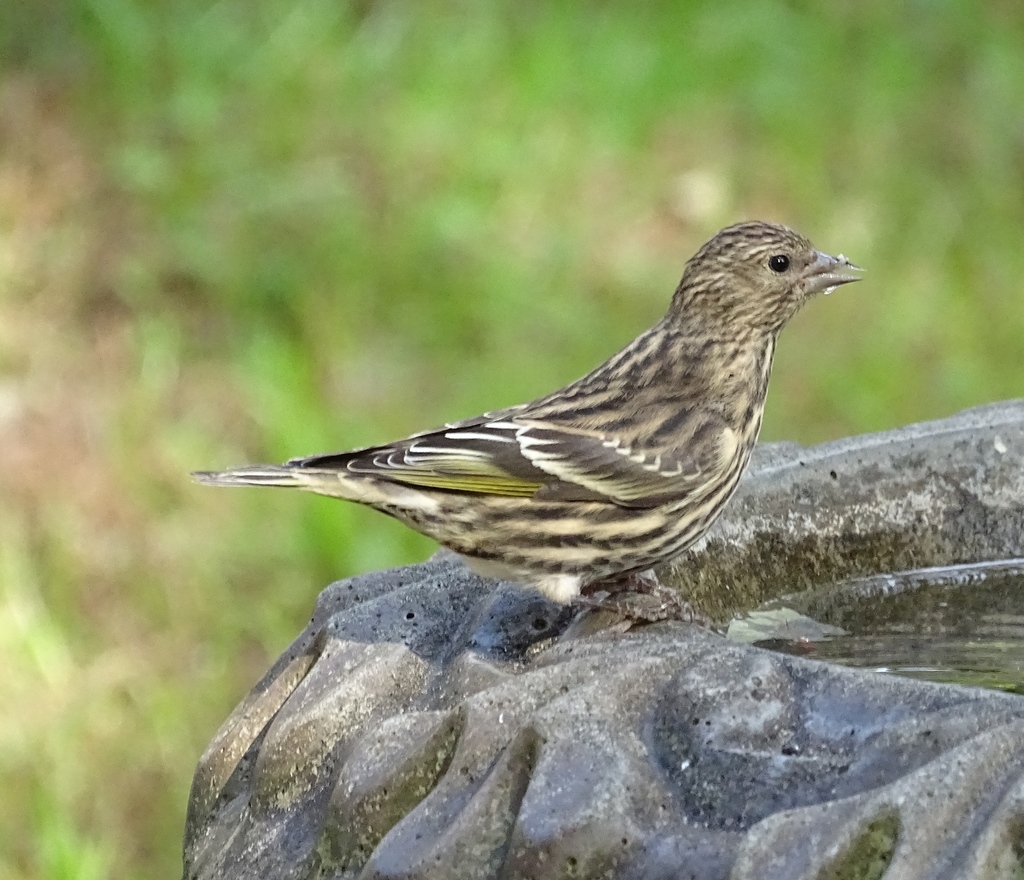
- Pine SiskinCarduelis pinus
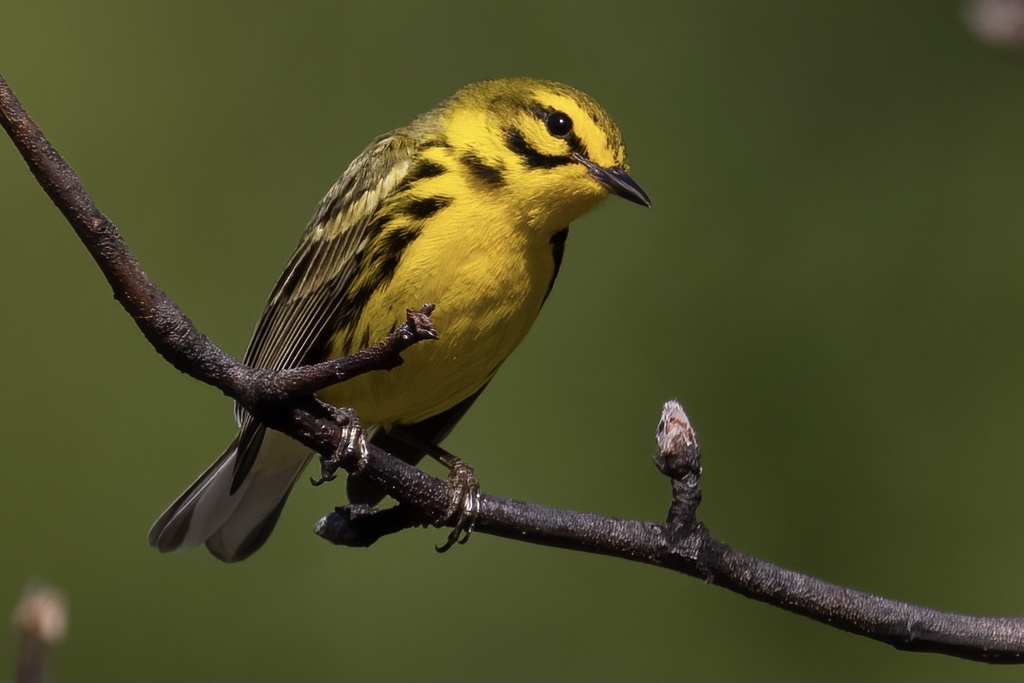
- Prairie WarblerDendroica discolor
- Purple FinchCarpodacus purpureus
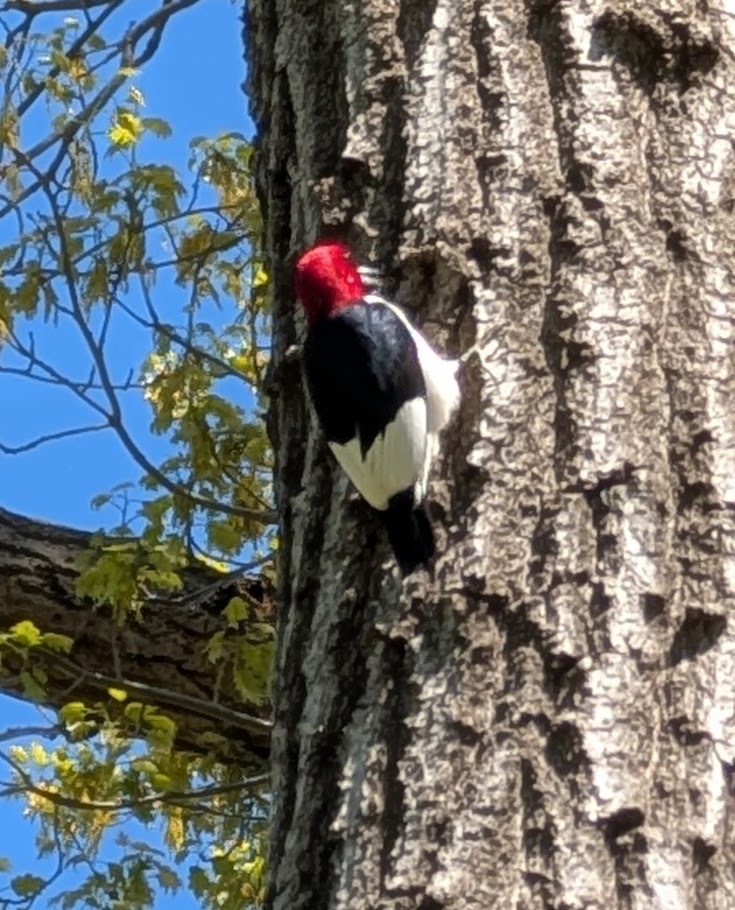
- Red-headed WoodpeckerMelanerpes erythrocephalus
- Red-tailed HawkButeo jamaicensis
- Red-winged BlackbirdAgelaius phoeniceus
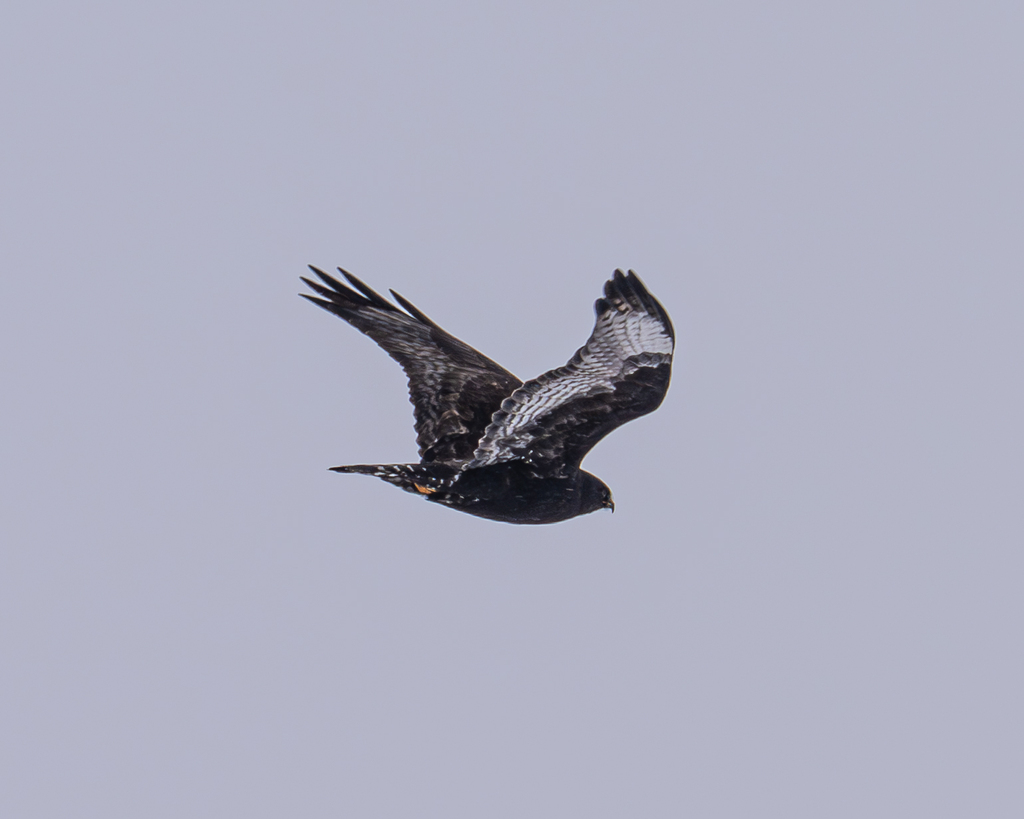
- Rough-legged HawkButeo lagopus
- Ruby-crowned KingletRegulus calendula
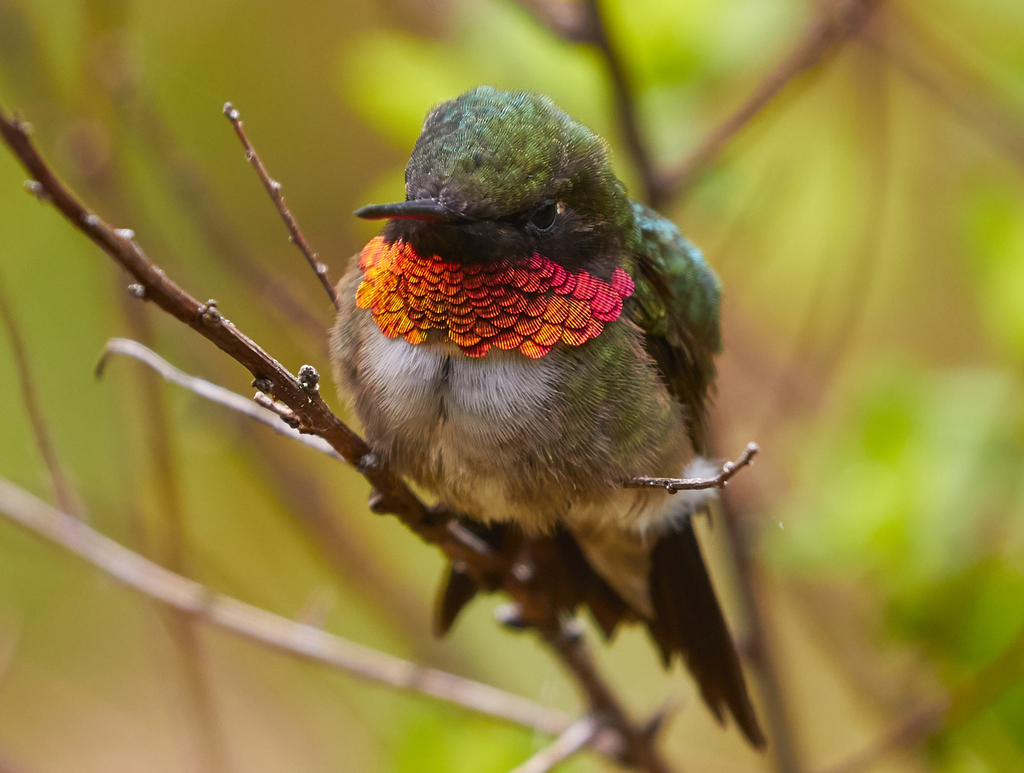
- Ruby-throated HummingbirdArchilochus colubris














Who uses this plant?
 6CaterpillarsGenus host records with ranges including AR
Genus host records with ranges including AR · Opuntia
- Dicymolomia julianalisJulia's Dicymolomia
- Homoeosoma electellaSunflower Moth
- Laetilia coccidivoraScale-Feeding Snout
- Melitara prodenialisEastern Cactus-Boring Moth, Eastern Blue Cactus Borer
- Eurythmia hospitella
- Menesta tortriciformella
 25BeesSoutheastern regional records
Southeastern regional records · Opuntia
Individual names are not available yet.
Noori, Seltmann & Orr 2026, A curated and integrated dataset for exploring global bee-plant interactions (GloBI), Zenodo, CC BY 4.0 5Specialist beesPollen specialists
Pollen specialists · Opuntia
- Diadasia australis
- Diadasia piercei
- Lithurgopsis gibbosa
- Lithurgopsis littoralis
- Macrotera texana
 4BirdsRecorded genus food-resource interactions; not a state feeding claim
Recorded genus food-resource interactions; not a state feeding claim · Opuntia
- Cardinalis cardinalisNorthern Cardinal
- Cyrtonyx montezumaeMontezuma Quail
- Leptotila verreauxiWhite-tipped Dove
- Meleagris gallopavoWild Turkey
Direct food only: birds recorded eating this genus across North America. Caterpillars on host plants also feed nesting birds. NC Native Plant Society: butterfly gardening
No records yet · Ants · Beetles · Flies · Adult butterflies / moths · Other wasps · Other insects
Plant details
- Family
- Cactaceae
- Hardiness
- Zones 4a–9b
- Flower color
- Yellow or red
What its natural habitat tells you
Safety has not been reviewed for this plant; check toxicity and thorns before planting.
Growing sources and scope
- Bloom · “June to July” · Prairie Moon 2026 Cultural Guide · Nursery cultural guide; height in flower; moisture categories retained as printed
- Flower color · “Yellow or red” · NC Extension Plant Toolbox (ranked first; Prairie Moon 2026 Cultural Guide differs)
- Hardiness · “Zones 4a–9b” · NC Extension Plant Toolbox
- Height · “6 inches–1 foot” · NC Extension Plant Toolbox (ranked first; Prairie Moon 2026 Cultural Guide differs)
- Life cycle · “Perennial” · NC Extension Plant Toolbox
- Light · “Full sun (6 or more hours of direct sunlight a day)” · NC Extension Plant Toolbox (ranked first; Virginia DCR Piedmont, Virginia DCR Coastal Plain, Prairie Moon 2026 Cultural Guide differ)
- Soil · “Occasionally dry; Very dry” · NC Extension Plant Toolbox (ranked first; Virginia DCR Piedmont, Virginia DCR Coastal Plain, Prairie Moon 2026 Cultural Guide differ)
- Spread · “1–1.5 feet” · NC Extension Plant Toolbox
Conservation status
| Arkansas rank | SNR |
|---|---|
| Global rank | G5 |
| AR status | Not verified |
| Federal status | Not verified |
Will it fit your yard?
Check this plant against your county, sun and soil moisture. Conditions are checked in your browser.
Sources
- USDA PLANTS
- Weakley, Flora of the Southeastern United States (2025)
- Arkansas occurrence source
- Shropshire & Tallamy 2025, Lepidoptera of North America north of Mexico, ZooKeys 1261 (ODbL)
- Noori, Seltmann & Orr 2026, A curated and integrated dataset for exploring global bee-plant interactions (GloBI), Zenodo, CC BY 4.0
- Smith, Bachelder, Russell, Morales, Mosher & Seltmann 2024, Bee-Specialization-Modeling v0.6.1 (specialist host table compiled from J. Fowler's pollen specialist bee lists), Zenodo, CC BY 4.0
- Hurlbert, Olsen, Sawyer & Winner 2021, Avian Diet Database, Scientific Data 8: 260 (CC0)
- Narango, Tallamy & Shropshire 2020, Few keystone plant genera support the majority of Lepidoptera species, Nature Communications